The Architecture of Feeling: Why the Most Beautiful Rooms Are Designed From the Inside Out

The Architecture of Feeling: Why the Most Beautiful Rooms Are Designed From the Inside Out

The most extraordinary interiors don’t begin with a floor plan. They begin with an instinct — a hunch about how a room should hold you when you walk through the door.

There is a particular silence in a well-designed room. Not emptiness — fullness, held in check. I’ve walked into thousands of spaces over the course of my career, from private residences along the Nantucket shore to boutique hotels that were somebody’s wild, beautiful bet on a neighborhood. And the rooms that stop me — the ones that genuinely rearrange something in my chest — share one unlikely quality: they know when to stop talking.

This is something our industry doesn’t discuss enough. We talk endlessly about trends and palettes, about whether arches are in or brass is out. We fill feeds with mood boards and material libraries. But the conversation we sidestep — the one that separates memorable interior design from merely attractive decoration — is the one about feeling. About how a room makes you breathe. About what it does to the tension in your shoulders the moment you step inside.

The best luxury interior design has always understood this. And right now, after years of trend-chasing and algorithmic aesthetics, the most discerning clients I work with are coming back to it with a clarity that feels almost defiant.

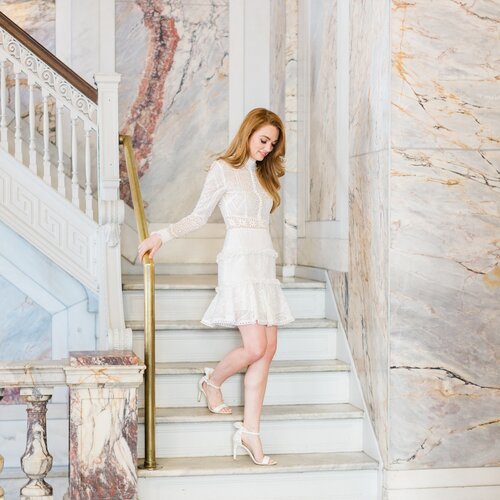
Stairwell

The Problem with “Looking Like” Something

Somewhere in the last decade, a quiet catastrophe happened in residential design. Homes started looking like each other. Not because their owners shared the same taste — they didn’t — but because the visual language of luxury narrowed to a punishingly small vocabulary. White oak. Unlacquered brass. Bouclé. Performance velvet. Fluted everything. Beautiful materials, every one of them. But when every living room in every coastal city speaks the same dialect, something essential is lost.

What’s lost is specificity. The thing that makes your home yours — not a set, not a showroom, not someone else’s idea of what wealth looks like, but the physical expression of how you actually live and who you actually are.

I studied at the School of the Art Institute in Chicago before earning my degree in Interior Architecture and Product Design at Kansas State, and later continued at the Architectural Association in London. Across all of those classrooms and studios, the lesson that survived everything else was this: design is not about appearance. It is about experience. A room is not a photograph. It is an environment that shapes behavior, alters mood, and — when done honestly — becomes a kind of autobiography of the people who inhabit it.

That’s a harder thing to sell than a trend report. But it’s the only thing worth building.


Starting with the Body, Not the Board

When I begin a new project — whether it’s a boutique hospitality concept or a multigenerational family home — I don’t start with Pinterest. I start with questions that sound deceptively simple. How do you enter this house? What do you see first? Where does your hand land? Where does the light fall at the hour you’re most likely to be home?

These are spatial questions, but they’re also emotional ones. A foyer that forces you to pause and decompress after a long drive feels entirely different from one that funnels you straight into open living space. Neither is wrong. But the choice should be deliberate, not inherited from the last project your contractor built.

I think of this as the architecture of feeling — the invisible structure beneath every finish and fixture that determines whether a room works or merely looks like it works. It’s the reason two identically furnished rooms can produce completely different responses. One holds you. The other just holds furniture.

The question I always return to is not “What should this room look like?” but “How should this room make you feel at eight o’clock on a Tuesday evening?”

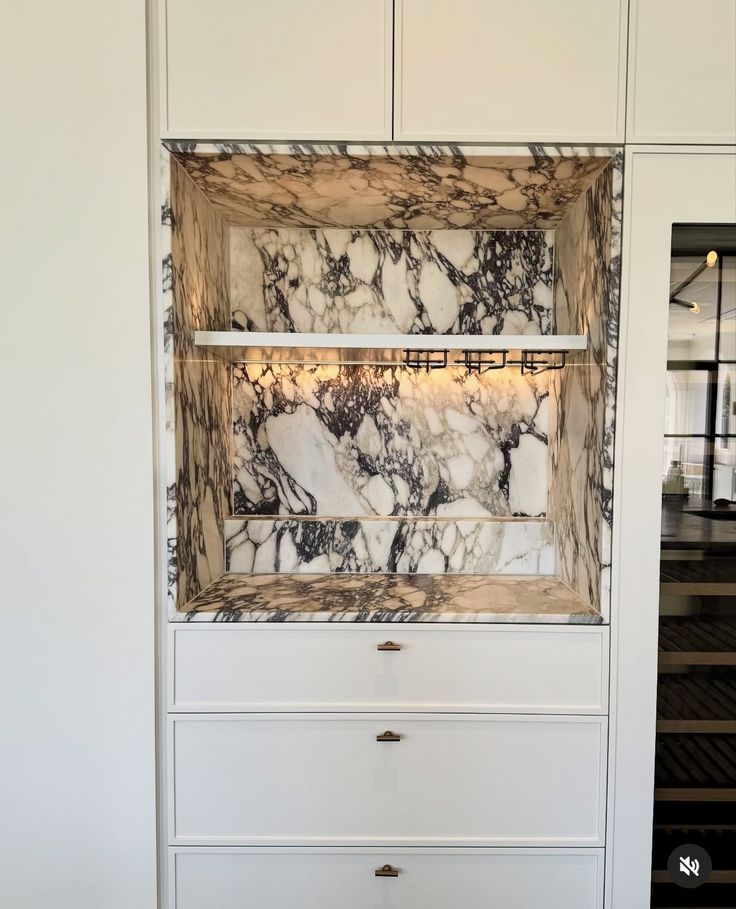
This isn’t esoteric. It’s practical. When you design from feeling outward, decisions that seem overwhelming — which stone, which textile, which hardware — suddenly clarify themselves. The marble you choose for a kitchen isn’t arbitrary; it depends on whether you want that room to feel like a warm, lived-in gathering place or a clean, sculptural workshop. Both are valid. But they call for very different veining, very different edge profiles, very different relationships to the cabinetry around them.


Material Honesty and the Intelligence of Touch

One of the most significant shifts I’m seeing in high-end residential design is a return to what I’d call material honesty — a willingness to let materials speak in their own voice rather than forcing them into some predetermined aesthetic role.

Consider stone. For years, the default in luxury kitchens and bathrooms was white marble — Calacatta, Statuario — selected not for its geological character but for its ability to photograph cleanly. It’s a gorgeous material. But it was being used as a signifier rather than a substance. A shorthand for “expensive” rather than an engagement with what stone actually is: ancient, variable, alive with the history of its own formation.

What I’m drawn to now — and what the most thoughtful clients are asking for — are stones with genuine personality. Verde Alpi, with its deep, forested veining. Pietra Cardosa, that cool blue-grey limestone from Tuscany that warms under your hand. Coquina, the shell-aggregate stone native to coastal Florida, humble and textured and impossible to replicate with engineered alternatives. These aren’t trend picks. They’re materials that carry meaning — geological, regional, tactile — and that meaning becomes part of the room’s story.

The same principle applies to wood, to metal, to textiles. A hand-forged iron door pull tells your hand something different from a machined one. A linen that’s been stone-washed has a weight and drape that no synthetic performance fabric can replicate — not because the performance fabric isn’t good, but because it wasn’t shaped by the same forces. The twentieth-century designer Charlotte Perriand understood this intuitively. She let bamboo be bamboo and steel be steel, and the result was furniture that felt almost inevitable, as if the material had chosen its own form.

This is the kind of material intelligence I try to bring to every project, whether I’m specifying a full residential interior or selecting a single piece of lighting for a client’s entry. The material should earn its place.


The Discipline of Restraint

I’ve designed over a thousand products in my career — furniture, lighting, objects — and if there’s one truth I’ve learned from both sides of the process, it’s this: the most difficult design decision is what to leave out.

We live in a culture of addition. Another accent wall. Another statement fixture. Another layer. And layers, done well, are the foundation of rich, dimensional design. But there’s a threshold — and it’s different for every room, every client, every context — beyond which accumulation stops creating warmth and starts creating noise.

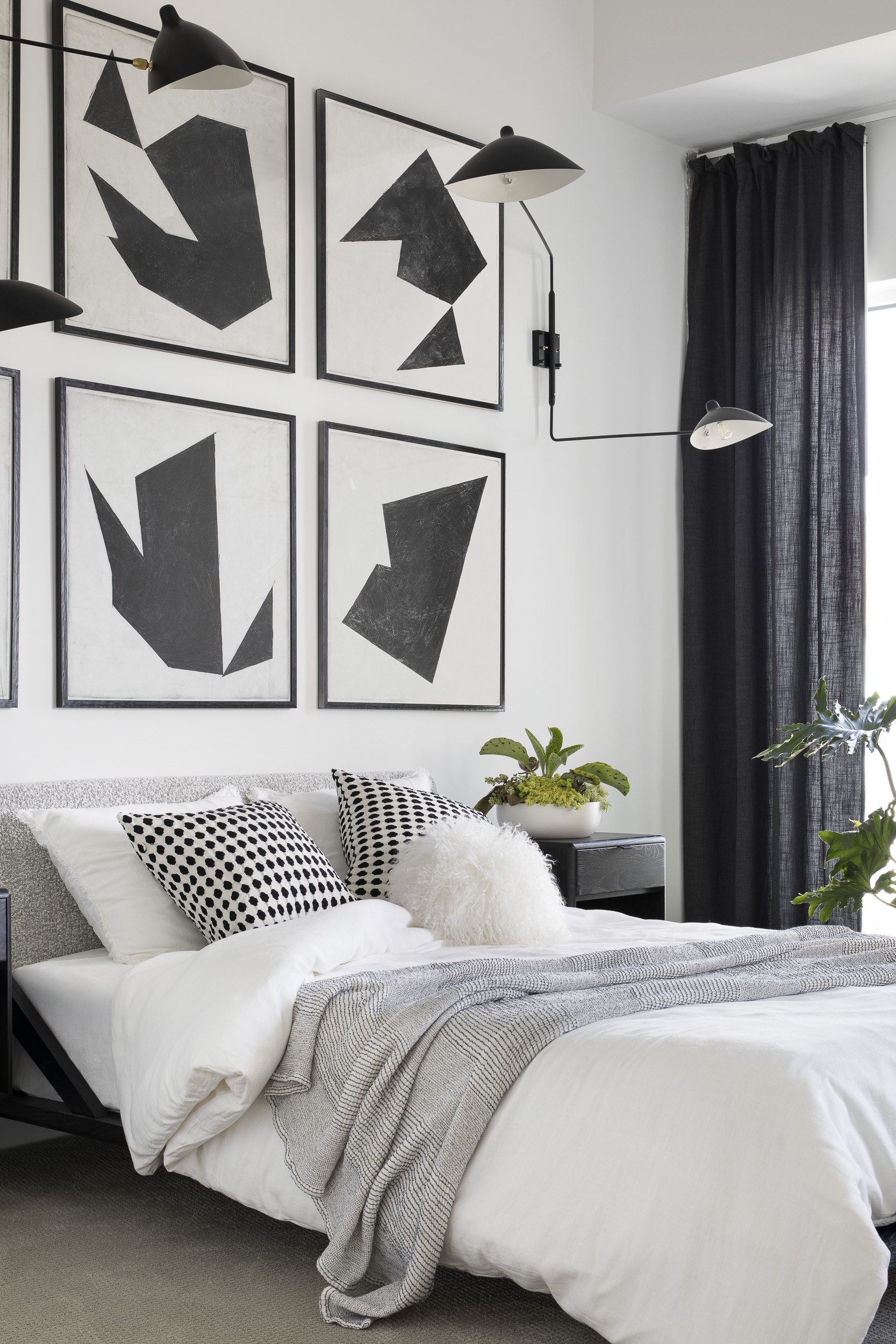
I think about restraint the way a good editor thinks about prose. The goal isn’t minimalism for its own sake — that can feel sterile, even punishing. The goal is precision. Every element in a room should be doing work. If the hand-plastered wall texture is carrying the emotional weight of the space, maybe the window treatments don’t need to compete. If the dining table is a piece of genuine craft — something with joinery you can read, a finish you want to touch — maybe the chandelier above it should recede.

This is the thinking behind what some people are calling “quiet luxury” in interiors, though I find that phrase slightly misleading. There’s nothing quiet about a room designed with real conviction. It’s more like confidence — the kind that doesn’t need to announce itself because the quality is evident the moment you walk in, sit down, run your hand along the arm of the chair.


Rooms That Remember

The projects I’m proudest of are not the ones that looked best in photographs. They’re the ones where, years later, the client tells me the room still works. That their family actually gathers there. That the sofa cushion their daughter always claimed is worn in a way they love. That the kitchen has survived ten Thanksgivings and still feels beautiful.

This is the real test of thoughtful interior design — not whether it photographs well on day one, but whether it deepens with use. Whether the materials age honestly. Whether the layout accommodates real life with its spills and its chaos and its Sunday mornings in pajamas.

When I work with families building multigenerational homes, this principle becomes even more critical. A space that serves a retired couple, their adult children, and grandchildren under five has to be resilient without feeling institutional, sophisticated without feeling untouchable. It has to hold noise and stillness in the same architecture. That’s not a decorating challenge. It’s a design challenge — one that starts with understanding how these specific people move through their days, and building outward from there.

What I Mean When I Say “Bespoke”

The word gets overused in our industry, I know. But genuine bespoke design — the kind where every specification is a response to a particular person in a particular place — remains the highest form of what we do. And it’s almost impossible to replicate at scale, which is precisely why it matters.

A bespoke interior doesn’t just fit the room. It fits the life. The reading nook calibrated to catch northern light at the exact hour the homeowner finishes work. The kitchen island sized not to standard dimensions but to the distance that feels natural when two people cook together. The guest suite positioned so that visitors feel welcomed but the household’s daily rhythm remains undisturbed.

These decisions aren’t glamorous. You won’t find them on a trend list. But they are the reason some homes feel effortless while others — even lavishly appointed ones — feel like they’re trying too hard. Working with a designer who understands this distinction is, I believe, one of the most meaningful investments you can make in how you live.

A Note on the Things We Keep

I want to end with something personal, because I think it speaks to a larger shift happening in how people relate to their homes.

More and more, the clients who find me — in St. Louis, in Sarasota, on Nantucket, and increasingly through virtual consultations from across the country — are less interested in having “the latest” and more interested in having things that mean something. A hand-thrown ceramic vessel from a potter they met on vacation. A vintage textile reupholstered onto a modern frame. A piece of furniture they’ll keep for decades and eventually pass along.

This instinct — toward longevity, toward objects with provenance, toward rooms that accumulate meaning rather than simply displaying taste — is the most promising development I’ve seen in residential design in twenty years. It’s a correction, and a welcome one. After an era of disposable aesthetics and content-driven interiors, people are remembering that a home is not a backdrop. It’s a life, unfolding.

And the rooms that serve that life best are the ones designed not from a mood board or a trend forecast, but from the inside out — starting with the way you want to feel when you’re finally, gratefully, home.

2 Hour Interior Design Virtual or In Person Consultation

SOMETHING FOR EVERYONE

THE PIECES RACHEL RETURNS TOAGAIN AND AGAIN

The Timeless Allure of Textural Layering in Luxury Interiors: Crafting Spaces That Evoke Elegance

The Timeless Allure of Textural Layering in Luxury Interiors: Crafting Spaces That Evoke Elegance

In the quiet hum of a Nantucket summer morning, I once stood in a client’s sun-dappled living room, running my fingers over a weathered linen sofa that had traveled from a Parisian atelier. The fabric’s subtle weave caught the light against the smooth, veined marble of a nearby coffee table—a piece that seemed to hold the cool memory of the Carrara quarries. It was a small moment, but a clarifying one: texture is never just a detail. It is the soul of a room, weaving history, comfort, and aspiration into every corner.

After more than fifteen years shaping private residences and boutique hospitality spaces, I’ve come to believe that masterful textural layering is what separates a house that merely photographs well from a home that feels good to live in. Below, I share why texture matters, how to layer it with intention, and the quiet ways it elevates wellbeing in a high-end interior.

A Historical Tapestry: Texture Through the Ages

Texture has always carried meaning. In the salons of seventeenth-century Versailles, layered velvets and brocades signaled power and refinement—depth and drama built one sumptuous surface at a time. Centuries later, the modernists turned the idea inside out: designers like Charlotte Perriand championed raw, honest materials—exposed wood grain, woven rush, hammered metal—bringing nature indoors without sacrificing function. Today we draw from both traditions, pairing heritage with contemporary ease to create rooms that feel collected rather than decorated.

In my own work—from sun-soaked Sarasota estates to cherished St. Louis homes—I lean on these lessons constantly. A hand-knotted wool rug, reminiscent of ancient Persian craftsmanship, adds warmth and acoustic softness while grounding a room in tradition. Pair it with sleek, polished metal and you strike that elusive balance: aspirational yet approachable. Imagine sinking into a chair upholstered in buttery leather, its patina telling stories of Italian tanneries, while a sheer silk curtain filters the golden-hour light and invites you to linger.

The Tactile Symphony: Materials That Speak to the Senses

Great layering begins with materials chosen for how they engage the senses, not just the eye. Start with grounding foundations—natural stone like travertine or limestone, cool and enduring underfoot, much like the floors of a Roman villa. Then introduce organics: a bouclé with its nubby loops, a linen with an irregular slub, a handwoven throw with visible texture. For contrast, mix matte and gloss—a matte oak sideboard beside glossy ceramic vessels that catch the light like jewels—and let a few brushed-brass accents add a warm, Art Deco glow without overwhelming the palette.

The effect is felt as much as seen. On a recent boutique hotel project, we set reclaimed barn-wood beams against plush velvet headboards, and guests described the rooms as quietly enveloping. Picture your own primary bedroom as a true retreat, where crisp Egyptian-cotton sheets meet the rugged charm of a hand-loomed throw. Layers like these turn an ordinary evening into a restorative ritual.

Layering With Intention

Textural layering isn’t about filling a room—it’s about composing one. When every surface is chosen for how it feels as much as how it looks, a space stops performing and starts comforting. That is the real luxury: a home that engages the senses, settles the nervous system, and grows more beautiful with use. Begin with one honest material you love, build slowly, and trust your hands as much as your eyes.

If you’d like help bringing this kind of depth and warmth to your own home, I’d love to think it through with you. Book a 2 Hour Design Consultation—virtual or in person—and we’ll bring clarity, intention, and timeless texture to your space.

SOMETHING FOR EVERYONE

THE PIECES RACHEL RETURNS TOAGAIN AND AGAIN
Bringing the Outdoors In: Incorporating Natural Elements into Your Home

Bringing the Outdoors In: Incorporating Natural Elements into Your Home

In today’s fast-paced lifestyle, finding ways to stay connected to nature can significantly improve our well-being. Bringing natural elements into your living space not only enhances your home’s aesthetic appeal but also promotes a calming and refreshing environment. In this blog, we’ll explore various creative ways to incorporate the outdoors into your home decor, ensuring that you achieve a refreshing and rejuvenating blend of comfort and nature.

Selecting Natural Materials for Furniture and Decor

Choosing furniture and decor made from natural materials like wood, bamboo, and stone can instantly bring an earthy feel to your home. These materials not only look stunning but also add a tactile richness to your interiors.

Consider opting for a teak wood dining table or a mahogany bookshelf to introduce warmth into your common areas. Wood brings texture and versatility, seamlessly fitting into various design styles, from rustic to contemporary. If you prefer lighter tones, bamboo is an excellent alternative; it’s durable, eco-friendly, and imparts a calming vibe.

Stone elements, such as a marble coffee table or granite countertops, add a touch of sophistication while keeping the natural theme alive. These materials have unique patterns and shades that reflect the diversity and beauty found in nature. Combining these elements can create a balanced and inviting space.

Incorporating Indoor Plants

Indoor plants are perhaps the most straightforward way to introduce nature into your home. They purify the air, add color, and create a tranquil atmosphere. From succulents to large leafy greens, the options are endless.

Spider plants, snake plants, and pothos are popular choices for beginners due to their low-maintenance nature. These plants thrive in various light conditions and can instantly brighten up a dull corner. Placement is key—grouping plants together can create a mini indoor garden, adding a lush feel to your living space.

Don’t shy away from larger plants like fiddle leaf figs or rubber plants if you have the space. These statement pieces can act as natural focal points, drawing attention and enhancing the aesthetic of any room. To create more interest, vary the height and type of plants. Hanging planters and vertical gardens can also add layers of greenery without occupying floor space.

Using Natural Light

Maximize the use of natural light by keeping windows free of heavy drapes and opting for sheer curtains instead. Skylights and mirrors can also help to bounce natural light around the room, making your space feel larger and more welcoming.

Adding mirrors opposite to windows can effectively double the amount of natural light in a room. This not only brightens up your space but also creates an illusion of increased space. Don’t forget the power of glass doors or large windows; they can create a seamless connection between the indoors and the outdoors.

If your home lacks sufficient natural light, consider using light tubes or sun tunnels. These architectural features channel sunlight into interior spaces that usually receive little daylight, thus enhancing the natural flow of light throughout your home. Coupled with light-colored walls and ceilings, these can make any room feel airy and spacious.

Creating Nature-Inspired Color Palettes

Selecting colors that mimic the natural world, such as earth tones, greens, and blues, can bring a sense of calm and coherence to your home. These colors work well in any room and can be complemented with natural textures.

Think of the colors you encounter in a peaceful forest or a serene beach. Shades of green can evoke the freshness of leaves, while sandy beige and rich browns can mimic earth and stone. Soft blues and off-whites can conjure images of clear skies and tranquil waters. By incorporating these hues, you create a cohesive atmosphere that feels both relaxing and invigorating.

To complete the look, use textiles and accessories made of natural fibers. Linen curtains, cotton throws, and jute rugs can enhance the organic feel of your color palette. You can also add natural elements like wooden furniture, stone ornaments, and ceramic pots to harmonize with your chosen colors, creating a visually balanced and serene environment.

Incorporating Water Elements

The soothing sound of water can be incredibly calming. Consider adding a small indoor fountain or an aquarium to your living space. These elements not only look beautiful but can also enhance the ambiance and tranquility of your home.

An indoor water fountain can be a focal point in your home. Its gentle flow not only adds aesthetic value but also introduces a sense of serenity. Place it in your living room or entryway to welcome guests with the soothing sounds of water. If you prefer a smaller water feature, consider a table-top fountain for your office or bedroom.

Aquariums can also bring life and movement into your space. Watching fish can be a relaxing activity, and the presence of aquatic plants can enhance the natural vibe. Select fish that are easy to care for and plants that are compatible with your tanks’ conditions. Once set up, it can become a calming and beautiful centerpiece in your home.

Bringing in Natural Scents

Scent plays a powerful role in creating a natural environment. Use essential oils, natural wax candles, or fresh flowers to fill your home with delightful, natural fragrances that promote relaxation and well-being.

Aromatherapy is a wonderful way to incorporate natural fragrances into your home. Essential oils like lavender, eucalyptus, and lemon can enhance your mood and create a refreshing atmosphere. Use a diffuser to spread their scent throughout your space, or add a few drops to a warm bath for an immersive experience.

Natural wax candles made from soy or beeswax can also add to the ambiance. They burn cleaner and last longer than traditional paraffin candles, and many are infused with essential oils for added fragrance. Place them in your living room or bedroom for a touch of warmth and aroma.

Fresh flowers are another great way to bring nature’s scent indoors. A bouquet of hydrangeas, fraginpani, or jasmine not only looks beautiful but fills the room with their sweet and refreshing fragrance. Change the flowers seasonally to reflect different scents and colors throughout the year.

Shop The Look

Embrace Nature in Your Home

Bringing the outdoors in is a wonderful way to create a serene, beautiful, and healthy living space. By thoughtfully integrating natural elements into your home, you can enjoy the myriad benefits of nature’s presence every day. So, start small, experiment, and most importantly, have fun with your home decor journey. Your perfect nature-inspired sanctuary is just a few thoughtful touches away.

2 Hour Interior Design Virtual or In Person Consultation

SOMETHING FOR EVERYONE

THE PIECES RACHEL RETURNS TO, AGAIN AND AGAIN
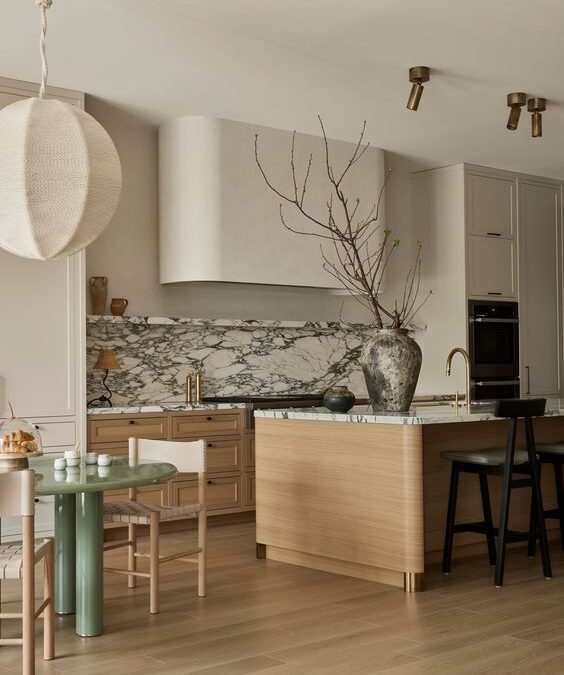
The Return of Livable Luxury: Why 2026 Interiors Prioritize Longevity, Comfort, and Quiet Confidence Over Flash

The Return of Livable Luxury: Why 2026 Interiors Prioritize Longevity, Comfort, and Quiet Confidence Over Flash

A few years back, on a breezy afternoon in Sarasota, I watched a client unpack boxes in her newly renovated coastal home. The space wasn’t screaming for attention—no dramatic marble veining or oversized pendants—but every piece felt deliberate: a low-slung linen sofa that had softened over time in a previous life, a reclaimed teak side table with faint water rings from decades of use, and sheer curtains that caught the Gulf light like breath. She turned to me and said, “This doesn’t feel new. It feels right.” That single sentence has stayed with me. In an era of constant reinvention, the most compelling luxury now isn’t about acquiring the latest; it’s about curating what endures, what supports daily life, and what quietly elevates it. As we move into 2026, livable luxury—timeless, practical, deeply personal—is emerging as the defining ethos for discerning homes and boutique hospitality spaces alike.

Travertine & Voile Marble Floor

From Fleeting Trends to Enduring Foundations

Interior design has always reflected the cultural moment. The mid-2010s gave us the relentless pursuit of Instagram-perfect minimalism; the early 2020s brought maximalist excess as a counterpoint. But post-pandemic shifts toward wellbeing, sustainability, and authenticity have reshaped priorities. High-end clients no longer want spaces that look “done”—they want environments that age gracefully, adapt to real living, and tell a story over time.

This isn’t anti-trend; it’s a refinement. Think of the enduring appeal of mid-century pieces that have been reupholstered rather than replaced, or the patina on antique brass that only deepens with touch. In my projects—from Nantucket summer retreats to St. Louis family legacies—I’ve seen how prioritizing longevity creates richer narratives. A hand-carved walnut console might cost more upfront, but its craftsmanship ensures it becomes a heirloom, not landfill fodder. Similarly, performance fabrics that mimic the softness of velvet yet withstand spills and sun fading allow families to live fully without compromise.

Historical echoes abound here too. The great estates of the early 20th century—think Edith Wharton’s The Mount or the villas of the Côte d’Azur—were built for generations, with materials chosen for their resilience and beauty over decades. Today’s livable luxury revives that sensibility, but with modern innovations: ethically sourced woods that sequester carbon, low-VOC paints that support indoor air quality, and modular systems that evolve as needs change.

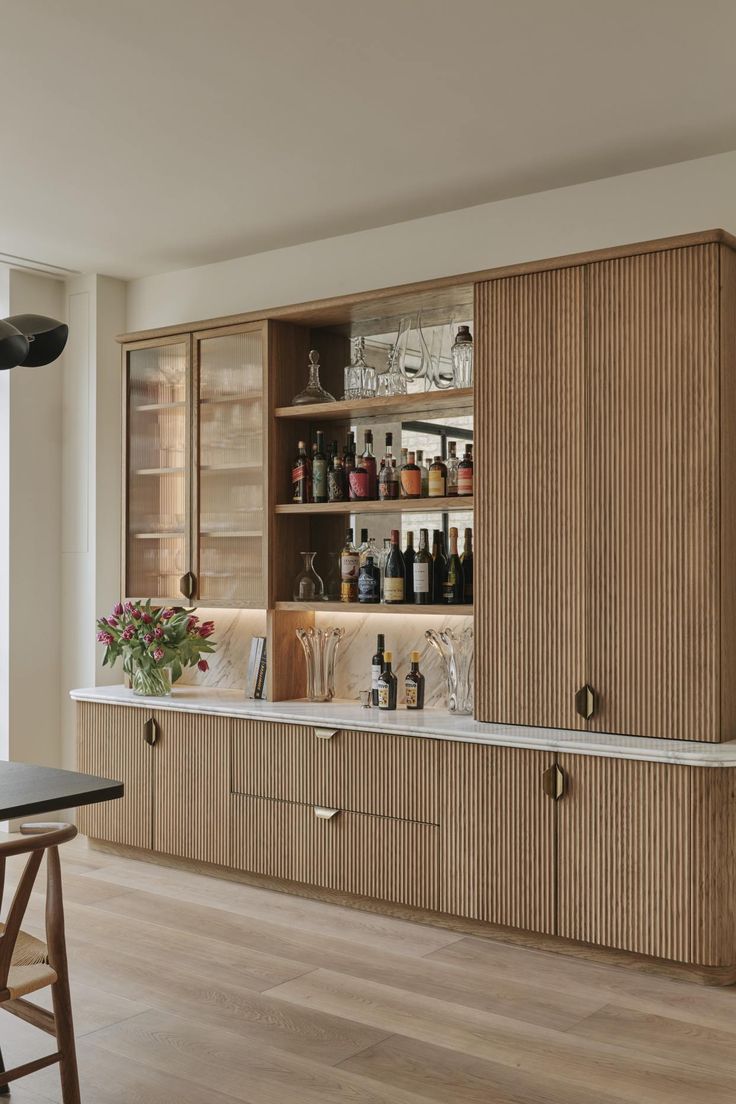
Kitchen Shelves & Wood

Materials and Details That Age Beautifully

The tactile heart of livable luxury lies in materials that invite interaction and reward time. Natural stones like honed limestone or aged travertine develop subtle character rather than pristine perfection—cool underfoot in Sarasota summers, grounding in Nantucket winters. Organic textiles—linen blends, washed cottons, and vegetable-dyed wools—soften with wear, gaining depth instead of fading.

Lighting plays a starring role: sculptural fixtures in unlacquered brass or hand-blown glass that patina softly, casting warm, forgiving glows. In one recent boutique hotel project in Lincoln, Massachusetts, we layered vintage-inspired sconces with modern dimmable LEDs, creating ambiance that feels intimate and enduring. Furniture follows suit: curved, enveloping silhouettes in solid hardwoods, upholstered in durable yet luxurious fabrics that feel like a second skin.

Sustainability isn’t an add-on; it’s foundational. I seek out pieces with traceable provenance—reclaimed timber from responsibly managed forests, artisanal ceramics fired with low-impact kilns. These choices reduce environmental footprint while adding soul: a vessel thrown by a local potter carries the maker’s hand in every imperfection.

Aspirational prompt: Picture your entryway not as a pass-through, but as a quiet welcome— a vintage bench with a softly worn leather seat, a mirror framed in aged wood that reflects the day’s light. How does surrounding yourself with pieces that improve with age change the way you step into your home each evening?

Shop The Look

Practical Steps Toward Livable Luxury in Your Space

Start small but intentionally. Audit your current pieces: What has lasted? What brings genuine comfort? Build around those anchors. Invest in foundational items— a well-made sofa, timeless rugs, quality bedding—that form the backbone of daily life.

For coastal or humid climates like Florida, prioritize breathable, mold-resistant materials; in urban pied-à-terres, focus on multifunctional pieces that maximize light and flow. Layer thoughtfully: mix eras (a modern lamp beside an antique chair) to create collected depth without chaos.

If a full refresh feels daunting, a 2-hour design consultation can map your priorities—often crediting toward larger projects. And for those finishing touches that ground a room in quiet elegance, browse curated selections at the shop—sculptural vessels, refined textiles, and lighting designed to last.

The True Measure of Luxury in 2026

Ultimately, livable luxury isn’t about restraint for its own sake; it’s about freedom—the freedom to live messily, joyfully, authentically, without fear of “ruining” something precious. In a world of constant noise, these spaces offer sanctuary: calm, composed, and confidently understated.

As we’ve traced this shift from trend-chasing to timeless intention, one truth stands clear: the most powerful interiors don’t demand attention—they earn it through lived experience. If you’re ready to create a home that supports your life rather than staging it, let’s talk. Explore more on quiet luxury interiors or seasonal color palettes that endure.

Here’s to spaces that feel as timeless as they do welcoming.

2 Hour Interior Design Virtual or In Person Consultation

SOMETHING FOR EVERYONE

THE PIECES RACHEL RETURNS TO, AGAIN AND AGAIN

The “Less is More” Approach to interior design

The “Less is More” Approach to interior design

The “Less is More” approach is a design philosophy that focuses on simplicity and minimalism. It emphasizes clean lines, uncluttered spaces, and a pared-down color palette. This approach is all about using fewer elements to create a more impactful and visually appealing space. By incorporating this design ethos, you can achieve a sense of calm and sophistication in your home.

The Fundamentals of Minimalistic Interior Design

Minimalistic interior design focuses on simplicity, clean lines, and a decluttered space. To achieve this aesthetic, incorporate neutral colors, functional furniture, and open spaces. Embrace the “less is more” philosophy by selecting a few key pieces that serve both a practical and visual purpose. Aim for a harmonious balance between form and function to create a serene and uncluttered environment. Avoid excessive decorations or patterns, and opt for quality over quantity when selecting items for your space. By following these principles, you can create a calming and visually appealing environment that promotes a sense of tranquility and balance.

Embracing Simplicity in Home Decor

Simplicity in home decor is more than just a trend; it’s a timeless way to create a peaceful and harmonious living space. By embracing simplicity, you can achieve a clean, uncluttered look that promotes calmness and relaxation in your home. Here are some ways to embrace simplicity in your home decor:

  • Choose a neutral color palette for your walls and furniture to create a sense of openness and airiness.
  • Opt for furniture with clean lines and minimalistic designs to create a sense of simplicity and elegance.
  • Incorporate natural elements like wood, stone, and plants to bring a sense of warmth and tranquility to your space.
  • Declutter your space by getting rid of unnecessary items and only displaying things that bring you joy and have a purpose.
  • Embrace negative space to allow your decor to breathe and create a sense of balance in your home.

By embracing simplicity in your home decor, you can create a space that not only looks beautiful but also feels inviting and tranquil.

​Functional and Stylish Minimalist Furniture

Minimalist furniture focuses on simple, clean lines and clutter-free designs. Functionality and style are essential in minimalist furniture, which often features neutral colors and sleek forms. Some key characteristics of minimalist furniture include:

  • Multi-functional pieces that serve more than one purpose
  • Clean and uncluttered designs that emphasize simplicity
  • High-quality materials such as wood, metal, or glass
  • Space-saving features to maximize efficiency
  • Minimalist furniture aims to create a calm and organized living space while showcasing a modern and sophisticated aesthetic.

Utilizing Neutral Colors and Textures

Neutral colors like white, beige, and gray provide a sense of calm and simplicity to a room. They make a space feel open and airy. By incorporating textures like soft fabrics or natural materials such as wood or stone, you can add depth and interest to the design without overwhelming the space. Mixing different textures in neutral colors creates a harmonious and sophisticated look that is both timeless and versatile.

Maximizing Space and Light in Minimalist Design

In minimalist interior design, maximizing space and light is key. To achieve a spacious feel, opt for light colors on walls and furniture. Use strategically placed mirrors to reflect natural light and make the room appear bigger. Consider using multi-functional furniture pieces to save space. Declutter regularly to maintain the minimalist aesthetic and promote a sense of openness in the room.

Incorporating Nature and Greenery Indoors

Plants are a simple and effective way to bring nature indoors, adding a refreshing touch to your living space. These green companions not only look beautiful but also contribute to a healthier indoor environment. Research shows that indoor plants can improve air quality by removing toxins and increasing oxygen levels. In addition, they can boost your mood and reduce stress levels, creating a more relaxing atmosphere in your home. Spider plants, snake plants, and peace lilies are popular choices for low-maintenance indoor greenery. Consider placing them strategically in rooms to enhance the overall aesthetic and ambiance of your space.

Decluttering and Organizing for a Minimalist Home

To achieve a minimalist home, start by decluttering your space. Separate items into keep, donate, and discard categories. Keep only what you need or truly love. Organize items neatly in designated spaces to maintain a clean and uncluttered look. Consider investing in multi-functional furniture pieces to maximize space efficiency. Remember, a minimalist home promotes a calm and stress-free environment by prioritizing simplicity and functionality.

Sustainable and Eco-Friendly Elements in Minimalist Design

Sustainable and eco-friendly elements play a significant role in minimalist design. When choosing to incorporate these elements into your space, you are not only opting for a clean and uncluttered look but also contributing to a healthier environment. Here are some key aspects to consider:

  • Natural Materials: Opt for materials like wood, bamboo, cork, or recycled materials to add warmth and sustainability to your design.
  • Energy Efficiency: Incorporate energy-efficient lighting fixtures and appliances to reduce energy consumption.
  • Indoor Plants: Adding plants not only enhances the aesthetics but also improves air quality and promotes a sense of well-being.
  • Recycling and Upcycling: Embrace the concept of recycling and upcycling by repurposing old items or choosing furniture made from recycled materials.

By incorporating these elements into your minimalist design, you can create a space that is not only visually appealing but also environmentally conscious.

Achieving Balance and Harmony in Minimalist Interior Design

To achieve balance and harmony in minimalist interior design, focus on incorporating simple elements that create a sense of tranquility and cohesion. Keep the space clutter-free by utilizing clean lines and reducing unnecessary decorations. Use a neutral color palette to create a calming atmosphere and allow for a sense of spaciousness. Incorporate natural materials like wood and stone to add warmth while maintaining a minimalist look. Strategically place furniture to create a sense of flow and openness within the room. Remember, in minimalist interior design, less is more – each piece should serve a purpose and contribute to the overall harmony of the space.

2 Hour Interior Design Virtual or In Person Consultation

SOMETHING FOR EVERYONE

THE PIECES RACHEL RETURNS TO, AGAIN AND AGAIN