Interior design tips from Rachel Blindauer for creating flow, function, and beauty.
When it comes to living room design, most people think in terms of color and style—what sofa to buy, which rug pattern, what shade to paint the walls. But long before aesthetics comes something more foundational: the layout.
Layout isn’t about where things can fit. It’s about how well they support your life. The flow of a room, the scale of furniture, the subtle cues that shape conversation or calm—all of it begins with how a space is arranged.
As an interior designer, I’ve walked into countless homes where beautiful pieces still manage to feel off. More often than not, it’s not the furniture—it’s the floor plan. So here are five of the most common living room layout mistakes I see, and the fixes that turn confusion into clarity.
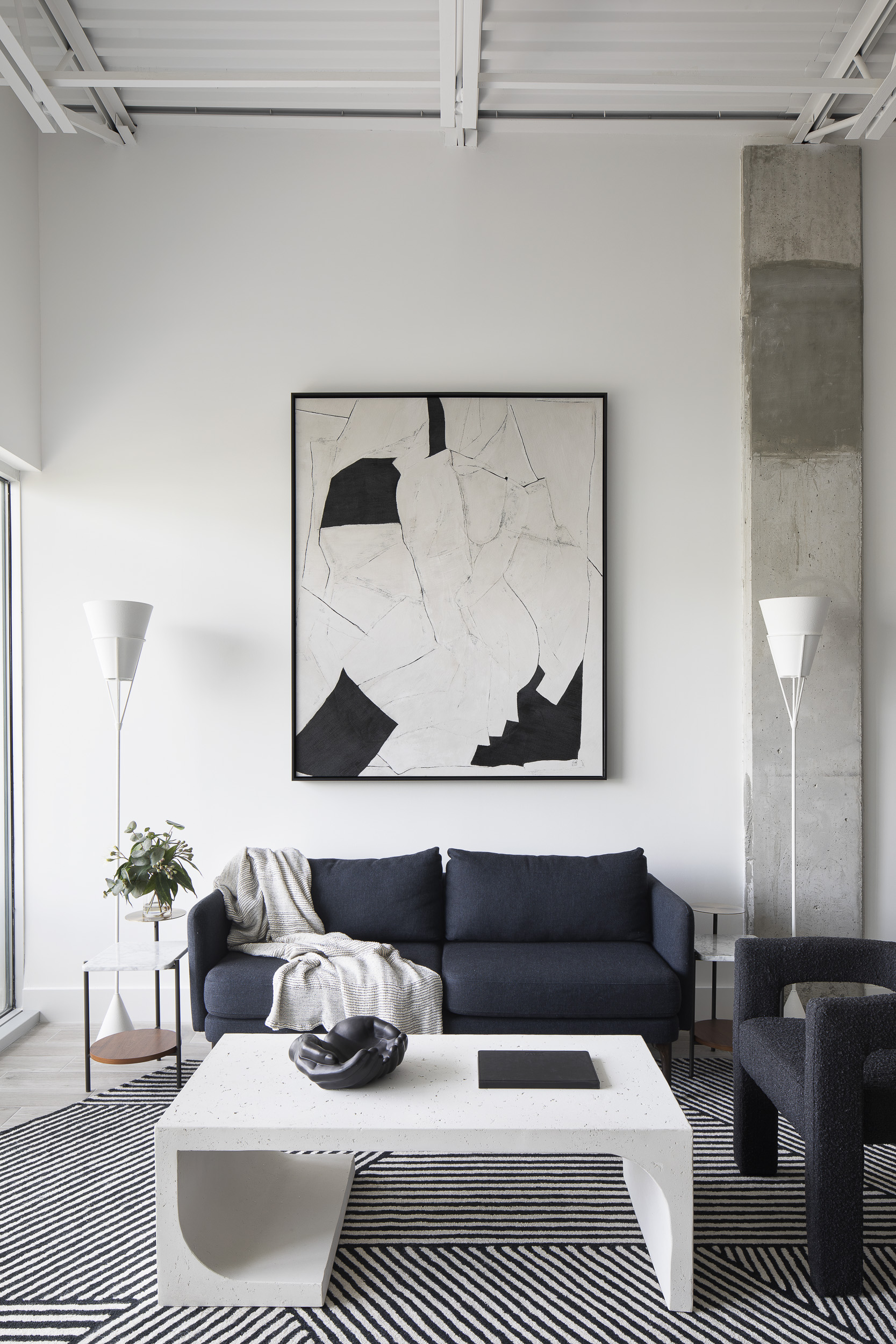
The Furniture Push (Everything’s Against the Wall)
Mistake: Pushing all the furniture to the edges of the room, hoping it will make the space look larger.
Why It Doesn’t Work: It creates visual emptiness in the center and disconnects the pieces from one another. The room feels like it’s bracing itself instead of inviting you in.
Fix: Float the sofa or chairs. Pull furniture inward and anchor it with a rug that fits the full seating arrangement. Suddenly, the room gains warmth, intimacy, and dimension.
“When furniture hugs the walls, the room feels like it’s holding its breath.”
Traffic Jam Central
Mistake: Walkways that are awkward or blocked—forcing people to sidestep coffee tables or detour around the room.
Why It Doesn’t Work: Poor flow makes a space feel cramped, even if it’s large.
Fix: Establish clear traffic lanes with a minimum of 36” between pieces. Consider how people will move through the room, not just sit in it. Think like a city planner: efficiency matters.
💡 Pro Tip: Tape off furniture dimensions on the floor before purchasing to test circulation paths.
The One-Zone Wonder
Mistake: A living room that only does one thing—usually watching TV.
Why It Doesn’t Work: It underutilizes the space and limits the ways people engage.
Fix: Create intentional zones. Add a reading nook, a writing desk, or a small games table near a window. Layer the room with multiple functions to encourage different kinds of interaction.
“The best rooms offer options: to gather, to pause, to daydream.”
Everything Faces the Screen
Mistake: Every seat is aimed at the TV, turning the room into a media bunker.
Why It Doesn’t Work: It deprioritizes connection. The room becomes about consumption, not conversation.
Fix: Soften the screen’s dominance by creating a secondary focal point. Shift at least one chair to face another person or a fireplace. Add a coffee table or side table for books, candles, or games.
Explore our curated living room accessories to help soften hard tech lines.
Finish the Living Room

Biarritz Round Travertine Coffee Table
$2,658

Harlow Swivel Chair in Cozy Linen
$4,344

Atelier Table Lamp
$957
Scale Is Off
Mistake: Furniture is either too big (overcrowded) or too small (floating like islands).
Why It Doesn’t Work: Disproportion undermines both comfort and cohesion.
Fix: Pay attention to the volume of pieces. Use painter’s tape to mock up furniture sizes. Choose a rug that extends at least halfway under all seating. Make sure lighting and art scale with ceiling height and wall size.
“Design isn’t just about objects—it’s about relationships. Scale sets the tone.”
The Measurements I Use on Every Living Room
Most layout mistakes come down to a few inches. These are the clearances I plan around before choosing a single piece.
| Measurement | What I use |
|---|---|
| Main walkway | 36 inches minimum (30 inches for a secondary path) |
| Sofa to coffee table | 14 to 18 inches, close enough to set down a drink |
| Coffee table size | About two-thirds the length of the sofa, within 1 to 2 inches of seat height |
| Side table height | Within 2 inches of the sofa or chair arm |
| Conversation distance | Seats no more than 8 to 10 feet apart |
| Walkway behind a floating sofa | 36 inches if people pass behind it |
| TV distance (4K) | About 1 to 1.5 times the screen diagonal |
| TV height | Center of the screen near seated eye level, about 42 inches from the floor |
| Lamp shade height | Bottom of the shade near seated eye level, so you see light, not bulb |
Rug Sizing Rules That Fix Half of All Layouts
An undersized rug is the most common reason a living room looks disjointed. The rug defines the conversation area, so it has to be big enough to hold it.
- Front legs on: at minimum, the front legs of every sofa and chair should sit on the rug. All four legs on is even better in a large room.
- Leave a border of floor: keep 12 to 18 inches of bare floor between the rug and the walls in most rooms.
- Size up, not down: most living rooms need an 8 x 10 or a 9 x 12. If you are choosing between two sizes, the larger one almost always looks more intentional.
- Layer if needed: if the right size is out of budget, layer a smaller patterned rug over a large, inexpensive jute or sisal.
How to Test a Layout Before You Buy
- Measure the room and every opening, including doors, windows, radiators, vents and outlets.
- Tape it out. Mark each planned piece on the floor with painter’s tape at its real size and live with it for a few days.
- Walk the paths. Carry a laundry basket through the room. If you have to turn sideways, the path is too tight.
- Sit in every seat. Check that each one can reach a surface for a drink and a source of light for reading.
- Plan the outlets. Floating furniture needs floor outlets or a plan for cords before the rug goes down.
Design Your Layout Like a Conversation
At its best, a living room isn’t a museum. It’s a medium—for gathering, resting, laughing, and living. When the layout supports human behavior, it becomes something more than stylish. It becomes soulful.


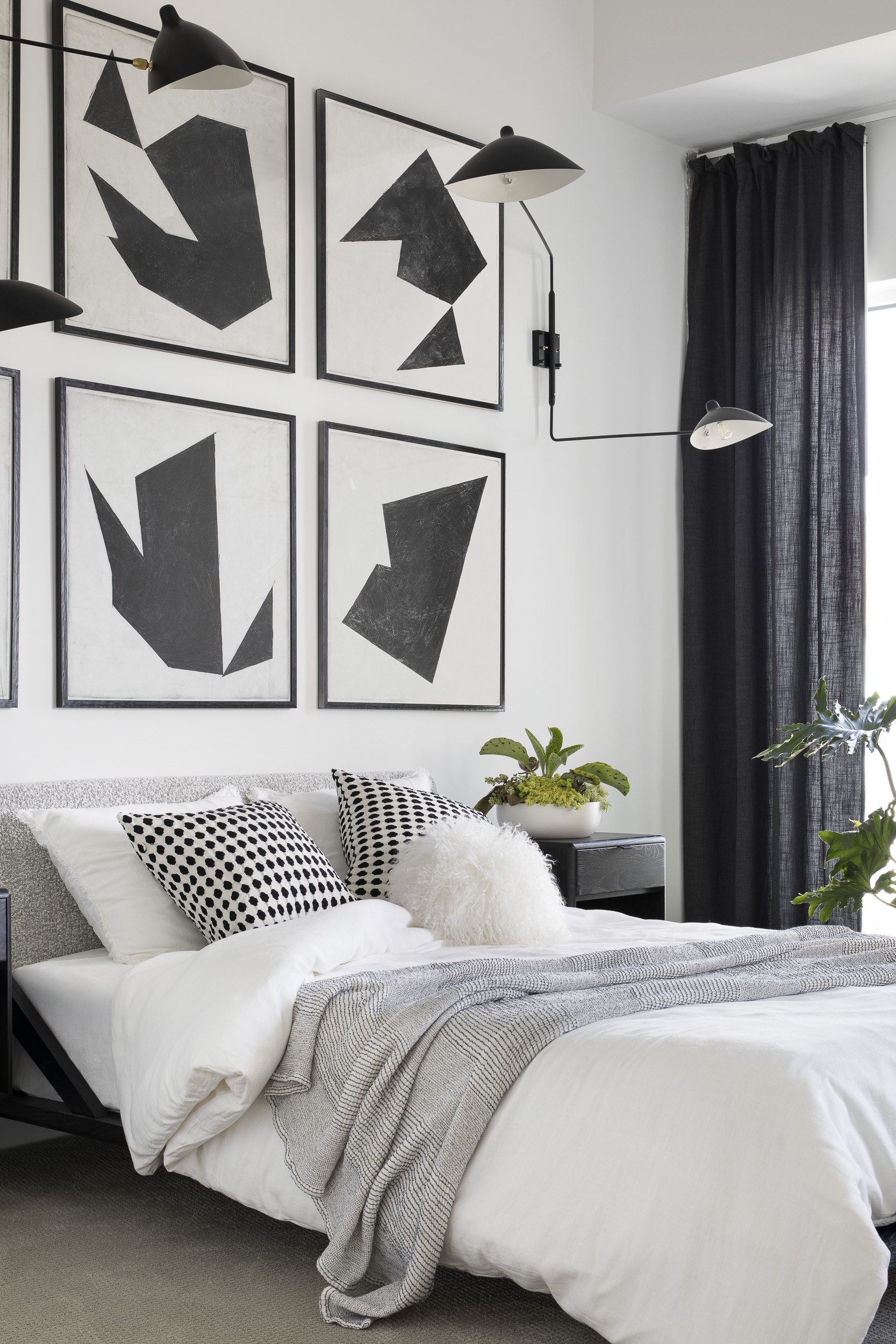
Need Help Reworking Your Living Room?
If your space looks good but feels off, it might be your layout. Book a 2-Hour Consultation to get a personalized layout and product guide that fits your lifestyle, not just Pinterest trends.

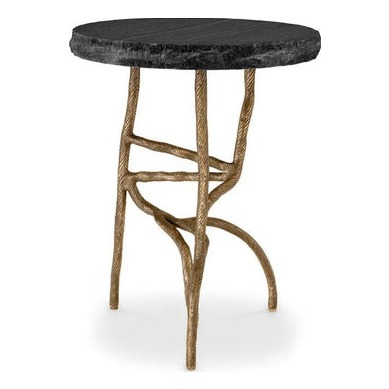
Monteverde Marble Side Table
$1,595

Marlowe Boucle Bench, Ivory/Natural
$700

Ashland Hand-Woven Wool & Jute Rug
From $645
SOMETHING FOR EVERYONE
THE PIECES RACHEL RETURNS TO, AGAIN AND AGAIN
Before you go
Not sure what your style is? Take the two-minute Style Quiz and I’ll send you your look.