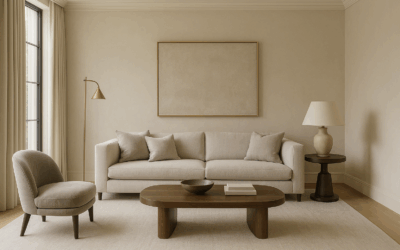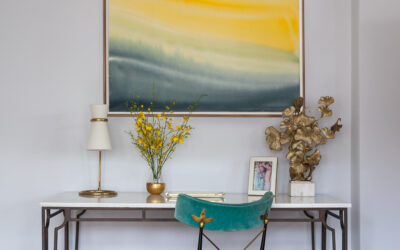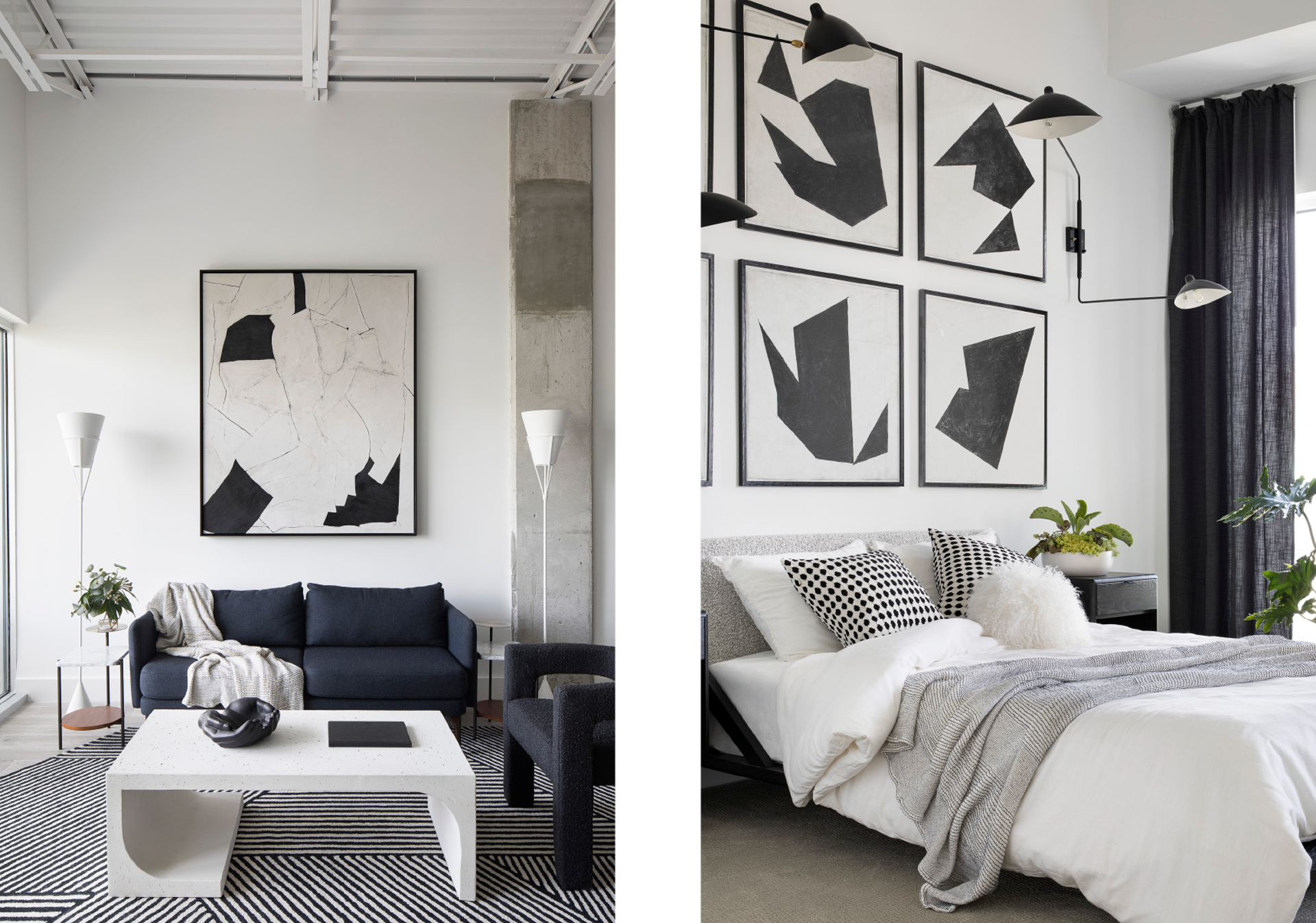
Start With a Designer’s Eye, Not a Contractor’s Estimate
The biggest mistake I see homeowners make is starting with a contractor instead of a creative vision. Before you swing a single hammer, you need a plan—a cohesive vision that prioritizes impact over square footage. A good designer can help you decide what to keep as much as what to change. Sometimes a fresh coat of paint and updated hardware is more powerful than a total gut. Restraint is your friend.
Focus on High-Impact, Low-Cost Zones
Kitchens and bathrooms are often the most expensive rooms to renovate, but they’re also where small changes deliver the biggest design dividends. Rather than replacing all your cabinetry, consider refacing or painting existing ones. Swap out dated knobs and pulls with statement hardware in finishes like aged brass or matte black. Replacing just one surface—like installing a new quartz countertop or backsplash—can transform an entire room.
Another high-impact area: lighting. A striking light fixture over a dining table or entryway instantly elevates the mood of a space. You don’t have to spend a fortune—some of my favorite pieces have been vintage finds or sourced from unexpected retailers.
Thoughtful Investments

Gstaad Alabaster Table Lamp
$346

Chalk Ceramic Bowl
$135

Textured Waffle Weave Pillow
$127
Use Materials Strategically
If you’ve fallen in love with a luxury material (hello, zellige tile), use it sparingly. A little goes a long way. I often use high-end finishes as accents—behind a stove or in a powder bath—while using more affordable lookalikes in larger areas. Think splurge-and-save strategy: save on the field tile, splurge on the accent.
Similarly, paint is your secret weapon. For the cost of a dinner out, you can change the mood of a room. Don’t just default to white—soft moody greens, deep blues, or warm taupes can add depth and sophistication.
Where to Save (and Still Impress)
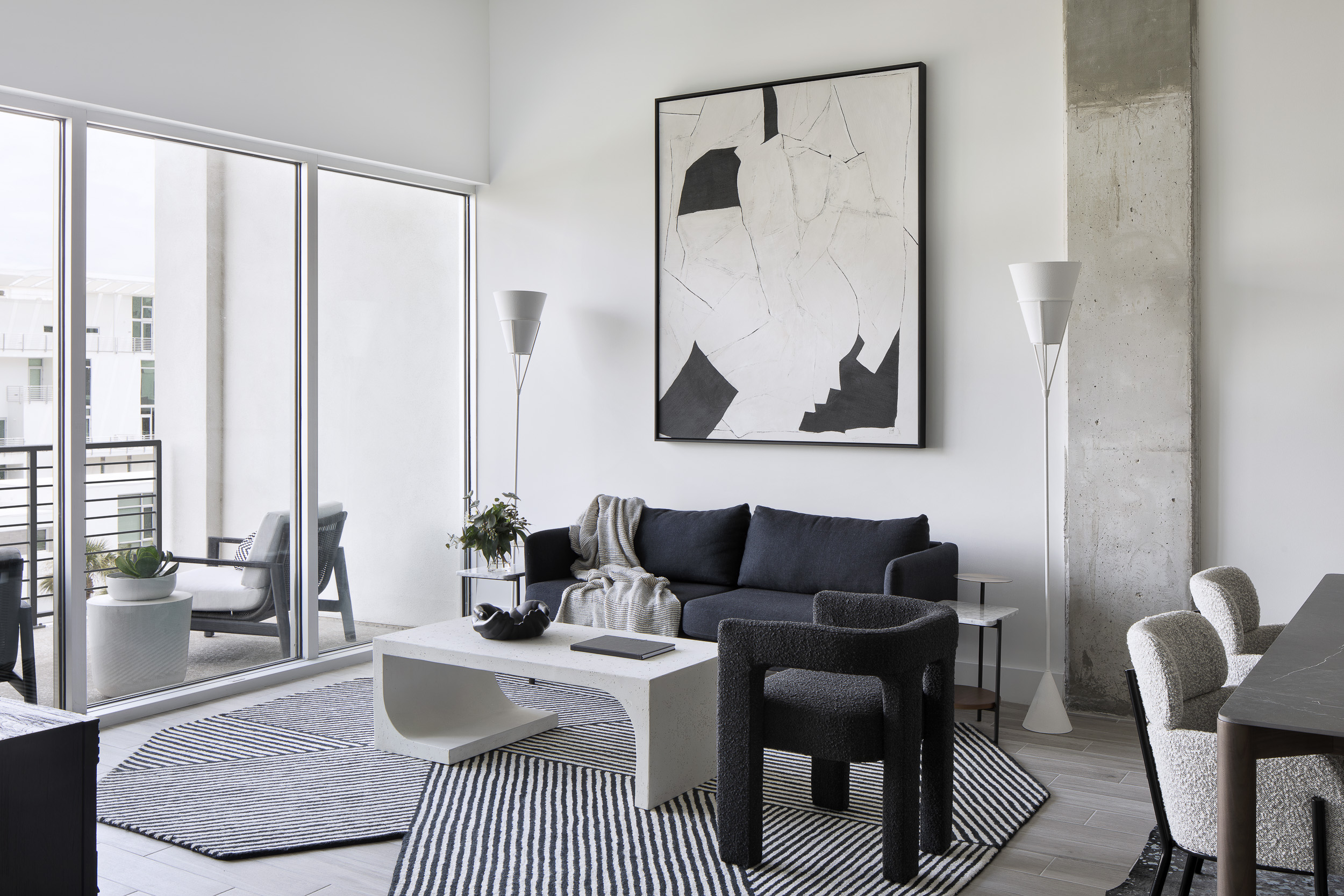
The best places to save are often the ones no one notices—drywall, subfloors, insulation—essential but invisible. Save here so you can spend where it shows. I also advise clients to skip the builder-grade packages that come with inflated markups and instead choose mix-and-match elements themselves.
Target and IKEA can be chic when you know how to pull things together. Custom built ins can be made from IKEA customized with semi handmade fronts or paint, then give the space a curated collected age feel with vintage finds and artisan touches (so everything isn’t stark and new).
Shop Like a Stylist
To create a home that feels high-end without the price tag, shop like a stylist—not like a contractor. Estate sales, Facebook Marketplace, Chairish, Etsy, and local vintage shops are goldmines for unique lighting, mirrors, and furniture. These pieces add soul to a space—and nobody needs to know they were a fraction of the price of retail.
Always search by material: “solid wood,” “linen,” “marble”—rather than by item name. You’ll uncover treasures that algorithms don’t expect you to find.
Know When to Wait
If you’re on a budget, patience is a virtue. Buy what you can afford now, and wait for the right piece later. Design is a journey, not a sprint. I’d rather see clients live with a blank wall for a few months than fill it with something that doesn’t bring joy.
Great design isn’t about how much you spend—it’s about what you prioritize. When you renovate with intention, you don’t just save money—you create a home that feels considered, elevated, and entirely yours.


Solenne Travertine Pedestal Table
$355

Cadence Wall Art
$126

Hand-Loomed Cotton Throw
$79
SOMETHING FOR EVERYONE
THE PIECES RACHEL RETURNS TO, AGAIN AND AGAIN
Before you go
Not sure what your style is? Take the two-minute Style Quiz and I’ll send you your look.