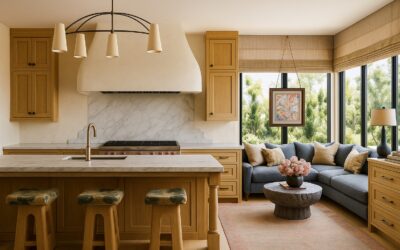
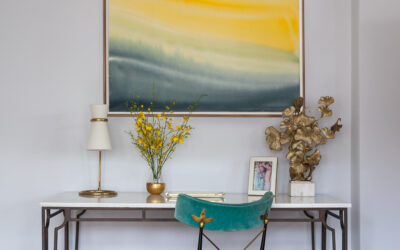
“An old kitchen doesn’t just hold meals—it holds memory, habit, and sometimes, hidden costs.”
— Rachel Blindauer
Before you gut an old kitchen, pause. Because while the instinct may be to start fresh, the smartest renovations begin with listening—to the structure, to the materials, and to the stories the space already holds.
In my years designing and renovating kitchens across the country, I’ve found that the most successful outcomes begin not with a sledgehammer, but with strategy. Below, I share the essential questions and design principles I always guide clients through before the renovation begins.
Expect the Unexpected—Especially Behind the Walls
Old wiring, outdated plumbing, or structural surprises are almost inevitable. Electrical systems from the 1970s or earlier may not support today’s appliance loads. Water damage behind cabinets? Common. Be prepared for discovery—and build in a 10–20% contingency.
“The bones of the house always have a voice. Renovation just gives them a microphone.”
For the Renovated Kitchen

Fold Brass Cabinet Knob
$79

Bow Brass Cabinet Pull
From $56

Globe Brass Cabinet Pull
From $97

Prescott Brass Appliance Pull
From $56

Chatham Appliance Pull
$206

Halo Marble Cabinet Handle Set
$186

Winslow Marble Cabinet Knob
$56

Ashcombe Marble Cabinet Knob
$64

Drum Marble Cabinet Handle
From $129
Don’t Chase Trends—Honor the Architecture
If your home has historical character—mid-century modern, Tudor, farmhouse—design with it, not against it. This doesn’t mean replicating the past, but respecting its DNA.
For example, in a 1920s bungalow, shaker cabinets, aged brass pulls, and a desaturated color palette feel updated yet harmonious. By contrast, glossy slab fronts or LED toe-kicks may feel disjointed.

Layout First, Finishes Later
Before selecting tile or countertops, spend time understanding how the kitchen needs to function. What’s the rhythm of your day? Where does light hit in the morning? Who cooks, and how?
Don’t just focus on surfaces—focus on flow. If a peninsula blocks movement or a corner sink creates chaos, address it first. Form follows function.
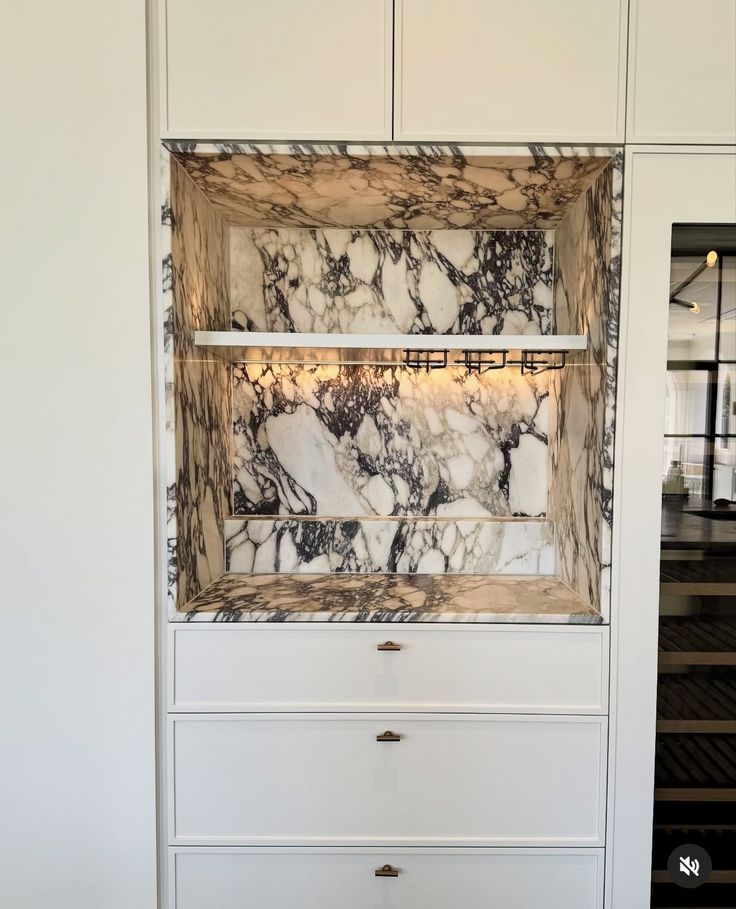
Salvage, Reimagine, Reuse
Not everything needs to be replaced. I often reuse cabinetry boxes and update doors and hardware. Or I preserve a charming archway, built-in breadbox, or vintage brass latch and let it guide the new design.
These details don’t just add charm. They add integrity.
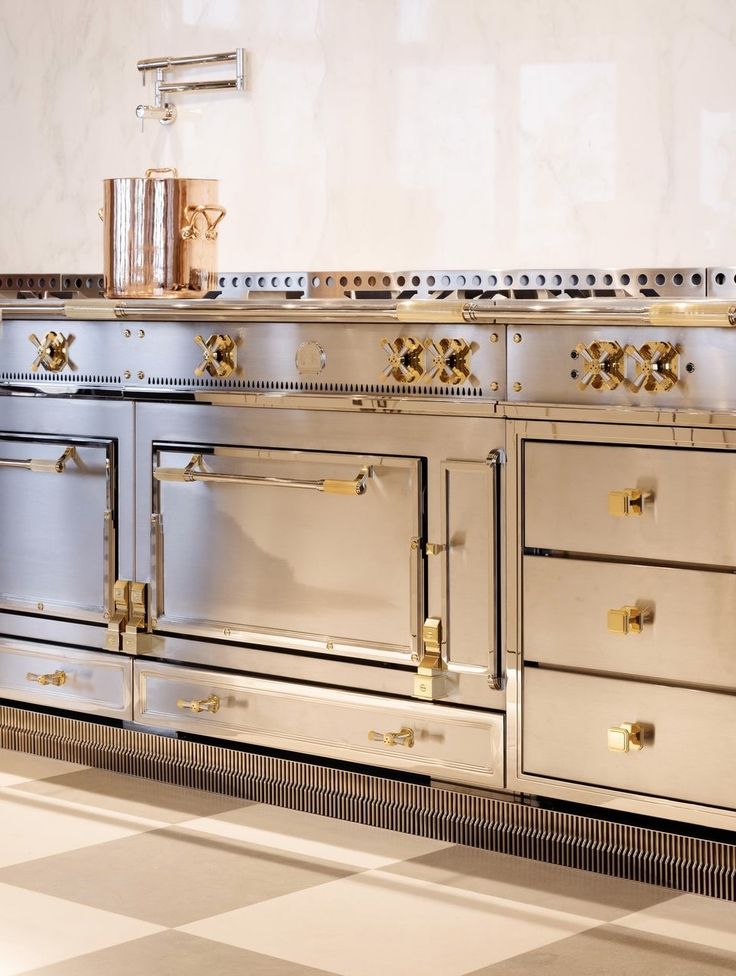
Think in Layers, Not Labels
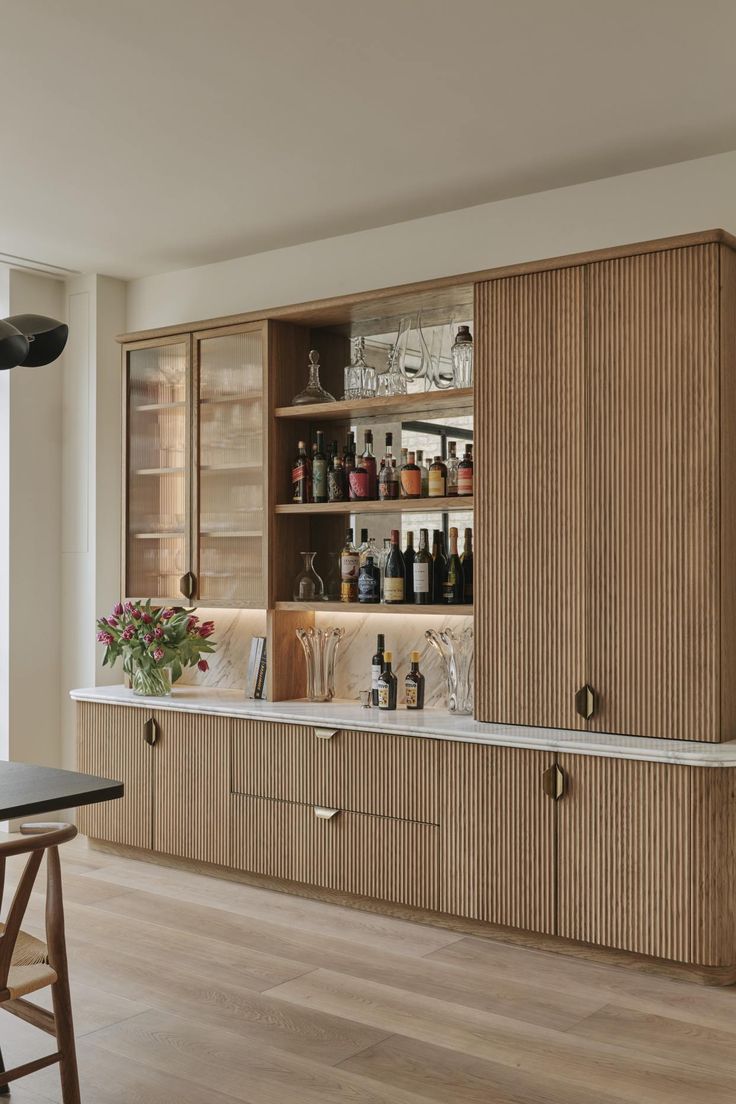
The best kitchens aren’t themed—they’re composed. Marble countertops might coexist with reclaimed wood shelves. Unlacquered brass can pair beautifully with matte black.
Choose one or two grounding, timeless materials—like white oak or honed stone—and layer in more playful elements that can evolve over time. Discover some of my go-to kitchen styling pieces at shop.rachelblindauer.com.
Tables & Chairs From Our Shop

Fontaine Round Marble Dining Table
$1,471

Sienna Curved Back Dining Chair
$414

Devonshire 3-Leg Marble Dining Table
$1,253

Ashford Chenille Dining Chair, Cream
$524

Camden Ash Stool
$699

Isla Rattan Counter Stool
$771
Permits, Timelines & Reality Checks
Even minor updates can trigger permit requirements, especially when plumbing or walls are involved. Get clarity early and manage expectations. Quality renovations take time. A thoughtfully done kitchen usually takes 3–5 months from plan to completion.
“The best kitchen renovations don’t erase the past. They reinterpret it—beautifully, practically, and with just enough restraint to let the home’s voice come through.”
Thinking About a Kitchen Redesign?
My 2-Hour Design Consultations are ideal for homeowners in the planning phase. Together, we explore layout ideas, architectural integrity, and design direction before you invest.
And if you’re looking to refine your space with elevated styling or decor, explore our kitchen and home collections for pieces that bring depth, warmth, and meaning to the everyday.
About The Author: Rachel Blindauer
Rachel Blindauer is an award-winning interior and product designer known for crafting spaces that balance beauty, function, and emotional resonance. With over 15 years of experience renovating homes across the U.S.—from historic bungalows to coastal compounds—she brings a timeless sensibility and architectural intuition to every kitchen she reimagines.


Marisol Tray
$280

Vauclair Oak Sideboard
$6,825

Belgrave Brass Sculptural Bowl
$695
SOMETHING FOR EVERYONE
THE PIECES RACHEL RETURNS TO, AGAIN AND AGAIN
Before you go
Not sure what your style is? Take the two-minute Style Quiz and I’ll send you your look.