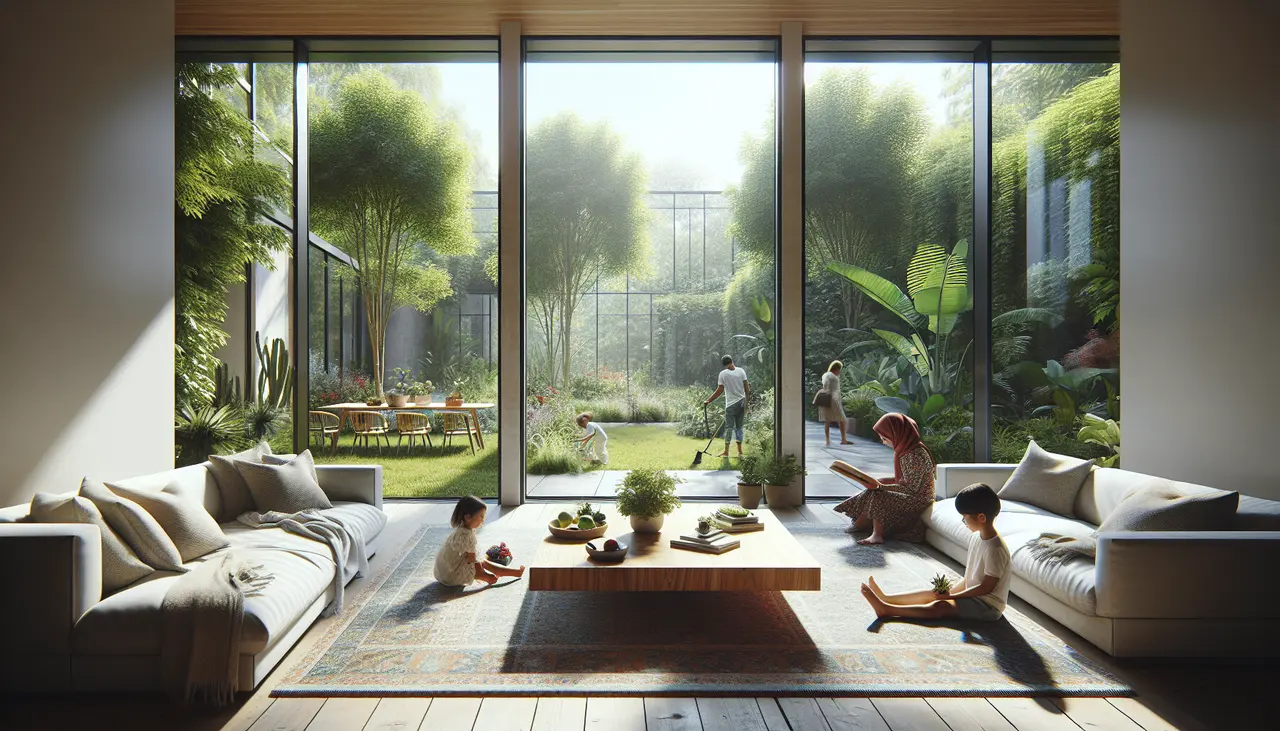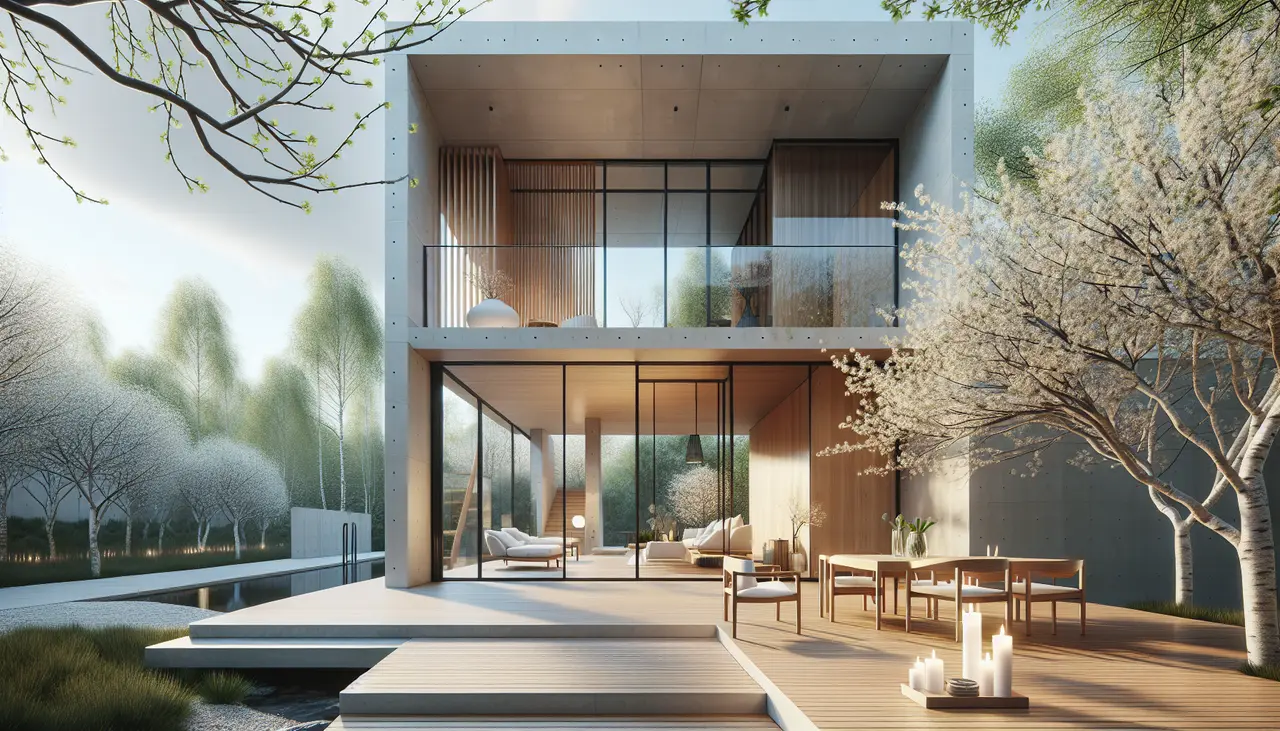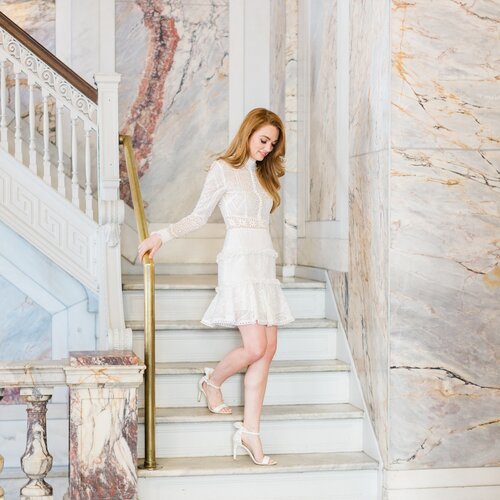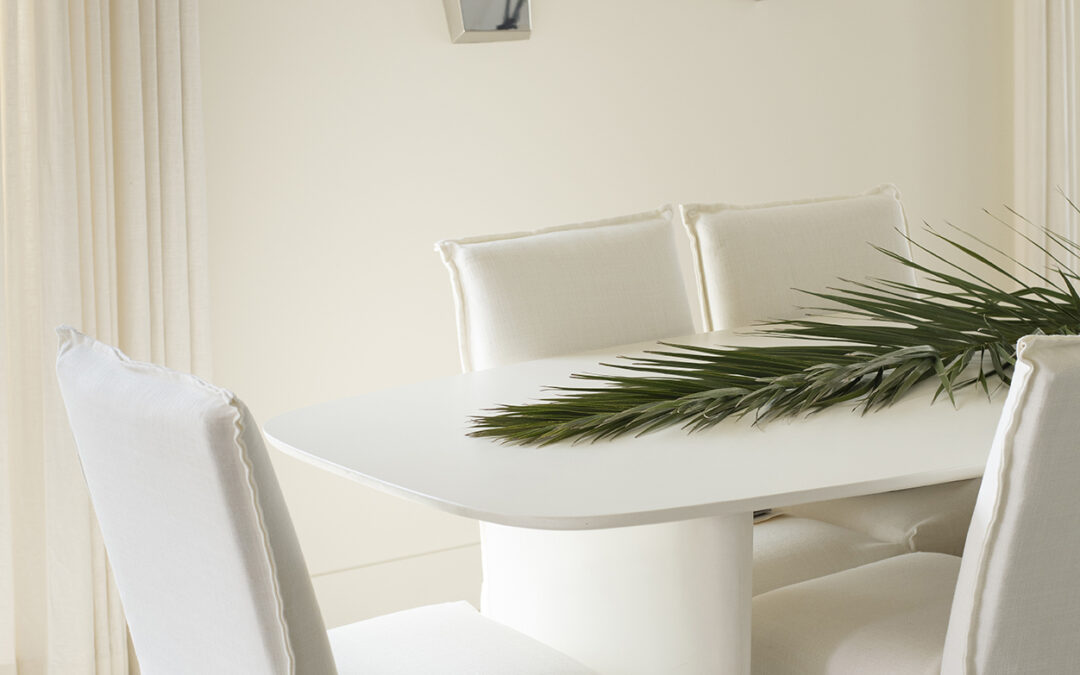
Winter Color Palette Ideas: Best Paint Colors, Moodboards, and Design Tips

Winter Color Palette Ideas: Best Paint Colors, Moodboards, and Design Tips

There’s something about winter that sharpens the eye. The light is clearer, the shadows longer. In color theory, Winter types echo this intensity—cool, bold, and high contrast. While Summer leans soft and Spring leans bright, Winter is where elegance meets edge. It’s not for the undecided.

But that doesn’t mean stark. Done right, winter interiors can feel deeply luxurious—grounded by contrast, elevated by restraint, and quietly unforgettable.

As a designer who’s worked everywhere from minimal penthouses to snow-covered retreats, I’ve learned that winter palettes aren’t about cold—they’re about clarity.

Unlocking Your Seasonal Palatte for Style & Space

What Is the Winter Color Palette?

The winter palette includes cool, high-contrast tones with depth and structure. Think pure white, blackened navy, rich burgundy, emerald, charcoal, icy gray, and true black. It’s the most dramatic of the seasonal palettes and the most architectural.

These are the colors of sharp tailoring, gallery walls, vintage mirrors, and velvet chairs. They bring a room into focus.

Core Winter Colors:

  • True White

  • Inky Navy

  • Charcoal Gray

  • Black

  • Emerald

  • Burgundy

  • Cool Taupe

  • Blue-Black

“Winter colors don’t whisper. They articulate.”

Winter Colors

Why Winter Colors Work in Interior Design

Winter color palettes create instant refinement in interior design. They command space without overwhelming it, making them ideal for:

  • Open-concept living spaces with modern lines

  • City apartments with little natural light

  • Entryways and powder rooms that need impact

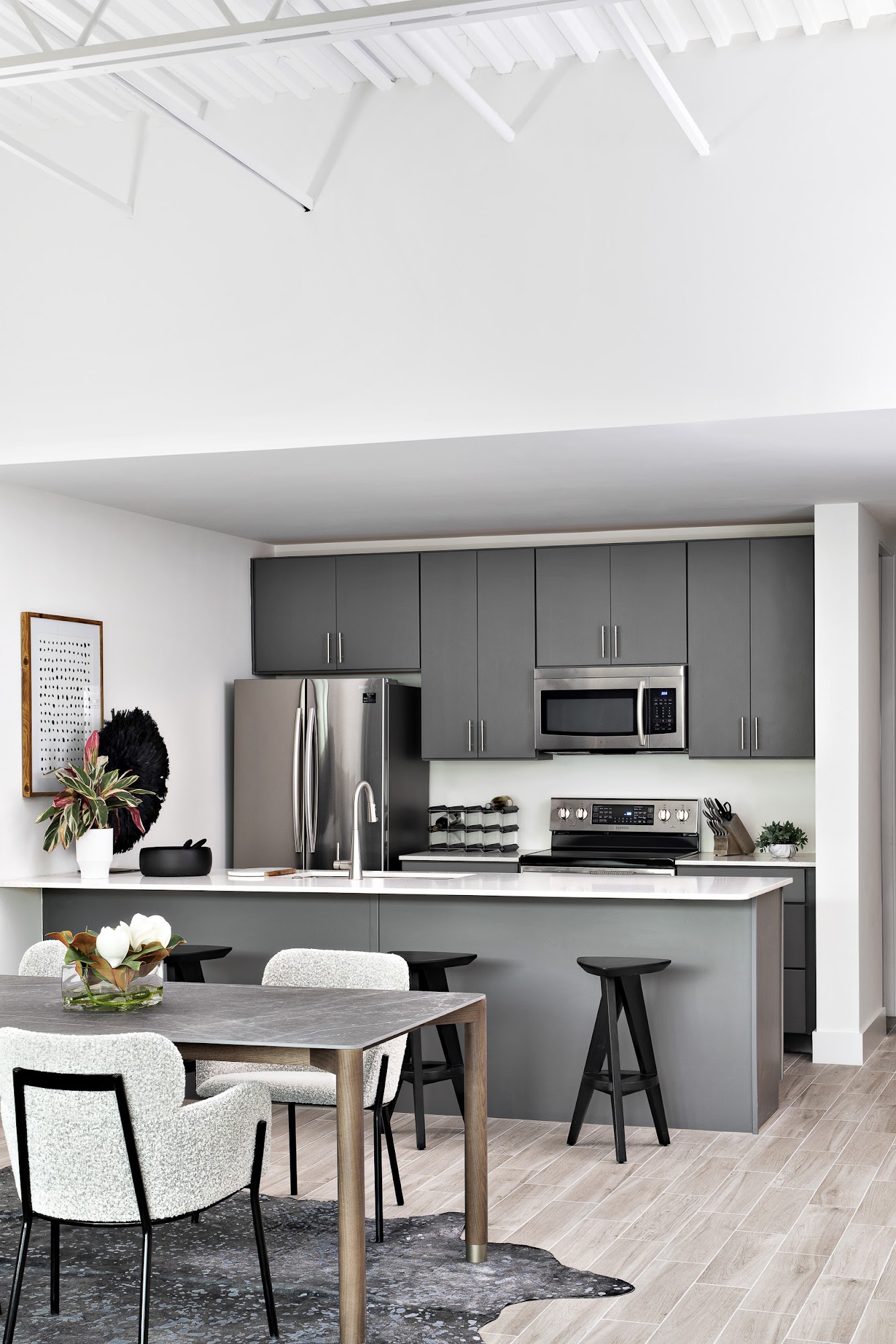
  • Kitchens with clean finishes and statement hardware

In one St. Louis townhouse, we used Benjamin Moore’s Hale Navy in a library paired with antique brass picture lights and white oak built-ins. The palette didn’t feel dark—it felt deliberate. Controlled. Elevated.

Best Paint Colors for a Winter Color Palette

These shades have been tested across varied lighting—from snowy northern exposures to shaded urban lofts.

For Northern Light (St. Louis, MO)

  • Benjamin Moore Hale Navy – a balanced deep blue with complexity

  • Sherwin-Williams Tricorn Black – crisp, bold, pure black

  • Farrow & Ball All White – warm-balanced but still clean

For Cloudy Days (San Francisco, CA)

  • Little Greene Vulcan – an architectural charcoal

  • Benjamin Moore Chantilly Lace – sharp gallery white

  • C2 Paint Stout – a deep espresso-black with warmth

For Sun-Drenched Rooms (Sarasota, FL)

  • Sherwin-Williams Iron Ore – sophisticated, soft black

  • Farrow & Ball Wine Dark – a blue-black that shifts in light

  • Portola Paints Ash – cool, grounded, textural

Pair these with metals like polished nickel or antique brass, and balance with textured neutrals (bouclé, nubby linen, matte stone).

Layering: Winter’s Secret Weapon

To keep winter palettes from feeling cold:

  • Add depth through contrasting sheens (matte walls, satin upholstery)

  • Bring in texture: velvet, wool, smoked glass

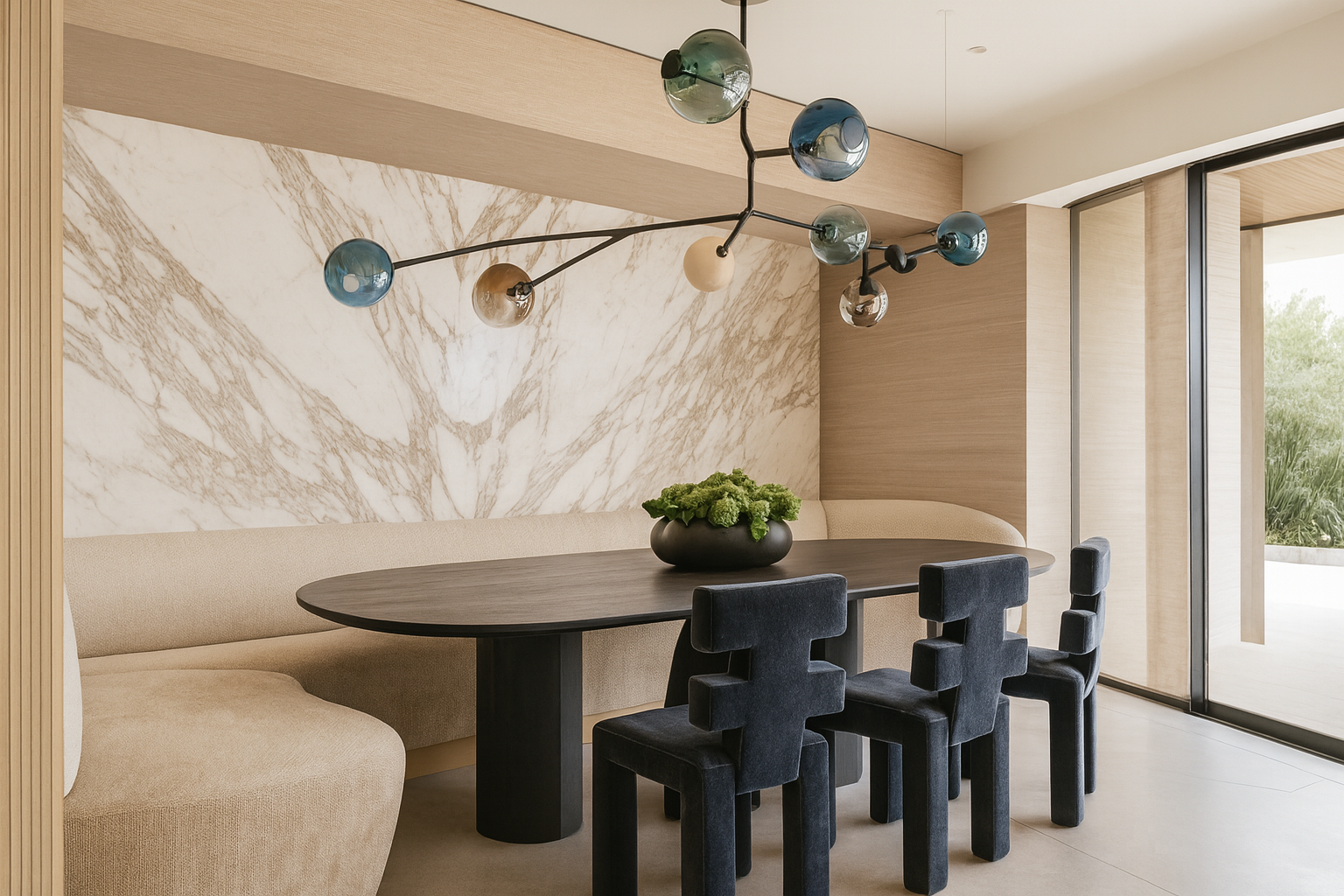
  • Use strong silhouettes (think curved sofas, sculptural pendants)

These spaces are successful not because they are loud, but because they are intentional.

Winter Moodboard Pairings

St. Louis Winter
Paint: Hale Navy + Chantilly Lace
Materials: Cerused oak, aged leather
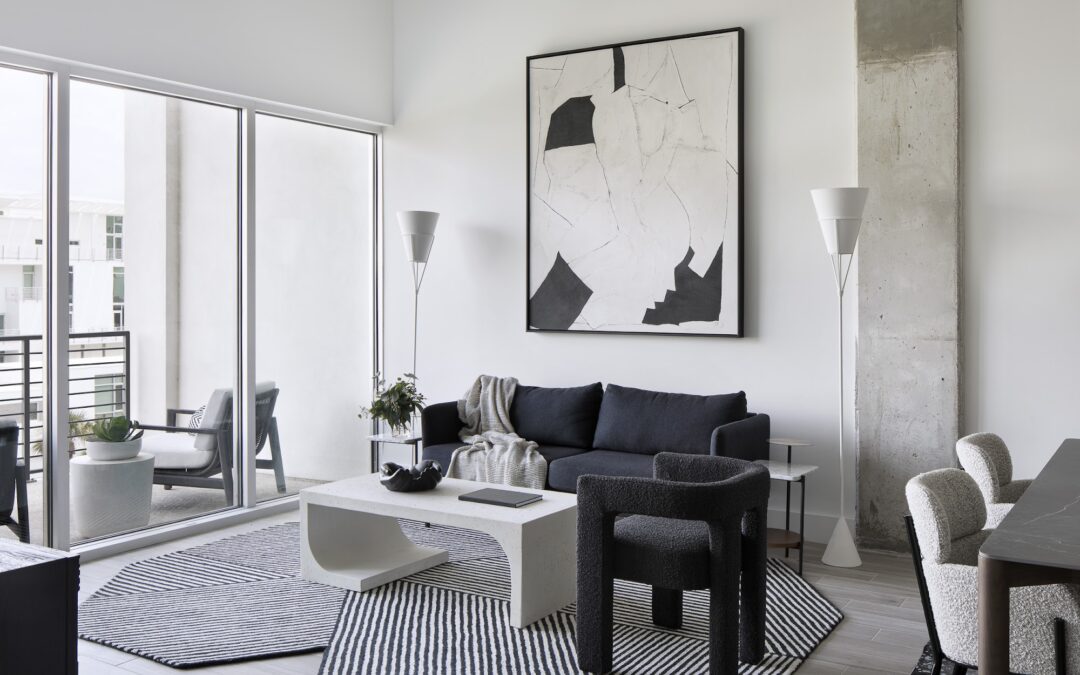
Anchor: Oversized landscape in black and white

San Francisco Winter
Paint: Vulcan + Chantilly Lace
Materials: Polished concrete, graphite linen
Anchor: Modular sectional in icy gray

Sarasota Winter
Paint: Iron Ore + Ash
Materials: Bouclé, brass, travertine
Anchor: Sculptural lighting in matte black

How to Know If You’re a Winter

Are You a Winter?

  • You prefer bold neutrals over pastels

  • You wear crisp white better than cream

  • You gravitate toward clean lines and high contrast

  • You want rooms that feel intentional, not ornamental

Winter Colors

Wear It, Live It

The same palette that flatters your skin tone can bring cohesion to your space. If you look best in black, white, emerald, and navy—your interiors should reflect that.

Pair your home’s palette with wardrobe neutrals that echo it: dark denim, tailored black trousers, crisp shirting, and statement coats.

Download the Seasonal Color Palette Guide or book a 2-Hour Design Consultation to translate your tone into your space.

FAQ: Winter Color Palette in Interiors

What are winter color palette tones?
Cool, high-contrast colors like navy, black, burgundy, emerald, and icy white.

Where do winter palettes work best?
Urban homes, modern renovations, powder rooms, and anywhere drama meets refinement.

Do winter colors make a room feel smaller?
Not if balanced correctly with texture, light, and layout. Depth can feel expansive.

Can I use black walls in small spaces?
Yes—just add sculptural lighting, contrasting art, and soft texture.

What undertones should I avoid as a Winter?
Warm yellows and muted earth tones. Stick with crisp, blue-based shades.

Ready to Design with Intention?

Book a 2-Hour Design Consultation and let’s craft a palette that reflects clarity, contrast, and modern elegance.

About Rachel Blindauer
Rachel Blindauer is an award-winning interior and product designer known for creating spaces that feel as good as they look. Her work spans from boutique hotels to coastal homes, always grounded in clarity, texture, and timeless detail.

2 Hour Interior Design Virtual or In Person Consultation

SOMETHING FOR EVERYONE

THE PIECES RACHEL RETURNS TO, AGAIN AND AGAIN
Kitchen Renovation Mistakes to Avoid: A Designer’s Guide to a Stress-Free Remodel

Kitchen Renovation Mistakes to Avoid: A Designer’s Guide to a Stress-Free Remodel

There’s something mythic about a well-designed kitchen. It’s not just the heart of the home—it’s where life unfolds: morning rituals, weeknight meals, and late-night confessions. So when it comes time to renovate, the stakes are high. Mistakes here aren’t small. They’re expensive, disruptive, and long-lasting.

I’ve walked hundreds of clients through kitchen remodels, and I can tell you with certainty: a successful renovation is all about thoughtful sequencing, function-forward decisions, and avoiding common pitfalls. Below are the key kitchen renovation mistakes to avoid, plus what to do instead to ensure your kitchen isn’t just beautiful, but brilliantly livable.

Gold Finish Cabinets

Choosing Finishes in the Wrong Order

Start with appliances → then cabinetrycountertopsbacksplash → and finally paint. Why? Appliances set the layout and dimensions. Cabinetry is then designed around them. Countertops and backsplash flow from those choices, and paint ties it all together. This order ensures harmony and avoids costly re-dos.

Explore my Ultimate Kitchen Planning Checklist for a printable guide to your renovation sequence.

Ignoring Layered Lighting

Lighting makes or breaks a kitchen’s atmosphere and usability. A layered plan includes:

  • Ambient lighting (overhead or recessed)
  • Task lighting (under-cabinet, pendant lights)
  • Accent lighting (toe-kick lights, uplights)

Proper lighting adds drama, improves function, and prevents fatigue. For a full breakdown, visit my Ultimate Lighting Guide.

Underestimating Storage Needs

Avoid visual clutter and maximize flow by designing with zoned storage: prep, bake, clean, serve, snack. Consider vertical pull-outs, drawer inserts, and cabinet risers.

Pro tip: A dedicated coffee bar or appliance garage adds luxury and eliminates countertop mess.

Overlooking Electrical and Outlets

Kitchens today rely on smart devices, high-powered appliances, and hidden outlets for seamless surfaces. Plan for:

  • In-island outlets
  • Charging drawers
  • Appliance-specific circuits

Fixing this post-renovation is costly and disruptive. Bring in an electrician early.

can you improve the attached change the image into a horizontal photo that is a jpg? Focus should be the cabinet finish only and improve the accessories. Remove red

Forgetting Ventilation

Good design includes what you don’t see. Invest in a quality, ducted range hood. Recirculating fans don’t cut it—they trap odors and grease. Proper ventilation also extends cabinetry life and keeps your space fresher, longer.

Disregarding Workflow

The famed “work triangle” (sink, stove, fridge) still matters. But modern workflow also includes:

  • Garbage location during prep

  • Beverage stations away from the cook zone

  • Dish zone logic (think: dishwasher next to sink and storage)

Read my guide on How to Renovate a Home for Less to maximize layout without overspending.

Making Last-Minute Changes

Design indecision is costly. Swapping tile or moving appliances mid-reno can delay projects and require reordering materials. Design with intention upfront, then trust your plan.

Choosing High-Maintenance Materials

Skip:

  • High-gloss cabinets (show every fingerprint)

  • Real marble countertops (stain and etch easily)

  • Soft woods or unsealed flooring (warp with moisture)

Choose instead:

  • Matte or satin cabinets

  • Durable quartz with marble veining

  • Engineered wood or large-format porcelain tile

Using the Wrong Paint Finishes

Flat paint near sinks or stoves? A recipe for grime. Opt for satin or semi-gloss on walls and trim for wipeable, water-resistant surfaces.

Installing Cabinets Before Floors

Always install floors first. It ensures a seamless visual flow and simplifies future remodels. Cabinet installation on top of flooring also improves structural integrity.

SophisticatedKitchenDetail

Designing for Instagram Instead of Real Life

Trends fade. Your kitchen should serve you for years. Add trend-forward elements (like colorful hardware or statement lighting) in ways that are easy to change later.

Final Tip: Don’t Skip the Planning Phase

Give yourself at least 6 weeks of design and sourcing time before demo day. Use mood boards, tap into design experts, and align with your contractor early.

Want to work with me? Book a 2-hour renovation consultation to get clarity, sources, and next steps before committing to costly mistakes.

A well-designed kitchen isn’t just about beauty. It’s about living well—and smart planning. By avoiding these common kitchen renovation mistakes, you can create a space that enhances daily life and endures with grace.
2 Hour Interior Design Virtual or In Person Consultation

SOMETHING FOR EVERYONE

Rachel Blindauer’s favorite products

Beautiful Things, Beautifully Chosen.

Why We Hate Certain Design Styles (and What That Reveals About Us)

Why We Hate Certain Design Styles (and What That Reveals About Us)

Emotional design triggers by generation—and what each really wants now.

Every generation has its rebellion. And in interior design, that rebellion often looks like an allergic reaction to whatever defined the homes we grew up in.

What Millennials, Gen Z, and Boomers Are Rejecting—and Why

Minimal Living Room

Millennials?

Millennials? They’re done with Tuscan kitchens. The heavy cherry cabinets, bronze scrollwork, and granite that looks like marbled rye—once aspirational—now feel like overcooked design. I’ve had clients walk me through their childhood homes and say, “Please don’t give me anything that looks like 2005.” What they want now is light. Soft woods, sculptural lines, natural materials that speak softly. Less theme, more texture. More stillness.

Gen Z Pink Dining Room

Gen Z?

Gen Z is rejecting the minimalist beige-on-beige aesthetic Millennials embraced as an antidote to chaos. In its place, they’re creating a world that feels alive. Irreverent, even. Think checkerboard rugs, mushroom-shaped lamps, curved seating, surrealist mirrors. For them, design is personality, not perfection. But if something feels mass-manufactured or influencer-packaged, they’ll spot it—and skip it.

Sink

Boomers?

They’re looking for quality. No more fast furniture. No more synthetic stand-ins for craftsmanship. They want walnut over veneer. Handwoven over mass-loomed. But they have their own design ghosts to exorcise—popcorn ceilings, avocado kitchens, wall-to-wall carpet in the bathroom. Now, what they want most is elegance that lasts. Not trend-driven. Just timeless.

“People don’t just hate a style—they hate what it reminds them of.”

How Past Experience Shapes Design Taste

I see this all the time with clients, especially couples. A particular color reminds one partner of a hard season in their life. A sofa shape echoes a divorce. A ceiling fan feels like growing up in a house that was always too loud. That history shows up in the smallest of decisions, and if ignored, creates friction that no furniture can fix.

I once worked with a couple who couldn’t agree on a dining room rug. He’d grown up with bold Persian patterns that felt rich and nostalgic. She associated them with a dark, cluttered apartment from her first marriage. They weren’t arguing about color—they were trying not to relive two entirely different pasts.

It’s something I explore deeply in Designing for Couples—a guide for navigating not just aesthetics, but emotional undercurrents in shared spaces.

Even color is never just about color. In The Best Paint Colors for Each Seasonal Type, I break down how light, memory, and psychology intersect to shape what feels “right” to someone—even if they can’t articulate why.

What Today’s Clients Want Instead

So when a client says they “hate” a certain style, I don’t just write it off as taste. I ask what memory it’s tied to. What version of themselves it reminds them of. Because what people reject in design often reveals just as much as what they embrace.

Millennials are investing in sculptural lighting, handmade ceramics, and layered textures that feel lived-in yet refined. Their spaces are curated but deeply personal. Think Belgian linens, plinth tables, and performance fabrics that hold up to real life.

Gen Z is embracing joyful irreverence. They love bold color, playful shapes, and pieces with a story—often mixing high-end heirlooms with quirky thrifted finds. This generation shops with intention and a sense of humor. They want furniture and decor that feels like them, not like a showroom.

Boomers are gravitating toward materials that will age beautifully. They favor investment pieces—solid wood case goods, artisanal lighting, and natural fibers. They’re buying less, but better.

And all of them, in one way or another, are trying to create something that feels like home—not in the sense of perfection, but in the sense of alignment. Something that reflects where they are now—not where they came from.

Rachel’s Rule: The design you hate the most probably belonged to someone you used to be.

The Emotional Intelligence Behind Great Interiors

Curious what style actually suits you now? My 2 Hour Design Consultation can help you decode that—and move beyond what no longer fits.

The most “hated” styles aren’t really about taste. They’re about time. About letting go of the visual language of a past self and making space for something new.

And the styles people love? They’re often what they wish they’d grown up with.

Good design isn’t just about what you love. It’s about understanding what you no longer need to live with—and what you finally deserve to live in.

Explore more on the Rachel About Town Blog:

Designing for Couples
The Best Paint Colors for Each Seasonal Type
Designing the Ultimate Indoor-Outdoor Kitchen

Ready to design a space that actually feels like you?

Book your 2 Hour Design Consultation—in person or virtual—to get started.

2 Hour Interior Design Virtual or In Person Consultation

SOMETHING FOR EVERYONE

THE PIECES RACHEL RETURNS TOAGAIN AND AGAIN

Candlelight or Constant Diffusion? The Scent of a Well-Styled Home

Candlelight or Constant Diffusion? The Scent of a Well-Styled Home

Scent is the quietest design decision you’ll ever make—and possibly the most powerful.

Long after a guest forgets the curve of the staircase or the way the linen caught the light, they will remember how the space made them feel. And more often than not, that feeling is scent.

We tend to treat fragrance as an afterthought. A final flourish. But scent is not a finish—it’s a foundation. It’s the atmosphere before the atmosphere, the sensory handshake of a space.
So when clients ask, “Should I use candles or diffusers?”, I usually smile.

That’s like asking whether music or memory matters more. Each tells a different story. The magic is knowing when to use which.

The Ritual of Flame, the Rhythm of Air

Lighting a candle is a ritual. A small act of intention that marks a shift—from the transactional to the personal, from day to evening, from doing to being. It’s not just about scent. It’s about signaling presence.

Candles are punctuation. In dining rooms, living rooms, even entry consoles before a dinner party—they layer fragrance with light, drawing guests inward. The flicker feels alive. There’s ceremony in striking a match.

By contrast, diffusers are the quiet hosts. Steady, consistent, invisible in the best way. They create a signature. In powder rooms, entryways, or bedrooms—places that benefit from a background hum of elegance—a diffuser does what a candle cannot: it stays. Always there, always graceful.

“Use diffusers to set the stage. Use candles to change the mood.”

In my own spaces, I rely on both. A calming hinoki diffuser hums in the background of the primary bedroom, while a soft fig candle brightens the bath ritual. Each has a role. Each has a rhythm.

Longevity, Aesthetics, and Why I Use Both

Diffusers often win on longevity. A high-quality reed or nebulizing diffuser can scent a space for weeks, even months, with little maintenance. They’re the architectural lighting of scent—consistent, ambient, essential.

Candles, however, offer something else entirely: ephemerality. They are fleeting by nature, and therein lies their luxury. The experience is temporary—intentional. A beautiful candle feels like a moment captured.

And aesthetically, it’s a draw. A matte ceramic diffuser feels like sculpture. A glass candle vessel with layered wax can rival any objet d’art on the bookshelf. The right fragrance piece doesn’t just scent a space—it styles it.

“There’s no rule that says you must choose. A diffuser sets the scene; a candle punctuates it.”

This philosophy mirrors how I layer light. Just as no room relies solely on overhead lighting, no room should rely solely on one form of scent. A warm diffuser for daily life. A complex candle to mark an occasion. Perhaps an incense cone just before guests arrive, offering a gentle exhale at the door.

Shop The Look

The Real Art: Scent with Intention

The most compelling interiors aren’t the ones with the most objects—they’re the ones with the most clarity. The same is true for scent.

Before you choose fragrance, choose feeling. Ask what you want your guests to remember. Ask how you want to feel when you walk into your own home at the end of the day.

Let scent follow feeling. Let feeling shape scent.

Because in a well-styled home, even the air is designed.

Rachel Blindauer is an award-winning interior and product designer known for crafting spaces that feel as good as they look. With over 15 years of experience, her work blends architectural rigor with an artist’s eye—balancing beauty and function with effortless precision. A graduate of Kansas State University, Rachel also studied at the School of the Art Institute of Chicago, the Academy of Art University, and the Architectural Association in London.

She’s designed over 1,000 products for leading brands like Williams-Sonoma, served as AVP at Gabby Home, and led projects nationwide—from Nantucket to Sarasota. Her work has earned national recognition, including nominations for the Cooper Hewitt National Design Award and multiple Best of Houzz honors. Today, through her St. Louis-based studio, Rachel brings elevated design and strategic clarity to residences, boutique hospitality, and development projects across the U.S.

2 Hour Interior Design Virtual or In Person Consultation

SOMETHING FOR EVERYONE

THE PIECES RACHEL RETURNS TOAGAIN AND AGAIN

No-Reno, No-Demo Design Hacks That Actually Transform Your Space

No-Reno, No-Demo Design Hacks That Actually Transform Your Space

Because a better home isn’t always built—it’s reimagined.

There’s a moment in every home when things begin to feel… stale. The layout still works, the finishes aren’t outdated, and yet something about the space no longer reflects who you are or how you live.

You don’t need a sledgehammer. You need a shift in perspective.

As an interior designer working with clients from Sarasota to San Francisco, I’ve seen firsthand how small, strategic moves can recast a space completely. These are the no-reno, no-demo interior design ideas I use in million-dollar homes to create transformation—without construction, only vision.

Start With Flow, Not Furniture

The quickest way to change a room is to rethink how it breathes. Often, the sofa isn’t in the wrong color—it’s in the wrong position. Rearranging major pieces to improve circulation or sightlines is a powerful first move.

In design consultations, I often reorient the anchor piece to face natural light or artwork. Then we layer from there.

“The most affordable design change is not a purchase—it’s a better point of view.”

Looking for layout help? Book a 2 Hour Design Consultation to reimagine your space.

Use Oversized Art to Shift Scale

One large-scale art piece does more to elevate a room than ten smaller ones. A singular canvas—abstract, photographic, or textural—can stretch walls visually and raise the ceiling line by tricking the eye upward.

Try placing a large piece above a console or credenza to establish presence. If you don’t have a framed piece yet, even a mounted textile or unframed canvas can create the drama.

Curate Vignettes

Design doesn’t always require more—it often requires less, better placed. Instead of cluttering surfaces, create one or two “hero” moments in each room.

A sculptural table lamp. A stack of books. A chair with good silhouette. These are your stage pieces. When styled intentionally, they read like a magazine spread—without buying a thing.

“You don’t need new furniture. You need better storytelling in your space.”

→ See how emotional vignettes ground our interiors in the RachelBlindauer.com portfolio.

Spice Station

Swap Out the Overlooked Details

Some of the most powerful upgrades are hidden in plain sight:

  • Brass or ceramic switch plates instead of plastic
  • Hand-forged cabinet hardware instead of standard pulls
  • A woven wastebasket in place of plastic

These aren’t afterthoughts. They’re quiet luxury in action.

Shop our collection of textural home details that elevate the everyday.

Multi Family Condo Interior Design

Treat Drapery Like Architecture

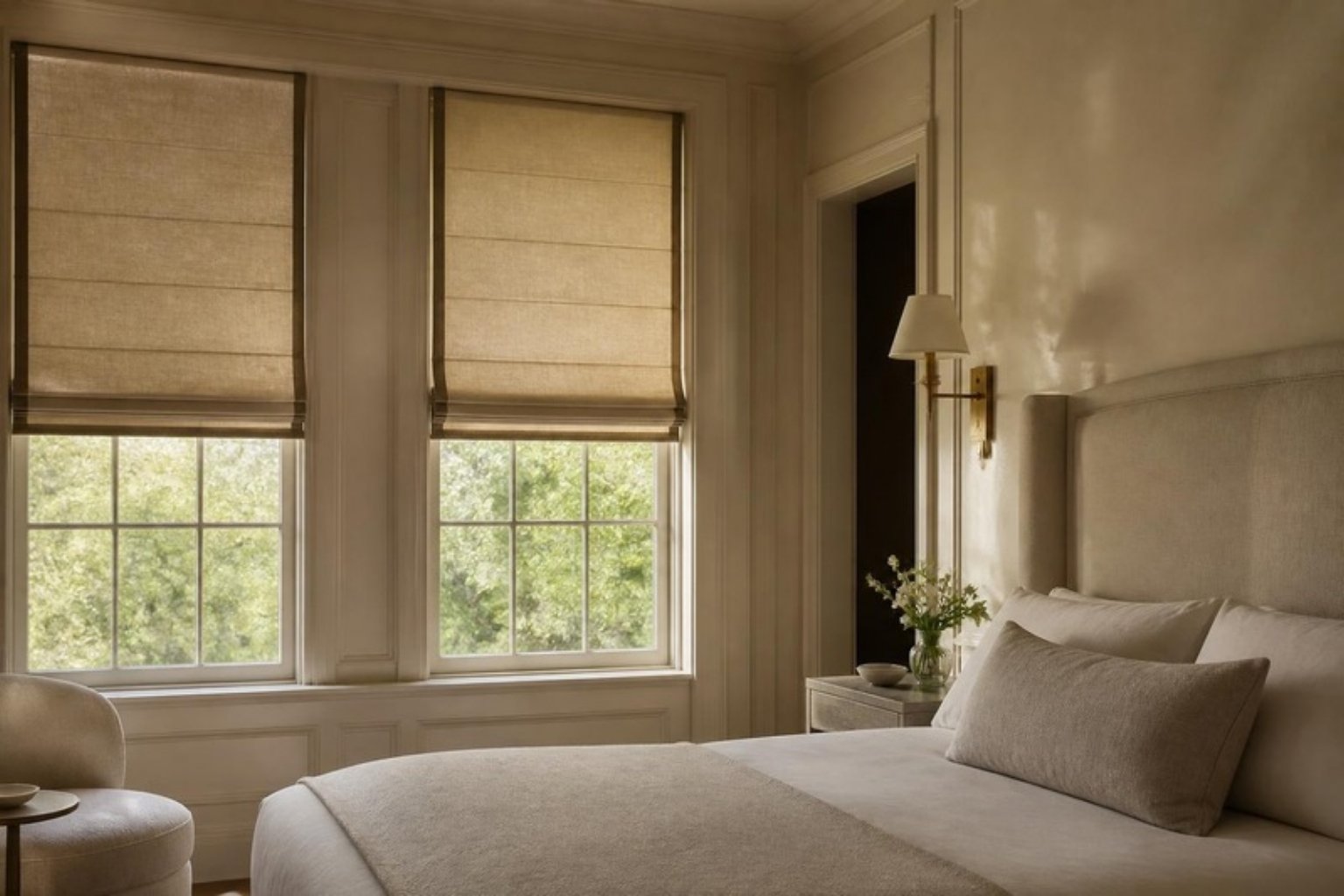
Window treatments are not just a finishing touch—they’re a structural one. Floor-to-ceiling panels (even when your windows don’t go that high) pull the room upward.

My go-to: unlined linen in a tonal hue, mounted wide to make windows look larger and allow natural light to pour in from edge to edge.

If you rent or live in a builder-grade home, this one change alone can shift the atmosphere from temporary to tailored.

Design Through Scent

The feel of a home doesn’t start at the threshold—it starts in the air. I advise clients to layer scent the same way we layer light: thoughtfully and intentionally.

Choose a signature fragrance and repeat it across formats—diffuser, candle, linen spray. This creates olfactory continuity and elevates how your space is perceived by guests… and yourself.

Explore our candles and home fragrance collection to curate your scent identity.

Before You Renovate, Reimagine

Home isn’t made perfect by tearing things out. It’s made better when we see what’s possible in what’s already there. These no-reno upgrades are how I help clients fall back in love with their space—one layer at a time.

Book a design consultation or shop curated home accessories made to transform without renovation.

Rachel Blindauer is an award-winning interior and product designer known for blending architecture and artistry to create spaces that feel timeless, tactile, and quietly bold. From boutique hotels to serene residences, her work turns everyday living into an experience of intention.

2 Hour Interior Design Virtual or In Person Consultation

SOMETHING FOR EVERYONE

THE PIECES RACHEL RETURNS TO, AGAIN AND AGAIN
Shop The Look