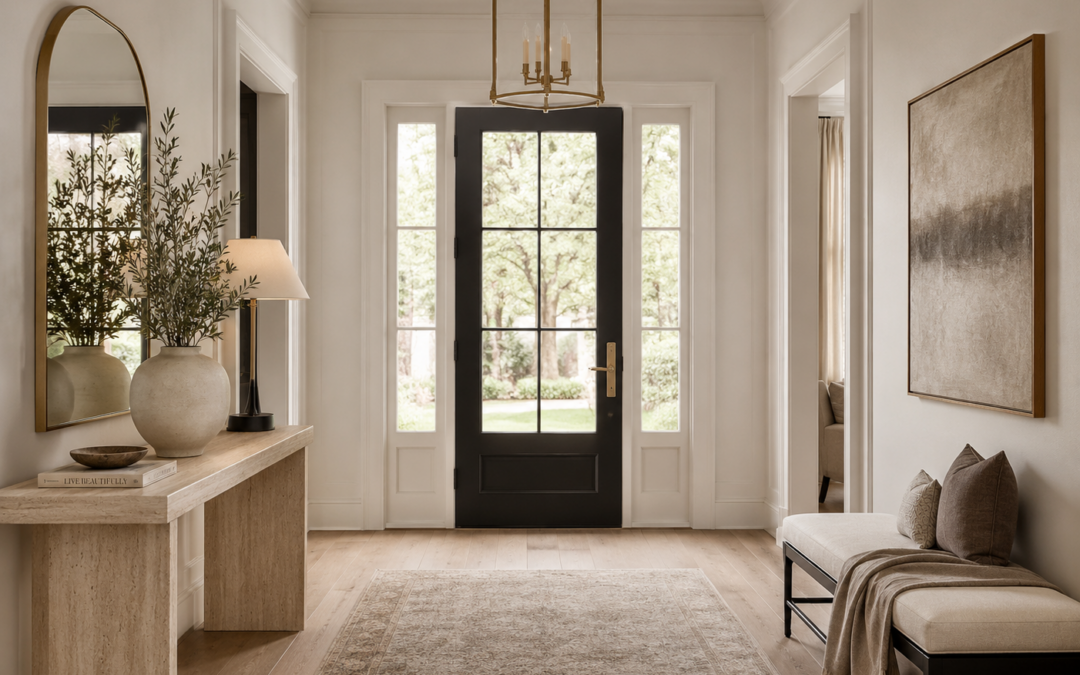
Bathroom Trends 2025: Spaces That Restore, Not Just Refresh

Bathroom Trends 2025: Spaces That Restore, Not Just Refresh

A bathroom used to be the place you rushed through. In 2025, it’s the place you return to. As wellness becomes less trend and more imperative, design is shifting—quietly but profoundly—toward spaces that restore. Whether you’re redesigning a primary suite, outfitting a guest retreat, or building from the ground up, this year’s bathroom trends aren’t just about looks. They’re about longevity, sanctuary, and subtle luxury.

“The best-designed bathrooms don’t shout. They exhale.”
—Rachel Blindauer

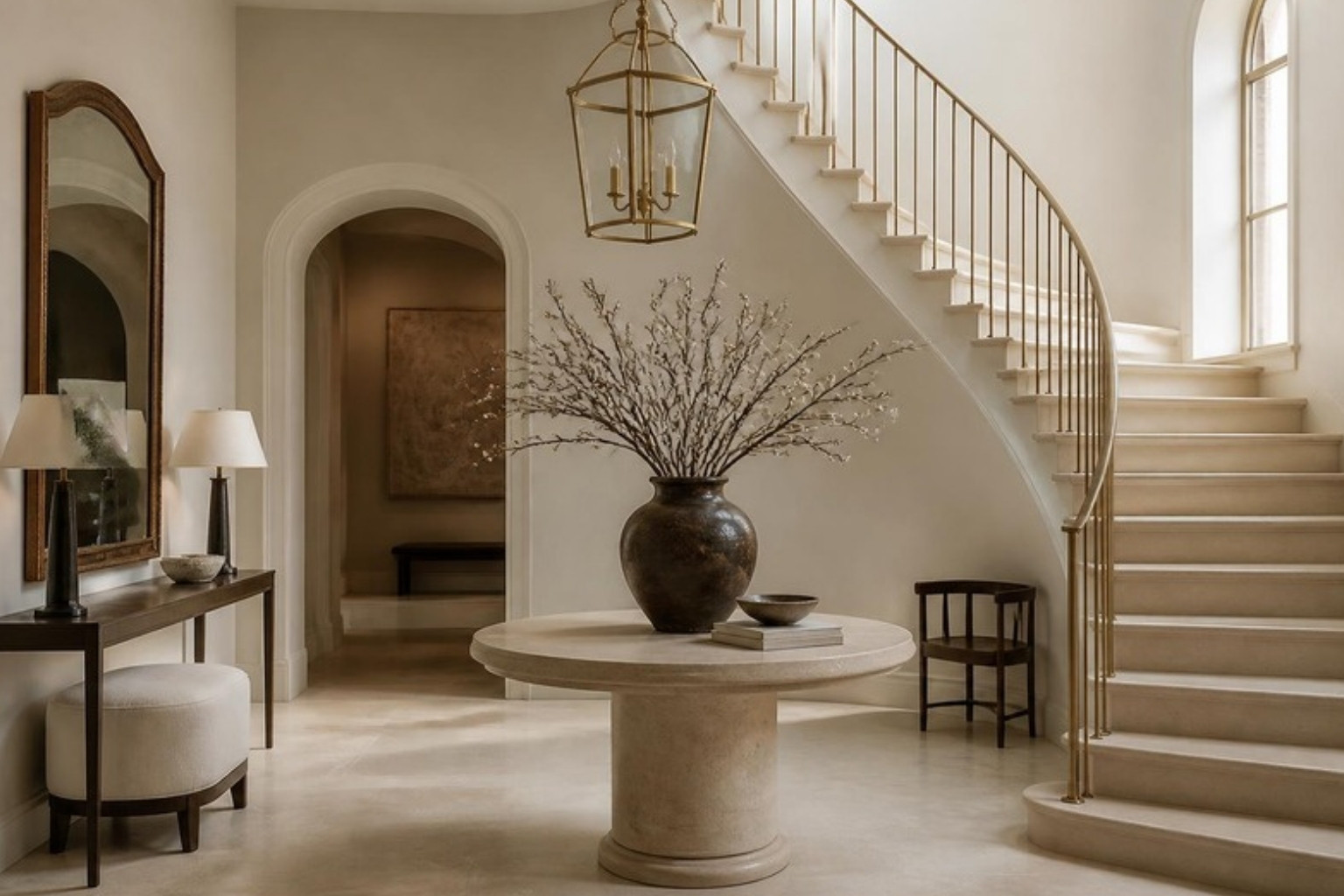
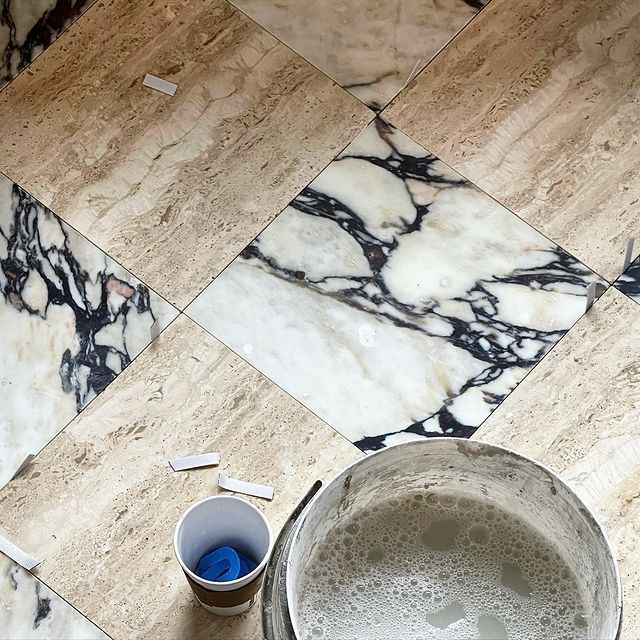
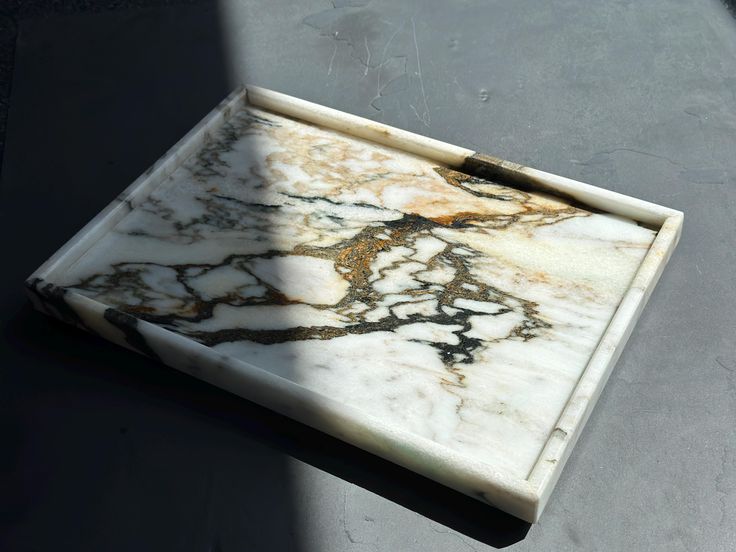
Travertine & Voile Marble Floor

Bathed in Natural Texture

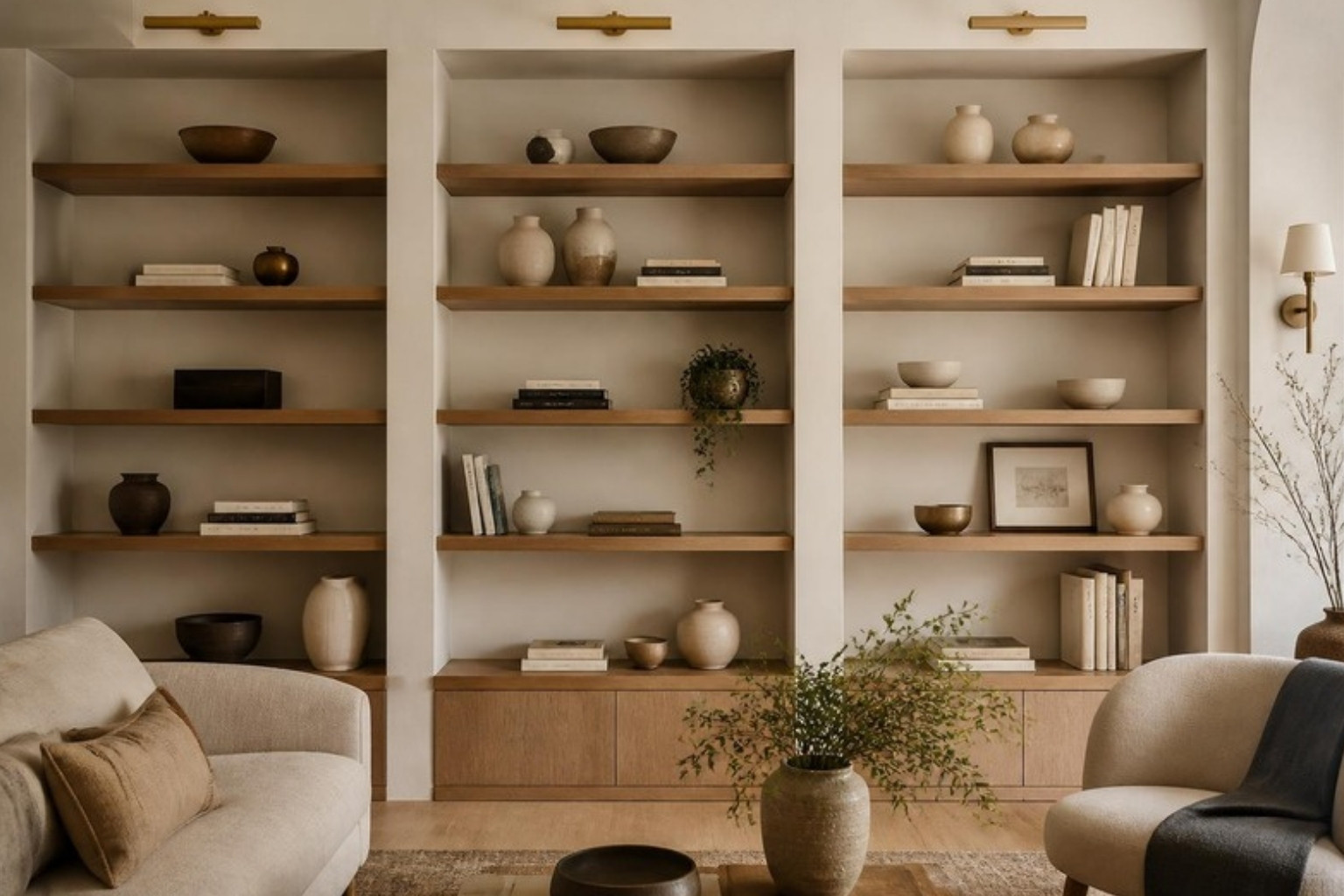
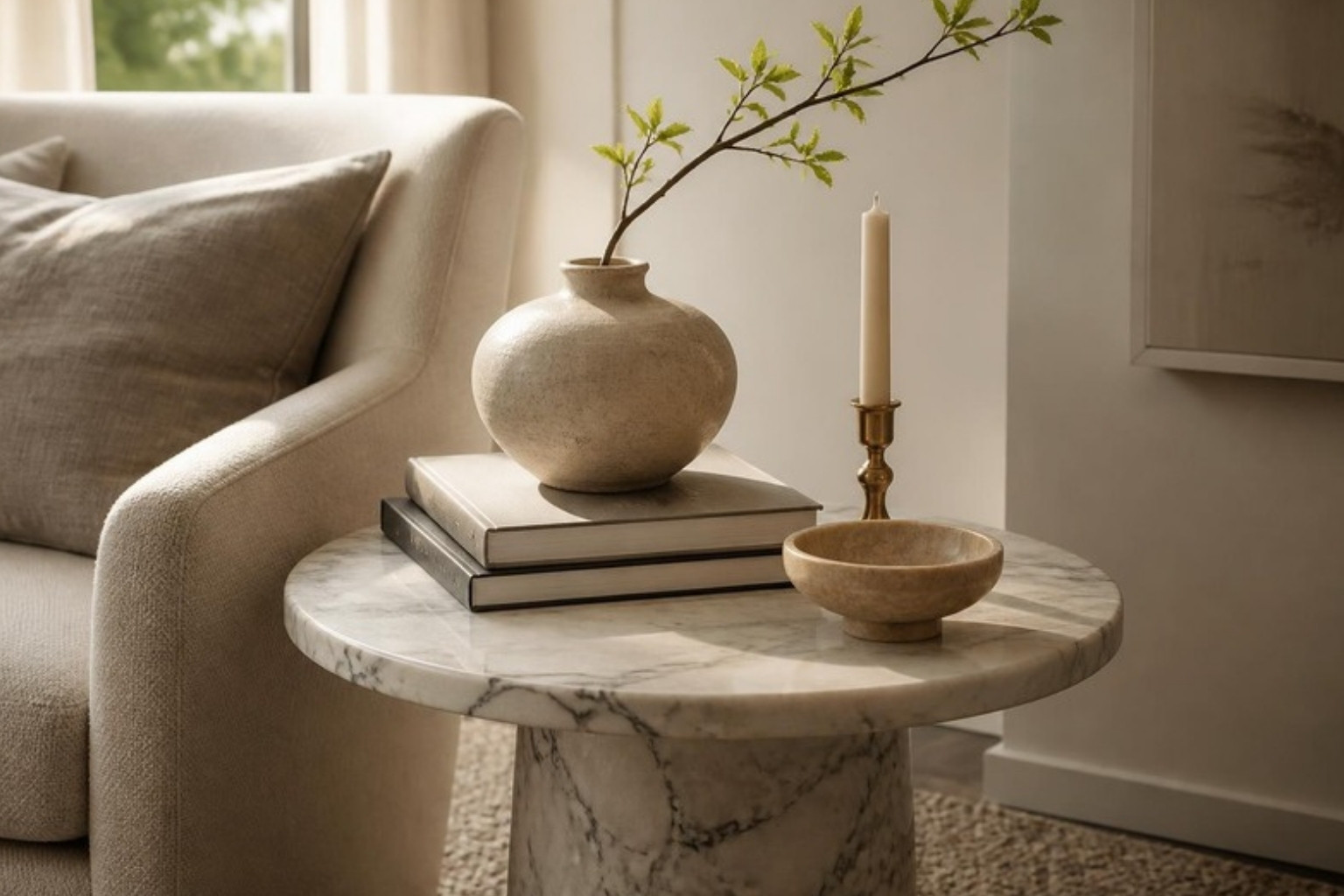
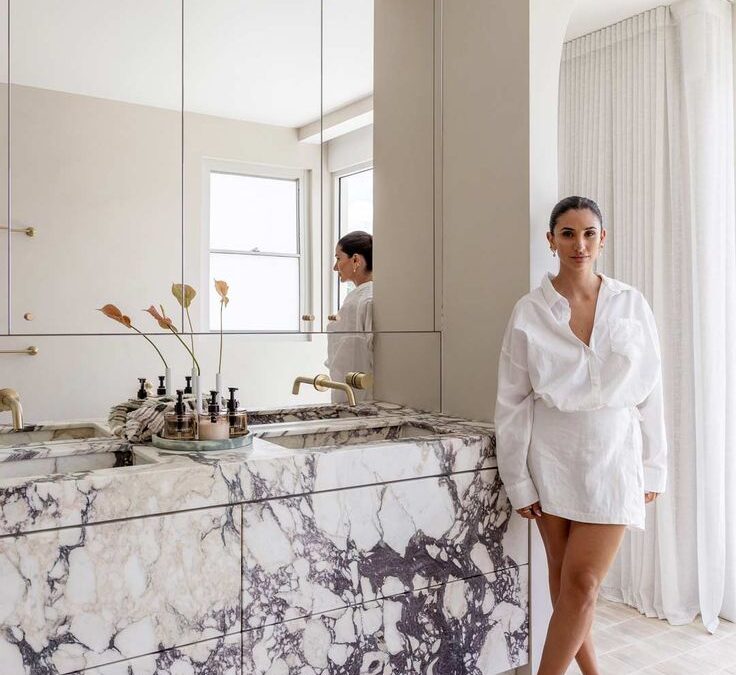
Glossy surfaces are taking a backseat. In their place: textural contrast and tactile richness. Think honed limestone, matte zellige, raked travertine, brushed oak vanities. These materials don’t just photograph well—they feel right in real life. They whisper calm. They age well. They remind us, even in the most functional space, to slow down and feel something.

What to Try:

  • Textural tile in a single color, varied finishes
  • Unlacquered brass or patina-prone fixtures
  • Custom millwork in rift-cut white oak

Rachel’s Tip: Choose texture over pattern in small bathrooms—it feels immersive, not busy.

The Color Shift: From Spa White to Earth-Toned Calm

Color in 2025 isn’t there to dazzle. It’s there to ground you. Chalky mauves. Washed clay. Soft olive. These hues are quiet, even contemplative. The palette feels like a breath held and released.
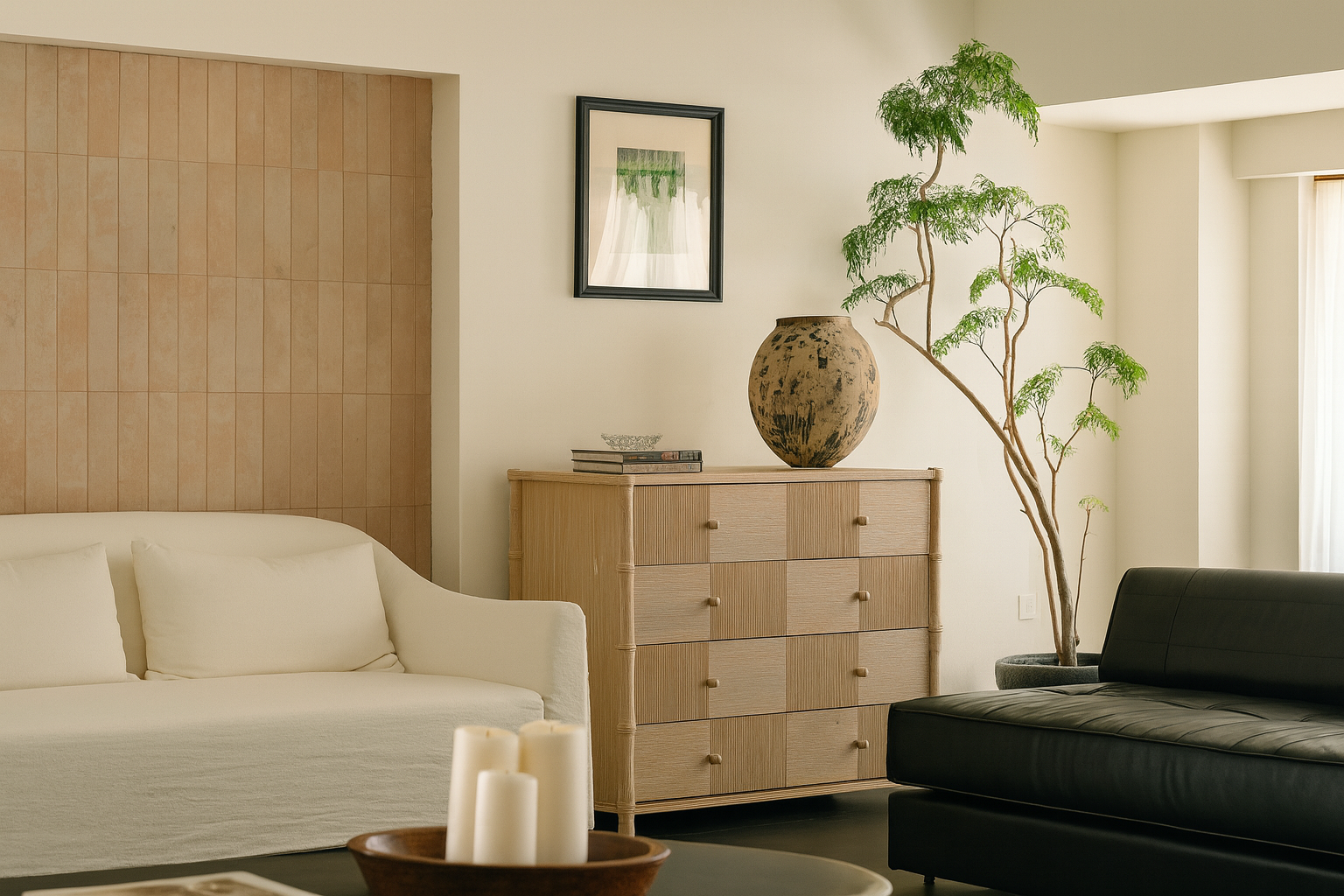
Paint Colors We’re Recommending:

  • Farrow & Ball “Skimming Stone”
  • C2 Paint “Cotton Flannel”
  • Benjamin Moore “October Mist”

Floating Vanities

We’re shedding bulk in favor of grace. Floating vanities give the illusion of more space—and with the right detailing, they feel bespoke, not built-in. The best ones blend heritage carpentry with minimalist posture.

Details That Elevate:

  • Fluted fronts, inset pulls, and under-vanity lighting
  • Marble tops with soft, honed finishes
  • Seamless wall-mount installation for easy cleaning

Rachel’s Tip: A floating vanity in warm oak or rift-cut ash gives the illusion of calm and openness, especially in tighter spaces.

Wellness Features

True luxury in 2025 is what you don’t see. Radiant heat beneath your toes. A shower that knows your rhythm. Light that changes with the sun. These are not indulgences—they’re micro-rituals of ease.

Details That Matter:

  • Integrated towel warmers that look like sculpture
  • Wall-mounted aromatherapy diffusers
  • Motion-activated night lighting

Biophilic Touches

A sculptural fern. A pebble sink. Light moving through a skylight like a sundial. Biophilic design is more than a trend—it’s a return. The best bathrooms of 2025 make space for the outdoors to come in.

Bring Nature In:

  • Potted olive trees or sculptural ferns in corner niches
  • Skylights or high windows for natural light
  • Water feature accents for a true spa-like feel

The Rise of Mood Lighting

There’s nothing flattering about overhead-only lighting. In 2025, bathrooms glow. Ambient sconces, under-cabinet LEDs, artful picture lights—they add warmth, dimension, emotion. You don’t just see the room. You feel it.

Lighting That Elevates:

  • Picture lights over art or mirrors
  • Dimmable sconces flanking the vanity
  • Low-profile floor lamps in large ensuites

Smart Bathrooms That Don’t Feel Like Tech

The best bathroom tech is invisible. Mirrors that defog. Showers that remember. Music that fades in. In 2025, the innovation is embedded—not imposing.

Rachel’s Tip: Choose tech that disappears into the design. The goal is harmony, not gadgets.

Sculptural Soaking Tubs

A tub isn’t just a fixture. It’s a punctuation mark. The organic, asymmetrical, matte tubs trending now are more than places to bathe—they’re statements in softness.

Popular Finishes:

  • Matte stone resin
  • Textured concrete
  • Clawfoot revival with modern colorways

Art and Objects in the Bathroom? Yes.

Designers are treating bathrooms like living rooms. The art doesn’t stop at the hallway. Plinths, ceramic vessels, framed works—they make your daily routine feel curated, not clinical.

Design Rule: If it belongs in the living room, it probably elevates the bathroom.

Space Planning That Honors Daily Rituals

The most luxurious bathrooms aren’t the largest—they’re the most thoughtful. Where does the robe go? Can you do your makeup in natural light? Are there drawers that close softly and lights that dim as you wind down?

What We Design For:

  • Seated vanity zones with elegant lighting
  • Integrated laundry built-ins that don’t kill the mood
  • Quiet zones with sound insulation for tubs

[Link: Interior Design Services Overview]

Sink

Rachel’s Bathroom Design Principles

“Edit the materials, not the experience.”
“Form doesn’t follow function. It fulfills it.”
“Every faucet, tile, and towel hook should feel chosen.”

Final Thought: Let the Bathroom Lead

Sometimes, it’s the bathroom that teaches you what kind of home you want. A retreat. A reset. A quiet revolution in the rhythm of your day. In 2025, we design bathrooms not as afterthoughts, but as anchors of intentional living.

2 Hour Interior Design Virtual or In Person Consultation

SOMETHING FOR EVERYONE

THE PIECES RACHEL RETURNS TO, AGAIN AND AGAIN

The Best Living Room Paint Colors for Timeless, Intentional Homes

The Best Living Room Paint Colors for Timeless, Intentional Homes

Why the Living Room Sets the Emotional Tone

Your living room is more than the first space guests see—it’s where the mood of your home takes root.

It must be flexible enough to host conversation yet calming enough for quiet evenings. And paint color—chosen well—frames those moments with intention. I often tell clients: design begins with the walls, not the sofa.

The Best Neutral Paint Colors for Living Rooms

These aren’t safe choices. They’re intelligent ones—designed to support, not steal attention.

  • Benjamin Moore White Dove
    Creamy, warm, and architectural. It softens harsh light and flatters natural materials like wood, linen, and stone.

  • Sherwin-Williams Repose Gray
    A balanced greige that adapts to both northern and southern light. Ideal for open-concept spaces.

  • Farrow & Ball Shaded White
    Understated but elegant. Works in traditional and modern settings alike.

See more curated neutrals in: The Best Paint Colors by Region

Deeper Living Room Colors for Mood & Sophistication

Used thoughtfully, rich tones anchor a room and lend presence without weight.

  • Farrow & Ball Pigeon
    A green-gray with a slightly aged feel. Pairs beautifully with oak floors and brass fixtures.

  • Sherwin-Williams Urbane Bronze
    Earthy, dramatic, and grounding. Best with layered textiles and textured neutrals.

  • Benjamin Moore Chelsea Gray
    More urban than farmhouse. A confident choice that reads modern without feeling cold.

Rachel’s 3-Layer Living Room Color Strategy

Foundational Walls
Choose a soft white or greige that sets the emotional tone and works across seasons.

Focal Contrast
Consider painting built-ins, millwork, or even the ceiling a deeper shade for dimension.

Tactile Harmony
Let textiles, woods, and metals complete the palette—our curated decor line is designed to echo this rhythm.

See the approach in action: Project Portfolio →

Choose Based on Light, Not Just Preference

Lighting transforms color. What reads creamy in St. Louis may go blue-gray in Nantucket.

  • North-facing rooms: Opt for warmer tones like White Dove or Shaded White.

  • South-facing rooms: You can explore cooler tones like Chelsea Gray or even Pigeon.

  • Open-plan spaces: Greiges like Repose Gray help connect zones subtly.

Test swatches in morning, noon, and evening light. Then test again.

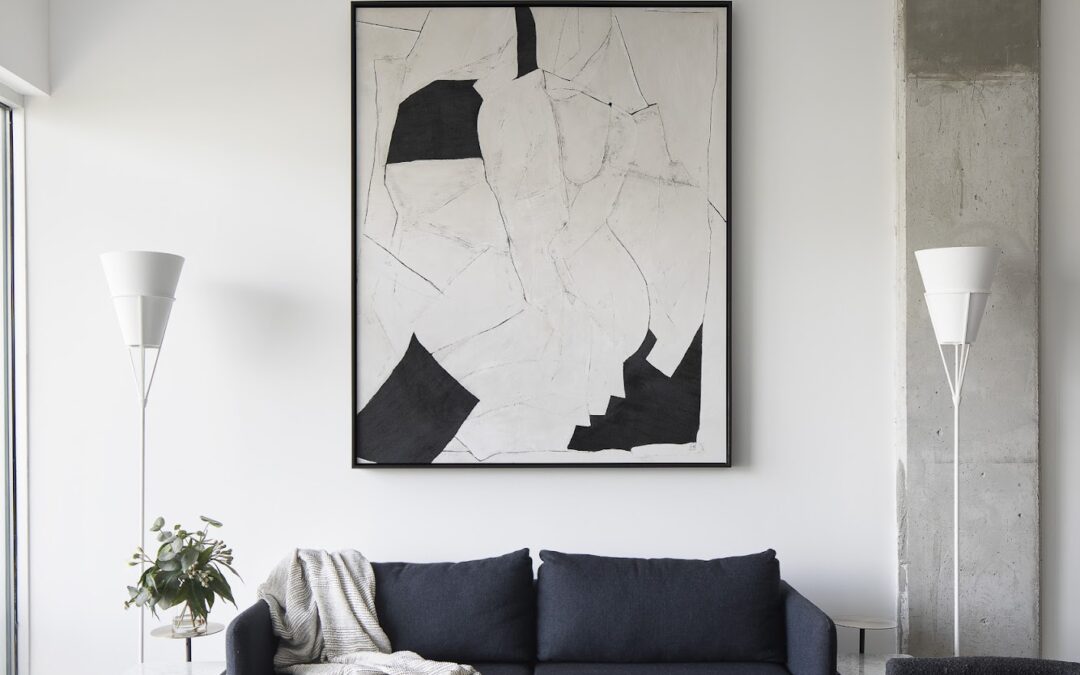
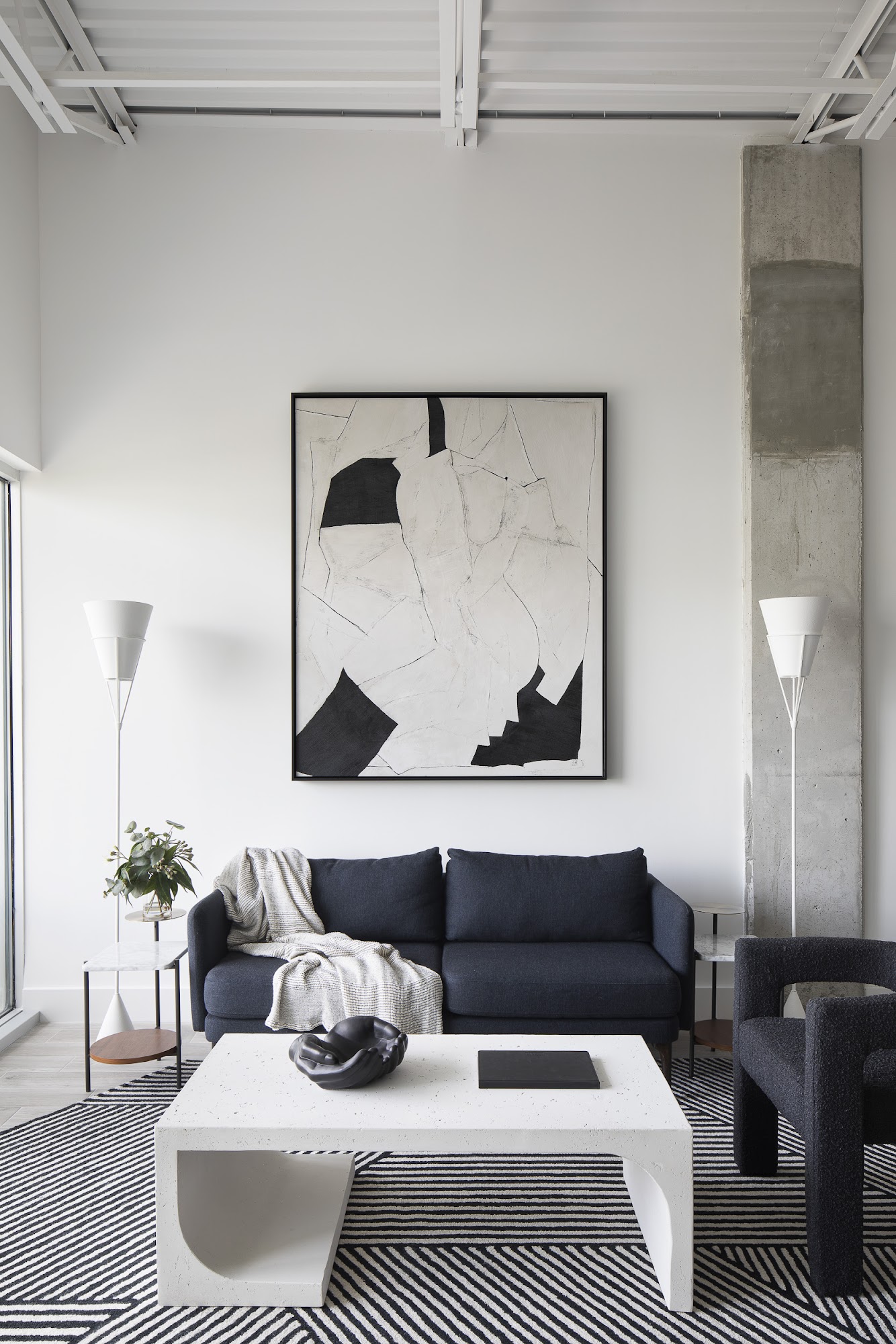
RachelBlindauerLivingRoomEichlerColorPop

Paint by Personality: Living Room Edition

If you want to feel… Try this color
Welcoming & airy White Dove or Repose Gray
Grounded & intimate Urbane Bronze or Chelsea Gray
Sophisticated & modern Pigeon or Shaded White
Neutral but expressive Shaded White or Repose Gray
Calm but artistic Pigeon with mixed textures

“The living room is where your home’s story begins—color is your opening line.”

Shop the Look: Bedroom Accents That Elevate Color

Paint sets the mood—but the right pieces complete the experience. When curating bedrooms, I often reach for accents that don’t just match the palette, but magnify its intention. Two standout pieces from my collection do exactly that:

CelesteLaqueredNightstand

1. Celeste Lacquered Nightstand
A fresh, modern take on bedside design, the Celeste Nightstand is where quiet whimsy meets refined utility. Wrapped in a light blue matte lacquer, its curved silhouette softens angular architecture, while a trio of soft-close drawers delivers function with style. And that brass beetle knob? Pure delight.

It’s especially striking against neutrals like Farrow & Ball’s School House White or moody hues like Nightfall—the soft blue lacquer becomes the color you didn’t know you needed.

“I love using the Celeste when a space calls for softness—but also for something with soul.”
Shop the Celeste Nightstand →

2. The Tropical Reverie Artwork
Bedrooms deserve art that doesn’t just fill space—but transforms it. “Tropical Reverie” is a lush four-panel giclée work housed in a Lucite® shadow box with silver nailhead detailing. The palette—vibrant, sun-drenched, dreamlike—creates a sense of place far beyond the ordinary.

Pair it with walls in Classic Gray or De Nimes to make the colors sing. This piece holds its own as a statement, yet plays beautifully with linen, rattan, and sculptural lighting.

“Tropical Reverie invites the eye to travel—and the spirit to rest.”
Shop Tropical Reverie →

Pro Tip: If you’re working with a neutral wall, let your accents do the storytelling. If your paint color is bold, choose furnishings with sculptural restraint or tonal harmony. Either way, a well-designed bedroom is never accidental.

Color Is How a Room Learns to Speak

We often think of living rooms in terms of furniture—but it’s the paint that makes space feel like sanctuary, or salon, or storybook. With the right palette, your living room doesn’t just look finished. It feels lived in—by design.

Living Room Paint Color FAQs

What’s the most timeless paint color for living rooms?
White Dove. It’s warm, elegant, and endlessly adaptable.

Should I use dark paint in a small living room?
Yes, if you pair it with soft textures and proper lighting. Small doesn’t mean light-only.

Which finish is best for living room walls?
Matte or eggshell. Avoid glossy finishes—they disrupt calm and read harshly in daylight.

How do I make my living room feel cohesive with an open floor plan?
Use a unifying neutral (like Repose Gray) and introduce contrast through millwork or furniture upholstery.

2 Hour Interior Design Virtual or In Person Consultation

SOMETHING FOR EVERYONE

THE PIECES RACHEL RETURNS TO, AGAIN AND AGAIN

Designing Neuroinclusive Hotels: The Next Luxury Standard

Designing Neuroinclusive Hotels: The Next Luxury Standard

Luxury today is no longer defined by chandeliers and marble lobbies alone. For the world’s best hotels and branded residences, true luxury lies in creating environments that anticipate human needs—quieting the mind, supporting well-being, and offering choice to every guest. Neuroinclusive design, once discussed primarily in workplace strategy, is quickly becoming a defining factor in hospitality interiors.

WellnessHotelWellnessimage2

Why Neuroinclusivity Matters in Hotels

Neuroinclusive design acknowledges that guests process space differently. Some thrive in bright, bustling lounges; others seek retreat in quiet nooks where sound and light are softened. In hospitality, where guest experience directly translates to loyalty and revenue, designing for this range of needs is no longer optional. It is the competitive edge.

Consider a lobby where check-in kiosks are positioned away from high-traffic doors, or a guest suite where layered lighting allows visitors to choose between bright task illumination and warm ambient glow. These are small accommodations that shape how welcome—and how understood—guests feel.

Material Choices That Shape Experience

Hotels that master neuroinclusive design do so through materials as much as layout. Hard, glossy surfaces may sparkle, but they also amplify sound. A honed limestone floor paired with plaster walls absorbs echo and diffuses light, creating calm rather than glare. Handwoven textiles—whether in upholstery or drapery—add visual depth and a subtle tactile invitation. Even the difference between lacquered versus matte finishes shifts how a guest perceives comfort.

These decisions are not aesthetic alone; they are sensory strategies. A neuroinclusive hotel understands that acoustics, texture, and reflection levels are as critical as the artwork on the wall.

A Designer’s Perspective

When I design for hotels, I think about what guests will say the morning after their first night’s sleep. If they describe feeling rested and cared for, then the design is working. Neuroinclusive design is about anticipating those needs before a guest ever names them—it’s the difference between a space that is photographed well and a space that lives well.

The ROI of Empathy

Developers often ask: is this simply another design movement? The truth is neuroinclusivity is a business imperative. Hotels that offer environments where every guest can thrive see stronger reviews, longer stays, and repeat bookings. In a market where loyalty is fragile, experience becomes currency.

The hospitality spaces that endure are those designed with empathy—and empathy, in this case, is not an indulgence but a strategy.

HotelHealthyDiningInteriorDesign

Moving from Trend to Standard

The history of design is filled with shifts that began as accommodations and became universal. Curb cuts designed for wheelchairs now benefit travelers with rolling suitcases. In the same way, the acoustically balanced lounge or the customizable guest suite designed with neurodiverse guests in mind ultimately elevates the stay for all.

An Invitation

If you’re shaping a boutique hotel or branded residence, design decisions today will define guest loyalty tomorrow. I work with developers and hoteliers to ensure those decisions translate into lasting reputation and return—spaces that not only photograph beautifully but live beautifully.

Neuroinclusive Hotel Design: Your Questions Answered

What is neuroinclusive design in hotels?
Neuroinclusive design in hospitality creates environments that support diverse sensory and cognitive needs. This means designing lobbies, suites, and amenities with choice—quiet areas as well as social spaces, layered lighting instead of a single glare, and materials that reduce echo and visual overstimulation.

How does neuroinclusive design benefit hotels?
Hotels that embrace neuroinclusive principles see higher guest satisfaction, stronger reviews, and repeat bookings. By accommodating a wider range of guests, from business travelers to families, properties strengthen their reputation as welcoming, thoughtful, and truly luxurious.

What are examples of neuroinclusive hotel design?
Examples include:

  • Guest rooms with adjustable lighting (task, ambient, and blackout).

  • Carpets or acoustic panels in corridors to reduce noise fatigue.

  • Zoned lobbies with both lively gathering spaces and quiet seating nooks.

  • Use of matte finishes, soft textures, and natural materials to reduce glare and add comfort.

Is neuroinclusive design expensive?
Not necessarily. Many strategies involve thoughtful planning rather than costly overhauls—such as positioning seating away from high-traffic areas, layering lighting, or specifying sound-absorbing materials. When seen as an investment, the ROI is significant: improved guest loyalty and premium market positioning.

Why is neuroinclusive design considered the “next luxury” in hospitality?
Because true luxury is about how a space makes you feel. A neuroinclusive hotel doesn’t just impress visually—it allows every guest to feel rested, focused, and cared for. That emotional resonance is what transforms a stay into a memory and a guest into a loyal advocate.


2 Hour Interior Design Virtual or In Person Consultation

SOMETHING FOR EVERYONE

THE PIECES RACHEL RETURNS TOAGAIN AND AGAIN

How to Choose the Right Interior Designer for Your Home in St. Louis

How to Choose the Right Interior Designer for Your Home in St. Louis

Choosing a designer is about more than taste—it’s about trust, timing, and a shared vision. Here’s how to find the right match for your St. Louis home.

Why the Right Designer Matters

Interior design is not just a service. It’s a collaboration that shapes the most intimate, visible parts of your life: your home. In a city like St. Louis—where history, craftsmanship, and architectural richness run deep—your designer must understand both the past and the future of the space. From Central West End townhomes to contemporary builds in Frontenac, good design tells a story. Great design lives in it.

“Design isn’t just about what you see—it’s about how you live.”
—Rachel Blindauer

Bathroom Design Rachel Blindauer

What Makes a Designer a Good Fit?

1. They Understand Your Lifestyle
Look for someone who asks about your routines, not just your Pinterest boards. Do you host often? Have pets? Kids? Work from home? Every choice—from fabrics to floorplans—should reflect how you live, not just how it looks.

2. Their Work Resonates With You
A strong portfolio should feel cohesive, yet versatile. You’re not hiring a copy machine—you’re hiring an interpreter. Whether it’s a historic Ladue estate or a loft in The Grove, your designer should bring out the soul of the space and the identity of its owner.

3. They Offer Full-Service Capabilities
In high-end design, access matters. Trade-only furnishings, custom cabinetry, contractor management, timeline oversight—it’s all part of the job. Ask what their process includes and how it scales to your needs.

4. They Value Materials and Craftsmanship
If your designer can speak fluently about plaster finishes, unlacquered brass, or the patina of white oak, that’s a good sign. Great homes are built on layers—not trends.

St. Louis Design Culture: A Blend of Classic and Contemporary

St. Louis interiors often walk the line between tradition and innovation. Brick homes from the 1800s may sit next to sleek new builds. The right designer knows how to honor both. In the Central West End, for example, you might find original millwork paired with sculptural lighting. In Clayton, minimalist kitchens often hide vintage French ranges. St. Louis clients don’t want to be trendy. They want something timeless that feels like them.

Looking for interiors that balance elegance and ease? Book a 2-Hour Design Consultation.

RachelBlindauerHotel&HospitalityDesign
Entry of Estate Gate with Jasmine

What to Ask Before You Hire

  • What’s your design philosophy?
  • Do you handle purchasing and contractor coordination?
  • What types of clients or homes do you typically work with?
  • What’s your lead time and process?
  • Can you help with both decorating and renovation decisions?

The goal isn’t to interrogate. It’s to align.

When the Right Fit Feels Right

Sometimes it’s not about credentials. It’s about conversation. You should feel seen, not sold to. A good designer will listen more than they talk in the beginning. They’ll show you ideas that feel like a refinement of your own instincts, not a deviation from them. You’ll find yourselves referencing the same designers, the same art, the same way of living.

And if you’re not there yet? A consultation is a great way to test the waters.

Start with a Mini Moodboard—get custom-curated direction for one room, and credit it toward a full project later.

Final Thoughts

The right designer isn’t just someone who can style a room. It’s someone who can translate your life into a space that feels both personal and elevated. In St. Louis, that means understanding a city of texture, history, and quiet elegance. Choose someone who speaks that language fluently.

2 Hour Interior Design Consultation

SOMETHING FOR EVERYONE

THE PIECES RACHEL RETURNS TO, AGAIN AND AGAIN

Residential + Hospitality Specialist: Designing Spaces That Endure

Residential + Hospitality Specialist: Designing Spaces That Endure

From private residences to destination-level hotels, the right designer brings vision, cohesion, and detail that stands the test of time.

The Art of Dual Expertise

In both residential and hospitality design, excellence lies in creating spaces that are as functional as they are beautiful. The role of a Residential + Hospitality Specialist is to balance intimacy with impact—designing a home that welcomes you in and a hotel that draws guests back again. In either case, the work is layered, tactile, and deeply considered.

In St. Louis and beyond, I approach every project as an immersive narrative, informed by the history of the space, the cultural nuances of its location, and the lifestyle of those who will inhabit it.

“Design isn’t just a look—it’s a living experience.” —Rachel Blindauer

RachelBlindauerHotel&HospitalityDesign

Bespoke Furniture & Lighting Design: The Signature Layer

While sourcing extraordinary pieces from across the globe, I also design bespoke furniture & lighting tailored to each project. For a residential client, this may mean a dining table proportioned precisely to their entertaining style. For a hotel, it could be lighting that becomes a photographic moment for every guest. These one-of-a-kind elements are more than details—they become part of the property’s identity.

Materials matter. The patina of aged brass, the texture of hand-loomed linen, the glow of alabaster—these elements add the kind of character that cannot be rushed or faked.

Why Specialization Matters

For Residential Clients: Your home is not a showroom; it’s a personal sanctuary. The right designer understands both the romance and the logistics of daily living—how light moves through a space, where you drop your keys, how your family gathers.

For Hospitality Clients: Every space must work harder—capturing attention, accommodating heavy use, and telling a story that draws guests back. A hospitality-trained designer understands circulation patterns, durability, and the subtle cues that signal luxury.

Materiality & Mood

Great design is multi-sensory. Think velvet banquettes in a softly lit cocktail lounge. A marble floor inlaid with brass. A guestroom wrapped in grasscloth, where even the air seems to move more slowly. Each decision is intentional, chosen to create an atmosphere that lingers in memory.

Working Together

Whether you are building your forever home or reimagining a hotel brand, my role as a Residential + Hospitality Specialist and bespoke furniture & lighting designer is to act as both curator and creator—sourcing globally, designing custom pieces, and weaving every choice into a unified vision.

Ready to elevate your space? Book a 2-Hour Design Consultation to begin the conversation.

Final Thought

True design mastery lies in the ability to design for how people live and how they gather. A Residential and Hospitality Specialist navigates both worlds with equal fluency, creating spaces that feel personal, yet rise to the level of memorable.

When done well, your home welcomes like a great hotel, and your hotel feels like coming home.

2 Hour Interior Design Virtual or In Person Consultation

SOMETHING FOR EVERYONE

THE PIECES RACHEL RETURNS TOAGAIN AND AGAIN