
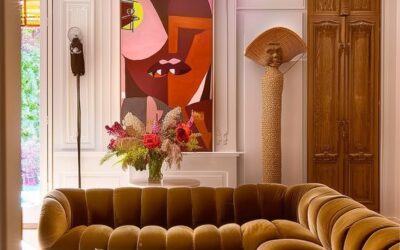
Interior Color Theory Explained: Warm vs. Cool Colors & How to Use Them

Interior Color Theory Explained: Warm vs. Cool Colors & How to Use Them

Color isn’t just visual—it’s visceral. It can energize, calm, expand, or contain. But choosing the right shades for your home often feels like guesswork. Here’s how to understand interior color theory like a designer—starting with the color wheel and ending with practical palettes that live beautifully.

Understanding the Color Wheel

To understand color well, we return to a concept we all learned as children—the color wheel. This visual guide, originally created by Isaac Newton during his studies on light and prisms, maps out how primary, secondary, and tertiary colors relate.

Primary colors—red, yellow, and blue—combine to form every other color. Mixing these creates secondary and tertiary colors, all of which find their place on the wheel. In design, this understanding forms the foundation for harmonious palettes.

Warm vs. Cool Colors

Colors aren’t just seen—they’re felt. We often refer to them as “warm” or “cool,” but what does that really mean?

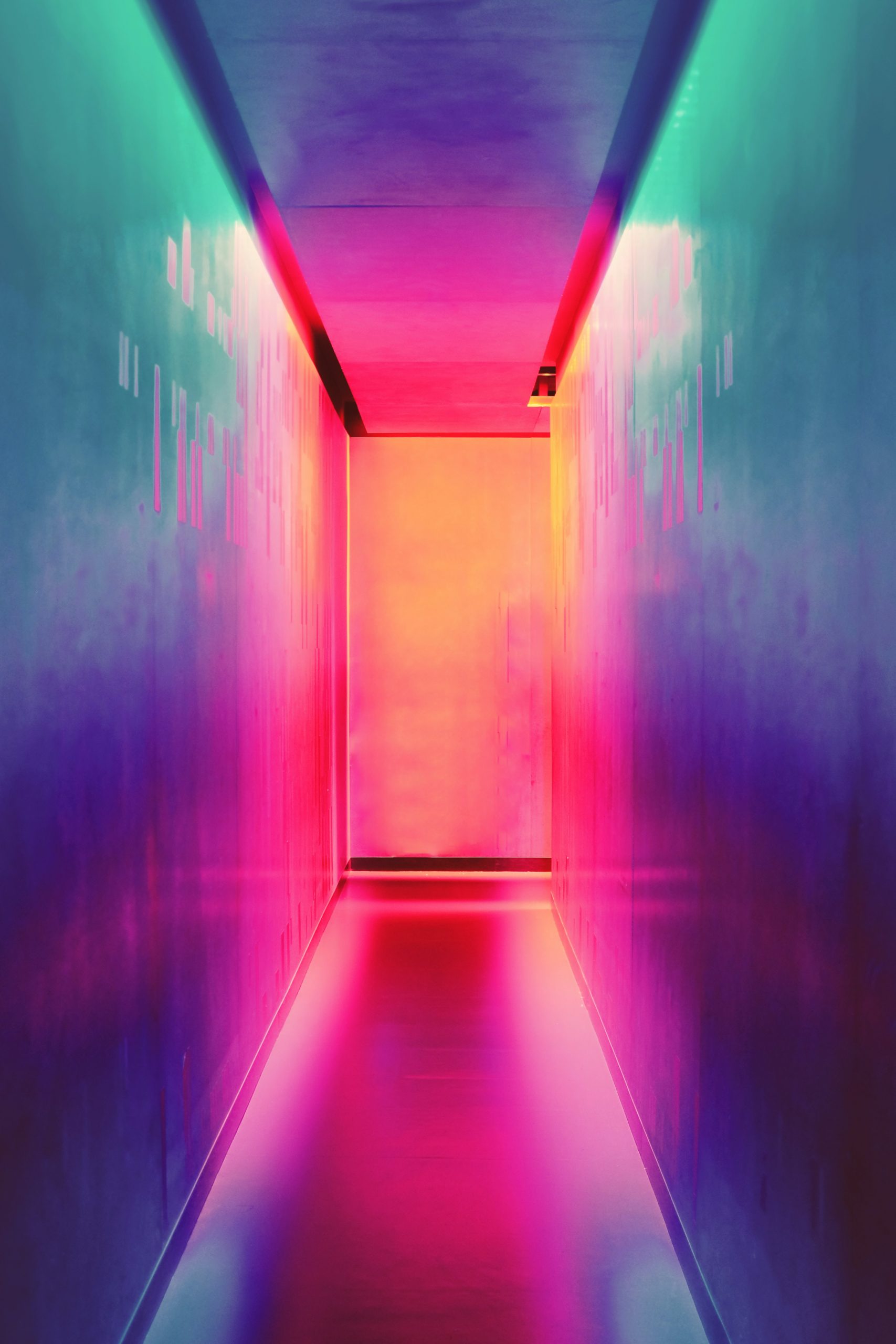
Warm colors—ruby, amber, carnelian, citrine—are associated with sun, fire, and energy. They advance in space, making them ideal for expansive rooms that can handle intensity. Cool colors—azurite, emerald, jade, amethyst—mirror water and foliage. They recede visually, creating calming environments and helping smaller rooms feel open.

Warm Colors:

  • Ruby
  • Carnelian
  • Citrine

Cool Colors:

  • Amethyst
  • Sapphire
  • Emerald
Unsplash

Choosing Your Colors

Color selection can feel overwhelming. An abundance of options, uncertainty about undertones, and fear of regret can lead to indecision. My advice? Start with your wardrobe. The hues we wear most often tend to reflect what we enjoy seeing around us.

Another smart starting point: take the Style Quiz to uncover your personal palette.

Color Psychology: How Colors Make You Feel

Each color carries an emotional charge. Here’s how to work with that:
Unsplash

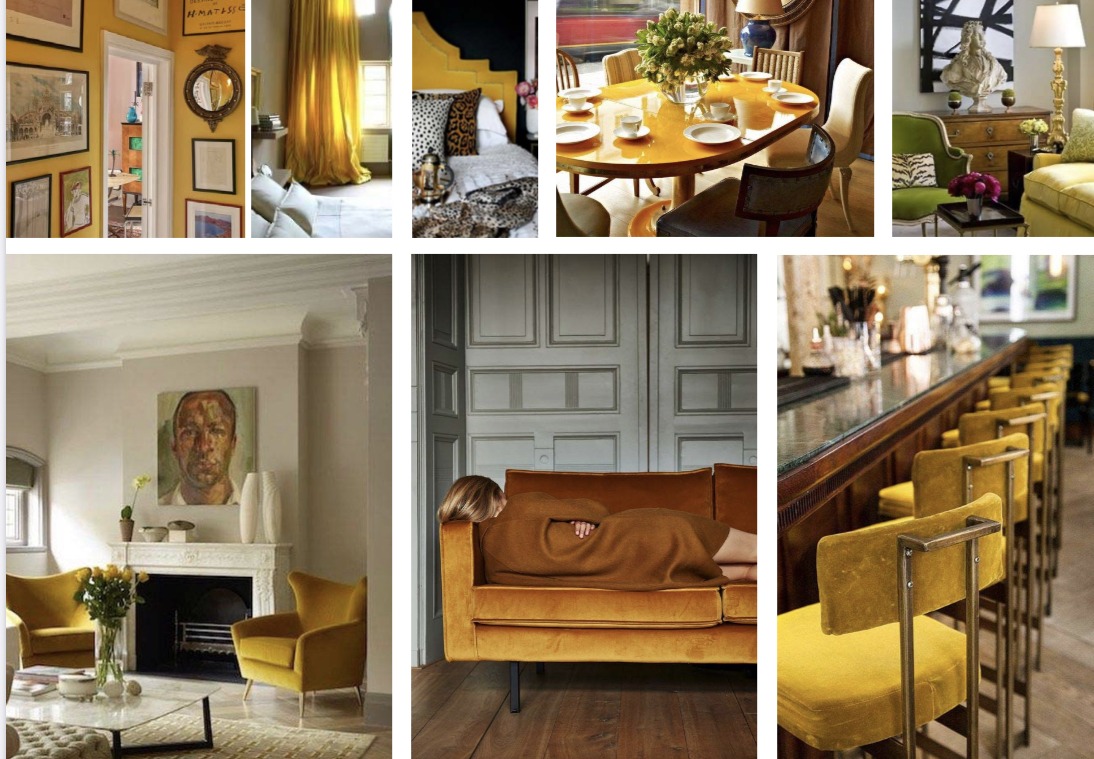
CITRINE

Uplifting, positive, and creativity-inducing. Perfect for offices and social spaces. Use sparingly to avoid overstimulation.

CARNELIAN

Passionate, sensual, and stimulating. Use in dining areas to boost appetite, or bedrooms in muted tones.
color theory
color theory

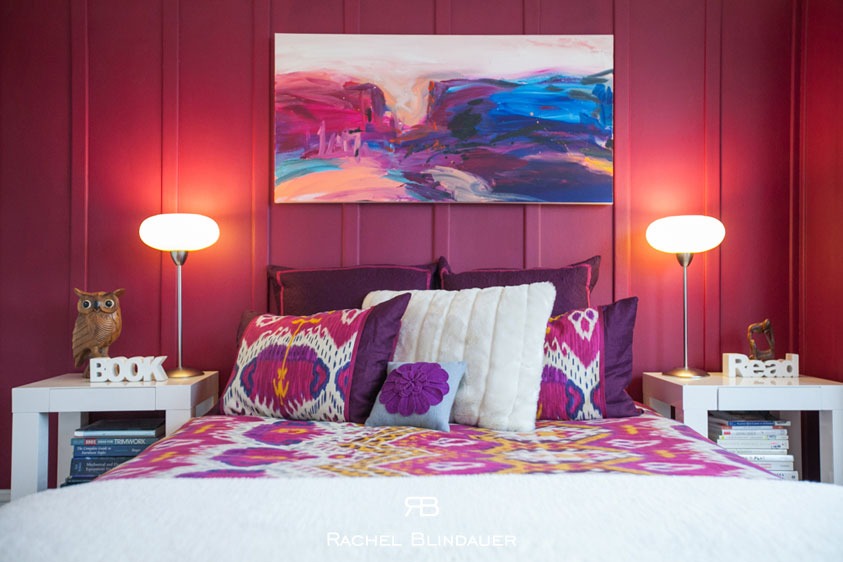
RUBY

Passionate, sensual, and stimulating. Use in dining areas to boost appetite, or bedrooms in muted tones.

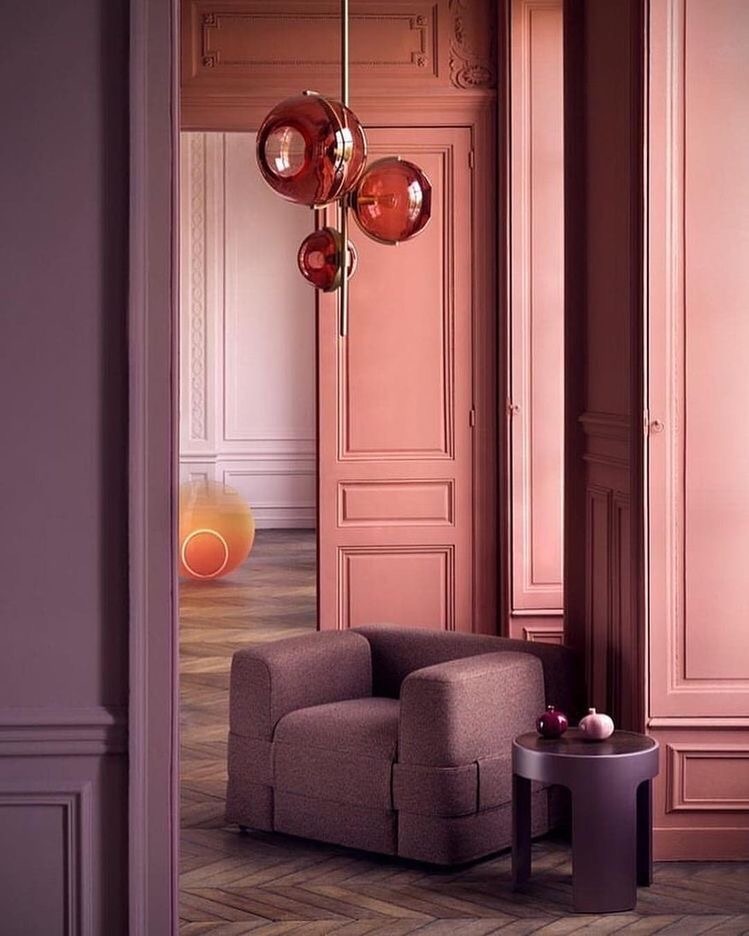
ROSE QUARTZ

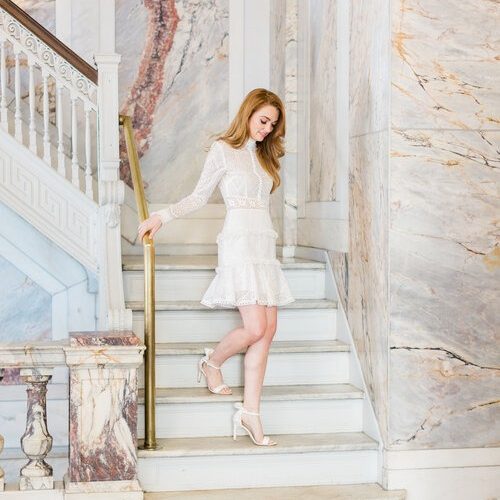
Playful and soft. Lovely in bedrooms and powder rooms. Best when balanced with neutrals.
color theory
color theory

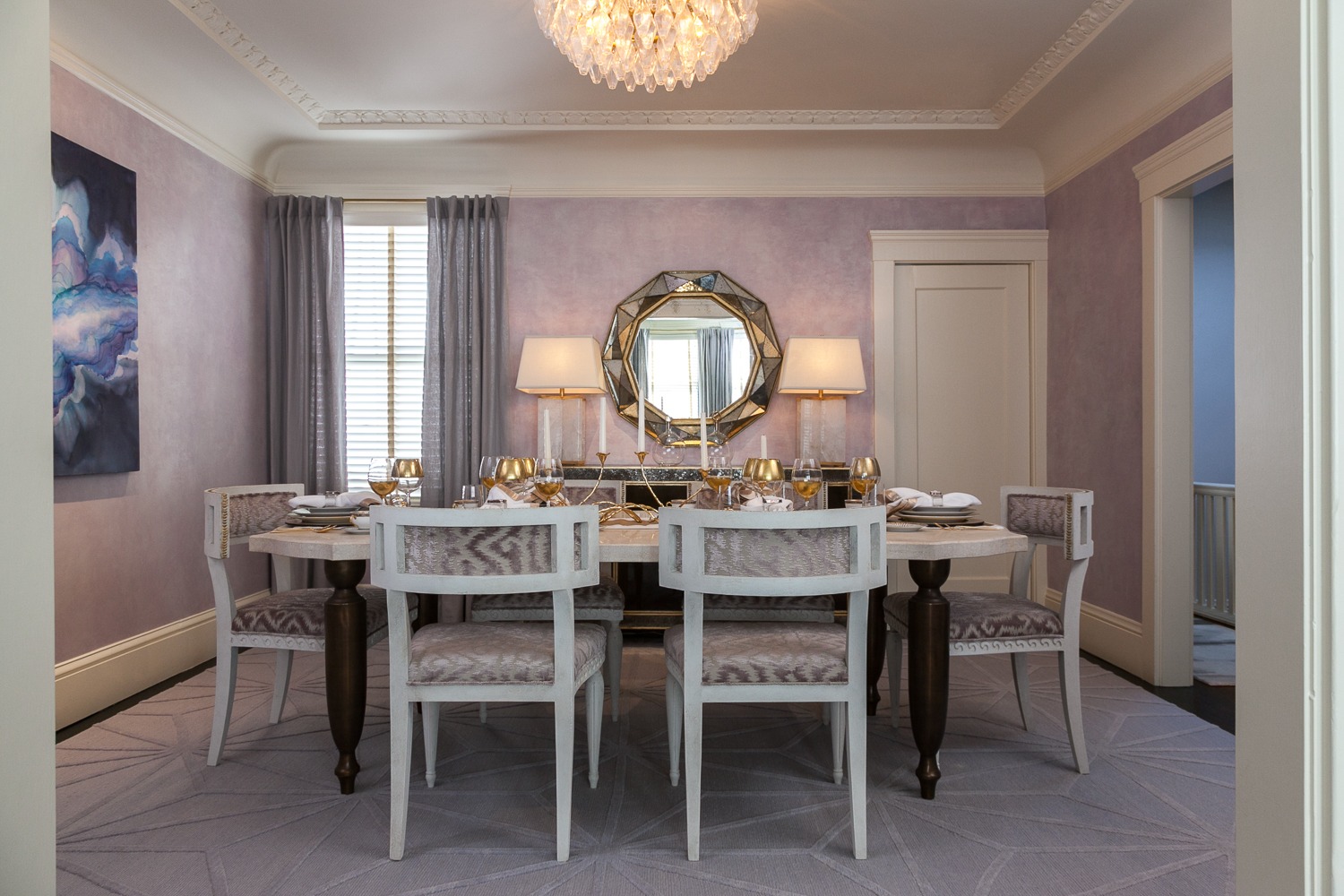
AMETHYST

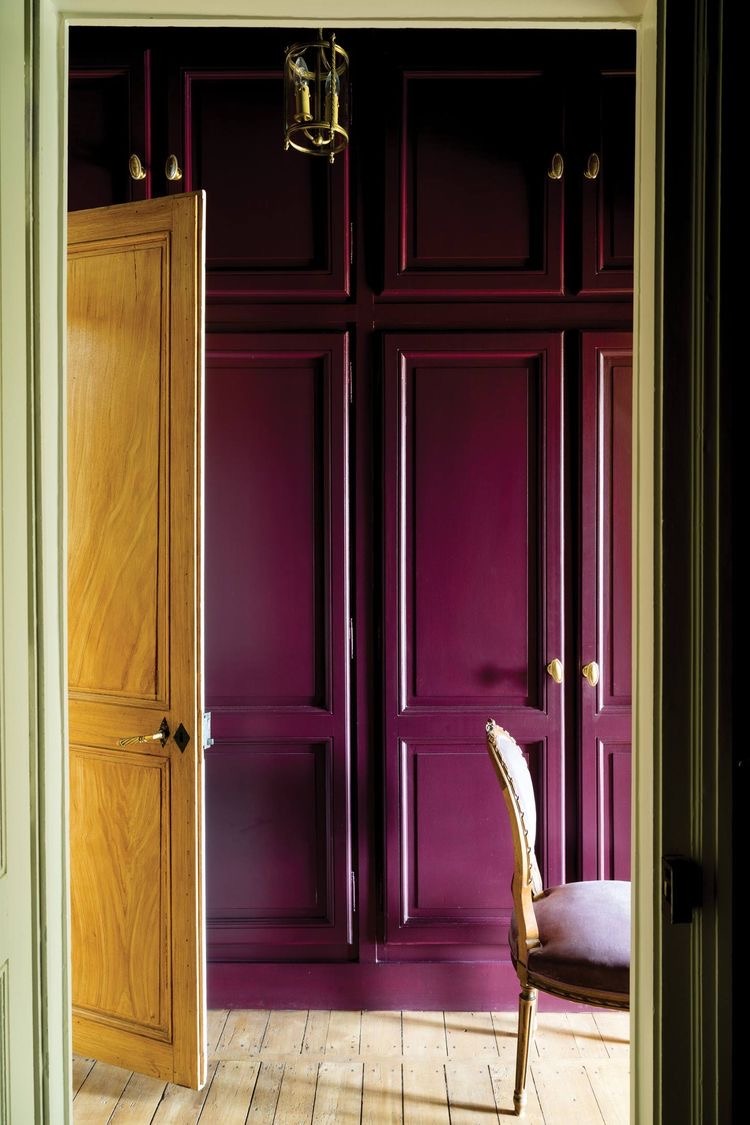
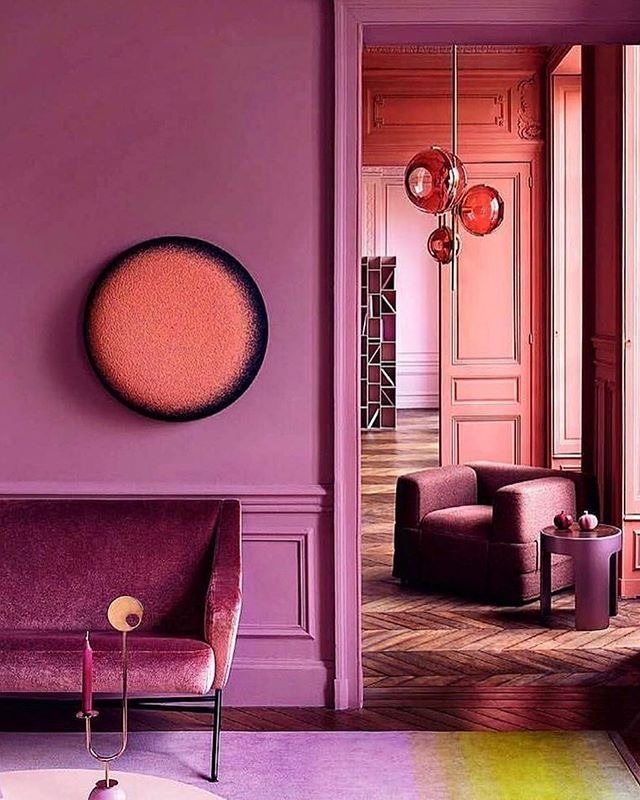
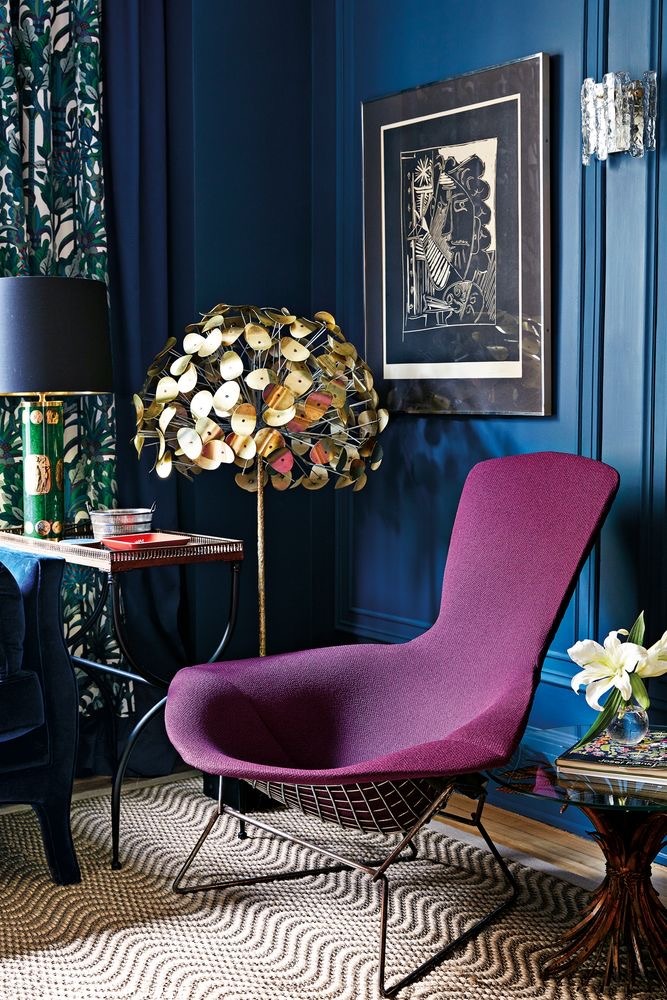
Luxurious and creative. Light tones are restful; dark tones are dramatic. Ideal for studies, bedrooms, and lounges.

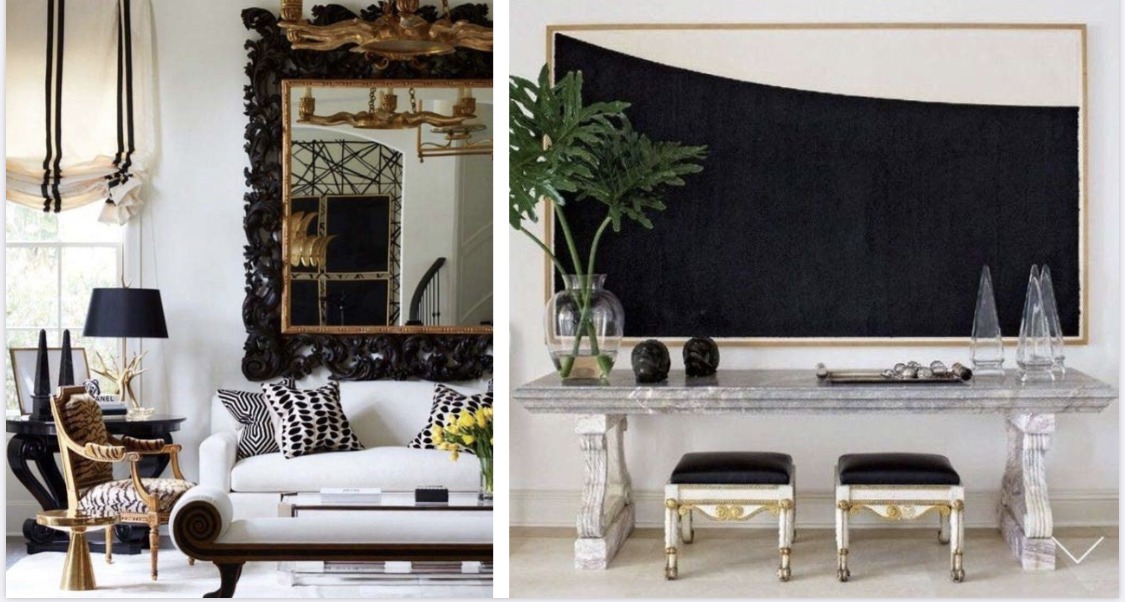
OBSIDIAN

A dramatic neutral that pairs well with everything. Great for entryways and dining rooms but should be tempered with light sources.
color theory
Interior Color Theory Pearl

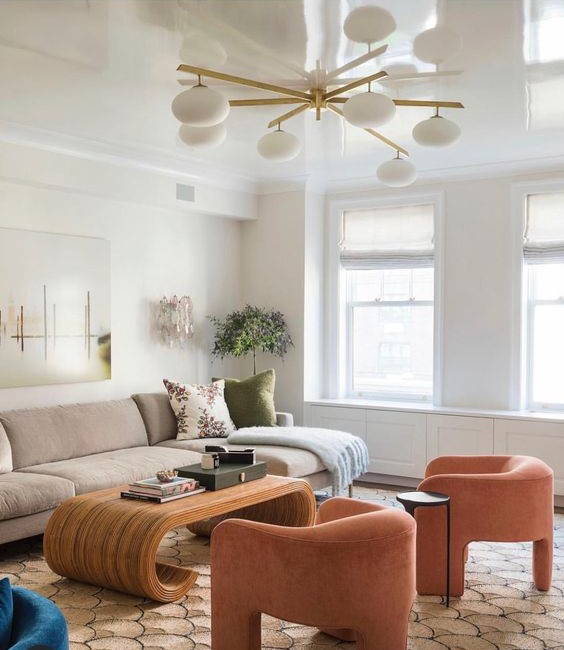
PEARL

A balanced neutral. Works anywhere but should be warmed or accented to avoid sterility.

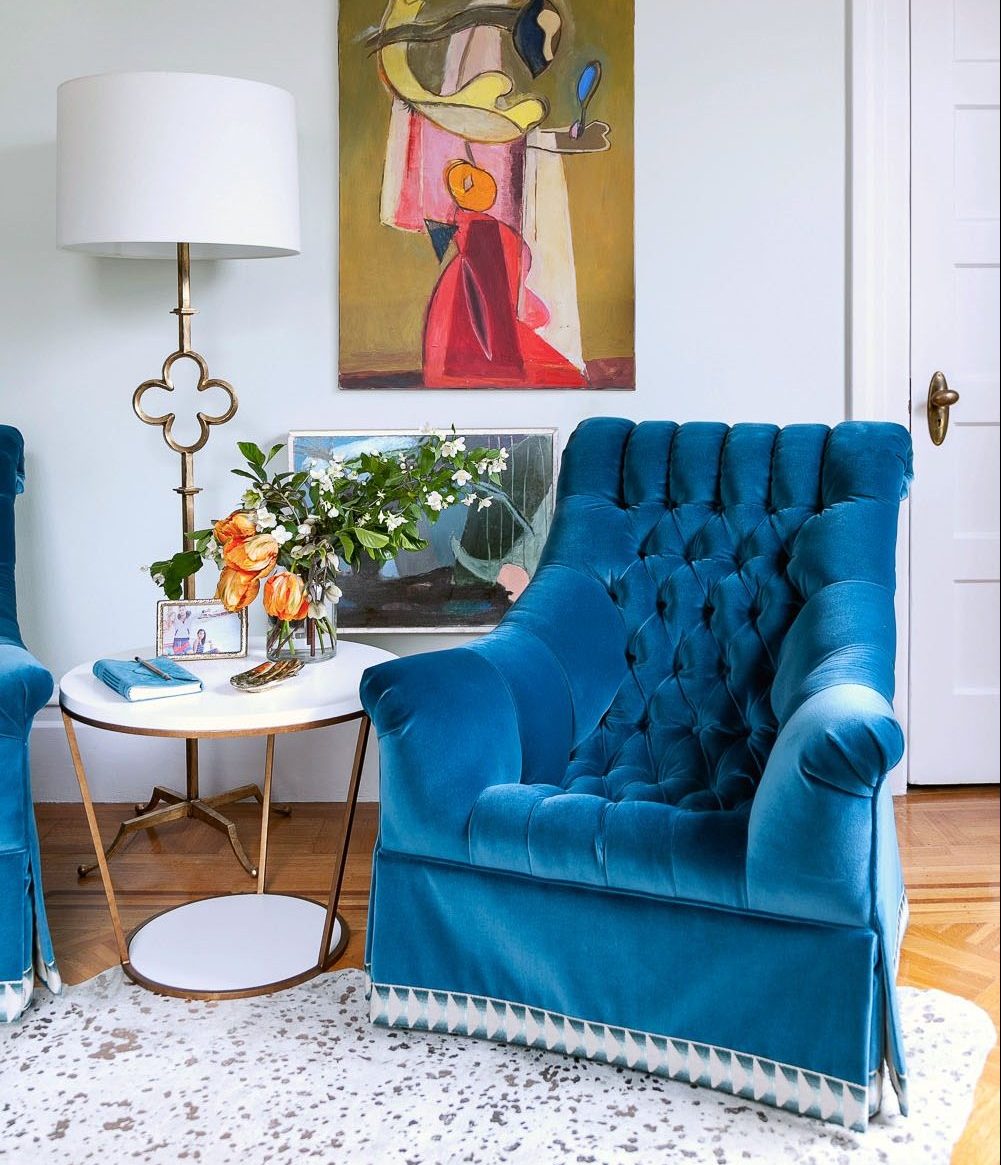
SAPPHIRE

Classic and calming. Deep blues bring sophistication, while lighter shades feel coastal and breezy.
​

SophisticatedinBlueOffice

EMERALD

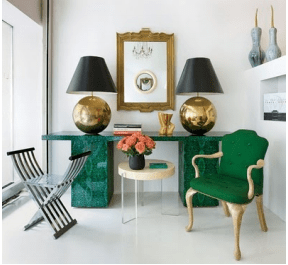
Earthy and serene. Excellent for bathrooms, bedrooms, and spaces designed for restoration.

WHITE

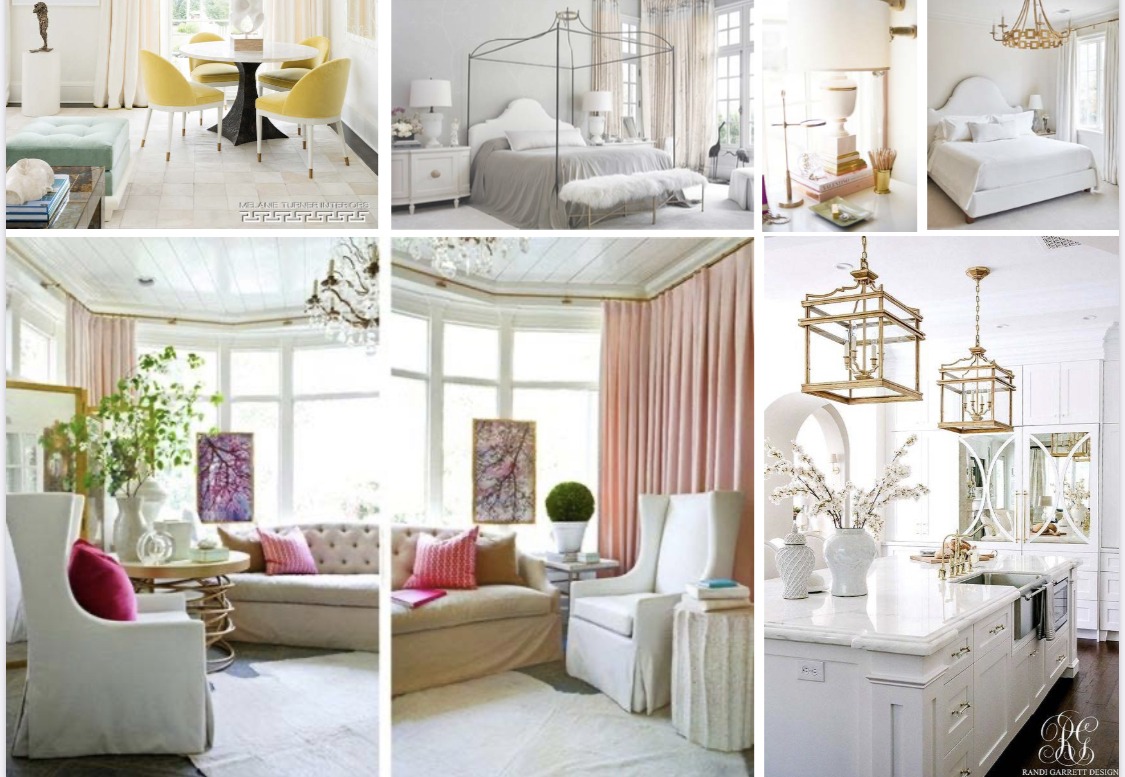
When it comes to deciding on how the colors need to be combined, the desired nature and feel of the room should be considered. For instance, if the intention is to create a breezy and light feeling in the room, much like Scandinavian style interiors, using airy neutrals as the base color for the ceiling and walls are ideal. Colors like pearl, selenite, citrine and celestite have an airy quality that can be utilized for this. For a room that is to be more grounded and earthy, colors like smoky quartz, tiger’s-eye, obsidian and hematite provide a good base color. As a base color, this would form the main part of the scheme, with other colors being added in where necessary. These colors can also be utilised as accents for a similar effect in the designs.
SophisticatedinBlueOffice
Interior Color Theory Pink

CONNECTING ROOMS AND COLORS

Every room in a house does not need to follow the same color scheme, and could instead have varying secondary or accent colors. In such schemes, it is important to create a continuity in the design using common colors or textures. For instance, if a living room is designed with the ceiling in an amethyst hue, and the dining room adjacent to it uses ruby on the ceiling, the color scheme can be connected by using a common color in the palette, like selenite. The color schemes can also be bridged by adding amethyst accents in the dining room – as part of the dining chairs or a rug, and ruby accents in the living room – on throws and cushions on the sofa or accessories. This would weave a common thread through the designs and make the design cohesive

Coordinating Across Rooms

Not every room needs to match. In fact, variation is part of good design. Still, connecting color schemes across rooms through repeated hues or textures ensures flow. Think: a ruby ceiling in one room echoed in a pillow or art piece in the next.

60-30-10 RULE

One of the most effective ways to combine colors in an interior is to use the 60-30-10 rule. This rule is a simple ratio for using 3 colors in a room. According to this principle, 60% of an interior should use the dominant or base color, 30% should be in a secondary color and the remaining 10% should be the accent color. In a living room or bedroom, the 60% would include walls, large furniture and furnishing pieces like the bed, sofa, and area rugs. 30% of the room would be cabinetry, curtains, coffee tables and smaller pieces of furniture, while 10% of the room would be accent furniture and decor pieces like artworks, plants and accessories.

The 60-30-10 rule does not need to be adhered to completely, and can be tweaked and played around with as needed. Which part of the room makes up each of the percentages is open to interpretation, as are the number of colors used. For example, 60% of a kitchen or living room can be the walls, ceiling and flooring, or it could include the walls and a majority of the furniture or cabinets. Similarly, if the room design feels like it needs both emerald and gold as accent colors, the percentage can be modified accordingly, as long as the accent colors add up to 10% of the room.

At Rachel blindauer interior designs, I begin every design process with a color analysis. This helps me identify the colors that work best for each person. Working as an interior designer in Tampa and Sarasota, I am inspired by the surroundings, and many of my interior designs in Florida are often bright and colorful. With an understanding of the various facets of color theory, you too can effortlessly choose the colors for your interior and furniture designs.
Blue Sapphire & Amethyst

Shop the Look

Blush Reverie

Blush Reverie
From $700

Blush Marble Bowl

Blush Marble Bowl
$450

Sagaponack Marble Table Lamp

Sagaponack Marble Table Lamp
$238

Frequently Asked Questions

What’s the difference between an interior designer and decorator? A decorator focuses on the visual—furniture, lighting, colors—while a designer can also address layout and renovation decisions. Rachel Blindauer blends both for a cohesive, expert-led experience.

Do you work with existing furniture or only start fresh? Both. Rachel can elevate what you have or curate a full design from the ground up—based on your vision, lifestyle, and budget.

Can I book a virtual design consultation if I’m not in Missouri? Yes. Rachel offers 2-hour virtual consultations for clients nationwide, bringing her refined design sensibility to any home, wherev

Take the first step towards creating your dream space. If you are a couple with multiple homes looking for a decorator near you, a hotelier doing a redesign, or a developer looking for top-notch interior design services near you, Rachel Blindauer and her team are here to bring your vision to life. With our wealth of experience and expertise, we can create stunning and functional spaces that exceed your expectations and bring you to a new height of design and sophistication.
Color Harmony — The Designer’s Guide, Free

Find Your Season.
Dress In It. Live In It.

Learn to read your own coloring, then carry your palette from your closet to your rooms — 15 pages of Rachel’s method. Not rules. Resonance.

No spam. Unsubscribe anytime.

2 Hour Interior Design Consultation

SOMETHING FOR EVERYONE

THE PIECES RACHEL RETURNS TO, AGAIN AND AGAIN
Rachel Blindauer Interior Design is on CA Home + Design

Rachel Blindauer Interior Design is on CA Home + Design

homedesign

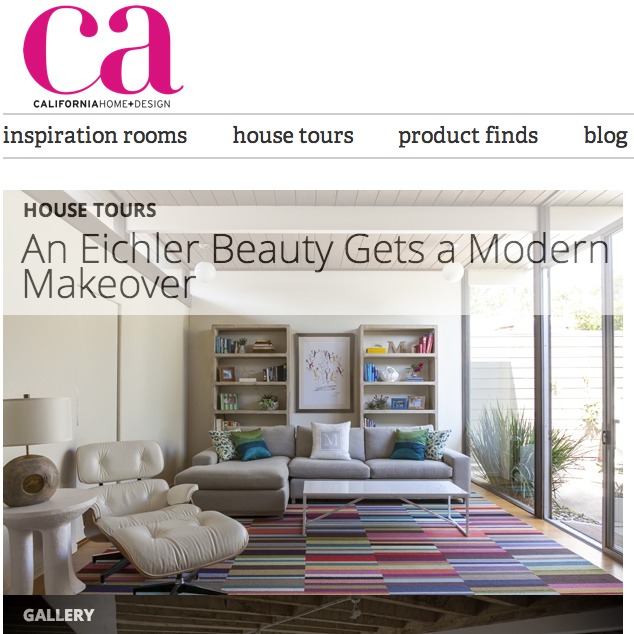
Come ooh & aww with me and at our featured Eichler Casual Color Pop design on CAHome + Design

Honoring Our Clients: A Feature in CA Home + Design

We’re thrilled to share that one of our recent projects has been featured in CA Home + Design magazine. This recognition is a testament to the collaborative spirit and vision of the wonderful family we had the pleasure of working with.

The project, affectionately dubbed “Eichler Casual Color Pop,” embodies a harmonious blend of mid-century modern architecture and vibrant, contemporary design elements. Our clients’ openness to infusing bold colors into the classic Eichler framework allowed us to craft a space that’s both timeless and refreshingly modern.

It’s always an honor to see our work celebrated, but it’s the trust and enthusiasm of our clients that truly make these projects special. Their willingness to embrace creativity and innovation is what brings designs like this to life.

We invite you to explore the feature in CA Home + Design to see how collaboration and a shared vision can transform a space.

Shop the Look

Orbis Ceramic Table Lamp

Orbis Ceramic Table Lamp
$638

Lyra Textured Ceramic Bowl

Lyra Textured Ceramic Bowl
$400.40

Chatham Side Table

Chatham Side Table
$2,064

2 Hour Interior Design Virtual or In Person Consultation

SOMETHING FOR EVERYONE

THE PIECES RACHEL RETURNS TO, AGAIN AND AGAIN
Design Details Make All the Difference

Design Details Make All the Difference

There’s something quietly magical about a home that marries state-of-the-art living with the elegance of its historical roots. When done well, it’s not just design—it’s a dialogue between centuries.

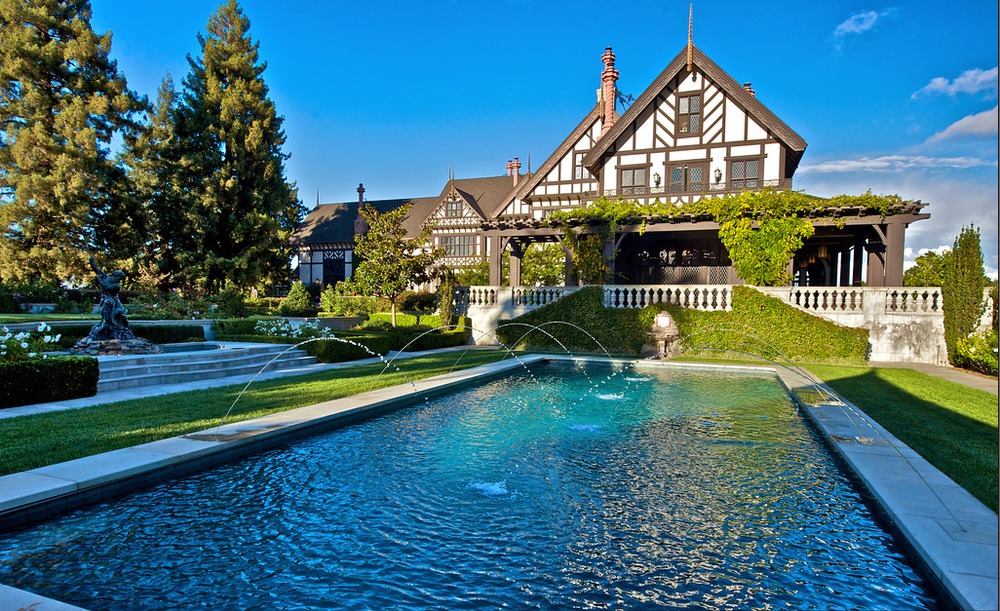
I was recently invited to a soirée at the Stonebrook Estate, a historic property that left a lasting impression—not for its grandeur alone, but for the precision of its design decisions. What stayed with me? Surprisingly, the barbecue grill. Sleek, modern, and engineered to perfection, yet housed in a structure so seamlessly tailored to the home’s original architecture, it whispered luxury rather than announcing it. That’s the power of detail.

Too often, we talk about “design details” in broad strokes. But at this level, it’s about the micro-decisions—where function doesn’t just meet form, it elevates it. This estate proves you can integrate cutting-edge technology into a historic framework without disruption. It’s not a contradiction. It’s craftsmanship.

The Architecture of Alignment

One of the more compelling elements of the estate is its architectural axis—the invisible lines that guide both movement and light. There’s a formal circulation axis that extends through the center of the home, pulling the eye (and the feet) toward a grassy knoll in the distance.

A secondary axis runs from the southern wing, across the pool, and terminates at a minimalist cabana—creating a visual rhythm that feels both intentional and serene. The southern wing itself is smartly oriented along an east-west axis, ensuring natural light washes through the interiors from dawn to dusk. It’s not just beautiful—it’s a lesson in solar design.

“Design isn’t just what you see. It’s what guides your movement, shifts your mood, and heightens your experience of space.”

This home—like the best ones—wasn’t just decorated. It was choreographed.

Design Details Make All the Difference
blindauer

Bringing the Vision to Life

At Rachel Blindauer Interior Design, we think deeply about how spaces live and breathe. Whether you’re building anew, restoring the charm of a historic estate, or integrating modern conveniences into a heritage property, every design decision matters.

If you’re ready to create a home that balances beauty, functionality, and storytelling, we’re here to help bring your vision into form.

Shop the Look

Marigot Rattan Table Lamp

Marigot Rattan Table Lamp
$1,040

Emerald Nocturne

Emerald Nocturne
From $700

Luster Onyx Bowl

Luster Onyx Bowl
$234

2 Hour Interior Design Virtual or In Person Consultation

SOMETHING FOR EVERYONE

THE PIECES RACHEL RETURNS TO, AGAIN AND AGAIN
You may also like...

Kitchen Island vs. Peninsula: Designing for How You Really Live

Kitchen Island vs. Peninsula: Designing for How You Really Live

Choosing between a kitchen island and a peninsula isn’t just a matter of style—it’s a question of how your home moves. Interior designer Rachel Blindauer unpacks the subtle choreography behind each choice, offering expert guidance for creating kitchens that serve both beauty and everyday life. From floor plan flow to family rituals, this is design that thinks deeper than Pinterest trends.

12 Must Follow Interior Designers on Instagram: Rachel Blindauer

12 Must Follow Interior Designers on Instagram: Rachel Blindauer

It’s always an honor to be recognized—but especially when it’s by a discerning audience that lives and breathes design. We’re proud to be named one of the “12 Must-Follow Interior Designers on Instagram,” a list curated to spotlight voices shaping the future of interiors.

In a digital world overflowing with imagery, standing out isn’t about shouting louder—it’s about offering something quieter, more resonant. Our feed is a reflection of the work we do every day: refined spaces that feel lived in, thoughtful palettes that evoke a mood, and styling that whispers rather than shouts. Whether it’s a historic Nantucket remodel, a modern Florida guest house, or a boutique hotel in the making, our lens stays rooted in one question: How does it feel to live here?

Click here to follow us on Instagram

Why It Matters

Social media isn’t just about aesthetics—it’s about alignment. When done well, Instagram becomes a living portfolio: a place to glimpse how we think, how we source, and what we notice. For prospective clients, it’s also a window into the design process before the first consultation even begins.

And while beautiful images matter, so do the values behind them. At Rachel Blindauer Interiors, our goal is never just to impress. It’s to translate your aspirations into spaces that function beautifully and live even better.

12 Must Follow Interior Designers on Instagram

If You’re New Here

Welcome. We work with couples, developers, hoteliers, and families across the country—often across multiple homes. From full-service design to personalized styling, we meet you where you are, and bring clarity to where you’re going. We’re proud to say our work doesn’t just look good—it lives well.

Whether you’re in Sarasota, Nantucket, Lincoln, or beyond, the first step toward a home that feels like you starts with a conversation.

Shop the Look

Atelier Table Lamp

Atelier Table Lamp
$957

Serene White Marble Bowl

Serene White Marble Bowl
$58

Fontaine Tall Round Marble Accent Table, White/Brown

Fontaine Tall Round Marble Accent Table, White/Brown
$584

2 Hour Interior Design Virtual or In Person Consultation

SOMETHING FOR EVERYONE

THE PIECES RACHEL RETURNS TO, AGAIN AND AGAIN

You may also like...

Kitchen Island vs. Peninsula: Designing for How You Really Live

Kitchen Island vs. Peninsula: Designing for How You Really Live

Choosing between a kitchen island and a peninsula isn’t just a matter of style—it’s a question of how your home moves. Interior designer Rachel Blindauer unpacks the subtle choreography behind each choice, offering expert guidance for creating kitchens that serve both beauty and everyday life. From floor plan flow to family rituals, this is design that thinks deeper than Pinterest trends.

Tips on Hiring an Interior Designer

Tips on Hiring an Interior Designer

Getting your dream home designed can be an incredibly exciting and satisfying experience. If you’ve never worked with a designer before, getting started with the process can seem complicated and confusing. To help out, I have put together some questions to ask your interior designer and tips on hiring an interior designer.

FINDING A DESIGNER

Many of my clients find me through my previous clients or by coming across me online.  Interior designers keep a portfolio of their designs. Browse through as many portfolios as you can, noting photos that fit with your vision for your home. If you are in love with the work of a designer located elsewhere, reach out to them to confirm that they would be willing to take the job in your location and see if they have the necessary permits and licenses needed to work in your area. Rachel Blindauer Interior Design has permits to operate in Florida, California, and Massachusetts that I have obtained for my clients with multiple homes and offices.

RACHEL ABOUT TOWN

TRAINING VARIES & STATE REGULATIONS VARY

While most states I have worked in doesn’t require the NCIDQ exam to do commercial interiors, Florida does. Commercial Interior design requires knowledge of building codes/safety regulations, and the budget spent per sq ft is also low compared to residential, which restricts your vendors/product selections. Residential Interior Designers don’t have to pass the NCIDQ exam but while some designers have 6-7 years of college training plus field experience like myself, not all do. Interior decorators decorate but often do not have any training, some might have some to no experience, or perhaps are really just in a sales position at a store. Personally, I don’t consider people earning a commission on how much furniture they sell you as designers. I have heard nightmares from clients that had a “free” designer fill their home with furniture. Nothing actually fit and none of it was returnable to do the custom nature of upholstery and finishes. Lack of measuring, compensation based on sales and a lack of experience can result in costly mistakes, so make sure you select your designer well.

PERSONALITY AND COMPATIBILITY

Interior designing is a personal process. It involves opening up your home to a designer and sharing your likes and dislikes with them. Planning and executing takes time and sometimes a year or longer, depending on the size of the project. When you’re choosing your designer, make sure your personalities are compatible and that you are comfortable with them.

DECISION MAKING

Plan your interior design project around a time when you can focus and give it due attention. Schedule your meetings with the designer when all decision-makers are available and make your meetings more efficient by preparing ahead with notes and questions. Couples should align their direction together before meetings. When it comes to big decisions, take time to consider the options, and make sure you love your choice and how it will all look together.

If you don’t like a particular choice, let your designer know. Rachel Blindauer advises “I look at hundreds of products, designs, and layouts before I present, so if one doesn’t suit your taste or budget, I’ll have backups. If what you want doesn’t exist I can also custom design the items.”

THE WAIT

Rugs, shipping, and custom pieces can take some time to be created. Often projects take a year from initial concept to installation. There will also be times when things don’t go as planned. A part of the design may need to be revised on-site, or an item could get broken during shipping or installation, etc. During these times, trust your designer. One of the benefits of hiring a professional is that they are proficient in handling these scenarios.

INSTALLATION

During the final installation, I generally advise my clients to leave and even go on a short vacation if possible. The installation is the stage interior designers plan for months in advance. At our firm we bring in accessories, flowers, etc. to perfect the home then do a photoshoot. Following this, we do a big reveal and then leave the accessories temporarily in the home for the clients to determine if they want to purchase any of them.

TIME, COST, AND QUALITY

Consider the three factors of Time, Cost, and Quality, and rank them according to your priorities. While every designer will do their best to optimize all three aspects, knowing how you rank them will let them know what to focus on. Whether you need the design and installation to fit within a tight budget or a short timeline, let the designer know from the start of the project. The design firm will need to analyze if they can help you achieve it before they even start. A good design team will strive to meet these objectives while providing the best interior design to the client.

Take the first step towards creating your dream space. If you are a couple with multiple homes looking for a decorator near you, a hotelier doing a redesign, or a developer looking for top-notch interior design services near you, Rachel Blindauer and her team are here to bring your vision to life. With our wealth of experience and expertise, we can create stunning and functional spaces that exceed your expectations and bring you to a new height of design and sophistication.

For further information on Rachel Blindauer’s process click here

Shop the Look

Selenite Spire Table Lamp

Selenite Spire Table Lamp
$630

Caspari Footed Alabaster Bowl, Gold

Caspari Footed Alabaster Bowl, Gold
$838

Pelham 1-Drawer Lacquer Side Table

Pelham 1-Drawer Lacquer Side Table
$1,847

2 Hour Interior Design Virtual or In Person Consultation

SOMETHING FOR EVERYONE

THE PIECES RACHEL RETURNS TO, AGAIN AND AGAIN

Tropical Beach Christmas Decor

Tropical Beach Christmas Decor

Christmas looks a little different when the sand is warm, the palms are swaying, and the scent of saltwater lingers in the air. In places like Sarasota, Florida, the traditional trappings of winter—faux evergreens, heavy velvet ribbons, and icy blues—can feel more like a costume than a celebration. The key to a beautiful holiday home in a warm climate? Designing with where you are, not where the snow falls.

As an interior designer based in both coastal and cosmopolitan regions, I’ve found that the most resonant holiday decor in beach towns embraces the local language of light, texture, and flora. Think less North Pole, more barefoot elegance.🕊️ Book your consultation today and let’s design something worth celebrating.

Designing with Nature, Not Against It

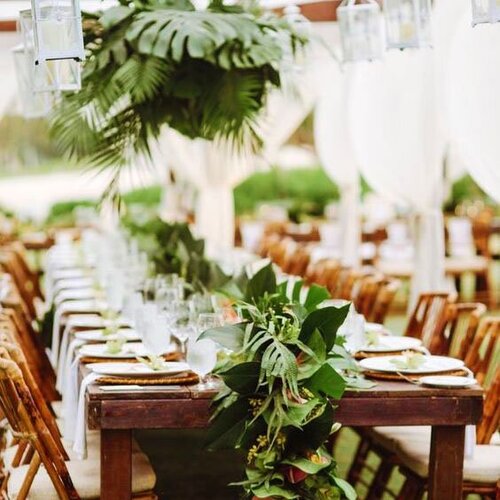
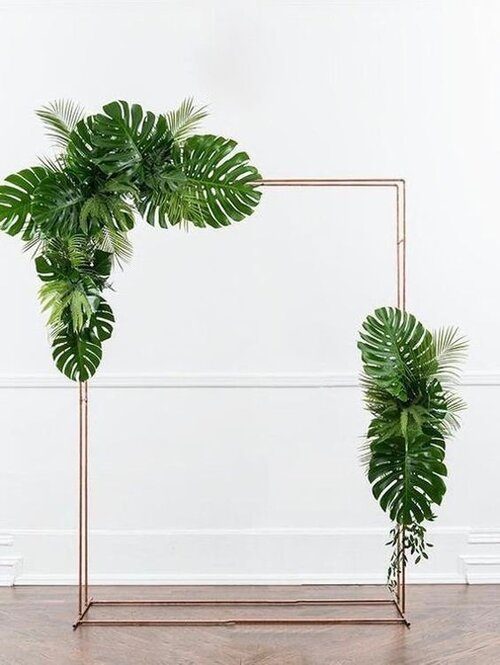
Instead of trying to recreate a snowy scene, borrow from your natural surroundings. Lush monstera leaves, silvery eucalyptus, and golden palm fronds make stunning garlands and table runners. Poinsettias may be traditional, but hibiscus blossoms in deep red or coral evoke the same festive spirit—without the visual dissonance.

A few well-placed accents—shell garlands, rattan ornaments, citrus-dotted wreaths—can nod to the holiday without overpowering your space or clashing with the easy-breezy vibe of coastal interiors.

Tropical Beach Christmas Decor

A Palette That Belongs

Swap holly red and pine green for a palette inspired by tropical sunsets: coral, ivory, seafoam, and burnished gold. Layer soft linens with airy whites, driftwood-toned neutrals, and pops of festive pink or persimmon. The effect is both relaxed and refined—a celebration of place, not pretense.

Why It Works

The most successful holiday spaces feel rooted. They belong. And in a beach town, that means embracing a lighter hand and a natural rhythm. Decorating this way also allows your home to breathe—your views, your architecture, your palette—all remain center stage, simply dressed for the season.

Less “Deck the Halls.” More “Welcome Home.”

Ultimately, a tropical Christmas isn’t about what you remove—it’s about what you reimagine. The palm tree becomes your Christmas tree. The shoreline becomes your snowy field. The scent of frangipani replaces fir. And suddenly, the season makes perfect sense—just with better weather.

Bring the Holidays Home—Wherever Home May Be

Whether you’re designing a seasonal retreat, a year-round residence, or a boutique hospitality space, we create interiors that reflect your location, lifestyle, and vision—with every detail considered.

2 Hour Interior Design Virtual or In Person Consultation

SOMETHING FOR EVERYONE

THE PIECES RACHEL RETURNS TO, AGAIN AND AGAIN

You may also like...

Kitchen Island vs. Peninsula: Designing for How You Really Live

Kitchen Island vs. Peninsula: Designing for How You Really Live

Choosing between a kitchen island and a peninsula isn’t just a matter of style—it’s a question of how your home moves. Interior designer Rachel Blindauer unpacks the subtle choreography behind each choice, offering expert guidance for creating kitchens that serve both beauty and everyday life. From floor plan flow to family rituals, this is design that thinks deeper than Pinterest trends.