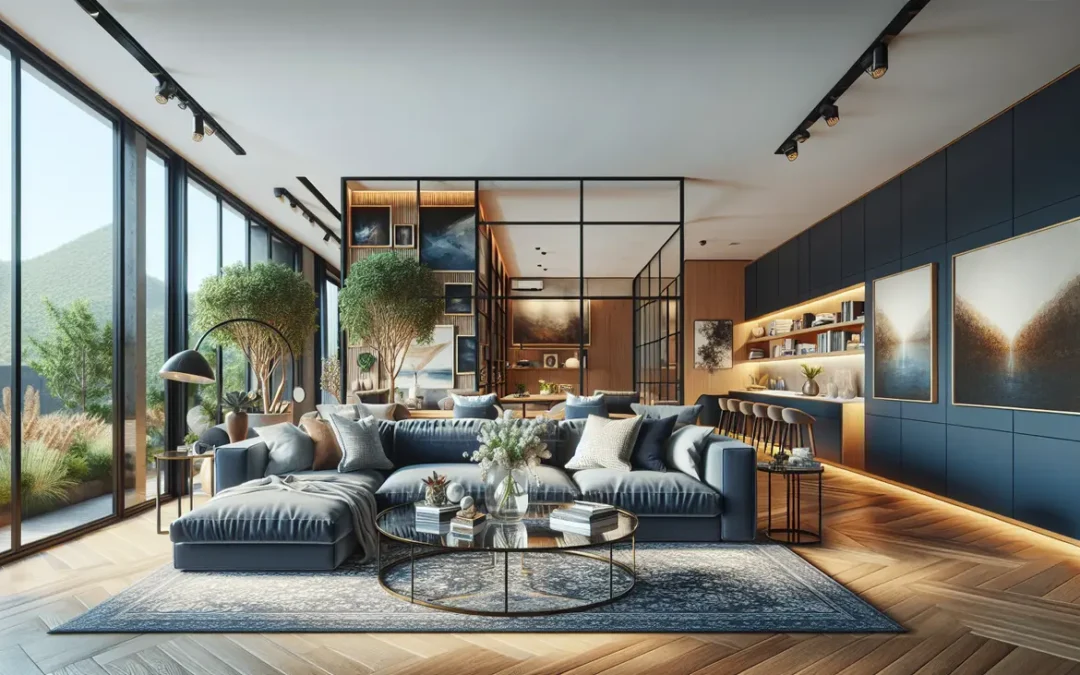
New Build Construction: have an interior designer on the project early

New Build Construction: have an interior designer on the project early

The importance of interior design in new build construction

When embarking upon a new build construction project, involving an interior designer from the outset can make a significant enhancement to the final look and feel of your space. By collaborating with an interior designer early on, you can ensure a cohesive and well-integrated design that aligns with your vision, enhances your daily functioning with the architecture. Interior designers bring valuable insights into optimizing space usage, enhancing functionality, and creating a harmonious aesthetic. A designers expertise can also help streamline the decision-making process, helping to avoid costly design changes later in the project. Incorporating a professional focused on the interior design scale from the beginning can ultimately result in a more cohesive, visually appealing, and functional space.

How interior designers contribute to the early project phases

In new build construction interior designers provide valuable input on layout design, material selection, and color schemes, ensuring a cohesive and aesthetically pleasing outcome. By collaborating with architects and builders from the start, interior designers can help streamline the construction process, minimize potential design conflicts, and optimize the use of space. Their expertise in spatial planning and knowledge of current design trends and building materials can ultimately lead to a more efficient and successful project.

Collaboration between interior designers and architects

Having an interior designer involved early in a new build construction project can bring multiple benefits. The collaboration between interior designers and architects helps ensure that the building’s interior and exterior are harmoniously designed, maximizing both functionality and aesthetics. Early involvement of interior designers allows them to provide input on spatial planning, lighting, and materials, ensuring that the design vision is cohesive and consistent throughout the entire project. This collaboration can lead to a more efficient use of space and optimized aesthetic appeal, ultimately contributing to a more successful and appealing end result.

Designing for functionality and aesthetics

When it comes to designing a new build construction, it’s important to consider both functionality and aesthetics. Hiring an interior designer early in the project can ensure that the space not only looks beautiful but also works well for your needs. This can include optimizing the layout for better flow, selecting durable and practical materials, and creating a cohesive design that reflects your style. Working with an interior designer from the start allows for a seamless integration of the design with the architectural plans, leading to a more cohesive and thoughtfully designed space.

Maximizing space and layout during the construction process

To maximize space and layout during the construction process, involving an interior designer early on can make a big difference. They can provide valuable input on optimizing the use of space, creating efficient layouts, ensure the size of the rooms will fit larger bedsides, double check usage requirements are provided for and ensuring a functional design that meets your needs. With their expertise, an interior designer can help you make the most of the available space, allowing for better flow and functionality within the new build construction.

Material and finish selections for new build construction

Getting the interior designer and the architect on the same page is important. Selecting materials and finishes for new build construction is a critical process that can significantly impact the final look and feel of your space. Getting an interior designer involved early in the project can help ensure that the materials and finishes chosen align with your desired aesthetic and functionality. Here are a few key considerations when making these selections:

  • The type and quality of materials can affect the durability and maintenance of your space
  • Different finishes can create distinct atmospheres within your home
  • Interior designers can provide valuable insights and access to a wider range of options
  • Early involvement of an interior designer can help maintain the overall design vision and prevent costly changes later on

Incorporating sustainable and eco-friendly design elements

Sustainable and eco-friendly design elements are important for new build construction projects. By incorporating these elements, you can reduce the environmental impact of the building and create a healthier indoor environment. Some ways to achieve this include using renewable materials such as bamboo or cork, installing energy-efficient appliances and lighting, and utilizing natural ventilation and daylight to reduce the need for artificial heating and cooling. Additionally, implementing water-saving fixtures and recycled materials can further contribute to the overall sustainability of the project. Working with an interior designer early on can help ensure that these elements are seamlessly integrated into the overall design, resulting in a more efficient and environmentally conscious building.

Budgeting and cost considerations with an interior designer

When considering budgeting and cost considerations with an interior designer for a new build construction project, it’s important to remember that hiring an interior designer early on can help you save money in the long run. Here are a few key points to keep in mind:

  1. Cost Efficiency: Working with an interior designer from the beginning can help you make informed decisions that can potentially save you money on the overall project.
  1. Budget Planning: An interior designer can help you establish a realistic budget for your project, preventing unexpected expenses down the line.
  1. Value for Money: While it may seem like an added expense upfront, the expertise of an interior designer can lead to cost-effective choices in materials, furniture, and decor, ultimately maximizing your budget.
  1. Customization: An interior designer can help you prioritize where to invest your money, customizing the design to your needs while staying within your budget.

By involving an interior designer early in the new build construction process, you can ensure that your project stays within budget and meets your vision for the space.

Communication and coordination throughout the construction process

Throughout the construction process, clear communication and coordination are essential for ensuring that the interior design aligns with the overall vision. Having an interior designer involved early on allows for seamless integration of design elements and avoids any potential conflicts with the construction timeline. This collaboration ensures that the construction team and the interior designer work together efficiently, leading to a cohesive and harmonious end result.

The benefits of early interior design involvement

Early involvement of an interior designer in new build construction can result in a more cohesive and well-planned design. It allows for seamless integration of various design elements, such as layout, lighting, and materials, creating a more harmonious and functional space. Interior designers can also provide valuable input on space utilization and aesthetic choices, ensuring that the final result meets both practical and aesthetic goals. Their early involvement can lead to cost-saving by avoiding design changes and ensuring that the built environment reflects the desired aesthetic and functional needs from the start.

Take the first step towards creating your dream space. If you are a client with multiple homes looking for a decorator near you, a hotelier doing a redesign, or a developer looking for top-notch interior design services near you, Rachel Blindauer and her team are here to bring your vision to life. With their wealth of experience and expertise, they can create stunning and functional spaces that exceed your expectations and bring you to a new height of design and sophistication.

2 Hour Interior Design Virtual or In Person Consultation

SOMETHING FOR EVERYONE

THE PIECES RACHEL RETURNS TO, AGAIN AND AGAIN
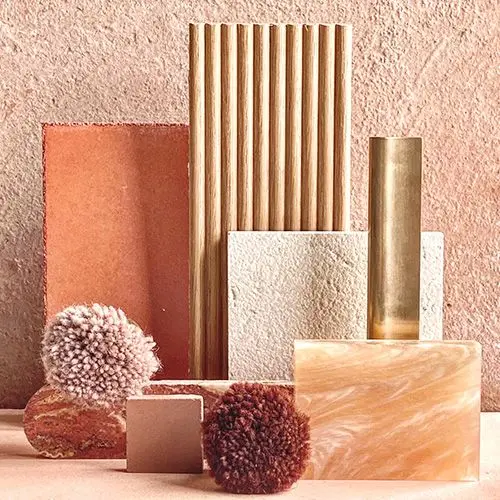
2024 Interior Design Trends

2024 Interior Design Trends

As we look ahead to 2024, let’s explore the new trends in interior design from furniture to color schemes. Based on my research of trending searches and design knowledge, here are the top 9 trends in interior design for 2024:

Embracing the Warmth of Brown

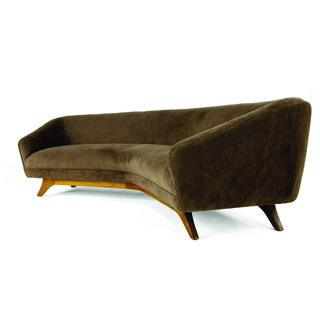
Brown couches are set to be popular in 2024 as they bring earthen warmth, hide spills/dirt and function as a warm dark neutral in room. They create a cozy and inviting atmosphere and function as a neutral that grounds the popular cream texture looks. Sofa shown by Vladimir Kegan


Curved Couches and Chairs

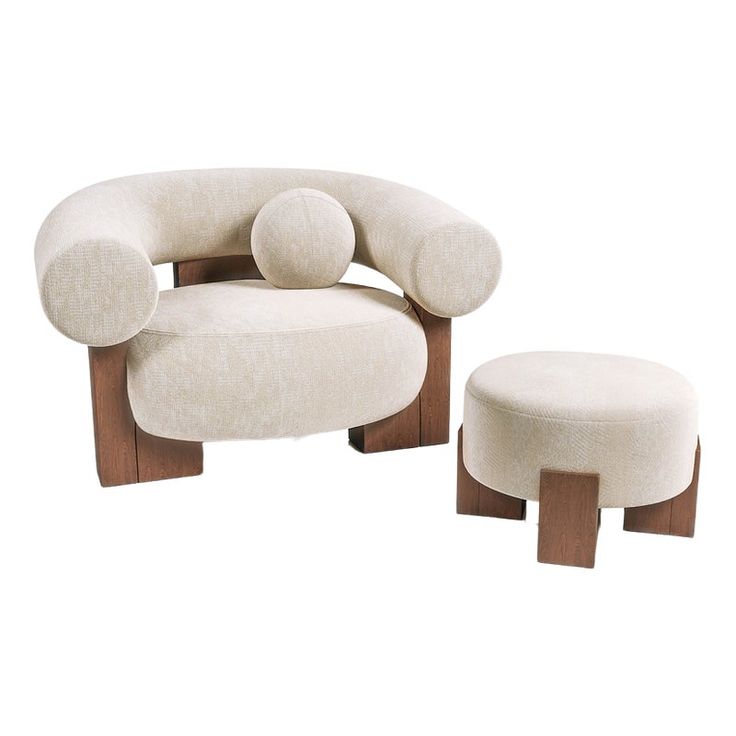
Embracing flowing lines and organic shapes, curved couches and chairs are becoming increasingly popular. They add a touch of modernity and sophistication to your living space while also promoting a sense of comfort and relaxation. Chair and ottoman by Rachel Blindauer’s vendor Collector Group

Stacked Tile and Brick

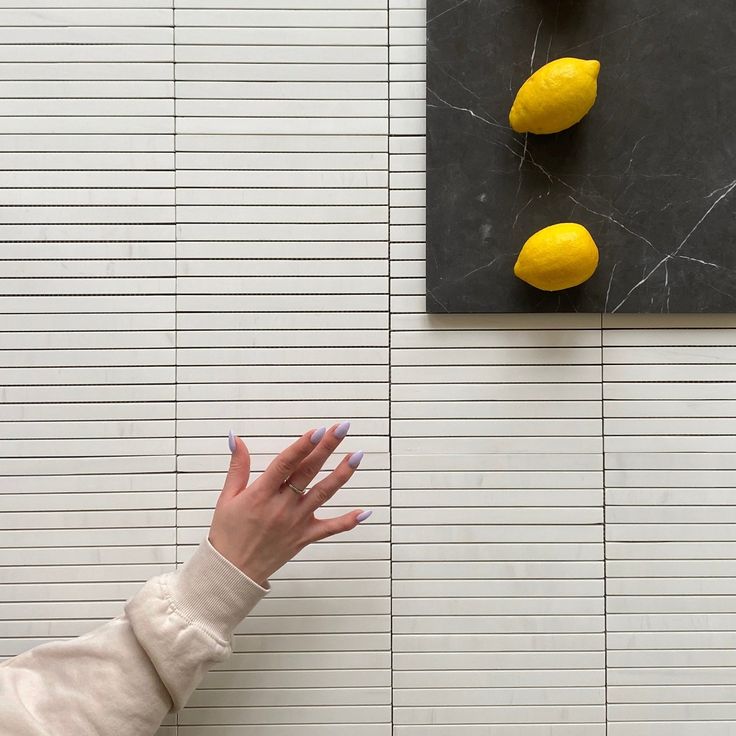
This trend puts a twist on the classic tile and brick pattern by stacking tiles so they are aligned horizontally and vertically creating an unexpected layout. Stacked-tile backsplashes create visual interest and add a unique touch to your kitchen or bathroom. Domomite stacked tile pictured.

Industrial Charm Gets Sophisticated

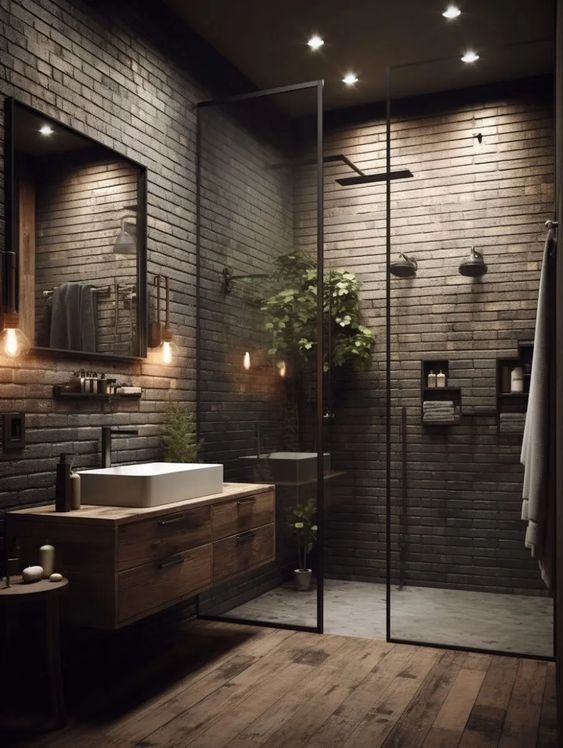
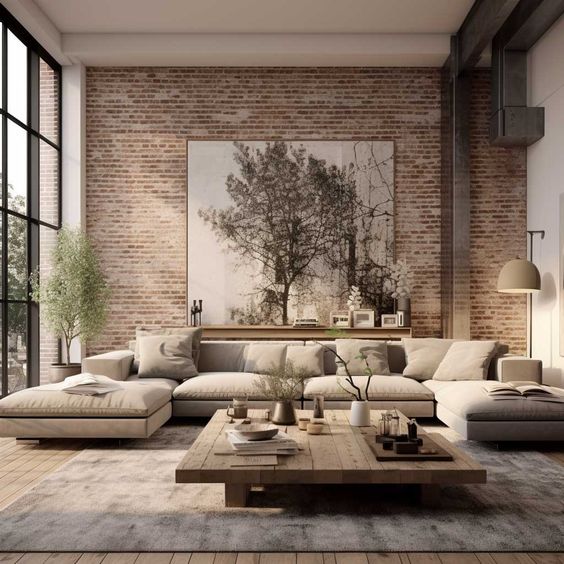
Industrial-style decor continues to be popular in 2024, but gets more sophisticated with hand hewn stone, hand hewn wood, brick and metal accents. These features add a rustic yet modern charm to your home, creating a earthen and relaxed atmosphere.

Sculptural Art + Statement Pieces

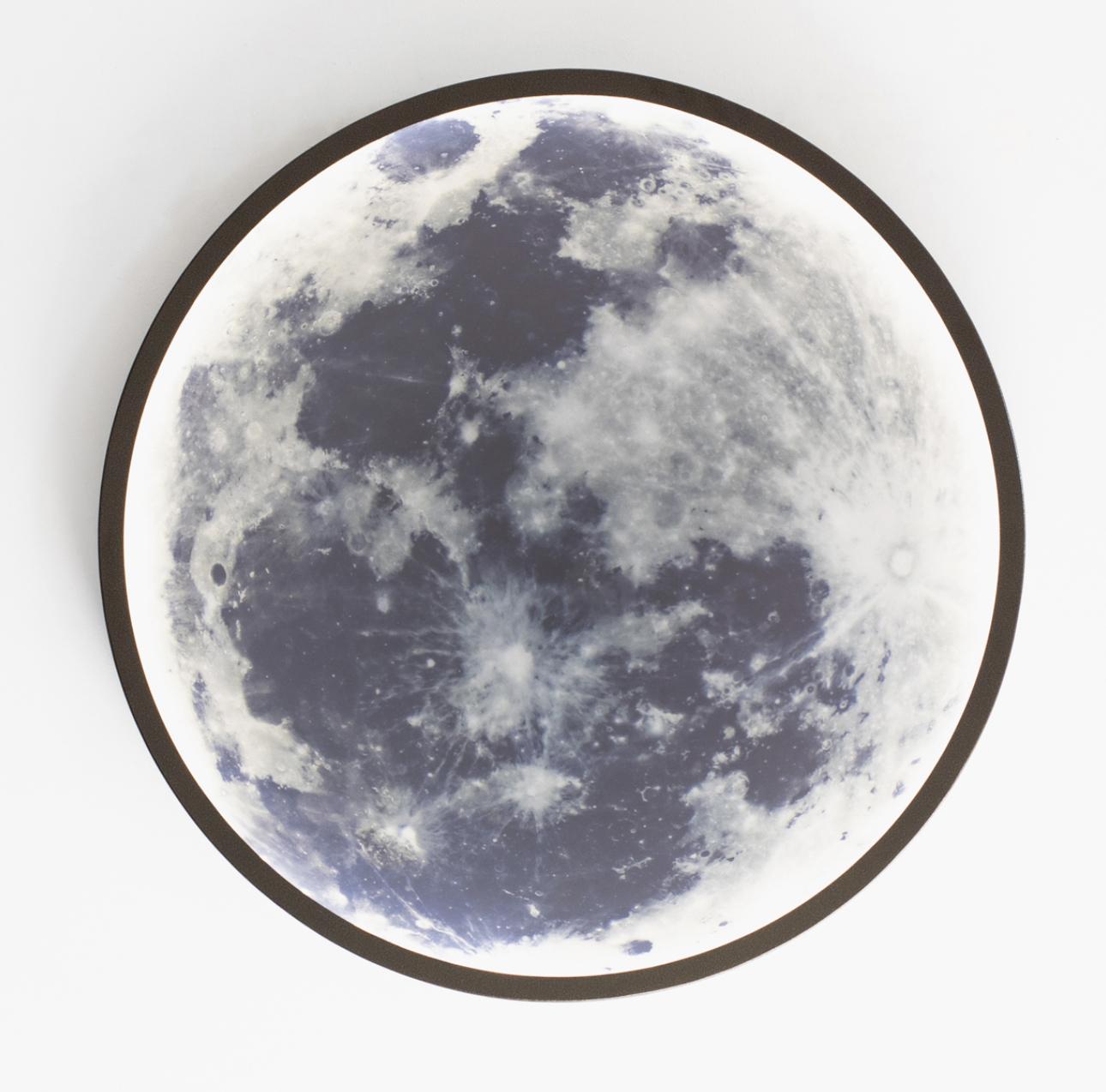
Wall-mounted sculptures offer depth and dimension, adding a unique touch to your space. Mixing artworks in a variety of finishes, textures, and shapes can create a bold statement. Statement pieces add personality and create a wow factor. Moon Light by Rachel Blindauer vendor Ben & Aja Blanc at Future Perfect.

Dynamic Range Hoods

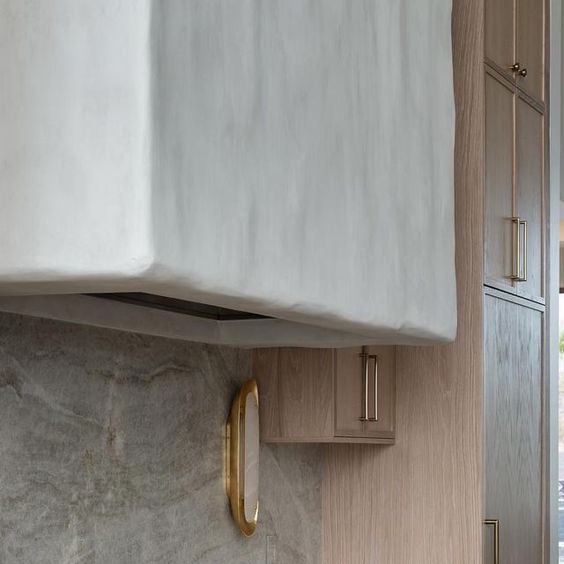
I anticipate a greater focus on hood vent covers in 2024. Bolder designs incorporating distinct textures such as plaster or wood fluting will be popular. Pairing a dramatic hood vent with an eye-catching range can elevate the overall aesthetic of your kitchen. Custom plaster range hood pictured.

Two or Tri-Tone Color Schemes

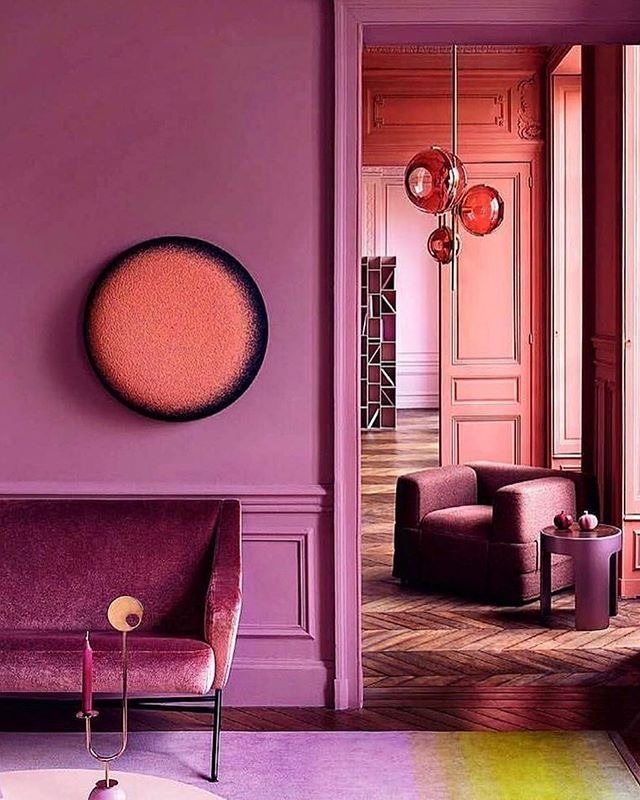
Creating depth and complexity, two or tri-tone color schemes are among the top interior design color trends for 2024. These combinations of colors add visual interest and allow you to play with different shades and tones in your home.

A Pause From Technology

In 2024, there is a shift towards “dumb homes” where clients are seeking a break from technology. Harsh blue daylight lights, flashing led lights, tech listening in and bright touchscreens are giving way to a love of mechanical controls: old-school buttons, switches that toggle up and down, and simpler toilet washlets.

Inviting Living Rooms

So long to cold, white living rooms! Embrace a living room you can actually enjoy without worrying about accidental wine stains. Minimalism has evolved into a look that is less rigid for a more organic and inviting feel. Warm, textural spaces with natural materials in moodier, earthy color palettes. We’re moving away from bright whites and grays toward more creams, browns, rusts.

Take the first step towards creating your dream space. If you are a couple with multiple homes looking for a decorator near you, a hotelier doing a redesign, or a developer looking for top-notch interior design services near you, Rachel Blindauer and her team are here to bring your vision to life. With our wealth of experience and expertise, we can create stunning and functional spaces that exceed your expectations and bring you to a new height of design and sophistication.

2 Hour Interior Design Virtual or In Person Consultation

SOMETHING FOR EVERYONE

THE PIECES RACHEL RETURNS TO, AGAIN AND AGAIN
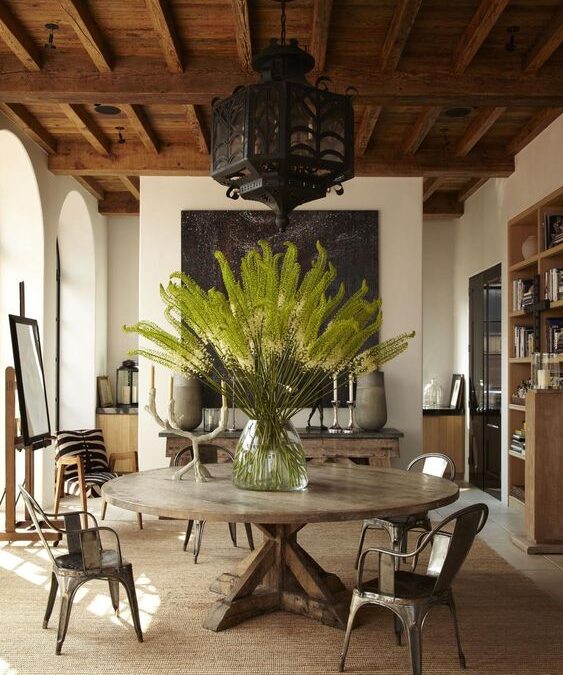
Interior Color Theory Explained: Warm vs. Cool Colors & How to Use Them

Interior Color Theory Explained: Warm vs. Cool Colors & How to Use Them

Color isn’t just visual—it’s visceral. It can energize, calm, expand, or contain. But choosing the right shades for your home often feels like guesswork. Here’s how to understand interior color theory like a designer—starting with the color wheel and ending with practical palettes that live beautifully.

Understanding the Color Wheel

To understand color well, we return to a concept we all learned as children—the color wheel. This visual guide, originally created by Isaac Newton during his studies on light and prisms, maps out how primary, secondary, and tertiary colors relate.

Primary colors—red, yellow, and blue—combine to form every other color. Mixing these creates secondary and tertiary colors, all of which find their place on the wheel. In design, this understanding forms the foundation for harmonious palettes.

Warm vs. Cool Colors

Colors aren’t just seen—they’re felt. We often refer to them as “warm” or “cool,” but what does that really mean?

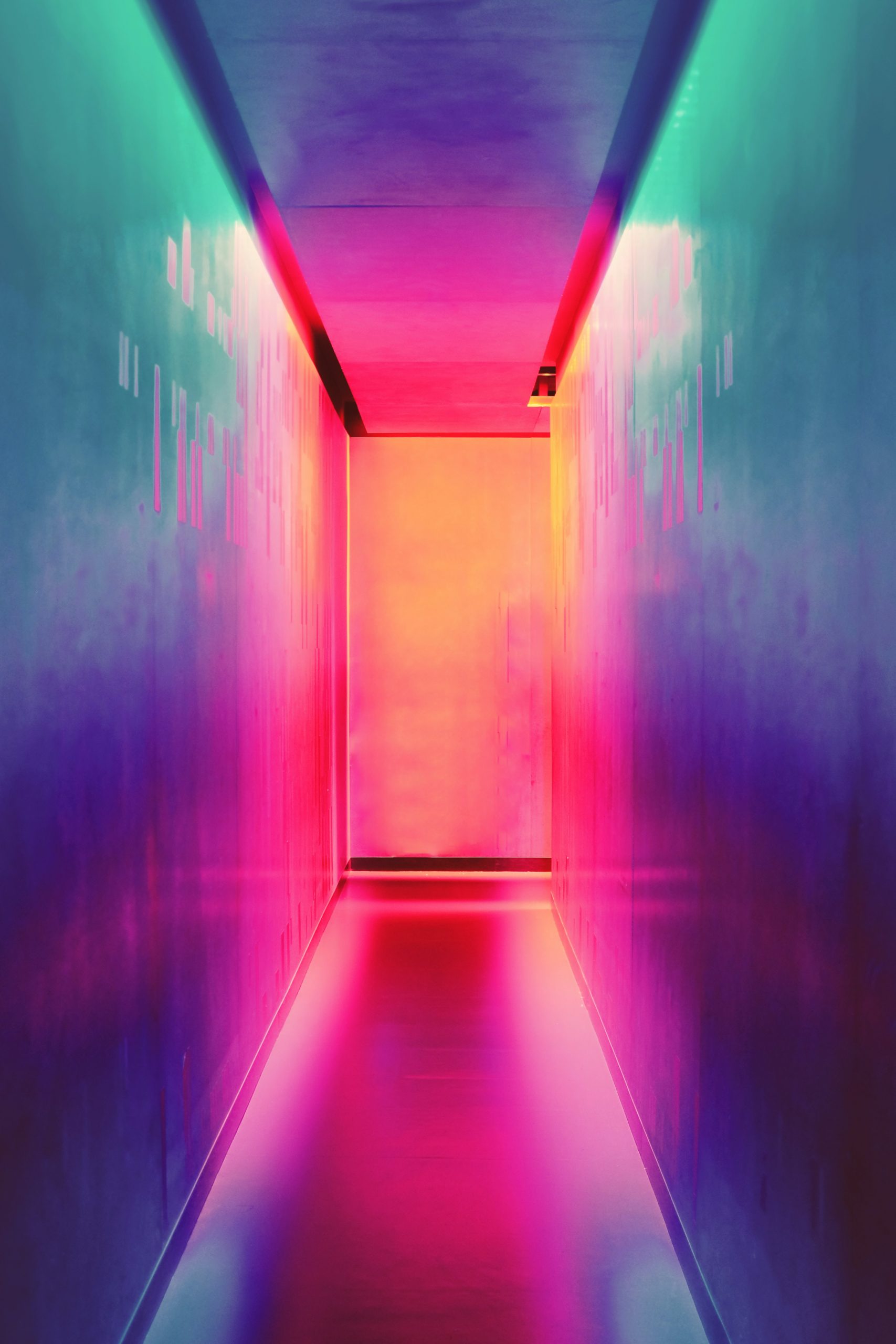
Warm colors—ruby, amber, carnelian, citrine—are associated with sun, fire, and energy. They advance in space, making them ideal for expansive rooms that can handle intensity. Cool colors—azurite, emerald, jade, amethyst—mirror water and foliage. They recede visually, creating calming environments and helping smaller rooms feel open.

Warm Colors:

  • Ruby
  • Carnelian
  • Citrine

Cool Colors:

  • Amethyst
  • Sapphire
  • Emerald
Unsplash

Choosing Your Colors

Color selection can feel overwhelming. An abundance of options, uncertainty about undertones, and fear of regret can lead to indecision. My advice? Start with your wardrobe. The hues we wear most often tend to reflect what we enjoy seeing around us.

Another smart starting point: take the Style Quiz to uncover your personal palette.

Color Psychology: How Colors Make You Feel

Each color carries an emotional charge. Here’s how to work with that:

Unsplash

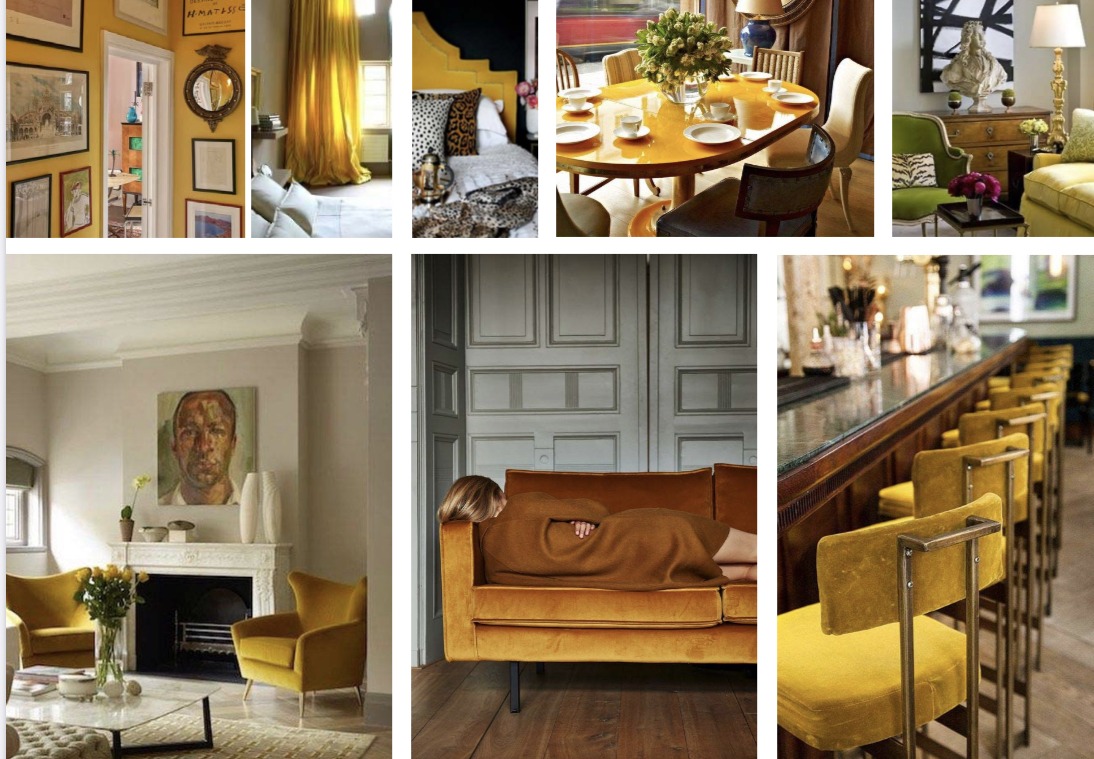
CITRINE

Uplifting, positive, and creativity-inducing. Perfect for offices and social spaces. Use sparingly to avoid overstimulation.

CARNELIAN

Passionate, sensual, and stimulating. Use in dining areas to boost appetite, or bedrooms in muted tones.

color theory
color theory

RUBY

Passionate, sensual, and stimulating. Use in dining areas to boost appetite, or bedrooms in muted tones.

ROSE QUARTZ

Playful and soft. Lovely in bedrooms and powder rooms. Best when balanced with neutrals.

color theory
color theory

AMETHYST

Luxurious and creative. Light tones are restful; dark tones are dramatic. Ideal for studies, bedrooms, and lounges.

OBSIDIAN

A dramatic neutral that pairs well with everything. Great for entryways and dining rooms but should be tempered with light sources.

color theory
Interior Color Theory Pearl

PEARL

A balanced neutral. Works anywhere but should be warmed or accented to avoid sterility.

SAPPHIRE

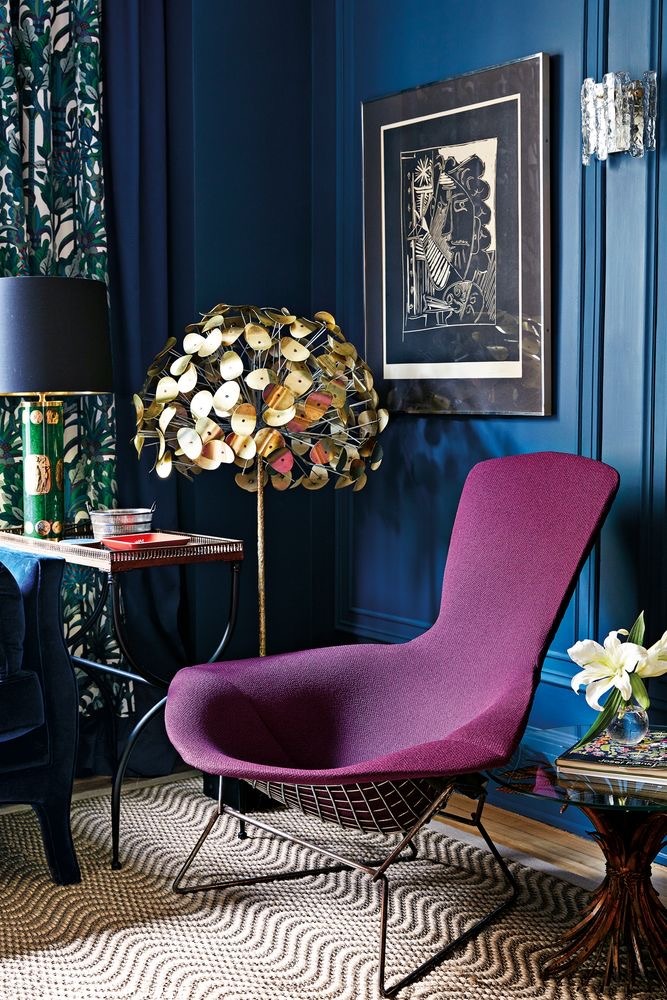
Classic and calming. Deep blues bring sophistication, while lighter shades feel coastal and breezy.

SophisticatedinBlueOffice

EMERALD

Earthy and serene. Excellent for bathrooms, bedrooms, and spaces designed for restoration.

WHITE

When it comes to deciding on how the colors need to be combined, the desired nature and feel of the room should be considered. For instance, if the intention is to create a breezy and light feeling in the room, much like Scandinavian style interiors, using airy neutrals as the base color for the ceiling and walls are ideal. Colors like pearl, selenite, citrine and celestite have an airy quality that can be utilized for this. For a room that is to be more grounded and earthy, colors like smoky quartz, tiger’s-eye, obsidian and hematite provide a good base color. As a base color, this would form the main part of the scheme, with other colors being added in where necessary. These colors can also be utilised as accents for a similar effect in the designs.

SophisticatedinBlueOffice
Interior Color Theory Pink

CONNECTING ROOMS AND COLORS

Every room in a house does not need to follow the same color scheme, and could instead have varying secondary or accent colors. In such schemes, it is important to create a continuity in the design using common colors or textures. For instance, if a living room is designed with the ceiling in an amethyst hue, and the dining room adjacent to it uses ruby on the ceiling, the color scheme can be connected by using a common color in the palette, like selenite. The color schemes can also be bridged by adding amethyst accents in the dining room – as part of the dining chairs or a rug, and ruby accents in the living room – on throws and cushions on the sofa or accessories. This would weave a common thread through the designs and make the design cohesive

Coordinating Across Rooms

Not every room needs to match. In fact, variation is part of good design. Still, connecting color schemes across rooms through repeated hues or textures ensures flow. Think: a ruby ceiling in one room echoed in a pillow or art piece in the next.

60-30-10 RULE

One of the most effective ways to combine colors in an interior is to use the 60-30-10 rule. This rule is a simple ratio for using 3 colors in a room. According to this principle, 60% of an interior should use the dominant or base color, 30% should be in a secondary color and the remaining 10% should be the accent color. In a living room or bedroom, the 60% would include walls, large furniture and furnishing pieces like the bed, sofa, and area rugs. 30% of the room would be cabinetry, curtains, coffee tables and smaller pieces of furniture, while 10% of the room would be accent furniture and decor pieces like artworks, plants and accessories.

The 60-30-10 rule does not need to be adhered to completely, and can be tweaked and played around with as needed. Which part of the room makes up each of the percentages is open to interpretation, as are the number of colors used. For example, 60% of a kitchen or living room can be the walls, ceiling and flooring, or it could include the walls and a majority of the furniture or cabinets. Similarly, if the room design feels like it needs both emerald and gold as accent colors, the percentage can be modified accordingly, as long as the accent colors add up to 10% of the room.

At Rachel blindauer interior designs, I begin every design process with a color analysis. This helps me identify the colors that work best for each person. Working as an interior designer in Tampa and Sarasota, I am inspired by the surroundings, and many of my interior designs in Florida are often bright and colorful. With an understanding of the various facets of color theory, you too can effortlessly choose the colors for your interior and furniture designs.

Blue Sapphire & Amethyst

Frequently Asked Questions

What’s the difference between an interior designer and decorator? A decorator focuses on the visual—furniture, lighting, colors—while a designer can also address layout and renovation decisions. Rachel Blindauer blends both for a cohesive, expert-led experience.

Do you work with existing furniture or only start fresh? Both. Rachel can elevate what you have or curate a full design from the ground up—based on your vision, lifestyle, and budget.

Can I book a virtual design consultation if I’m not in Missouri? Yes. Rachel offers 2-hour virtual consultations for clients nationwide, bringing her refined design sensibility to any home, wherev

Take the first step towards creating your dream space. If you are a couple with multiple homes looking for a decorator near you, a hotelier doing a redesign, or a developer looking for top-notch interior design services near you, Rachel Blindauer and her team are here to bring your vision to life. With our wealth of experience and expertise, we can create stunning and functional spaces that exceed your expectations and bring you to a new height of design and sophistication.

2 Hour Interior Design Consultation

SOMETHING FOR EVERYONE

THE PIECES RACHEL RETURNS TOAGAIN AND AGAIN