The Best Paint Colors for Sarasota FL, San Francisco CA & Nantucket MA

The Best Paint Colors for Sarasota FL, San Francisco CA & Nantucket MA

Expert Interior Design Guidance by Rachel Blindauer

When it comes to creating a well-styled home, selecting the right paint color goes far beyond following trends—it’s about curating a palette that complements your architecture, decor and natural light. As a nationally recognized interior designer working across coastal markets, I know how regional nuances shape design choices. In this guide, I’m sharing my go-to paint colors for three distinctly styled locales: Sarasota, Florida; San Francisco, California; and Nantucket, Massachusetts.

From sunlit modernism to fog-filtered warmth and heritage-driven charm, these curated paint palettes are designed to elevate your space and feel intuitively “you.”

Not All Paint Is Created Equal

Paint finish, texture, and depth dramatically change the feel of a room. While I work with many high-quality brands, Portola Paints is a current favorite for its stunning lime wash and Roman clay options, which bring organic texture and movement to walls—perfect for spaces seeking dimension and softness. Farrow and Ball is hard to paint with but Benjamin Moore is a dream to paint with and the Aura line is scrubbable!!

A Quick Design Rule: Paint Comes Last

In every project I lead, paint is selected last. Why? Because your palette should support key elements like art, rugs, or upholstery—not compete with them. Once these anchors are chosen, paint becomes the harmonious bridge that ties everything together. And remember: always sample in your actual space, across multiple times of day.

Best Paint Colors for Sarasota, FL

Sarasota’s abundant sunlight and blend of contemporary and tropical architecture call for nuanced, warm neutrals and coastal-inspired whites. These tones ground bright environments without feeling stark.

1. Swiss Coffee by Benjamin Moore
A creamy, yellowed white that reads warm without heaviness. Ideal for interiors with warm wood or smooth cement. Important: no bright white trim—use Swiss Coffee on all millwork for cohesion.

2. Pale Oak by Benjamin Moore
A soft greige with yellow undertones—effortlessly elegant in sunlit rooms.

3. Blondie Lime Wash, Portola Paints
A buttery lime wash that layers beautifully in neutral coastal interiors.

4. Leisure Lime Wash, Portola Paints
Chalky and sun-washed—perfect for creating texture in beach-style homes.

5. Wood Ash by C2 Paint
A rich mid-toned greige with character. Excellent on exteriors or layered interiors with natural textures. Tip: skip bright trim—use this tone on all moldings.

6. Sea Salt by Sherwin-Williams
A fresh, ocean-inspired soft blue-gray—ideal for bedrooms or bathrooms.

7. Summer Shower by Benjamin Moore
Crystal clear and light-as-air, this soft blue is a refreshing pale robins egg blue.

8. Masquerade by Little Greene
Warm and cozy, this is a dream for blackout-curtained bedrooms or media rooms.

9. Salon Drab by Farrow & Ball
A timeless, earthy brown. Use in dens, game rooms, or more traditional masculine spaces.

Best Paint Colors for San Francisco, CA

San Francisco’s architectural variety—Victorians to sleek moderns—and its cool, gray-filtered light call for warmer, moodier neutrals that can soften fog’s blue cast.

1. Gem Lime Wash, Portola Paints
Creates a subtle, moody chalk finish perfect for layered interiors.

2. Half Moon Bay Lime Wash, Portola Paints
Soft and atmospheric—pairs beautifully with oak, linen, and vintage pieces.

3. Wood Ash by C2 Paint
A repeat favorite for a reason—it grounds eclectic San Francisco interiors.

4. Urban Living by Ralph Lauren (discontinued)
Still worth color matching—rich, versatile, and classic.

5. Avocado by Sherwin-Williams
Earthy and bold—beautiful in kitchens or studies paired with warm metals.

6. Darkside Lime Wash, Portola Paints
Adds instant sophistication—ideal for a dramatic powder room or bedroom.

7. Bancha No.298 by Farrow & Ball
A structured olive green with timeless appeal—stunning with walnut and gold.

8. Devonshire Green by Benjamin Moore
Fresh yet grounded—great for trim, built-ins, or exteriors.

9. Dragon’s Breath by Benjamin Moore
A rich, deep brown with charcoal undertones—luxurious and grounding.

10. Oval Room Blue by Farrow & Ball
Elegant and moody—perfect for dining rooms or library-style spaces.

11. Soul Mate by Benjamin Moore
An earthy red softened to a gentle pink hue.

12. In the Navy Roman Clay by Portola Paints
Bold and textured—an artistic take on a classic navy wall.

Best Paint Colors for Nantucket, MA

Nantucket’s historical charm and coastal chic lean into both timeless whites and rich, shadowy tones. Think whitewashed millwork, black windows, and warm navy or olive interiors.

1. White Dove by Benjamin Moore
The go-to white for New England homes with detailed millwork.

2. All White by Farrow & Ball
Clean, classic, and crisp. Especially good when paired with black accents.

3. Pale Oak by Benjamin Moore
A soft transitional neutral—timeless and calming.

Repose Gray by Sherwin-Williams

4. Repose Gray by Sherwin-Williams
Pair with crisp white moldings or use monochromatically for depth.

5. Salon Drab by Farrow & Ball
Elevated and traditional—beautiful in intimate spaces or paneled rooms.

6. Bancha by Farrow & Ball
Green with gravitas. Works wonderfully in libraries or as an unexpected kitchen cabinet color.

7. Avocado by Sherwin-Williams
For a slightly retro but cozy pop of depth.

8. Pewter Green by Sherwin-Williams
Great on exteriors, built-ins, or as contrast trim.

9. Shady Lane by Benjamin Moore
A dark, botanical green for moody spaces.

10. French Gray by Farrow & Ball
A misty, historical tone that suits Nantucket’s heritage charm.

11. Oval Room Blue by Farrow & Ball
Understated and watery—great in rooms with natural fiber rugs and oversized art.

12. Cromarty by Farrow & Ball
A chalky coastal sage—fresh yet sophisticated.

13. In the Navy Roman Clay by Portola Paints
Textured depth for dramatic rooms.

14. Tricorn Black by Sherwin-Williams
Use for trim, windows, or doors to create strong contrast.

15. Coriander Seed by Benjamin Moore
A golden undertone neutral that reads warm in cool Northeast light.

16. Soft Chinchilla by Benjamin Moore
A gentle, misty hue that adds elegance to bedrooms or baths.

Final Thoughts

Every region has a different soul and every home has different architecture—your home should exalt that. Whether you’re soaking up the Sarasota sun, enjoying San Francisco’s eclectic style, or embracing Nantucket’s timeless architecture, your paint palette can tie everything in your space together beautifully.

If you’re not sure which colors are right for your space or style, we can help. Rachel Blindauer Interiors offers expert color consultation services rooted in regional design knowledge and timeless taste.

Ready to Elevate Your Space?

Let’s choose colors that feel like home.
Book a design consultation with Rachel Blindauer Interiors and take the first step toward a space that reflects your lifestyle, taste, and locale.

2 Hour Interior Design Virtual or In Person Consultation

SOMETHING FOR EVERYONE

THE PIECES RACHEL RETURNS TOAGAIN AND AGAIN

Best Interior Colors for Your Seasonal Color Type: Winter, Spring, Summer, and Autumn

Best Interior Colors for Your Seasonal Color Type: Winter, Spring, Summer, and Autumn

The Book That Changed the Way We Dress, Decorate, and See Ourselves

It started as a quiet revolution. In the early 1980s, amid shoulder pads and perms, a slender paperback made its way into women’s closets—and consciousness. Color Me Beautiful by Carole Jackson was more than a bestseller. It was a manifesto, handed down from mother to daughter, friend to friend, like a treasured secret. And its message was both radical and reassuring: You already look your best. You just need the right colors to prove it.

Jackson’s premise was deceptively simple: each person belongs to a seasonal color palette—Winter, Spring, Summer, or Autumn—based on undertones in their skin, eyes, and hair. Find your season, and everything else falls into place. Shopping becomes easier. Makeup makes more sense. Even your living room might begin to feel more like you.

“Color isn’t a trend. It’s a mirror.”

The System That Gave Women a Language for Their Beauty

Seasonal color theory didn’t emerge in a vacuum. Jackson drew on the work of artist and Bauhaus teacher Johannes Itten, who observed that students instinctively gravitated toward colors that harmonized with their complexions. She adapted this philosophy into something democratic and accessible—something that felt more like liberation than limitation.

Suddenly, women who had never felt “seen” by the fashion industry had a framework. Winters could stop pretending to like pastels. Autumns had permission to embrace rust and olive without apology. Summers found softness in muted tones, and Springs lit up in citrus and cream. More than a style system, it was a kind of permission slip: to be more yourself.

“Knowing your season was like finding your voice—in color.”

From Wardrobe to Wallpaper: How a Personal System Became a Lifestyle

What began in front of a mirror eventually seeped into the home. As an interior designer, I often return to this foundational theory not out of nostalgia, but because it continues to reveal truth.

When we design a space using a client’s seasonal palette, the transformation is subtle but undeniable. A Winter’s living room in crisp white and sapphire doesn’t just look chic—it feels right. A Summer’s powdery lavender walls quiet the mind. A Spring’s sunny kitchen energizes the morning routine. The home, like the wardrobe, becomes a second skin.

As an interior designer designing for a couple, I take both of their palettes into consideration. A successful space should reflect the people who live in it—not just as individuals, but as a partnership. Sometimes that means finding the harmonious overlap; other times, it’s about balancing contrast to create something layered, nuanced, and uniquely theirs.

This isn’t aesthetic matching. It’s psychological alignment.

The Enduring Allure of Color Me Beautiful

Forty years on, Jackson’s framework still resonates. TikTok is filled with color analysts holding swatches to glowing faces. Instagram carousels map lipstick to leaf season. In a world of endless options, we crave systems that give structure to our style—and meaning to our choices.

But more than that, we’re rediscovering the joy of being truly seen. And that’s the lasting genius of seasonal color theory: it doesn’t push you to fit in. It shows you where you’ve always belonged.

Interior Color Guide by Season

Season Best Paint Colors Accent Colors Design Tips
Winter Tricorn Black, All White, In the Navy Emerald, Sapphire, Ruby High contrast, glossy finishes, bold materials
Spring Summer Shower, Masquerade, Sea Salt Coral, Aqua, Apple Green Light woods, brass accents, floral textiles
Summer Just Beige, Oval Room, Skimming Stone Mauve, Dusty Rose, Sage Matte finishes, antique glass, linen upholstery
Autumn Bancha, Devonshire Green, Wonderland, Salon Drab Terracotta, Camel, Olive Earth tones, jute, leather, layered textures

Your Season, Your Story

Curious how your palette might shape more than just your outfit but also your interior? Here’s a look at the original four types—and what they reveal.

InteriorDesignBlack&White

Winter Interior Color Palette: Cool, Bold & Dramatic

You might be: Cool Winter, Deep Winter, or Clear Winter

  • Complexion: Cool undertones, often fair with pink tones or deep skin with a blue or olive undertone.
  • Hair: Dark brown, black, or platinum blonde.
  • Eyes: Dark brown, black, icy blue, or vivid green.

Color Personality: Winters are striking, high-contrast, and thrive in saturated hues. Their style leans modern, sleek, and impactful.

Winter Colors: icy white, true black, charcoal gray, cobalt blue, jewel-toned ruby, emerald, and fuchsia.

Top Colors for Winter Interiors:

  • Charcoal or Deep Navy – Striking for living rooms, offices, or dramatic accent walls.

  • Crisp Cool White – Perfect for trim, ceilings, or creating gallery-style contrast.

  • Emerald, Sapphire, or Ruby – Ideal for bold feature walls or lacquered cabinetry.

  • Jet Black or Graphite – Best used in moody powder rooms or chic modern kitchens.

💡 Design Tip: Winter palettes shine with glossy finishes, clean lines, and bold materials like marble, velvet, or lacquer.

Kitchen Marble
Winter Colors

Spring Interior Color Palette: Light, Fresh & Uplifting

You might be: Light Spring, Warm Spring, or Clear Spring

  • Complexion: Warm undertones, often peachy or ivory skin that flushes easily.
  • Hair: Golden blonde, strawberry blonde, or light auburn.
  • Eyes: Clear blue, green, or light hazel with golden flecks.

Color Personality: Springs radiate energy, optimism, and light. Your best colors are clear, fresh, and sun-kissed.

Spring Colors: creamy butter yellow, coral, clear aqua, apple green, peach, and golden ivory.

Top Colors for Spring Interiors:

  • Creamy Butter Yellow – A cheerful yet soft neutral for kitchens, entryways, or bedrooms.

  • Peachy Coral – Perfect for feature walls or a playful powder room.

  • Mint or Soft Aqua – Brings life to a bathroom, laundry, or sunroom.

  • Warm Ivory or Buttermilk – A cozy alternative to stark white for trim or base walls.

💡 Design Tip: Pair Spring tones with brass hardware, light oak woods, floral textiles, and plenty of natural light to maximize their uplifting quality.

RachelBlindauerInteriorDesign
 

Summer Interior Color Palette: Soft, Cool & Muted

You might be: Soft Summer, Light Summer, or Cool Summer

  • Complexion: Cool undertones, often with rosy beige or porcelain skin.
  • Hair: Ash blonde, light brown, or soft gray.
  • Eyes: Soft blue, gray, or muted green.

Color Personality: Summers glow in delicate, powdery tones. Gravitates toward softness, romance, and subtle layering.

Summer Colors: powdery rose, stormy blue, sage green, mist, mauve, and soft lavender-gray.

Top Colors for Summer Interiors:

  • Dusty Rose or Mauve – A romantic choice for bedrooms or a serene sitting area.

  • French Blue or Wisteria – Brings tranquility to bathrooms or home offices.

  • Sage Green – A modern, cool-toned neutral that pairs beautifully with natural textures.

  • Oyster Gray or Mist – Timeless and elegant for cabinetry, trim, or entire rooms.

💡 Design Tip: Accentuate Summer palettes with matte finishes, brushed nickel, antique glass, and linen upholstery for a look that’s layered but never loud.

🎨 Paint Tip: Try Benjamin Moore’s “Just Beige” or Farrow and Ball’s Oval Room or Farrow & Ball’s “Skimming Stone”

🌿 Explore more curated inspiration on our Pinterest Board for Summer Interiors

LilacTexturalGlamour-LivingRoom

Autumn Interior Color Palette: Rich, Earthy & Warm

You might be: Warm Autumn, Deep Autumn, or Soft Autumn

Color Personality: Autumns feel at home in rich, nature-inspired hues. Your palette is warm, textural, and soulful.

Autumn Colors: terracotta, moss, aubergine, ochre, rust, pumpkin, camel, and espresso.

Top Colors for Autumn Interiors:

  • Terracotta or Clay – Brings instant depth to dining rooms or cozy nooks.

  • Olive or Moss Green – A sophisticated, grounding choice for libraries or cabinetry.

  • Spiced Pumpkin or Burnt Sienna – Adds seasonal richness to accent walls.

  • Camel or Warm Taupe – A versatile, warm neutral that makes any space feel welcoming.

💡 Design Tip: Use matte or eggshell finishes, layer with natural fibers (like jute and linen), and incorporate wood tones, leather, and rattan for warmth and character.

Autumn Dining Room
Autumn Textures

Why It Works: Your Personal Palette, Applied to Your Home

When you walk into a room that aligns with your seasonal palette, something clicks.

The light feels right. The colors flatter your features in photographs. The energy in the space feels calm and tailored—not overstimulating, not dull. Just right. When your home’s colors align with your seasonal palette, everything begins to click. The space feels more flattering, energizing, and serene. Your seasonal palette can subtly influence your energy levels, confidence, and even the cohesion of your wardrobe and interiors.

Not sure of your palette yet?

  • Take the Color Quiz

  • Explore the Power Color Finder Tool for an advanced guide to your top 3 signature colors and the 2 shades to avoid—plus customized recommendations for home and wardrobe.

The Psychology of Alignment

There’s moment—when the paint is dry, the light hits just right, and the color reflects not only your space but yourselfthat everything clicks.

The room feels calm. The edges feel right.
The color doesn’t overpower—you glow within it.

This is what happens when design honors your natural palette. The result isn’t just aesthetic. It’s psychological. It’s subtle, supportive, and sustaining.

Paint isn’t just pigment—it’s emotional architecture. Studies show that color influences how we think, feel, and even behave. Green, for example, has been found to boost concentration and reading ability by up to 15%. Blue can lower heart rate and reduce anxiety. Yellow stimulates serotonin, improving mood and energy. Meanwhile, red can heighten alertness and stimulate appetite—hence its popularity in dining rooms.

How to Actually Pick a Color (Without Losing Your Mind)

Sample Generously: Paint a 2′ x 2′ square on each wall you’re considering. Yes, every wall. Light changes everything.

Observe in Shifts: Check the color in morning light, afternoon light, and evening lamplight. If you’re still in love after 24 hours, you have a winner.

Choose the Right Sheen: Matte for walls, eggshell for bathrooms, semi-gloss for trim. Simple rules, big impact.

Don’t Forget the Flow: Each room doesn’t need to match, but it should feel connected. Use undertones to unify.

Frequently Asked Questions

Q: What is the best interior color palette for a Summer personality?
A: Soft, cool, and muted tones like dusty rose, sage green, French blue, and misty grays work beautifully for Summer interiors. Pair them with matte finishes and subtle textures for a calming effect.

Q: How do I decorate my home using seasonal color theory?
A: Start by identifying your palette—Winter, Spring, Summer, or Autumn—based on your natural undertones. Then layer those hues into your wall color, fabrics, and finishes. This creates a space that reflects your energy and feels deeply personal.

Q: Can couples with different palettes still have a cohesive home?
A: Absolutely. I often design for couples with contrasting palettes. We balance their tones through layering, complementary contrast, and thoughtful material choices that bring both personalities into harmony.

Q: Is seasonal color theory still relevant today?
A: Yes—more than ever. It offers structure, personalization, and timeless guidance in a trend-driven world. I use it regularly to create interiors that resonate emotionally and aesthetically.

Book a Personalized Color & Design Consultation

Whether you’re choosing single paint color or planning an entire home refresh, can help you translate your season into space that feels tailored and timeless.

2 Hour Interior Design Virtual or In Person Consultation

SOMETHING FOR EVERYONE

THE PIECES RACHEL RETURNS TOAGAIN AND AGAIN

Color and Mood: How to Design Spaces That Feel as Good as They Look

Color and Mood: How to Design Spaces That Feel as Good as They Look

Before color becomes design, it begins as feeling.
In a Florida guest room, I once painted the walls a chalky blue-gray. The room had become a relief and mirror of calm the client didn’t know she needed.

This is what good color does: not just decorate, but restore, energize, clarify. And while design trends may come and go, the emotional impact of color remains quietly powerful. Whether you’re designing a restful bedroom or an invigorating kitchen, understanding the psychology of color is one of the most potent tools in your interiors toolkit.

Lavender Kitchen

The Psychology of Color: What Science—and Experience—Reveal

Color doesn’t just live in the eye; it lives in the body. Cool blues can slow your heart rate. Vibrant reds can raise it. This isn’t just design dogma—it’s backed by research in cognitive science and psychology.

  • Blue: Linked to trust, calm, and lowered blood pressure. Think open sky, still water.

  • Red: Stimulates alertness, passion, appetite. Useful in spaces where energy is welcome—like kitchens or dining rooms.

  • Green: Associated with growth and balance. Just as nature restores us, so do its tones indoors.

But it’s not universal. Cultural context matters. In many Western cultures, white symbolizes purity. In parts of Asia, it’s the color of mourning. Purple, once reserved for royalty due to its rarity and cost, now signifies spirituality and depth. Good design doesn’t impose—it listens. And your color story should reflect the layers of who you are.

Warm Colors: Energy, Comfort, and Connection

There’s a reason so many kitchens glow with hints of terracotta or marigold—warm colors gather people. They create intimacy, spark conversation, and infuse rooms with a lived-in kind of joy.

  • Red: Bold, passionate, best used intentionally. In small doses—an accent wall, a piece of art—it adds confidence and heat.

  • Orange: The happy medium. Inviting like a late-summer sunset, orange works well in creative spaces or casual dining areas.

  • Yellow: Light itself. Uplifting and optimistic, ideal for rooms that benefit from a mental boost—like breakfast nooks or small home offices.

Style note: Balance the exuberance of warm hues with organic textures—think handwoven placemats, linen curtains, or matte ceramic vases.

desk

Cool Colors: Calm, Clarity, and Reflection

Cool tones are the interior world’s exhale. They offer reprieve from visual noise and support the kind of deep rest modern life rarely makes room for.

  • Blue: From pale sky to deep indigo, it’s the most psychologically calming hue. Best for bedrooms, bathrooms, or focus zones.

  • Green: Evokes nature, renewal, and growth. Use it in offices, kitchens, or anywhere you need grounded energy.

  • Purple: A fusion of fire and water. Soft lavenders feel meditative; deeper plums add intellectual depth.

Tip from Rachel: Pair cool hues with tactile contrast. Try a navy blue linen napkin beside raw oak. Or a sage green pillow atop crisp white bedding.

Neutrals: Balance Without Boredom

Neutrals are often underestimated. Done right, they’re not bland—they’re grounding. They allow other elements—light, form, material—to shine.

  • White: Pure, expansive, quietly modern. Use it to create visual breathing room.

  • Gray: Sophisticated and endlessly adaptable. Warmer grays feel cozy; cooler tones read clean and minimal.

  • Beige: The unsung hero of timeless interiors. Its warmth plays beautifully with wood, metal, and woven materials.

Beige is trending again—not as a default, but as a choice. Its softness feels like permission to rest.

Pink Dining Room

Color Combinations That Work—and Why

Designing with color is rarely about a single hue. It’s about relationship and rhythm.

  • Complementary colors: Opposites on the color wheel (e.g., blue and orange). High contrast, high impact—perfect for dynamic, statement-making spaces.

  • Analogous colors: Neighbors on the wheel (e.g., blue, blue-green, green). Naturally harmonious and serene.

  • Monochromatic: Variations of a single hue. Elegant and controlled—ideal for minimalist or tonal interiors.

  • Triadic: Three evenly spaced colors (e.g., red, yellow, blue). Vibrant and balanced, great for playful or creative rooms.

Design tip: Limit your palette to 3 main tones. Then layer in texture, form, and material to keep things interesting.

Final Thought: Color is a Language. What Are You Saying?

The colors that surround you don’t just affect your space—they affect your state. Choose with intention. Use what calms you, what energizes you, what feels like you.

Whether you’re repainting a single wall or reimagining an entire home, color is your quietest—and most powerful—design collaborator.

2 Hour Interior Design Virtual or In Person Consultation

SOMETHING FOR EVERYONE

THE PIECES RACHEL RETURNS TOAGAIN AND AGAIN

What Color Season is Navy Blue? A Guide for Interiors & Style

What Color Season is Navy Blue? A Guide for Interiors & Style

Navy blue is more than a color—it’s a state of mind. A visual exhale. Associated with intelligence, confidence, and calm, it’s no wonder navy remains one of the most used and most loved hues across fashion and interior design.

But here’s the question many still ask:
What color season is navy blue—and how should you use it at home?

From crisp Winter navy to muted Summer chambray, here’s how to find your shade—and your palette.

Color Psychology Meets Color Seasons

Color psychology studies how hues affect mood, behavior, and perception. Navy blue, for instance, is often used in uniforms and branding because it evokes trust and stability.

Color seasons, on the other hand, come from color analysis—a method of identifying the best colors for you based on the undertones in your skin, eyes, and hair. Each person aligns with one of four main palettes: Winter, Summer, Autumn, or Spring.

Layer the psychology of color over seasonal theory, and you get more than a color match—you get emotional resonance. Whether in your wardrobe or your home, the right navy can bring clarity, composure, and cohesion.

Is Navy Blue a Winter Color?

Yes. Rich, deep navy belongs in Winter’s world of high-contrast, cool tones. It pairs beautifully with crisp whites, icy blues, charcoal, and jewel accents like emerald or ruby.

For Winter types, navy is a grounding neutral—it brings out the cool undertones in your features and balances bolder hues.

In interiors, a navy velvet sofa or high-gloss cabinetry evokes quiet sophistication. It reflects light while absorbing mood.

Try this: Anchor your space with the Sorella Woven Mirror to contrast clean white walls and deep navy cabinetry for sculptural balance.

Paint ideas:

  • Sherwin-Williams “Tricorn Black”

  • Farrow & Ball “All White”

  • Portola Paints “In the Navy” (Roman Clay)

Can Summers Wear & Decorate with Navy?

Absolutely. Summers do best with muted, cool tones, and navy—when dusted down—offers a softer alternative to black. Think chambray or washed indigo.

Pair it with blush, sage, lavender, and dove gray. Use tactile materials like stonewashed linen, unfinished ceramics, or antique silver to soften the palette even more.

Pair with: Duskberry Linen Napkin—a soft plum tone that echoes dusty navy with romantic subtlety.

Can Navy Blue Work for Fall?

Surprisingly, yes. While Autumns thrive in earthy tones, certain navies with green or golden undertones blend beautifully into the mix.

Use navy as a neutral backdrop for camel, terracotta, olive, or ochre. The trick is to balance it with texture and warmth—wood, leather, wool, and jute.

Much like a navy dress grounded with suede or leather boots, navy interiors layered with brass and oak feel timeless for fall.

Enhance your palette with: Paloma Scallop Placemat to add a woven organic counterpoint to deep blue cabinetry or walls.

How Springs Can Wear Navy

Traditional navy can feel too heavy for Springs, but lighter, clearer versions like Mediterranean blue or air force blue can work beautifully.

Pair them with Spring’s happy hues—coral, aqua, butter yellow—for a playful contrast that feels alive. Choose breezy fabrics like voile, washed linen, or crisp cotton.

Bring Spring energy home with the Isla Dot Pillow—a dotted accent pillow that gives navy a bright cheery uplift.

Why Navy Works for Nearly Everyone

Navy is one of the few colors that adapts across all four seasons—it just depends on undertone and saturation:

  • Cool & Deep = Winter

  • Cool & Muted = Summer (aka “muted navy blue”)

  • Warm & Muted = Autumn

  • Clear & Light = Spring

Unlike royal blue, which is electric and energizing, navy is more grounded—offering emotional depth and subtle contrast. It’s not just timeless—it’s stabilizing.

3 Ways to Use Navy Blue at Home, Based on Your Season

Winter:
Try a lacquered navy console against a crisp white wall for contrast and control.

Summer:
Add a chambray throw to a pale linen bed for softness and quiet cool.

Autumn:
Contrast navy cabinetry with ochre accessories and warm brass hardware.

Spring:
Use a striped navy runner on a whitewashed table for breezy definition.

Frequently Asked Questions

What season is navy blue in color analysis?
Navy blue is traditionally a Winter color but can suit all four seasons depending on the undertone.

Can Summers wear navy blue?
Yes—especially if it’s softened, like chambray, stonewash, or stormy blue.

Is navy blue warm or cool?
Navy is usually cool, but some versions with green, gray, or gold lean warm—great for Autumns.

What’s the difference between navy and royal blue?
Royal blue is vibrant and assertive. Navy is more stable and sophisticated—easier to layer and live with.

Related Reading to Deepen Your Palette

Looking for more seasonal styling advice? Read our:

Final Thought

Navy blue offers more than visual depth—it offers grounding. In a world of overexposure, it gives us pause. It carries weight without heaviness, style without noise.

Whether you’re designing a space or dressing for the day, the right navy is never out of season.

2 Hour Interior Design Virtual or In Person Consultation

SOMETHING FOR EVERYONE

THE PIECES RACHEL RETURNS TOAGAIN AND AGAIN

New Build Construction: have an interior designer on the project early

New Build Construction: have an interior designer on the project early

The importance of interior design in new build construction

When embarking upon a new build construction project, involving an interior designer from the outset can make a significant enhancement to the final look and feel of your space. By collaborating with an interior designer early on, you can ensure a cohesive and well-integrated design that aligns with your vision, enhances your daily functioning with the architecture. Interior designers bring valuable insights into optimizing space usage, enhancing functionality, and creating a harmonious aesthetic. A designers expertise can also help streamline the decision-making process, helping to avoid costly design changes later in the project. Incorporating a professional focused on the interior design scale from the beginning can ultimately result in a more cohesive, visually appealing, and functional space.

How interior designers contribute to the early project phases

In new build construction interior designers provide valuable input on layout design, material selection, and color schemes, ensuring a cohesive and aesthetically pleasing outcome. By collaborating with architects and builders from the start, interior designers can help streamline the construction process, minimize potential design conflicts, and optimize the use of space. Their expertise in spatial planning and knowledge of current design trends and building materials can ultimately lead to a more efficient and successful project.

Collaboration between interior designers and architects

Having an interior designer involved early in a new build construction project can bring multiple benefits. The collaboration between interior designers and architects helps ensure that the building’s interior and exterior are harmoniously designed, maximizing both functionality and aesthetics. Early involvement of interior designers allows them to provide input on spatial planning, lighting, and materials, ensuring that the design vision is cohesive and consistent throughout the entire project. This collaboration can lead to a more efficient use of space and optimized aesthetic appeal, ultimately contributing to a more successful and appealing end result.

Designing for functionality and aesthetics

When it comes to designing a new build construction, it’s important to consider both functionality and aesthetics. Hiring an interior designer early in the project can ensure that the space not only looks beautiful but also works well for your needs. This can include optimizing the layout for better flow, selecting durable and practical materials, and creating a cohesive design that reflects your style. Working with an interior designer from the start allows for a seamless integration of the design with the architectural plans, leading to a more cohesive and thoughtfully designed space.

Maximizing space and layout during the construction process

To maximize space and layout during the construction process, involving an interior designer early on can make a big difference. They can provide valuable input on optimizing the use of space, creating efficient layouts, ensure the size of the rooms will fit larger bedsides, double check usage requirements are provided for and ensuring a functional design that meets your needs. With their expertise, an interior designer can help you make the most of the available space, allowing for better flow and functionality within the new build construction.

Material and finish selections for new build construction

Getting the interior designer and the architect on the same page is important. Selecting materials and finishes for new build construction is a critical process that can significantly impact the final look and feel of your space. Getting an interior designer involved early in the project can help ensure that the materials and finishes chosen align with your desired aesthetic and functionality. Here are a few key considerations when making these selections:

  • The type and quality of materials can affect the durability and maintenance of your space
  • Different finishes can create distinct atmospheres within your home
  • Interior designers can provide valuable insights and access to a wider range of options
  • Early involvement of an interior designer can help maintain the overall design vision and prevent costly changes later on

Incorporating sustainable and eco-friendly design elements

Sustainable and eco-friendly design elements are important for new build construction projects. By incorporating these elements, you can reduce the environmental impact of the building and create a healthier indoor environment. Some ways to achieve this include using renewable materials such as bamboo or cork, installing energy-efficient appliances and lighting, and utilizing natural ventilation and daylight to reduce the need for artificial heating and cooling. Additionally, implementing water-saving fixtures and recycled materials can further contribute to the overall sustainability of the project. Working with an interior designer early on can help ensure that these elements are seamlessly integrated into the overall design, resulting in a more efficient and environmentally conscious building.

Budgeting and cost considerations with an interior designer

When considering budgeting and cost considerations with an interior designer for a new build construction project, it’s important to remember that hiring an interior designer early on can help you save money in the long run. Here are a few key points to keep in mind:

  1. Cost Efficiency: Working with an interior designer from the beginning can help you make informed decisions that can potentially save you money on the overall project.
  1. Budget Planning: An interior designer can help you establish a realistic budget for your project, preventing unexpected expenses down the line.
  1. Value for Money: While it may seem like an added expense upfront, the expertise of an interior designer can lead to cost-effective choices in materials, furniture, and decor, ultimately maximizing your budget.
  1. Customization: An interior designer can help you prioritize where to invest your money, customizing the design to your needs while staying within your budget.

By involving an interior designer early in the new build construction process, you can ensure that your project stays within budget and meets your vision for the space.

Communication and coordination throughout the construction process

Throughout the construction process, clear communication and coordination are essential for ensuring that the interior design aligns with the overall vision. Having an interior designer involved early on allows for seamless integration of design elements and avoids any potential conflicts with the construction timeline. This collaboration ensures that the construction team and the interior designer work together efficiently, leading to a cohesive and harmonious end result.

The benefits of early interior design involvement

Early involvement of an interior designer in new build construction can result in a more cohesive and well-planned design. It allows for seamless integration of various design elements, such as layout, lighting, and materials, creating a more harmonious and functional space. Interior designers can also provide valuable input on space utilization and aesthetic choices, ensuring that the final result meets both practical and aesthetic goals. Their early involvement can lead to cost-saving by avoiding design changes and ensuring that the built environment reflects the desired aesthetic and functional needs from the start.

Take the first step towards creating your dream space. If you are a client with multiple homes looking for a decorator near you, a hotelier doing a redesign, or a developer looking for top-notch interior design services near you, Rachel Blindauer and her team are here to bring your vision to life. With their wealth of experience and expertise, they can create stunning and functional spaces that exceed your expectations and bring you to a new height of design and sophistication.

2 Hour Interior Design Virtual or In Person Consultation

SOMETHING FOR EVERYONE

THE PIECES RACHEL RETURNS TO, AGAIN AND AGAIN

2024 Interior Design Trends

2024 Interior Design Trends

As we look ahead to 2024, let’s explore the new trends in interior design from furniture to color schemes. Based on my research of trending searches and design knowledge, here are the top 9 trends in interior design for 2024:

Embracing the Warmth of Brown

Brown couches are set to be popular in 2024 as they bring earthen warmth, hide spills/dirt and function as a warm dark neutral in room. They create a cozy and inviting atmosphere and function as a neutral that grounds the popular cream texture looks. Sofa shown by Vladimir Kegan


Curved Couches and Chairs

Embracing flowing lines and organic shapes, curved couches and chairs are becoming increasingly popular. They add a touch of modernity and sophistication to your living space while also promoting a sense of comfort and relaxation. Chair and ottoman by Rachel Blindauer’s vendor Collector Group

Stacked Tile and Brick

This trend puts a twist on the classic tile and brick pattern by stacking tiles so they are aligned horizontally and vertically creating an unexpected layout. Stacked-tile backsplashes create visual interest and add a unique touch to your kitchen or bathroom. Domomite stacked tile pictured.

Industrial Charm Gets Sophisticated

Industrial-style decor continues to be popular in 2024, but gets more sophisticated with hand hewn stone, hand hewn wood, brick and metal accents. These features add a rustic yet modern charm to your home, creating a earthen and relaxed atmosphere.

Sculptural Art + Statement Pieces

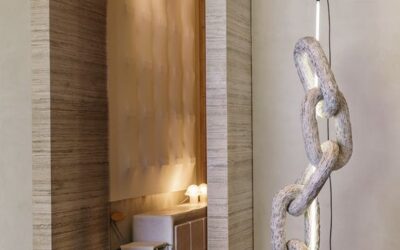
Wall-mounted sculptures offer depth and dimension, adding a unique touch to your space. Mixing artworks in a variety of finishes, textures, and shapes can create a bold statement. Statement pieces add personality and create a wow factor. Moon Light by Rachel Blindauer vendor Ben & Aja Blanc at Future Perfect.

Dynamic Range Hoods

I anticipate a greater focus on hood vent covers in 2024. Bolder designs incorporating distinct textures such as plaster or wood fluting will be popular. Pairing a dramatic hood vent with an eye-catching range can elevate the overall aesthetic of your kitchen. Custom plaster range hood pictured.

Two or Tri-Tone Color Schemes

Creating depth and complexity, two or tri-tone color schemes are among the top interior design color trends for 2024. These combinations of colors add visual interest and allow you to play with different shades and tones in your home.

A Pause From Technology

In 2024, there is a shift towards “dumb homes” where clients are seeking a break from technology. Harsh blue daylight lights, flashing led lights, tech listening in and bright touchscreens are giving way to a love of mechanical controls: old-school buttons, switches that toggle up and down, and simpler toilet washlets.

Inviting Living Rooms

So long to cold, white living rooms! Embrace a living room you can actually enjoy without worrying about accidental wine stains. Minimalism has evolved into a look that is less rigid for a more organic and inviting feel. Warm, textural spaces with natural materials in moodier, earthy color palettes. We’re moving away from bright whites and grays toward more creams, browns, rusts.

Take the first step towards creating your dream space. If you are a couple with multiple homes looking for a decorator near you, a hotelier doing a redesign, or a developer looking for top-notch interior design services near you, Rachel Blindauer and her team are here to bring your vision to life. With our wealth of experience and expertise, we can create stunning and functional spaces that exceed your expectations and bring you to a new height of design and sophistication.

2 Hour Interior Design Virtual or In Person Consultation

SOMETHING FOR EVERYONE

THE PIECES RACHEL RETURNS TO, AGAIN AND AGAIN