Transform Your Home For Better Mental Health: 10 Tips

Transform Your Home For Better Mental Health: 10 Tips

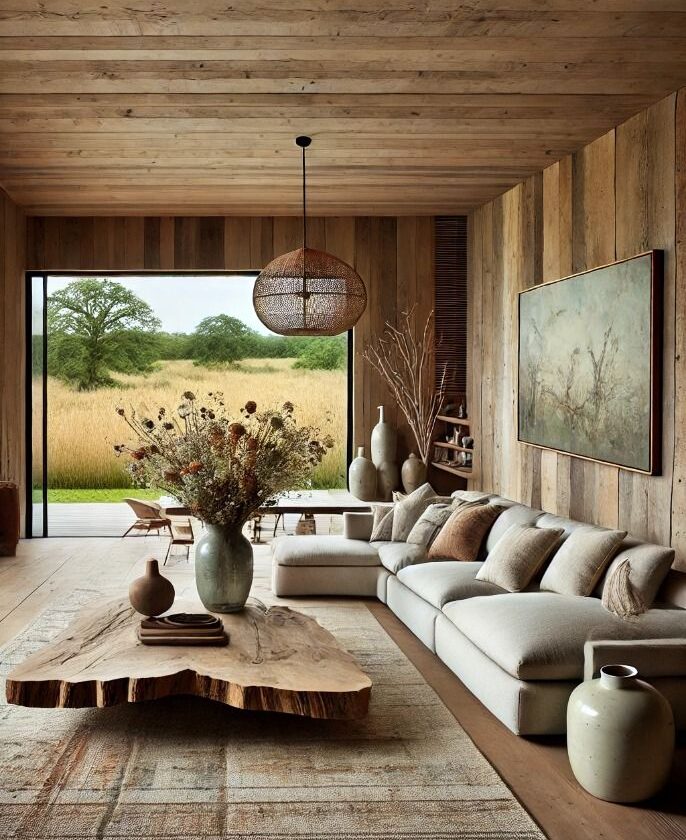
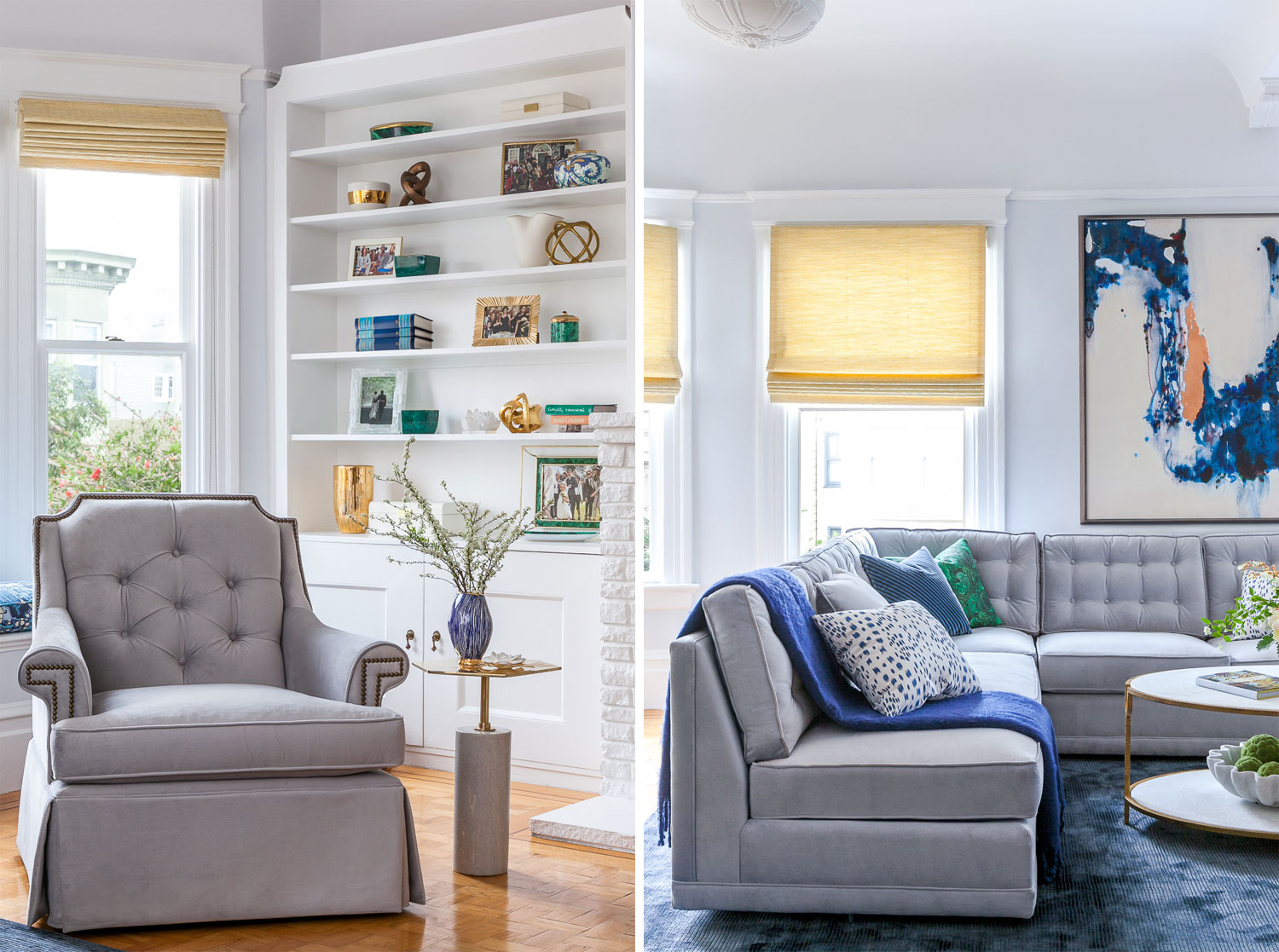
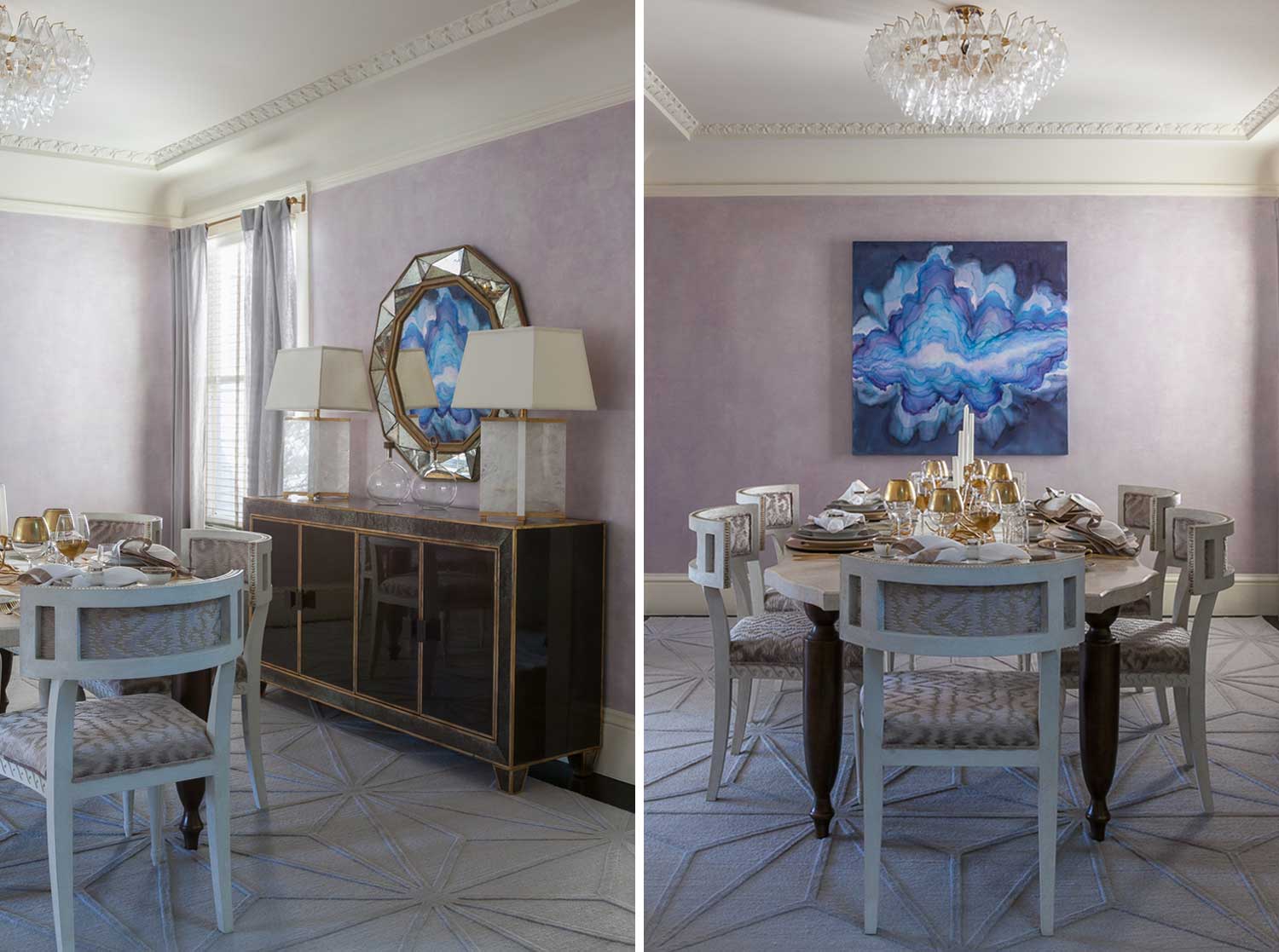
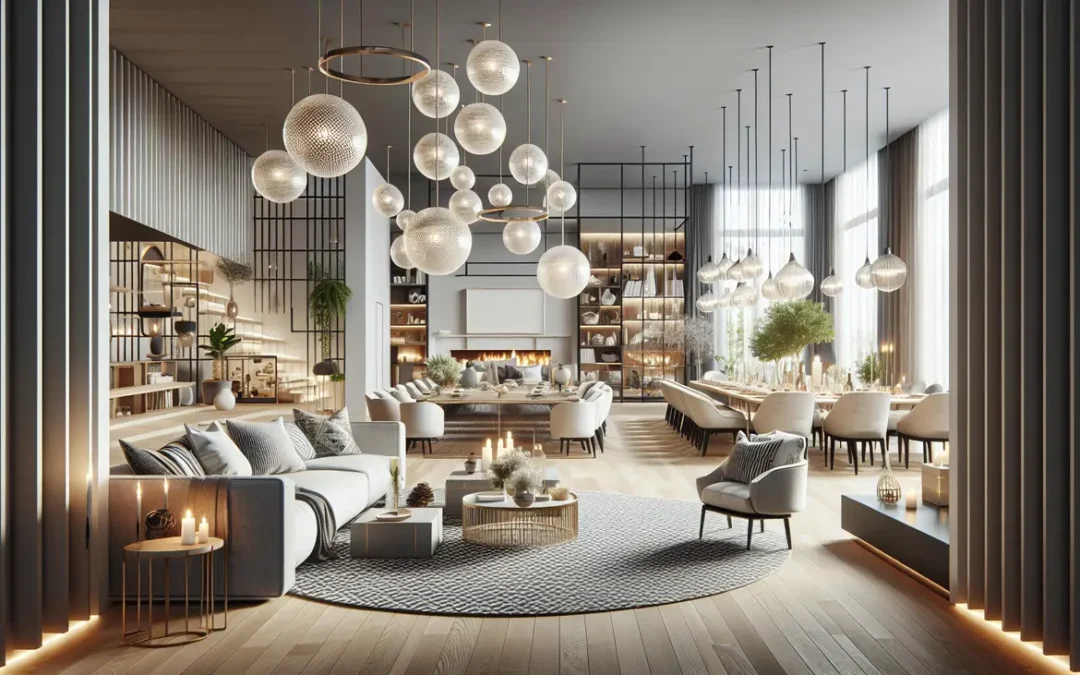
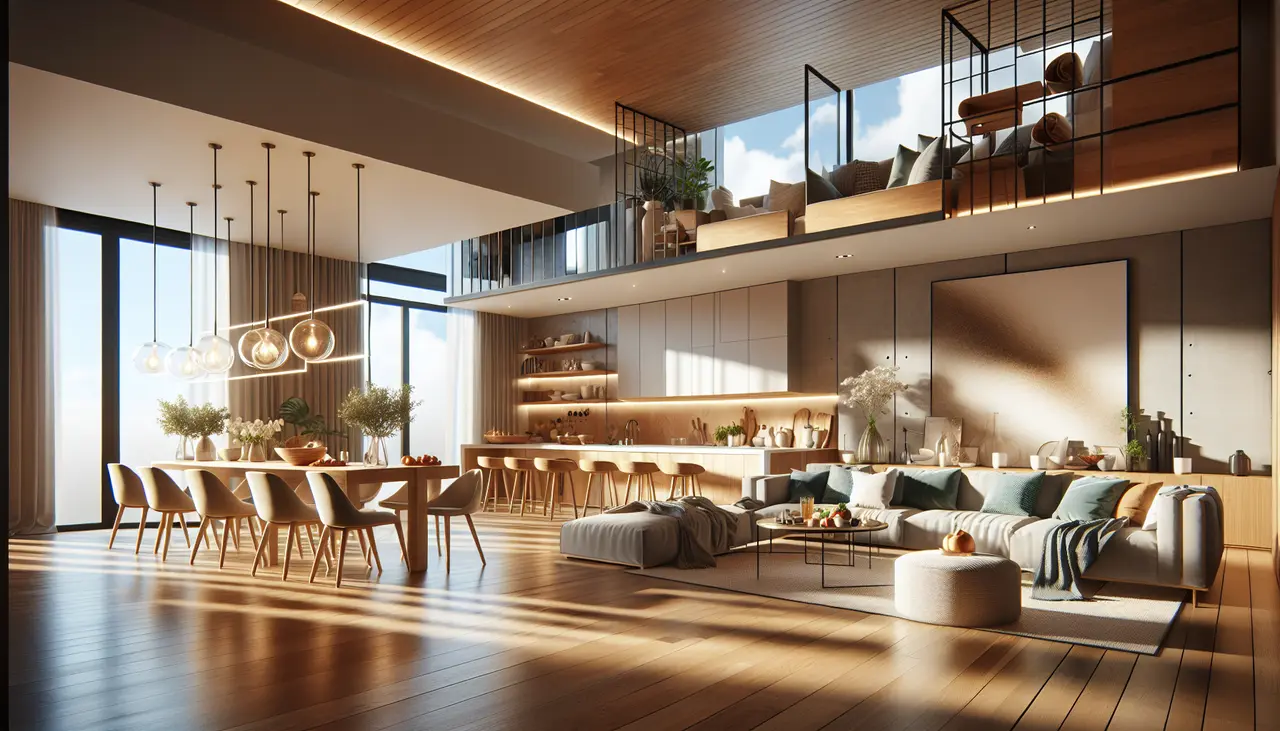
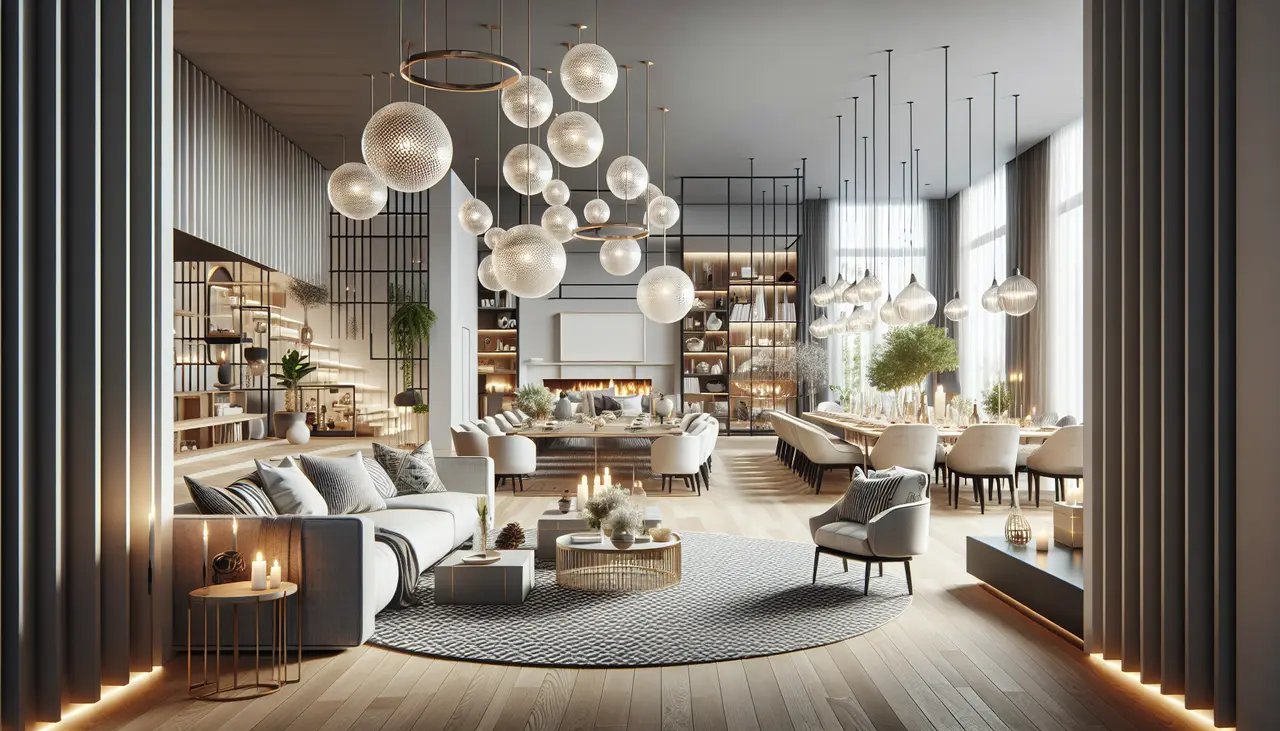
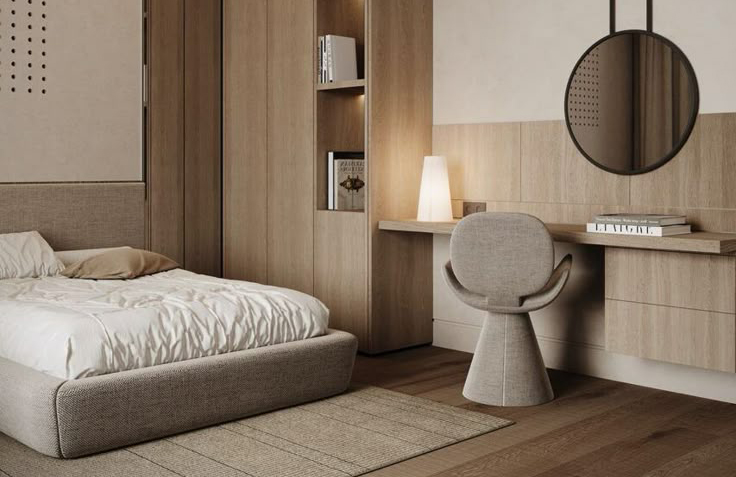
Having a well-designed home can significantly impact our mental health and overall well-being. Our surroundings and the way they are organized can greatly influence our mood, productivity, and stress levels. In this blog post, we will explore 10 design tips to transform your home into a sanctuary that promotes better mental health.

Declutter and Organize

 
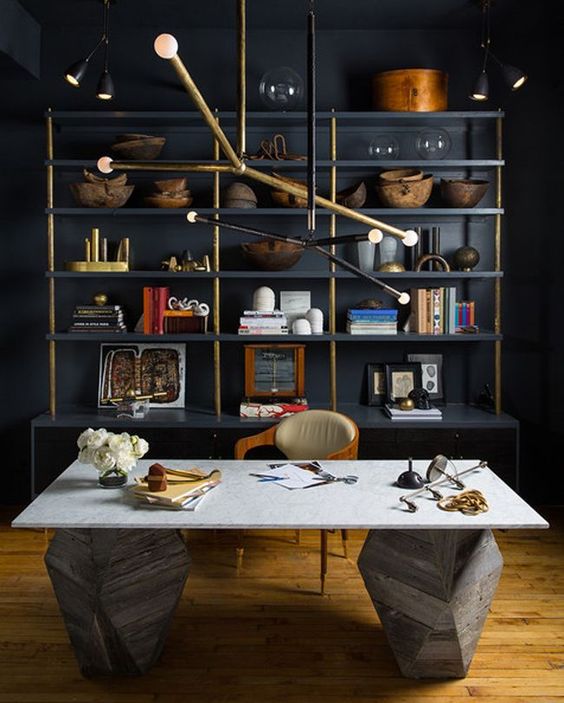
A cluttered and disorganized space can create feelings of anxiety and overwhelm. Start by decluttering your home, getting rid of unnecessary items, and organizing your belongings. Invest in storage solutions like shelves, baskets, and bins to keep things neat and tidy. A clean and organized environment promotes a sense of calm and reduces mental clutter.

Incorporate Natural Light

 
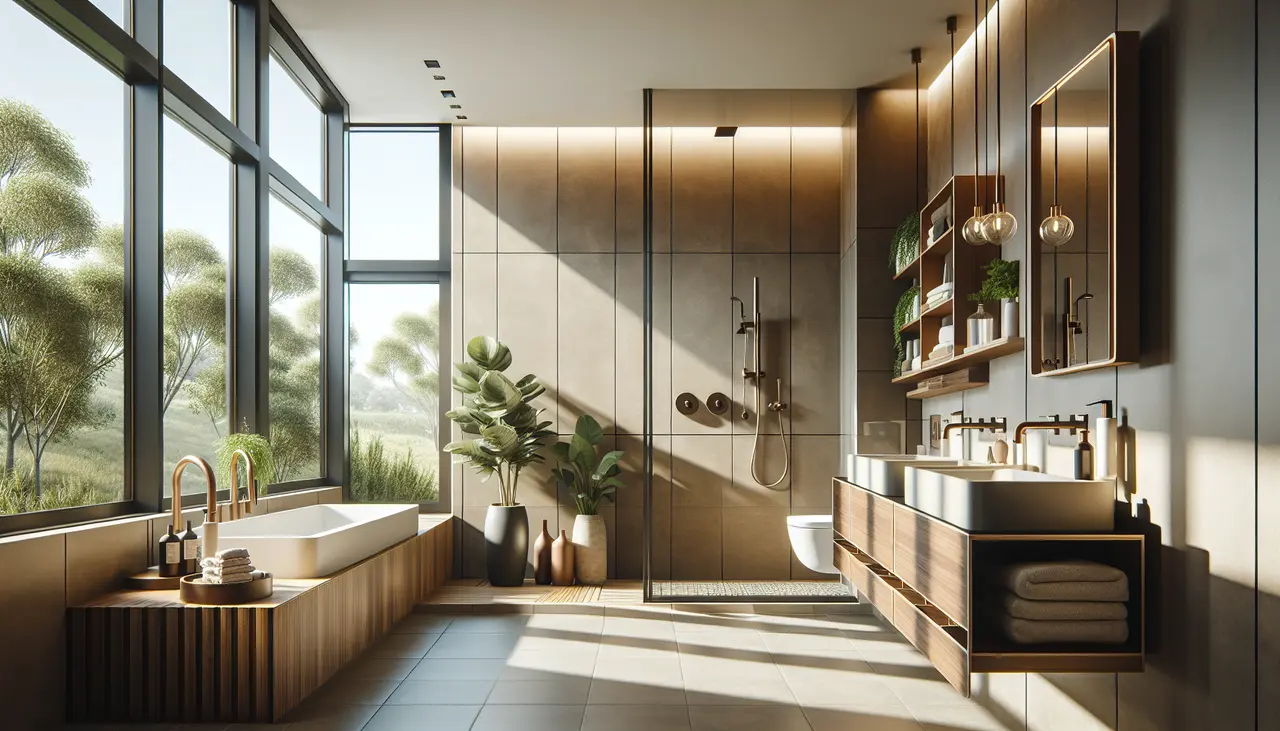
Natural light is essential for our well-being. It regulates our circadian rhythm and boosts our mood. Maximize the amount of natural light in your home by opening curtains and blinds during the day. If natural light is limited, consider using light-colored furniture and reflective surfaces to create a brighter and more spacious feel.

Use a Calming Color Palette

 
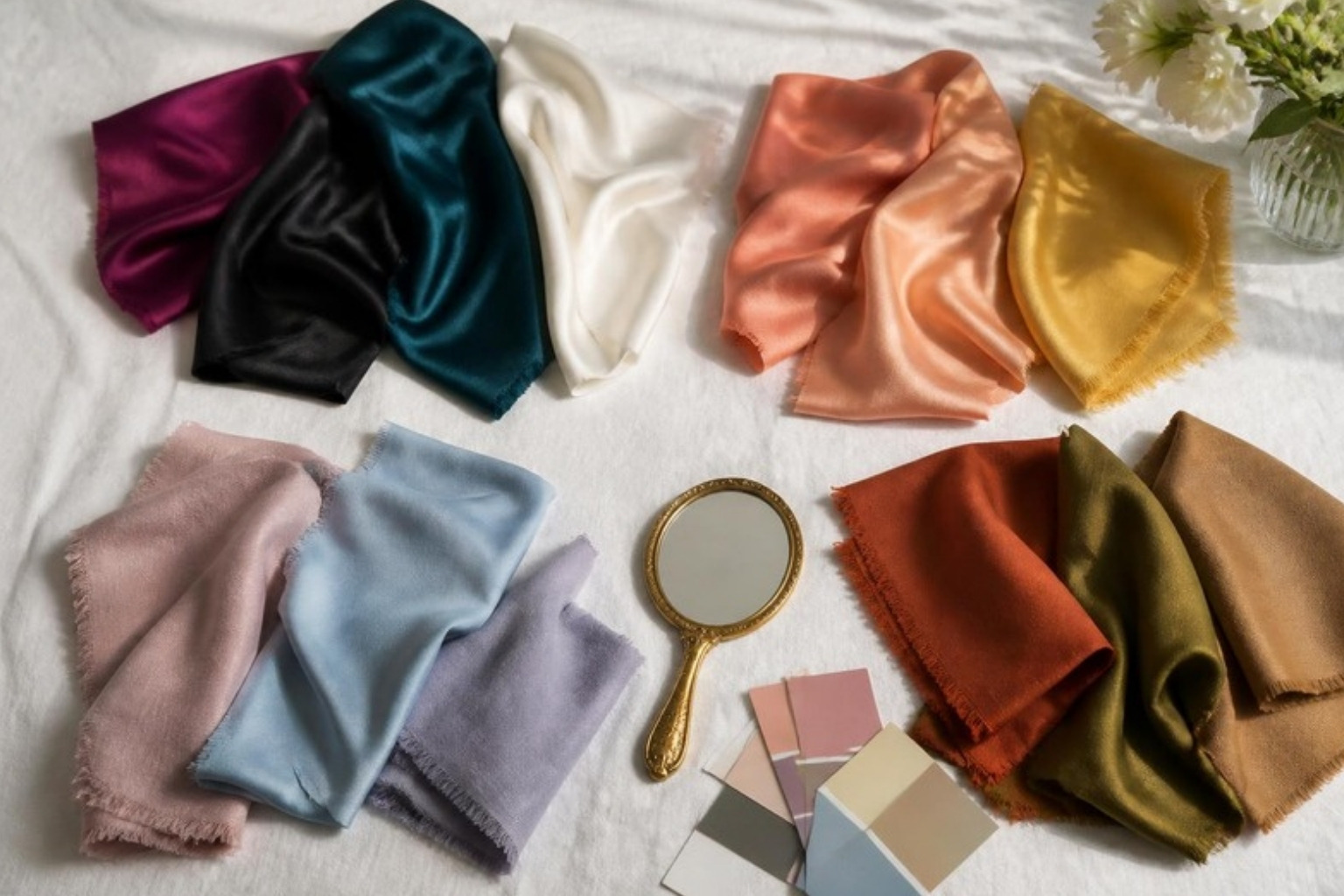
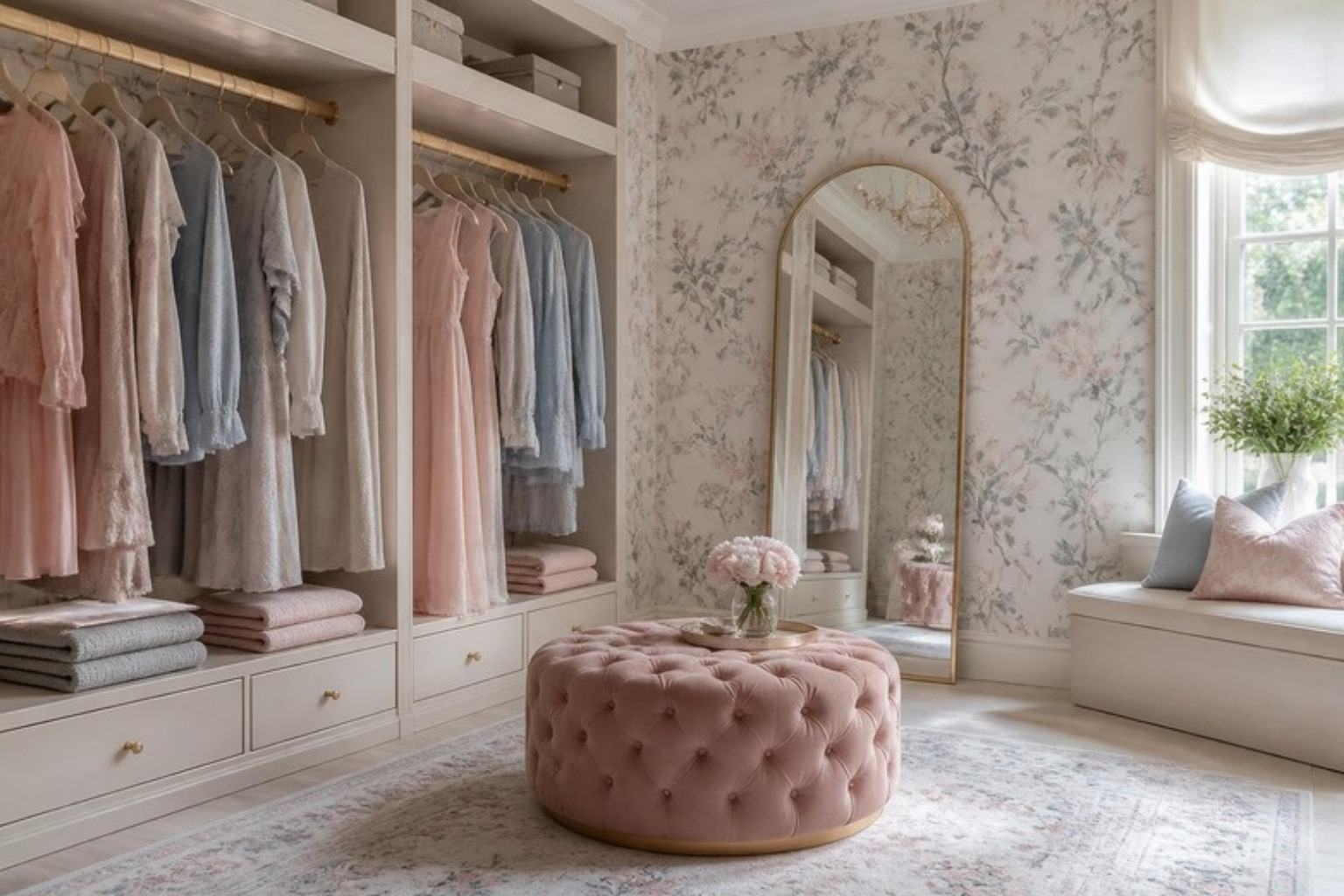
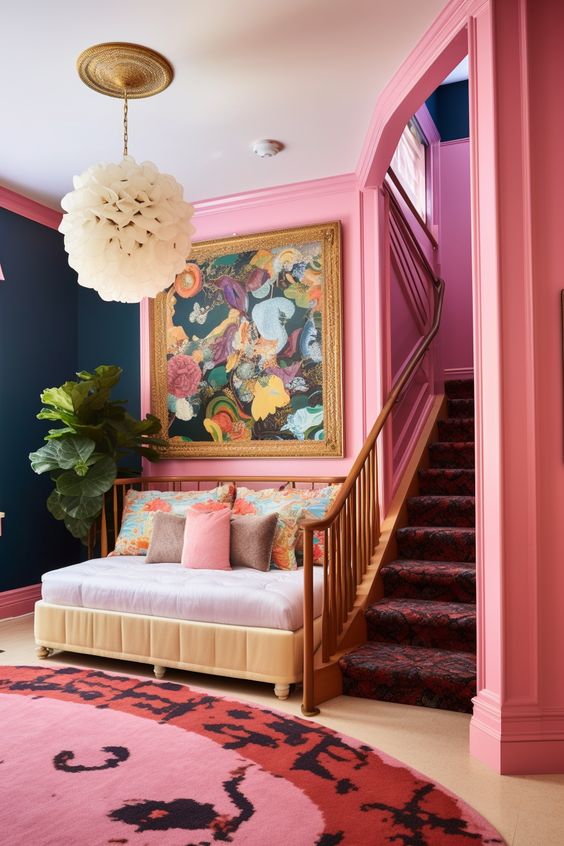
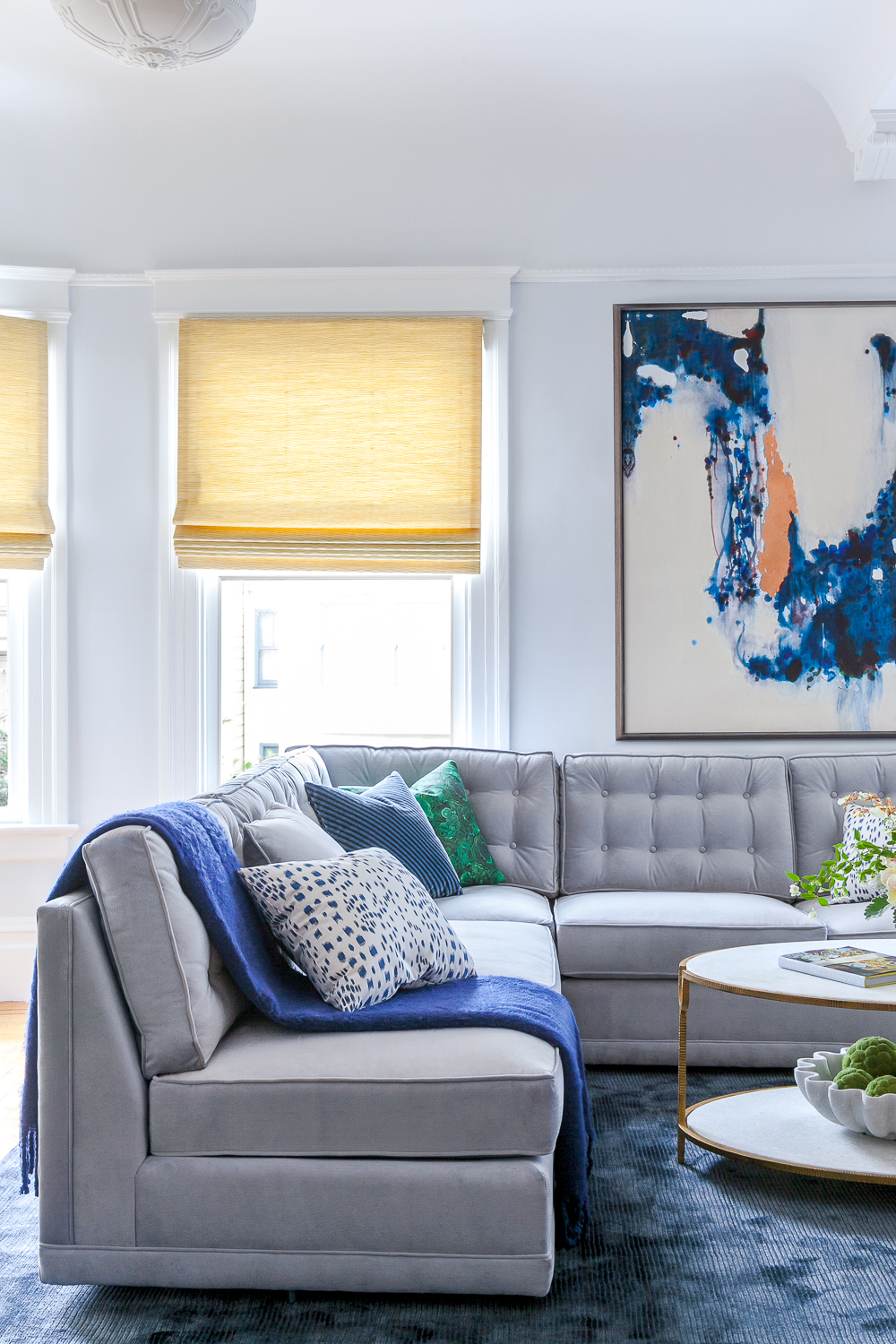
Colors have a profound impact on our emotions. Choose a calming color palette for your home to create a soothing atmosphere. Soft blues, greens, and neutrals are known for their calming effects. Avoid using bright and bold colors in spaces meant for relaxation.

Introduce Indoor Plants

 
Indoor plants not only improve air quality but also have a positive impact on our mental health. They add a touch of nature to our living spaces, creating a sense of tranquility and reducing stress. Choose low-maintenance plants like succulents or peace lilies if you’re new to plant care.

Design Comfortable and Cozy Spaces

 
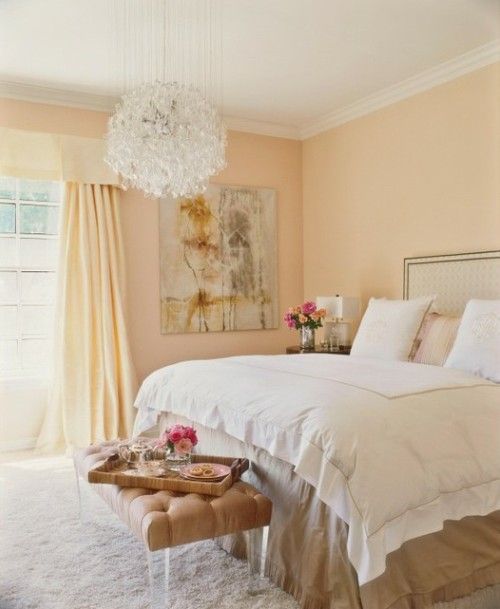
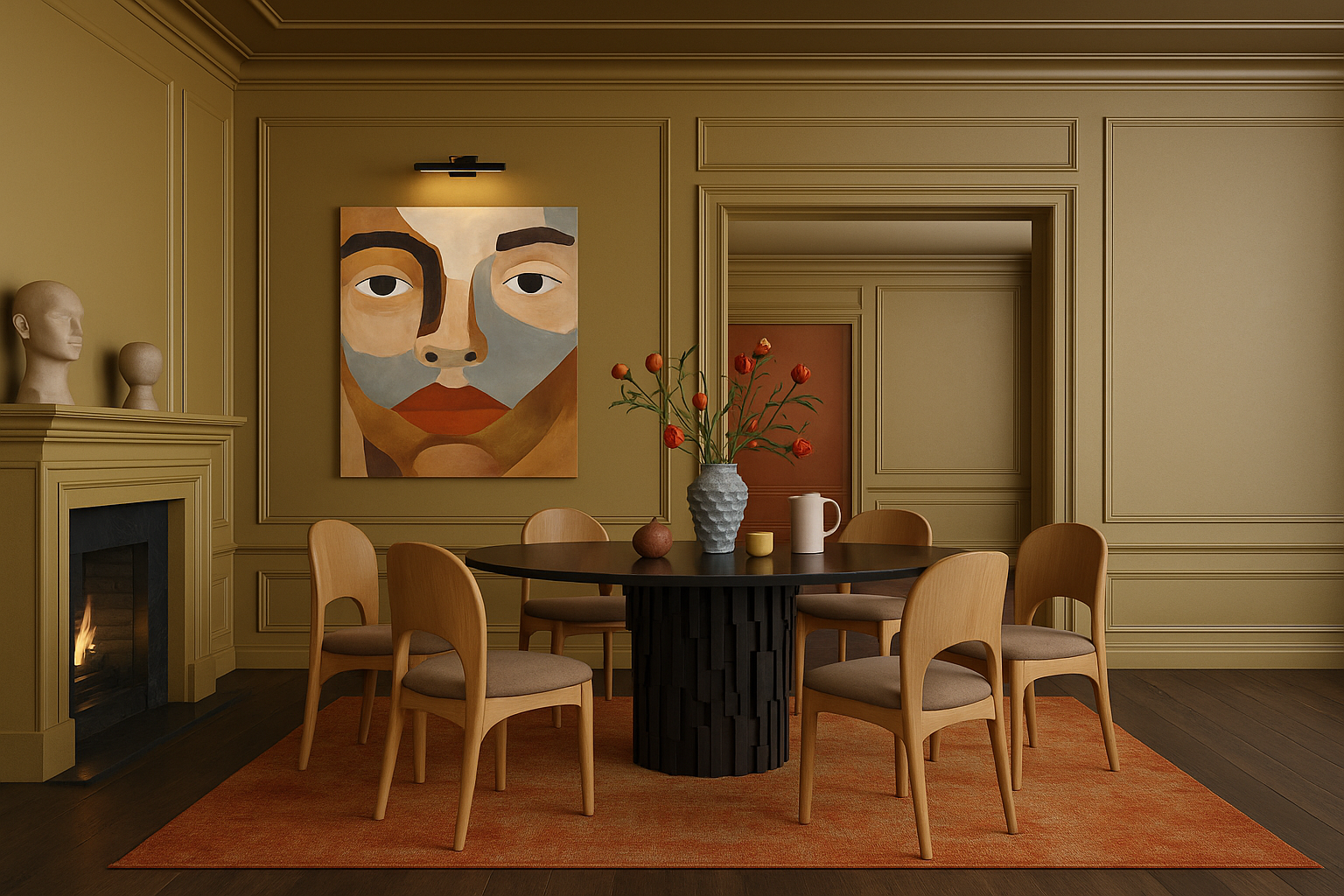
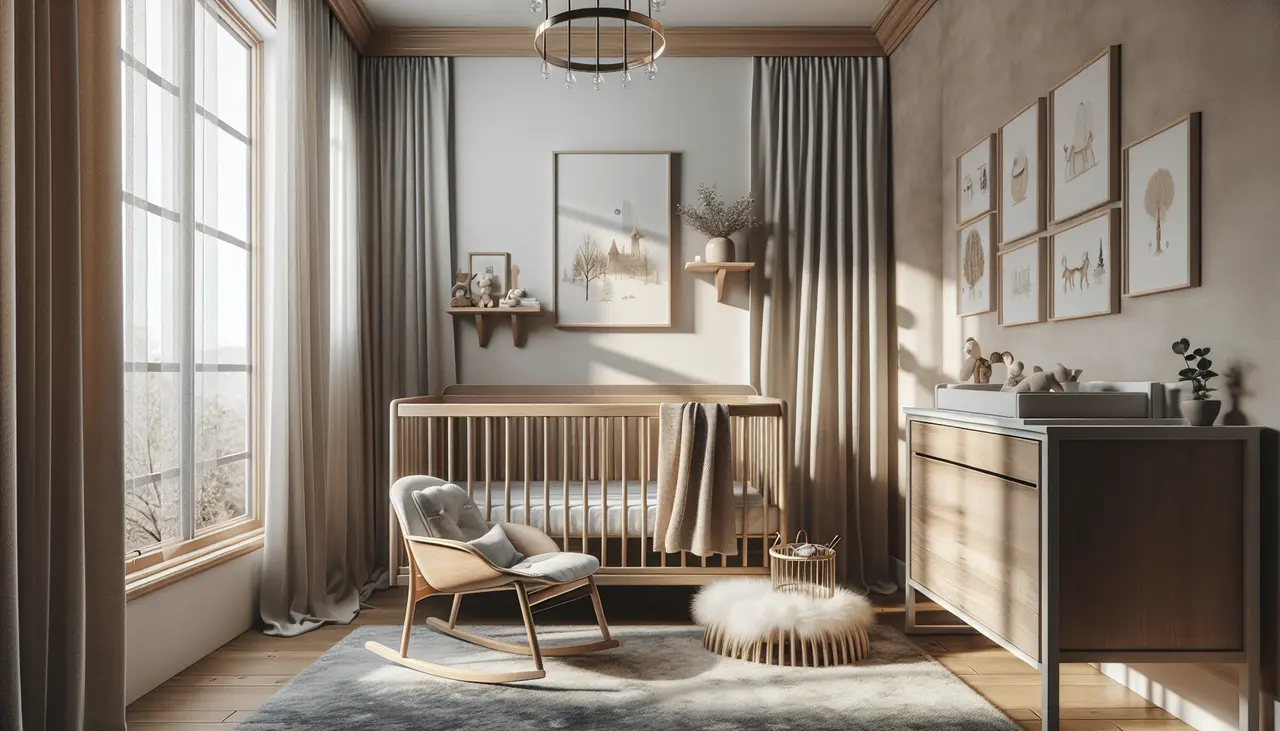
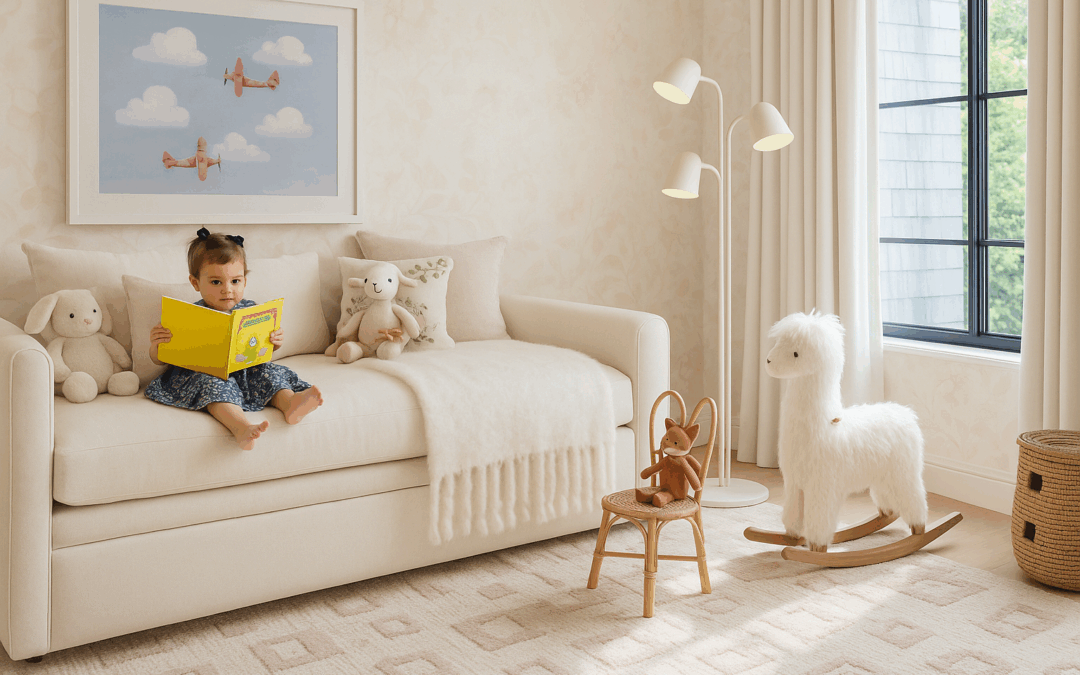
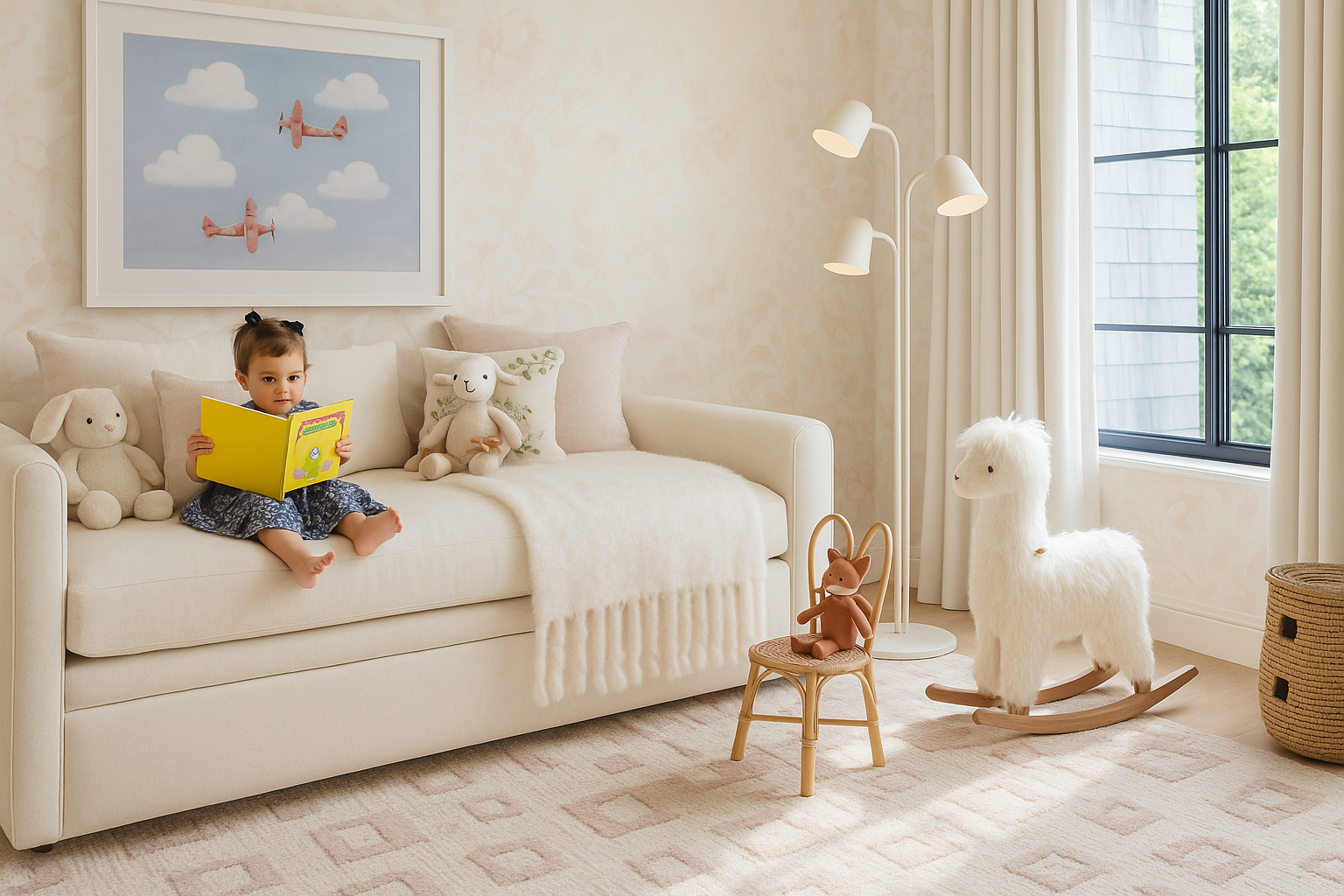
Designing comfortable and cozy spaces in your home is essential for relaxation and stress reduction. Invest in comfortable furniture, soft textiles, and plush rugs to create a welcoming atmosphere. Create cozy nooks or reading corners where you can unwind and rejuvenate.

Enhance Air Quality

 
Clean air is vital for our mental well-being. Improve indoor air quality by using air-purifying plants, proper ventilation, and air filters. Avoid using chemical-based cleaning products that can release harmful pollutants into the air.

Personalize with Meaningful Objects

 
Personal belongings can contribute to a sense of identity and belonging. Display sentimental objects, family photos, or artwork that brings you joy and comfort. However, be mindful of excessive clutter and maintain a balance to avoid overwhelming the space.

Create Zones for Different Activities

 
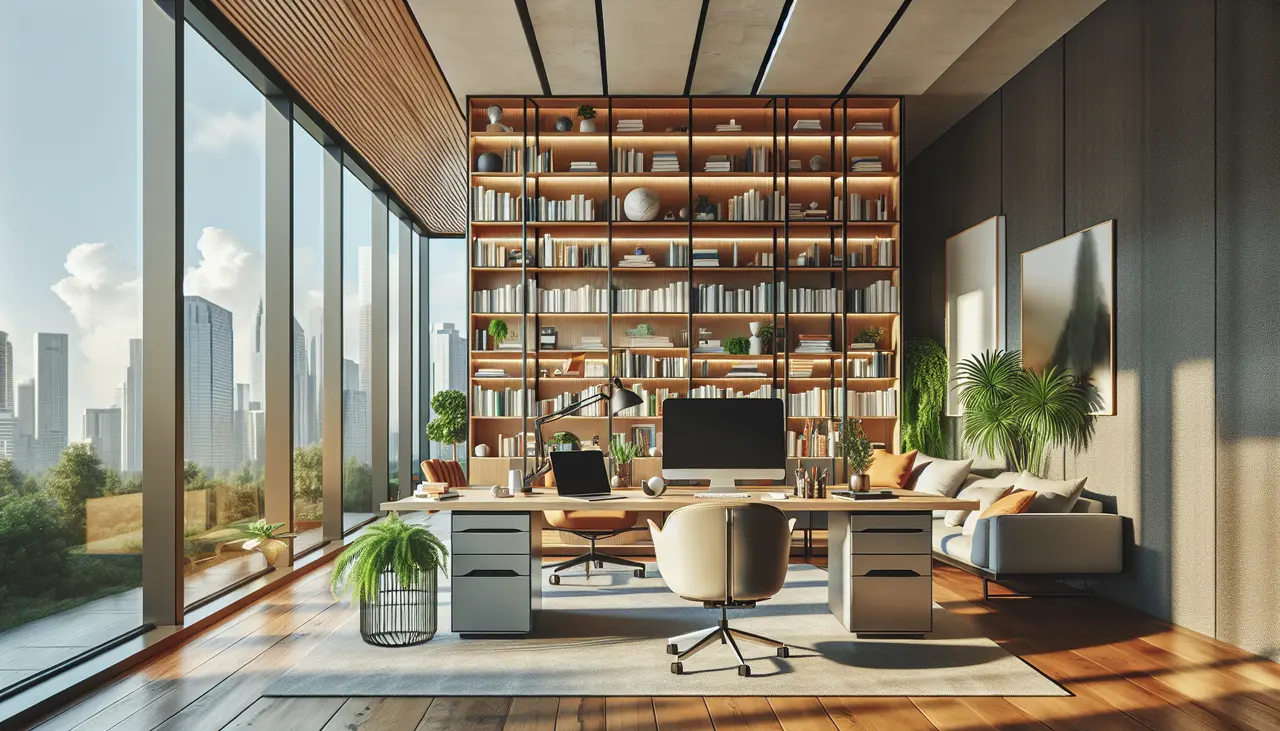
Designate specific areas in your home for different activities to maintain a sense of order and purpose. Create separate workspaces from living spaces to promote a healthy work-life balance. Design multifunctional spaces that can accommodate various needs and activities.

Focus on Soundscapes

 
Sound can significantly impact our mental state. Consider incorporating elements that create a soothing soundscape in your home, such as soft music though out the home (speaker systems or instruments you play), nature sounds, or water features. 532 Hz and 888 Hz are highly beneficial. Avoid excessive noise and create a peaceful environment that promotes relaxation and concentration.

Seek Professional Guidance

 
If you’re unsure about how to best transform your home for better mental health, consider seeking professional guidance from an interior designer or mental health expert. They can provide personalized advice and recommendations based on your specific needs and preferences.

Creating a home environment that supports better mental health is crucial for our overall well-being. By implementing these 10 design tips, you can transform your home into a haven that promotes joy, reduces stress, and fosters happiness and creativity. Remember to prioritize decluttering, natural light, calming colors, indoor plants, comfort, and personalization. Enhance air quality, create designated activity zones, focus on soundscapes, and seek professional guidance when needed. Your home has the potential to positively influence your mental well-being, so take the time to design it with intention.

2 Hour Interior Design Virtual or In Person Consultation

SOMETHING FOR EVERYONE

THE PIECES RACHEL RETURNS TOAGAIN AND AGAIN
10 Solutions for a Blank Wall

10 Solutions for a Blank Wall

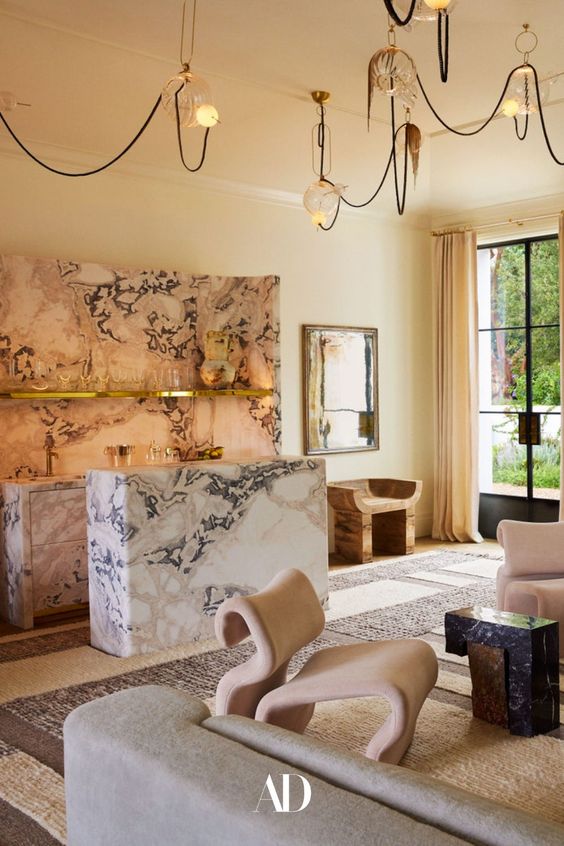
Blank walls are like a blank canvas in your home waiting to be transformed into a captivating work of art. They offer endless possibilities for adding style, personality, and visual interest to any space. However, filling a blank wall can be a daunting task, and consideration of various factors such as size, shape, and the overall aesthetic of the room. Here we will explore 10 innovative solutions to fill those empty spaces, helping you turn your blank walls into stunning focal points that reflect your unique style and elevate the ambiance of your home.

Wallpaper that Makes a Statement

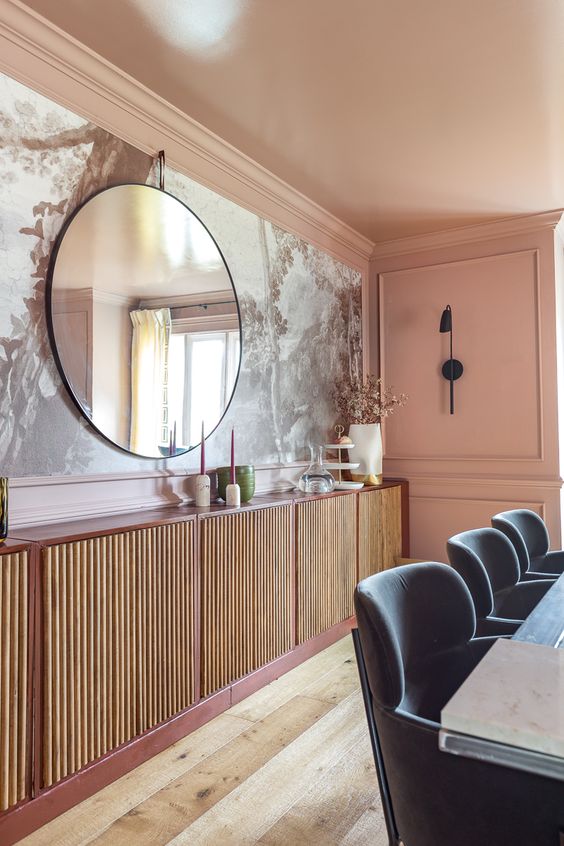
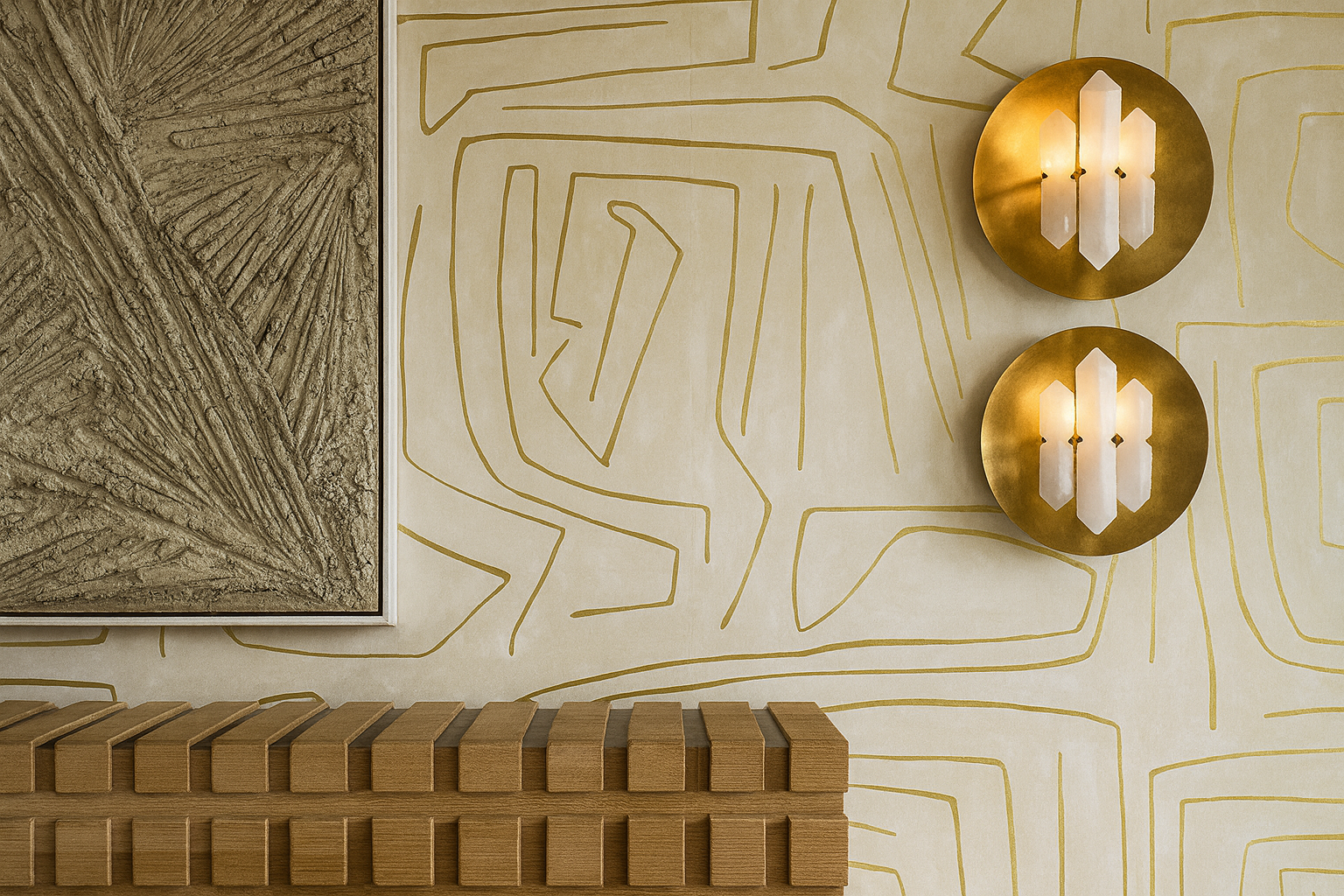
One way to add depth and character to a blank wall is by using wallpaper. Choose a design that reflects your personality and complements your existing decor. When the wall looks this good you don’t need art.

source | source | source

Upholster a Wall

Upholstering a wall not only helps to protect your head from hitting the wall but also reduces sound. So it is a perfect solution behind any bed, day bed, sofa or a dining room where parties are held.

source | source | source

Photo & Map Murals

For a unique and personalized touch, consider creating a photo or map mural on your blank wall. Choose meaningful photographs or maps that hold sentimental value and create an eye-catching display. This option allows you to showcase your memories or explore your wanderlust, adding a personal touch to your space.

source | source | source

Chalkboard and/or Pinboard

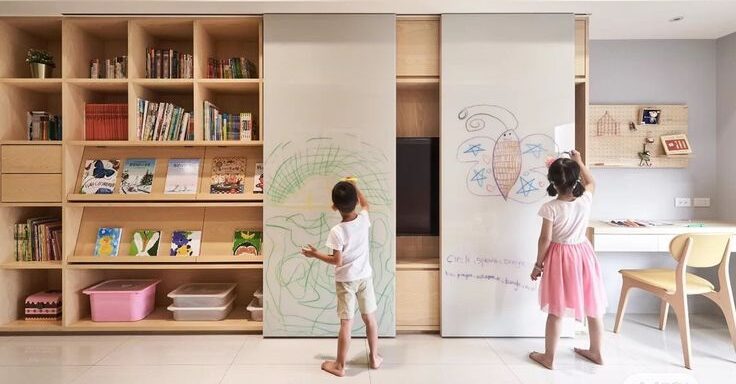
Use chalkboard paint and/or cork to create a statement wall. This is an ideal solution for kitchens and offices. Cover a wall in cork and use it as a brag wall for children’s art or as a inspiration board. By using chalkboard paint on an entire wall your art becomes whatever you can draw. If you worry about not being an amazing artist use a projector or graphite/carbon paper to help you draw the design onto the wall.

source | source | source

Wall of Mirrors

Creating a room twice as big is as easy as installing a wall of mirrors. You can cover the entire wall with large mirror panels to make the wall disappear or use antique mirror tiles to create transparent texture. Framing out mirror panels with wood helps to break up a solid wall allowing some reflection.

source | source | source

Bookshelves

Install custom bookshelves or tile premade bookshelves to create a library-inspired look. This solution not only adds storage space for your book collection but also enhances the overall aesthetic appeal. Ensure the bookshelves are securely fastened to the wall to prevent tipping.

source | source | source

Oversized Art 

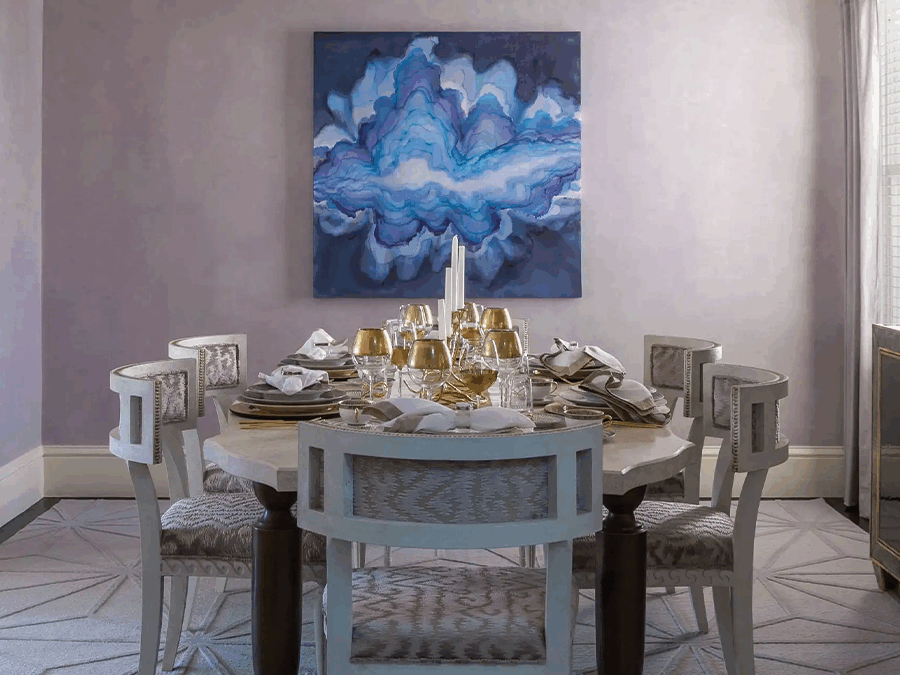
Purchase a large scale piece of art or make your own abstract art. If you make your own it doesn’t need to be complicated just select acrylic paint colors that will complement and add depth to the room. Craft stores often have great sales on huge canvases, so you can try to create your own Pollock, Rothko or just paint the canvas in a solid color.

source | source | source

Use MDF to create an architectural feature wall

Create a relief you can paint over to give your room architectural interest. It may even improve the resale of your home.

source | source | source

Create an Art Wall

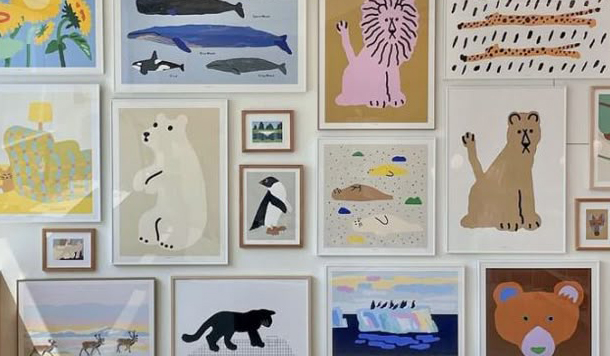
Tile similar looking art into a large wall display. Wheather the images are simple drawings or photographs the repetition and slight differences of the images elevate become enchanting. ? also takes your images and creates one print out with all of the images – so all you need is one frame.

source | source | source

Ledges

Running out of space on the coffee table for the coffee table books? Need a place to put all of your children’s books? Ledges can run the entire length of the wall and used to display anything from coffee table books, art, and record album covers.

source | source | source

Showcase Your Collections

Take whatever collections you have and put them on the wall. Your children’s lost mittens become art when placed in tiled picture frames. Colorful woven baskets can become a focal point in a hallway and your childhood train set can become art when elevated on small shelves.

source | source | source

Filling a blank wall is not just about placing random decorations or artworks. It is an opportunity to make a bold statement, create a cohesive design, and enhance the overall atmosphere of your living space. By considering the size, shape, and style of your walls, as well as utilizing innovative design ideas, you can transform these empty spaces into captivating features that reflect your personality and elevate the visual appeal of your home. With the 10 solutions we have explored in this blog post, you now have a wealth of inspiration to embark on your journey of transforming your blank walls into stunning showcases of creativity and design.

2 Hour Interior Design Virtual or In Person Consultation

SOMETHING FOR EVERYONE

THE PIECES RACHEL RETURNS TOAGAIN AND AGAIN
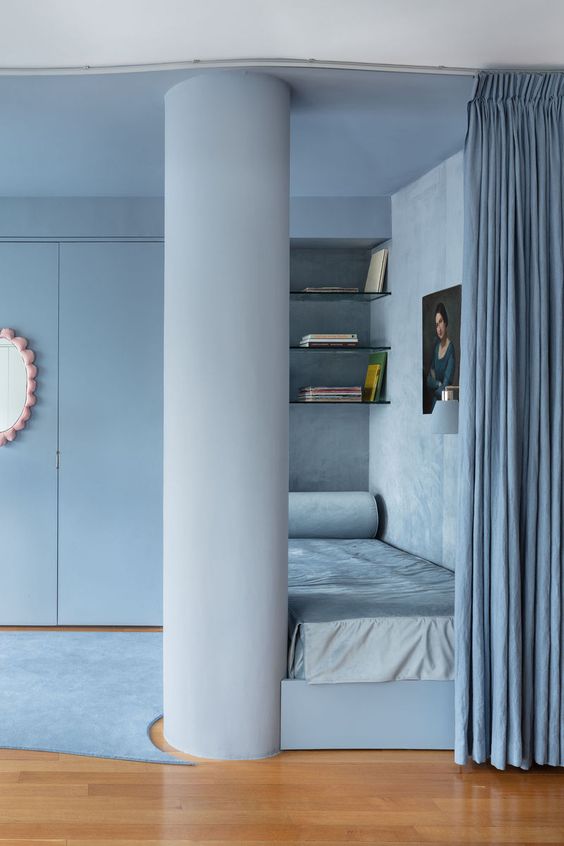
Maximizing Small Retail Spaces: Innovative Design Strategies That Sell

Maximizing Small Retail Spaces: Innovative Design Strategies That Sell

Design that makes every square foot go further—for your brand and your bottom line.

Why Great Design Matters in Small Retail

Small retail environments come with unique challenges: limited display space, tight customer flow, and compact storage areas. Yet with strategic design, even the tiniest footprint can deliver elevated aesthetic impact and stronger sales.

1. Understand Customer Flow & Product Placement

How shoppers move through your store informs everything—from impulse buys to dwell time:

  • High-margin items near the entrance encourage immediate interest.

  • Focal display zones draw customers inward and highlight bestsellers.

  • A thoughtful layout—whether grid, loop, or free-flow—guides browsing organically.

2. Maximize Visual Appeal with Lighting & Color

Creating an inviting, spacious feel begins with:

  • Layered lighting (ambient, task, accent) and LED solutions for deep impact.

  • Light neutral palettes with rich accent tones to suggest openness and personality.

  • Mirrors, sculptural fixtures, and flexible shelving that bring balance and visual depth.

3. Use Creative Storage & Vertical Design

Vertical space is your ally:

  • Install wall-mounted shelving or hanging racks to free up floor traffic.

  • Modular fixtures, multipurpose furniture, and hidden storage keep space versatile and clutter-free.

4. Choose Multifunctional Furniture & Fixtures

Each piece should serve more than one purpose:

  • Display furniture that doubles as storage.

  • Seating that also stores inventory.

  • Fixtures that adapt to seasonal or product changes.

5. Establish a Welcoming Decompression Zone

Your store entry is more than an entrance—it’s the moment your visitor decides whether to linger:

  • Keep clutter minimal.

  • Use lighting, sensory cues, and open sightlines to invite calm and presence.

6. Incorporate Smart Tech for Better Experiences

Even small shops can deliver high-tech retail:

  • Touchscreens for virtual product demos.

  • Mobile checkout for faster service.

  • Lighting or beacon technology that highlights displays or triggers promos.

Summary: Creating impactful retail spaces

To create impactful retail spaces, you can utilize innovative design strategies that maximize the potential of small areas. By incorporating clever layout and display solutions, you can make the most of limited space, attract customers, and enhance the shopping experience. Make use of lighting, creative shelving, and versatile furniture to create a visually appealing and functional retail environment that enhances the shopper’s experience.

Effective visual merchandising also plays a crucial role in displaying products for sale in a way that highlights key items and entices customers to make purchases. Using a power wall to showcase key products or promotions can draw attention and enhance sales. Paying attention to details and incorporating a cohesive retail design theme throughout the store can leave a lasting impression on shoppers and contribute to long-term success.

2 Hour Design Consultation

SOMETHING FOR EVERYONE

THE PIECES RACHEL RETURNS TOAGAIN AND AGAIN
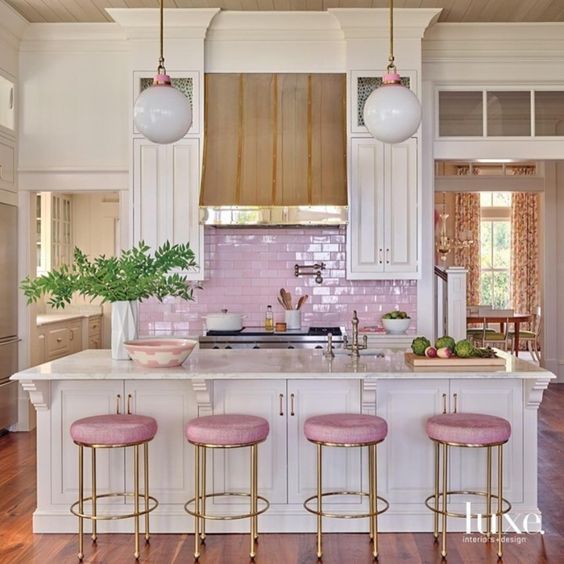
What’s Next for the Housing Market?

What’s Next for the Housing Market?

The housing market is undergoing significant changes, with various factors impacting prices, interest rates, and selling practices. In this blog post, we will examine the current state of the housing market and explore its potential future trajectory. By analyzing the influence of the Federal Reserve’s rate cuts, a major settlement affecting real estate agents’ commissions, and President Biden’s efforts to alleviate high housing costs, we aim to provide valuable insights for buyers, sellers, and renters.

Interest rates are expected to fall

Over the past years, mortgage rates have risen due to the Federal Reserve’s decision to increase interest rates. However, there is an anticipation that the Fed will lower borrowing costs, potentially resulting in a decrease in mortgage rates. This reduction could be significant if investors expect further rate cuts beyond current predictions, offering favorable conditions for homebuyers.

Changing dynamics in real estate practices

A landmark legal settlement may disrupt the longstanding practice of home sellers paying a standard 6% sales commission to real estate agents. This change could have implications for first-time homebuyers, potentially alleviating some of the financial burden associated with selling a property. However, it remains to be seen how this shift will impact the overall real estate market.

Affordability challenges persist

Despite the potential relief from lower interest rates and changes in selling practices, the housing market continues to face affordability challenges. The combination of high home prices and rising interest rates has made it increasingly difficult for individuals to enter the market. Additionally, closing costs, including loan origination fees and appraisal expenses, further contribute to the affordability barrier.

Limited inventory and strong demand

One of the primary factors driving the housing market is the persistent shortage of available homes for sale. Demographic trends, such as population growth and changing preferences, continue to fuel demand for housing. Cheaper mortgages resulting from lower interest rates may entice buyers, but the constrained inventory remains a significant challenge to address, potentially keeping prices elevated.

Future uncertainties and the importance of staying informed

As the housing market evolves, it is crucial for individuals to stay informed about emerging trends and their potential implications for housing decisions. While economists anticipate relatively moderate cost increases, it is unlikely that prices will decrease significantly, especially for home purchases. The evolving nature of the market necessitates constant monitoring and adaptation to make informed housing choices.

The housing market is currently undergoing significant changes that will shape its future trajectory. One key factor is the Federal Reserve’s plan to cut interest rates this year. This move could potentially have significant implications for the housing market, as lower interest rates tend to make borrowing cheaper and stimulate home buying activity. Alongside this, a change in selling practices is expected to bring about further transformations. Real estate agents are likely to reduce their commissions following a major settlement, potentially impacting the dynamics of home shopping and making it more accessible and affordable for buyers.

President Biden has also recognized the issue of high housing costs and has taken initiatives to address it. The White House has announced plans to build and preserve over 2 million new homes, with the aim of lowering rents and the cost of buying a home. These efforts are directed towards making housing more affordable for working families, as President Biden firmly believes that everyone deserves to live in a safe and affordable home.

The current state of the housing market reflects both challenges and opportunities. While sales have slowed due to higher interest rates, home prices and rents remain significantly higher than pre-pandemic levels. Economists predict relatively moderate cost increases in the housing market over the next year, but they do not anticipate prices to decrease significantly, especially for home purchases. This is due to the strong demand fueled by demographic trends and the limited inventory of available homes.

Overall, the housing market is in a state of flux. The expected decrease in interest rates and the potential shift in selling practices could have significant impacts on buyers, sellers, and renters. It is crucial for individuals to stay informed about these changes and their potential implications when making housing decisions. While there are challenges to overcome, there are also opportunities for those looking to enter the market or invest in real estate. By staying informed and adapting to the evolving market conditions, individuals can navigate the housing market successfully.”

Take the first step towards creating your dream space. If you are a couple with multiple homes looking for a decorator near you, a hotelier doing a redesign, or a developer looking for top-notch interior design services near you, Rachel Blindauer and her team are here to bring your vision to life. With our wealth of experience and expertise, we can create stunning and functional spaces that exceed your expectations and bring you to a new height of design and sophistication.

2 Hour Interior Design Virtual or In Person Consultation

SOMETHING FOR EVERYONE

THE PIECES RACHEL RETURNS TOAGAIN AND AGAIN