The Return of Livable Luxury: Why 2026 Interiors Prioritize Longevity, Comfort, and Quiet Confidence Over Flash

The Return of Livable Luxury: Why 2026 Interiors Prioritize Longevity, Comfort, and Quiet Confidence Over Flash

A few years back, on a breezy afternoon in Sarasota, I watched a client unpack boxes in her newly renovated coastal home. The space wasn’t screaming for attention—no dramatic marble veining or oversized pendants—but every piece felt deliberate: a low-slung linen sofa that had softened over time in a previous life, a reclaimed teak side table with faint water rings from decades of use, and sheer curtains that caught the Gulf light like breath. She turned to me and said, “This doesn’t feel new. It feels right.” That single sentence has stayed with me. In an era of constant reinvention, the most compelling luxury now isn’t about acquiring the latest; it’s about curating what endures, what supports daily life, and what quietly elevates it. As we move into 2026, livable luxury—timeless, practical, deeply personal—is emerging as the defining ethos for discerning homes and boutique hospitality spaces alike.

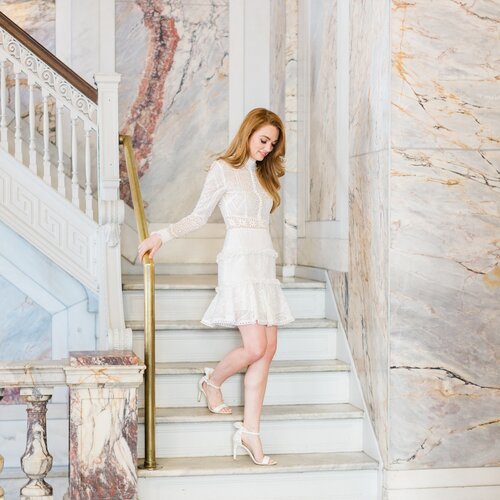
Travertine & Voile Marble Floor

From Fleeting Trends to Enduring Foundations

Interior design has always reflected the cultural moment. The mid-2010s gave us the relentless pursuit of Instagram-perfect minimalism; the early 2020s brought maximalist excess as a counterpoint. But post-pandemic shifts toward wellbeing, sustainability, and authenticity have reshaped priorities. High-end clients no longer want spaces that look “done”—they want environments that age gracefully, adapt to real living, and tell a story over time.

This isn’t anti-trend; it’s a refinement. Think of the enduring appeal of mid-century pieces that have been reupholstered rather than replaced, or the patina on antique brass that only deepens with touch. In my projects—from Nantucket summer retreats to St. Louis family legacies—I’ve seen how prioritizing longevity creates richer narratives. A hand-carved walnut console might cost more upfront, but its craftsmanship ensures it becomes a heirloom, not landfill fodder. Similarly, performance fabrics that mimic the softness of velvet yet withstand spills and sun fading allow families to live fully without compromise.

Historical echoes abound here too. The great estates of the early 20th century—think Edith Wharton’s The Mount or the villas of the Côte d’Azur—were built for generations, with materials chosen for their resilience and beauty over decades. Today’s livable luxury revives that sensibility, but with modern innovations: ethically sourced woods that sequester carbon, low-VOC paints that support indoor air quality, and modular systems that evolve as needs change.

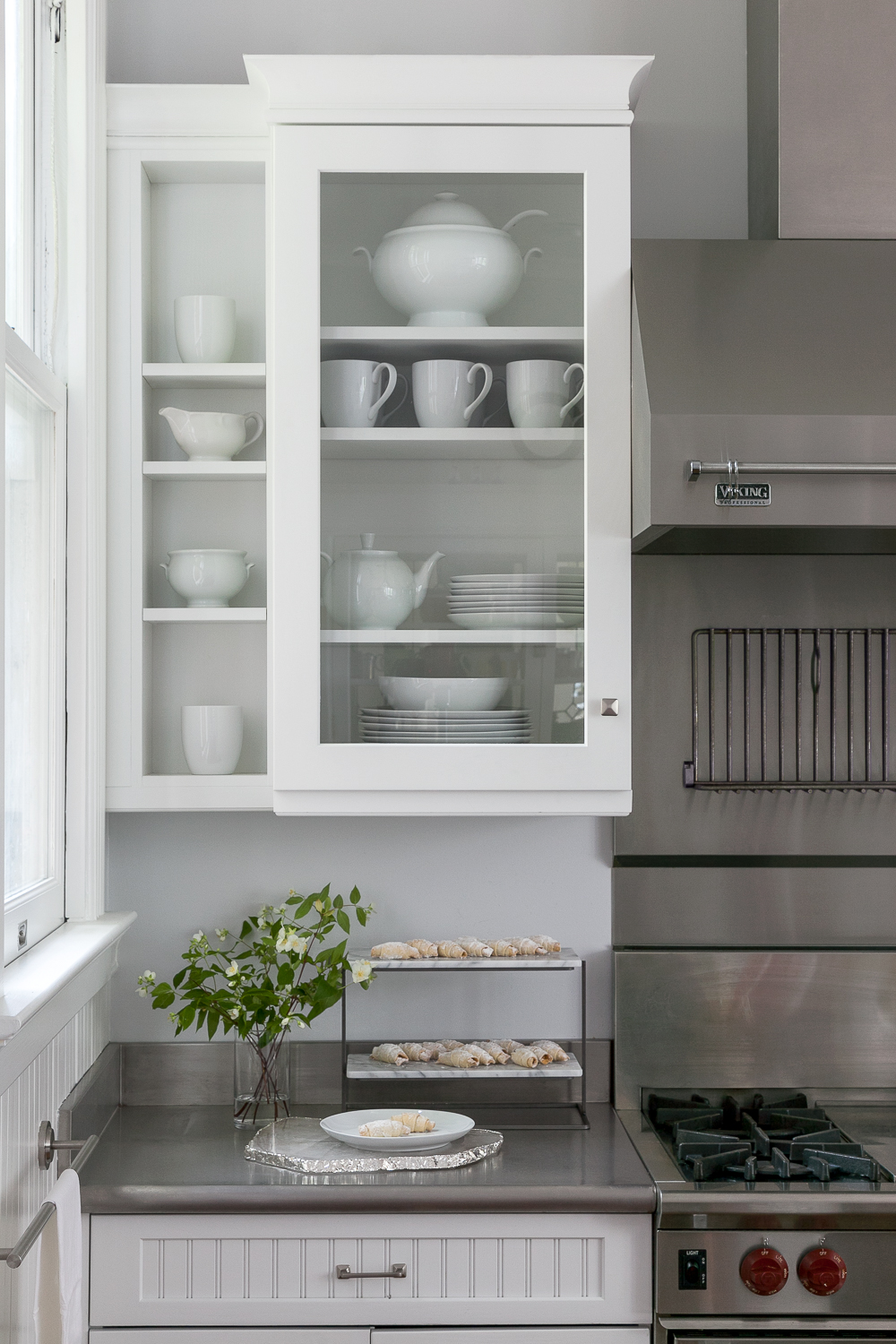
Kitchen Shelves & Wood

Materials and Details That Age Beautifully

The tactile heart of livable luxury lies in materials that invite interaction and reward time. Natural stones like honed limestone or aged travertine develop subtle character rather than pristine perfection—cool underfoot in Sarasota summers, grounding in Nantucket winters. Organic textiles—linen blends, washed cottons, and vegetable-dyed wools—soften with wear, gaining depth instead of fading.

Lighting plays a starring role: sculptural fixtures in unlacquered brass or hand-blown glass that patina softly, casting warm, forgiving glows. In one recent boutique hotel project in Lincoln, Massachusetts, we layered vintage-inspired sconces with modern dimmable LEDs, creating ambiance that feels intimate and enduring. Furniture follows suit: curved, enveloping silhouettes in solid hardwoods, upholstered in durable yet luxurious fabrics that feel like a second skin.

Sustainability isn’t an add-on; it’s foundational. I seek out pieces with traceable provenance—reclaimed timber from responsibly managed forests, artisanal ceramics fired with low-impact kilns. These choices reduce environmental footprint while adding soul: a vessel thrown by a local potter carries the maker’s hand in every imperfection.

Aspirational prompt: Picture your entryway not as a pass-through, but as a quiet welcome— a vintage bench with a softly worn leather seat, a mirror framed in aged wood that reflects the day’s light. How does surrounding yourself with pieces that improve with age change the way you step into your home each evening?

Shop The Look

Practical Steps Toward Livable Luxury in Your Space

Start small but intentionally. Audit your current pieces: What has lasted? What brings genuine comfort? Build around those anchors. Invest in foundational items— a well-made sofa, timeless rugs, quality bedding—that form the backbone of daily life.

For coastal or humid climates like Florida, prioritize breathable, mold-resistant materials; in urban pied-à-terres, focus on multifunctional pieces that maximize light and flow. Layer thoughtfully: mix eras (a modern lamp beside an antique chair) to create collected depth without chaos.

If a full refresh feels daunting, a 2-hour design consultation can map your priorities—often crediting toward larger projects. And for those finishing touches that ground a room in quiet elegance, browse curated selections at the shop—sculptural vessels, refined textiles, and lighting designed to last.

The True Measure of Luxury in 2026

Ultimately, livable luxury isn’t about restraint for its own sake; it’s about freedom—the freedom to live messily, joyfully, authentically, without fear of “ruining” something precious. In a world of constant noise, these spaces offer sanctuary: calm, composed, and confidently understated.

As we’ve traced this shift from trend-chasing to timeless intention, one truth stands clear: the most powerful interiors don’t demand attention—they earn it through lived experience. If you’re ready to create a home that supports your life rather than staging it, let’s talk. Explore more on quiet luxury interiors or seasonal color palettes that endure.

Here’s to spaces that feel as timeless as they do welcoming.

2 Hour Interior Design Virtual or In Person Consultation

SOMETHING FOR EVERYONE

THE PIECES RACHEL RETURNS TO, AGAIN AND AGAIN
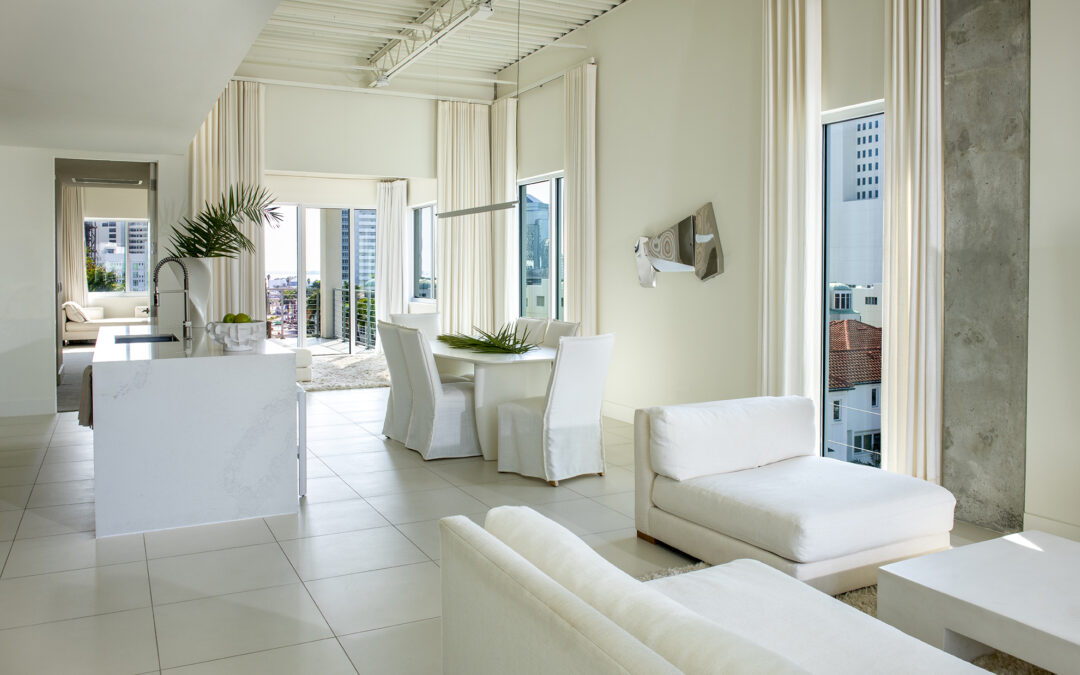
The “Less is More” Approach to interior design

The “Less is More” Approach to interior design

The “Less is More” approach is a design philosophy that focuses on simplicity and minimalism. It emphasizes clean lines, uncluttered spaces, and a pared-down color palette. This approach is all about using fewer elements to create a more impactful and visually appealing space. By incorporating this design ethos, you can achieve a sense of calm and sophistication in your home.

The Fundamentals of Minimalistic Interior Design

Minimalistic interior design focuses on simplicity, clean lines, and a decluttered space. To achieve this aesthetic, incorporate neutral colors, functional furniture, and open spaces. Embrace the “less is more” philosophy by selecting a few key pieces that serve both a practical and visual purpose. Aim for a harmonious balance between form and function to create a serene and uncluttered environment. Avoid excessive decorations or patterns, and opt for quality over quantity when selecting items for your space. By following these principles, you can create a calming and visually appealing environment that promotes a sense of tranquility and balance.

Embracing Simplicity in Home Decor

Simplicity in home decor is more than just a trend; it’s a timeless way to create a peaceful and harmonious living space. By embracing simplicity, you can achieve a clean, uncluttered look that promotes calmness and relaxation in your home. Here are some ways to embrace simplicity in your home decor:

  • Choose a neutral color palette for your walls and furniture to create a sense of openness and airiness.
  • Opt for furniture with clean lines and minimalistic designs to create a sense of simplicity and elegance.
  • Incorporate natural elements like wood, stone, and plants to bring a sense of warmth and tranquility to your space.
  • Declutter your space by getting rid of unnecessary items and only displaying things that bring you joy and have a purpose.
  • Embrace negative space to allow your decor to breathe and create a sense of balance in your home.

By embracing simplicity in your home decor, you can create a space that not only looks beautiful but also feels inviting and tranquil.

​Functional and Stylish Minimalist Furniture

Minimalist furniture focuses on simple, clean lines and clutter-free designs. Functionality and style are essential in minimalist furniture, which often features neutral colors and sleek forms. Some key characteristics of minimalist furniture include:

  • Multi-functional pieces that serve more than one purpose
  • Clean and uncluttered designs that emphasize simplicity
  • High-quality materials such as wood, metal, or glass
  • Space-saving features to maximize efficiency
  • Minimalist furniture aims to create a calm and organized living space while showcasing a modern and sophisticated aesthetic.

Utilizing Neutral Colors and Textures

Neutral colors like white, beige, and gray provide a sense of calm and simplicity to a room. They make a space feel open and airy. By incorporating textures like soft fabrics or natural materials such as wood or stone, you can add depth and interest to the design without overwhelming the space. Mixing different textures in neutral colors creates a harmonious and sophisticated look that is both timeless and versatile.

Maximizing Space and Light in Minimalist Design

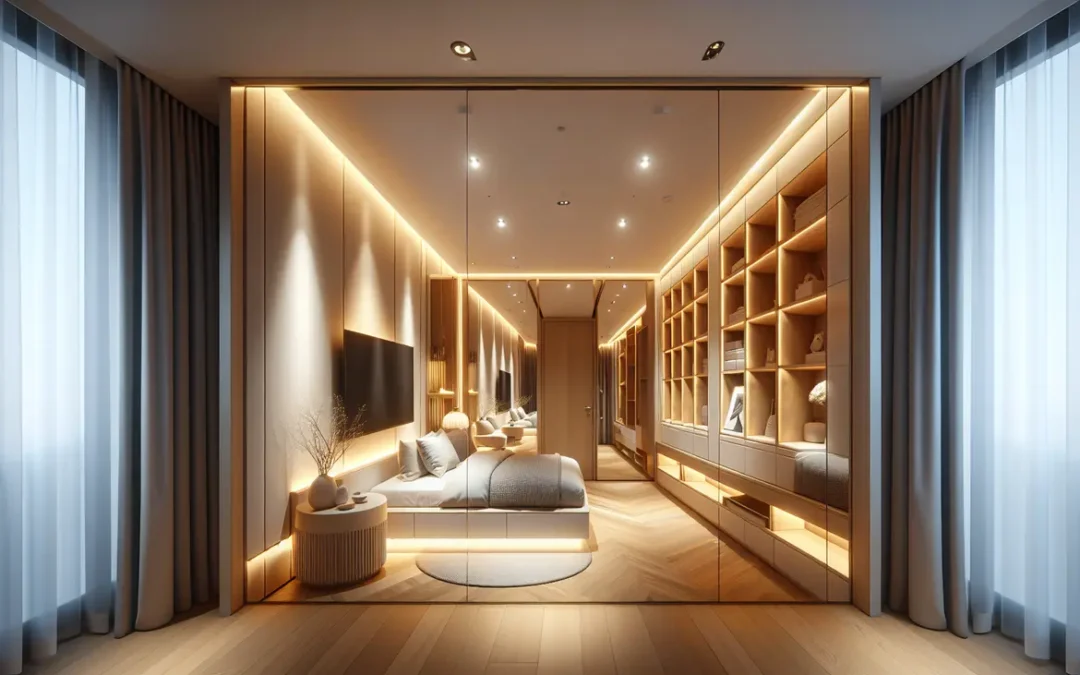
In minimalist interior design, maximizing space and light is key. To achieve a spacious feel, opt for light colors on walls and furniture. Use strategically placed mirrors to reflect natural light and make the room appear bigger. Consider using multi-functional furniture pieces to save space. Declutter regularly to maintain the minimalist aesthetic and promote a sense of openness in the room.

Incorporating Nature and Greenery Indoors

Plants are a simple and effective way to bring nature indoors, adding a refreshing touch to your living space. These green companions not only look beautiful but also contribute to a healthier indoor environment. Research shows that indoor plants can improve air quality by removing toxins and increasing oxygen levels. In addition, they can boost your mood and reduce stress levels, creating a more relaxing atmosphere in your home. Spider plants, snake plants, and peace lilies are popular choices for low-maintenance indoor greenery. Consider placing them strategically in rooms to enhance the overall aesthetic and ambiance of your space.

Decluttering and Organizing for a Minimalist Home

To achieve a minimalist home, start by decluttering your space. Separate items into keep, donate, and discard categories. Keep only what you need or truly love. Organize items neatly in designated spaces to maintain a clean and uncluttered look. Consider investing in multi-functional furniture pieces to maximize space efficiency. Remember, a minimalist home promotes a calm and stress-free environment by prioritizing simplicity and functionality.

Sustainable and Eco-Friendly Elements in Minimalist Design

Sustainable and eco-friendly elements play a significant role in minimalist design. When choosing to incorporate these elements into your space, you are not only opting for a clean and uncluttered look but also contributing to a healthier environment. Here are some key aspects to consider:

  • Natural Materials: Opt for materials like wood, bamboo, cork, or recycled materials to add warmth and sustainability to your design.
  • Energy Efficiency: Incorporate energy-efficient lighting fixtures and appliances to reduce energy consumption.
  • Indoor Plants: Adding plants not only enhances the aesthetics but also improves air quality and promotes a sense of well-being.
  • Recycling and Upcycling: Embrace the concept of recycling and upcycling by repurposing old items or choosing furniture made from recycled materials.

By incorporating these elements into your minimalist design, you can create a space that is not only visually appealing but also environmentally conscious.

Achieving Balance and Harmony in Minimalist Interior Design

To achieve balance and harmony in minimalist interior design, focus on incorporating simple elements that create a sense of tranquility and cohesion. Keep the space clutter-free by utilizing clean lines and reducing unnecessary decorations. Use a neutral color palette to create a calming atmosphere and allow for a sense of spaciousness. Incorporate natural materials like wood and stone to add warmth while maintaining a minimalist look. Strategically place furniture to create a sense of flow and openness within the room. Remember, in minimalist interior design, less is more – each piece should serve a purpose and contribute to the overall harmony of the space.

Get Started Today

Let Rachel Blindauer help you think through your project starting with a complimentary consultation.

Something for Everyone

Rachel’s curated collection of furniture, decor, and kitchen items accessible through Amazon.

The Invisible Kitchen: How to Make Your Kitchen Disappear (Without Sacrificing Function)

The Invisible Kitchen: How to Make Your Kitchen Disappear (Without Sacrificing Function)

What if your kitchen didn’t look like a kitchen at all?

We’re seeing a quiet revolution in luxury design—one that trades appliance arms races for elegance, restraint, and flow. The invisible kitchen is not a look. It’s a philosophy. One that says your home should nourish you without shouting at you.

This new wave of kitchen design seamlessly blends advanced function with architectural calm. It’s for those who want their living space to feel like a gallery, not a showroom.

And in some cases, it even lets you cook directly on the countertop.

What Is an Invisible Kitchen?

An invisible kitchen is a kitchen that visually disappears into its surroundings. At its most advanced, it includes induction cooktops embedded beneath porcelain or ultra-thin stone countertops, allowing you to prepare meals directly on the surface—no visible burners, no control panel, no fuss.

It’s not minimalist for minimalism’s sake. It’s intentional design for intentional living. This concept has been embraced by everyone from boutique hoteliers to forward-thinking developers and high-end homeowners seeking a more fluid, serene lifestyle.

Key Elements of the Invisible Kitchen

1. Countertop Induction Cooking

This is the new frontier: cooking directly on a slab of stone. Induction elements are installed beneath the countertop, invisible to the eye but activated by compatible cookware. It’s as functional as a gas range—only sleeker, safer, and shockingly elegant.

“With nothing but a pan and a surface, you can make dinner appear—on a counter that looks like sculpture.”

2. Panel-Ready and Integrated Appliances

Dishwashers and refrigerators disappear behind matching cabinetry. Ovens, if used, are tucked into walls or concealed behind full-height panels. The goal: zero appliance visibility when not in use.

3. Slab-Front, Push-to-Open Cabinetry

Cabinetry becomes architecture. No handles, no visual interruption—just clean lines that recede. I often specify edge pulls or push-latch hardware in materials that mimic the walls or counters.

Explore sculptural hardware and kitchen accents →

4. Tonal or Monochromatic Color Schemes

Invisible doesn’t mean sterile. Warm taupe plaster, mushroom-toned oak, or soft matte limestone let the kitchen dissolve into the background while still feeling rich and textured.

5. Hidden Sculleries or Storage Walls

Behind every calm space is a hidden workhorse. Often, we build a fully functional secondary space—what used to be called a butler’s pantry—to house the mess, prep, and storage. This allows the main space to remain open, airy, and camera-ready.

Is Cooking on Stone Really Safe?

Yes—and often safer than traditional methods.

Induction-only zones heat only when compatible cookware is placed directly above them, leaving the rest of the stone surface cool to the touch. There’s no open flame, no coils, and no knobs to bump. Many homeowners find it ideal for homes with children, pets, or frequent guests.

And because the cooktop is completely hidden, it offers the holy grail of design: true dual-use space. Your island becomes a prep zone, dinner bar, and sculpture all in one.

It’s not just a kitchen countertop—it’s performance art.

How to Get the Look Without Renovating

Want to channel the invisible kitchen vibe without a total overhaul? Here’s how:

• Paint cabinetry and walls the same color

This reduces visual contrast and gives the space a unified, calming presence.

• Use push-latch hardware or minimal pulls

Even a small hardware swap can eliminate visual noise.

• Hide small appliances in a tray or cabinet cubby

Create a “disappear zone” for countertop items so the surface reads as clear.

• Curate tonal styling pieces only

Edit down to one statement bowl or vessel that matches the wall or counter tone. Consider this sculptural bowl as a subtle centerpiece.

• Switch to induction-compatible cookware

Even if you’re not cooking on stone just yet, upgrading your cookware to induction-ready keeps your options open and aligns with the future of luxury cooking.

Why Clients Are Asking for It Now

The invisible kitchen answers a new kind of desire. Not for more gadgets. Not for flash. But for peace.

My clients—especially in city flats, second homes, and open-concept retreats—are looking for design that serves their lives without overperforming visually. The invisible kitchen creates a home that breathes. That calms. That elevates the everyday.

Good design doesn’t need to be seen to be felt.

For Developers, Architects & Boutique Hotels

If you’re designing a high-end multifamily, residential development, or boutique hospitality concept, an invisible kitchen creates unmatched wow-factor and long-term livability.

I offer strategic design consulting and product sourcing for integrating invisible kitchens, countertop induction, and custom millwork into architectural plans. Inquire here →

Rachel Blindauer is an award-winning interior and product designer known for creating environments that balance architectural rigor with artful restraint. With over 1,000 products designed for brands like Williams-Sonoma and a portfolio spanning luxury residences and boutique hotels, she brings a deeply intentional lens to everything she touches.

Get Started Today

Let Rachel Blindauer help you think through your project starting with a consultation.

SOMETHING FOR EVERYONE

THE PIECES RACHEL RETURNS TOAGAIN AND AGAIN

Summer Colors 2026: Calm, Collected, and Radiant – Serene Palettes for Interiors and Wardrobe

Summer Colors 2026: Calm, Collected, and Radiant – Serene Palettes for Interiors and Wardrobe

There’s something quietly persuasive about summer light—it softens edges, forgives imperfections, and makes spaces feel gentler. Yet choose the wrong hue, and the same light can turn harsh. In hotel projects, I’ve learned that summer light is the harshest editor: color either calms, or it shouts.

That’s why I approach summer colors 2026 as restorative—radiance without glare, freshness with quiet backbone. This year, the palette is getting more mineral and grounded: frosted pastels, powdered tones, nature-kissed neutrals—never candy-sweet.

“From boutique hotels to homes that feel like retreats—I create the spaces you never want to leave.” —Rachel Blindauer

What “Summer Colors” Really Means

“Summer colors” often means two things:

  1. Seasonal color analysis — Soft, cool, muted hues that flatter “Summer” people. They look best in these colors based on their skin, eye, and hair tone.
  2. Design in daylight — Colors that thrive in natural summer light, especially in home design. Yet to me Northeast coastal regions with their soft, cool, diffused light → Overcast skies, fog, and marine layers common along the Atlantic coast create a muted, grayish-blue cast—gentle and even, without harsh shadows or intense warmth. This quality of light mirrors the cool, soft, low-contrast quality of summer palettes (light/cool/soft summers: powdery blues, shell pinks, misty whites, cool sages).

Summer colors overlap elegantly, and in 2026, they gain subtle mineral depth—aligning with a broader desire for calm amid warmer, earthier directions.


This post covers how to dress and how to decorate with calm, refreshing hues that reflect the energy of the season. In 2026, these palettes evolve toward softer, more grounded expressions: frosted pastels tempered by earthy influences, airy blues with subtle warmth, and neutrals that feel nurturing rather than stark.

The 2026 Summer Palette Shift

Quietly evolving:

  • Pastels turn frosted and powdered—misty, chalked, weathered.
  • Neutrals warm subtly—oat, dune, chalky linen—refined and nurturing.
  • Blues soften with gray: sky, slate, periwinkle haze.
  • Sage and muted greens bridge cool and calm.

Summer 2026 means composed, not merely cheerful.

Rachel’s Curated Summer Interior Design Palettes (2026 Edition)

Grouped by mood.


Serene Summer: Restorative Calm

For bedrooms and baths where shoulders drop.

  • Sky Blue — Expansive and forgiving (Benjamin Moore “Summer Shower”).
  • Shell Pink — Gentle, luminous (Farrow & Ball “Setting Plaster”).
  • Cool Sage — Nuanced neutral for upholstery or cabinets.
  • Misty White — Softly reflective base (inspired by Pantone’s Cloud Dancer).


Coastal Summer: Grounded Refreshment

For living spaces that feel open yet anchored.

  • Dune Beige — Earthy calm (Farrow & Ball “Drop Cloth,” warmed subtly).
  • Seafoam — Muted refreshment (Benjamin Moore “Iceberg”).
  • Sunwashed Terra Cotta — Restrained, dusty warmth—nodding to emerging earthy trends.
 

Refined Summer: Elegant Layering

For dining or studies that balance softness with structure.

  • Dusty Lilac — Unexpected sophistication (Farrow & Ball “Calamine”).
  • Charcoal Navy — Grounded depth for trim or accents.
  • Chalky Linen — Understated luxury with quiet warmth.
 

Insight: Layer with natural textures—linen, rattan, limewash—to elevate tactility. Test swatches in your light; summer sun reveals a color’s true character.

The Light Summer Season Adapted to each Kitchener Essence – Our …

​What to Wear If You’re a Summer Palette

For Summer palettes—or anyone seeking effortless glow—these cool, muted hues shine in warm weather while adapting to subtle warmth trends.

Consider tonal layering:

  • Light & Airy Blues — Sky-blue dresses, periwinkle tops.
  • Soft Pinks — Rose quartz blouses, blush accents.
  • Cool-Toned Neutrals — Dove gray linens, misty beige sandals.

Timeless example: a flowing light-blue sundress with blush details and woven neutrals—radiant, restrained.

Rachel’s Guiding Principles for Summer Color in 2026

  • Don’t compete with summer’s energy—refine and soften it.
  • Cool colors don’t need to feel cold; anchor with wood, brass, clay, texture.
  • Choose one hero hue; let the rest support.
  • Your space and style should evoke a quiet exhale.

Materials That Elevate Summer Colors

True luxury comes from support:

  • White oak + shell pink → Soft, modern, architectural.
  • Stone + cool sage → Natural, enduring.
  • Antique brass + seafoam → Refined, not clichéd.
  • Linen + dune beige → Summer without stereotype.

Prefer matte or eggshell for gentle glow.

Curate Your Calm

Whether you’re planning a renovation, room refreshes or just need a palette that brings you back to center, the right color is where it all begins. My design services draw on years of formal education and experience to craft everything to help you become your best self. Or simply explore my shop for pillows, art prints, and decor in these serene palettes.


2 Hour Interior Design Virtual or In Person Consultation

Something For Everyone

THE PIECES RACHEL RETURNS TOAGAIN AND AGAIN
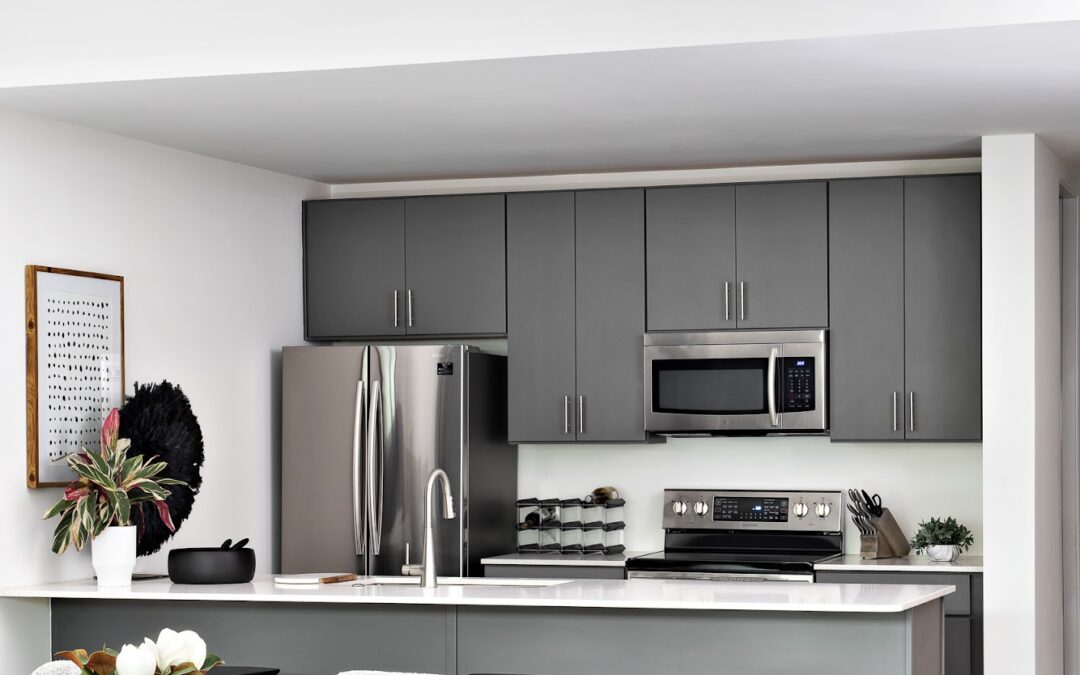
Paint or Furnishings First? Why the Order of Design Changes Everything

Paint or Furnishings First? Why the Order of Design Changes Everything

Some rooms look perfect on paper—and still feel wrong.
There’s scale, symmetry, even great lighting. But something resists. A kind of ambient dissonance. You rearrange. You edit. Still, the space doesn’t settle.

More often than not, it starts at the beginning.

“Design a room in the wrong order, and you’ll spend months trying to fix what never needed to be broken.”

In design, order matters. And while paint feels like a natural starting point, it’s rarely the right one. I don’t just mean practically—I mean energetically. Furniture grounds. Paint decorates. One is foundation. The other, finish.

Why Furnishings Should Come Before Paint in Interior Design

Paint seduces. It’s instant gratification—a swipe of mood, a signal of momentum. But it also tricks us into thinking we’ve made a meaningful decision. In truth, paint is flexible. It changes in daylight. It shifts against fabrics. There are thousands of options for every undertone.

Furnishings, however, are finite. There are only so many coffee tables that speak your language. Only so many sofas with the right proportions, textures, and presence.

Once the furniture is chosen, the paint practically picks itself.

“Color isn’t just visual—it’s relational. It reacts to what surrounds it.”

Choosing paint first is like naming a character before you’ve written the story. It feels productive, but often misdirects.

Common Mistakes When You Paint Too Early

In new builds and renovations, painting first can seem like progress. Clients feel accomplished. Rooms appear ‘done.’

But then the limitations set in:

  • The warm gray you loved clashes with your cool-toned velvet chairs.

  • That pale green looks minty next to your rug.

  • The cream you picked in a showroom reads yellow at 3 PM in your living room.

So you repaint. Or worse, you keep it—and design around it. And that’s where beauty starts to feel like a burden.

The Right Order to Design a Room, According to an Expert

I begin most rooms with a single emotional anchor: a rug, a piece of art, or a tactile fabric that sets the mood. From there, we layer the room with furnishings—pieces that introduce structure, function, and form.

Paint is one of the last things we choose. Not because it’s unimportant, but because by then, the room is speaking. And the right color becomes obvious.

You’ll see this layered approach in my interior design portfolio. These rooms weren’t pulled together—they were composed. Slowly, intentionally. Paint was the final punctuation, not the opening line.

What Paint Can Do—When Used at the Right Time

When chosen after the room’s emotional tone is established, paint becomes a powerful support character.

It can:

  • Deepen a natural material story

  • Balance warm and cool lighting

  • Amplify the serenity of neutrals or the drama of contrast

“Let your furniture and textiles lead the way. Paint is the chorus, not the soloist.”

From Philosophy to Purchase: Where to Begin

Begin with what’s tangible:

These are the decisions that shape how you live—not just how your space looks.

And when you’re ready to select paint, this guide can help you find the right shade based on your room’s orientation, region, and natural light.

Bonus: Want My Go-To Paint Colors by Region?

From fog-diffused grays for San Francisco to sun-balanced whites for Sarasota, I’ve compiled the paints that truly work—mapped by light, style, and seasonal palette.

Take the Style Quiz to get your free custom palette—and I’ll send over expert recommendations tailored to your aesthetic and lighting.

Rachel Blindauer is an award-winning interior and product designer known for creating homes that feel as good as they look. Her firm blends architectural rigor with editorial restraint—designing spaces that are tactile, intuitive, and enduring.

Explore full-service offerings at RachelBlindauer.com or shop her curated home collection.

Get Started Today

Let Rachel Blindauer help you think through your project starting with a consultation.

SOMETHING FOR EVERYONE

THE PIECES RACHEL RETURNS TOAGAIN AND AGAIN

Quiet Luxury Interiors 2026: Why the Most Powerful Spaces Speak Softly

Quiet luxury is not minimalism. And it is certainly not neutrality for its own sake.

It is restraint with intention—the kind that reveals itself slowly, through surfaces that age beautifully, proportions that feel inevitable, and rooms that know exactly what they are without announcing it. In interiors, quiet luxury resists spectacle. It favors material honesty over decoration, proportion over polish, and spaces that feel edited rather than styled.

As an interior designer, I have spent years watching trends cycle through extremes—maximalism, then stark minimalism, then pattern overload. What endures, every time, are the rooms built on quality materials, considered layouts, and a restraint that feels generous rather than sparse. In 2026, this philosophy feels more relevant than ever, evolving with warmer textures, sculptural curves, and subtle connections to nature.

The Roots of Quiet Luxury in Interior Design

The most enduring interiors have never been loud. European townhouses with their centuries-old plaster walls and hand-laid stone floors. Early American coastal homes where wide plank boards and simple millwork spoke of craft without pretension. Mid-century modernist residences where every window placement was deliberate, every material honest about what it was.

These spaces share something essential: materials chosen to age gracefully, layouts that respect how people actually move through rooms, and a disciplined approach to color that lets light do much of the work.

Today, quiet luxury continues that lineage—infused with 2026’s emphasis on tactile warmth, biophilic wellbeing, and sustainable craft. After years of visual noise and performative design on social media, we are craving spaces that genuinely nurture. Calm sanctuaries that reflect discernment over excess.

Sink

What Quiet Luxury Really Means in 2026

At its core, quiet luxury prioritizes function, feel, and endurance—spaces that work intuitively and reward you more deeply the longer you live in them.

This means layouts with effortless circulation, where you never feel like you are fighting the room. It means long-lasting, eco-conscious materials that develop character over years rather than deteriorating. It means thoughtful, layered color that responds to changing light throughout the day. And it means furniture with sculptural presence and softened curves—pieces that look as good in person as they do in photographs, maybe better.

Nothing shouts. Everything invites lingering. In 2026, this also includes subtle biophilic touches—abundant natural light, organic forms, living greenery positioned where it catches your eye naturally—that enhance calm without adding clutter.

You know the feeling when you walk into a room and your shoulders instantly drop? That is the quiet power we are chasing.

Shop The Look

Materials That Define Quiet Luxury

Quiet luxury is tactile first. The materials that define it are surfaces that improve with age and touch—stone that develops a patina, wood that deepens in color, textiles that soften with every wash.

In my design practice, I start every project with materials before anything else. The palette of surfaces in a room—what you touch when you set down a glass, lean against a wall, or walk barefoot across a floor—determines whether a space feels expensive or merely decorated. True quiet luxury registers in your fingertips before your eyes.

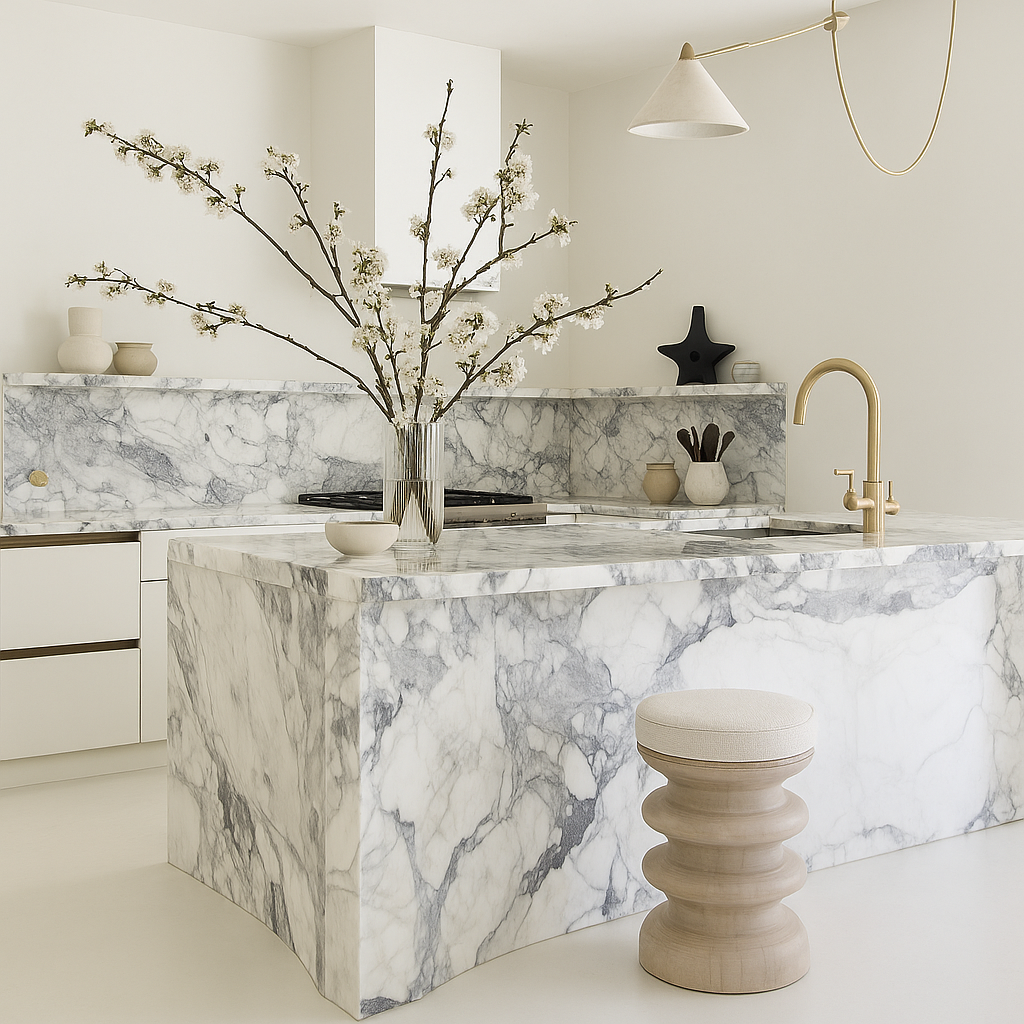
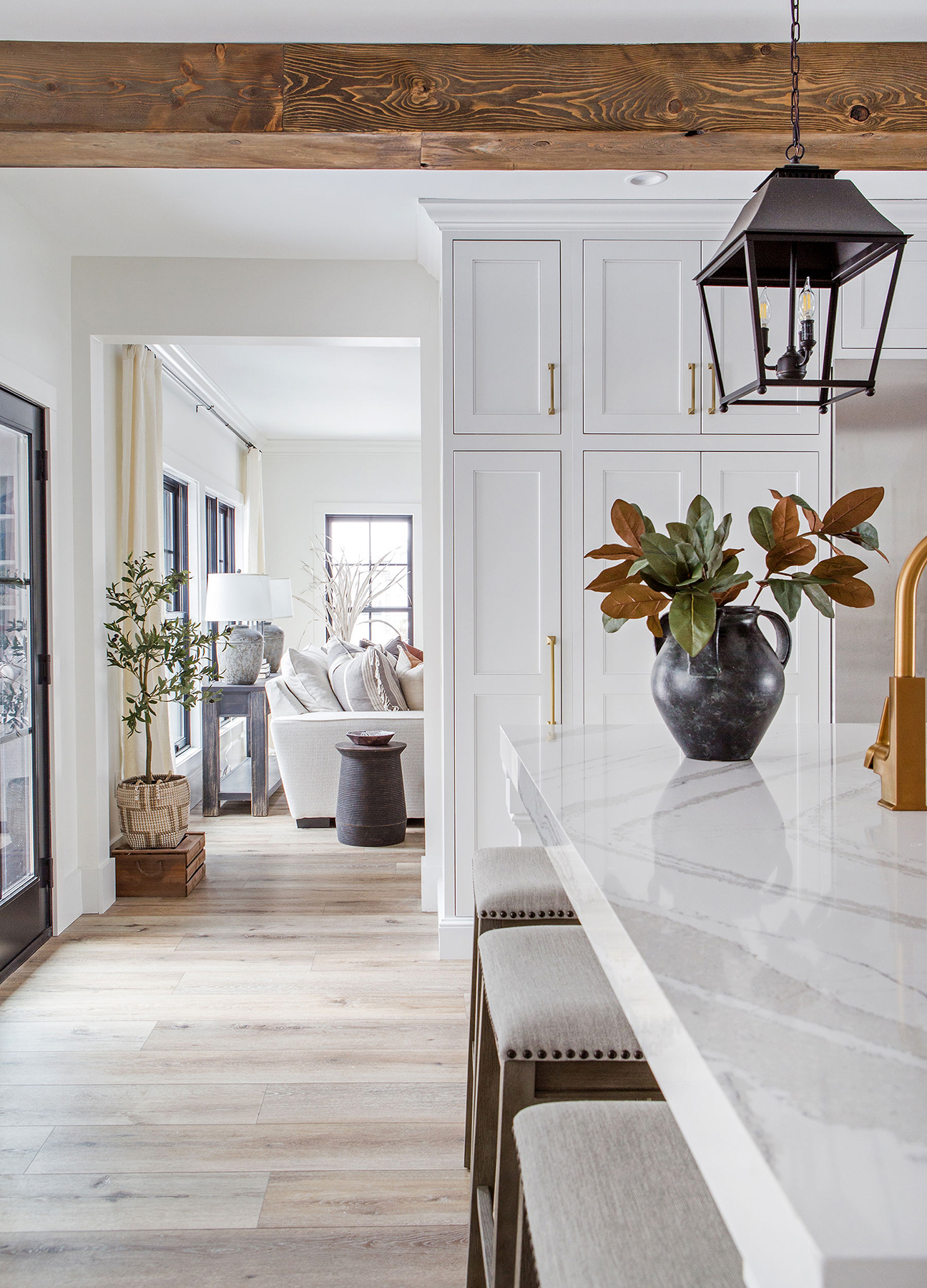
Marble kitchen surfaces exemplifying quiet luxury materials

Stone and Mineral Surfaces

Honed travertine, limestone, and soft-veined marble ground a space with quiet authority. These are materials that have been used in the finest interiors for centuries, and for good reason—they carry visual weight without heaviness, and they age into something more beautiful than they started.

In 2026, the trend is moving toward textured stone finishes rather than high-polish. Limewash accents on plaster walls, leathered granite countertops, and tumbled marble floors all add organic depth that catches light softly throughout the day. I often incorporate sculptural stone pieces in my projects—a travertine pedestal table, a marble catchall tray—because they anchor a room effortlessly and connect the space to something ancient and enduring.

Wood with Character

White oak, walnut, and reclaimed timbers bring warmth and biography to quiet luxury interiors. The key is letting the wood show its grain, its knots, its natural variation—finished with oil or wax rather than heavy lacquer so it can breathe and develop richness over time.

In 2026, the most compelling wood applications pair beautifully with textured stone and soft textiles, creating rooms that feel layered and lived-in from day one. Wide plank floors, a hand-turned wooden bowl on a console, open shelving in a kitchen—these elements add soul that no synthetic material can replicate.

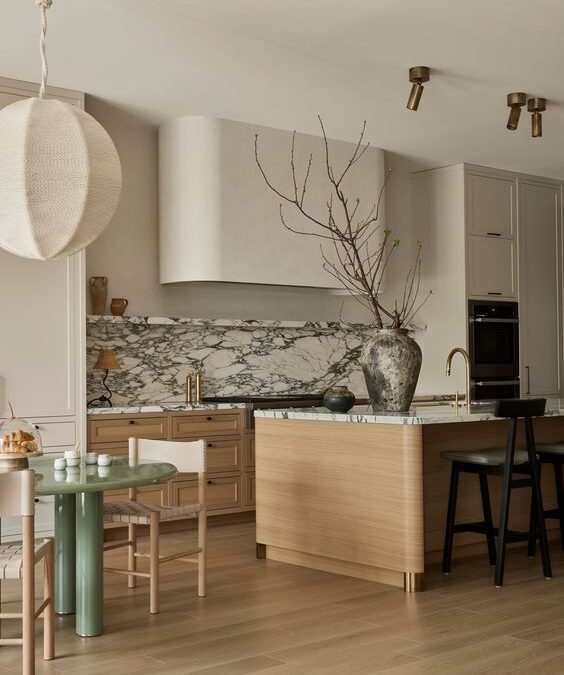
Natural wood shelving paired with marble in a quiet luxury kitchen

Textiles That Invite Daily Use

Linen, wool, and bouclé blends that soften over time are the textiles of quiet luxury. They are not precious—they are meant to be used, draped across, curled up in. If a fabric is too delicate to sit on without worrying, it has no place in a room designed for actual living.

Upholstery with gentle curves beckons you to stay. A swivel chair in heavy linen, an ottoman in performance bouclé, pillows that you actually lean into—these are the pieces that make a room feel both refined and completely welcoming. The best textiles in a quiet luxury interior should make you want to reach out and touch them.

Color in Quiet Luxury Interiors

Quiet luxury is far from beige-only. The palettes of 2026 are calmly colorful and warmly grounded: muted taupe, mineral greens, earthy ochres, soft mahoganies, and chalky blues that shift beautifully throughout the day as light changes.

The key is restraint in application, not in range. A room can hold several colors gracefully when each one is chosen for how it plays with its neighbors—and with the light at different times of day. I often recommend clients paint large swatches and live with them for a full day cycle before committing. The color that looks perfect at noon may feel entirely different at dusk.

In my paint guides on RachelBlindauer.com, I curate geography-specific palettes that account for regional light quality—because a warm taupe that sings in Sarasota may fall flat in a north-facing Nantucket living room. Quiet luxury demands this level of specificity.

Neutral warm tones in a quiet luxury interior

Layout: The Invisible Ingredient

True luxury is designed, not bought. The most expensive furniture in the world cannot save a room with poor flow, awkward sightlines, or lighting that fights you at every turn.

In quiet luxury interiors, layout is the invisible ingredient that makes everything else work. Prioritize natural light fall—arrange seating where morning sun warms it, position dining tables where evening light creates atmosphere. Design seamless circulation so that moving through a room feels effortless rather than like an obstacle course.

This is where working with a designer early in the process pays for itself many times over. Getting the layout right from the foundation means every piece you add afterward has a place that feels inevitable. My consultations often start here—rethinking flow before we ever discuss a single finish or fabric.

Furniture: Fewer Pieces, Better Choices

Edited intentionality is the hallmark of quiet luxury furniture. Rather than filling a room, you are curating it—selecting fewer pieces, each one chosen for its sculptural presence, its comfort, and its ability to anchor the space around it.

In 2026, the most compelling furniture shares certain qualities: softened curves that invite touch, proportions that feel grounded rather than spindly, and materials that reward close inspection. A swivel chair in heavy linen. A chaise with the kind of curve that makes you want to stretch out. A side table in natural travertine that doubles as a sculptural object.

The best quiet luxury interiors feel like every piece was placed with care—and then the room was left alone. No filler, no matching sets, no pieces that exist only to occupy space. Just the essentials, chosen exceptionally well.

Bringing Quiet Luxury Home

Quiet luxury is not about spending more. It is about choosing differently—with patience, with specificity, and with an eye toward how a space will feel in five years, not just five minutes after the delivery truck leaves.

Whether you are starting from scratch or reimagining what you already have, the principles are the same: invest in materials that age well, design layouts that serve how you actually live, choose color with intention, and edit ruthlessly until every piece earns its place.

If you are ready to explore what quiet luxury looks like in your home, I would love to help. My design consultations are available virtually or in person in Sarasota, St. Louis, Nantucket, and Lincoln, MA—and consultation fees credit toward your project.

2 Hour Interior Design Virtual or In Person Consultation

SOMETHING FOR EVERYONE

THE PIECES RACHEL RETURNS TO, AGAIN AND AGAIN