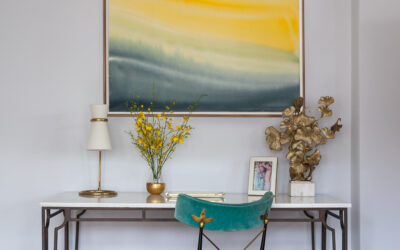
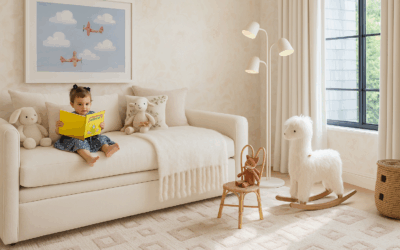
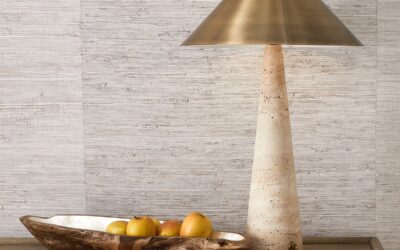
In the quiet hum of a Nantucket summer morning, I once stood in a client’s sun-dappled living room, running my fingers over a weathered linen sofa that had traveled from a Parisian atelier. The fabric’s subtle weave caught the light against the smooth, veined marble of a nearby coffee table—a piece that seemed to hold the cool memory of the Carrara quarries. It was a small moment, but a clarifying one: texture is never just a detail. It is the soul of a room, weaving history, comfort, and aspiration into every corner.
After more than fifteen years shaping private residences and boutique hospitality spaces, I’ve come to believe that masterful textural layering is what separates a house that merely photographs well from a home that feels good to live in. Below, I share why texture matters, how to layer it with intention, and the quiet ways it elevates wellbeing in a high-end interior.
A Historical Tapestry: Texture Through the Ages
Texture has always carried meaning. In the salons of seventeenth-century Versailles, layered velvets and brocades signaled power and refinement—depth and drama built one sumptuous surface at a time. Centuries later, the modernists turned the idea inside out: designers like Charlotte Perriand championed raw, honest materials—exposed wood grain, woven rush, hammered metal—bringing nature indoors without sacrificing function. Today we draw from both traditions, pairing heritage with contemporary ease to create rooms that feel collected rather than decorated.
In my own work—from sun-soaked Sarasota estates to cherished St. Louis homes—I lean on these lessons constantly. A hand-knotted wool rug, reminiscent of ancient Persian craftsmanship, adds warmth and acoustic softness while grounding a room in tradition. Pair it with sleek, polished metal and you strike that elusive balance: aspirational yet approachable. Imagine sinking into a chair upholstered in buttery leather, its patina telling stories of Italian tanneries, while a sheer silk curtain filters the golden-hour light and invites you to linger.

The Tactile Symphony: Materials That Speak to the Senses
Great layering begins with materials chosen for how they engage the senses, not just the eye. Start with grounding foundations—natural stone like travertine or limestone, cool and enduring underfoot, much like the floors of a Roman villa. Then introduce organics: a bouclé with its nubby loops, a linen with an irregular slub, a handwoven throw with visible texture. For contrast, mix matte and gloss—a matte oak sideboard beside glossy ceramic vessels that catch the light like jewels—and let a few brushed-brass accents add a warm, Art Deco glow without overwhelming the palette.
The effect is felt as much as seen. On a recent boutique hotel project, we set reclaimed barn-wood beams against plush velvet headboards, and guests described the rooms as quietly enveloping. Picture your own primary bedroom as a true retreat, where crisp Egyptian-cotton sheets meet the rugged charm of a hand-loomed throw. Layers like these turn an ordinary evening into a restorative ritual.
Shop This Post

Lyra Textured Ceramic Bowl
$400.40

Colette Cloud Pillow
$297.00

Contour Forms, Set of 2
$312.00
Layering With Intention
Textural layering isn’t about filling a room—it’s about composing one. When every surface is chosen for how it feels as much as how it looks, a space stops performing and starts comforting. That is the real luxury: a home that engages the senses, settles the nervous system, and grows more beautiful with use. Begin with one honest material you love, build slowly, and trust your hands as much as your eyes.
If you’d like help bringing this kind of depth and warmth to your own home, I’d love to think it through with you. Book a 2 Hour Design Consultation—virtual or in person—and we’ll bring clarity, intention, and timeless texture to your space.

SOMETHING FOR EVERYONE
THE PIECES RACHEL RETURNS TO, AGAIN AND AGAIN
Before you go
Not sure what your style is? Take the two-minute Style Quiz and I’ll send you your look.