Chesterfield MO Real Estate Values and ROI on Renovations

Chesterfield MO Real Estate Values and ROI on Renovations

Thinking about investing in Chesterfield, MO’s real estate and wondering where to start with your renovations? Understanding the potential value increase and return on investment for various renovation projects is crucial. Let’s dive into the real estate landscape and explore how to make the most out of your property.

Understanding the Chesterfield Real Estate Market

Chesterfield, MO, has experienced a fluctuating real estate market, yet it consistently remains an attractive area for families and investors alike. With rising median home sale prices reaching $623K in the past month, the locality is witnessing a substantial appreciation compared to last year. The growth in home values is indicative of Chesterfield’s thriving market, scoring 75 out of 100 on the competitive scale. The city offers a mix of economic stability, excellent schools, and community amenities, which are pivotal drivers for this growth, making it a prime location for real estate investments. Moreover, with a significant percentage of the population boasting higher education degrees, the property demands are high source. This enviable combination of factors paints a vibrant picture for potential homeowners and investors looking for sustainable growth and a solid community foundation.

In Chesterfield, the real estate boom is also supported by its strategic location and the high per capita income relative to the state and national averages. Such a thriving economy not only influences the residential market but also supports the commercial real estate sector. The presence of educated professionals, particularly those working from home, adds to the area’s appeal as a livable, work-friendly environment. For families, Chesterfield offers a perfect blend of suburban tranquility with the perks of an educated neighborhood and access to quality education. This dynamic environment enhances property values, providing investors a promising outlook for their investments.

What Renovations Add the Most Value

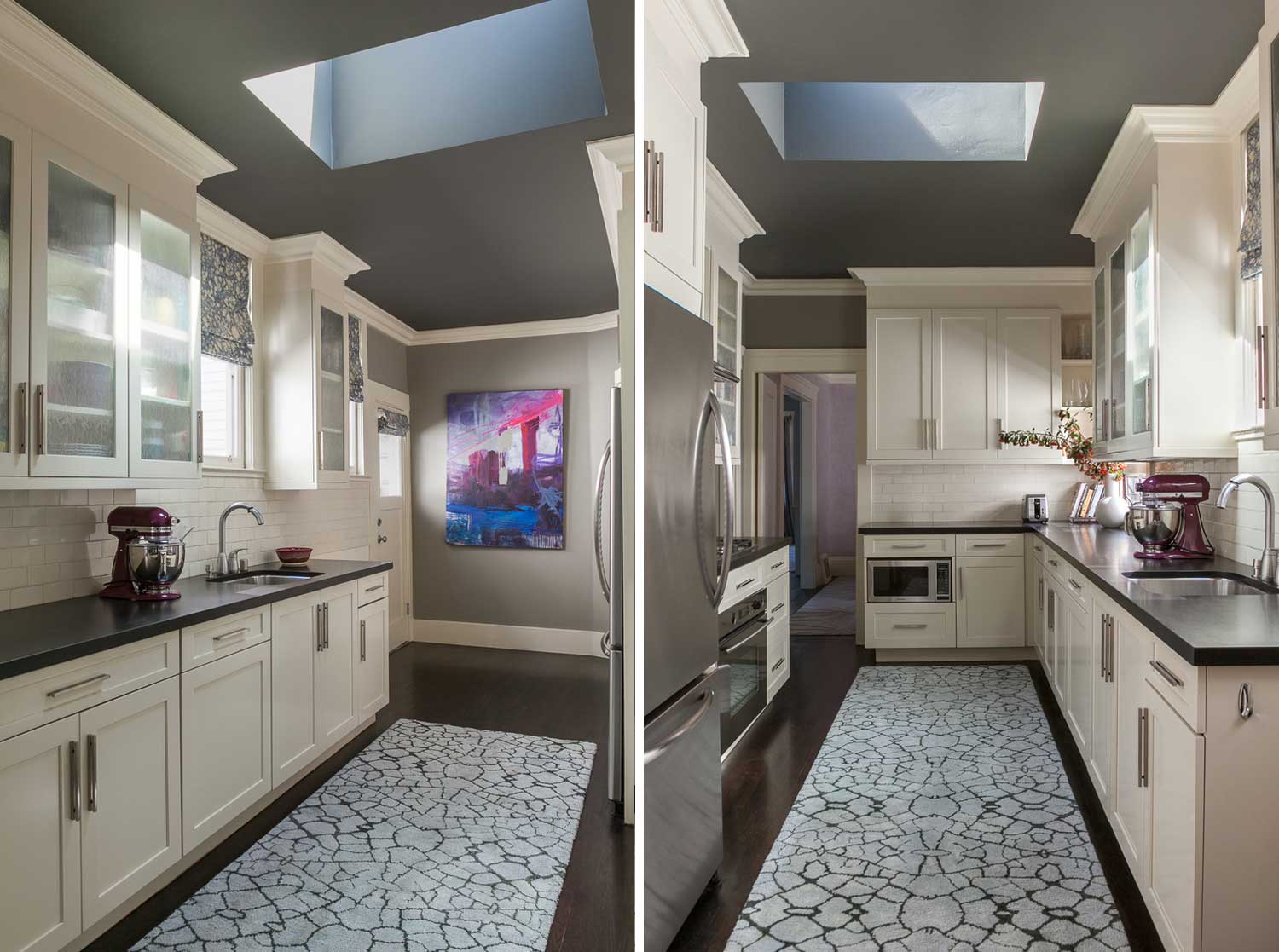
When considering renovations in Chesterfield, it’s key to prioritize projects that yield the highest returns. Kitchen and bathroom remodels often top the list, as these spaces significantly impact a home’s value. A minor kitchen remodel, for instance, can offer an ROI of nearly 98.5%, especially when modern appliances and high-quality materials are involved source. Similarly, upgrading outdated bathrooms with mid to upscale renovations yields impressive returns. Potential buyers tend to prioritize these areas, making them focal points for enhancements aimed at boosting property value.

Furthermore, considering HVAC electrification is vital, especially as energy efficiency becomes indispensable for today’s homebuyers. Replacing a traditional furnace with an electrified heat pump not only increases energy efficiency but also offers a remarkable ROI of 103%. This approach not only lessens utility costs but also positions your home as an attractive option for eco-conscious buyers. Roofing, plumbing, and electrical upgrades also play crucial roles in maintaining and increasing home value, making them worthy investments for those intending to sell or enhance their living environment.

Curb Appeal: The First Impression

First impressions count, and when it comes to real estate, curb appeal is indispensable. A well-maintained exterior not only adds immediate charm but can significantly increase the potential market value of a property. For homes in Chesterfield, projects like garage door replacements, with a 103% ROI, are both simple and effective source. Additionally, a fresh coat of paint or new siding can breathe life into your property, making it more enticing for prospective buyers.

Landscaping is another pivotal factor in enhancing curb appeal. A thoughtfully designed and maintained garden can increase a home’s overall value by up to 28%. Incorporating native plants and sustainable landscaping solutions not only boosts appeal but can also reduce water and maintenance costs, further increasing the desirability of your home. Remember, these exterior enhancements can be achieved with creative design and planning that amplifies your home’s unique attributes while ensuring it stands out in the competitive Chesterfield market.

Energy Efficiency Matters

Today’s homebuyers are acutely aware of energy efficiency, and rightly so. Upgrading your home’s energy efficiency is not only environmentally responsible but also economically wise. Enhancing insulation, replacing old windows with energy-efficient ones, and investing in modern appliances can significantly reduce energy consumption and attract eco-conscious buyers. These improvements not only lessen monthly utility bills but also enhance the overall comfort of your home.

It’s important to consider the long-term benefits of such upgrades. Not only do they appeal to potential buyers, but they also contribute to the longevity and sustainability of the home, potentially saving thousands of dollars over time. For instance, installing smart thermostats and energy-efficient lighting not only supports sustainability but also adds a modern touch that resonates with contemporary buyers. A focus on energy efficiency can effectively position your home as forward-thinking and desirable in the real estate market.

Smart Technology Upgrades

Incorporating smart technology into your home opens doors to enhancing not only its value but also its liveability. Home automation systems, smart thermostats, and advanced security features are increasingly in demand among Chesterfield homebuyers. These technologies provide convenience, security, and efficiency, which are valuable selling points. Buyers are inclined to pay a premium for homes equipped with these smart features.

Smart technology integration isn’t just a trend; it’s a shift towards the future of living. As consumers become more tech-savvy, they seek homes that accommodate their digital lifestyles. Thus, upgrading your home’s technology equates to both immediate value and future readiness. These updates not only offer peace of mind but enhance the overall appeal of your home, making it stand out in a competitive market crowded with traditional options.

Budgeting for Renovations

Embarking on renovation projects necessitates careful financial planning to ensure cost-effectiveness. Begin by establishing a clear budget and sticking to it. It’s also critical to prioritize projects based on potential ROI and personal need. Kitchen and bathroom remodels, essential maintenance, and energy upgrades should top your list to ensure maximum returns.

Unexpected costs can derail any renovation project, so it’s advisable to set aside a contingency fund to cover unforeseen expenses. Researching and selecting the right contractors can save money and time, and ensure high-quality work that adds value. To aid planning, use design software to visualize changes and anticipate potential challenges, providing a roadmap for a smoother renovation experience. These steps will not only streamline your project but also maximize your potential returns, ensuring that every dollar spent contributes to a significant improvement in your home’s value.

2 Hour Interior Design Virtual or In Person Consultation

Something for Everyone

THE PIECES RACHEL RETURNS TOAGAIN AND AGAIN
Rachel Blindauer: St. Louis Interior Designer

Rachel Blindauer: St. Louis Interior Designer

Rachel Blindauer, is a renowned interior designer now based out of St. Louis, Missouri with over 15 years of experience. Her extensive expertise in interior design and furniture design is evident in her work. With a strong background in interior design, her work extends beyond interior design to include residential furniture, seating, and lighting design, where she holds over 14 years of home goods design experience and has been widely published.

Needing to help care for her parents Rachel Blindauer has moved back to her hometown in Missouri, and her work extends to the greater St. Louis area, including Frontenac, Town and Country, Ladue, St. Albans, Clayton or Chesterfield, and as far as her forever repeat clients in Nantucket Massachusetts and Sarasota Florida. Her expertise and creativity shine through in every project, making her a sought-after interior designer.

Rachel’s design aesthetic and attention to detail are evident in every aspect of her work. Whether it’s designing a luxurious living room in Chesterfield, creating a cozy bedroom in Creve Coeur, revamping a kitchen in Kirkwood, adding elegance to a home in Wildwood, or bringing sophistication to a space in St. Charles, Rachel Blindauer is dedicated to creating personalized spaces that exceed expectations.

Clients in the greater St. Louis area trust Rachel Blindauer to bring their design visions to life. Her ability to seamlessly blend functionality, comfort, and style ensures that each project reflects the unique needs and preferences of her clients. From concept to completion, Rachel’s keen eye for quality and aesthetics brings a touch of elegance to every space she designs.

If you are seeking an interior designer in the Greater St. Louis Area or specifically in Chesterfield, Kirkwood, Ballwin, Ladue, Webster, Clayton, Lake Saint Louis, or Wildwood Missouri, Rachel Blindauer is the expert to turn to. Her expertise, experience, and commitment to excellence will transform your space into something truly extraordinary. Browse our website and portfolio to learn more and to start your journey towards creating your dream space.

2 Hour Interior Design Virtual or In Person Consultation

SOMETHING FOR EVERYONE

THE PIECES RACHEL RETURNS TOAGAIN AND AGAIN

Are Interior Designers Worth It? The Real ROI of a Well-Designed Home

Are Interior Designers Worth It? The Real ROI of a Well-Designed Home

Because a well-designed home doesn’t just feel better—it lives better, sells faster, and holds value longer.

Why Interior Design Is a Smart Investment

Interior design isn’t a luxury—it’s a strategy. For homeowners in the Greater St. Louis Area—including Chesterfield, Kirkwood, Ballwin, Ladue, Webster, Clayton, Lake Saint Louis, and Wildwood—hiring a professional interior designer offers real return on investment (ROI).

Yes, it makes your home more beautiful. But it also helps your space function better, sell smarter, and support the way you live every day.

1. Interior Design Increases Property Value

A home that feels cohesive, curated, and turnkey stands out in any real estate market. According to the National Association of Realtors, homes with thoughtful interiors designed by professionals can sell for up to 10% more than comparable spaces without.

Buyers don’t just see the finishes—they feel the design. And that emotional response often leads to stronger offers.

Rachel’s Tip: A neutral yet layered palette, sculptural lighting, and a balanced layout help buyers envision themselves in the space—and inspire them to pay more.

2. It Improves Flow and Functionality

Interior design goes far beyond finishes. It’s about solving spatial problems and making your home work better for your lifestyle. Smart layout tweaks, optimized storage, and intentional furniture placement can make a home feel larger—without adding square footage.

Rachel’s Tip: A room that flows well doesn’t call attention to itself. It just feels right.

3. It Prevents Costly Mistakes

Many people assume hiring a designer is a splurge. But a professional designer protects your budget by avoiding missteps—like oversized furniture, clashing colors, or regrettable impulse buys.

Interior designers know when to splurge, where to save, and how to source high-quality pieces that elevate your home’s value.

Rachel’s Tip: A few investment-worthy pieces will outlast five rounds of disposable decor—and add far more value.

4. It Can Help You Sell Faster

In real estate, timing is everything. Professionally designed homes not only sell for more, but often sell faster. Why? Because they capture attention and feel move-in ready. Design adds emotion; staging adds clarity. Together, they speed up the decision.

Rachel’s Tip: A home that feels like “the one” sells faster—and often for more.

5. The Emotional ROI Is Just as Important

Not all return is financial. A well-designed home supports your routines, uplifts your mood, and reflects your life with clarity. It gives back through calm mornings, easy evenings, and the sense that everything has its place.

Rachel’s Tip: A home that feels like you—organized, beautiful, and grounded—isn’t extra. It’s essential.

What to Expect When Working with an Interior Designer

Hiring an interior designer isn’t about giving up control. It’s a creative partnership—where your needs, goals, and preferences are translated into a cohesive, custom space.

You gain:

  • Budget clarity

  • Trade access to better products

  • Avoidance of costly mistakes

  • A home that reflects who you are and how you live

And if you’re based in the Greater St. Louis Area? You also benefit from local expertise—whether you’re refreshing a historic home in Webster or customizing a new build in Lake Saint Louis.

Good Design Pays Off—In More Ways Than One

Whether you’re preparing to sell or planning to stay, working with a professional interior designer is a decision that adds lasting value—to your home and your life.

Ready to transform your space?
Rachel Blindauer offers 2-hour consultations, full-service design, and virtual interior design services for clients across St. Louis and beyond. Let’s create a home that doesn’t just look better—but lives better.

Invest in Your Home’s Future with Interior Design

Rachel Blindauer understands that investing in interior design is an investment in your home’s future. Whether you’re aiming to sell your home in the St. Louis metro area or simply want to create a more functional, beautiful space for you and your family, professional interior design is an investment that pays off. From increased property value to a more enjoyable living experience, the ROI of interior design is undeniable.

Are you ready to transform your home and enjoy the benefits of a well-designed space? Contact us at Rachel Blindauer Interior Design today to start your project in Chesterfield, Kirkwood, Ballwin, Ladue, Webster, Clayton, Lake Saint Louis, or Wildwood. Let us help you make your dream home a reality!

2 Hour Interior Design Virtual or In Person Consultation

SOMETHING FOR EVERYONE

THE PIECES RACHEL RETURNS TOAGAIN AND AGAIN

How to Match Your Sofa Style to Your Home Décor: The Ultimate Guide

How to Match Your Sofa Style to Your Home Décor: The Ultimate Guide

When it comes to designing your home, the sofa is often the centerpiece of your living room. Its size, shape, and style can set the tone for the entire space. But how do you choose the perfect sofa to match the overall style of your home? Whether you’re decorating a cozy cottage, a sleek modern apartment, or a traditional family room, your sofa should blend seamlessly with your existing décor while also standing out as a statement piece.

This ultimate guide will help you identify your sofa style and discover where it fits best in your home. With these insights, you’ll be able to create a harmonious space that reflects your personality and taste. Photo from Gabby.

1. The Classic Chesterfield Sofa: Timeless Elegance

Style: Traditional, Luxurious
Ideal Space: Formal Living Rooms, Libraries, or Drawing Rooms

If you love the classic elegance of antique furniture, a Chesterfield sofa may be the perfect fit for your home. Known for its deep button-tufted upholstery and rolled arms, this sofa exudes sophistication and luxury. A Chesterfield works beautifully in traditional or vintage-inspired spaces, especially those featuring rich wood furniture, velvet drapes, or ornate detailing.

Where It Fits Best:

  • In a formal living room with dark wood tones, antique accessories, and vintage lighting.
  • In a library or study, paired with leather bookshelves and classic artwork to create a stately, intellectual atmosphere.
  • In a traditional home with a mix of old-world charm and contemporary comforts.

2. The Mid-Century Modern Sofa: Sleek and Stylish

Style: Modern, Retro
Ideal Space: Urban Apartments, Minimalist Living Rooms

The Mid-Century Modern sofa is characterized by clean lines, wooden legs, and simple yet functional design. It draws inspiration from the 1950s and 1960s, offering a timeless aesthetic that works well in spaces where minimalism meets retro flair. The low-profile silhouette and neutral or bold color palette make it ideal for contemporary urban settings.

Where It Fits Best:

  • In an open-plan living space, where its sleek design doesn’t overwhelm the room but still adds personality.
  • In minimalist homes with open, airy layouts and light, neutral colors.
  • In a modern apartment with mid-century furniture accents and statement pieces like geometric artwork or a vintage rug.

3. The Sectional Sofa: Versatile Comfort

Style: Casual, Family-Friendly
Ideal Space: Large Family Rooms, Media Rooms, Basements

The sectional sofa is the epitome of casual comfort. It offers ample seating and is perfect for larger spaces or families that like to gather and relax together. Available in a variety of configurations—L-shaped, U-shaped, or curved—a sectional allows you to maximize seating while maintaining an inviting atmosphere.

Where It Fits Best:

  • In a spacious family room, perfect for movie nights, cozy get-togethers, or relaxing after a long day.
  • In a media room or home theater, where the sofa can accommodate multiple people comfortably without sacrificing style.
  • In a basement or recreational area, where flexibility in seating arrangements is key.

4. The Sofa Bed: Practical and Stylish

Style: Transitional, Space-Saving
Ideal Space: Guest Rooms, Studio Apartments, Small Living Rooms

The sofa bed is an essential piece for those who need to make the most out of their space without compromising on comfort. With modern innovations, these versatile sofas can look just as stylish as a traditional one but also provide the extra benefit of an integrated bed for overnight guests.

Where It Fits Best:

  • In a guest room that doubles as a home office or reading nook—easily transforming from a functional sofa to a comfortable bed.
  • In studio apartments where space is limited and you need multifunctional furniture that works hard.
  • In a small living room or den where you need extra seating but still want a functional sleep option.

5. The Loveseat: Cozy and Intimate

Style: Compact, Romantic
Ideal Space: Small Apartments, Bedrooms, Cozy Corners

If you’re looking to add a touch of romance or create an intimate corner in your home, a loveseat is the perfect solution. With its smaller size, this sofa is perfect for spaces where a full-sized sofa would overwhelm. Loveseats are ideal for couples or individuals who want a cozy, personal seating arrangement.

Where It Fits Best:

  • In a small apartment, where space-saving is key but comfort is still important.
  • In a bedroom as a reading nook or extra seating area that adds charm without crowding the space.
  • In a cozy corner of your living room or sunroom, where you can relax with a book or enjoy a conversation.

6. The Sleeper Sofa: Modern Comfort for Overnight Guests

Style: Transitional, Multi-Functional
Ideal Space: Guest Rooms, Home Offices, Smaller Living Rooms

The sleeper sofa is similar to the sofa bed but tends to be a more elegant solution for small spaces. Modern sleeper sofas come in stylish designs, often indistinguishable from regular sofas, but they easily transform into a comfortable bed when needed. They’re perfect for unexpected guests or small spaces that require multi-functional furniture.

Where It Fits Best:

  • In a home office that occasionally doubles as a guest room. You get the best of both worlds: a comfy sofa by day and a bed by night.
  • In a guest room that’s short on space, allowing you to host visitors without needing a dedicated bedroom.
  • In a smaller living room where you want to maximize every inch while still having a sofa that serves multiple purposes.

7. The Modular Sofa: Flexible and Customizable

Style: Contemporary, Adaptable
Ideal Space: Modern Homes, Large Living Rooms, Open Spaces

A modular sofa offers flexibility in design. With separate pieces that can be arranged in various configurations, modular sofas are perfect for anyone who loves to change up their space. Whether you’re looking for a curved seating area or a long, linear arrangement, these sofas can fit any shape or space, making them highly customizable.

Where It Fits Best:

  • In a modern home with an open-plan design where flexibility and style are essential.
  • In large living rooms where you may need different seating arrangements for different occasions.
  • In loft-style apartments with unconventional layouts, where traditional sofas may not fit.

How to Find Your Perfect Sofa Style

Now that you’re familiar with the different types of sofas and the spaces they work best in, the next step is identifying which style resonates with you. To find the perfect match:

  1. Evaluate Your Space: Look at your room size, layout, and existing furniture. A large sectional may overwhelm a small space, while a compact loveseat can add intimacy to a spacious room.
  2. Consider Your Lifestyle: Do you entertain often? Is comfort your top priority? Do you need extra seating for family movie nights? Choose a sofa that accommodates your lifestyle.
  3. Think About Color and Material: Sofas come in a variety of materials (linen, leather, velvet, etc.) and colors. Consider what complements your room’s color scheme and aesthetic.

Final Thoughts

Choosing the right sofa is more than just picking something that looks good; it’s about selecting a piece that fits the functional and stylistic needs of your space. Whether you prefer the classic charm of a Chesterfield, the clean lines of a Mid-Century Modern design, or the cozy versatility of a sectional, your sofa should reflect both your personality and the atmosphere you want to create.

2 Hour Interior Design Virtual or In Person Consultation

Elevated Living Starts At Our Shop

THE PIECES RACHEL RETURNS TOAGAIN AND AGAIN

How to Design a High-End Walk-In Closet: 7 Luxury Tips from Rachel Blindauer

How to Design a High-End Walk-In Closet: 7 Luxury Tips from Rachel Blindauer

“A high-end walk-in closet doesn’t just store clothes. It dresses your mind for the day ahead.”
— Rachel Blindauer

The most luxurious closets aren’t always the biggest. They’re the ones that anticipate your needs, reflect your lifestyle, and feel as intentional as any other room in the home. In my design practice, I approach walk-in closets the way I approach kitchens or living rooms: with equal parts function, form, and emotion. Below are a few of my go-to design strategies to elevate a closet from utilitarian to quietly exquisite.

Flattering, Layered Lighting—With a Hint of Drama

The trick: Mix warm recessed LED lighting with softly diffused sconces or a small statement pendant. And always—always—backlight the hanging rods or install ribbon lighting within each shelf.

Why it works: Harsh lighting flattens textures and colors, while layered, warm lighting makes everything feel more tailored and inviting. It also lets clients actually see their clothing as it will appear in natural daylight.

Linked inspiration: Discover more designer-approved lighting tips to elevate your everyday.

“Good lighting doesn’t just illuminate a space—it elevates your self-perception.”

Matching Velvet or Linen-Covered Hangers

The trick: Ditch the rainbow of plastic and mismatched hangers for slim, uniform ones in velvet or linen-wrapped wood. I recommend choosing a neutral color that mimics the closet’s palette.

Why it works: This single switch instantly creates visual cohesion and a sense of calm. It’s like replacing folding chairs with built-ins—it refines the entire room without changing the structure.

Glass-Front Drawers or Cabinets for Accessories

The trick: Incorporate shallow, velvet-lined drawers with glass tops for jewelry, watches, or sunglasses. For larger spaces, I’ll build out museum-style accessory towers or handbag displays with glass doors and subtle lighting.

Why it works: These features bring a sense of reverence to the everyday. Seeing your favorite things beautifully displayed encourages more intentional use—and feels personal, not performative.

Integrated Seating or a Vanity Moment

The trick: Add a plush ottoman or a slim built-in bench with hidden storage. In larger closets, I often float a freestanding vanity stool (that has storage in it) or table with an inset mirror and artful stool.

Why it works: Seating slows the rhythm of the space. It invites you to sit down to put on the shoes, listen to music as you get ready and makes the act of dressing feel like a ritual instead of a task. It also signals that the closet is not just storage—it’s a private sanctuary.

Floor-to-Ceiling Millwork and Molding Details

The trick: Extend cabinetry all the way up and finish it with molding that mirrors the architectural language of the home. Even in small spaces, I’ll use millwork or wall paneling to elevate the closet’s visual weight.

Why it works: Custom finishes bring intention and gravitas. They suggest permanence and purpose, not retrofit or overflow.

A Signature Scent or Diffuser

The trick: Keep a beautiful diffuser tucked into a drawer or open shelf. My personal favorites include sandalwood-cedar blends or light amber fragrances. But you could just use your signature perfume.

Why it works: Scent is a detail clients rarely expect—but always remember. It quietly enhances the luxury experience and reinforces the sense that this is a private, well-considered retreat.

Art & Objects That Start the Day Off Right

The trick: Incorporate one or two small framed photos of your loved ones, a sculptural object, or something emotional that will get your day started off right. It should remind you of your “why.” In one project, I even framed a handwritten note.

Why it works: This turns a closet into a getting-ready ritual that helps you become your best self.

“A high-end closet isn’t about labels. It’s about how well it understands the life unfolding inside it.”

Thinking About a Custom Closet?

If you’re building or renovating a home and want clarity around your storage strategy, layout, or lighting design, consider booking a 2-Hour Design Consultation. It’s one of the highest-impact steps you can take to align your space with your lifestyle. Feel free  to also Download our Free Whole Home Organization Planner below.

For those looking to complement their dream closet with designer decor, storage, or scent, visit shop.rachelblindauer.com for a refined selection of home essentials that elevate the everyday.

About the Author: Rachel Blindauer is an award-winning interior and product designer known for crafting spaces that feel as good as they look. With over 15 years of experience, her work blends elevated form with practical insight—serving private clients and boutique properties from Nantucket to Sarasota. Her thoughtful approach to design honors both aesthetic beauty and emotional resonance, helping families live with more clarity, comfort, and joy.

2 Hour Interior Design Virtual or In Person Consultation

SOMETHING FOR EVERYONE

THE PIECES RACHEL RETURNS TOAGAIN AND AGAIN

How Long Does It Take to Complete a Designer Interior Project?

How Long Does It Take to Complete a Designer Interior Project?

Embarking on a designer interior project is an exciting journey for any homeowner. However, one of the most common questions is how long such a project typically takes. Understanding the timeline can help set realistic expectations and ensure a smooth process.

Understanding the Initial Consultation Phase

The first step in a designer interior project is the initial consultation. This phase typically involves meeting with your chosen interior designer to discuss your ideas, budget, and expectations. Depending on availability, this stage may take a week or two.

During these initial meetings, you and your designer will explore the vision for your space. It’s a time to align on the project’s scope and goals, ensuring both parties are on the same page. This phase is crucial in creating a solid foundation for the rest of the project.

In some cases, clients may have very clear ideas, while others may rely more heavily on the designer’s expertise to shape the vision. Regardless, your designer should take the time to understand your preferences, functional needs, and any specific requests you may have.

Design and Planning: The Heart of the Project

Once the consultation is complete, the design and planning phase begins. This involves creating mood boards, selecting materials, and drafting detailed design plans. This phase can take anywhere from 2 to 6 weeks, depending on the complexity of the project.

At this stage, designers often create several concept designs to present to clients, ensuring that every detail aligns with their vision. The process can be iterative, requiring adjustments and refinements before reaching the final design.

An essential part of this phase is deciding on a color palette. The choice of colors will set the tone for the entire space, impacting its mood and functionality.

Effective communication between the designer and client is key. Regular updates and discussions help to accommodate any changing preferences or new ideas that may arise. The collaborative nature of this phase ensures that the end product is both beautiful and practical.


Securing Permits and Ordering Materials

Before any physical work begins, necessary permits must be obtained, and materials need to be ordered. The time required for permits varies by location, but it could take several weeks. Ordering materials can also range from a few days to a few weeks, depending on the availability.

The availability of materials can often dictate the pace of the project. Items such as custom furniture or unique fixtures may have longer lead times. Therefore, early ordering becomes crucial to prevent any project delays.

Designers work closely with vendors and suppliers to streamline the procurement process. At Rachel Blindauer Interior Design, robust networks with suppliers help mitigate risks associated with delayed materials.

Securing permits can sometimes pose challenges if structural changes are involved. Rachel Blindauer typically works directly with a local architect and ensures that everything proceeds according to plan.

The Construction and Implementation Phase

The hands-on part of the project is construction and implementation. This is where the design comes to life. Depending on the project’s scope, this phase can last from several weeks to several months.

This phase involves detailed coordination among contractors, and designers. A clear timeline and regular site visits are crucial to ensure that everything proceeds as planned. Any unforeseen issues, like delayed deliveries or construction challenges, can extend timelines.

Complex projects that include custom-built elements or significant structural modifications may naturally require a longer timeframe. However, thorough planning and efficient project management can minimize potential delays, making the completion process smoother and more predictable.

For large-scale projects or renovations, patience is key. Each detail, from paint colors to light fixtures, contributes to the overall vision. Designers aim to oversee the process closely, ensuring that the implementation matches the agreed-upon design.

Final Touches and Project Handover

After construction is completed, the final touches are applied. This includes adding furniture, decor, and other elements that were part of the design plan. Usually, this stage takes a couple of weeks. Once everything is perfect, the project is handed over to the homeowner.

These final stages are where the personality of the space really shines through. Decor elements, such as art pieces, rugs, and decorative lighting, are implemented to add depth and warmth.

Your designer will often provide an opportunity for a walk-through, ensuring all aspects have been executed perfectly. Any minor deficiencies are addressed before concluding the project, ensuring the client’s satisfaction.

This culmination of hard work results in a space tailored to the homeowner’s preferences and needs. The transformation is usually accompanied by a sense of fulfillment and excitement, marking the transition from project to living space ready to be enjoyed.

House Warming Party!

The timeline for completing a designer interior project can vary based on several factors, including planning, design, complexity, and project management but after the accessories layer and photoshoot we typically have a house warming party. By understanding these aspects, you’ll be better prepared to manage your time and expectations, ensuring a successful outcome.

2 Hour Interior Design Virtual or In Person Consultation

SOMETHING FOR EVERYONE

THE PIECES RACHEL RETURNS TOAGAIN AND AGAIN