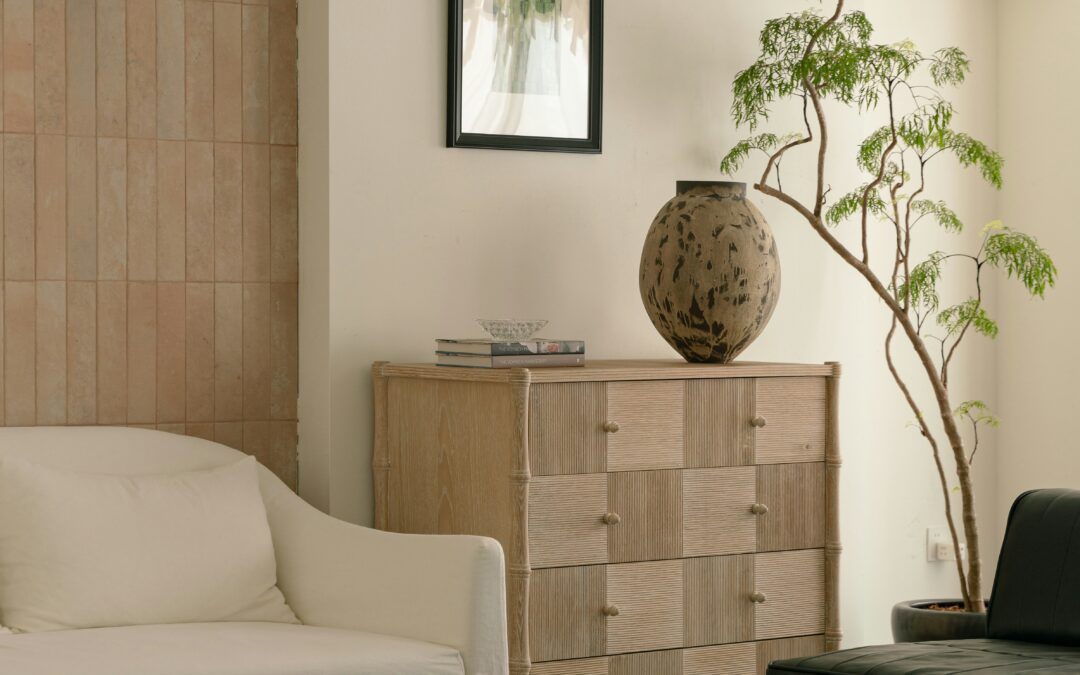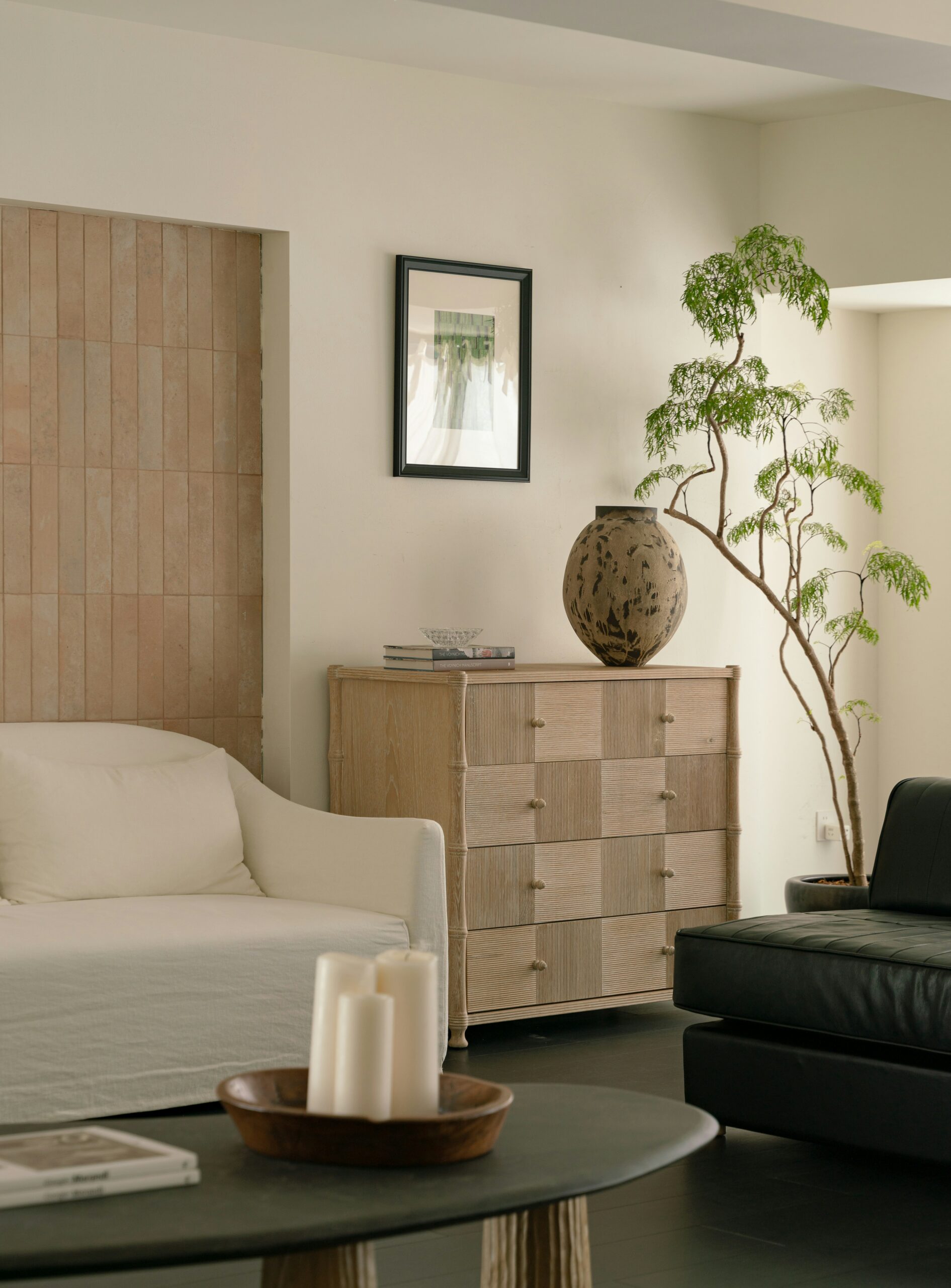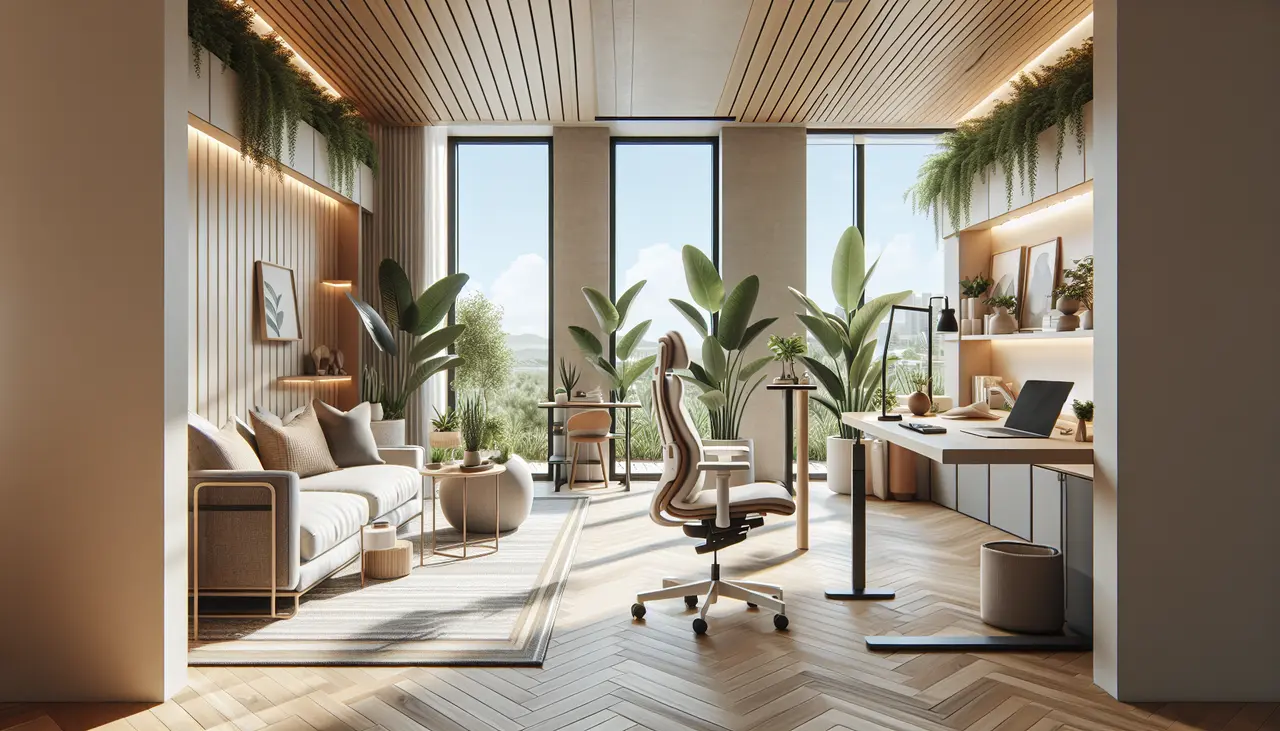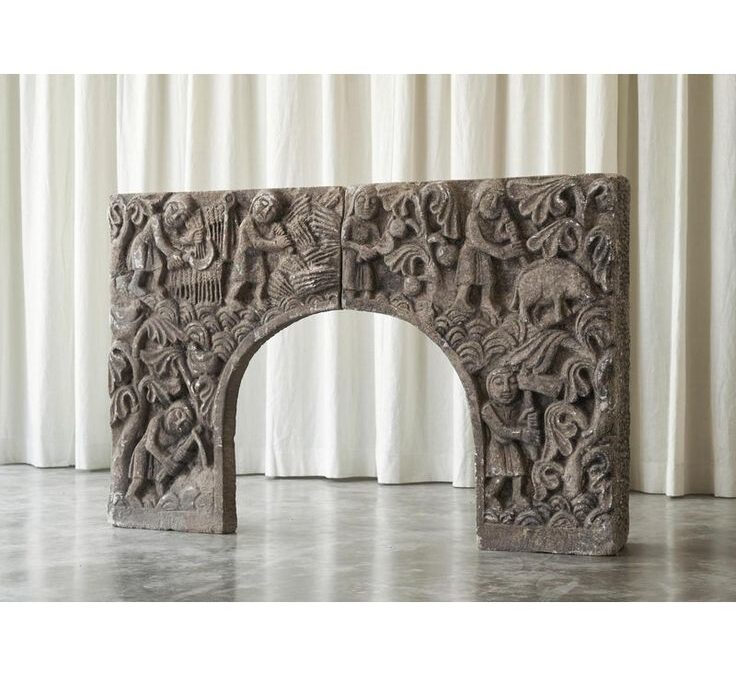
Summer Colors: The Ultimate Palette to Wear and Decorate With

Summer Colors: The Ultimate Palette to Wear and Decorate With

There’s a certain softness in summer that resists definition—something between sea glass and silk, between quiet mornings and golden hours. In both fashion and interiors, we call this ephemeral feeling the summer palette.

But summer colors aren’t just pretty—they’re powerful. They influence mood, perception, even how we remember a space or moment not just on runways and Pinterest boards, but in homes that crave calm and wardrobes that whisper sophistication.

This is your complete guide to summer colors—what they are, how to wear them, and how to live in them.

What Are Summer Colors?

In color theory, summer tones fall into a family of soft, muted, and cool hues with blue undertones. Think: the sky before a storm, petals after rain, chalky seafoam.

Here’s a classic Summer Color Palette to know in 2025:

  • Dusty Blue – calming, timeless, serene
  • Mauve – romantic but grounded
  • Pale Sage – barely green, endlessly elegant
  • Soft White – not quite cream, not quite ivory
  • Blush Rose – tender, quiet warmth
  • Lilac Grey – a neutral with personality
  • Pale Lemon – the softest yellow, barely-there brightness

These aren’t the bold brights of high summer—they’re the colors of reflection, breath, and subtle radiance.

The Psychology of Summer Tones

Summer colors create emotional spaciousness.

In interiors, they open up rooms without feeling cold. In fashion, they flatter without overpowering. Research in environmental psychology suggests that these cooler, dusted hues help regulate the nervous system—promoting focus, calm, and a gentle sense of presence.

It’s no accident that luxury hotels and Mediterranean interiors are bathed in these tones.

They don’t demand attention. They invite it.

How to Use Summer Colors in Your Home

These colors aren’t seasonal—they’re timelessly season-inspired. Here’s how I use them in design:

1. Paint It Soft

  • For walls, trim, or cabinetry:
    • Farrow & Ball’s Skylight,
    • Benjamin Moore’s Moonshine, or
    • Little Greene’s French Grey Pale
      deliver that chalky softness summer tones are known for.

[See my full list of the best summer paint colors →]

2. Layer Texture, Not Color

Pair pale sage upholstery with linen, matte ceramics, and raffia. Summer tones thrive when they feel dimensional—natural textures over loud contrast.

3. Let the Light Work

These colors change dramatically in daylight—use them in rooms with natural exposure and let the lighting do the layering.

Summer Colors at a Glance

Color Interior Use Styling Tip
Dusty Blue Bedroom walls, linens Layer with ivory and natural wood finishes
Mauve Dining room walls, florals Pair with brass, navy, or slate
Pale Sage Cabinetry, soft seating Beautiful with matte black or cane textures
Soft White All-over wall color Elevate with mixed neutrals and texture
Blush Rose Accent pillows, art Works well with creamy whites and gold
Pale Lemon Powder rooms, trim Adds glow without overwhelming


How to Wear Summer Colors

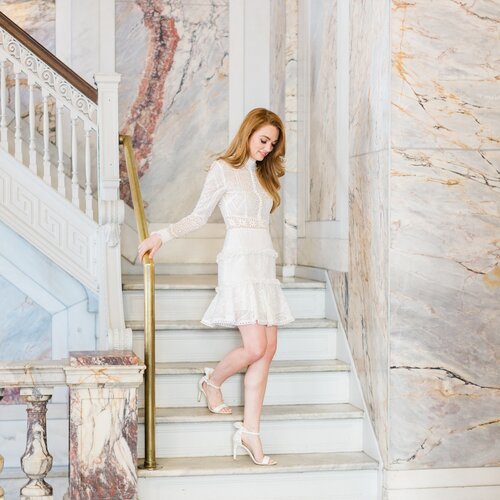
Summer tones flatter most when worn like watercolors—layered, flowing, and soft at the edges.

Pant Sets + Dresses

  • Linen pant sets in dusty rose or sage feel intentional but relaxed.
  • A lilac-grey dress paired with gold accessories has just enough contrast for evening.

Accessories

  • Pearlescent clutches, raffia textures, matte gold accents—small touches that echo the larger palette.
SummerColorFashion
Summer Color Fashion Mint Purple
Summer Color Fashion Yellow

Summer Color Palettes by Region

Light behaves differently in different parts of the country—and summer palettes shift accordingly.

  • In Sarasota: Warm light makes pale cool tones feel grounded. Try ivory, pale green, and faded denim.
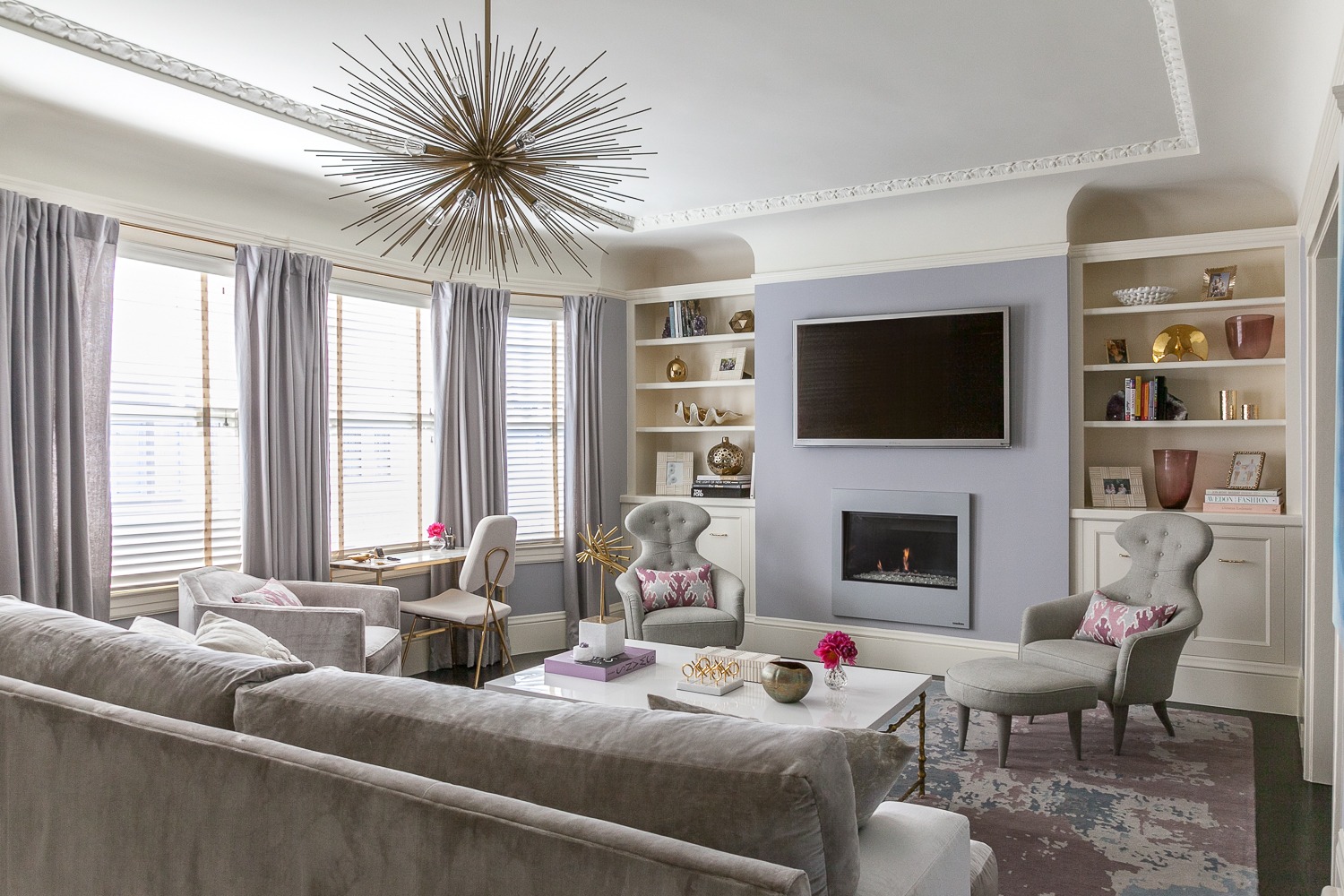
  • In San Francisco: Fog-soft light loves greys and mauve-pink pairings.
  • In Nantucket: Slate blue, driftwood grey, and shell white—nature’s summer palette.

[Browse the Best Summer Paint Colors for Sarasota, San Francisco & Nantucket]

FAQ: Summer Colors & Interior Design

What are summer colors in interior design?
They’re soft, cool-toned hues like dusty blue, sage, mauve, and chalky white that evoke calm and elegance.

How can I use summer colors at home?
Use them in walls, textiles, and layered materials. They pair well with organic textures and sculptural forms.

Are summer colors warm or cool?
They’re cool or neutral, often with blue or grey undertones. They’re meant to soothe, not stimulate.

What’s the best summer color for paint?
It depends on your lighting. Try a test swatch of soft white or sage near your windows and watch it shift throughout the day.

I still remember a client project in San Francisco where we painted a room in Little Greene’s French Grey Pale. In morning light, it felt soft and grounded. By afternoon, it shifted toward lavender mist. That’s the beauty of summer colors—they’re alive. They change with the day. And they change us, too.

A Final Word from Rachel

Color is more than a choice—it’s a memory. Summer colors linger in the background of our most peaceful days. They’re the hue of ease, of sunlight filtered through linen, of lives lived with intention.

I design with them not just because they’re beautiful, but because they’re quietly transformative.

If you want your home to reflect the calm clarity of summer—any time of year—I’d love to help you design it through our design services or our curated shop.

2 Hour Interior Design Virtual or In Person Consultation

SOMETHING FOR EVERYONE

THE PIECES RACHEL RETURNS TO, AGAIN AND AGAIN
Things That Are Typically Forgotten When Doing a New Build

Things That Are Typically Forgotten When Doing a New Build

Building a new home is an exciting process, filled with endless possibilities. However, amidst the excitement, it’s common for some important aspects to be overlooked. Here we will list out commonly forgotten elements when undertaking a new build. From universal design to seamless vents and hidden trashcan cabinets, we’ll cover a range of essential features that will enhance the functionality and convenience of your new home.

Universal Design: Curbless Showers, Lever Door Handles, Main Level Living, Handrails, No Step Entrance

Create a home that works better for the 1 to 100 year olds with universal design by incorporating a no step entrance, main level living, wide exterior and interior doorways, wide hallways, curbless showers, lever door handles, and bathroom handrails. Curbless showers eliminate the need for stepping over a threshold, making shower access easier for everyone. Lever door handles are easier to use and allow for effortless opening and closing. It’s better to have a home that grows with you and all your family members from the start.

Modern Seamless Vents

One often overlooked element in new builds is the choice of vents. Traditional vents can be unsightly and disrupt the overall aesthetics of a home. However, modern seamless vents from Envisivent provide a sleek and contemporary look. These vents blend seamlessly with the surrounding walls and ceilings, creating a cohesive and visually appealing design. To learn more about modern seamless vents and their benefits, visit [Envisivent](https://www.envisivent.com/).

Trimless Doors for Modern & Stucco Architecture

Another element that is typically forgotten when building a new home is the trim around doors. Traditional door trim can create a dated look and disrupt the modern aesthetics of a house. Instead, consider opting for trimless doors with rounded edges. This design choice creates a seamless and clean look that is perfect for a modern home. By utilizing gypsum and rounding the edges, you can achieve a sleek and contemporary feel throughout your house.

Laundry Room Attached to Master Closet

Having a laundry room adjacent to the master closet is a convenience that is often overlooked during the planning stages of a new build. By placing the laundry room in close proximity to the master closet, you can streamline your daily routines and enhance efficiency. This setup allows for easy access to clean clothes and ensures that dirty laundry is conveniently stored away, keeping your living spaces clutter-free.

Outlet Placement and Switch for Christmas Decor

During the holiday season, many homeowners overlook the importance of strategically placed floor outlets for their Christmas trees and on the roofline for Christmas lights and an interior light switch to turn them on. Having an outlet on the floor means no more extension cords running across the room or visible outlets disrupting the overall aesthetics. With some planning, you can enjoy a visually appealing and hassle-free holiday display.

Block Walls for Fixtures and Storage

When it comes to fixtures and storage in your new home, don’t forget the benefits of block walls. Utilizing block walls for toilet fixtures, cabinets, towel racks, and other elements provides enhanced stability and durability. Block walls are more resistant to wear and tear compared to other materials, ensuring that your fixtures and storage areas remain in top condition for years to come.

Outlets on Either Side of the Bed and Electric Run to Bedside Sconces

Convenience is key when it comes to bedroom design. One aspect that is often forgotten is the placement of outlets on either side of the bed. By having outlets on both sides, you can easily charge your devices and have easy access to power for bedside lamps, alarm clocks, and other essentials. Additionally, running electric to bedside sconces enhances the functionality and aesthetics of your bedroom, creating a cozy and well-lit space.

Hideaway Outlets in Kitchen Islands

In modern kitchen designs, countertop space is highly valued. To maximize the functionality of your kitchen island, consider incorporating hideaway outlets with USB/lightning outlets. These hidden outlets provide convenient charging options for your devices without cluttering the countertop. By keeping the outlets hidden, you can maintain a clean and visually appealing kitchen space.

Outlets and Light Integration Under All Upper Cabinets

When it comes to workspaces in the kitchen, having outlets and integrated lighting under all upper cabinets is essential. By installing outlets under the cabinets, you can easily plug in kitchen appliances and avoid unsightly cords hanging down from the countertop. Integrated lighting ensures proper visibility while preparing meals, creating a functional and well-lit workspace.

Outlets in Closets and Pantries

Strategically placing outlets in closets and pantries is another often overlooked element in new builds. These outlets provide convenient charging options for rechargeable items such as cordless vacuums, handheld devices, and coffee makers. By having outlets in these areas, you can keep your closets and pantries organized and functional, catering to your daily needs.

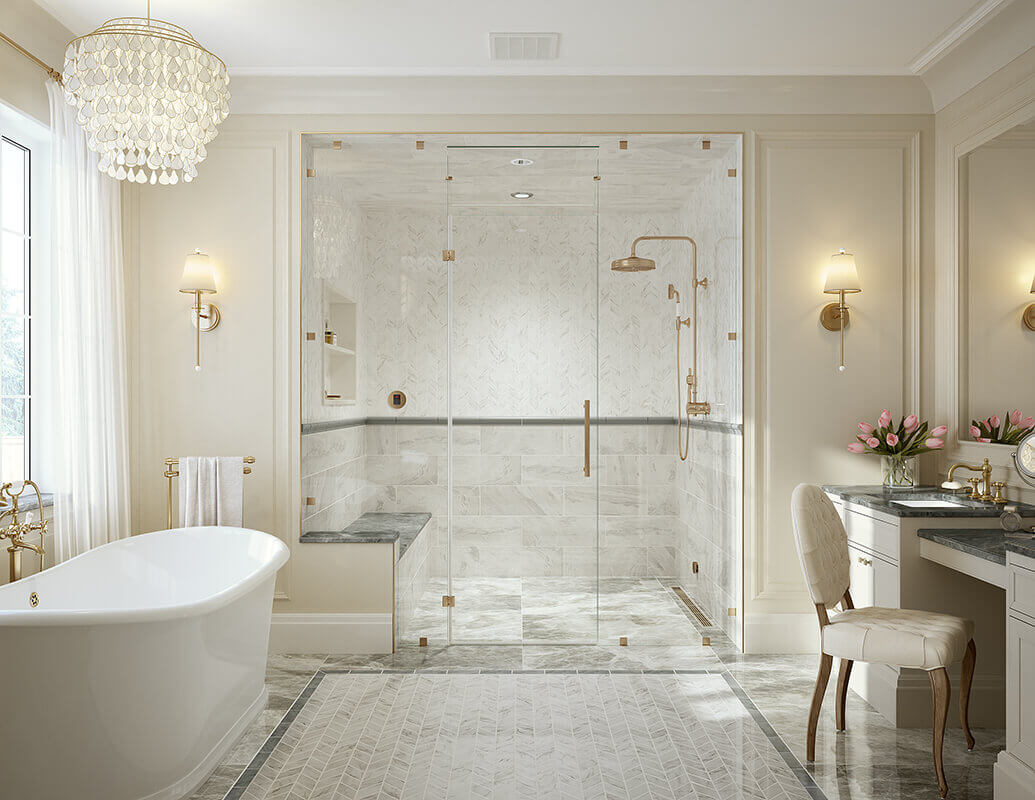
Ensure Electric is Run to Steam Shower, Infrared Saunas, Cold Plunges, and Bidet Locations

For wellness amenities, it is crucial to ensure that electric is run to steam showers, infrared saunas, and the bidet in your new build. Make sure everything is on the cads and locations are communicated to the electrician during the construction process. Also consider if you want a cold plunge…

Other Considerations

When building a new home, there are several other things that are often forgotten or overlooked. Some additional elements to consider include ensuring your plumber knows the height of your baseboards to avoid notches, whole house water filtration, insta hot, incorporating a hidden trashcan cabinet for a clean and organized kitchen, and considering an intercom system and laundry shoot for families with homes that have multiple floors. Additionally, electric pool covers are a great feature to consider for ease of use and maintenance.

Building a new home is an exciting journey, and by paying attention to these typically forgotten elements, you can ensure that your new build is both beautiful and functional. Don’t let the excitement overshadow these crucial details. Take the time to consider these features and incorporate them into your new home for a truly enhanced living experience.

2 Hour Interior Design Virtual or In Person Consultation

Something for Everyone

THE PIECES RACHEL RETURNS TOAGAIN AND AGAIN

Winter Color Palette Ideas: Best Paint Colors, Moodboards, and Design Tips

Winter Color Palette Ideas: Best Paint Colors, Moodboards, and Design Tips

There’s something about winter that sharpens the eye. The light is clearer, the shadows longer. In color theory, Winter types echo this intensity—cool, bold, and high contrast. While Summer leans soft and Spring leans bright, Winter is where elegance meets edge. It’s not for the undecided.

But that doesn’t mean stark. Done right, winter interiors can feel deeply luxurious—grounded by contrast, elevated by restraint, and quietly unforgettable.

As a designer who’s worked everywhere from minimal penthouses to snow-covered retreats, I’ve learned that winter palettes aren’t about cold—they’re about clarity.

Unlocking Your Seasonal Palatte for Style & Space

What Is the Winter Color Palette?

The winter palette includes cool, high-contrast tones with depth and structure. Think pure white, blackened navy, rich burgundy, emerald, charcoal, icy gray, and true black. It’s the most dramatic of the seasonal palettes and the most architectural.

These are the colors of sharp tailoring, gallery walls, vintage mirrors, and velvet chairs. They bring a room into focus.

Core Winter Colors:

  • True White

  • Inky Navy

  • Charcoal Gray

  • Black

  • Emerald

  • Burgundy

  • Cool Taupe

  • Blue-Black

“Winter colors don’t whisper. They articulate.”

Winter Colors

Why Winter Colors Work in Interior Design

Winter color palettes create instant refinement in interior design. They command space without overwhelming it, making them ideal for:

  • Open-concept living spaces with modern lines

  • City apartments with little natural light

  • Entryways and powder rooms that need impact

  • Kitchens with clean finishes and statement hardware

In one St. Louis townhouse, we used Benjamin Moore’s Hale Navy in a library paired with antique brass picture lights and white oak built-ins. The palette didn’t feel dark—it felt deliberate. Controlled. Elevated.

Best Paint Colors for a Winter Color Palette

These shades have been tested across varied lighting—from snowy northern exposures to shaded urban lofts.

For Northern Light (St. Louis, MO)

  • Benjamin Moore Hale Navy – a balanced deep blue with complexity

  • Sherwin-Williams Tricorn Black – crisp, bold, pure black

  • Farrow & Ball All White – warm-balanced but still clean

For Cloudy Days (San Francisco, CA)

  • Little Greene Vulcan – an architectural charcoal

  • Benjamin Moore Chantilly Lace – sharp gallery white

  • C2 Paint Stout – a deep espresso-black with warmth

For Sun-Drenched Rooms (Sarasota, FL)

  • Sherwin-Williams Iron Ore – sophisticated, soft black

  • Farrow & Ball Wine Dark – a blue-black that shifts in light

  • Portola Paints Ash – cool, grounded, textural

Pair these with metals like polished nickel or antique brass, and balance with textured neutrals (bouclé, nubby linen, matte stone).

Layering: Winter’s Secret Weapon

To keep winter palettes from feeling cold:

  • Add depth through contrasting sheens (matte walls, satin upholstery)

  • Bring in texture: velvet, wool, smoked glass

  • Use strong silhouettes (think curved sofas, sculptural pendants)

These spaces are successful not because they are loud, but because they are intentional.

Winter Moodboard Pairings

St. Louis Winter
Paint: Hale Navy + Chantilly Lace
Materials: Cerused oak, aged leather
Anchor: Oversized landscape in black and white

San Francisco Winter
Paint: Vulcan + Chantilly Lace
Materials: Polished concrete, graphite linen
Anchor: Modular sectional in icy gray

Sarasota Winter
Paint: Iron Ore + Ash
Materials: Bouclé, brass, travertine
Anchor: Sculptural lighting in matte black

How to Know If You’re a Winter

Are You a Winter?

  • You prefer bold neutrals over pastels

  • You wear crisp white better than cream

  • You gravitate toward clean lines and high contrast

  • You want rooms that feel intentional, not ornamental

Winter Colors

Wear It, Live It

The same palette that flatters your skin tone can bring cohesion to your space. If you look best in black, white, emerald, and navy—your interiors should reflect that.

Pair your home’s palette with wardrobe neutrals that echo it: dark denim, tailored black trousers, crisp shirting, and statement coats.

Download the Seasonal Color Palette Guide or book a 2-Hour Design Consultation to translate your tone into your space.

FAQ: Winter Color Palette in Interiors

What are winter color palette tones?
Cool, high-contrast colors like navy, black, burgundy, emerald, and icy white.

Where do winter palettes work best?
Urban homes, modern renovations, powder rooms, and anywhere drama meets refinement.

Do winter colors make a room feel smaller?
Not if balanced correctly with texture, light, and layout. Depth can feel expansive.

Can I use black walls in small spaces?
Yes—just add sculptural lighting, contrasting art, and soft texture.

What undertones should I avoid as a Winter?
Warm yellows and muted earth tones. Stick with crisp, blue-based shades.

Ready to Design with Intention?

Book a 2-Hour Design Consultation and let’s craft a palette that reflects clarity, contrast, and modern elegance.

About Rachel Blindauer
Rachel Blindauer is an award-winning interior and product designer known for creating spaces that feel as good as they look. Her work spans from boutique hotels to coastal homes, always grounded in clarity, texture, and timeless detail.

2 Hour Interior Design Virtual or In Person Consultation

SOMETHING FOR EVERYONE

THE PIECES RACHEL RETURNS TO, AGAIN AND AGAIN

Kitchen Renovation Mistakes to Avoid: A Designer’s Guide to a Stress-Free Remodel

Kitchen Renovation Mistakes to Avoid: A Designer’s Guide to a Stress-Free Remodel

There’s something mythic about a well-designed kitchen. It’s not just the heart of the home—it’s where life unfolds: morning rituals, weeknight meals, and late-night confessions. So when it comes time to renovate, the stakes are high. Mistakes here aren’t small. They’re expensive, disruptive, and long-lasting.

I’ve walked hundreds of clients through kitchen remodels, and I can tell you with certainty: a successful renovation is all about thoughtful sequencing, function-forward decisions, and avoiding common pitfalls. Below are the key kitchen renovation mistakes to avoid, plus what to do instead to ensure your kitchen isn’t just beautiful, but brilliantly livable.

Gold Finish Cabinets

Choosing Finishes in the Wrong Order

Start with appliances → then cabinetrycountertopsbacksplash → and finally paint. Why? Appliances set the layout and dimensions. Cabinetry is then designed around them. Countertops and backsplash flow from those choices, and paint ties it all together. This order ensures harmony and avoids costly re-dos.

Explore my Ultimate Kitchen Planning Checklist for a printable guide to your renovation sequence.

Ignoring Layered Lighting

Lighting makes or breaks a kitchen’s atmosphere and usability. A layered plan includes:

  • Ambient lighting (overhead or recessed)
  • Task lighting (under-cabinet, pendant lights)
  • Accent lighting (toe-kick lights, uplights)

Proper lighting adds drama, improves function, and prevents fatigue. For a full breakdown, visit my Ultimate Lighting Guide.

Underestimating Storage Needs

Avoid visual clutter and maximize flow by designing with zoned storage: prep, bake, clean, serve, snack. Consider vertical pull-outs, drawer inserts, and cabinet risers.

Pro tip: A dedicated coffee bar or appliance garage adds luxury and eliminates countertop mess.

Overlooking Electrical and Outlets

Kitchens today rely on smart devices, high-powered appliances, and hidden outlets for seamless surfaces. Plan for:

  • In-island outlets
  • Charging drawers
  • Appliance-specific circuits

Fixing this post-renovation is costly and disruptive. Bring in an electrician early.

can you improve the attached change the image into a horizontal photo that is a jpg? Focus should be the cabinet finish only and improve the accessories. Remove red

Forgetting Ventilation

Good design includes what you don’t see. Invest in a quality, ducted range hood. Recirculating fans don’t cut it—they trap odors and grease. Proper ventilation also extends cabinetry life and keeps your space fresher, longer.

Disregarding Workflow

The famed “work triangle” (sink, stove, fridge) still matters. But modern workflow also includes:

  • Garbage location during prep

  • Beverage stations away from the cook zone

  • Dish zone logic (think: dishwasher next to sink and storage)

Read my guide on How to Renovate a Home for Less to maximize layout without overspending.

Making Last-Minute Changes

Design indecision is costly. Swapping tile or moving appliances mid-reno can delay projects and require reordering materials. Design with intention upfront, then trust your plan.

Choosing High-Maintenance Materials

Skip:

  • High-gloss cabinets (show every fingerprint)

  • Real marble countertops (stain and etch easily)

  • Soft woods or unsealed flooring (warp with moisture)

Choose instead:

  • Matte or satin cabinets

  • Durable quartz with marble veining

  • Engineered wood or large-format porcelain tile

Using the Wrong Paint Finishes

Flat paint near sinks or stoves? A recipe for grime. Opt for satin or semi-gloss on walls and trim for wipeable, water-resistant surfaces.

Installing Cabinets Before Floors

Always install floors first. It ensures a seamless visual flow and simplifies future remodels. Cabinet installation on top of flooring also improves structural integrity.

SophisticatedKitchenDetail

Designing for Instagram Instead of Real Life

Trends fade. Your kitchen should serve you for years. Add trend-forward elements (like colorful hardware or statement lighting) in ways that are easy to change later.

Final Tip: Don’t Skip the Planning Phase

Give yourself at least 6 weeks of design and sourcing time before demo day. Use mood boards, tap into design experts, and align with your contractor early.

Want to work with me? Book a 2-hour renovation consultation to get clarity, sources, and next steps before committing to costly mistakes.

A well-designed kitchen isn’t just about beauty. It’s about living well—and smart planning. By avoiding these common kitchen renovation mistakes, you can create a space that enhances daily life and endures with grace.
2 Hour Interior Design Virtual or In Person Consultation

SOMETHING FOR EVERYONE

Rachel Blindauer’s favorite products

Beautiful Things, Beautifully Chosen.

Why We Hate Certain Design Styles (and What That Reveals About Us)

Why We Hate Certain Design Styles (and What That Reveals About Us)

Emotional design triggers by generation—and what each really wants now.

Every generation has its rebellion. And in interior design, that rebellion often looks like an allergic reaction to whatever defined the homes we grew up in.

What Millennials, Gen Z, and Boomers Are Rejecting—and Why

Minimal Living Room

Millennials?

Millennials? They’re done with Tuscan kitchens. The heavy cherry cabinets, bronze scrollwork, and granite that looks like marbled rye—once aspirational—now feel like overcooked design. I’ve had clients walk me through their childhood homes and say, “Please don’t give me anything that looks like 2005.” What they want now is light. Soft woods, sculptural lines, natural materials that speak softly. Less theme, more texture. More stillness.

Gen Z Pink Dining Room

Gen Z?

Gen Z is rejecting the minimalist beige-on-beige aesthetic Millennials embraced as an antidote to chaos. In its place, they’re creating a world that feels alive. Irreverent, even. Think checkerboard rugs, mushroom-shaped lamps, curved seating, surrealist mirrors. For them, design is personality, not perfection. But if something feels mass-manufactured or influencer-packaged, they’ll spot it—and skip it.

Sink

Boomers?

They’re looking for quality. No more fast furniture. No more synthetic stand-ins for craftsmanship. They want walnut over veneer. Handwoven over mass-loomed. But they have their own design ghosts to exorcise—popcorn ceilings, avocado kitchens, wall-to-wall carpet in the bathroom. Now, what they want most is elegance that lasts. Not trend-driven. Just timeless.

“People don’t just hate a style—they hate what it reminds them of.”

How Past Experience Shapes Design Taste

I see this all the time with clients, especially couples. A particular color reminds one partner of a hard season in their life. A sofa shape echoes a divorce. A ceiling fan feels like growing up in a house that was always too loud. That history shows up in the smallest of decisions, and if ignored, creates friction that no furniture can fix.

I once worked with a couple who couldn’t agree on a dining room rug. He’d grown up with bold Persian patterns that felt rich and nostalgic. She associated them with a dark, cluttered apartment from her first marriage. They weren’t arguing about color—they were trying not to relive two entirely different pasts.

It’s something I explore deeply in Designing for Couples—a guide for navigating not just aesthetics, but emotional undercurrents in shared spaces.

Even color is never just about color. In The Best Paint Colors for Each Seasonal Type, I break down how light, memory, and psychology intersect to shape what feels “right” to someone—even if they can’t articulate why.

What Today’s Clients Want Instead

So when a client says they “hate” a certain style, I don’t just write it off as taste. I ask what memory it’s tied to. What version of themselves it reminds them of. Because what people reject in design often reveals just as much as what they embrace.

Millennials are investing in sculptural lighting, handmade ceramics, and layered textures that feel lived-in yet refined. Their spaces are curated but deeply personal. Think Belgian linens, plinth tables, and performance fabrics that hold up to real life.

Gen Z is embracing joyful irreverence. They love bold color, playful shapes, and pieces with a story—often mixing high-end heirlooms with quirky thrifted finds. This generation shops with intention and a sense of humor. They want furniture and decor that feels like them, not like a showroom.

Boomers are gravitating toward materials that will age beautifully. They favor investment pieces—solid wood case goods, artisanal lighting, and natural fibers. They’re buying less, but better.

And all of them, in one way or another, are trying to create something that feels like home—not in the sense of perfection, but in the sense of alignment. Something that reflects where they are now—not where they came from.

Rachel’s Rule: The design you hate the most probably belonged to someone you used to be.

The Emotional Intelligence Behind Great Interiors

Curious what style actually suits you now? My 2 Hour Design Consultation can help you decode that—and move beyond what no longer fits.

The most “hated” styles aren’t really about taste. They’re about time. About letting go of the visual language of a past self and making space for something new.

And the styles people love? They’re often what they wish they’d grown up with.

Good design isn’t just about what you love. It’s about understanding what you no longer need to live with—and what you finally deserve to live in.

Explore more on the Rachel About Town Blog:

Designing for Couples
The Best Paint Colors for Each Seasonal Type
Designing the Ultimate Indoor-Outdoor Kitchen

Ready to design a space that actually feels like you?

Book your 2 Hour Design Consultation—in person or virtual—to get started.

2 Hour Interior Design Virtual or In Person Consultation

SOMETHING FOR EVERYONE

THE PIECES RACHEL RETURNS TOAGAIN AND AGAIN