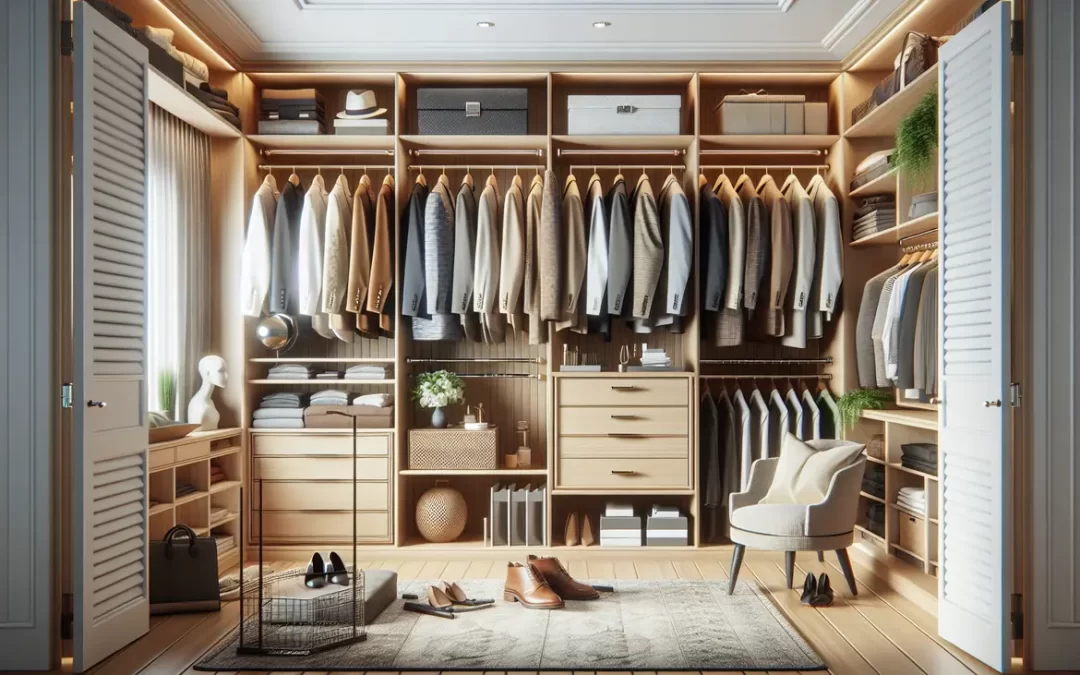
Best Home Organization Ideas for Every Room

Best Home Organization Ideas for Every Room

When a Home Breathes Easier

The first sign of a well-organized home isn’t what you see. It’s what you feel.

It’s the pause that comes when you open a drawer and find only what belongs. It’s the ease of a morning routine unhindered by searching. It’s the shift from reaction to rhythm.

As a designer, I’ve long held that beauty is only half the story. Behind every effortlessly styled space is a silent system—an order that invites clarity, ease, and control.

Organization isn’t a trend. It’s an architecture of peace.
And your home deserves nothing less.
A Guide to Organizing with Elegance

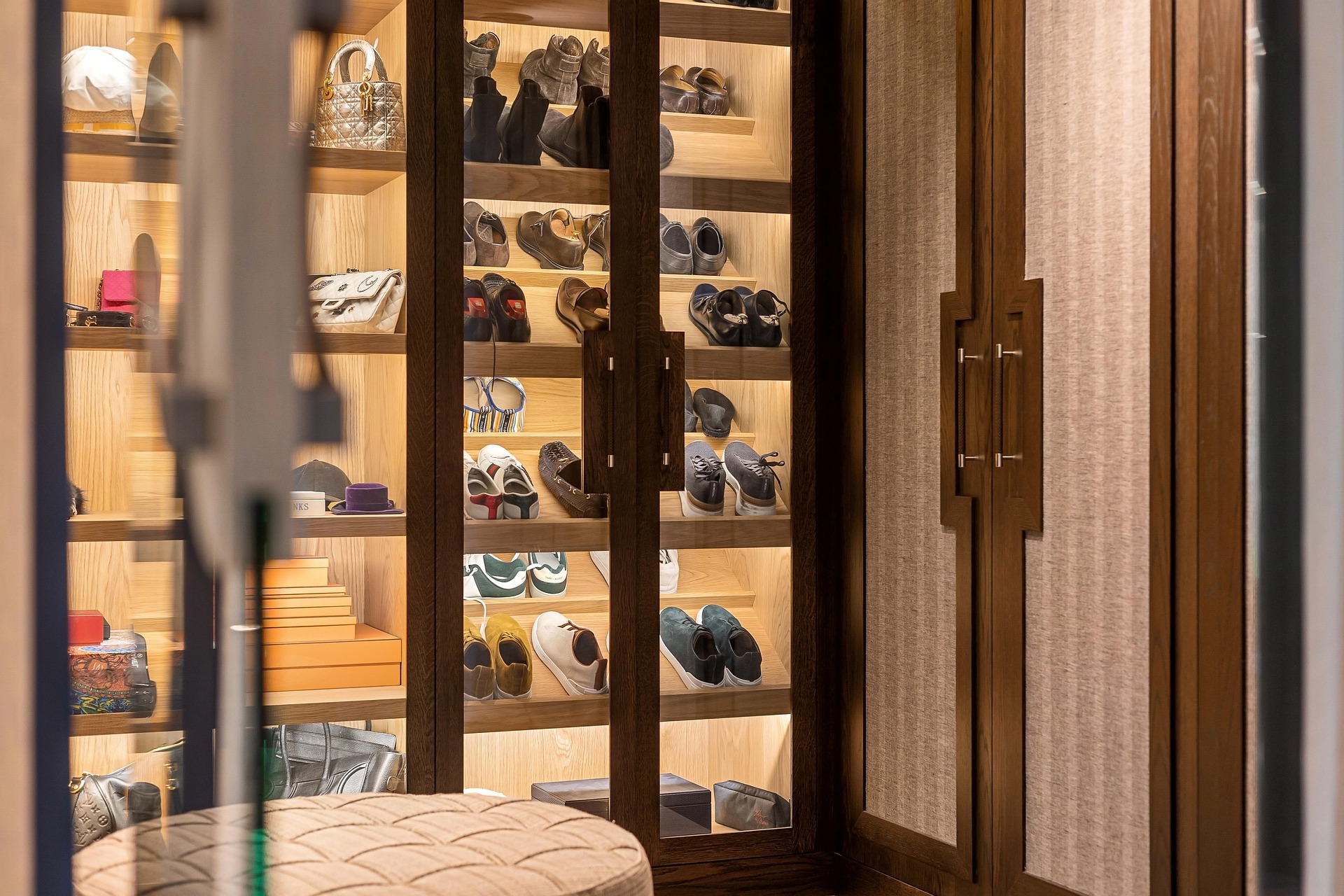
This guide is designed for the real world—the client who shops at both The Container Store and antique markets, who values both form and flow. Whether you’re rethinking a single closet or reimagining your whole home, what follows is a space-by-space approach that honors both utility and aesthetic.

You’ll find:

  • Room-by-room solutions for closets, pantries, garages, and basements

  • Design advice that makes storage look beautiful

  • Cost breakdowns for DIY vs. professional organizing

  • Product picks that blend into sophisticated interiors

  • A soon-to-launch printable Whole Home Organization Planner PDF

Why Now?

Minimalism may have once been about reducing things—but today, it’s more about revealing priorities. Post-2020, we’re more aware of how our spaces affect our minds.

And Google trends show it too:

  • Closet organization ideas” → 50K+ monthly searches

  • Garage storage solutions” → 20K+

  • Pantry organization tips” → 18K+

But most results prioritize plastic bins and Pinterest-worthy labels. Let’s go deeper. Let’s organize with elegance.
The Closet: Personal, Private, and Often Ignored

Why It Matters

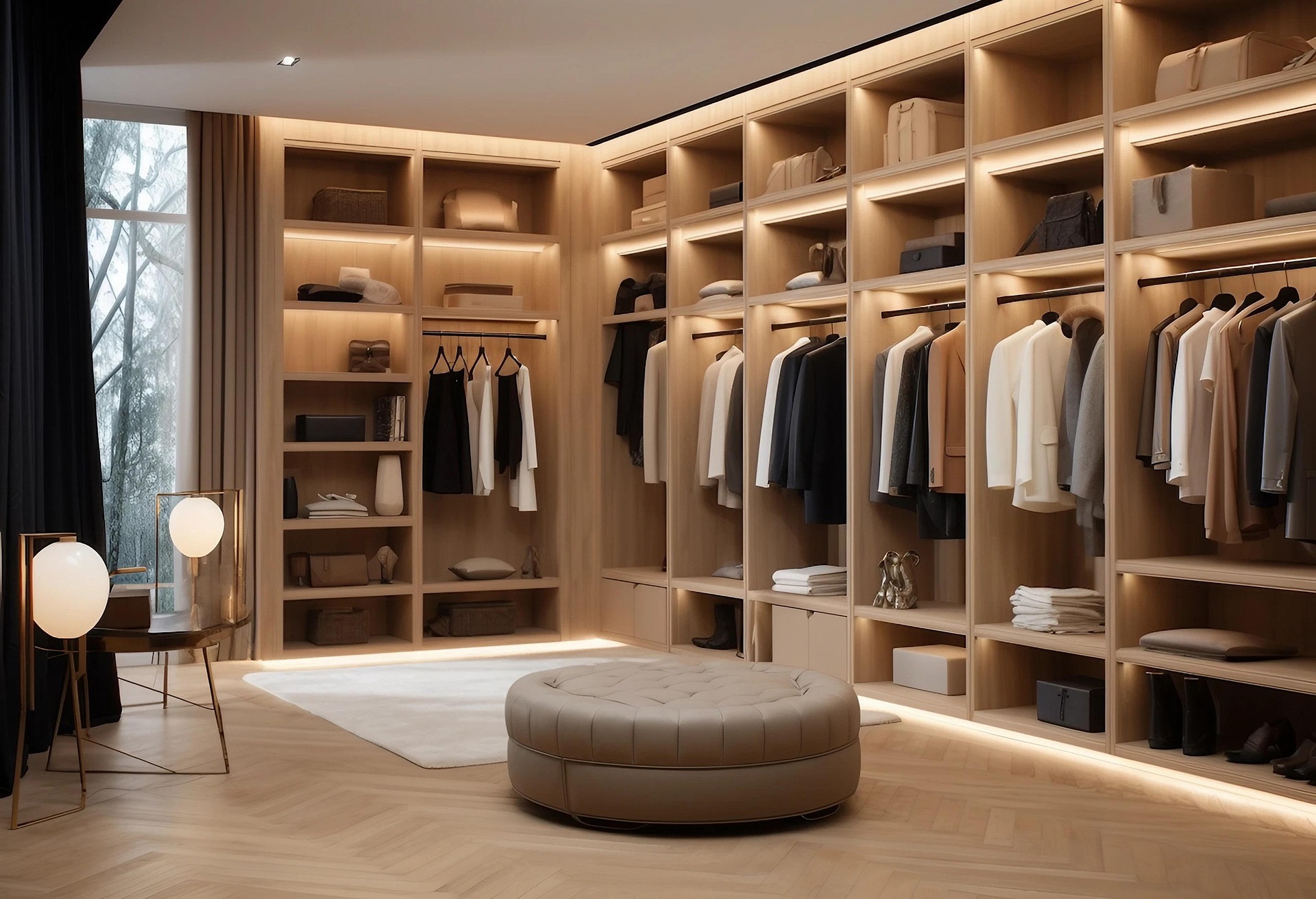
Closets shape the pace of your day. A chaotic one delays you. A considered one restores confidence. And no—it doesn’t have to look like a Kardashian showroom to work beautifully.

Essentials

  • Edit first. If it doesn’t fit or flatter, it doesn’t stay.

  • Group by category, then color. Let your wardrobe feel like a curated boutique.

  • Use slim velvet hangers for visual consistency and to save space.

  • Double rods and shelf risers can double your capacity—elegantly.

Style Advice from Rachel Blindauer

  • Swap plastic for linen or seagrass binsthey soften the visual noise.

  • A single accent wallpaper on the back wall elevates even a builder-grade closet.

  • Add a dimmable LED strip under shelves—small light, major impact.

Budget Considerations

  •  $1,000–$3,000+ (Elfa, custom millwork)

Recommended Closet Systems:

Whether you’re designing a boutique-style walk-in or optimizing a reach-in closet, here are the systems I recommend most often to clients:

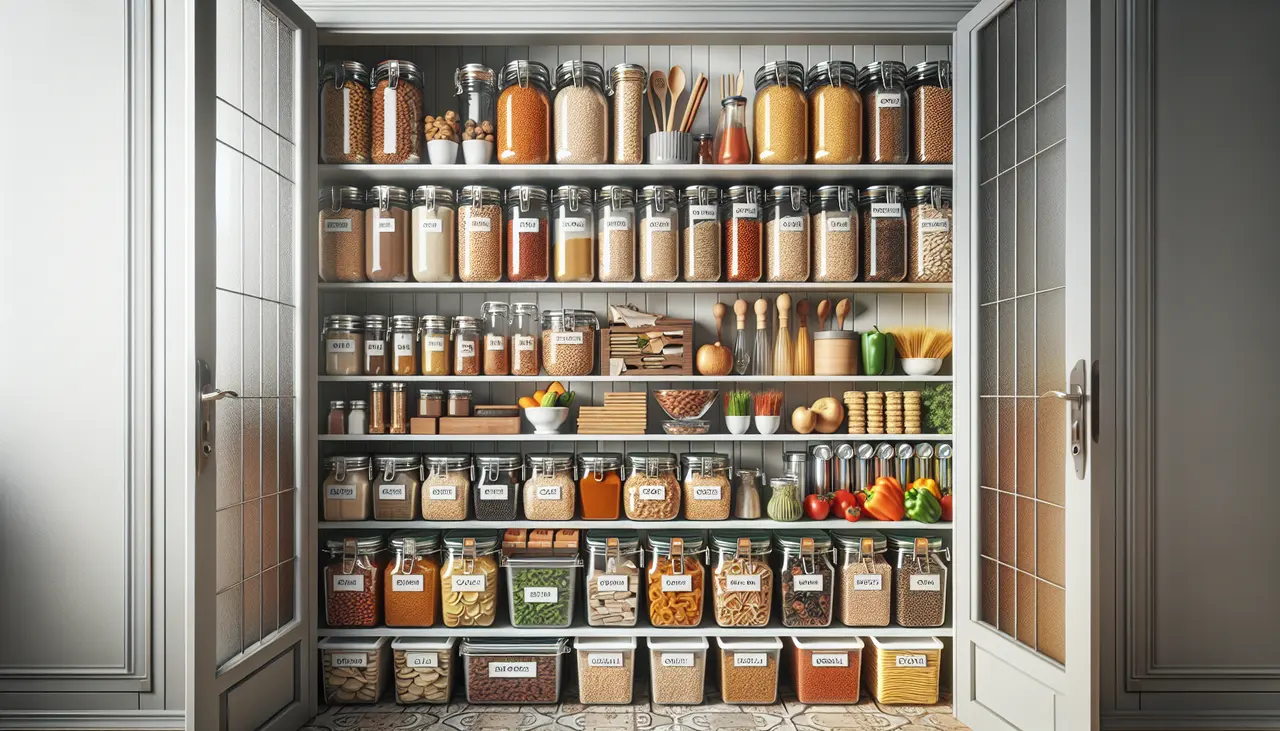
The Pantry: Your Quietest Workhorse

Why It Matters

Pantries are rarely designed—they’re outfitted. But with just a few layers of strategy, they can become a thing of beauty and clarity.

Essentials

  • Store like with like (breakfast, snacks, baking) in labeled baskets or clear bins.

  • Use glass canisters with bamboo lids for staples.

  • Shelf risers and lazy susans maximize depth.

  • Use the back of the doornot for chaos, but for overflow zones.

Style Advice from Rachel Blindauer

  • Avoid over-branding. Transfer bulk items to minimalist containers with cohesive labels.

  • Use woven baskets for a more grounded, organic aesthetic—especially in open shelves.

  • Layer in a few ceramic or wood pieces to bring the pantry into your home’s design language.

Budget Considerations

  • $1,200–$5,000+ (built-in cabinetry, lighting, specialty containers)

Recommended Decorative Kitchen Storage

Elevated storage is about more than hiding things—it’s about what you want to show. These are the systems and containers I trust to keep your pantry and kitchen beautifully functional:


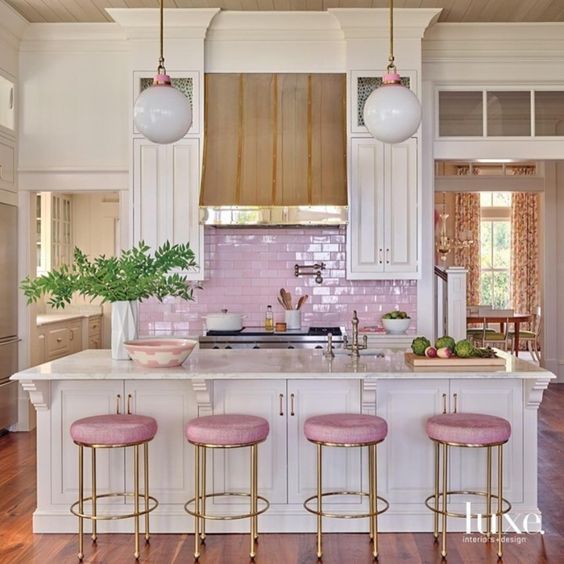
📌 Rachel’s favorite kitchen inspiration

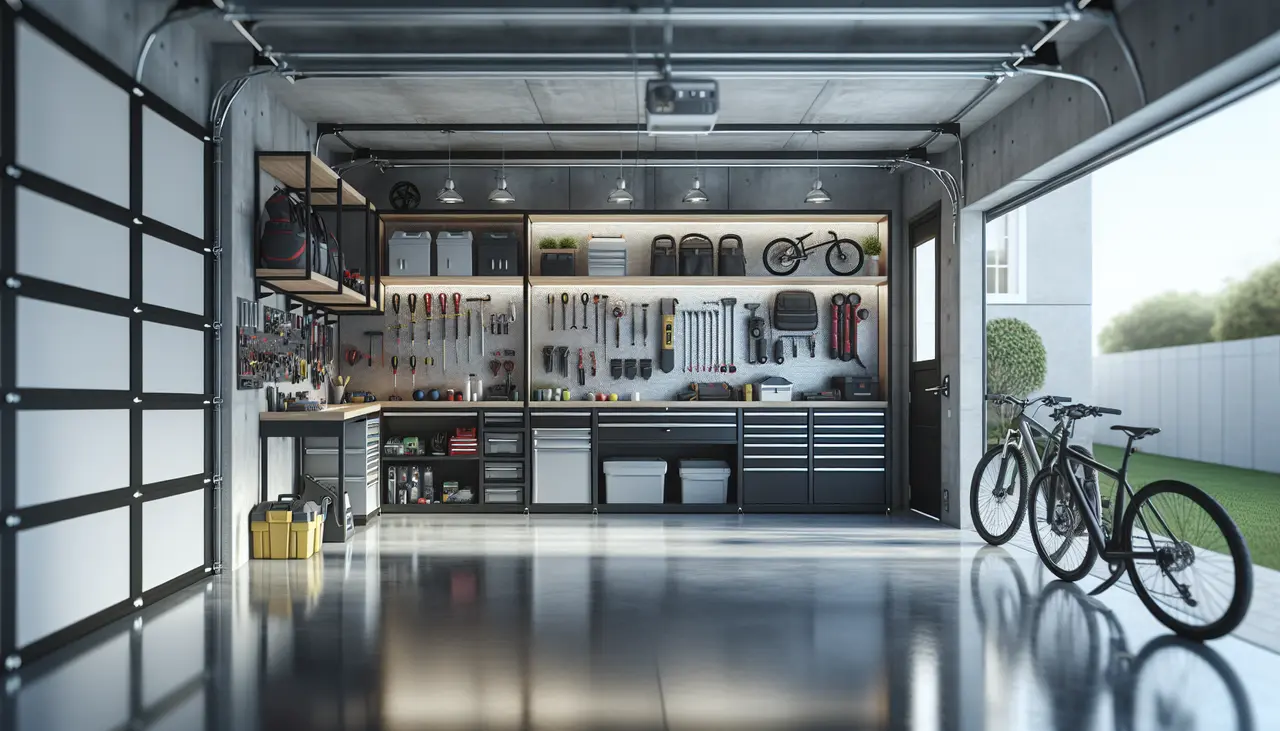
The Garage: Underestimated and Overdue

Why It Matters

The garage may be utilitarian, but that’s no excuse for chaos. When you organize this space with the same intention as your kitchen, it changes how the whole house feels.

Essentials

  • Use vertical wall systems (like Elfa or Rubbermaid FastTrack).

  • Store power tools and seasonal gear in lockable cabinets.

  • Add overhead storage for bulky items (holiday, camping, etc.).

  • Group items by task or frequency: sports, home projects, gardening.

Style Advice from Rachel Blindauer

  • Paint the concrete floor a soft gray epoxy—it adds polish and hides wear.

  • Choose modular black cabinets over wire shelves. Less chaos, more calm.

  • Label bins in a neutral, consistent typefaceno neon, no clip art.

Budget Considerations

  • Professionally Installed System: $2,000–$7,000+

Recommended Garage Systems

Here are a few top systems I recommend based on function, durability, and style in order:

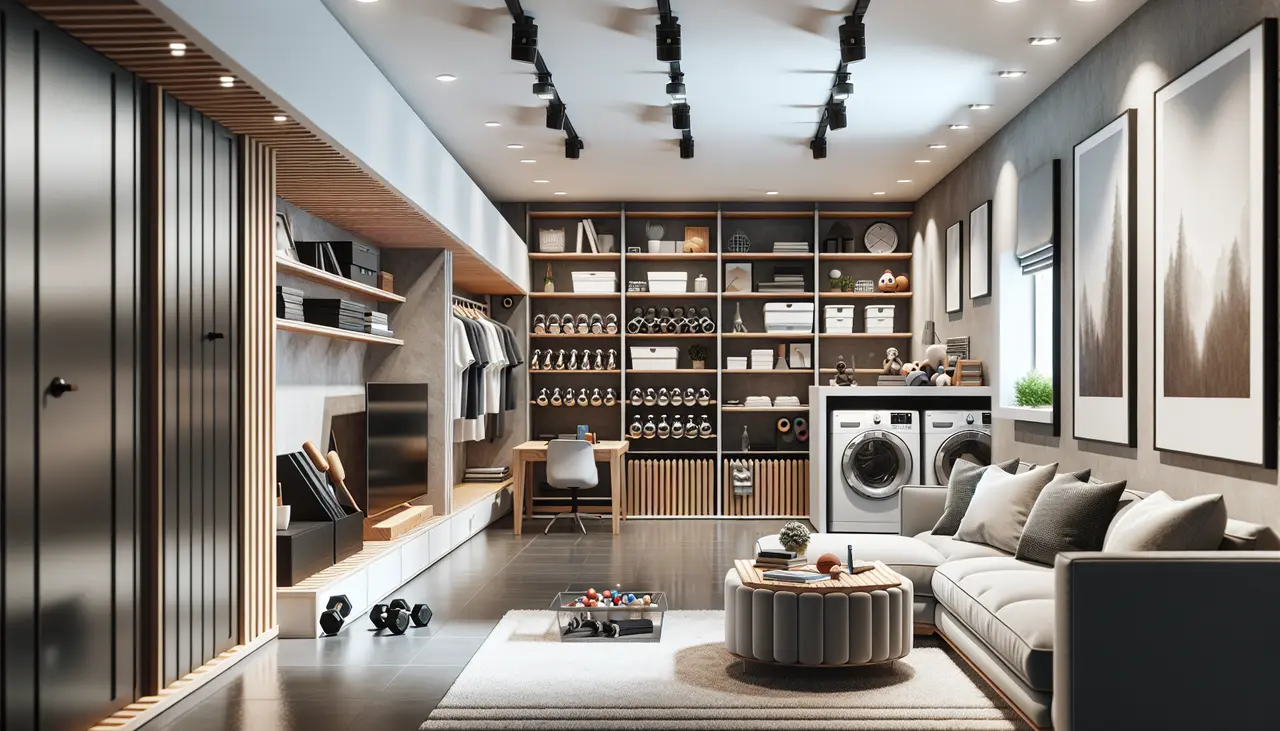
The Basement: Storage, But With Intention

Why It Matters

The basement often functions as “the place where things go”—which means it accumulates without purpose. With a little strategy, it can become one of your most versatile zones.

Essentials

  • Use metal shelving units for bin storage—categorize everything.

  • Create physical zones (holiday decor, tools, keepsakes, etc.).

  • Keep a digital inventory of what’s in each bin via spreadsheet or app.

  • Add a folding table or drop-down work surface for utility tasks.

Style Advice from Rachel Blindauer

  • If it’s a finished space, treat it like one. Add area rugs to define zones.

  • Use uniform bins in muted tones (black, forest, sand). Avoid visual chaos.

  • Hide open shelves with curtains or sliding panels to soften hard lines.

Budget Considerations

  • DIY Basement Setup: $200–$600

  • Renovation-Level Redesign: $5,000–$25,000+

System Recommendations:

Whole-Home Principles That Apply Anywhere

  • Use a single label style throughout your home for subtle cohesion.

  • Stick to one bin type per room to reduce cognitive load.

  • Add a standing “donate” bin to your hallway or mudroom—it keeps purging on autopilot.

  • And remember: decluttering without rethinking your systems is only a temporary fix.

Download the Organization Planner

📥 Get the Whole-Home Organization Checklist PDF →
Includes:

  • Room-by-room planning pages

  • Product & layout guides

  • Aesthetic organizing tips

  • Budget estimator

Final Word

Organization doesn’t have to be rigid. In fact, it works best when it reflects how you actually live—not how you think you’re supposed to.

It’s not about creating a showroom. It’s about creating flow.

So whether you’re reworking a chaotic closet or refreshing your garage, know that every square inch is a chance to make life feel just a little lighter.

Start With What You Can Control:

 Book a Design Consultation
& Follow us on Pinterest for Layout & Styling Ideas

Design is what you see. Organization is what holds it together. Let’s do both beautifully. Rachel Blindauer

2 Hour Interior Design Virtual or In Person Consultation

Get Started Today

Let Rachel Blindauer help you think through your project starting with a consultation.

Top Luxury Interior Design Trends for 2025

Top Luxury Interior Design Trends for 2025

As we step into 2025, the world of luxury interior design continues to evolve with new materials, colors, and furniture styles that create striking, sophisticated spaces. If you’re looking to elevate your home’s design to reflect the most sought-after trends of the year, it’s essential to focus on a blend of timeless elegance and fresh innovation. Here are the top luxury interior design trends homeowners should incorporate for a high-end look in 2025.

Sophisticated Color Palettes

The days of subdued neutrals and monochrome designs are being replaced with more daring and dynamic color schemes in luxury homes. In 2025, we’re seeing a shift toward deep, opulent tones that evoke a sense of warmth and grandeur.

  • Rich Jewel Tones: Expect to see a resurgence of emerald greens, sapphire blues, and amethyst purples making their way into accent walls, upholstery, and accessories. These colors add depth and luxury to any room.
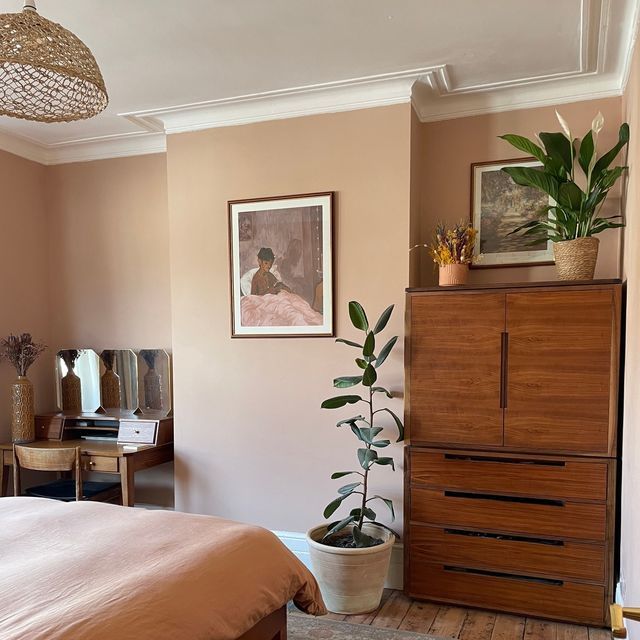
  • Earthy Neutrals: While jewel tones are gaining momentum, there’s still a strong love for earthy shades like terracotta, olive green, and warm taupe. These hues create an inviting, grounded atmosphere that feels both chic and comforting.
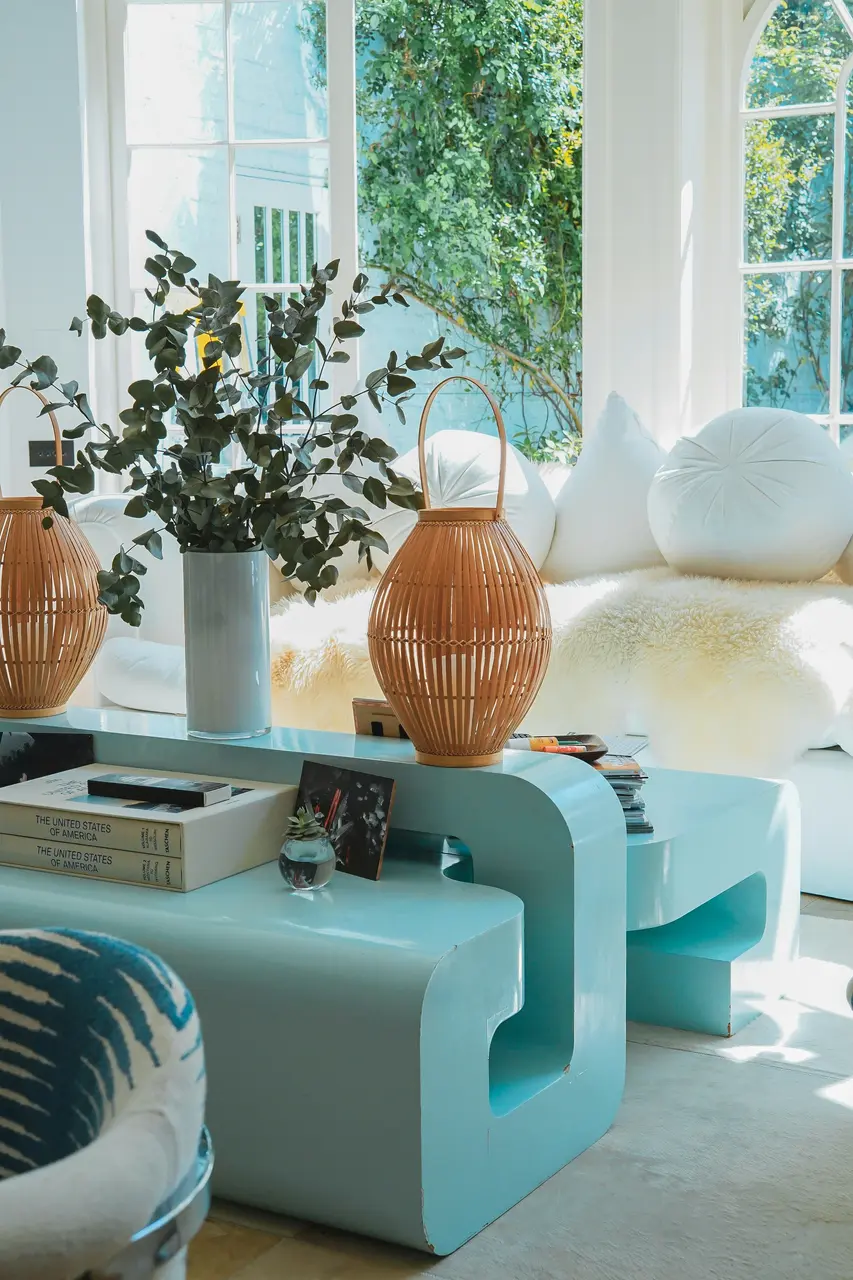
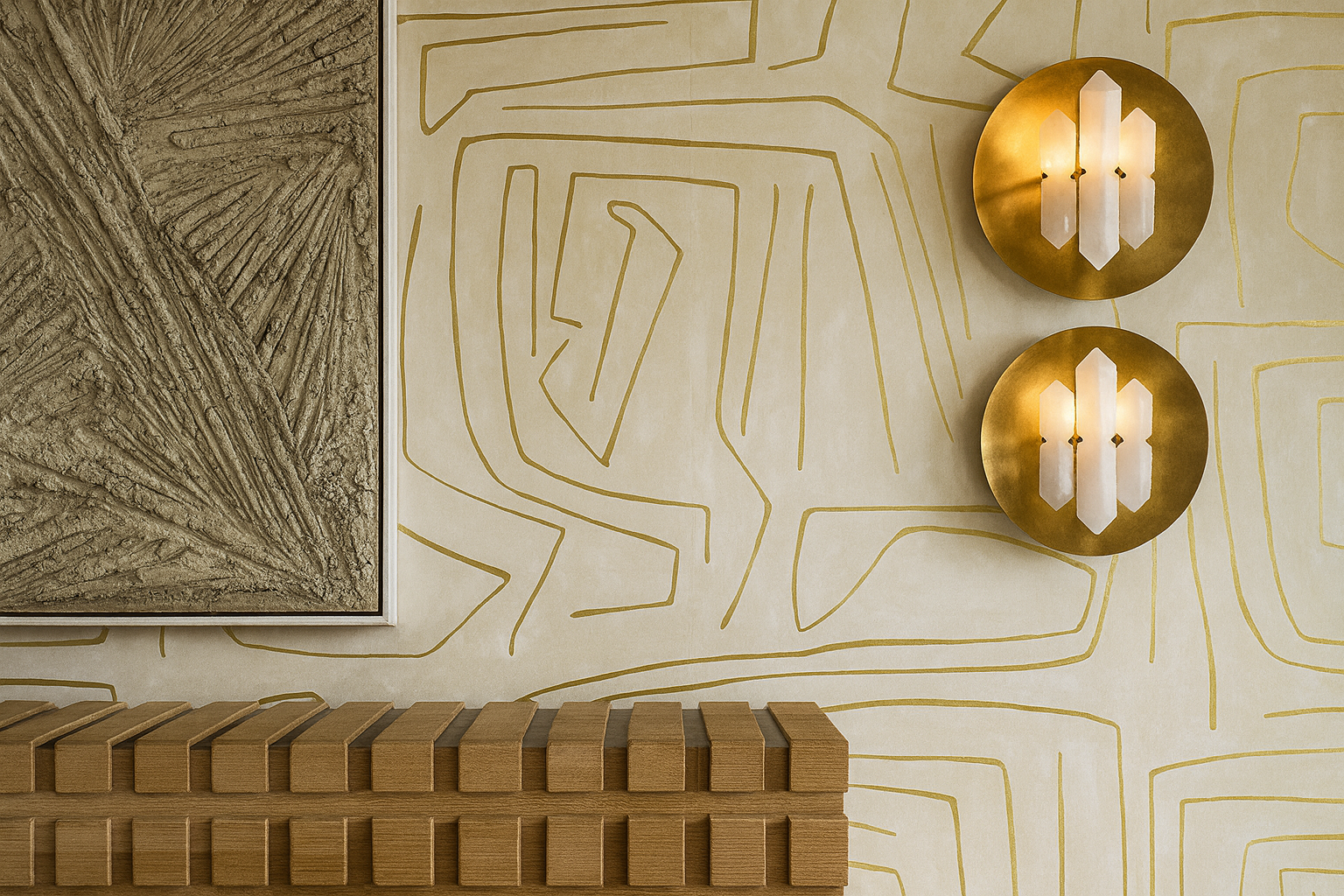
  • Metallic Accents: Gold, bronze, and chrome finishes are not only popular in fixtures but are also making their way into accent furniture, art frames, and even wallpaper details, adding that extra layer of glamour and shine.

Sculptural and Statement Furniture Pieces

In 2025, furniture is no longer just functional—it’s a work of art. Luxury homeowners are opting for statement pieces that are as sculptural as they are comfortable. Expect to see:

  • Curved and Organic Shapes: Furniture with soft, flowing lines and asymmetrical silhouettes is a major trend. This includes round-edged sofas, sculptural coffee tables, and oval dining tables that feel both futuristic and organic.
  • Bold, Luxe Materials: High-end materials like marble, velvet, and lacquered wood are being used in creative ways. Look for chairs with velvet upholstery in jewel tones, or dining tables with polished stone surfaces and intricate detailing.
  • Custom and One-of-a-Kind Pieces: There’s a growing demand for bespoke furniture that reflects personal style. Many luxury homeowners are working with artisans to create unique pieces, whether it’s a custom-made sectional or a hand-carved wooden armoire.

This trend allows homeowners to make a bold statement with their furniture while creating a visually stimulating space that feels unique to their taste and lifestyle.

Natural and Sustainable Materials

Sustainability is no longer just a buzzword—it’s a must for luxury interiors in 2025. Homeowners are increasingly looking to incorporate materials that are both beautiful and eco-friendly, without compromising on quality or style. Some of the top sustainable materials in luxury design include:

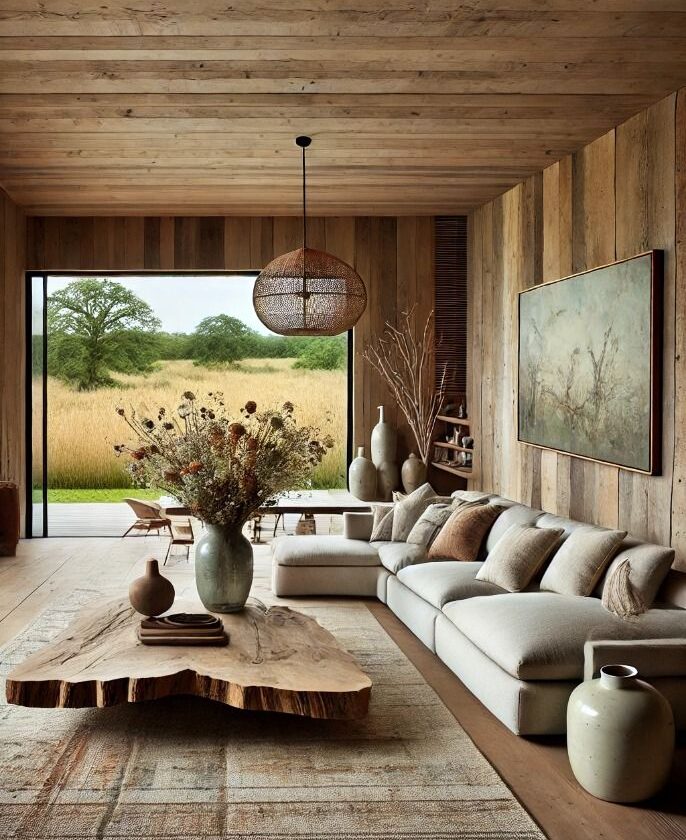
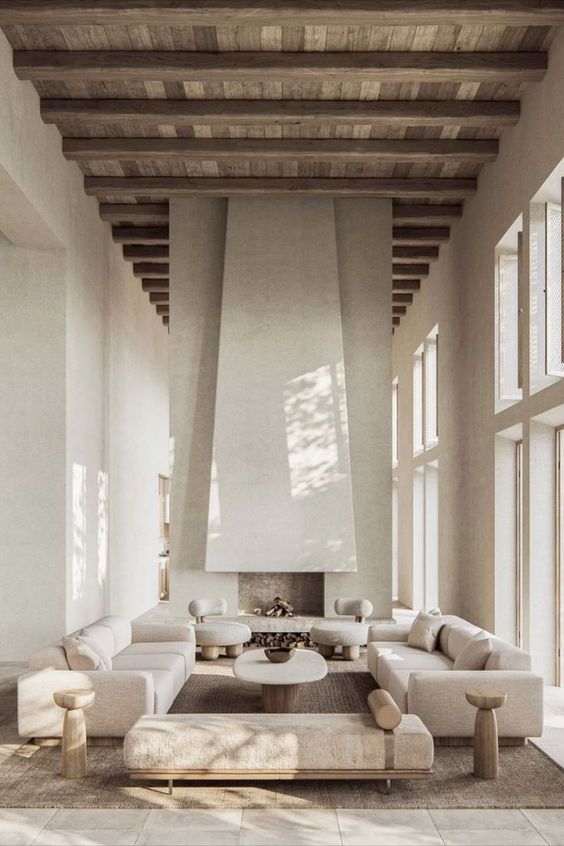
  • Reclaimed Wood: With an emphasis on sustainability, reclaimed wood is becoming a key material in high-end spaces. Whether used in flooring, furniture, or wall panels, its rich texture and history add a layer of depth and character to a room.
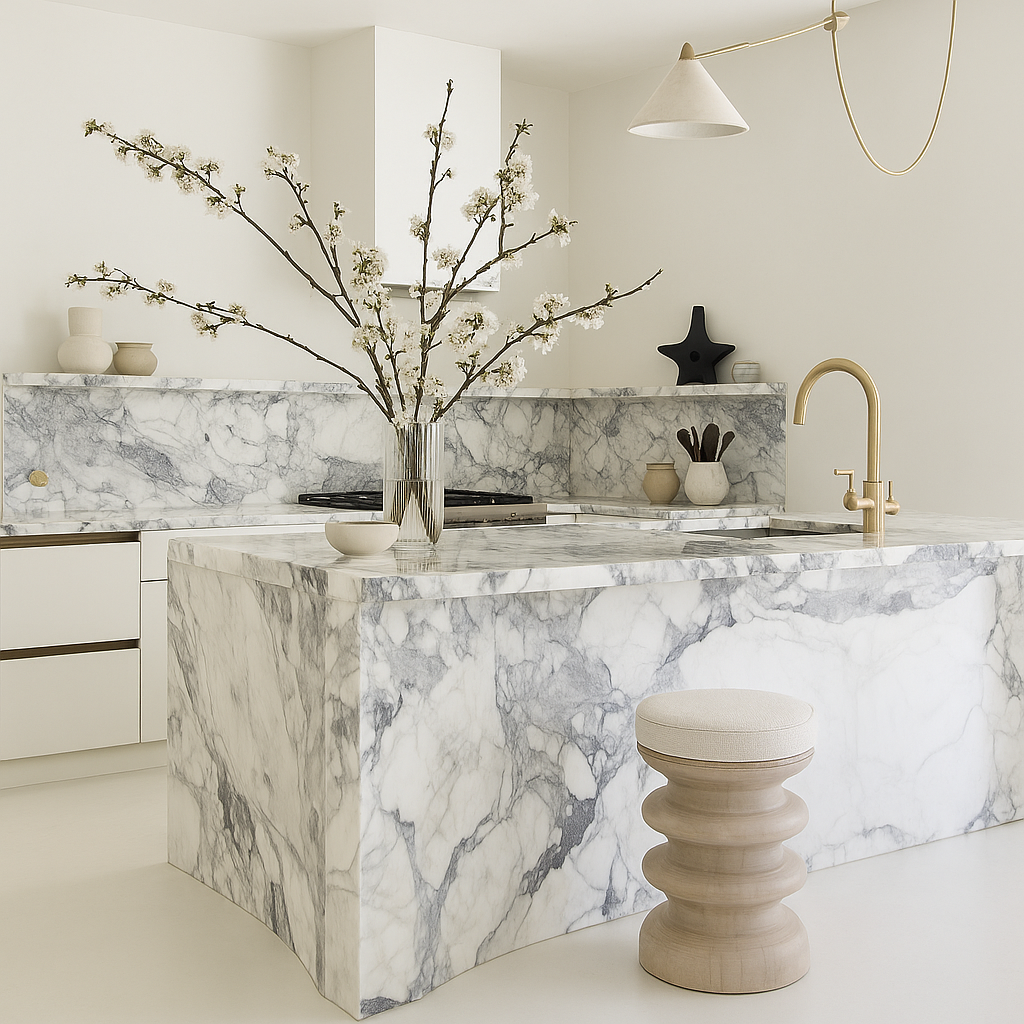
  • Natural Stone: From marble and travertine to quartzite and onyx, natural stone is a luxurious material that exudes timeless beauty. In 2025, expect to see stone being used in countertops, backsplashes, and even accent walls.
  • Woven Textiles: Upholstery and textiles made from sustainable fibers like organic cotton, linen, and bamboo are making waves in luxury design. These materials add an earthy, organic feel to a space while being kind to the environment.
  • Recycled Glass and Metals: Recycled materials are being used in luxurious ways, from shimmering glass light fixtures to polished metal accents. These materials provide a stunning contrast against the natural elements in a room.

Incorporating these sustainable materials ensures that your home remains not only luxurious but also responsible in terms of environmental impact.

BringTheOutdoorsIn

Biophilic Design: Bringing the Outdoors In

The trend of biophilic design, which emphasizes the connection between humans and nature, continues to grow in 2025. Homeowners are embracing nature-inspired interiors that enhance both well-being and aesthetics. Key biophilic design features include:

  • Indoor Gardens and Green Walls: Luxury homes are incorporating lush indoor gardens and living green walls. These areas not only look beautiful but improve air quality and promote relaxation.
  • Natural Lighting: Maximizing natural light is key to creating an airy, uplifting atmosphere. Large windows, skylights, and open floor plans that allow for sunlight to flood into the space are on the rise.
  • Natural Textures: Incorporating elements like stone, wood, and plant life into interior designs brings the natural world inside. Look for textiles and decor that mimic natural textures, such as leaf patterns or wood-grain designs.

By merging the indoors with the outdoors, biophilic design creates a soothing, calming environment—a hallmark of high-end living in 2025.

Bold Art & Statement Lighting

Bold Art and Statement Lighting

Art and lighting are the finishing touches that tie a luxury space together, and in 2025, they are becoming more striking than ever.

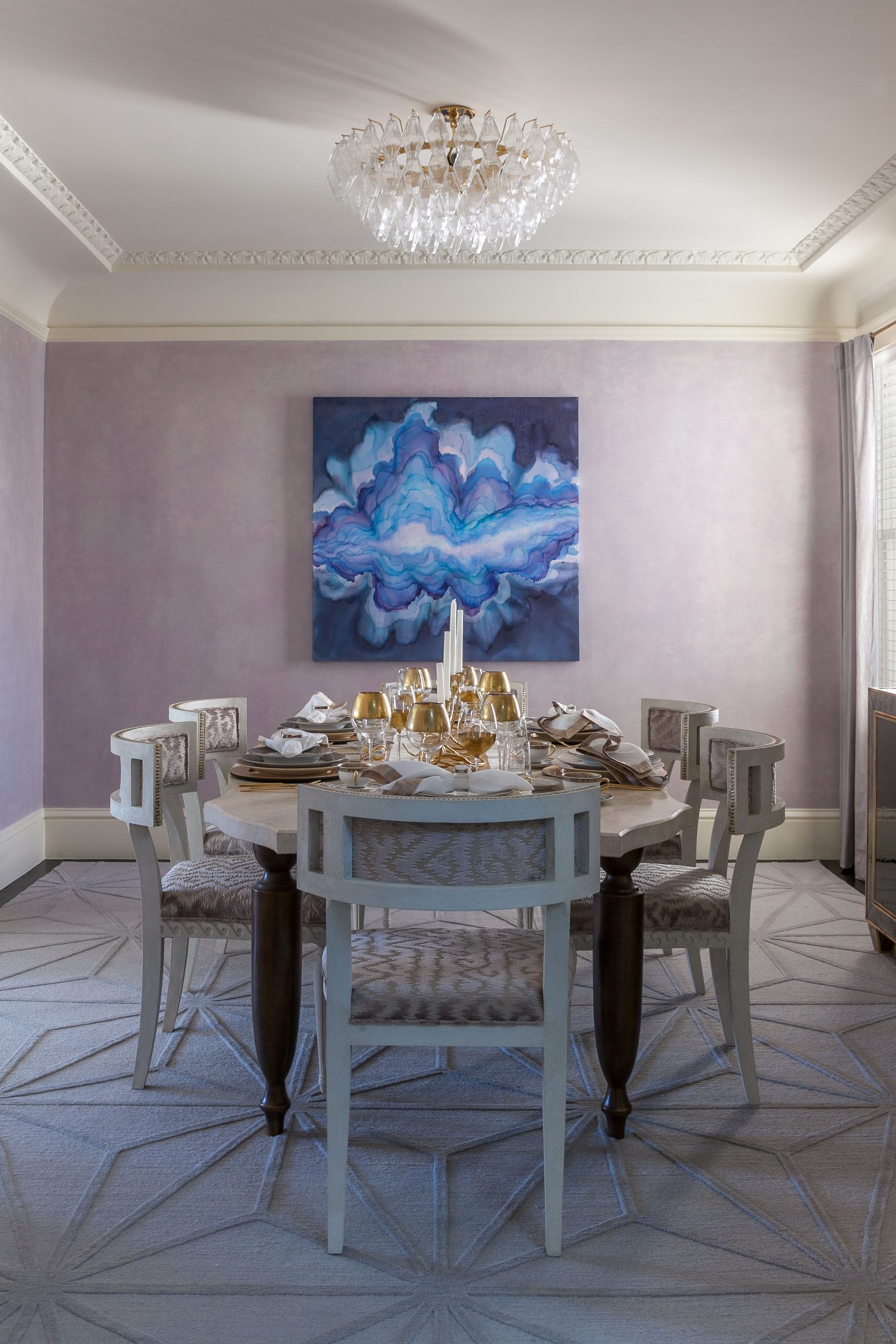
  • Oversized Artwork: Large, bold pieces of art are making their way into luxury homes. From abstract paintings to vibrant sculptures, oversized art pieces make a strong statement and serve as the focal point of a room.
  • Sculptural Lighting: Lighting is becoming more artistic, with designers creating unique, sculptural fixtures that double as pieces of art. Think oversized chandeliers with organic, curving forms or intricate pendant lights that play with shadows.
  • Layered Lighting: Ambient, task, and accent lighting are being carefully layered to create mood and highlight key design features. Luxury interiors in 2025 will focus on strategic lighting placement, whether it’s for artwork, architectural details, or creating a cozy, intimate atmosphere.

These striking elements not only illuminate a space but also contribute to the overall mood and aesthetic of a home.

Incorporating these luxury design trends into your home in 2025 will elevate your space to new levels of sophistication and style. By focusing on rich color palettes, statement furniture, sustainable materials, biophilic design, and bold art and lighting, you’ll create an environment that exudes elegance and modernity. Whether you’re starting a full renovation or just looking to refresh a few key areas, these trends will ensure your home stays on the cutting edge of luxury design.
2 Hour Interior Design Virtual or In Person Consultation

SOMETHING FOR EVERYONE

THE PIECES RACHEL RETURNS TOAGAIN AND AGAIN

Best Interior Colors for Your Seasonal Color Type: Winter, Spring, Summer, and Autumn

Best Interior Colors for Your Seasonal Color Type: Winter, Spring, Summer, and Autumn

The Book That Changed the Way We Dress, Decorate, and See Ourselves

It started as a quiet revolution. In the early 1980s, amid shoulder pads and perms, a slender paperback made its way into women’s closets—and consciousness. Color Me Beautiful by Carole Jackson was more than a bestseller. It was a manifesto, handed down from mother to daughter, friend to friend, like a treasured secret. And its message was both radical and reassuring: You already look your best. You just need the right colors to prove it.

Jackson’s premise was deceptively simple: each person belongs to a seasonal color palette—Winter, Spring, Summer, or Autumn—based on undertones in their skin, eyes, and hair. Find your season, and everything else falls into place. Shopping becomes easier. Makeup makes more sense. Even your living room might begin to feel more like you.

“Color isn’t a trend. It’s a mirror.”

The System That Gave Women a Language for Their Beauty

Seasonal color theory didn’t emerge in a vacuum. Jackson drew on the work of artist and Bauhaus teacher Johannes Itten, who observed that students instinctively gravitated toward colors that harmonized with their complexions. She adapted this philosophy into something democratic and accessible—something that felt more like liberation than limitation.
Suddenly, women who had never felt “seen” by the fashion industry had a framework. Winters could stop pretending to like pastels. Autumns had permission to embrace rust and olive without apology. Summers found softness in muted tones, and Springs lit up in citrus and cream. More than a style system, it was a kind of permission slip: to be more yourself.

“Knowing your season was like finding your voice—in color.”

From Wardrobe to Wallpaper: How a Personal System Became a Lifestyle

What began in front of a mirror eventually seeped into the home. As an interior designer, I often return to this foundational theory not out of nostalgia, but because it continues to reveal truth.

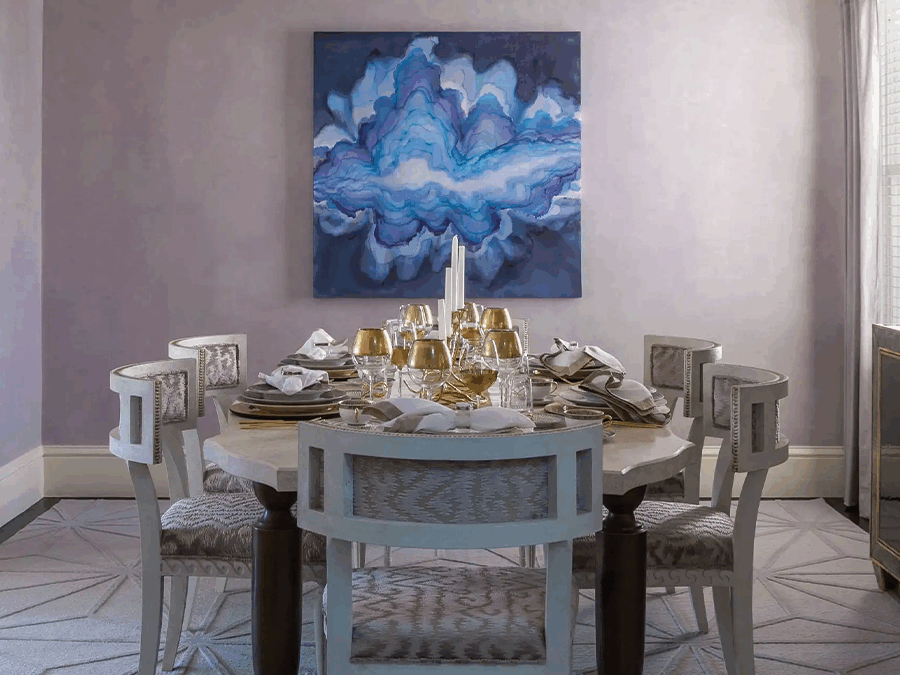
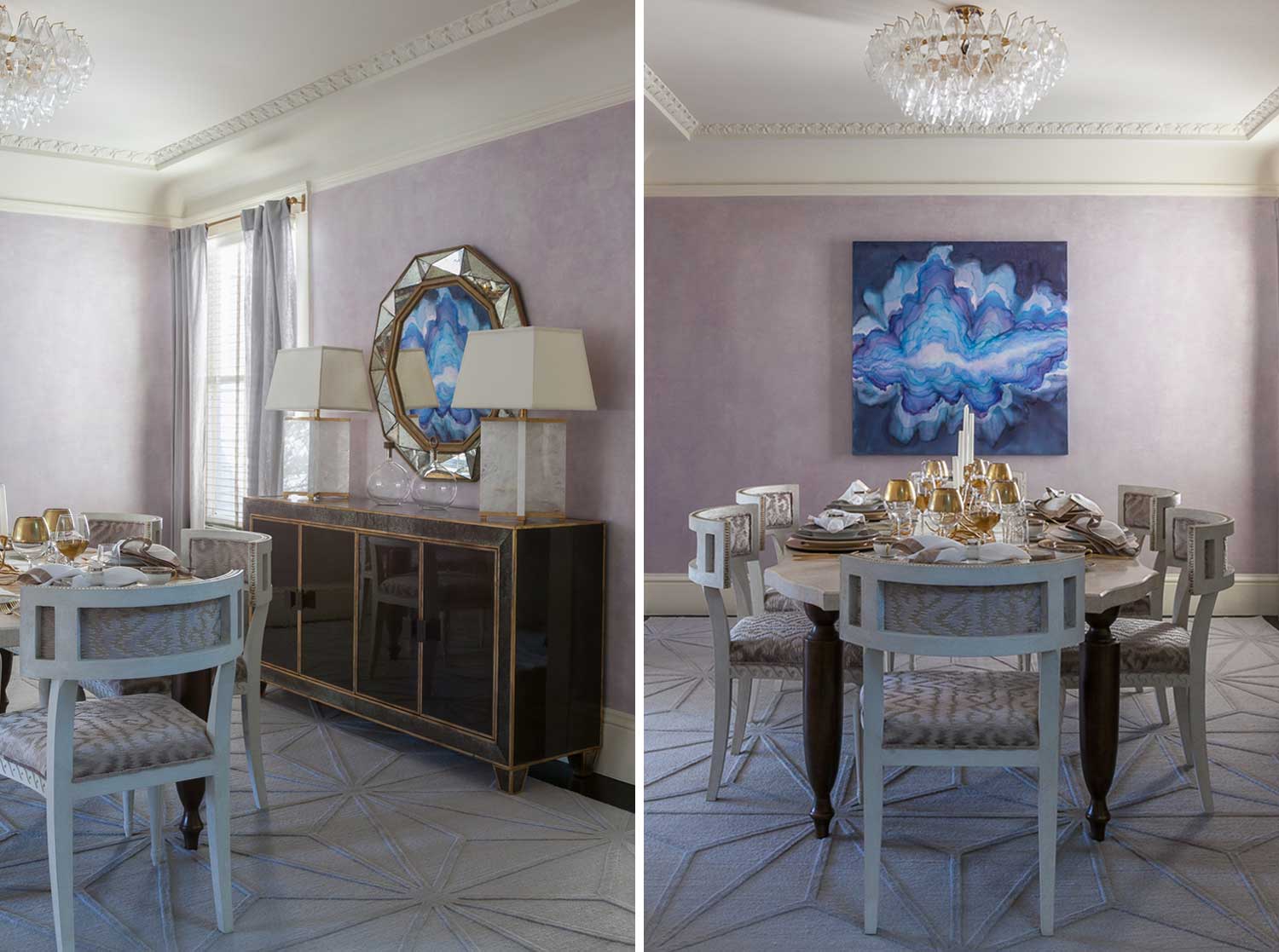
When we design a space using a client’s seasonal palette, the transformation is subtle but undeniable. A Winter’s living room in crisp white and sapphire doesn’t just look chic—it feels right. A Summer’s powdery lavender walls quiet the mind. A Spring’s sunny kitchen energizes the morning routine. The home, like the wardrobe, becomes a second skin.

As an interior designer designing for a couple, I take both of their palettes into consideration. A successful space should reflect the people who live in it—not just as individuals, but as a partnership. Sometimes that means finding the harmonious overlap; other times, it’s about balancing contrast to create something layered, nuanced, and uniquely theirs.

This isn’t aesthetic matching. It’s psychological alignment.

The Enduring Allure of Color Me Beautiful

Forty years on, Jackson’s framework still resonates. TikTok is filled with color analysts holding swatches to glowing faces. Instagram carousels map lipstick to leaf season. In a world of endless options, we crave systems that give structure to our style—and meaning to our choices.

But more than that, we’re rediscovering the joy of being truly seen. And that’s the lasting genius of seasonal color theory: it doesn’t push you to fit in. It shows you where you’ve always belonged.

Interior Color Guide by Season

Season Best Paint Colors Accent Colors Design Tips
Winter Tricorn Black, All White, In the Navy Emerald, Sapphire, Ruby High contrast, glossy finishes, bold materials
Spring Summer Shower, Masquerade, Sea Salt Coral, Aqua, Apple Green Light woods, brass accents, floral textiles
Summer Just Beige, Oval Room, Skimming Stone Mauve, Dusty Rose, Sage Matte finishes, antique glass, linen upholstery
Autumn Bancha, Devonshire Green, Wonderland, Salon Drab Terracotta, Camel, Olive Earth tones, jute, leather, layered textures

Your Season, Your Story

Curious how your palette might shape more than just your outfit but also your interior? Here’s a look at the original four types—and what they reveal.

InteriorDesignBlack&White

Winter Interior Color Palette: Cool, Bold & Dramatic

You might be: Cool Winter, Deep Winter, or Clear Winter

  • Complexion: Cool undertones, often fair with pink tones or deep skin with a blue or olive undertone.
  • Hair: Dark brown, black, or platinum blonde.
  • Eyes: Dark brown, black, icy blue, or vivid green.

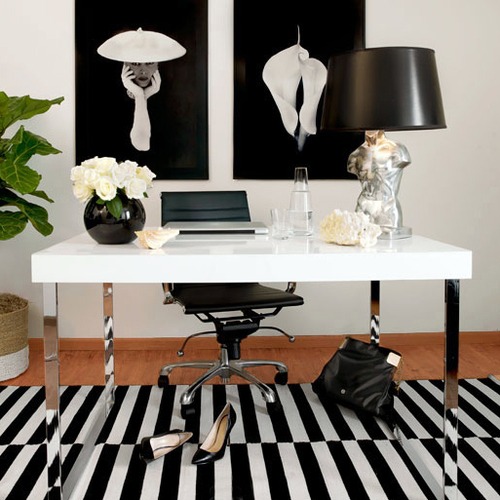
Color Personality: Winters are striking, high-contrast, and thrive in saturated hues. Their style leans modern, sleek, and impactful.

Winter Colors: icy white, true black, charcoal gray, cobalt blue, jewel-toned ruby, emerald, and fuchsia.

Top Colors for Winter Interiors:

  • Charcoal or Deep Navy – Striking for living rooms, offices, or dramatic accent walls.

  • Crisp Cool White – Perfect for trim, ceilings, or creating gallery-style contrast.

  • Emerald, Sapphire, or Ruby – Ideal for bold feature walls or lacquered cabinetry.

  • Jet Black or Graphite – Best used in moody powder rooms or chic modern kitchens.

💡 Design Tip: Winter palettes shine with glossy finishes, clean lines, and bold materials like marble, velvet, or lacquer.

Kitchen Marble
Winter Colors

Spring Interior Color Palette: Light, Fresh & Uplifting

You might be: Light Spring, Warm Spring, or Clear Spring

  • Complexion: Warm undertones, often peachy or ivory skin that flushes easily.
  • Hair: Golden blonde, strawberry blonde, or light auburn.
  • Eyes: Clear blue, green, or light hazel with golden flecks.

Color Personality: Springs radiate energy, optimism, and light. Your best colors are clear, fresh, and sun-kissed.

Spring Colors: creamy butter yellow, coral, clear aqua, apple green, peach, and golden ivory.

Top Colors for Spring Interiors:

  • Creamy Butter Yellow – A cheerful yet soft neutral for kitchens, entryways, or bedrooms.

  • Peachy Coral – Perfect for feature walls or a playful powder room.

  • Mint or Soft Aqua – Brings life to a bathroom, laundry, or sunroom.

  • Warm Ivory or Buttermilk – A cozy alternative to stark white for trim or base walls.

💡 Design Tip: Pair Spring tones with brass hardware, light oak woods, floral textiles, and plenty of natural light to maximize their uplifting quality.

RachelBlindauerInteriorDesign
 

Summer Interior Color Palette: Soft, Cool & Muted

You might be: Soft Summer, Light Summer, or Cool Summer

  • Complexion: Cool undertones, often with rosy beige or porcelain skin.
  • Hair: Ash blonde, light brown, or soft gray.
  • Eyes: Soft blue, gray, or muted green.

Color Personality: Summers glow in delicate, powdery tones. Gravitates toward softness, romance, and subtle layering.

Summer Colors: powdery rose, stormy blue, sage green, mist, mauve, and soft lavender-gray.

Top Colors for Summer Interiors:

  • Dusty Rose or Mauve – A romantic choice for bedrooms or a serene sitting area.

  • French Blue or Wisteria – Brings tranquility to bathrooms or home offices.

  • Sage Green – A modern, cool-toned neutral that pairs beautifully with natural textures.

  • Oyster Gray or Mist – Timeless and elegant for cabinetry, trim, or entire rooms.

💡 Design Tip: Accentuate Summer palettes with matte finishes, brushed nickel, antique glass, and linen upholstery for a look that’s layered but never loud.

🎨 Paint Tip: Try Benjamin Moore’s “Just Beige” or Farrow and Ball’s Oval Room or Farrow & Ball’s “Skimming Stone”

🌿 Explore more curated inspiration on our Pinterest Board for Summer Interiors

LilacTexturalGlamour-LivingRoom

Autumn Interior Color Palette: Rich, Earthy & Warm

You might be: Warm Autumn, Deep Autumn, or Soft Autumn

Color Personality: Autumns feel at home in rich, nature-inspired hues. Your palette is warm, textural, and soulful.

Autumn Colors: terracotta, moss, aubergine, ochre, rust, pumpkin, camel, and espresso.

Top Colors for Autumn Interiors:

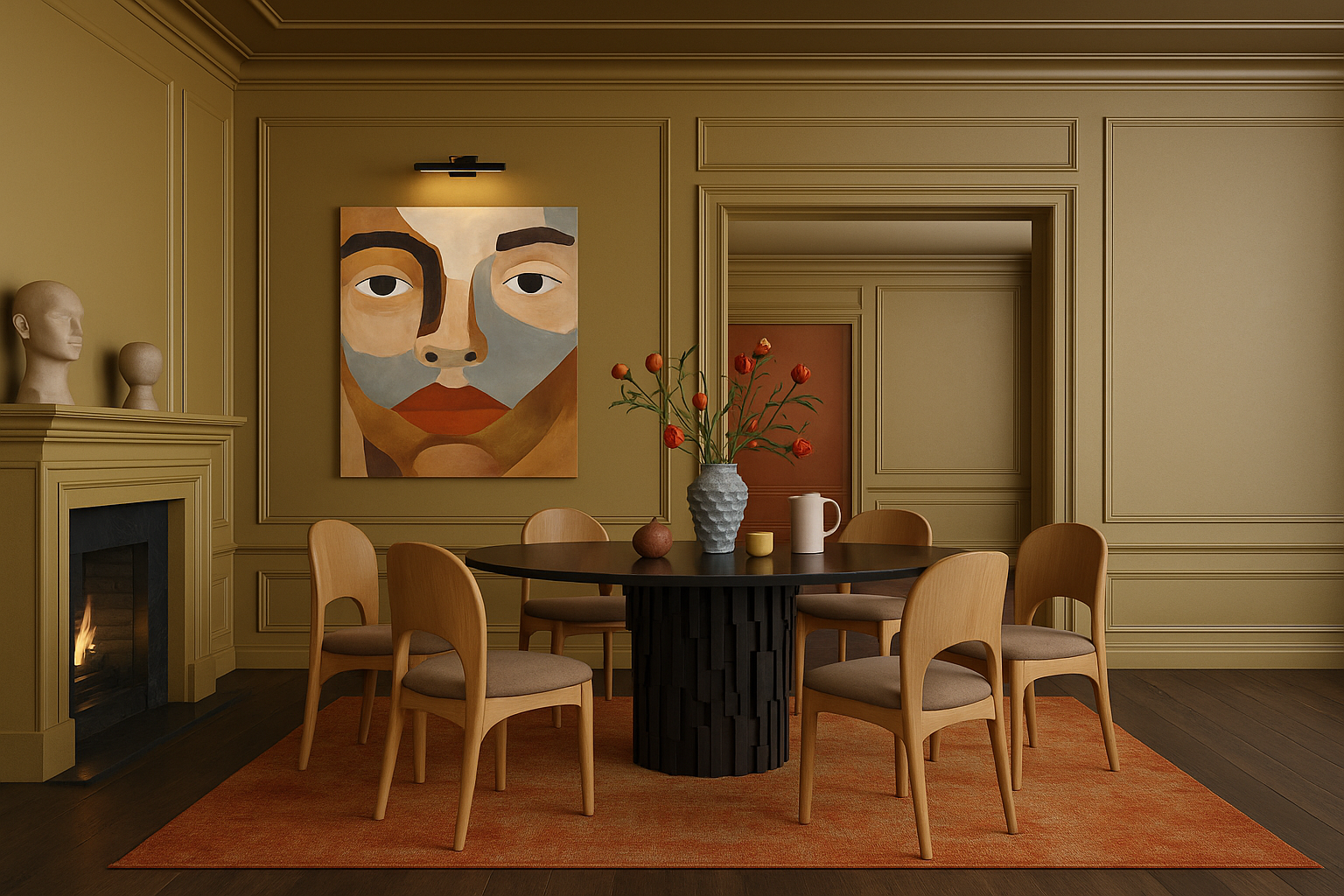
  • Terracotta or Clay – Brings instant depth to dining rooms or cozy nooks.

  • Olive or Moss Green – A sophisticated, grounding choice for libraries or cabinetry.

  • Spiced Pumpkin or Burnt Sienna – Adds seasonal richness to accent walls.

  • Camel or Warm Taupe – A versatile, warm neutral that makes any space feel welcoming.

💡 Design Tip: Use matte or eggshell finishes, layer with natural fibers (like jute and linen), and incorporate wood tones, leather, and rattan for warmth and character.

Autumn Dining Room
Autumn Textures

Why It Works: Your Personal Palette, Applied to Your Home

When you walk into a room that aligns with your seasonal palette, something clicks.

The light feels right. The colors flatter your features in photographs. The energy in the space feels calm and tailored—not overstimulating, not dull. Just right. When your home’s colors align with your seasonal palette, everything begins to click. The space feels more flattering, energizing, and serene. Your seasonal palette can subtly influence your energy levels, confidence, and even the cohesion of your wardrobe and interiors.

Not sure of your palette yet?

  • Take the Color Quiz

  • Explore the Power Color Finder Tool for an advanced guide to your top 3 signature colors and the 2 shades to avoid—plus customized recommendations for home and wardrobe.

The Psychology of Alignment

There’s moment—when the paint is dry, the light hits just right, and the color reflects not only your space but yourselfthat everything clicks.

The room feels calm. The edges feel right.
The color doesn’t overpower—you glow within it.

This is what happens when design honors your natural palette. The result isn’t just aesthetic. It’s psychological. It’s subtle, supportive, and sustaining.

Paint isn’t just pigment—it’s emotional architecture. Studies show that color influences how we think, feel, and even behave. Green, for example, has been found to boost concentration and reading ability by up to 15%. Blue can lower heart rate and reduce anxiety. Yellow stimulates serotonin, improving mood and energy. Meanwhile, red can heighten alertness and stimulate appetite—hence its popularity in dining rooms.

How to Actually Pick a Color (Without Losing Your Mind)

Sample Generously: Paint a 2′ x 2′ square on each wall you’re considering. Yes, every wall. Light changes everything.

Observe in Shifts: Check the color in morning light, afternoon light, and evening lamplight. If you’re still in love after 24 hours, you have a winner.

Choose the Right Sheen: Matte for walls, eggshell for bathrooms, semi-gloss for trim. Simple rules, big impact.

Don’t Forget the Flow: Each room doesn’t need to match, but it should feel connected. Use undertones to unify.

Frequently Asked Questions

Q: What is the best interior color palette for a Summer personality?
A: Soft, cool, and muted tones like dusty rose, sage green, French blue, and misty grays work beautifully for Summer interiors. Pair them with matte finishes and subtle textures for a calming effect.

Q: How do I decorate my home using seasonal color theory?
A: Start by identifying your palette—Winter, Spring, Summer, or Autumn—based on your natural undertones. Then layer those hues into your wall color, fabrics, and finishes. This creates a space that reflects your energy and feels deeply personal.

Q: Can couples with different palettes still have a cohesive home?
A: Absolutely. I often design for couples with contrasting palettes. We balance their tones through layering, complementary contrast, and thoughtful material choices that bring both personalities into harmony.

Q: Is seasonal color theory still relevant today?
A: Yes—more than ever. It offers structure, personalization, and timeless guidance in a trend-driven world. I use it regularly to create interiors that resonate emotionally and aesthetically.

Book a Personalized Color & Design Consultation

Whether you’re choosing single paint color or planning an entire home refresh, can help you translate your season into space that feels tailored and timeless.

2 Hour Interior Design Virtual or In Person Consultation

SOMETHING FOR EVERYONE

THE PIECES RACHEL RETURNS TOAGAIN AND AGAIN

Interior Decorator St. Louis: Refined, Personal, Elevated

Interior Decorator St. Louis: Refined, Personal, Elevated

Interior Decorator St. Louis: Refined, Personal, Elevated

Creating spaces that feel as good as they look—with the expertise of a nationally recognized designer rooted in St. Louis.

Why Interior Decorating in St. Louis Requires More Than Good Taste

A well-designed home isn’t just beautiful—it functions better, calms the mind, and becomes a true extension of your identity. And while Pinterest boards and furniture stores can offer inspiration, achieving a space that feels effortless takes more than guesswork. It takes vision, cohesion, and the eye of a professional.

For homeowners in St. Louis—from the elegant enclaves of Ladue and Frontenac to the modern builds in Town and Country—Rachel Blindauer offers more than just decorating. She brings 15+ years of design leadership, 1,000+ custom furnishings, and a refined approach that transforms homes into sanctuaries.

Interior Decorator vs. Interior Designer: What’s the Difference?

Interior decorators elevate the look and feel of a space—furnishings, lighting, paint, textiles, and art—without changing its structure. Interior designers may also consult on layouts, renovations, and architectural decisions. Rachel Blindauer brings credentials in both, blending her 7 years of design education with 15 years of real-world expertise.

Whether you’re searching for residential interior design services or a simple interior design consultation St. Louis clients trust, Rachel offers a service level tailored to your needs—not just your walls.

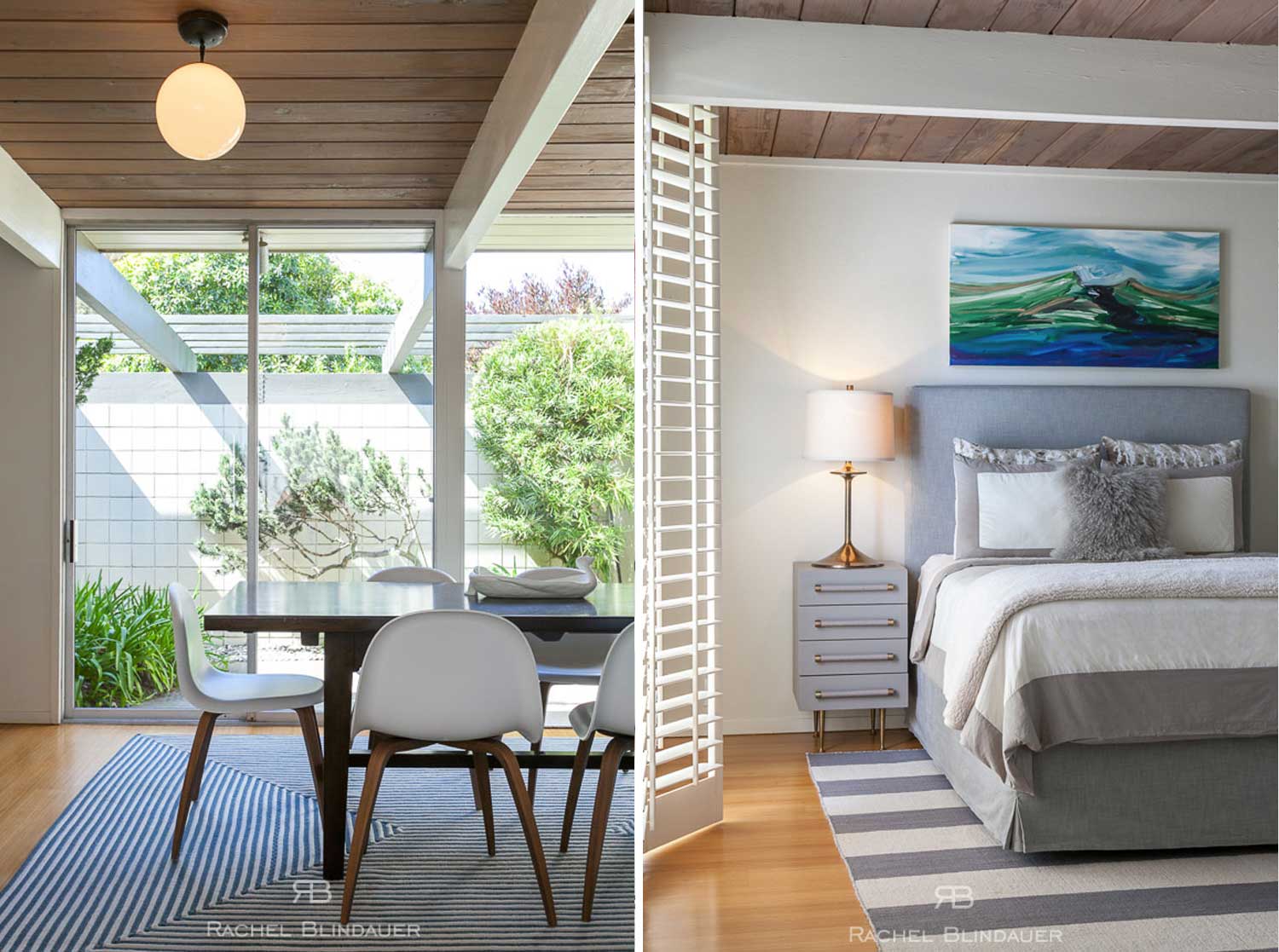
EichlerColorPopKitchenMasterBedroom

What Sets Rachel Apart as a Luxury Interior Decorator Near You

Tailored Vision
Rachel’s approach is never one-size-fits-all. Each room is designed for how you actually live—and want to feel—in your space.

Trade-Only Access
From bespoke upholstery to museum-grade lighting, Rachel sources from premium vendors not available to the general public.

End-to-End Ease
Renovating? Refreshing? Rachel handles all the details—from space planning to final styling—so you can enjoy the transformation, not manage it.

A Track Record of Results
Ranked Top 20 Design Firms in San Francisco and Top 12 Interior Designers on Instagram, Rachel now brings her refined vision to homes across Missouri and Florida.

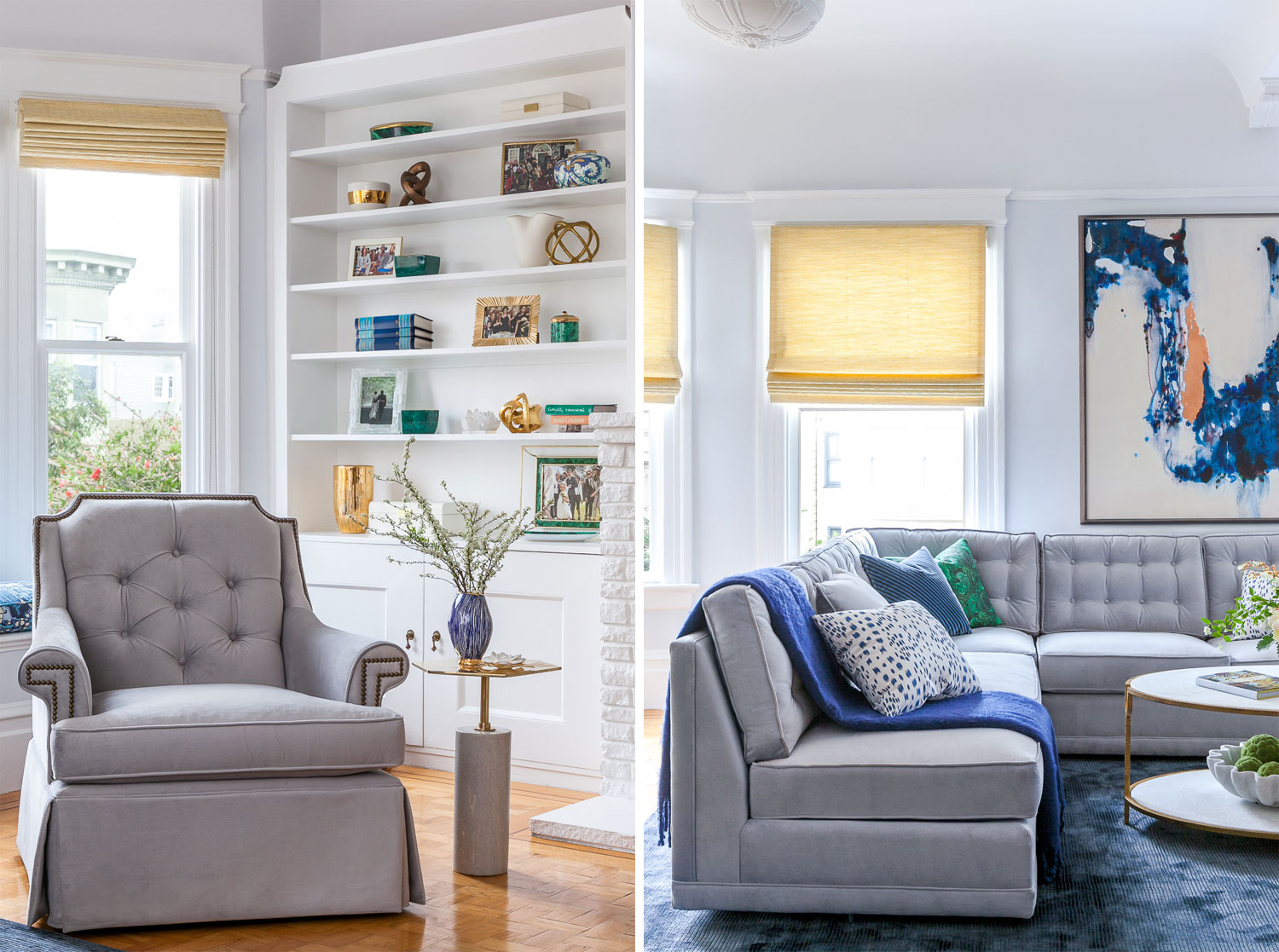
SophisticatedBlueLivingRoom

Signature Elements of Rachel Blindauer Interiors

  • Thoughtful Space Planning: Maximizing flow and function without clutter.

  • Timeless Meets Current: A balance of enduring classics with design-forward updates.

  • Curated Furnishings: Every piece tells a story—from heirloom-worthy to highly livable.

  • Color with Intent: Tailored palettes based on emotional impact and lighting conditions.

  • Layered Lighting Design: Function and beauty, day to night.

“We don’t just decorate. We distill the noise, define what matters, and build spaces around that clarity.” — Rachel Blindauer

Top Reasons to Hire a Professional Interior Decorator in St. Louis

  • Maximize the value of your St. Louis home
  • Avoid costly decorating mistakes
  • Access exclusive, trade-only furnishings
  • Create cohesive interiors tailored to your lifestyle
  • Save time with expert project management

Serving St. Louis with Design That Lives Well

Rachel Blindauer offers full-service interior decorating and design in:

Clayton • Ladue • Town and Country • Frontenac • St. Albans • Chesterfield
With virtual consultations available nationwide.

Whether you’re modernizing a historic home or starting fresh in a new build, Rachel brings a rare combination of artistry and strategic thinking to every project.

Begin with Clarity

Your home deserves more than quick fixes. Begin with a 2-hour design consultation in St. Louis—virtual or in-person—and walk away with actionable insights, styling direction, and a clear next step toward a space you never want to leave.

2 Hour Interior Design Consultation

Frequently Asked Questions

What’s the difference between an interior designer and decorator?
A decorator focuses on the visual—furniture, lighting, colors—while a designer can also address layout and renovation decisions. Rachel Blindauer blends both for a cohesive, expert-led experience.

Do you work with existing furniture or only start fresh?
Both. Rachel can elevate what you have or curate a full design from the ground up—based on your vision, lifestyle, and budget.

Can I book a virtual design consultation if I’m not in Missouri?
Yes. Rachel offers 2-hour virtual consultations for clients nationwide, bringing her refined design sensibility to any home, wherever you are.

2 Hour Interior Design Virtual or In Person Consultation

SOMETHING FOR EVERYONE

THE PIECES RACHEL RETURNS TOAGAIN AND AGAIN

Designing the Perfect Nursery: Expert Insights from Rachel Blindauer

Designing the Perfect Nursery: Expert Insights from Rachel Blindauer

Designing a nursery is about more than just aesthetics—it’s about creating a purposeful, adaptable space that supports your growing family. At Rachel Blindauer Interior Design, we approach nursery design with a deep understanding of how to blend beauty with functionality, ensuring every detail serves a meaningful purpose. Here are insights from Rachel Blindauer on crafting a nursery that reflects a thoughtful, elevated approach to interior design.
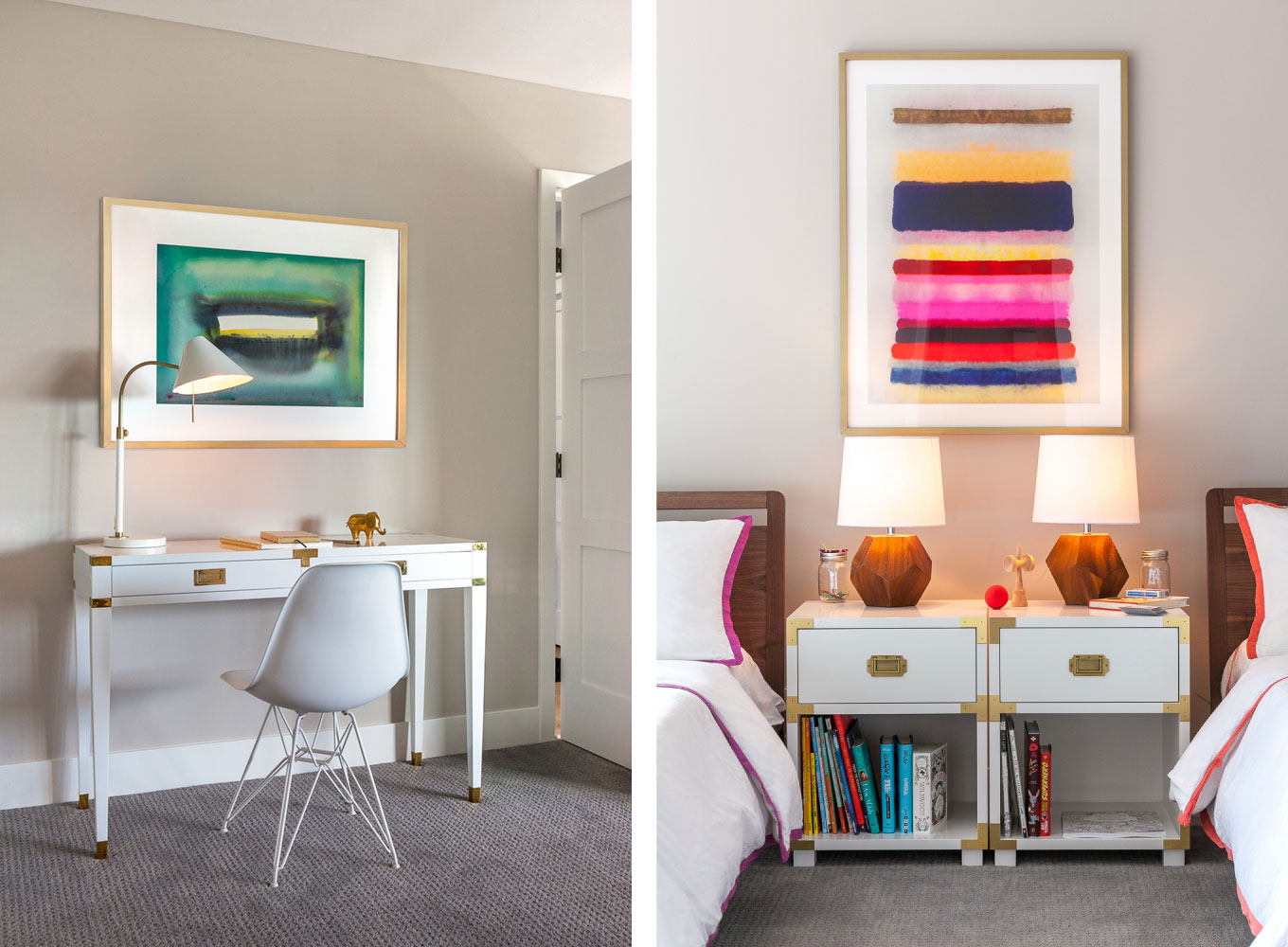
Kids Room

Designing with Vision and Longevity in Mind

A well-designed nursery anticipates future needs. Rachel Blindauer emphasizes the importance of selecting pieces that evolve with your child. “A nursery should feel personal and serene today while being adaptable for tomorrow,” she explains.

Rachel also encourages a cohesive design narrative. Whether it’s a tailored, modern aesthetic or a timeless approach, every nursery should reflect the broader design language of your home. This attention to detail ensures your nursery doesn’t feel like an isolated space but rather a natural extension of your living environment.

Safety Meets Sophisticated Furniture

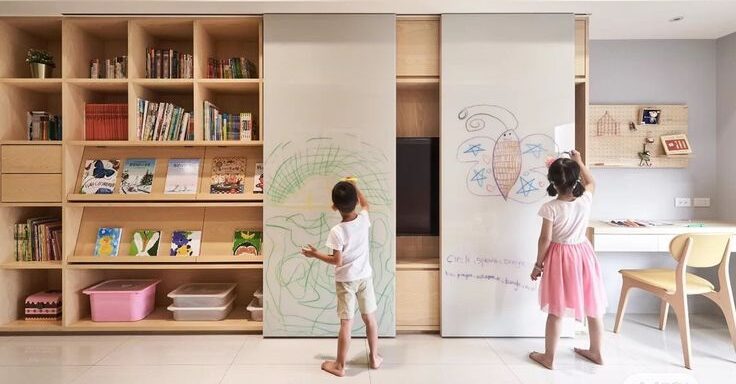
Safety is always at the forefront of Rachel Blindauer’s nursery designs, but never at the expense of style. She integrates low-VOC paints, internally protected outlets and organic textiles that provide peace of mind without sacrificing elegance. “I always recommend anchoring furniture and using products that meet the highest safety standards with children,” says Blindauer. For a beautifully designed yet practical changing station, she suggests the Kilmer Dresser by Worlds Away, which blends luxurious design with functional storage and ample surface space. Pictured Color Box by Montana Mobler, creates alot of color pop storage.

Custom Storage Solutions Tailored to Your Lifestyle

Storage in a nursery must be both accessible and adaptable. Rachel Blindauer specializes in custom millwork that fits seamlessly into any room size while anticipating the ever-changing needs of a growing family. “Built-in cabinetry not only elevates the room’s aesthetic but also provides practical storage that grows with your child,” she notes. For clients seeking versatile solutions, she often recommends the Elfa Custom Closet System to keep essentials organized while allowing for future adjustments.

Infusing Personal Narratives

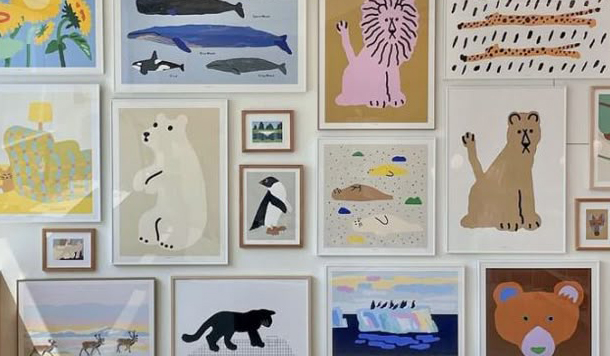
Rachel Blindauer believes that the most memorable nurseries tell a story. Whether incorporating heirloom pieces, bespoke artwork, or custom-designed furniture, she ensures each nursery is as unique as the family it serves. “A personalized nursery speaks to the heart of your home,” she says. For one client, Rachel commissioned a hand-painted mural inspired by family travels—a piece that will hold sentimental value for years to come.

Mastering the Layout for Maximum Functionality

An expertly designed nursery places every element with intention. Rachel Blindauer’s spatial planning expertise ensures that every piece—from the crib placement to the reading nook—enhances daily routines. “I prioritize a practical layout that supports ease of movement and functionality,” she explains. For late-night feedings, she often recommends the Babyletto Kiwi Swivel Glider Recliner, a sleek and ergonomic option that combines comfort with a modern silhouette and built-in USB charging capabilities.
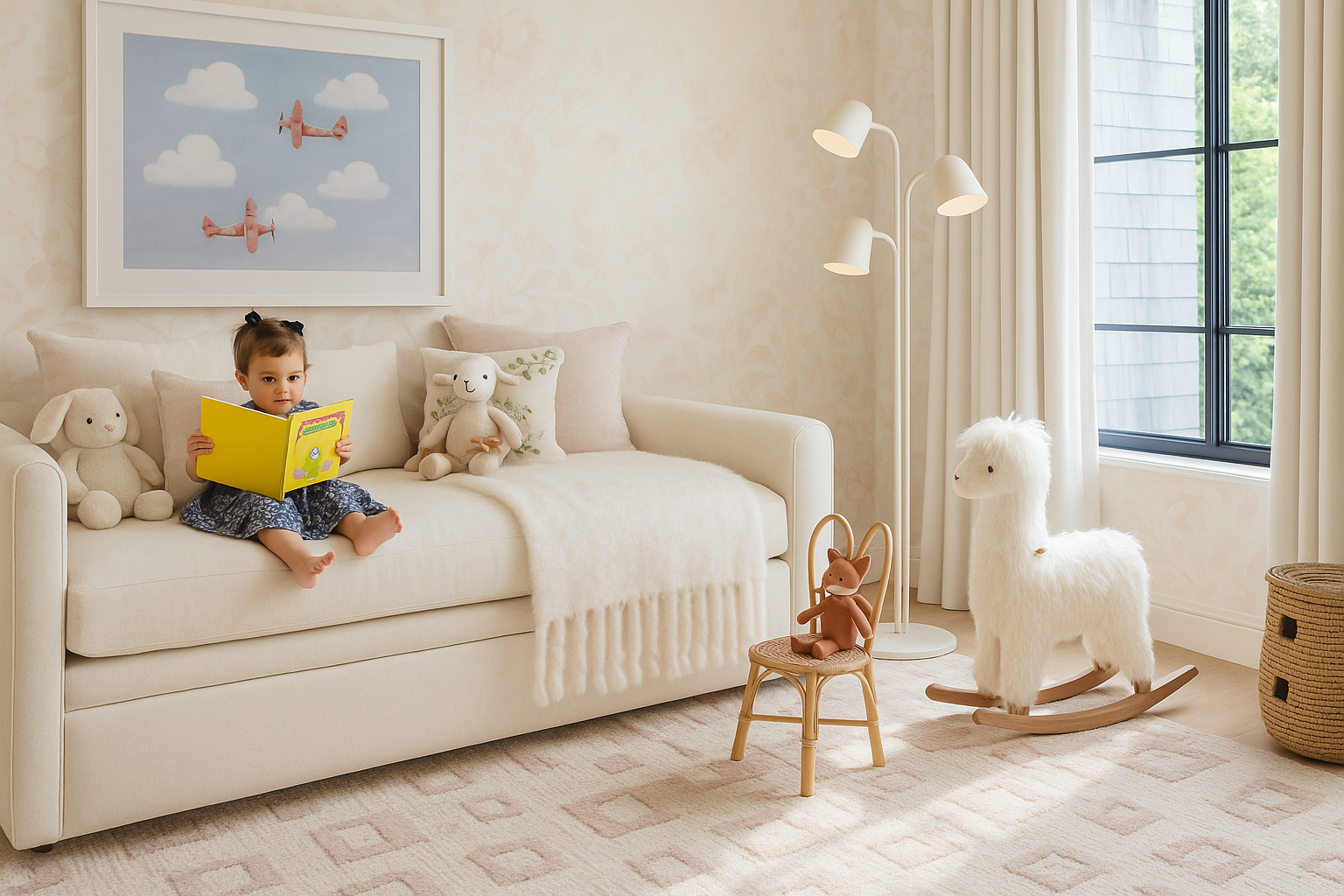
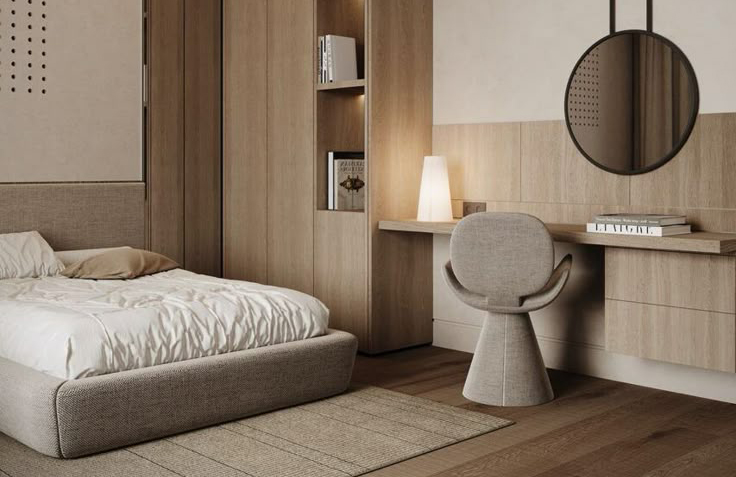
For parents seeking an alternative to traditional cribs, Rachel suggests incorporating a Montessori-style bed. This low-to-the-ground design fosters independence and encourages safe exploration, aligning with her philosophy of creating environments that grow with the child.

Kids Room

The Value of Expert Guidance

Designing a nursery is about more than just aesthetics—it’s about creating a purposeful, adaptable space that supports your growing family. Working with an expert elevates the experience and outcome. Rachel Blindauer brings a meticulous eye and a wealth of experience to every nursery project. Her ability to balance elegance with everyday practicality ensures that clients receive a space that is not only visually stunning but also perfectly suited to your lifestyle.

Rachel Blindauer designs with the vision of longevity, prioritizing safety without compromising style, incorporating custom storage solutions tailored to the family’s lifestyle, infusing personal narratives into the nursery design, mastering the layout for maximum functionality, and value. If you are seeking a bespoke nursery design in St. Louis, MO, or surrounding areas like Ladue, Clayton, Frontenac, and Town and Country, Rachel Blindauer offers unparalleled expertise to bring your space to life.

2 Hour Interior Design Virtual or In Person Consultation

SOMETHING FOR EVERYONE

THE PIECES RACHEL RETURNS TOAGAIN AND AGAIN