What’s Next for the U.S. Housing Market? 2025 Edition

What’s Next for the U.S. Housing Market? 2025 Edition

Back in 2024, the housing market was a wild ride: skyrocketing prices, intense bidding wars, and an overwhelming sense that the pace couldn’t sustain. Fast forward to April 2025, and the landscape has evolved. It’s no longer the chaotic free-for-all it once was, but it’s not quite a buyer’s paradise either. So, what’s happening now, and what can we expect in the months ahead?

The Market Today: A Shift in Dynamics

The U.S. housing market is taking a breath after years of rapid growth. While prices remain high in many areas—some even breaking records—they are no longer climbing at breakneck speed. In fact, certain markets are starting to see slight price dips, especially where inventory is beginning to pick up. This shift is giving buyers more room to negotiate than in recent years.

Demand, however, is still there, but with less urgency. The desire for new homes persists—families are growing, remote work continues to influence location preferences—but the sense of urgency has faded somewhat. Affordability remains a significant concern, with mortgage rates easing but still not low enough to entice everyone into the market. This financial reality is causing many potential buyers to hold off, either renting or waiting for more favorable conditions.

What’s Driving the Shift?

A few significant factors are behind these changes:

  • Increased Homebuilding: After years of underbuilding, builders are finally bringing new homes to market. While it’s not enough to flood the market, regions like Texas and Florida are seeing a surge in new construction, helping meet demand from an influx of new residents.

  • The “Lock-In Effect” Fading: Homeowners who locked in ultra-low mortgage rates a few years ago were reluctant to sell, fearing higher rates on their next purchase. But as rates stabilize and life circumstances change, more of these homes are hitting the market, offering buyers a bit more choice.

  • Policy Changes on the Horizon: With new federal policies being discussed—such as opening up federal land for development—there could be significant shifts ahead in how housing is developed. While nothing is set in stone, it’s something to watch closely as it may impact supply.

Regional Trends: Hotspots and Cool-Offs

The U.S. is never a one-size-fits-all market, and 2025 is no exception:

  • The Sun Belt: States like Arizona, Texas, and the Carolinas remain popular, with relatively affordable prices and ample new construction. These areas continue to attract people looking for a warmer climate and lower cost of living.

  • Coastal Cities: Markets in places like San Francisco and New York are cooling off. While prices remain high, homes are sitting on the market longer, and sellers are getting creative with incentives.

  • Midwest Surge: The Midwest is quietly becoming a hot spot. Cities like Ohio and Indiana are seeing steady interest due to affordability and strong job markets, making them appealing for practical buyers.

What’s Ahead for 2025?

Looking to the rest of the year, we’re not expecting a drastic boom or bust. The market is settling into a more balanced pace—not the chaotic highs of previous years, but certainly not stagnant. Experts predict home prices could rise modestly by around 3% nationally, though this will vary by region. Mortgage rates are likely to hover in a stable, “not terrible, not amazing” range, providing a bit of predictability for buyers and sellers alike.

For buyers, this could be an ideal time to enter the market. With more options and less competition, you might not have to waive every contingency or overbid to secure your dream home. Sellers, however, may need to adjust their expectations. Pricing a home right and offering perks—like covering closing costs—could make all the difference.

The Big Picture

When I wrote about the housing market in 2024, I questioned whether the rapid pace could continue. It turns out, it couldn’t—not forever. What we’re seeing now is a market recalibrating, with supply gradually catching up, demand easing, and affordability still a major challenge for many. While it’s not a perfect storm, it’s also not smooth sailing. For anyone buying, selling, or just watching, 2025 presents a year of cautious opportunity—less chaos, more choices, and the potential for making smart, strategic moves.

2 Hour Interior Design Virtual or In Person Consultation

SOMETHING FOR EVERYONE

THE PIECES RACHEL RETURNS TOAGAIN AND AGAIN

St. Louis Boutique Hotel Design & Branding | Rachel Blindauer

St. Louis Boutique Hotel Design & Branding | Rachel Blindauer

Looking for a luxury boutique hotel interior designer in St. Louis or beyond? At Rachel Blindauer, we specialize in creating immersive, brand-aligned hotel interiors that captivate guests and elevate ROI. From full-service hotel renovations to branded signature suites and sensory guest experiences, we help boutique properties stand apart with design that feels effortless, curated, and unforgettable.

When a Hotel Becomes the Destination

A boutique hotel succeeds not by scale—but by soul.

In a world of templated luxury and indistinguishable lobbies, the true boutique experience stands apart: it evokes, it surprises, it lingers. And increasingly, it is the interior—the light against the wall, the materials that tell a story, the quiet choreography of arrival—that defines whether a property is simply visited… or remembered.

At Rachel Blindauer, we transform spaces into fully realized sensory experiences. From spatial design to visual identity, we craft immersive environments where beauty is not just seen—it’s felt.

Why Boutique Hotels Choose Rachel Blindauer

Designing for the hospitality industry requires more than good taste. It demands strategic clarity, narrative thinking, and an obsessive attention to emotional resonance.

Luxury Interior Expertise

With a background in high-end residential, commercial, and yacht interiors, our studio brings a level of refinement that translates seamlessly to boutique hospitality.

Brand-Centric Design

Every space begins with the story. We align interiors with the hotel’s distinct personality—ensuring that each touchpoint reinforces a singular, unforgettable brand.

Elevated Guest Experience

From the texture of the linens to the lighting in the spa, we design with the guest’s senses in mind—enhancing comfort, encouraging connection, and deepening loyalty.

Market Positioning that Performs

Design is your first impression—and your strongest differentiator. Hotels with compelling environments command higher nightly rates, increased press visibility, and greater direct bookings.

Our Signature Services for Boutique Hotels in St. Louis and Beyond

1. Full-Service Interior Design & Renovation

We oversee comprehensive transformations—reimagining lobbies, suites, restaurants, spas, and rooftop lounges.
From initial concept to final installation, our design process includes:

  • Space planning with flow and function at the core
  • Curated selections of furniture, textiles, lighting, and custom decor
  • FF&E procurement tailored to your property’s needs and narrative
  • Bespoke statement pieces that distinguish your hotel in a competitive market

Explore our full-service interior design process to see how we guide hospitality transformations from blueprint to final flourish.

2. Branded Partnerships & Signature Suites

Design becomes aspirational when it becomes personal.

    • Launch a “Rachel Blindauer Signature Suite” that guests seek out by name
    • Collaborate on limited-edition furniture and décor collections exclusive to your hotel
    • Co-branded partnerships that drive press, influencers, and word-of-mouth buzz

3. Graphic Rebranding & Visual Identity

Luxury is in the details—especially the visual ones.

  • Logo refreshes, refined typography, and color palettes that mirror the interior tone
  • Custom design for signage, menus, in-room touchpoints, and digital branding
  • Website design that converts browsers into booked guests

4. Guest Experience Enhancements

From scent to sculpture, we design moments that become memories:

  • Signature fragrance development to create emotional recall
  • Curated art and sculpture programs featuring local or notable artists
  • High-touch in-room amenities that feel deeply personal—not mass produced

“The best hotel experiences don’t shout luxury. They whisper presence.”
— Rachel Blindauer

Design That Performs: Maximizing ROI in Boutique Hospitality

An investment in great design is not aesthetic—it’s strategic.

  • Higher ADR (Average Daily Rate): Well-designed rooms command premium pricing
  • Brand Awareness: Beautiful spaces generate press, influencer content, and social buzz
  • Guest Retention: A coherent, curated experience builds loyalty and drives repeat visits
  • Differentiation in a Saturated Market: Guests remember how your hotel felt—not just how it looked

From the Designer

“In my work across the U.S., I’ve found that design becomes most magnetic when it reflects both place and intention. Whether I’m developing a project in Sarasota or a rooftop spa in St. Louis, the goal is always to design not just for luxury, but for loyalty.”

Let’s Elevate Hospitality—Together

Looking for a luxury boutique hotel interior designer in St. Louis or beyond? At Rachel Blindauer, we specialize in creating immersive, brand-aligned hotel interiors that captivate guests and elevate ROI. From full-service hotel renovations to branded signature suites and sensory guest experiences, we help boutique properties stand apart with design that feels effortless, curated, and unforgettable.

Whether you’re launching a new concept, rebranding a hidden gem, or ready to elevate your guest experience, we bring clarity, creativity, and quiet authority to every space we design.

To learn more about how strategic design and branding can transform your property, download our complimentary PDF: Designing Iconic Hospitality

Start with a conversation. Let’s explore what your space could become.

About Rachel Blindauer

Rachel Blindauer is an award-winning interior and product designer known for crafting spaces that feel as good as they look. With over 15 years of experience, she has designed more than 1,000 products for national retailers like Williams-Sonoma and led acclaimed residential and commercial design projects across the U.S.—from Nantucket to Sarasota. Based in St. Louis, her studio brings elevated interiors, branding fluency, and sensory storytelling to a growing portfolio of hospitality, residential, and development clients.

Designing Iconic Hospitality

Get Started Today

Let Rachel Blindauer help you think through your project starting with a complimentary consultation.
Spring Color Palette Ideas: Best Paint Colors, Moodboards, and Design Tips

Spring Color Palette Ideas: Best Paint Colors, Moodboards, and Design Tips

Spring isn’t just a season—it’s a sensibility. A lightness, a lift, a turning outward. In color theory, Spring types are warm, clear, and bright. Their palettes feel effervescent—bringing the clarity of a daffodil or the promise of a cherry blossom into a space that lives, breathes, and uplifts.

Spring interiors aren’t defined by pastels—they’re defined by energy. Warm light. Crisp edges. And just enough softness to keep it graceful.

I’ve worked with Spring palettes everywhere from breezy bungalows in Florida to refined pied-à-terres in San Francisco. What unites them isn’t geography—it’s the feeling they create: forward-looking, joyful, and just a touch undone.

What Is the Spring Color Palette?

The Spring palette includes warm, clear colors with an undertone of optimism. Think peach, butter yellow, celadon green, fresh white, clear coral, and pale robin’s egg blue. Unlike the dusky tones of Autumn or Summer, Spring tones feel sunlit and translucent.

These are the hues of blooming branches, café au lait, morning light, and woven grass. In a well-designed home, they don’t feel precious—they feel personal.

Core Spring Colors:

  • Buttery Cream
  • Celadon Green
  • Pale Apricot
  • Robin’s Egg Blue
  • Coral Pink
  • Warm White
  • Soft Marigold

“Spring palettes don’t imitate nature. They revive it—room by room.”

Unlocking Your Seasonal Palatte for Style & Space

How to Know If You’re a Spring

Are You a Spring?

  • You look best in clear, warm tones (like peach, coral, mint)
  • You gravitate toward movement and lightness in design
  • You love vintage that feels edited—not cluttered
  • Your spaces reflect joy more than polish

Why Spring Colors Work in Interior Design

Spring palettes make spaces feel alive. They’re especially powerful in:

  • Entryways that need a bright welcome
  • Kitchens with natural light and wood tones
  • Kids’ spaces that grow with elegance
  • Sunrooms and dining areas designed to lift mood

In a recent Sarasota kitchen, I used Benjamin Moore’s Simply White on the walls, paired with painted cabinetry in Sherwin-Williams Peach Fuzz and antique brass hardware. The effect? Uplifting without being sweet. Bright without glare.

Best Paint Colors for a Spring Color Palette

Tested and refined across projects in various lighting conditions:

For Coastal Light (Sarasota, FL)

  • Benjamin Moore Simply White – clean, not stark
  • Sherwin-Williams Peach Fuzz – a clear, friendly peach
  • Farrow & Ball Teresa’s Green – soft green-blue with warmth

For Diffused Light (San Francisco, CA)

  • Little Greene Blush – a gentle pink that’s never babyish
  • Benjamin Moore Acadia White – warm without yellowing
  • Portola Paints Sea Salt – clear and natural without chalkiness

For Seasonal Contrast (Nantucket, MA)

  • C2 Limonata – a refined soft yellow
  • Farrow & Ball Pink Ground – sophisticated, not sugary
  • Sherwin-Williams Topsail – a crisp robin’s egg blue

Pair these with rattan, handwoven textiles, unlacquered brass, or ceramic tile for tactile contrast.

Spring Color Pallate

Layering: The Spring Edit

Spring colors shine when layered with lightness. To build depth:

  • Layer materials like linen, washed cotton, raffia, and cane
  • Use painted woods (whitewashed, not dark)
  • Mix old and new—heirloom meets handmade

Nothing should match perfectly. Spring lives in the mix.

Spring Moodboard Pairings

Sarasota Spring
Paint: Simply White + Teresa’s Green
Materials: Cane, linen, white oak
Anchor: Oversized botanical in pale green

San Francisco Spring
Paint: Blush + Acadia White
Materials: Matte ceramic tile, tumbled brass
Anchor: Woven pendant over tulip table

Nantucket Spring
Paint: Topsail + Pink Ground
Materials: Whitewashed maple, vintage linen
Anchor: Abstract pastel art with coastal framing

Wear It, Live It

If your best colors are soft corals, celadon, and cream—your interiors should echo that. Spring types benefit from surroundings that mirror their lightness.

Pair your palette with natural textures, crisp white denim, botanical prints, and sun-washed tones.

Download the Seasonal Color Palette Guide or book a 2-Hour Design Consultation to translate your seasonal palette into a space that breathes.

Spring Color Pallate

FAQ: Spring Color Palette in Interiors

What are spring color palette tones?
Warm, clear, sunlit shades like peach, celadon, cream, and coral.

Where do spring palettes work best?
Kitchens, entryways, nurseries, and sunrooms—or anywhere you want energy without chaos.

Do spring colors look too pastel in real life?
Not if they’re grounded with natural materials and contrast. Use texture and shape.

What undertones should I avoid as a Spring?
Cool grays and muddy taupes. Stick with warm whites and clear brights.

Ready to Refresh Your Space with Color?

Book a 2-Hour Design Consultation and let’s bring clarity, charm, and cohesion to your space—rooted in your personal color season.

About Rachel Blindauer
Rachel Blindauer is an award-winning interior and product designer known for crafting spaces that feel as good as they look. From boutique homes to coastal retreats, her work blends joyful restraint with timeless detail.

2 Hour Interior Design Virtual or In Person Consultation

SOMETHING FOR EVERYONE

THE PIECES RACHEL RETURNS TO, AGAIN AND AGAIN
Best Home Organization Ideas for Every Room

Best Home Organization Ideas for Every Room

When a Home Breathes Easier

The first sign of a well-organized home isn’t what you see. It’s what you feel.

It’s the pause that comes when you open a drawer and find only what belongs. It’s the ease of a morning routine unhindered by searching. It’s the shift from reaction to rhythm.

As a designer, I’ve long held that beauty is only half the story. Behind every effortlessly styled space is a silent system—an order that invites clarity, ease, and control.

Organization isn’t a trend. It’s an architecture of peace.
And your home deserves nothing less.

A Guide to Organizing with Elegance

This guide is designed for the real world—the client who shops at both The Container Store and antique markets, who values both form and flow. Whether you’re rethinking a single closet or reimagining your whole home, what follows is a space-by-space approach that honors both utility and aesthetic.

You’ll find:

  • Room-by-room solutions for closets, pantries, garages, and basements

  • Design advice that makes storage look beautiful

  • Cost breakdowns for DIY vs. professional organizing

  • Product picks that blend into sophisticated interiors

  • A soon-to-launch printable Whole Home Organization Planner PDF

Why Now?

Minimalism may have once been about reducing things—but today, it’s more about revealing priorities. Post-2020, we’re more aware of how our spaces affect our minds.

And Google trends show it too:

  • Closet organization ideas” → 50K+ monthly searches

  • Garage storage solutions” → 20K+

  • Pantry organization tips” → 18K+

But most results prioritize plastic bins and Pinterest-worthy labels. Let’s go deeper. Let’s organize with elegance.

The Closet: Personal, Private, and Often Ignored

Why It Matters

Closets shape the pace of your day. A chaotic one delays you. A considered one restores confidence. And no—it doesn’t have to look like a Kardashian showroom to work beautifully.

Essentials

  • Edit first. If it doesn’t fit or flatter, it doesn’t stay.

  • Group by category, then color. Let your wardrobe feel like a curated boutique.

  • Use slim velvet hangers for visual consistency and to save space.

  • Double rods and shelf risers can double your capacity—elegantly.

Style Advice from Rachel Blindauer

  • Swap plastic for linen or seagrass binsthey soften the visual noise.

  • A single accent wallpaper on the back wall elevates even a builder-grade closet.

  • Add a dimmable LED strip under shelves—small light, major impact.

Budget Considerations

  •  $1,000–$3,000+ (Elfa, custom millwork)

Recommended Closet Systems:

Whether you’re designing a boutique-style walk-in or optimizing a reach-in closet, here are the systems I recommend most often to clients:

The Pantry: Your Quietest Workhorse

Why It Matters

Pantries are rarely designed—they’re outfitted. But with just a few layers of strategy, they can become a thing of beauty and clarity.

Essentials

  • Store like with like (breakfast, snacks, baking) in labeled baskets or clear bins.

  • Use glass canisters with bamboo lids for staples.

  • Shelf risers and lazy susans maximize depth.

  • Use the back of the doornot for chaos, but for overflow zones.

Style Advice from Rachel Blindauer

  • Avoid over-branding. Transfer bulk items to minimalist containers with cohesive labels.

  • Use woven baskets for a more grounded, organic aesthetic—especially in open shelves.

  • Layer in a few ceramic or wood pieces to bring the pantry into your home’s design language.

Budget Considerations

  • $1,200–$5,000+ (built-in cabinetry, lighting, specialty containers)

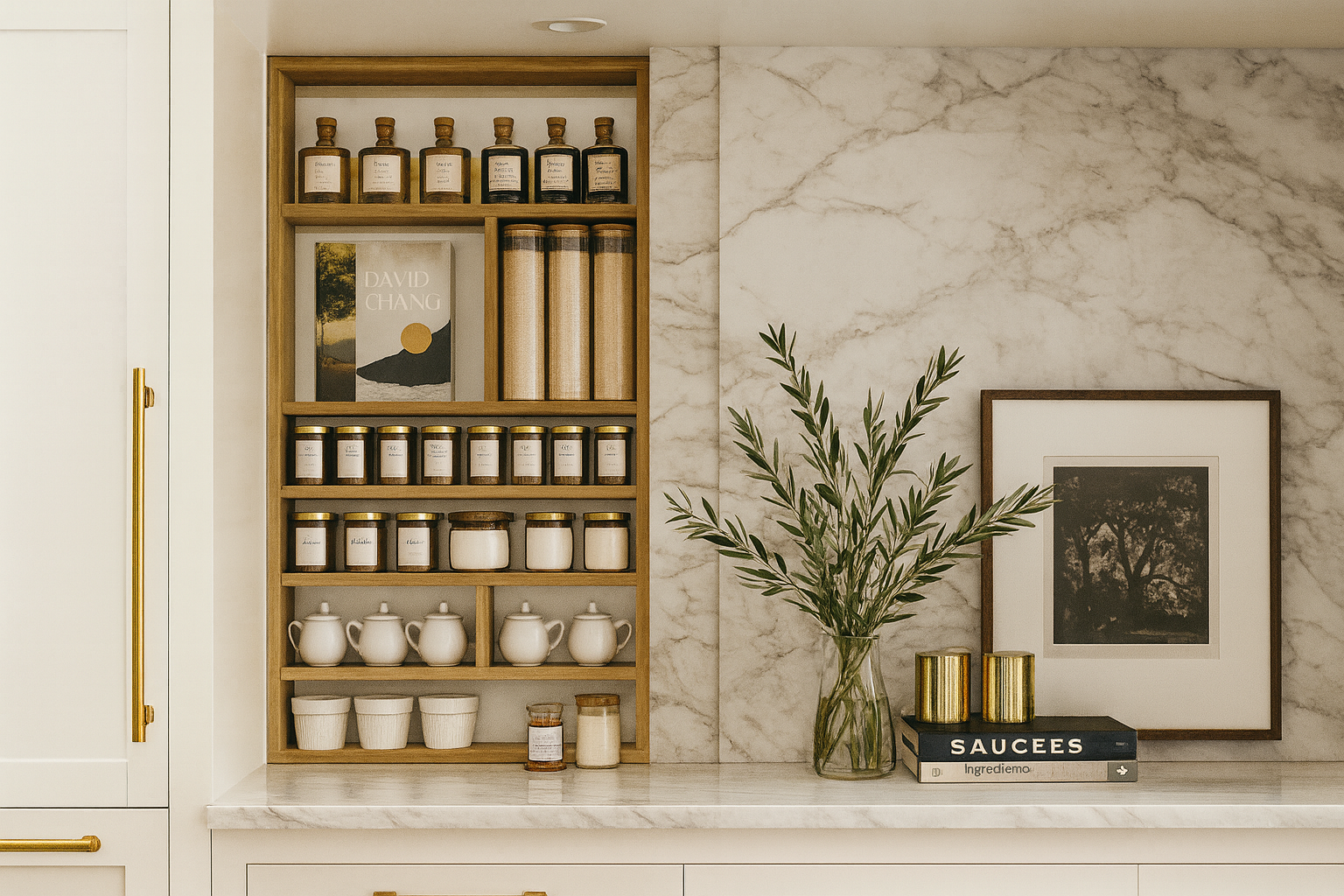
Recommended Decorative Kitchen Storage

Elevated storage is about more than hiding things—it’s about what you want to show. These are the systems and containers I trust to keep your pantry and kitchen beautifully functional:


📌 Rachel’s favorite kitchen inspiration

The Garage: Underestimated and Overdue

Why It Matters

The garage may be utilitarian, but that’s no excuse for chaos. When you organize this space with the same intention as your kitchen, it changes how the whole house feels.

Essentials

  • Use vertical wall systems (like Elfa or Rubbermaid FastTrack).

  • Store power tools and seasonal gear in lockable cabinets.

  • Add overhead storage for bulky items (holiday, camping, etc.).

  • Group items by task or frequency: sports, home projects, gardening.

Style Advice from Rachel Blindauer

  • Paint the concrete floor a soft gray epoxy—it adds polish and hides wear.

  • Choose modular black cabinets over wire shelves. Less chaos, more calm.

  • Label bins in a neutral, consistent typefaceno neon, no clip art.

Budget Considerations

  • Professionally Installed System: $2,000–$7,000+

Recommended Garage Systems

Here are a few top systems I recommend based on function, durability, and style in order:

The Basement: Storage, But With Intention

Why It Matters

The basement often functions as “the place where things go”—which means it accumulates without purpose. With a little strategy, it can become one of your most versatile zones.

Essentials

  • Use metal shelving units for bin storage—categorize everything.

  • Create physical zones (holiday decor, tools, keepsakes, etc.).

  • Keep a digital inventory of what’s in each bin via spreadsheet or app.

  • Add a folding table or drop-down work surface for utility tasks.

Style Advice from Rachel Blindauer

  • If it’s a finished space, treat it like one. Add area rugs to define zones.

  • Use uniform bins in muted tones (black, forest, sand). Avoid visual chaos.

  • Hide open shelves with curtains or sliding panels to soften hard lines.

Budget Considerations

  • DIY Basement Setup: $200–$600

  • Renovation-Level Redesign: $5,000–$25,000+

System Recommendations:

Whole-Home Principles That Apply Anywhere

  • Use a single label style throughout your home for subtle cohesion.

  • Stick to one bin type per room to reduce cognitive load.

  • Add a standing “donate” bin to your hallway or mudroom—it keeps purging on autopilot.

  • And remember: decluttering without rethinking your systems is only a temporary fix.

Download the Organization Planner

📥 Get the Whole-Home Organization Checklist PDF →
Includes:

  • Room-by-room planning pages

  • Product & layout guides

  • Aesthetic organizing tips

  • Budget estimator

Final Word

Organization doesn’t have to be rigid. In fact, it works best when it reflects how you actually live—not how you think you’re supposed to.

It’s not about creating a showroom. It’s about creating flow.

So whether you’re reworking a chaotic closet or refreshing your garage, know that every square inch is a chance to make life feel just a little lighter.

Start With What You Can Control:

 Book a Design Consultation
& Follow us on Pinterest for Layout & Styling Ideas

Design is what you see. Organization is what holds it together. Let’s do both beautifully. Rachel Blindauer

2 Hour Interior Design Virtual or In Person Consultation

Get Started Today

Let Rachel Blindauer help you think through your project starting with a consultation.

Top Luxury Interior Design Trends for 2025

Top Luxury Interior Design Trends for 2025

As we step into 2025, the world of luxury interior design continues to evolve with new materials, colors, and furniture styles that create striking, sophisticated spaces. If you’re looking to elevate your home’s design to reflect the most sought-after trends of the year, it’s essential to focus on a blend of timeless elegance and fresh innovation. Here are the top luxury interior design trends homeowners should incorporate for a high-end look in 2025.

Sophisticated Color Palettes

The days of subdued neutrals and monochrome designs are being replaced with more daring and dynamic color schemes in luxury homes. In 2025, we’re seeing a shift toward deep, opulent tones that evoke a sense of warmth and grandeur.

  • Rich Jewel Tones: Expect to see a resurgence of emerald greens, sapphire blues, and amethyst purples making their way into accent walls, upholstery, and accessories. These colors add depth and luxury to any room.
  • Earthy Neutrals: While jewel tones are gaining momentum, there’s still a strong love for earthy shades like terracotta, olive green, and warm taupe. These hues create an inviting, grounded atmosphere that feels both chic and comforting.
  • Metallic Accents: Gold, bronze, and chrome finishes are not only popular in fixtures but are also making their way into accent furniture, art frames, and even wallpaper details, adding that extra layer of glamour and shine.

Sculptural and Statement Furniture Pieces

In 2025, furniture is no longer just functional—it’s a work of art. Luxury homeowners are opting for statement pieces that are as sculptural as they are comfortable. Expect to see:

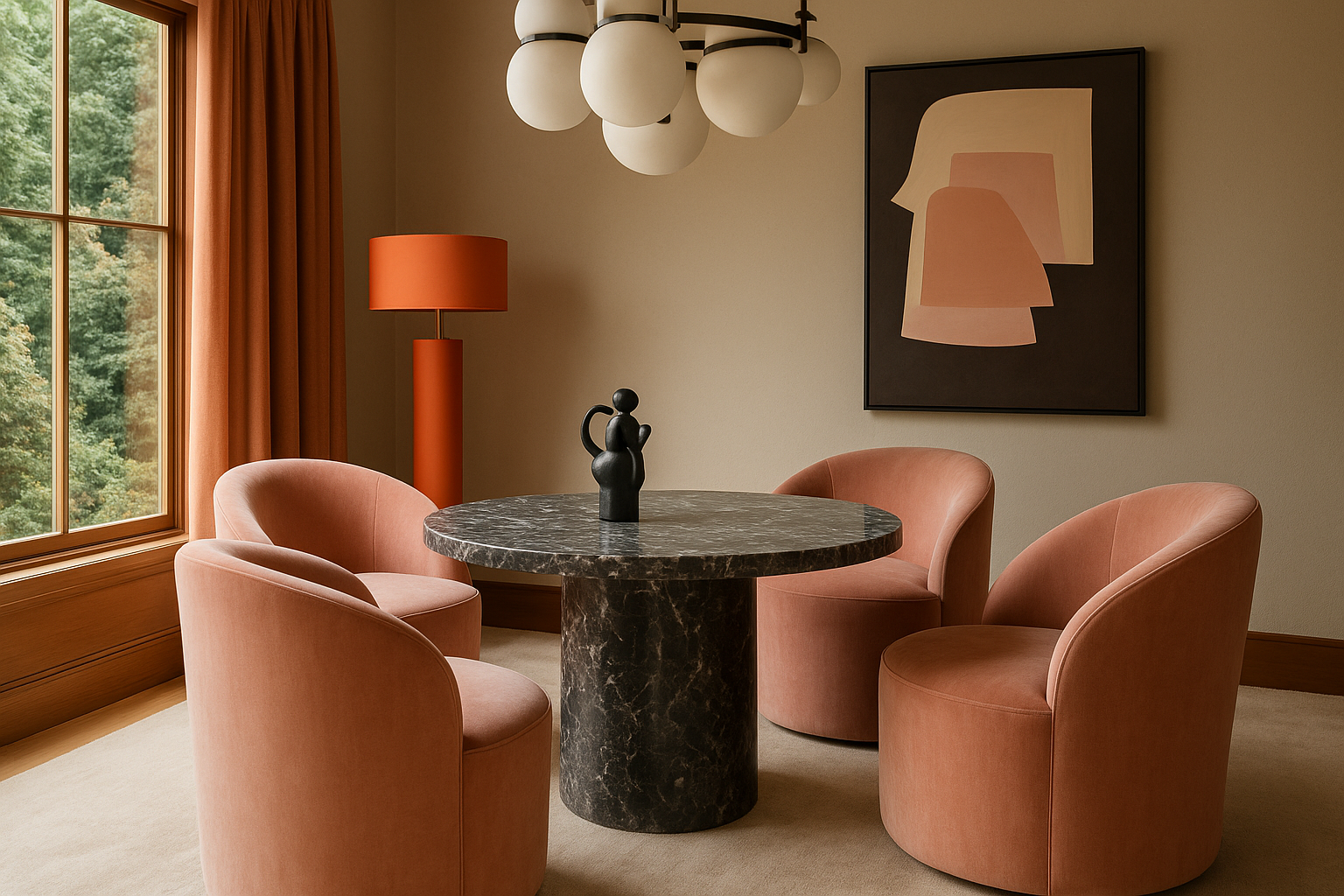
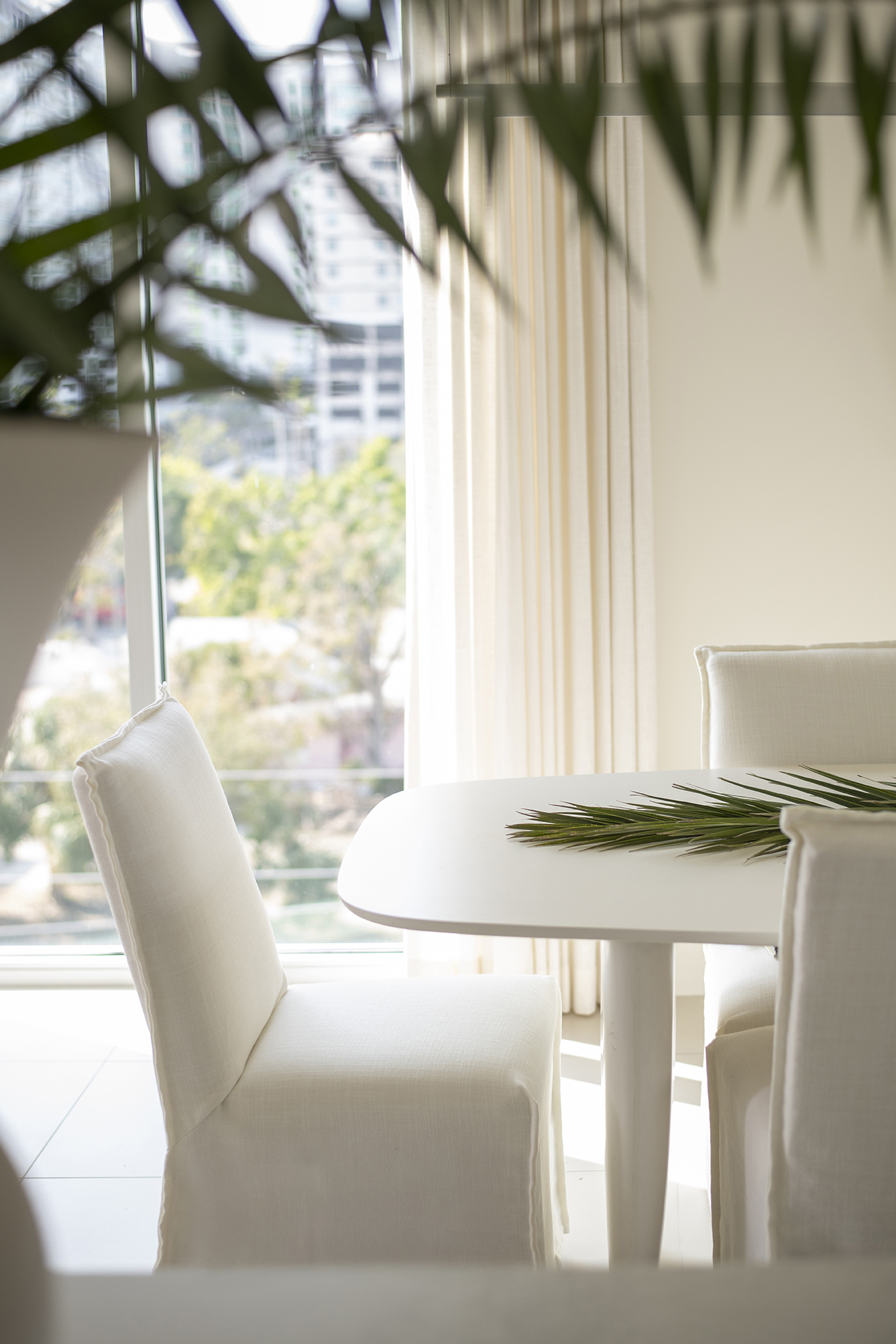
  • Curved and Organic Shapes: Furniture with soft, flowing lines and asymmetrical silhouettes is a major trend. This includes round-edged sofas, sculptural coffee tables, and oval dining tables that feel both futuristic and organic.
  • Bold, Luxe Materials: High-end materials like marble, velvet, and lacquered wood are being used in creative ways. Look for chairs with velvet upholstery in jewel tones, or dining tables with polished stone surfaces and intricate detailing.
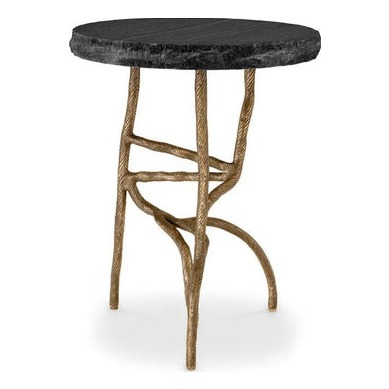
  • Custom and One-of-a-Kind Pieces: There’s a growing demand for bespoke furniture that reflects personal style. Many luxury homeowners are working with artisans to create unique pieces, whether it’s a custom-made sectional or a hand-carved wooden armoire.

This trend allows homeowners to make a bold statement with their furniture while creating a visually stimulating space that feels unique to their taste and lifestyle.

Natural and Sustainable Materials

Sustainability is no longer just a buzzword—it’s a must for luxury interiors in 2025. Homeowners are increasingly looking to incorporate materials that are both beautiful and eco-friendly, without compromising on quality or style. Some of the top sustainable materials in luxury design include:

  • Reclaimed Wood: With an emphasis on sustainability, reclaimed wood is becoming a key material in high-end spaces. Whether used in flooring, furniture, or wall panels, its rich texture and history add a layer of depth and character to a room.
  • Natural Stone: From marble and travertine to quartzite and onyx, natural stone is a luxurious material that exudes timeless beauty. In 2025, expect to see stone being used in countertops, backsplashes, and even accent walls.
  • Woven Textiles: Upholstery and textiles made from sustainable fibers like organic cotton, linen, and bamboo are making waves in luxury design. These materials add an earthy, organic feel to a space while being kind to the environment.
  • Recycled Glass and Metals: Recycled materials are being used in luxurious ways, from shimmering glass light fixtures to polished metal accents. These materials provide a stunning contrast against the natural elements in a room.

Incorporating these sustainable materials ensures that your home remains not only luxurious but also responsible in terms of environmental impact.

BringTheOutdoorsIn

Biophilic Design: Bringing the Outdoors In

The trend of biophilic design, which emphasizes the connection between humans and nature, continues to grow in 2025. Homeowners are embracing nature-inspired interiors that enhance both well-being and aesthetics. Key biophilic design features include:

  • Indoor Gardens and Green Walls: Luxury homes are incorporating lush indoor gardens and living green walls. These areas not only look beautiful but improve air quality and promote relaxation.
  • Natural Lighting: Maximizing natural light is key to creating an airy, uplifting atmosphere. Large windows, skylights, and open floor plans that allow for sunlight to flood into the space are on the rise.
  • Natural Textures: Incorporating elements like stone, wood, and plant life into interior designs brings the natural world inside. Look for textiles and decor that mimic natural textures, such as leaf patterns or wood-grain designs.

By merging the indoors with the outdoors, biophilic design creates a soothing, calming environment—a hallmark of high-end living in 2025.

Bold Art & Statement Lighting

Bold Art and Statement Lighting

Art and lighting are the finishing touches that tie a luxury space together, and in 2025, they are becoming more striking than ever.

  • Oversized Artwork: Large, bold pieces of art are making their way into luxury homes. From abstract paintings to vibrant sculptures, oversized art pieces make a strong statement and serve as the focal point of a room.
  • Sculptural Lighting: Lighting is becoming more artistic, with designers creating unique, sculptural fixtures that double as pieces of art. Think oversized chandeliers with organic, curving forms or intricate pendant lights that play with shadows.
  • Layered Lighting: Ambient, task, and accent lighting are being carefully layered to create mood and highlight key design features. Luxury interiors in 2025 will focus on strategic lighting placement, whether it’s for artwork, architectural details, or creating a cozy, intimate atmosphere.

These striking elements not only illuminate a space but also contribute to the overall mood and aesthetic of a home.

Incorporating these luxury design trends into your home in 2025 will elevate your space to new levels of sophistication and style. By focusing on rich color palettes, statement furniture, sustainable materials, biophilic design, and bold art and lighting, you’ll create an environment that exudes elegance and modernity. Whether you’re starting a full renovation or just looking to refresh a few key areas, these trends will ensure your home stays on the cutting edge of luxury design.
2 Hour Interior Design Virtual or In Person Consultation

SOMETHING FOR EVERYONE

THE PIECES RACHEL RETURNS TOAGAIN AND AGAIN