Candlelight or Constant Diffusion? The Scent of a Well-Styled Home

Candlelight or Constant Diffusion? The Scent of a Well-Styled Home

Scent is the quietest design decision you’ll ever make—and possibly the most powerful.

Long after a guest forgets the curve of the staircase or the way the linen caught the light, they will remember how the space made them feel. And more often than not, that feeling is scent.

We tend to treat fragrance as an afterthought. A final flourish. But scent is not a finish—it’s a foundation. It’s the atmosphere before the atmosphere, the sensory handshake of a space.
So when clients ask, “Should I use candles or diffusers?”, I usually smile.

That’s like asking whether music or memory matters more. Each tells a different story. The magic is knowing when to use which.

The Ritual of Flame, the Rhythm of Air

Lighting a candle is a ritual. A small act of intention that marks a shift—from the transactional to the personal, from day to evening, from doing to being. It’s not just about scent. It’s about signaling presence.

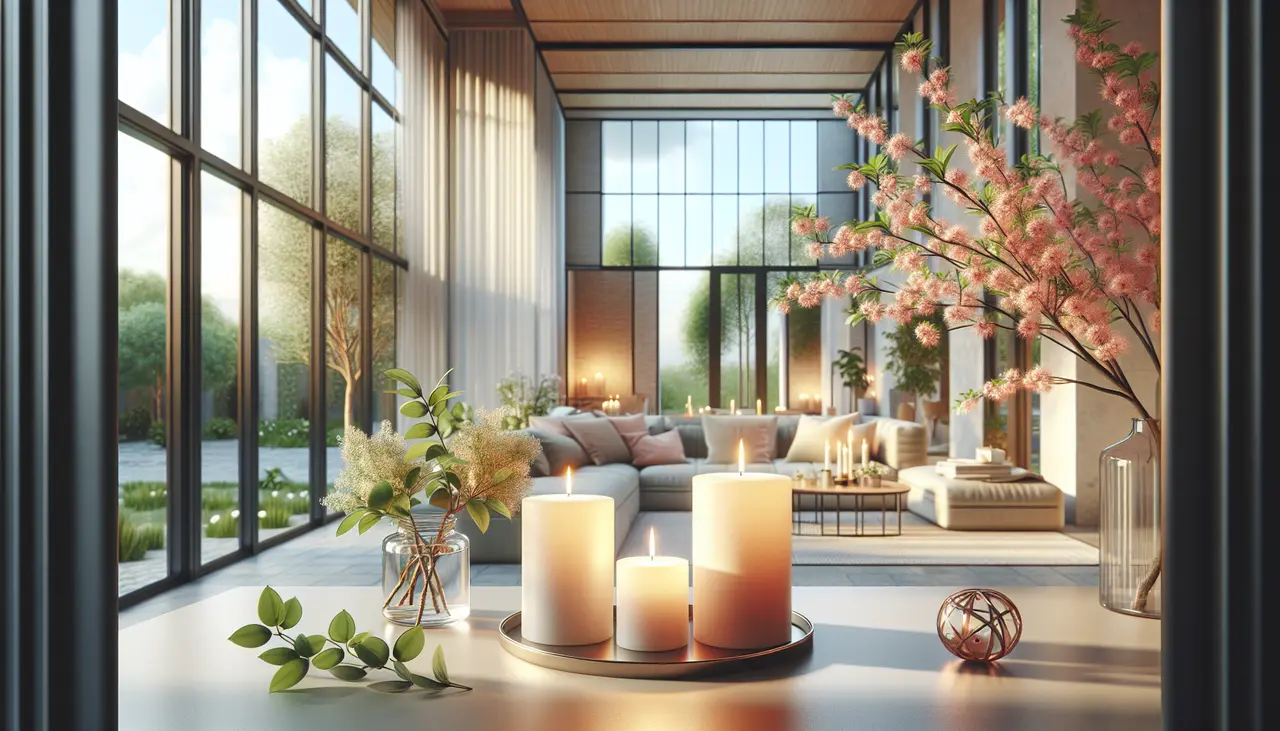
Candles are punctuation. In dining rooms, living rooms, even entry consoles before a dinner party—they layer fragrance with light, drawing guests inward. The flicker feels alive. There’s ceremony in striking a match.

By contrast, diffusers are the quiet hosts. Steady, consistent, invisible in the best way. They create a signature. In powder rooms, entryways, or bedrooms—places that benefit from a background hum of elegance—a diffuser does what a candle cannot: it stays. Always there, always graceful.

“Use diffusers to set the stage. Use candles to change the mood.”

In my own spaces, I rely on both. A calming hinoki diffuser hums in the background of the primary bedroom, while a soft fig candle brightens the bath ritual. Each has a role. Each has a rhythm.

Longevity, Aesthetics, and Why I Use Both

Diffusers often win on longevity. A high-quality reed or nebulizing diffuser can scent a space for weeks, even months, with little maintenance. They’re the architectural lighting of scent—consistent, ambient, essential.

Candles, however, offer something else entirely: ephemerality. They are fleeting by nature, and therein lies their luxury. The experience is temporary—intentional. A beautiful candle feels like a moment captured.

And aesthetically, it’s a draw. A matte ceramic diffuser feels like sculpture. A glass candle vessel with layered wax can rival any objet d’art on the bookshelf. The right fragrance piece doesn’t just scent a space—it styles it.

“There’s no rule that says you must choose. A diffuser sets the scene; a candle punctuates it.”

This philosophy mirrors how I layer light. Just as no room relies solely on overhead lighting, no room should rely solely on one form of scent. A warm diffuser for daily life. A complex candle to mark an occasion. Perhaps an incense cone just before guests arrive, offering a gentle exhale at the door.

Shop The Look

The Real Art: Scent with Intention

The most compelling interiors aren’t the ones with the most objects—they’re the ones with the most clarity. The same is true for scent.

Before you choose fragrance, choose feeling. Ask what you want your guests to remember. Ask how you want to feel when you walk into your own home at the end of the day.

Let scent follow feeling. Let feeling shape scent.

Because in a well-styled home, even the air is designed.

Rachel Blindauer is an award-winning interior and product designer known for crafting spaces that feel as good as they look. With over 15 years of experience, her work blends architectural rigor with an artist’s eye—balancing beauty and function with effortless precision. A graduate of Kansas State University, Rachel also studied at the School of the Art Institute of Chicago, the Academy of Art University, and the Architectural Association in London.

She’s designed over 1,000 products for leading brands like Williams-Sonoma, served as AVP at Gabby Home, and led projects nationwide—from Nantucket to Sarasota. Her work has earned national recognition, including nominations for the Cooper Hewitt National Design Award and multiple Best of Houzz honors. Today, through her St. Louis-based studio, Rachel brings elevated design and strategic clarity to residences, boutique hospitality, and development projects across the U.S.

2 Hour Interior Design Virtual or In Person Consultation

SOMETHING FOR EVERYONE

THE PIECES RACHEL RETURNS TOAGAIN AND AGAIN

No-Reno, No-Demo Design Hacks That Actually Transform Your Space

No-Reno, No-Demo Design Hacks That Actually Transform Your Space

Because a better home isn’t always built—it’s reimagined.

There’s a moment in every home when things begin to feel… stale. The layout still works, the finishes aren’t outdated, and yet something about the space no longer reflects who you are or how you live.

You don’t need a sledgehammer. You need a shift in perspective.

As an interior designer working with clients from Sarasota to San Francisco, I’ve seen firsthand how small, strategic moves can recast a space completely. These are the no-reno, no-demo interior design ideas I use in million-dollar homes to create transformation—without construction, only vision.

Start With Flow, Not Furniture

The quickest way to change a room is to rethink how it breathes. Often, the sofa isn’t in the wrong color—it’s in the wrong position. Rearranging major pieces to improve circulation or sightlines is a powerful first move.

In design consultations, I often reorient the anchor piece to face natural light or artwork. Then we layer from there.

“The most affordable design change is not a purchase—it’s a better point of view.”

Looking for layout help? Book a 2 Hour Design Consultation to reimagine your space.

Use Oversized Art to Shift Scale

One large-scale art piece does more to elevate a room than ten smaller ones. A singular canvas—abstract, photographic, or textural—can stretch walls visually and raise the ceiling line by tricking the eye upward.

Try placing a large piece above a console or credenza to establish presence. If you don’t have a framed piece yet, even a mounted textile or unframed canvas can create the drama.

Curate Vignettes

Design doesn’t always require more—it often requires less, better placed. Instead of cluttering surfaces, create one or two “hero” moments in each room.

A sculptural table lamp. A stack of books. A chair with good silhouette. These are your stage pieces. When styled intentionally, they read like a magazine spread—without buying a thing.

“You don’t need new furniture. You need better storytelling in your space.”

→ See how emotional vignettes ground our interiors in the RachelBlindauer.com portfolio.

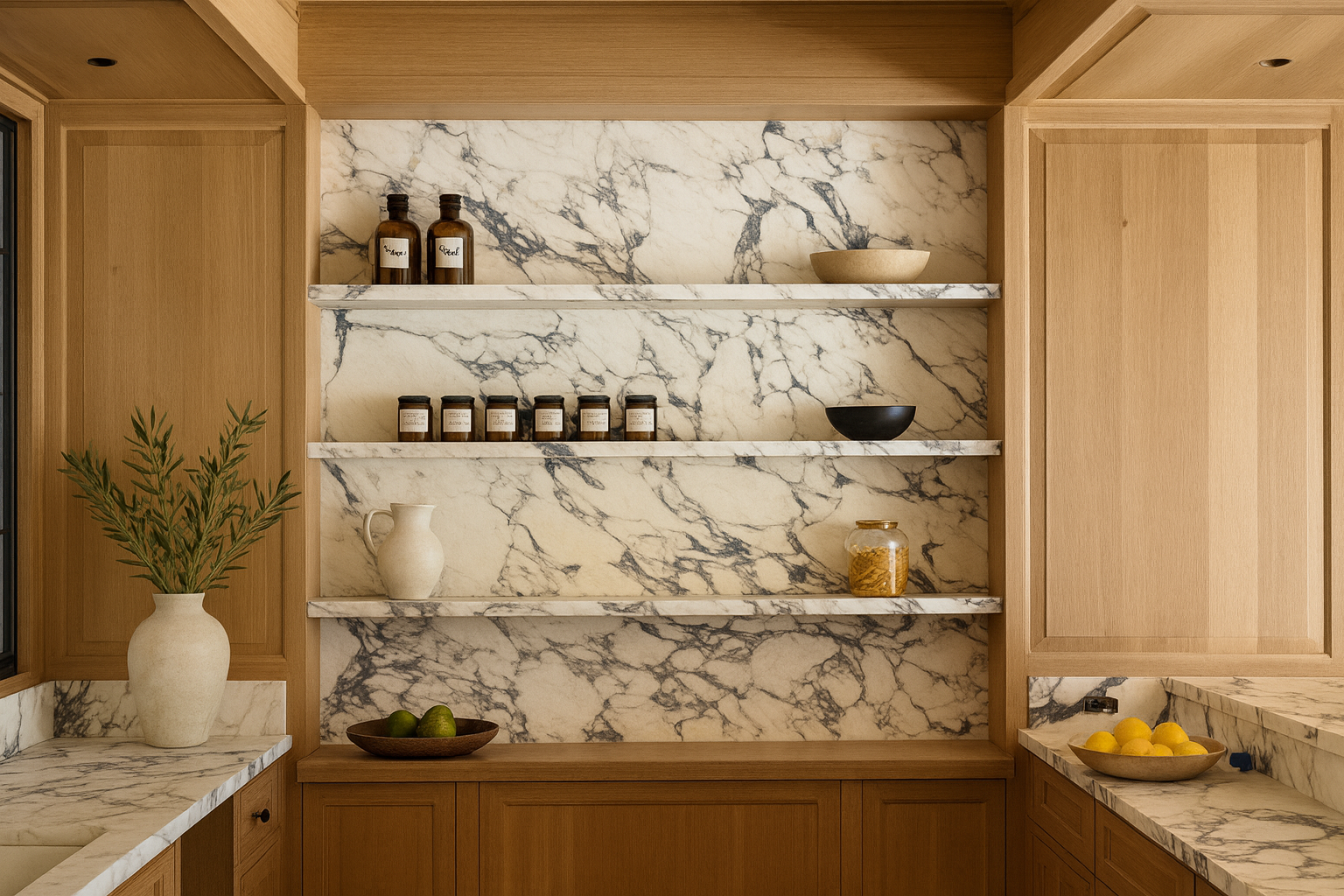
Spice Station

Swap Out the Overlooked Details

Some of the most powerful upgrades are hidden in plain sight:

  • Brass or ceramic switch plates instead of plastic
  • Hand-forged cabinet hardware instead of standard pulls
  • A woven wastebasket in place of plastic

These aren’t afterthoughts. They’re quiet luxury in action.

Shop our collection of textural home details that elevate the everyday.

Multi Family Condo Interior Design

Treat Drapery Like Architecture

Window treatments are not just a finishing touch—they’re a structural one. Floor-to-ceiling panels (even when your windows don’t go that high) pull the room upward.

My go-to: unlined linen in a tonal hue, mounted wide to make windows look larger and allow natural light to pour in from edge to edge.

If you rent or live in a builder-grade home, this one change alone can shift the atmosphere from temporary to tailored.

Design Through Scent

The feel of a home doesn’t start at the threshold—it starts in the air. I advise clients to layer scent the same way we layer light: thoughtfully and intentionally.

Choose a signature fragrance and repeat it across formats—diffuser, candle, linen spray. This creates olfactory continuity and elevates how your space is perceived by guests… and yourself.

Explore our candles and home fragrance collection to curate your scent identity.

Before You Renovate, Reimagine

Home isn’t made perfect by tearing things out. It’s made better when we see what’s possible in what’s already there. These no-reno upgrades are how I help clients fall back in love with their space—one layer at a time.

Book a design consultation or shop curated home accessories made to transform without renovation.

Rachel Blindauer is an award-winning interior and product designer known for blending architecture and artistry to create spaces that feel timeless, tactile, and quietly bold. From boutique hotels to serene residences, her work turns everyday living into an experience of intention.

2 Hour Interior Design Virtual or In Person Consultation

SOMETHING FOR EVERYONE

THE PIECES RACHEL RETURNS TO, AGAIN AND AGAIN

Shop The Look

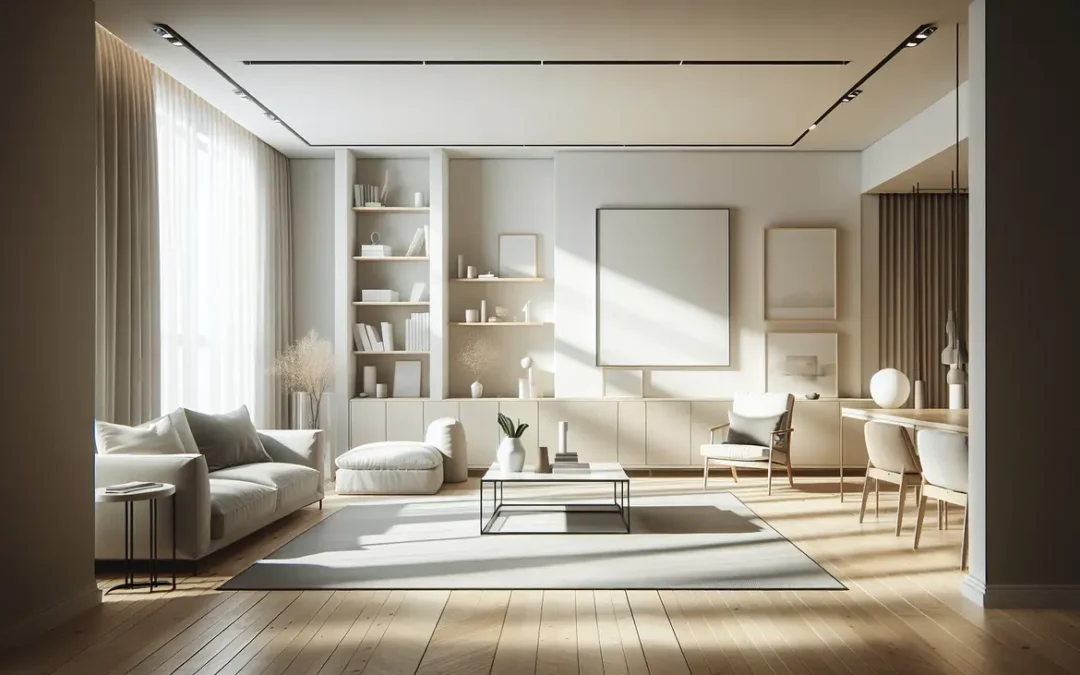
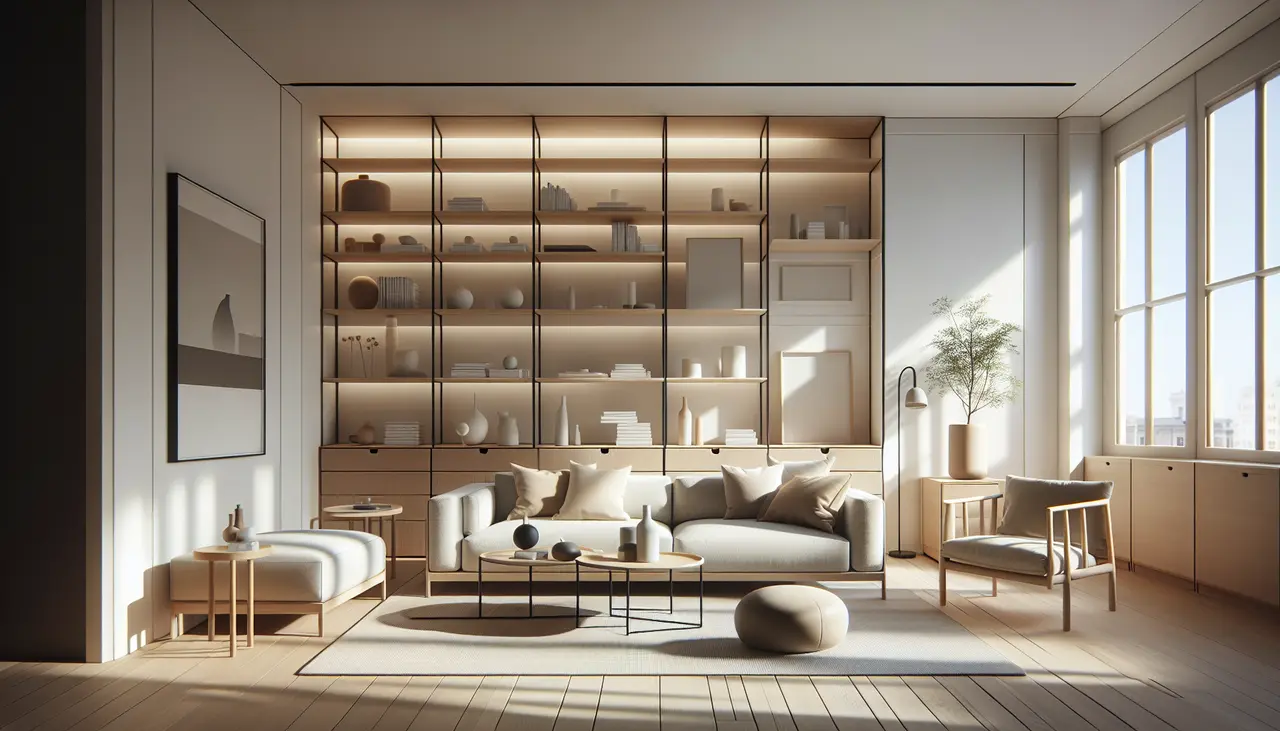
Multi-Purpose Interiors: Designing spaces with multiple functions to maximize utility and efficiency

Multi-Purpose Interiors: Designing spaces with multiple functions to maximize utility and efficiency

What are multi-purpose interiors?

Multi-purpose interiors are spaces that serve more than one function, allowing you to make the most out of your living area. By incorporating elements like foldable furniture, sliding doors, and modular designs, these interiors enable you to adapt your space according to different needs throughout the day. Maximizing utility and efficiency, multi-purpose interiors promote flexibility and creativity in how you utilize your home.

Benefits of designing spaces with multiple functions

Designing spaces with multiple functions brings several benefits. Here are some advantages:

  1. Maximizes Space: Utilizing one area for multiple purposes allows you to make the most of the available space, especially in smaller homes or apartments.
  2. Increases Efficiency: Having a space serve multiple functions can make daily tasks more convenient and efficient, as everything is within reach.
  3. Promotes Creativity: Designing multi-functional spaces encourages creative thinking and innovative solutions for utilizing space effectively.
  4. Enhances Flexibility: The ability to transform a space for different uses provides flexibility in adapting to changing needs and activities.
  5. Improves Organization: Designing with multiple functions in mind promotes organization and helps in maintaining a clutter-free environment.

Essential features of multi-purpose interiors

When creating multi-purpose interiors, it’s important to incorporate features that cater to various functions efficiently. Here are essential aspects to consider:

  1. Flexible Furniture: Opt for pieces that can be easily rearranged or converted to serve different purposes.
  2. Storage Solutions: Include clever storage options to keep the space organized and clutter-free.
  3. Dual-Functionality: Choose items that can serve more than one purpose, such as a sofa bed or a dining table that doubles as a workspace.
  4. Minimalist Design: Embrace a minimalist aesthetic to create a clean and uncluttered look, enhancing the versatility of the space.
  5. Smart Technology Integration: Integrate smart home devices to enhance convenience and functionality within the multi-purpose environment.

Maximizing space efficiency

To make the most of your space, consider furniture that serves dual purposes, like a sofa bed or a coffee table with storage space. Opt for versatile pieces that can be used in different ways, such as a foldable dining table or a room divider that also holds books or decorative items. Utilize wall-mounted shelves and hooks to keep items off the floor and create more room. Maximizing space efficiency is all about being creative and strategic in how you arrange and utilize your space to best suit your needs.

Furniture and storage solutions for multi-purpose interiors

When designing a multi-purpose interior, choosing the right furniture and storage solutions is key to optimizing space and functionality. Consider these tips to make the most out of your space:

  • Opt for multi-functional furniture: Pieces that can serve more than one purpose, like a sofa that turns into a bed or a coffee table with hidden storage, are perfect for multi-purpose interiors.
  • Utilize vertical storage: Shelves and wall-mounted cabinets can help maximize storage space without taking up valuable floor space.
  • Think modular: Modular furniture can be rearranged to adapt to different needs, making it ideal for flexible and multi-functional spaces.
  • Incorporate hidden storage: Look for furniture with hidden compartments or storage solutions that can help keep your space organized and clutter-free.
    By choosing the right furniture and storage solutions, you can create a versatile and efficient multi-purpose interior that meets your needs and lifestyle.

Balancing aesthetics and functionality

When designing multi-purpose interiors, it’s essential to find a balance between aesthetics and functionality. Here are some tips to help you achieve this balance:

  • Choose furniture that serves multiple purposes, such as a sofa bed or a coffee table with storage.
  • Use versatile pieces that can be easily adapted to different functions.
  • Opt for a cohesive color palette and design style to maintain a visually pleasing look while ensuring practicality.
  • Incorporate smart storage solutions to keep the space organized and clutter-free.
  • Prioritize comfort and usability without compromising on the overall aesthetic appeal.

Design principles for versatile spaces

When designing versatile spaces, consider flexible furniture that can serve multiple purposes. Utilize smart storage solutions to maximize space efficiency. Use neutral colors for a timeless look and add pops of color with accessories for versatility. Incorporate lighting that can be adjusted for different functions. Create zones within the space for specific activities to enhance usability.

Creating flexible living areas

When designing flexible living areas, consider using multifunctional furniture that can serve more than one purpose. This can include items like sofa beds, expandable tables, and storage ottomans. By incorporating these versatile pieces, you can easily transform your living space to accommodate different activities such as hosting guests, working from home, or relaxing. Additionally, utilizing sliding doors, removable partitions, or foldable screens can help create adaptable spaces that can be opened up or closed off as needed. Maximize the utility and efficiency of your home by thinking creatively about how each area can serve multiple functions.

Incorporating technology into multi-functional spaces

Most multi-functional spaces can benefit from incorporating technology to enhance their versatility. Here are some ways to seamlessly integrate technology into your multi-purpose interiors:

  • Smart Lighting: Install smart bulbs or lighting systems that can adjust brightness and color temperature to suit different activities.
  • Smart Home Assistants: Utilize voice-activated assistants like Amazon Alexa or Google Home to control various functions in your space, such as adjusting the temperature, playing music, or setting reminders.
  • Hidden Tech: Conceal technology like TVs, speakers, and charging stations within furniture or walls to maintain a clean and clutter-free aesthetic.
  • Multipurpose Furniture: Invest in furniture with built-in charging ports, adjustable features, or storage compartments to enhance functionality and organization.
  • Automation: Implement automated systems for tasks like controlling window treatments, regulating temperature, or managing security to streamline operations in your multi-functional space.

Tips for optimizing multi-purpose interiors

When designing multi-purpose interiors, consider furniture that serves dual functions, like a sofa bed or a storage ottoman. Opt for versatile pieces to maximize space efficiency. Utilize modular furniture that can be rearranged easily to adapt to different needs. Incorporate smart storage solutions such as built-in cabinets or hidden compartments to keep the space organized. Use foldable or collapsible furniture to create flexibility in the room layout. Choose neutral colors for walls and larger furniture pieces to create a cohesive look and make the space feel larger. Experiment with lighting to create different moods for various functions within the space.

2 Hour Interior Design Virtual or In Person Consultation

SOMETHING FOR EVERYONE

THE PIECES RACHEL RETURNS TO, AGAIN AND AGAIN
Best Bedroom Paint Colors for Restorative, Refined Interiors

Best Bedroom Paint Colors for Restorative, Refined Interiors

Why Bedroom Color Choice Is Everything

The bedroom is where your nervous system goes to exhale. Color should support that. The right paint palette anchors the senses, softens transition, and gently shapes the emotional rhythm of your day.

For my clients, the bedroom isn’t just a place to sleep—it’s where ease begins. That’s why the color on the walls matters.

The Best Neutral Bedroom Paint Colors

These neutrals are refined, not flat. They support both minimalism and romance.

  • Benjamin Moore Classic Gray – Calm, warm greige that shifts beautifully with light.

  • Farrow & Ball School House White – Creamy, timeless, and never too cold.

  • Sherwin-Williams Drift of Mist – Barely-there and modern; especially good in bright rooms.

Deep, Saturated Hues for Sophisticated Sleep Spaces

When clients want a bedroom that feels more like a retreat, I lean into saturated, cocooning hues:

  • Farrow & Ball De Nimes – Romantic, moody blue-gray.

  • Sherwin-Williams Iron Ore – Deep and grounding with rich undertones.

  • Benjamin Moore Nightfall – Charcoal with a violet base—sensual and striking.

What to Consider Before Choosing Bedroom Paint

  • Lighting: North-facing = warmer tones. South-facing = cooler hues welcome.

  • Function: Is this just for sleep—or work, too?

  • Tone Matching: Consider how your bedding, floors, and curtains will interact.

  • Emotional Feel: What do you want to feel every time you walk in?

For deeper insight on how color shapes behavior, read:
👉 The Psychology of Color in Interior Design →

Bedroom Paint by Natural Light & Region

Paint behaves differently in Missouri, Massachusetts, and Florida. Here’s how I approach each:

  • Florida (Sarasota) – White walls often skew blue; go for warm taupes and creams.

  • Missouri (St. Louis) – Light fluctuates seasonally. Greiges are your safest bet.

  • Nantucket – Think weathered neutrals and coastal-inspired soft blues.

Multi Family Condo Condominium Complex Model Unit Bedroom Interior Design

Finish Matters: Choosing the Right Sheen

  • Matte – Ideal for walls. Soft and forgiving.

  • Eggshell – Slightly more durable with subtle sheen.

  • Satin/Semi-Gloss – Only for trim or millwork. Never on walls—it flattens the space emotionally.

Paint by Personality: Let Emotion Lead

Choosing the right bedroom paint color isn’t just about trends—it’s about resonance. Here’s a cheat sheet I often use during consultations:

If you want to feel… Try this color
Calm & Minimal Classic Gray or School House White
Grounded & Centered Iron Ore or Drift of Mist
Romantic & Restorative De Nimes or Nightfall
Bright but Soft Drift of Mist or Classic Gray
Wrapped in Quiet Drama Nightfall with satin bronze accents

“Color should feel like a mood you want to live inside.”

Shop the Look: Bedroom Accents That Pair Beautifully

1. Alina Ceramic Table Lamp
Matte ivory glaze, sculptural shape. Creates warmth on both pale and dark walls.
Shop Now →

2. Louisa Washed Linen Throw
Stonewashed texture. A soft counterpoint to moody bedrooms and a cozy layer for light ones.
Shop Now →

Color as a Catalyst for Peace

Paint isn’t just surface—it’s atmosphere. When we choose colors with intention, we give ourselves more than a beautiful room. We give ourselves the kind of space we come home to emotionally.

A well-colored bedroom doesn’t wake you up—it welcomes you in.

Need help refining your palette? Book a 2-Hour Consultation →
Or browse calming textures and accents at shop.rachelblindauer.com →

FAQs About Bedroom Paint Colors

What is the most relaxing bedroom paint color?
Classic Gray by Benjamin Moore and De Nimes by Farrow & Ball are top contenders—one neutral, one moody. Both promote calm without dullness.

Should bedrooms be painted light or dark?
It depends on your emotional goals. Light colors expand and brighten. Darker tones cocoon and soften. Both work—just not in the same room.

What sheen is best for bedroom walls?
Always matte or eggshell. Avoid gloss—it breaks the softness of the space.

Can I use dark paint in a small bedroom?
Yes. In fact, small rooms often benefit from saturated tones. It creates depth and intimacy—especially with strategic lighting.

2 Hour Interior Design Virtual or In Person Consultation

SOMETHING FOR EVERYONE

THE PIECES RACHEL RETURNS TO, AGAIN AND AGAIN

How to Warm a House: Global Traditions and a New Ritual for Modern Life

How to Warm a House: Global Traditions and a New Ritual for Modern Life

They say it takes a village to raise a child—but quietly, across cultures and centuries, it also takes a village to warm a house. Not just the structure. The soul of it.

A home isn’t made the day the keys change hands or the boxes are unpacked. It’s made the moment others step inside and bring it to life—with a story, a shared meal, a blessing, or a laugh that echoes down the hallway. It’s the ritual of arrival—and almost every culture has one.

“Design may shape the space, but it’s people—and the rituals they bring—that truly warm a home.”

In a time when we crave belonging more than ever, the housewarming is being quietly rediscovered—not as a party with passed hors d’oeuvres, but as a ceremony of connection. And if we were to invent a new tradition for the way we live now, it might just be the most meaningful one yet.

FlowersEntertainingDiningTable

What the World Has Always Known

From Asia to the Mediterranean, from spiritual ceremonies to superstitions, housewarming rituals reflect what each culture believes is essential to a life well-lived.

China hosts the Qiáoqiān yàn, a celebratory banquet where friends bring gifts like red envelopes, jade plants, and framed calligraphy bearing wishes for longevity. The scroll is hung the same day, rooting the home in intention from the very start.

In Greece, guests bring bread, olive oil, or wine—symbols of abundance and care. Sometimes a priest sprinkles holy water. But whether spiritual or secular, the heart of it is xenia: sacred hospitality.

The Philippines celebrates with gestures of luck—coins tossed into corners, rice scattered at the door. It’s not just ritual; it’s community-made abundance.

In India, the Griha Pravesh ceremony involves lighting a fire, boiling milk until it overflows, and blessing the space with mantras and sweets. The home is not just entered—it is consecrated.

Russia and Japan let a cat cross the threshold first. A quiet, quirky superstition perhaps—but one that honors energy, luck, and the emotional intuition animals so often sense before we do.

Italy gifts what sustains: salt, lemons, and olive oil. And in Jewish tradition, bread ensures the home knows no hunger, salt preserves flavor, and a candle lights the way forward.

If We Were to Create the Best New Tradition Today…

What if we borrowed the soul of these rituals and shaped something new—something that fits how we live, love, and gather now?

A housewarming for the modern age wouldn’t be transactional. It wouldn’t be Pinterest-perfect. It would be layered, quiet, and deeply felt. Here’s what it might include:

1. A Communal Object

Each guest contributes to a shared piece—perhaps a ceramic serving bowl, a candleholder, or a linen tablecloth—that travels from home to home within a chosen family or friend group. It’s passed down with intention, carrying the memory of each celebration before it.

2. Letters Over Likes

Instead of gifts, each guest brings three sealed notes:

  • One to open that night

  • One to open on a hard day

  • One to open a year later

Together, they become a time capsule of affirmation, anchoring the homeowner to their people through every season.

3. A Blessing Circle

Before dessert or drinks, everyone gathers for a few unhurried minutes. Each person speaks one word aloud—something they wish the home to hold: joy, forgiveness, quiet mornings, full tables. This isn’t performance—it’s presence. A moment of shared breath before the next chapter begins.

4. A Signature Scent

The homeowner selects a candle or essential oil blend to represent their home’s emotional tone. It’s lit for the first time during the housewarming, filling the space with what will become its own olfactory memory—part ritual, part identity.

This isn’t just a new tradition. It’s a new kind of welcome. One rooted not in things, but in meaning. Not in decorating for show, but in gathering for soul.

Because a house becomes a home the moment someone walks in and says not “you live here”—but “we showed up.”

EntertainingHacksBBQPeaches

About the Author: Rachel Blindauer is an award-winning interior and product designer known for crafting interiors that feel as good as they look. With over 15 years of experience, she’s designed homes and boutique hospitality spaces from Nantucket to Sarasota, and for brands like Williams-Sonoma and Gabby Home. Her work blends architectural restraint with emotional depth—and her curated online shop offers timeless, design-forward pieces that support beauty in daily life.

2 Hour Interior Design Virtual or In Person Consultation

SOMETHING FOR EVERYONE

THE PIECES RACHEL RETURNS TOAGAIN AND AGAIN

How to Update Dated Wood Finishes Without a Full Renovation

How to Update Dated Wood Finishes Without a Full Renovation

“Wood finishes tell the story of an era—sometimes beautifully, sometimes a little too literally.” — Rachel Blindauer

In every home I enter, wood is one of the first things I notice. It reveals not just taste, but time. It can quietly elevate a space—or unintentionally trap it in a design decade we’ve long since moved past. As an interior designer, I believe updating these finishes doesn’t always require a gut renovation. Sometimes, a more restrained, informed touch is all it takes to shift a home from dated to timeless.

Here are five wood finishes that tend to reveal a home’s age, and the strategies I use to help clients refresh them without losing their original character.

Orange-Toned Oak (1990s Builder Grade)

Why it dates your home: That telltale honey-orange hue found in so many suburban builds of the late ’80s and ’90s casts a warm, artificial glow that clashes with today’s cooler, more neutral palettes. It lacks the tonal depth we now associate with luxury.

How to update it: Skip the gray-wash trend, which often feels equally artificial. Instead, consider stripping and refinishing the oak in a mid-tone neutral. A lime-wash can also desaturate the yellow-orange undertones for a more sophisticated base. Pair with matte black or unlacquered brass hardware to introduce contrast and quiet tension.

“When a wood finish feels loud, the solution isn’t silence—it’s harmony.”

Limed Oak — the recommended finish for orange-toned oak

Red Mahogany with High Gloss (Early 2000s Formal)

Why it dates your home: This high-gloss stain, often seen in oversized dining sets or ‘executive’ home offices, creates a sense of heaviness that feels disconnected from the relaxed, layered interiors of today. It absorbs light and anchors the room—not always in a good way.

How to update it: A matte recoat or tinted wax can tone down both the sheen and the red. Surround the piece with textured materials—think bouclé upholstery or abstract linen art—to soften the weight and modernize the environment.

Matte-finish dark wood — toned down and sophisticated

Espresso-Stained Cabinets (Mid-2000s Spec Homes)

Why it dates your home: Espresso cabinetry, popular in kitchens and bathrooms circa 2005, can now feel too slick and one-note, especially in rooms that lack abundant light.

How to update it: Hardware is a quick win—swap out chrome for aged brass or matte bronze. Layer in warm materials nearby: creamy Zellige tile, marble counters, or linen roman shades. If refinishing is an option, shift to a natural walnut tone for a warm yet contemporary feel. Explore cabinetry options and styling inspiration at shop.rachelblindauer.com.

Natural walnut — the warm, updated alternative to espresso

Knotty Pine (1970s Cabins & Basements)

Why it dates your home: Knotty pine paneling often evokes nostalgia—just not the right kind. Its yellowing hue and strong grain can overpower and darken a space.

How to update it: Preserve its character while toning it down. Whitewashing or limewashing neutralizes the color while keeping the texture. In some homes, painting the walls and leaving the ceiling pine creates a rustic yet modern balance. Explore more on how to layer textures with intention in our styling blogs.

White knotty pine — preserved character, contemporary feel

Matchy-Matchy Wood Sets

Why it dates your home: Matching floors, cabinetry, and furniture in the same wood tone creates a flat, showroom feel. While once a marker of “cohesive design,” it now reads as safe and overdone.

How to update it: Break the visual repetition. Leave the floors, but re-stain or paint the cabinetry. Introduce other materials like leather, cane, stone, or painted finishes. Layer in textile accents from our curated shop collection to bring contrast and dimension.

“Updating a dated wood finish isn’t about erasing the past. It’s about giving it new context.” — Rachel Blindauer

Mixed wood tones — intentional contrast done right

Considering a Renovation?

If you’re unsure whether to refinish, repaint, or replace, I offer 2-Hour Elevate Consultations for homeowners who want clarity before investing in a remodel. We discuss how to modernize with subtlety, honor the home’s architecture, and make smart updates that resonate.

About Rachel Blindauer

Rachel Blindauer is an award-winning interior and product designer known for crafting spaces that feel as intelligent as they look. With over 15 years of experience, her work blends architectural clarity with emotional depth—transforming outdated interiors into refined, modern environments with soul.

Get Started Today

SOMETHING FOR EVERYONE

THE PIECES RACHEL RETURNS TOAGAIN AND AGAIN