Designing a Room That Grows with Your Child: Practical Tips and Ideas

Designing a Room That Grows with Your Child: Practical Tips and Ideas

As a parent, you want to provide a nurturing and adaptable space for your new baby, a room that can evolve with them as they reach different milestones in their development. The following are essential considerations, practical tips, and creative ideas to design a room that not only meets your baby’s immediate needs but also adapts seamlessly as they grow into toddlers, children, and beyond. Get ready to create a space that will support your child’s growth, foster their imagination, and provide a sanctuary for them to thrive in.

Choose a Neutral Backdrop for the Bedding and Art

Opt for a neutral color palette as the base for your baby’s room. Soft shades such as light gray, beige, or pastels create a calming environment and can easily transition as your child grows. Neutrals provide a timeless backdrop, allowing you to change the room’s art and bedding in the future without repainting.

Invest in Convertible Furniture

To maximize functionality and adaptability, invest in convertible furniture. A crib that can later transform into a toddler bed and eventually a twin-sized bed is an excellent long-term investment. Similarly, consider a changing table that converts into a dresser, saving both space and money as your child’s needs change.

Create Ample Storage Space

Children accumulate toys, books, and clothes as they grow. Ensure a clutter-free room by incorporating ample storage solutions. Opt for multi-purpose furniture like storage ottomans or benches that provide both seating and hidden storage. Install open shelves to display books and toys, making them easily accessible for your child as they grow older.

Designate Zones for Learning and Play

As your child grows, they’ll require dedicated areas for learning and play. Designate a cozy reading nook with a comfortable chair, bookshelf, and soft lighting to encourage a love for books. Set up a play corner with a playmat, storage bins, and a small table for creative activities. These defined spaces foster independence and allow your child to engage in various activities within their room.

Incorporate Adjustable Lighting

Lighting plays a crucial role in creating a soothing atmosphere. Install adjustable lighting options such as dimmer switches or lamps with varying levels of brightness. This allows you to adapt the lighting to your child’s needs as they transition from a nursery to a toddler or school-age room.

Consider Safety and Accessibility

To ensure your child’s safety, design the room with their needs in mind. Anchor furniture to the wall to prevent tip-overs and select child-proof hardware. Install window guards or cordless blinds for window safety. Keep electrical outlets covered and ensure that any rugs or mats are securely fastened to the floor. Regularly check the room for potential hazards as your child grows.

Designing a room for your new baby that grows with them is a thoughtful and exciting process. By considering their changing needs and preferences at different stages of development, you can create a space that will adapt and evolve with them. From choosing versatile furniture and incorporating ample storage solutions to creating play and learning areas, every element of the room should be carefully planned to support your child’s growth and development. Remember to prioritize safety and involve your child in the design process to make the room feel personal and special to them. With a well-designed and adaptable room, you can create a nurturing environment that will foster your child’s creativity, independence, and overall well-being as they journey through childhood. Enjoy the process of designing a room that will grow alongside your child, and watch as it becomes a cherished space filled with memories and love.


References:

How to Set Up a Beautiful Montessori Bedroom https://montessori-academy.com/blog/montessori-bedroom/

Ages & Stages – Infancy (https://www.choc.org/primary-care/ages-stages/)
Basics of Child Development (https://www.psychologytoday.com/us/basics/child-development)


2 Hour Interior Design Virtual or In Person Consultation

SOMETHING FOR EVERYONE

THE PIECES RACHEL RETURNS TO, AGAIN AND AGAIN
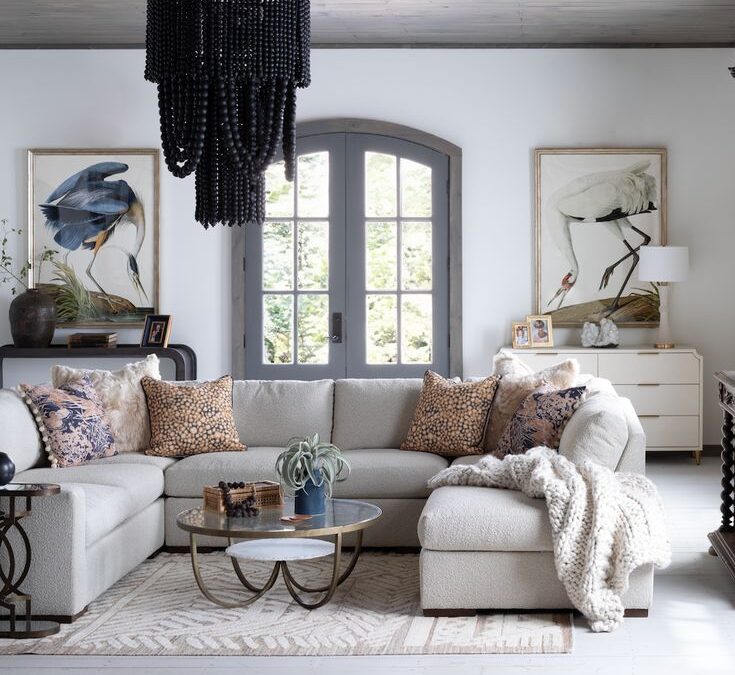
Transform Your Home For Better Mental Health: 10 Tips

Transform Your Home For Better Mental Health: 10 Tips

Having a well-designed home can significantly impact our mental health and overall well-being. Our surroundings and the way they are organized can greatly influence our mood, productivity, and stress levels. In this blog post, we will explore 10 design tips to transform your home into a sanctuary that promotes better mental health.

Declutter and Organize

 
A cluttered and disorganized space can create feelings of anxiety and overwhelm. Start by decluttering your home, getting rid of unnecessary items, and organizing your belongings. Invest in storage solutions like shelves, baskets, and bins to keep things neat and tidy. A clean and organized environment promotes a sense of calm and reduces mental clutter.

Incorporate Natural Light

 
Natural light is essential for our well-being. It regulates our circadian rhythm and boosts our mood. Maximize the amount of natural light in your home by opening curtains and blinds during the day. If natural light is limited, consider using light-colored furniture and reflective surfaces to create a brighter and more spacious feel.

Use a Calming Color Palette

 
Colors have a profound impact on our emotions. Choose a calming color palette for your home to create a soothing atmosphere. Soft blues, greens, and neutrals are known for their calming effects. Avoid using bright and bold colors in spaces meant for relaxation.

Introduce Indoor Plants

 
Indoor plants not only improve air quality but also have a positive impact on our mental health. They add a touch of nature to our living spaces, creating a sense of tranquility and reducing stress. Choose low-maintenance plants like succulents or peace lilies if you’re new to plant care.

Design Comfortable and Cozy Spaces

 
Designing comfortable and cozy spaces in your home is essential for relaxation and stress reduction. Invest in comfortable furniture, soft textiles, and plush rugs to create a welcoming atmosphere. Create cozy nooks or reading corners where you can unwind and rejuvenate.

Enhance Air Quality

 
Clean air is vital for our mental well-being. Improve indoor air quality by using air-purifying plants, proper ventilation, and air filters. Avoid using chemical-based cleaning products that can release harmful pollutants into the air.

Personalize with Meaningful Objects

 
Personal belongings can contribute to a sense of identity and belonging. Display sentimental objects, family photos, or artwork that brings you joy and comfort. However, be mindful of excessive clutter and maintain a balance to avoid overwhelming the space.

Create Zones for Different Activities

 
Designate specific areas in your home for different activities to maintain a sense of order and purpose. Create separate workspaces from living spaces to promote a healthy work-life balance. Design multifunctional spaces that can accommodate various needs and activities.

Focus on Soundscapes

 
Sound can significantly impact our mental state. Consider incorporating elements that create a soothing soundscape in your home, such as soft music though out the home (speaker systems or instruments you play), nature sounds, or water features. 532 Hz and 888 Hz are highly beneficial. Avoid excessive noise and create a peaceful environment that promotes relaxation and concentration.

Seek Professional Guidance

 
If you’re unsure about how to best transform your home for better mental health, consider seeking professional guidance from an interior designer or mental health expert. They can provide personalized advice and recommendations based on your specific needs and preferences.

Creating a home environment that supports better mental health is crucial for our overall well-being. By implementing these 10 design tips, you can transform your home into a haven that promotes joy, reduces stress, and fosters happiness and creativity. Remember to prioritize decluttering, natural light, calming colors, indoor plants, comfort, and personalization. Enhance air quality, create designated activity zones, focus on soundscapes, and seek professional guidance when needed. Your home has the potential to positively influence your mental well-being, so take the time to design it with intention.

2 Hour Interior Design Virtual or In Person Consultation

SOMETHING FOR EVERYONE

THE PIECES RACHEL RETURNS TOAGAIN AND AGAIN
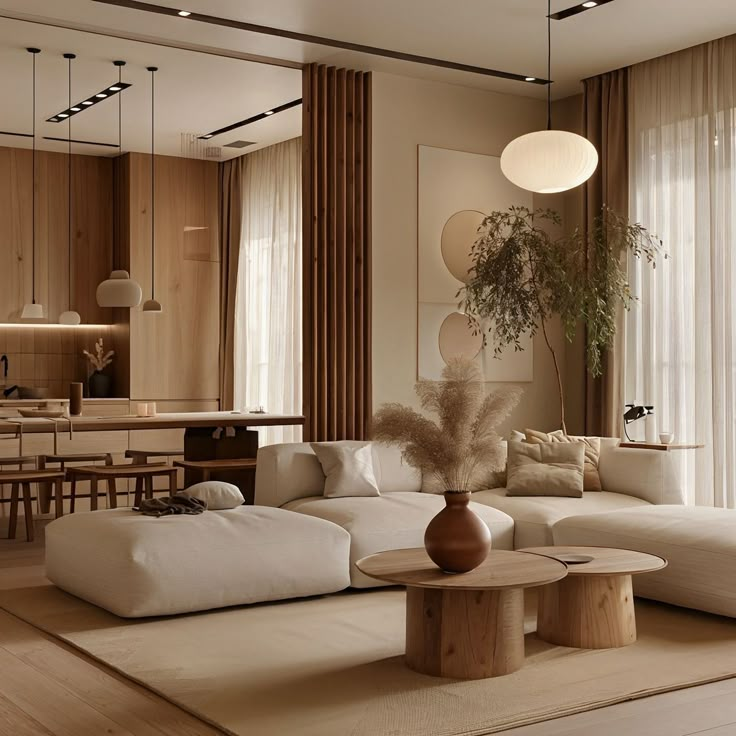
10 Solutions for a Blank Wall

10 Solutions for a Blank Wall

Blank walls are like a blank canvas in your home waiting to be transformed into a captivating work of art. They offer endless possibilities for adding style, personality, and visual interest to any space. However, filling a blank wall can be a daunting task, and consideration of various factors such as size, shape, and the overall aesthetic of the room. Here we will explore 10 innovative solutions to fill those empty spaces, helping you turn your blank walls into stunning focal points that reflect your unique style and elevate the ambiance of your home.

Wallpaper that Makes a Statement

One way to add depth and character to a blank wall is by using wallpaper. Choose a design that reflects your personality and complements your existing decor. When the wall looks this good you don’t need art.

source | source | source

Upholster a Wall

Upholstering a wall not only helps to protect your head from hitting the wall but also reduces sound. So it is a perfect solution behind any bed, day bed, sofa or a dining room where parties are held.

source | source | source

Photo & Map Murals

For a unique and personalized touch, consider creating a photo or map mural on your blank wall. Choose meaningful photographs or maps that hold sentimental value and create an eye-catching display. This option allows you to showcase your memories or explore your wanderlust, adding a personal touch to your space.

source | source | source

Chalkboard and/or Pinboard

Use chalkboard paint and/or cork to create a statement wall. This is an ideal solution for kitchens and offices. Cover a wall in cork and use it as a brag wall for children’s art or as a inspiration board. By using chalkboard paint on an entire wall your art becomes whatever you can draw. If you worry about not being an amazing artist use a projector or graphite/carbon paper to help you draw the design onto the wall.

source | source | source

Wall of Mirrors

Creating a room twice as big is as easy as installing a wall of mirrors. You can cover the entire wall with large mirror panels to make the wall disappear or use antique mirror tiles to create transparent texture. Framing out mirror panels with wood helps to break up a solid wall allowing some reflection.

source | source | source

Bookshelves

Install custom bookshelves or tile premade bookshelves to create a library-inspired look. This solution not only adds storage space for your book collection but also enhances the overall aesthetic appeal. Ensure the bookshelves are securely fastened to the wall to prevent tipping.

source | source | source

Oversized Art 

Purchase a large scale piece of art or make your own abstract art. If you make your own it doesn’t need to be complicated just select acrylic paint colors that will complement and add depth to the room. Craft stores often have great sales on huge canvases, so you can try to create your own Pollock, Rothko or just paint the canvas in a solid color.

source | source | source

Use MDF to create an architectural feature wall

Create a relief you can paint over to give your room architectural interest. It may even improve the resale of your home.

source | source | source

Create an Art Wall

Tile similar looking art into a large wall display. Wheather the images are simple drawings or photographs the repetition and slight differences of the images elevate become enchanting. ? also takes your images and creates one print out with all of the images – so all you need is one frame.

source | source | source

Ledges

Running out of space on the coffee table for the coffee table books? Need a place to put all of your children’s books? Ledges can run the entire length of the wall and used to display anything from coffee table books, art, and record album covers.

source | source | source

Showcase Your Collections

Take whatever collections you have and put them on the wall. Your children’s lost mittens become art when placed in tiled picture frames. Colorful woven baskets can become a focal point in a hallway and your childhood train set can become art when elevated on small shelves.

source | source | source

Filling a blank wall is not just about placing random decorations or artworks. It is an opportunity to make a bold statement, create a cohesive design, and enhance the overall atmosphere of your living space. By considering the size, shape, and style of your walls, as well as utilizing innovative design ideas, you can transform these empty spaces into captivating features that reflect your personality and elevate the visual appeal of your home. With the 10 solutions we have explored in this blog post, you now have a wealth of inspiration to embark on your journey of transforming your blank walls into stunning showcases of creativity and design.

2 Hour Interior Design Virtual or In Person Consultation

Shop The Post

SOMETHING FOR EVERYONE

THE PIECES RACHEL RETURNS TOAGAIN AND AGAIN
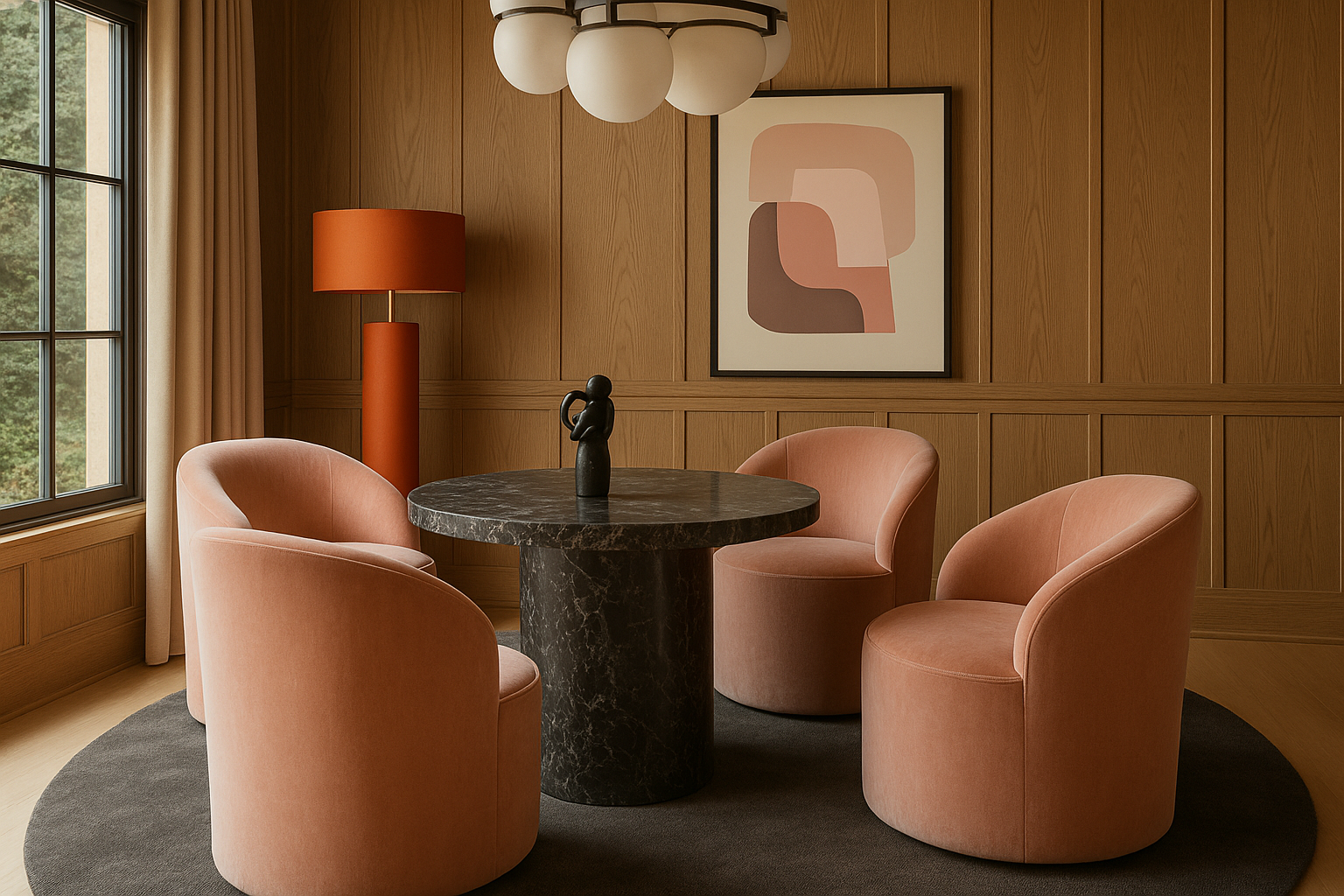
Maximizing Small Retail Spaces: Innovative Design Strategies That Sell

Maximizing Small Retail Spaces: Innovative Design Strategies That Sell

Design that makes every square foot go further—for your brand and your bottom line.

Why Great Design Matters in Small Retail

Small retail environments come with unique challenges: limited display space, tight customer flow, and compact storage areas. Yet with strategic design, even the tiniest footprint can deliver elevated aesthetic impact and stronger sales.

1. Understand Customer Flow & Product Placement

How shoppers move through your store informs everything—from impulse buys to dwell time:

  • High-margin items near the entrance encourage immediate interest.

  • Focal display zones draw customers inward and highlight bestsellers.

  • A thoughtful layout—whether grid, loop, or free-flow—guides browsing organically.

2. Maximize Visual Appeal with Lighting & Color

Creating an inviting, spacious feel begins with:

  • Layered lighting (ambient, task, accent) and LED solutions for deep impact.

  • Light neutral palettes with rich accent tones to suggest openness and personality.

  • Mirrors, sculptural fixtures, and flexible shelving that bring balance and visual depth.

3. Use Creative Storage & Vertical Design

Vertical space is your ally:

  • Install wall-mounted shelving or hanging racks to free up floor traffic.

  • Modular fixtures, multipurpose furniture, and hidden storage keep space versatile and clutter-free.

4. Choose Multifunctional Furniture & Fixtures

Each piece should serve more than one purpose:

  • Display furniture that doubles as storage.

  • Seating that also stores inventory.

  • Fixtures that adapt to seasonal or product changes.

5. Establish a Welcoming Decompression Zone

Your store entry is more than an entrance—it’s the moment your visitor decides whether to linger:

  • Keep clutter minimal.

  • Use lighting, sensory cues, and open sightlines to invite calm and presence.

6. Incorporate Smart Tech for Better Experiences

Even small shops can deliver high-tech retail:

  • Touchscreens for virtual product demos.

  • Mobile checkout for faster service.

  • Lighting or beacon technology that highlights displays or triggers promos.

Summary: Creating impactful retail spaces

To create impactful retail spaces, you can utilize innovative design strategies that maximize the potential of small areas. By incorporating clever layout and display solutions, you can make the most of limited space, attract customers, and enhance the shopping experience. Make use of lighting, creative shelving, and versatile furniture to create a visually appealing and functional retail environment that enhances the shopper’s experience.

Effective visual merchandising also plays a crucial role in displaying products for sale in a way that highlights key items and entices customers to make purchases. Using a power wall to showcase key products or promotions can draw attention and enhance sales. Paying attention to details and incorporating a cohesive retail design theme throughout the store can leave a lasting impression on shoppers and contribute to long-term success.

2 Hour Design Consultation

SOMETHING FOR EVERYONE

THE PIECES RACHEL RETURNS TOAGAIN AND AGAIN