Multi-Purpose Interiors: Designing spaces with multiple functions to maximize utility and efficiency

Multi-Purpose Interiors: Designing spaces with multiple functions to maximize utility and efficiency

What are multi-purpose interiors?

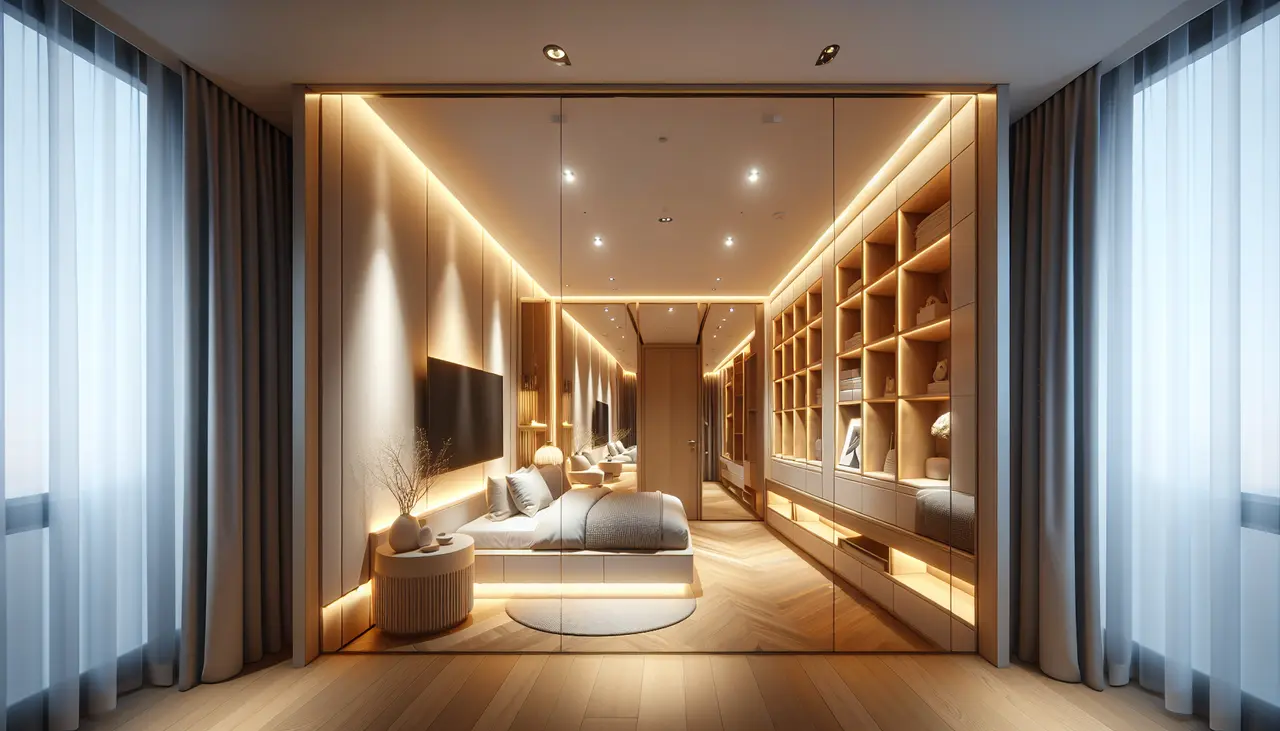
Multi-purpose interiors are spaces that serve more than one function, allowing you to make the most out of your living area. By incorporating elements like foldable furniture, sliding doors, and modular designs, these interiors enable you to adapt your space according to different needs throughout the day. Maximizing utility and efficiency, multi-purpose interiors promote flexibility and creativity in how you utilize your home.

Benefits of designing spaces with multiple functions

Designing spaces with multiple functions brings several benefits. Here are some advantages:

  1. Maximizes Space: Utilizing one area for multiple purposes allows you to make the most of the available space, especially in smaller homes or apartments.
  2. Increases Efficiency: Having a space serve multiple functions can make daily tasks more convenient and efficient, as everything is within reach.
  3. Promotes Creativity: Designing multi-functional spaces encourages creative thinking and innovative solutions for utilizing space effectively.
  4. Enhances Flexibility: The ability to transform a space for different uses provides flexibility in adapting to changing needs and activities.
  5. Improves Organization: Designing with multiple functions in mind promotes organization and helps in maintaining a clutter-free environment.

Essential features of multi-purpose interiors

When creating multi-purpose interiors, it’s important to incorporate features that cater to various functions efficiently. Here are essential aspects to consider:

  1. Flexible Furniture: Opt for pieces that can be easily rearranged or converted to serve different purposes.
  2. Storage Solutions: Include clever storage options to keep the space organized and clutter-free.
  3. Dual-Functionality: Choose items that can serve more than one purpose, such as a sofa bed or a dining table that doubles as a workspace.
  4. Minimalist Design: Embrace a minimalist aesthetic to create a clean and uncluttered look, enhancing the versatility of the space.
  5. Smart Technology Integration: Integrate smart home devices to enhance convenience and functionality within the multi-purpose environment.

Maximizing space efficiency

To make the most of your space, consider furniture that serves dual purposes, like a sofa bed or a coffee table with storage space. Opt for versatile pieces that can be used in different ways, such as a foldable dining table or a room divider that also holds books or decorative items. Utilize wall-mounted shelves and hooks to keep items off the floor and create more room. Maximizing space efficiency is all about being creative and strategic in how you arrange and utilize your space to best suit your needs.

Furniture and storage solutions for multi-purpose interiors

When designing a multi-purpose interior, choosing the right furniture and storage solutions is key to optimizing space and functionality. Consider these tips to make the most out of your space:

  • Opt for multi-functional furniture: Pieces that can serve more than one purpose, like a sofa that turns into a bed or a coffee table with hidden storage, are perfect for multi-purpose interiors.
  • Utilize vertical storage: Shelves and wall-mounted cabinets can help maximize storage space without taking up valuable floor space.
  • Think modular: Modular furniture can be rearranged to adapt to different needs, making it ideal for flexible and multi-functional spaces.
  • Incorporate hidden storage: Look for furniture with hidden compartments or storage solutions that can help keep your space organized and clutter-free.
    By choosing the right furniture and storage solutions, you can create a versatile and efficient multi-purpose interior that meets your needs and lifestyle.

Balancing aesthetics and functionality

When designing multi-purpose interiors, it’s essential to find a balance between aesthetics and functionality. Here are some tips to help you achieve this balance:

  • Choose furniture that serves multiple purposes, such as a sofa bed or a coffee table with storage.
  • Use versatile pieces that can be easily adapted to different functions.
  • Opt for a cohesive color palette and design style to maintain a visually pleasing look while ensuring practicality.
  • Incorporate smart storage solutions to keep the space organized and clutter-free.
  • Prioritize comfort and usability without compromising on the overall aesthetic appeal.

Design principles for versatile spaces

When designing versatile spaces, consider flexible furniture that can serve multiple purposes. Utilize smart storage solutions to maximize space efficiency. Use neutral colors for a timeless look and add pops of color with accessories for versatility. Incorporate lighting that can be adjusted for different functions. Create zones within the space for specific activities to enhance usability.

Creating flexible living areas

When designing flexible living areas, consider using multifunctional furniture that can serve more than one purpose. This can include items like sofa beds, expandable tables, and storage ottomans. By incorporating these versatile pieces, you can easily transform your living space to accommodate different activities such as hosting guests, working from home, or relaxing. Additionally, utilizing sliding doors, removable partitions, or foldable screens can help create adaptable spaces that can be opened up or closed off as needed. Maximize the utility and efficiency of your home by thinking creatively about how each area can serve multiple functions.

Incorporating technology into multi-functional spaces

Most multi-functional spaces can benefit from incorporating technology to enhance their versatility. Here are some ways to seamlessly integrate technology into your multi-purpose interiors:

  • Smart Lighting: Install smart bulbs or lighting systems that can adjust brightness and color temperature to suit different activities.
  • Smart Home Assistants: Utilize voice-activated assistants like Amazon Alexa or Google Home to control various functions in your space, such as adjusting the temperature, playing music, or setting reminders.
  • Hidden Tech: Conceal technology like TVs, speakers, and charging stations within furniture or walls to maintain a clean and clutter-free aesthetic.
  • Multipurpose Furniture: Invest in furniture with built-in charging ports, adjustable features, or storage compartments to enhance functionality and organization.
  • Automation: Implement automated systems for tasks like controlling window treatments, regulating temperature, or managing security to streamline operations in your multi-functional space.

Tips for optimizing multi-purpose interiors

When designing multi-purpose interiors, consider furniture that serves dual functions, like a sofa bed or a storage ottoman. Opt for versatile pieces to maximize space efficiency. Utilize modular furniture that can be rearranged easily to adapt to different needs. Incorporate smart storage solutions such as built-in cabinets or hidden compartments to keep the space organized. Use foldable or collapsible furniture to create flexibility in the room layout. Choose neutral colors for walls and larger furniture pieces to create a cohesive look and make the space feel larger. Experiment with lighting to create different moods for various functions within the space.

2 Hour Interior Design Virtual or In Person Consultation

SOMETHING FOR EVERYONE

THE PIECES RACHEL RETURNS TO, AGAIN AND AGAIN
Best Bedroom Paint Colors for Restorative, Refined Interiors

Best Bedroom Paint Colors for Restorative, Refined Interiors

Why Bedroom Color Choice Is Everything

The bedroom is where your nervous system goes to exhale. Color should support that. The right paint palette anchors the senses, softens transition, and gently shapes the emotional rhythm of your day.

For my clients, the bedroom isn’t just a place to sleep—it’s where ease begins. That’s why the color on the walls matters.

The Best Neutral Bedroom Paint Colors

These neutrals are refined, not flat. They support both minimalism and romance.

  • Benjamin Moore Classic Gray – Calm, warm greige that shifts beautifully with light.

  • Farrow & Ball School House White – Creamy, timeless, and never too cold.

  • Sherwin-Williams Drift of Mist – Barely-there and modern; especially good in bright rooms.

Deep, Saturated Hues for Sophisticated Sleep Spaces

When clients want a bedroom that feels more like a retreat, I lean into saturated, cocooning hues:

  • Farrow & Ball De Nimes – Romantic, moody blue-gray.

  • Sherwin-Williams Iron Ore – Deep and grounding with rich undertones.

  • Benjamin Moore Nightfall – Charcoal with a violet base—sensual and striking.

What to Consider Before Choosing Bedroom Paint

  • Lighting: North-facing = warmer tones. South-facing = cooler hues welcome.

  • Function: Is this just for sleep—or work, too?

  • Tone Matching: Consider how your bedding, floors, and curtains will interact.

  • Emotional Feel: What do you want to feel every time you walk in?

For deeper insight on how color shapes behavior, read:
👉 The Psychology of Color in Interior Design →

Bedroom Paint by Natural Light & Region

Paint behaves differently in Missouri, Massachusetts, and Florida. Here’s how I approach each:

  • Florida (Sarasota) – White walls often skew blue; go for warm taupes and creams.

  • Missouri (St. Louis) – Light fluctuates seasonally. Greiges are your safest bet.

  • Nantucket – Think weathered neutrals and coastal-inspired soft blues.

Multi Family Condo Condominium Complex Model Unit Bedroom Interior Design

Finish Matters: Choosing the Right Sheen

  • Matte – Ideal for walls. Soft and forgiving.

  • Eggshell – Slightly more durable with subtle sheen.

  • Satin/Semi-Gloss – Only for trim or millwork. Never on walls—it flattens the space emotionally.

Paint by Personality: Let Emotion Lead

Choosing the right bedroom paint color isn’t just about trends—it’s about resonance. Here’s a cheat sheet I often use during consultations:

If you want to feel… Try this color
Calm & Minimal Classic Gray or School House White
Grounded & Centered Iron Ore or Drift of Mist
Romantic & Restorative De Nimes or Nightfall
Bright but Soft Drift of Mist or Classic Gray
Wrapped in Quiet Drama Nightfall with satin bronze accents

“Color should feel like a mood you want to live inside.”

Shop the Look: Bedroom Accents That Pair Beautifully

1. Alina Ceramic Table Lamp
Matte ivory glaze, sculptural shape. Creates warmth on both pale and dark walls.
Shop Now →

2. Louisa Washed Linen Throw
Stonewashed texture. A soft counterpoint to moody bedrooms and a cozy layer for light ones.
Shop Now →

Color as a Catalyst for Peace

Paint isn’t just surface—it’s atmosphere. When we choose colors with intention, we give ourselves more than a beautiful room. We give ourselves the kind of space we come home to emotionally.

A well-colored bedroom doesn’t wake you up—it welcomes you in.

Need help refining your palette? Book a 2-Hour Consultation →
Or browse calming textures and accents at shop.rachelblindauer.com →

FAQs About Bedroom Paint Colors

What is the most relaxing bedroom paint color?
Classic Gray by Benjamin Moore and De Nimes by Farrow & Ball are top contenders—one neutral, one moody. Both promote calm without dullness.

Should bedrooms be painted light or dark?
It depends on your emotional goals. Light colors expand and brighten. Darker tones cocoon and soften. Both work—just not in the same room.

What sheen is best for bedroom walls?
Always matte or eggshell. Avoid gloss—it breaks the softness of the space.

Can I use dark paint in a small bedroom?
Yes. In fact, small rooms often benefit from saturated tones. It creates depth and intimacy—especially with strategic lighting.

2 Hour Interior Design Virtual or In Person Consultation

SOMETHING FOR EVERYONE

THE PIECES RACHEL RETURNS TO, AGAIN AND AGAIN

Guide to Performance Fabrics for Indoor and Outdoor Spaces

Guide to Performance Fabrics for Indoor and Outdoor Spaces

Photo from Maria Flora

When it comes to furnishing our lives, both inside the home and out, choosing the right material is crucial. Performance fabrics are becoming the go-to choice for everyone from interior designers to everyday homeowners. But what makes them so unique and indispensable? In this guide, we’ll unravel the mystery of performance fabrics, exploring their benefits for both indoor and outdoor spaces, in a way that’s easy to understand and engaging.

What Are Performance Fabrics?

Performance fabrics are a miracle of modern technology, blending durability with stunning design to meet the needs of today’s dynamic lifestyles. Historically, choosing a fabric that could stand up to wear and tear meant sacrificing style for functionality. However, with the advent of performance fabrics, we now have materials that resist stains, repel water, and uphold their beauty under intense use and varying environmental conditions. These fabrics are not just practical; they’re a statement of how we choose to live our lives, embodying both resilience and elegance.

The Science Behind Performance Fabrics

The secret to the superior durability and aesthetics of performance fabrics lies in their innovative construction and treatment. These textiles are crafted using advanced techniques that interweave fibers with heightened strength and resistance to the elements. From UV resistance for sun protection to moisture-wicking properties that keep materials dry and comfortable, the science of performance fabrics is grounded in enhancing how we experience our living spaces, ensuring they can endure the rigors of both daily use and nature’s unpredictability.

Key Features of Performance Fabrics

One of the hallmark features of performance fabrics is their unparalleled resistance to stains and spills. Imagine hosting a dinner party without the fear of red wine ruining your dining chairs. In addition to stain resistance, these materials offer impressive durability, resisting abrasions and tears with ease. They’re also fade-resistant, which means their colors stay vibrant even when exposed to sunlight, making them ideal for window treatments and outdoor furniture. Furthermore, performance fabrics are often made with easy-to-clean and hypoallergenic properties, catering to a clean and healthy living environment.

Choosing the Right Performance Fabric for Your Space

Selecting the best performance fabric involves considering the specific needs of your space. For high-traffic family rooms, look for durability and easy cleaning. In sunny areas, prioritize UV resistance to prevent fading. For outdoor spaces, water resistance and mildew resistance should be top of mind. By understanding the distinct features of performance fabrics, you can make informed choices that align with your lifestyle, ensuring that your furnishings not only look beautiful but also last for years to come.

Performance Fabrics for Indoor Use: A Deep Dive

Inside the home, performance fabrics shine by combining functionality with style. They’ve become a favorite for upholstered furniture, draperies, and rugs, blending seamlessly with any decor while offering peace of mind. These fabrics are especially beneficial in homes with pets or children, offering easy cleanup and resistance to wear. Their versatility extends beyond just practicality; with an array of textures, patterns, and colors available, performance fabrics can elevate the aesthetic of any interior space while maintaining their integrity against daily challenges.

Outdoor Spaces and Performance Fabrics: A Perfect Match

For outdoor living areas, performance fabrics are unrivaled. They withstand the harsh elements, from scorching sun to pouring rain, ensuring that your outdoor furniture remains as inviting and comfortable as it was on day one. Beyond durability, these fabrics come in vibrant colors and patterns that withstand fading, making your outdoor space a true extension of your personal style. By choosing performance fabrics for outdoor use, you create a seamless transition between indoor luxury and outdoor ambiance.

Care and Maintenance of Performance Fabrics

Despite their durability, performance fabrics require some care to ensure they keep their stunning appearance for years. Most can be easily cleaned with mild soap and water, and for tougher stains, a solution of bleach and water can be used without damaging the fabric. Regular maintenance, such as vacuuming upholstered pieces and avoiding direct heat sources, will extend the life of your performance fabrics, making them a long-lasting investment in your home’s comfort and style.

Trends and Innovations in Performance Fabrics

The world of performance fabrics is always evolving, driven by advances in textile technology and design trends. We’re seeing a surge in eco-friendly performance fabrics made from recycled materials and organic fibers, marrying sustainability with durability. Innovations in texture have also allowed for softer, more luxurious performance fabrics that defy expectations about their hardiness. As interior designers, keeping an eye on these trends ensures that our design solutions are not only aesthetically pleasing but also environmentally conscious and technologically cutting-edge.

Real-life Applications: Success Stories with Performance Fabrics

From luxurious hotels to bustling homes, the real-life success stories of performance fabrics are everywhere. In one high-profile hotel project, performance fabrics were chosen for their ability to withstand the high volume of guests, proving that beauty does not have to be delicate. In residential settings, families have seen how performance fabrics can survive spills, pets, and play, all while maintaining their color and texture. These success stories validate the choice of performance fabrics for any space requiring both durability and design sophistication.

Embracing the Durability and Style of Performance Fabrics

Choosing the right fabric can transform not just the aesthetic of your space but also its functionality and durability. Performance fabrics offer a solution that doesn’t compromise on beauty or resilience, making them an excellent choice for anyone looking to blend practicality with style. With the information provided, we hope you feel more confident in selecting performance fabrics that will meet the demands of your lifestyle, whether it’s for a cozy living room or a sun-soaked patio.

2 Hour Interior Design Virtual or In Person Consultation

Something for Everyone

THE PIECES RACHEL RETURNS TO, AGAIN AND AGAIN
The Psychological Impact of Interior Design on Well-Being and Productivity

The Psychological Impact of Interior Design on Well-Being and Productivity

Importance of Interior Design for Well-Being

Interior design plays a significant role in influencing our well-being. Well-designed spaces can promote feelings of calmness and positivity, while poorly designed areas can evoke stress and discomfort. When it comes to our homes or workplaces, the interior design can greatly impact our mood and productivity. Colors, lighting, furniture arrangement, and overall aesthetic all contribute to how we feel in a space. A well-thought-out interior design can create a harmonious and pleasant environment that supports our well-being and enhances our productivity.

Psychological Effects of Color and Light in Design

Colors and lighting in interior design can have a significant impact on your mood and productivity. Warm colors such as red, yellow, and orange tend to evoke feelings of energy and warmth, while cool colors like blue, green, and purple often create a calming and relaxing atmosphere. Natural light sources can enhance your mood and increase your productivity, as they mimic the effects of the sun. On the other hand, artificial lighting can influence your alertness and focus depending on its intensity and color temperature. Consider these factors when designing your space to promote a positive environment.

Creating Functional Spaces for Productivity

To create well thought out spaces that boost productivity, consider furniture that supports good posture and easy access to tools. Keep clutter to a minimum to prevent distractions and use natural lighting whenever possible. Plants can improve air quality and mood. Position your desk to face the door for a sense of control, include a sitting area for guests and don’t forget to personalize with items that inspire you.

Impact of Texture and Materials on Emotional Well-Being

Different textures and materials in interior design can deeply affect how we feel and work in a space. For example, rough textures may create a sense of coziness, while smooth materials can promote a modern and sleek atmosphere. Natural materials like wood and stone often bring a feeling of warmth and connection to nature. On the other hand, metallic finishes can convey a sense of sophistication and luxury. By choosing the right textures and materials, you can cultivate a space that enhances your emotional well-being and productivity.

Incorporating Nature in Interior Design

Adding elements of nature in interior design, such as plants, natural materials, and natural light, can positively impact your well-being and productivity. Research suggests that being surrounded by nature indoors can reduce stress levels, improve concentration, and increase creativity. Plants in particular can purify the air and create a sense of calm. Natural materials like wood and stone can bring a grounding and soothing effect to your space. Natural light not only saves energy but also enhances the overall ambiance of a room. Consider incorporating these natural elements to create a harmonious and rejuvenating environment in your living or working space.

Personalization and Individuality in Living Spaces

When you personalize your living space, you create a unique environment that reflects your personality and style. This individual touch can boost your well-being and productivity by making you feel more comfortable and connected to your surroundings. Adding personal touches, like photographs, artwork, or furniture that holds sentimental value, can enhance the sense of personalization in your living space. By incorporating elements that speak to your individuality, you can create a space that truly feels like your own.

Designing Workspaces for Improved Focus and Motivation

Designing a workspace that promotes focus and motivation is crucial for your well-being and productivity. Here are some simple ways to enhance your workspace:

  • Ensure good lighting to reduce eye strain and boost energy levels.
  • Incorporate greenery for a calming effect and improved air quality.
  • Organize your space to minimize distractions and increase efficiency.
  • Use color psychology to create a stimulating or soothing environment, depending on your work tasks.
    By making these small changes, you can create a workspace that supports your focus and motivation throughout the day.

Elements of Interior Design that Enhance Mood

Certain elements of interior design play a crucial role in influencing your mood and productivity. Here are some key factors to consider for creating a space that positively impacts your well-being and work efficiency:

  • Colors: Bright and warm colors like yellow and orange can evoke energy and positivity, while cool tones like blue and green promote relaxation.
  • Lighting: Natural light enhances mood and productivity, so aim to maximize sunlight exposure in your space. Additionally, adjustable artificial lighting can help create the right ambiance for different tasks.
  • Furniture arrangement: A well-organized layout that promotes movement and comfort can contribute to a sense of calm and focus. Ensure your furniture arrangement allows for efficient workflow and reflects your personal style.

Designing Workspaces for Improved Focus and Motivation

Designing a workspace that promotes focus and motivation is crucial for your well-being and productivity. Here are some simple ways to enhance your workspace:

  • Ensure good lighting to reduce eye strain and boost energy levels.
  • Incorporate greenery for a calming effect and improved air quality.
  • Organize your space to minimize distractions and increase efficiency.
  • Use color psychology to create a stimulating or soothing environment, depending on your work tasks.
    By making these small changes, you can create a workspace that supports your focus and motivation throughout the day.

The Role of Organization in Mental Clarity

A cluttered space can lead to a cluttered mind. Keeping your environment organized can help clear your thoughts and improve your focus. By organizing your surroundings, you create a sense of order that can lead to increased mental clarity and productivity. Organized spaces are less distracting, allowing you to concentrate better on the task at hand. By reducing visual clutter, you can create a calmer and more peaceful environment that promotes overall well-being.

Conclusion: Harmonizing Design and Mental Wellness

Incorporating elements of nature like plants and natural light in your living or workspace can improve your mood and productivity. A study by the University of Exeter found that people working in environments with natural elements reported a 15% increase in well-being. Opt for calming colors such as blues and greens to create a serene atmosphere. Declutter your space regularly to reduce anxiety and promote mental clarity. By striking a balance between aesthetic appeal and mental well-being, you can create an environment that nurtures both your mind and productivity.

2 Hour Interior Design Virtual or In Person Consultation

Get Started Today

Let Rachel Blindauer help you think through your project starting with a complimentary consultation.

The Psychology of Color in Interior Design: How Hue Shapes Mood, Memory, and Meaning

The Psychology of Color in Interior Design: How Hue Shapes Mood, Memory, and Meaning

There are rooms that calm you on contact. Others energize you. And then there are spaces you can’t explain—you just feel good in them.

That feeling isn’t accidental. It’s not just about square footage or expensive furniture. More often than not, what you’re responding to is something invisible but deeply powerful: color.

As an interior designer, I work with color the way some work with scent or sound. It’s a mood-setter, a storyteller, a subconscious message to the people who live there. And the difference between a house that photographs well and one that actually feels like home often comes down to how color is used—not just aesthetically, but psychologically.

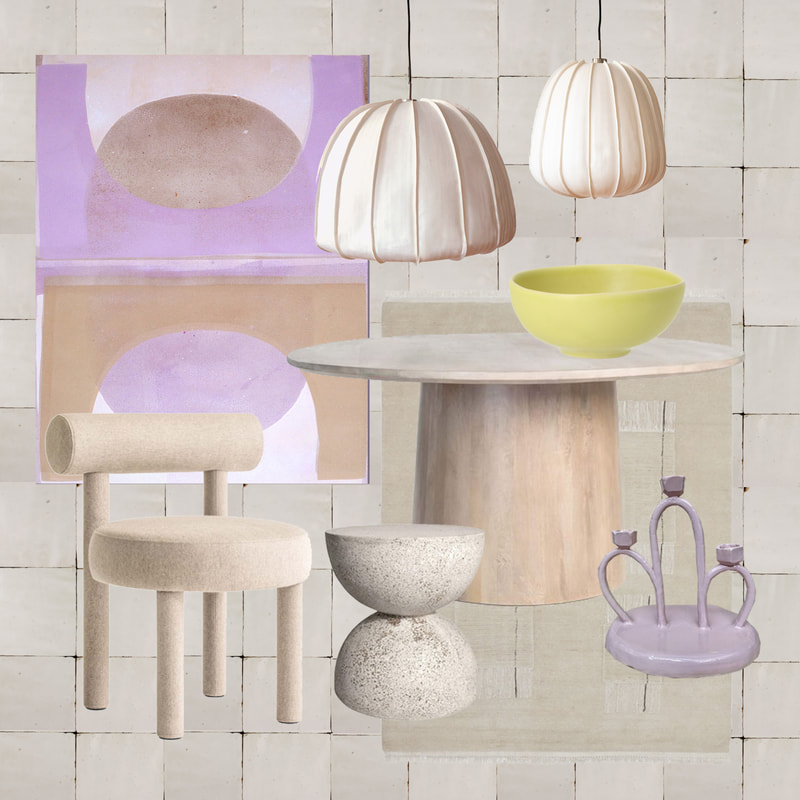
Purple Brown Dining Area Interior Design

Why Color Affects Us (Even When We Don’t Notice)

Color impacts how we feel long before we process it logically. Studies show that certain hues can affect heart rate, cortisol levels, focus, and even appetite. But beyond biology, there’s also memory, culture, and personal association: a yellow kitchen that reminds you of your grandmother’s pie crust, a navy bedroom that makes you feel safe, a green office that clears your mind.

Color isn’t neutral. But it can be intentionally grounding.

The Emotional Palette: What Different Hues Signal in the Home

Blue—Often associated with calm, intelligence, and trust. Pale blues open up a space. Deep navies can ground it. Perfect for bedrooms, offices, or anywhere you need to exhale.

Green—Balances the nervous system. Evokes nature, wellness, and stability. Great for living spaces, kitchens, and entryways where you want to feel connected.

Yellow—Bright, social, and energetic. In small doses, it’s uplifting. In excess, it can agitate. I use yellow strategically—a mustard velvet pillow, a ochre backsplash, not a whole wall.

Red—Intense and visceral. Best reserved for accents—a lacquered cabinet, a wine-colored rug. In the right setting, it can feel romantic and bold.

Neutrals—Not boring. Just subtle. Warm whites and layered taupes can create quiet, layered spaces that feel expensive without effort.

Black—Yes, black. It adds contrast, depth, and sophistication. I often use it in powder rooms, window mullions, or sculptural lighting. (You can find some of my favorite black-accented decor in the shop.)

Using Color to Match Energy—Not Just Style

Designers often talk about color in terms of style: modern, coastal, bohemian. But the better question is: how do you want to feel in this space? Safe? Inspired? Grounded? Awake?

That answer tells me more than a Pinterest board ever could.

In my consultations, I often ask clients to describe their energy goals for each room. From there, we layer in hue, material, and light to create a space that supports the way they live. Because true design isn’t just visual. It’s behavioral.

The Couples Conundrum: When Two Palettes Collide

Color is personal. And when designing for couples, it’s not uncommon to find clashing emotional associations. One partner may feel calm in gray. The other may find it depressing. The solution isn’t compromise. It’s layering.

I build palettes that bridge both nervous systems. Softening edges with texture. Finding tonal overlap. Adding depth through neutrals that can stretch across both personalities. Because the most successful rooms aren’t designed for one person. They’re curated for connection.

Small Changes, Big Impact

You don’t need to repaint your entire home to benefit from color psychology. Often, a shift in one hue—a new rug, a deeper cabinet, a warmer lightbulb—can change how a room feels.

I designed this whole collection with color harmony in mind. You’ll find pieces that pair beautifully with every seasonal palette, but more importantly, create a mood that lasts.

Final Thought: Color as a Mirror

Color isn’t decoration. It’s identity. It reflects back who we are, what we need, and how we want to feel. When used with intention, color creates alignment. Between your space and your self.

And in that alignment, something beautiful happens: your home begins to feel like it knows you.

2 Hour Interior Design Virtual or In Person Consultation

SOMETHING FOR EVERYONE

THE PIECES RACHEL RETURNS TOAGAIN AND AGAIN
The Objects That Make a Room: Why Intentional Accents Matter More Than You Think

The Objects That Make a Room: Why Intentional Accents Matter More Than You Think

In a world where trends fade faster than you can pin them, the pieces that stay—the ones you keep moving from house to house—aren’t just beautiful. They’re personal, textured, and quietly powerful.

There’s a reason the best rooms don’t look overdesigned. They carry the soul of the collector, not the decorator.

As a designer who’s walked through homes in Nantucket and Naples, San Francisco and St. Louis, I can tell you: It’s not always the furniture that makes a space sing. It’s the supporting cast—the quietly sculptural lamp, the hand-formed vessel, the napkin that feels like a linen dress. These aren’t afterthoughts. They’re intention made tangible.

When I designed the shop, I didn’t want a warehouse of trendy things. I wanted to build a collection of what I personally reach for—pieces with presence. Items that hold a room’s energy the way good art does. You’ll notice natural materials, heritage craft, and a throughline of subtle texture: abaca, raw brass, stoneware, seeded glass, and Belgian linen, to name a few.

But why do these matter?

The Anthropology of a Well-Styled Home

Across time and culture, the home has been more than shelter—it’s a stage for meaning. From Japanese tokonoma alcoves (meant to highlight a single treasured object) to the 18th-century French concept of objets de vertu (decorative items made with exceptional skill), we’ve always curated what we surround ourselves with.

The modern home should do the same. It should reflect more than what’s trending. It should show who you are.

Objects carry memory. They express mood. They allow contrast to live within harmony. That scalloped placemat that softens your concrete dining table. The blown-glass pendant that casts shadows like poetry. The bracelet on your nightstand that catches morning light. These are not “decor”—they are emotional cues.

And when you’re designing with longevity in mind, these cues matter more than ever.

How I Use Accents to Elevate a Room

Design isn’t just about big gestures. In fact, the most expensive homes I’ve worked on didn’t flaunt their budgets—they whispered. A few styling rules I come back to again and again:

  • Contrast sharp lines with soft finishes. If your furniture is angular, add curve through a sculptural bowl or rounded sconce.

  • Ground neutral palettes with tactile depth. That means choosing real textures over flat imitations: think handwoven abaca or linen with visible slubs.

  • Balance modern restraint with handmade imperfection. A modern plaster pendant feels even more special next to a hand-glazed ceramic lamp.

  • Layer with intent. One artfully placed object has more impact than five cluttered ones.

If you’re feeling unsure where to start, begin small. A braided table mat, a woven mirror, or a linen napkin can shift the entire tone of your space. And all of those are available now in the shop I personally curated for people who want their homes to feel intentional, not just filled.

Explore artisan-made accents at shop.rachelblindauer.com →

What to Buy—and Why It Lasts

Every object I select has a reason behind it. Here are a few favorites that show how design and soul coexist:

When Styling Gets Stuck, Begin with Story

If your room feels incomplete, it’s usually not the sofa’s fault. It’s that the room lacks punctuation. A well-placed object adds visual rhythm. It slows the eye. It offers a pause, or a point of entry.

Your home deserves to feel layered over time—not manufactured overnight. That’s why I built this shop the way I design rooms: with restraint, clarity, and a touch of poetic edge.

Whether you’re starting from scratch or layering into an existing space, the right accents make all the difference. You don’t need more. You need the right few.

Shop the Curated Collection →

Objects are more than items. They are atmosphere. And the right ones turn a house into a feeling.

2 Hour Interior Design Virtual or In Person Consultation

SOMETHING FOR EVERYONE

THE PIECES RACHEL RETURNS TO, AGAIN AND AGAIN