How to Match Your Sofa Style to Your Home Décor: The Ultimate Guide

How to Match Your Sofa Style to Your Home Décor: The Ultimate Guide
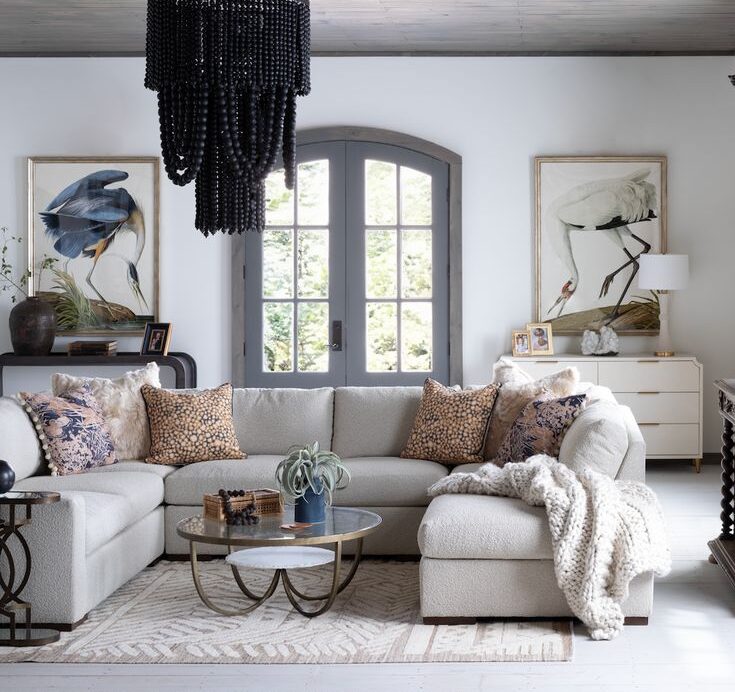
When it comes to designing your home, the sofa is often the centerpiece of your living room. Its size, shape, and style can set the tone for the entire space. But how do you choose the perfect sofa to match the overall style of your home? Whether you’re decorating a cozy cottage, a sleek modern apartment, or a traditional family room, your sofa should blend seamlessly with your existing décor while also standing out as a statement piece.

This ultimate guide will help you identify your sofa style and discover where it fits best in your home. With these insights, you’ll be able to create a harmonious space that reflects your personality and taste. Photo from Gabby.
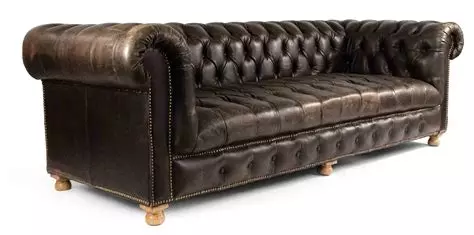
1. The Classic Chesterfield Sofa: Timeless Elegance

Style: Traditional, Luxurious
Ideal Space: Formal Living Rooms, Libraries, or Drawing Rooms

If you love the classic elegance of antique furniture, a Chesterfield sofa may be the perfect fit for your home. Known for its deep button-tufted upholstery and rolled arms, this sofa exudes sophistication and luxury. A Chesterfield works beautifully in traditional or vintage-inspired spaces, especially those featuring rich wood furniture, velvet drapes, or ornate detailing.

Where It Fits Best:

  • In a formal living room with dark wood tones, antique accessories, and vintage lighting.
  • In a library or study, paired with leather bookshelves and classic artwork to create a stately, intellectual atmosphere.
  • In a traditional home with a mix of old-world charm and contemporary comforts.
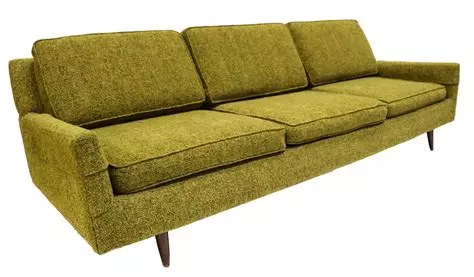
2. The Mid-Century Modern Sofa: Sleek and Stylish

Style: Modern, Retro
Ideal Space: Urban Apartments, Minimalist Living Rooms

The Mid-Century Modern sofa is characterized by clean lines, wooden legs, and simple yet functional design. It draws inspiration from the 1950s and 1960s, offering a timeless aesthetic that works well in spaces where minimalism meets retro flair. The low-profile silhouette and neutral or bold color palette make it ideal for contemporary urban settings.

Where It Fits Best:

  • In an open-plan living space, where its sleek design doesn’t overwhelm the room but still adds personality.
  • In minimalist homes with open, airy layouts and light, neutral colors.
  • In a modern apartment with mid-century furniture accents and statement pieces like geometric artwork or a vintage rug.
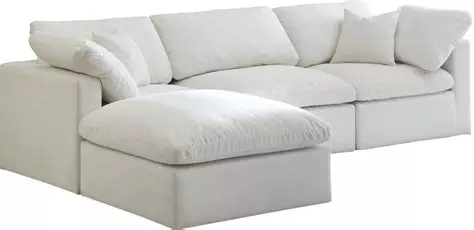
3. The Sectional Sofa: Versatile Comfort

Style: Casual, Family-Friendly
Ideal Space: Large Family Rooms, Media Rooms, Basements

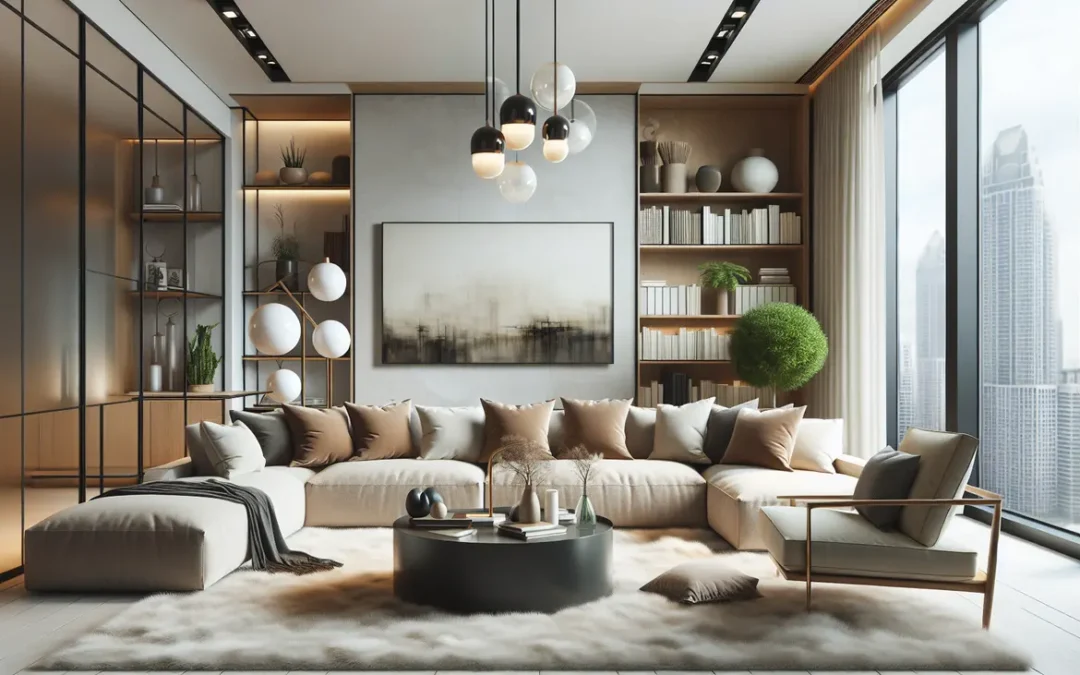
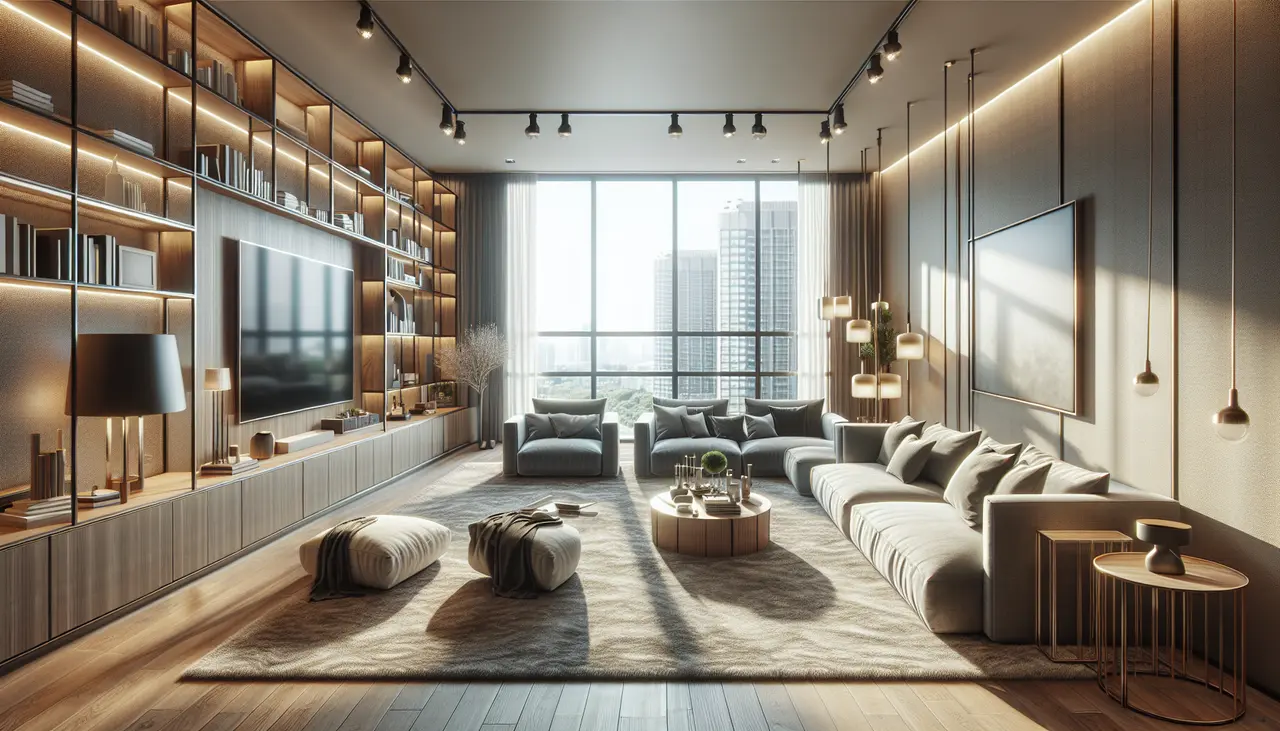
The sectional sofa is the epitome of casual comfort. It offers ample seating and is perfect for larger spaces or families that like to gather and relax together. Available in a variety of configurations—L-shaped, U-shaped, or curved—a sectional allows you to maximize seating while maintaining an inviting atmosphere.

Where It Fits Best:

  • In a spacious family room, perfect for movie nights, cozy get-togethers, or relaxing after a long day.
  • In a media room or home theater, where the sofa can accommodate multiple people comfortably without sacrificing style.
  • In a basement or recreational area, where flexibility in seating arrangements is key.
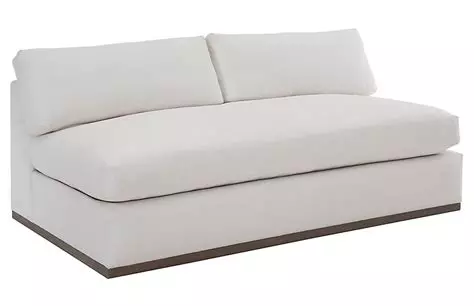
4. The Sofa Bed: Practical and Stylish

Style: Transitional, Space-Saving
Ideal Space: Guest Rooms, Studio Apartments, Small Living Rooms

The sofa bed is an essential piece for those who need to make the most out of their space without compromising on comfort. With modern innovations, these versatile sofas can look just as stylish as a traditional one but also provide the extra benefit of an integrated bed for overnight guests.

Where It Fits Best:

  • In a guest room that doubles as a home office or reading nook—easily transforming from a functional sofa to a comfortable bed.
  • In studio apartments where space is limited and you need multifunctional furniture that works hard.
  • In a small living room or den where you need extra seating but still want a functional sleep option.
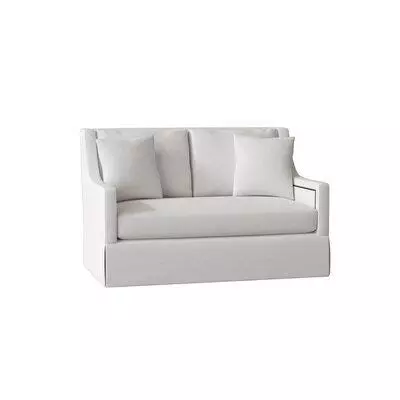
5. The Loveseat: Cozy and Intimate

Style: Compact, Romantic
Ideal Space: Small Apartments, Bedrooms, Cozy Corners

If you’re looking to add a touch of romance or create an intimate corner in your home, a loveseat is the perfect solution. With its smaller size, this sofa is perfect for spaces where a full-sized sofa would overwhelm. Loveseats are ideal for couples or individuals who want a cozy, personal seating arrangement.

Where It Fits Best:

  • In a small apartment, where space-saving is key but comfort is still important.
  • In a bedroom as a reading nook or extra seating area that adds charm without crowding the space.
  • In a cozy corner of your living room or sunroom, where you can relax with a book or enjoy a conversation.
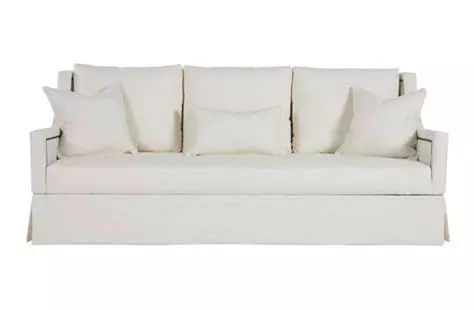
6. The Sleeper Sofa: Modern Comfort for Overnight Guests

Style: Transitional, Multi-Functional
Ideal Space: Guest Rooms, Home Offices, Smaller Living Rooms

The sleeper sofa is similar to the sofa bed but tends to be a more elegant solution for small spaces. Modern sleeper sofas come in stylish designs, often indistinguishable from regular sofas, but they easily transform into a comfortable bed when needed. They’re perfect for unexpected guests or small spaces that require multi-functional furniture.

Where It Fits Best:

  • In a home office that occasionally doubles as a guest room. You get the best of both worlds: a comfy sofa by day and a bed by night.
  • In a guest room that’s short on space, allowing you to host visitors without needing a dedicated bedroom.
  • In a smaller living room where you want to maximize every inch while still having a sofa that serves multiple purposes.
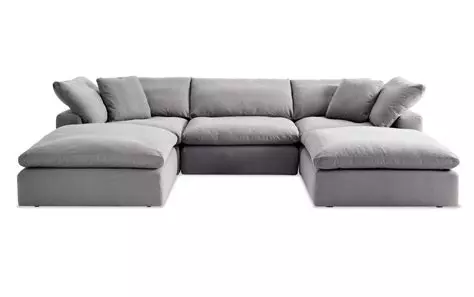
7. The Modular Sofa: Flexible and Customizable

Style: Contemporary, Adaptable
Ideal Space: Modern Homes, Large Living Rooms, Open Spaces

A modular sofa offers flexibility in design. With separate pieces that can be arranged in various configurations, modular sofas are perfect for anyone who loves to change up their space. Whether you’re looking for a curved seating area or a long, linear arrangement, these sofas can fit any shape or space, making them highly customizable.

Where It Fits Best:

  • In a modern home with an open-plan design where flexibility and style are essential.
  • In large living rooms where you may need different seating arrangements for different occasions.
  • In loft-style apartments with unconventional layouts, where traditional sofas may not fit.

How to Find Your Perfect Sofa Style

Now that you’re familiar with the different types of sofas and the spaces they work best in, the next step is identifying which style resonates with you. To find the perfect match:

  1. Evaluate Your Space: Look at your room size, layout, and existing furniture. A large sectional may overwhelm a small space, while a compact loveseat can add intimacy to a spacious room.
  2. Consider Your Lifestyle: Do you entertain often? Is comfort your top priority? Do you need extra seating for family movie nights? Choose a sofa that accommodates your lifestyle.
  3. Think About Color and Material: Sofas come in a variety of materials (linen, leather, velvet, etc.) and colors. Consider what complements your room’s color scheme and aesthetic.

Final Thoughts

Choosing the right sofa is more than just picking something that looks good; it’s about selecting a piece that fits the functional and stylistic needs of your space. Whether you prefer the classic charm of a Chesterfield, the clean lines of a Mid-Century Modern design, or the cozy versatility of a sectional, your sofa should reflect both your personality and the atmosphere you want to create.
2 Hour Interior Design Virtual or In Person Consultation

Elevated Living Starts At Our Shop

THE PIECES RACHEL RETURNS TOAGAIN AND AGAIN

How to Design a High-End Walk-In Closet: 7 Luxury Tips from Rachel Blindauer

How to Design a High-End Walk-In Closet: 7 Luxury Tips from Rachel Blindauer

“A high-end walk-in closet doesn’t just store clothes. It dresses your mind for the day ahead.”
— Rachel Blindauer

The most luxurious closets aren’t always the biggest. They’re the ones that anticipate your needs, reflect your lifestyle, and feel as intentional as any other room in the home. In my design practice, I approach walk-in closets the way I approach kitchens or living rooms: with equal parts function, form, and emotion. Below are a few of my go-to design strategies to elevate a closet from utilitarian to quietly exquisite.

Flattering, Layered Lighting—With a Hint of Drama

The trick: Mix warm recessed LED lighting with softly diffused sconces or a small statement pendant. And always—always—backlight the hanging rods or install ribbon lighting within each shelf.

Why it works: Harsh lighting flattens textures and colors, while layered, warm lighting makes everything feel more tailored and inviting. It also lets clients actually see their clothing as it will appear in natural daylight.

Linked inspiration: Discover more designer-approved lighting tips to elevate your everyday.

“Good lighting doesn’t just illuminate a space—it elevates your self-perception.”

Matching Velvet or Linen-Covered Hangers

The trick: Ditch the rainbow of plastic and mismatched hangers for slim, uniform ones in velvet or linen-wrapped wood. I recommend choosing a neutral color that mimics the closet’s palette.

Why it works: This single switch instantly creates visual cohesion and a sense of calm. It’s like replacing folding chairs with built-ins—it refines the entire room without changing the structure.

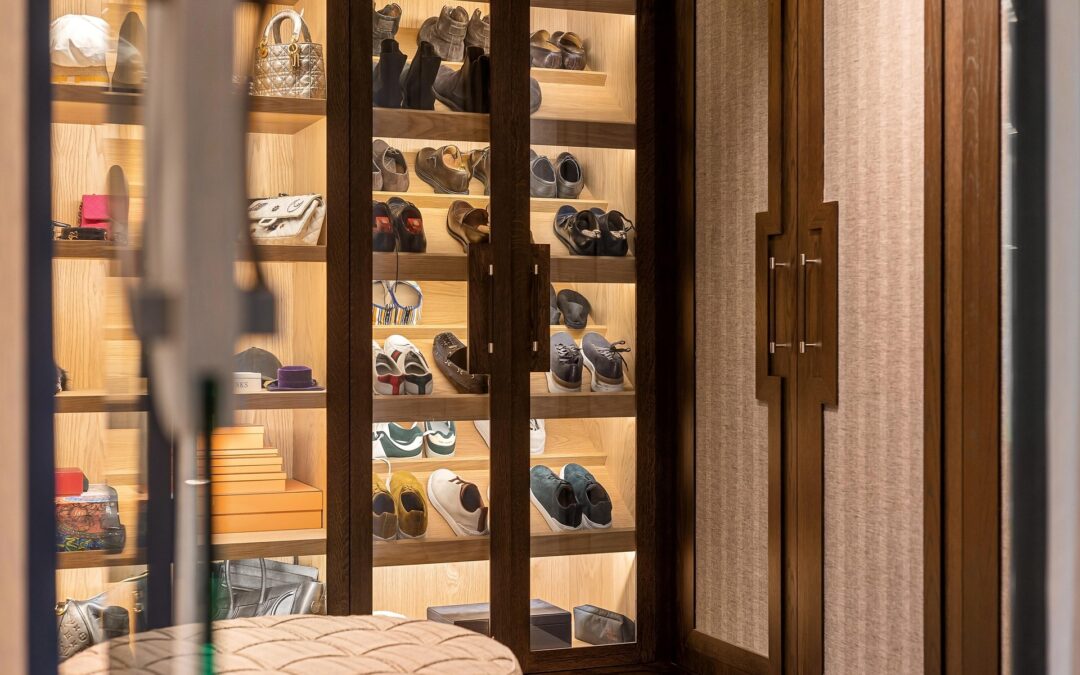
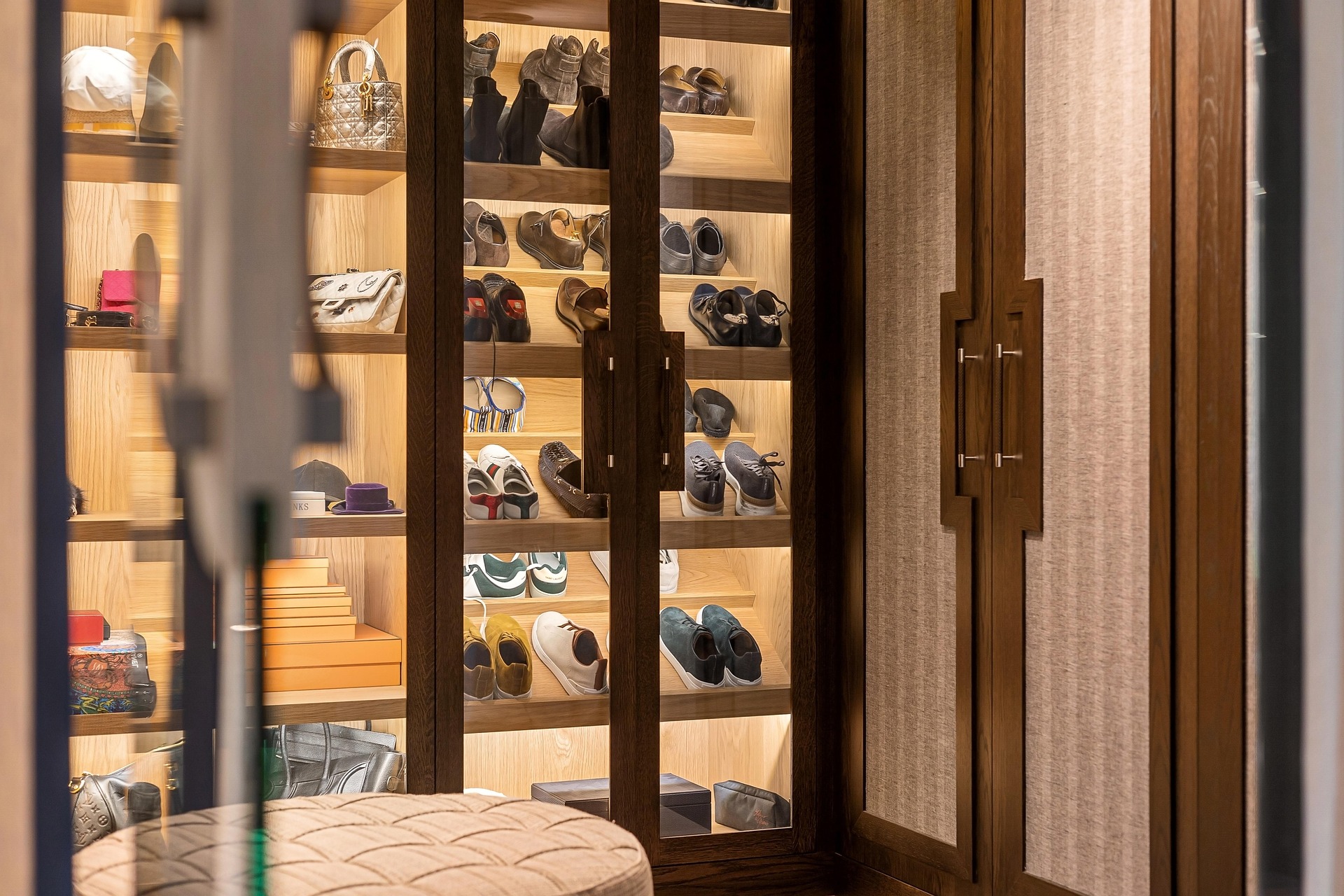
Glass-Front Drawers or Cabinets for Accessories

The trick: Incorporate shallow, velvet-lined drawers with glass tops for jewelry, watches, or sunglasses. For larger spaces, I’ll build out museum-style accessory towers or handbag displays with glass doors and subtle lighting.

Why it works: These features bring a sense of reverence to the everyday. Seeing your favorite things beautifully displayed encourages more intentional use—and feels personal, not performative.

Integrated Seating or a Vanity Moment

The trick: Add a plush ottoman or a slim built-in bench with hidden storage. In larger closets, I often float a freestanding vanity stool (that has storage in it) or table with an inset mirror and artful stool.

Why it works: Seating slows the rhythm of the space. It invites you to sit down to put on the shoes, listen to music as you get ready and makes the act of dressing feel like a ritual instead of a task. It also signals that the closet is not just storage—it’s a private sanctuary.

Floor-to-Ceiling Millwork and Molding Details

The trick: Extend cabinetry all the way up and finish it with molding that mirrors the architectural language of the home. Even in small spaces, I’ll use millwork or wall paneling to elevate the closet’s visual weight.

Why it works: Custom finishes bring intention and gravitas. They suggest permanence and purpose, not retrofit or overflow.

A Signature Scent or Diffuser

The trick: Keep a beautiful diffuser tucked into a drawer or open shelf. My personal favorites include sandalwood-cedar blends or light amber fragrances. But you could just use your signature perfume.

Why it works: Scent is a detail clients rarely expect—but always remember. It quietly enhances the luxury experience and reinforces the sense that this is a private, well-considered retreat.

Art & Objects That Start the Day Off Right

The trick: Incorporate one or two small framed photos of your loved ones, a sculptural object, or something emotional that will get your day started off right. It should remind you of your “why.” In one project, I even framed a handwritten note.

Why it works: This turns a closet into a getting-ready ritual that helps you become your best self.

“A high-end closet isn’t about labels. It’s about how well it understands the life unfolding inside it.”

Thinking About a Custom Closet?

If you’re building or renovating a home and want clarity around your storage strategy, layout, or lighting design, consider booking a 2-Hour Design Consultation. It’s one of the highest-impact steps you can take to align your space with your lifestyle. Feel free  to also Download our Free Whole Home Organization Planner below.

For those looking to complement their dream closet with designer decor, storage, or scent, visit shop.rachelblindauer.com for a refined selection of home essentials that elevate the everyday.

About the Author: Rachel Blindauer is an award-winning interior and product designer known for crafting spaces that feel as good as they look. With over 15 years of experience, her work blends elevated form with practical insight—serving private clients and boutique properties from Nantucket to Sarasota. Her thoughtful approach to design honors both aesthetic beauty and emotional resonance, helping families live with more clarity, comfort, and joy.

2 Hour Interior Design Virtual or In Person Consultation

SOMETHING FOR EVERYONE

THE PIECES RACHEL RETURNS TOAGAIN AND AGAIN

How Long Does It Take to Complete a Designer Interior Project?

How Long Does It Take to Complete a Designer Interior Project?

Embarking on a designer interior project is an exciting journey for any homeowner. However, one of the most common questions is how long such a project typically takes. Understanding the timeline can help set realistic expectations and ensure a smooth process.

Understanding the Initial Consultation Phase

The first step in a designer interior project is the initial consultation. This phase typically involves meeting with your chosen interior designer to discuss your ideas, budget, and expectations. Depending on availability, this stage may take a week or two.

During these initial meetings, you and your designer will explore the vision for your space. It’s a time to align on the project’s scope and goals, ensuring both parties are on the same page. This phase is crucial in creating a solid foundation for the rest of the project.

In some cases, clients may have very clear ideas, while others may rely more heavily on the designer’s expertise to shape the vision. Regardless, your designer should take the time to understand your preferences, functional needs, and any specific requests you may have.

Design and Planning: The Heart of the Project

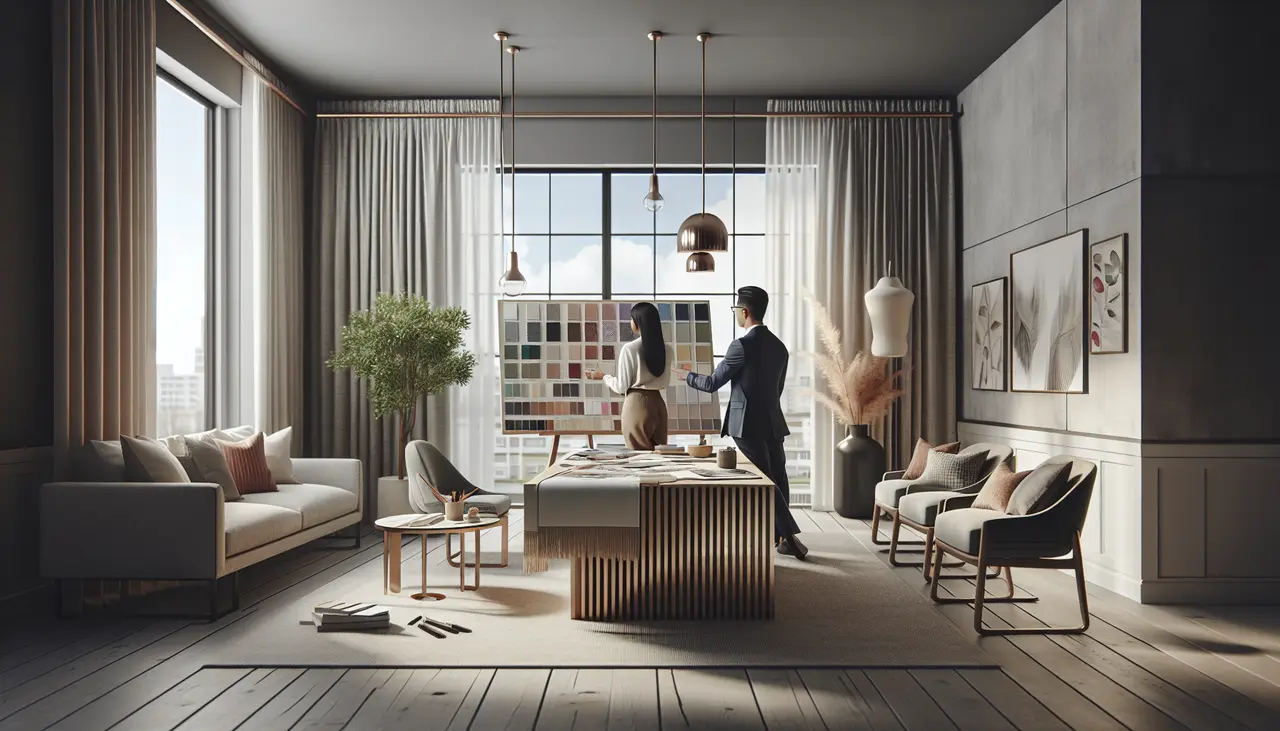
Once the consultation is complete, the design and planning phase begins. This involves creating mood boards, selecting materials, and drafting detailed design plans. This phase can take anywhere from 2 to 6 weeks, depending on the complexity of the project.

At this stage, designers often create several concept designs to present to clients, ensuring that every detail aligns with their vision. The process can be iterative, requiring adjustments and refinements before reaching the final design.

An essential part of this phase is deciding on a color palette. The choice of colors will set the tone for the entire space, impacting its mood and functionality.

Effective communication between the designer and client is key. Regular updates and discussions help to accommodate any changing preferences or new ideas that may arise. The collaborative nature of this phase ensures that the end product is both beautiful and practical.


Securing Permits and Ordering Materials

Before any physical work begins, necessary permits must be obtained, and materials need to be ordered. The time required for permits varies by location, but it could take several weeks. Ordering materials can also range from a few days to a few weeks, depending on the availability.

The availability of materials can often dictate the pace of the project. Items such as custom furniture or unique fixtures may have longer lead times. Therefore, early ordering becomes crucial to prevent any project delays.

Designers work closely with vendors and suppliers to streamline the procurement process. At Rachel Blindauer Interior Design, robust networks with suppliers help mitigate risks associated with delayed materials.

Securing permits can sometimes pose challenges if structural changes are involved. Rachel Blindauer typically works directly with a local architect and ensures that everything proceeds according to plan.

The Construction and Implementation Phase

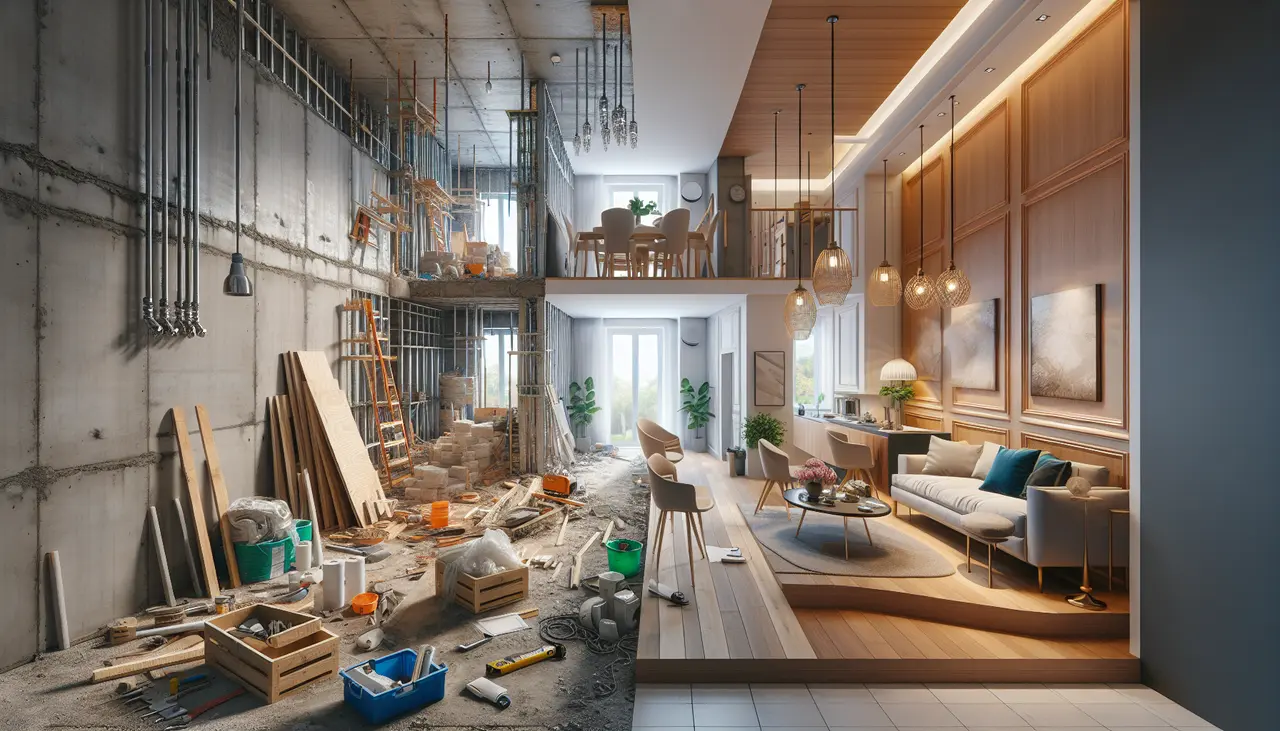
The hands-on part of the project is construction and implementation. This is where the design comes to life. Depending on the project’s scope, this phase can last from several weeks to several months.

This phase involves detailed coordination among contractors, and designers. A clear timeline and regular site visits are crucial to ensure that everything proceeds as planned. Any unforeseen issues, like delayed deliveries or construction challenges, can extend timelines.

Complex projects that include custom-built elements or significant structural modifications may naturally require a longer timeframe. However, thorough planning and efficient project management can minimize potential delays, making the completion process smoother and more predictable.

For large-scale projects or renovations, patience is key. Each detail, from paint colors to light fixtures, contributes to the overall vision. Designers aim to oversee the process closely, ensuring that the implementation matches the agreed-upon design.

Final Touches and Project Handover

After construction is completed, the final touches are applied. This includes adding furniture, decor, and other elements that were part of the design plan. Usually, this stage takes a couple of weeks. Once everything is perfect, the project is handed over to the homeowner.

These final stages are where the personality of the space really shines through. Decor elements, such as art pieces, rugs, and decorative lighting, are implemented to add depth and warmth.

Your designer will often provide an opportunity for a walk-through, ensuring all aspects have been executed perfectly. Any minor deficiencies are addressed before concluding the project, ensuring the client’s satisfaction.

This culmination of hard work results in a space tailored to the homeowner’s preferences and needs. The transformation is usually accompanied by a sense of fulfillment and excitement, marking the transition from project to living space ready to be enjoyed.

House Warming Party!

The timeline for completing a designer interior project can vary based on several factors, including planning, design, complexity, and project management but after the accessories layer and photoshoot we typically have a house warming party. By understanding these aspects, you’ll be better prepared to manage your time and expectations, ensuring a successful outcome.

2 Hour Interior Design Virtual or In Person Consultation

SOMETHING FOR EVERYONE

THE PIECES RACHEL RETURNS TOAGAIN AND AGAIN
Maximizing Small Spaces: Tips for Creating the Illusion of Space

Maximizing Small Spaces: Tips for Creating the Illusion of Space

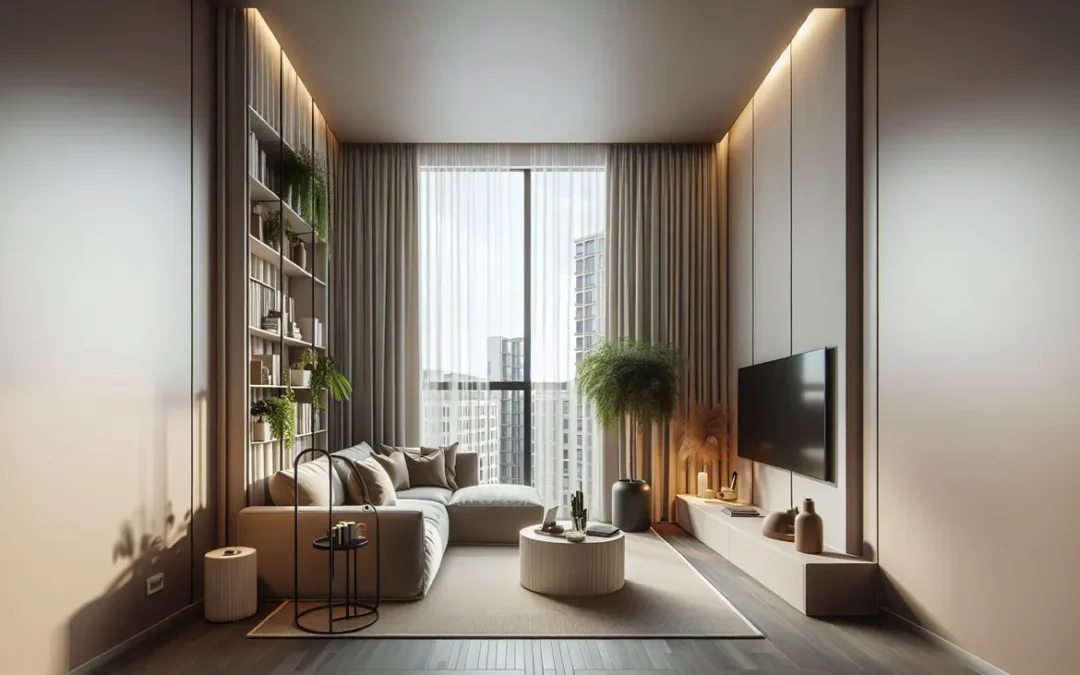
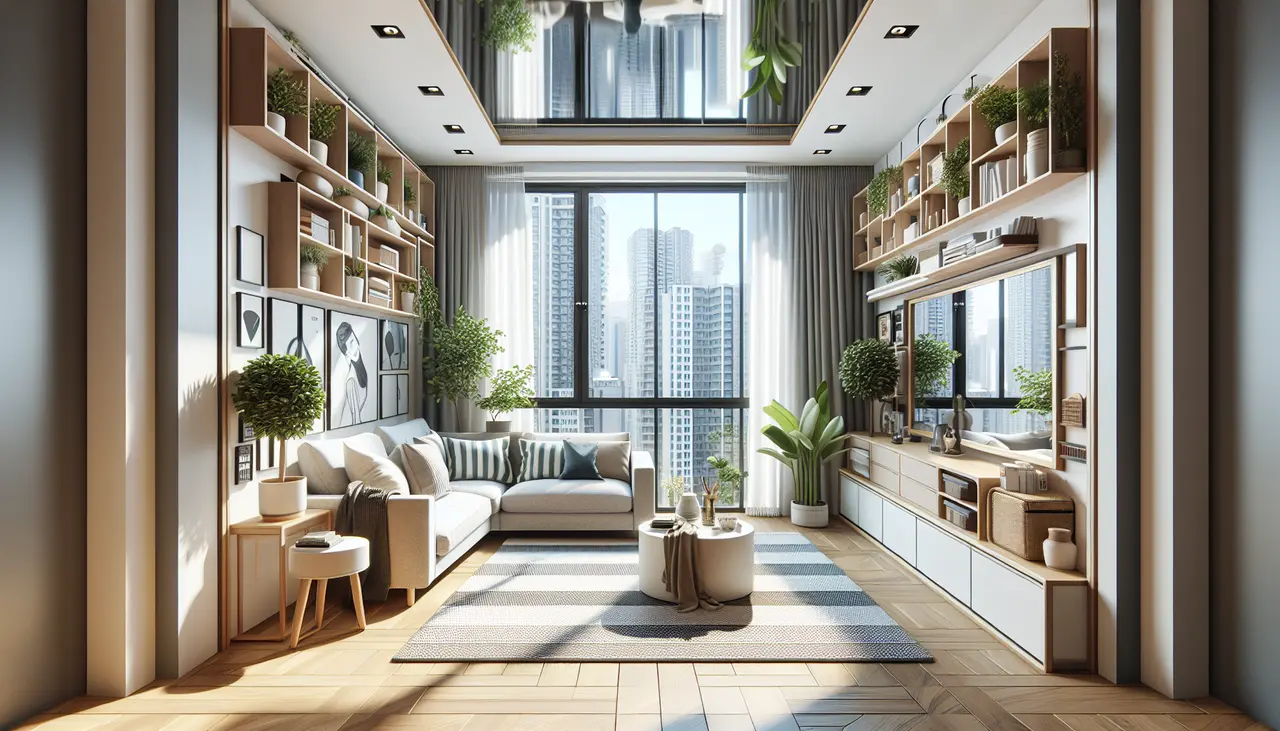
Unlock the secrets to making small rooms appear larger through clever design techniques and strategic furniture placement. and maximize small spaces and creating the illusion of a larger, more open area. With clever design techniques and strategic furniture placement, you can transform your compact living spaces into stylish and functional havens. Say goodbye to cluttered rooms and embrace the art of making the most out of limited space to unlock its full potential!

Choose Light Colors

When it comes to maximizing small spaces, color plays a crucial role. Opt for light and neutral colors for your walls, floor, and furniture. Lighter shades reflect natural light, making the room feel more open and airy. Stick to a consistent color palette to create a cohesive and spacious look.

Utilize Mirrors

Mirrors are magical when it comes to creating the illusion of space. Hang a large mirror on a wall opposite a window to reflect natural light and visually expand the room. You can also use mirrored furniture or decorative mirrors to add depth and create a sense of openness.

Embrace Natural Light

Natural light is your best friend when it comes to maximizing small spaces. Keep your windows uncovered or opt for sheer curtains to allow maximum light to enter the room. Avoid heavy drapes or dark shades that can block natural light and make the space feel cramped.

Strategic Furniture Placement

Carefully consider the size and placement of furniture in small rooms. Opt for multifunctional furniture pieces like a storage ottoman or a sofa with built-in drawers. Choose furniture with exposed legs to create a sense of openness. Avoid blocking pathways and ensure there is ample space for movement.

Clever Storage Solutions

Clutter is the enemy of small spaces. To maintain an organized and spacious look, invest in clever storage solutions. Utilize vertical space with floating shelves or tall bookcases. Opt for furniture with hidden storage compartments. Use decorative baskets or bins to store items and keep surfaces clutter-free.

Utilize Wall Space

When floor space is limited, make the most of your walls. Install floating shelves or wall-mounted cabinets to store books, decorative items, or everyday essentials. Hanging plants or artwork can also draw the eye upward and give the illusion of higher ceilings.

Create Visual Interest

Incorporate visual interest and focal points to distract from the small size of the room. Use a statement piece of artwork or a bold rug to draw attention. Incorporate textures and patterns to add depth to the space. By following these tips, you can create the illusion of a larger space and optimize the functionality of your small room.

Remember, maximizing small spaces is all about clever design techniques and strategic furniture placement. With these tips in mind, you can transform your small rooms into stylish and functional spaces that feel larger than they actually are. So go ahead, unlock the secrets to creating the illusion of space and enjoy your newly optimized small spaces!

2 Hour Interior Design Virtual or In Person Consultation

Something for Everyone

THE PIECES RACHEL RETURNS TOAGAIN AND AGAIN

Fast Fashions Effect on Kitchens and Buildings

Fast Fashions Effect on Kitchens and Buildings

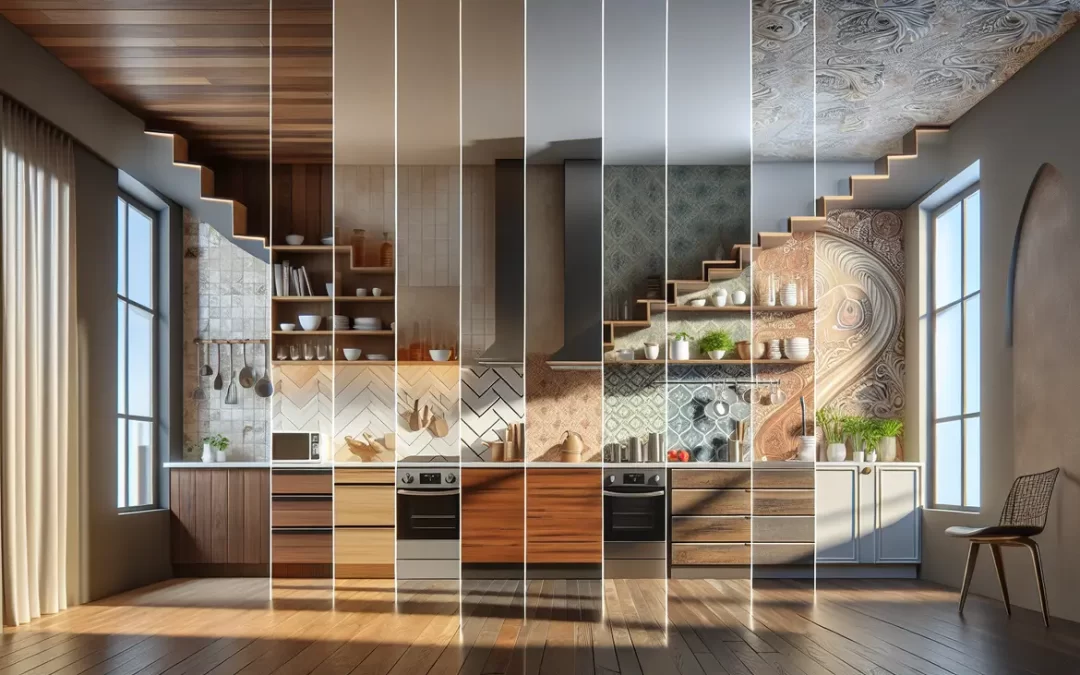
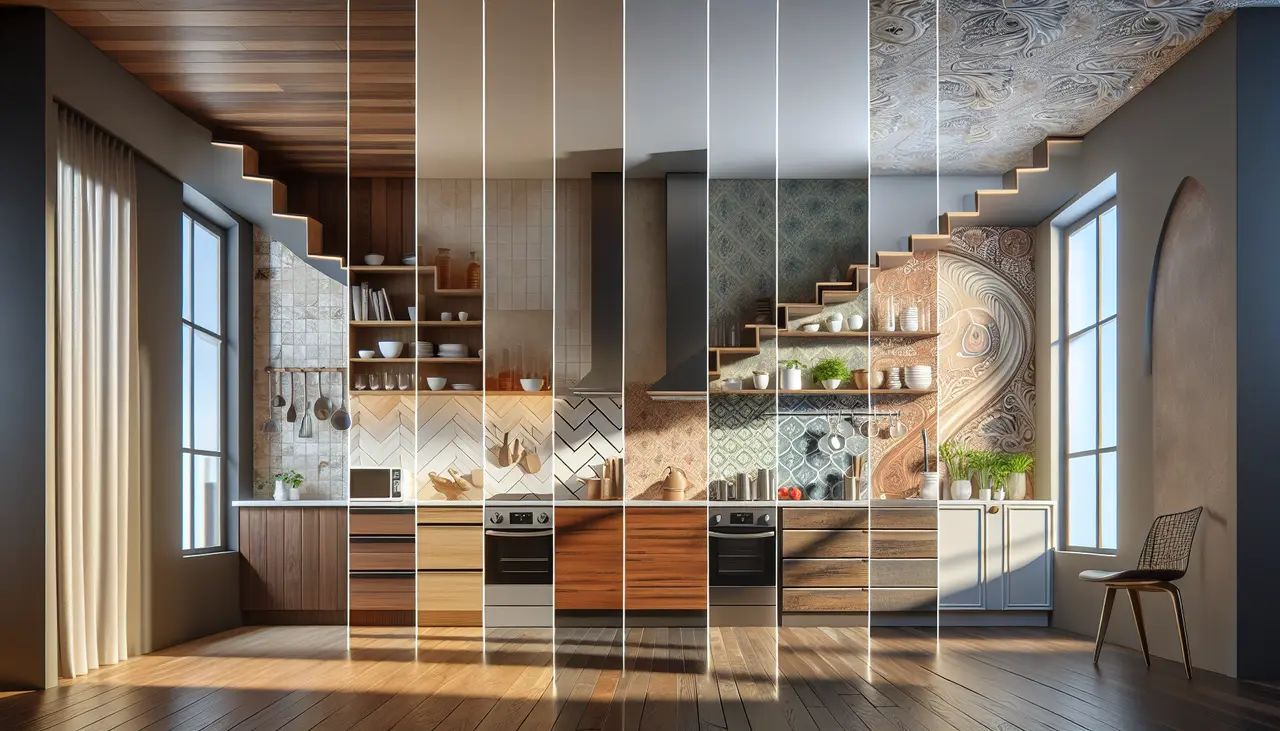
The world of interior design is constantly evolving, with new trends emerging and old ones fading away. In recent years, the pace of change has accelerated, leaving homeowners and design professionals struggling to keep up. Here we explore the phenomenon of accelerated trend cycles and its impact on the interior design industry, with a specific focus on kitchens and buildings.

The Need for Speed

Traditionally, beautifully finished apartments had a lifespan of around seven to ten years. However, Leonard Steinberg, a Compass broker, has noticed a concerning trend – new buildings are already looking outdated. This can be attributed to several factors, including the typical construction lag of design to built, shortened attention span for specific styles and colors, as well as the accessibility of design inspiration through TV shows and social media, and mass market knock offs. The desire for instant gratification clashes with the time-consuming process of creating enduring spaces.

The Impact on Kitchens

Kitchens have transformed from functional spaces to the centerpieces of modern homes. With the rise of open-concept using the kitchens as a focal point and the importance of social gatherings in the kitchen, new products coming out constantly that replicate marble and mass market companies adapting to trends as fast as possible and democratizing cost, design preferences for kitchens change rapidly. This makes kitchens more prone to becoming outdated quickly, leaving homeowners constantly seeking the next big trend.

Outdated Buildings and Kitchens

Several examples highlight the challenges of keeping up with shifting design preferences. The Jean Nouvel building at 53 West 53rd in NYC, completed in 2019, features beige, boxy accents and floating toilets fell out of style before the building was built according to potential buyers. Similarly, the Central Park Tower, built in 2020, has been criticized for its dark, masculine kitchens and baths. Many say these examples demonstrate how even new buildings can quickly lose their appeal. Yet I would venture to say well thought out design, with high end materials and finishes doesn’t.

The Acceleration of Trend Cycles

The pandemic has further accelerated the already fast-paced trend cycles. As people spent more time at home, their relationship with their living spaces deepened, leading to a heightened focus on every detail. The accessibility of design inspiration through TV shows and social media has created a surge in self-declared design experts. Additionally, the production turnarounds of retailers copying high-end trends have shortened, resembling the fast fashion industry.

The Implications

The rapid evolution of design trends has significant implications for both design enthusiasts and the environment. Homeowners may find themselves going from delight to exhaustion with certain trends in a matter of weeks. The expectation for high design to be fast puts pressure on homeowners and developers to constantly keep up with evolving trends. This constant pursuit of the latest trends contributes to waste as functional kitchens and interiors are discarded and replaced more frequently.
The interior design industry is experiencing an ever-changing landscape, with trends evolving at an unprecedented pace. Kitchens, in particular, are subject to rapid changes in style and trends, making them the most challenging space to keep up-to-date. The accessibility of design inspiration and the desire for instant gratification have propelled the acceleration of trend cycles. As trends continue to evolve, it is crucial for homeowners and design professionals to navigate these shifts and make design choices that stand the test of time. Good, well thought out design, high end materials and finishes are timeless and I would refer you to learn more about elevating your home value with ROI here https://rachelblindauer.com/elevate-your-homes-value/
Take the first step towards creating your dream space. Weather you are a couple with multiple homes looking for a decorator near you, a hotelier doing a redesign, or a developer looking for top-notch interior design services near you, Rachel Blindauer and her team are here to bring your vision to life. With our wealth of experience and expertise, we can create stunning and functional spaces that exceed your expectations and bring you to a new height of design and sophistication.
2 Hour Interior Design Virtual or In Person Consultation

Something For Everyone

THE PIECES RACHEL RETURNS TOAGAIN AND AGAIN

Creating the Ultimate Indoor-Outdoor Kitchen

Creating the Ultimate Indoor-Outdoor Kitchen

By Rachel Blindauer | Updated for 2025

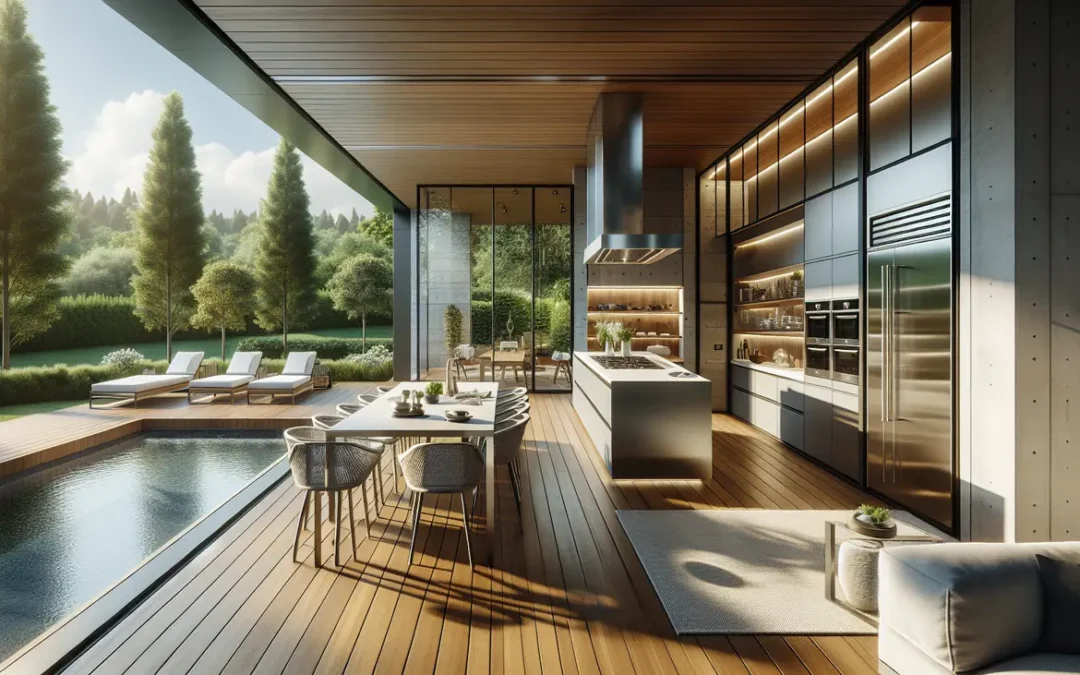
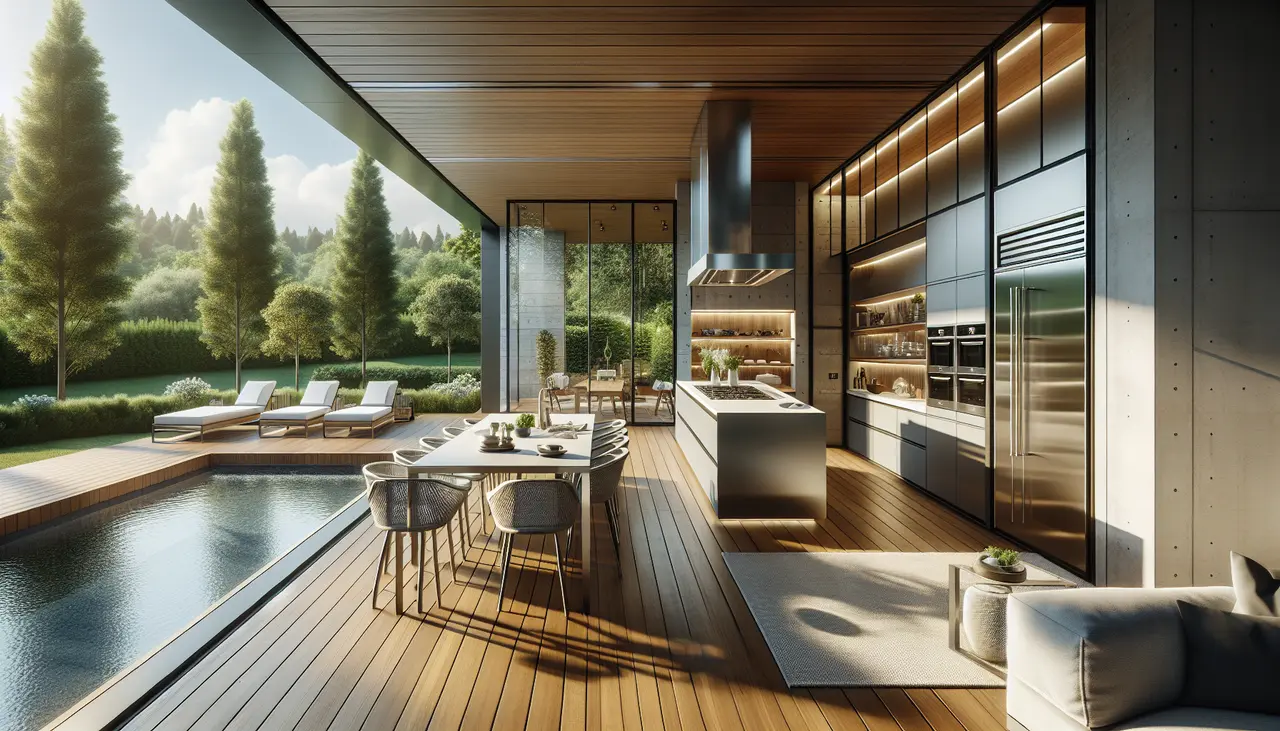
There’s something quietly radical about an outdoor kitchen done right. It’s not just about putting appliances under open skies—it’s about designing for rhythm, connection, and the sensory pleasures of cooking without ceilings.

Whether you’re a seasoned host or a dreamer with a sketchpad, designing your outdoor kitchen and bar area is a chance to soften the boundary between structure and nature. With the right mix of layout planning, material sensibility, and a few meaningful details, your backyard becomes more than functional—it becomes magnetic.

Start With Flow, Not Fixtures

Assessing Space and Location

Before diving into cabinetry and countertops, take time to understand your landscape. Where does the light fall in the evenings? Is there shelter from wind or rain? Designing around your natural environment—not against it—sets the tone for everything to come.

Establish the Outdoor Work Triangle

Just like inside, outdoor kitchens benefit from the “work triangle”: the grill, prep area, and sink should form a smooth, intuitive layout. But here, it’s also about how guests move through the space. Where do they pause? Where do conversations spark?

Zoning: The Secret Ingredient

The most successful outdoor kitchens don’t function like standalone spaces—they flow. Use outdoor rugs, planters, or even varying flooring textures to define zones for cooking, dining, and lounging without closing off the space.

“Think of it not as a kitchen, but as a garden room—one with a soul, not just a sink.”

Functional Beauty: Essentials with Style

The Grill

This is your anchor. Choose a high-quality grill—gas, charcoal, or hybrid—that matches your cooking style. Look for smart add-ons like rotisseries or side burners that allow for full meals without retreating indoors.

The Countertops

Outdoor countertops should be durable, weather-resistant, and effortless to clean. Granite, when done with a honed or leathered finish, offers a beautiful, natural feel—especially when paired with teak, slate, or patinaed metals. Stainless steel remains a timeless option for modernists.

The Sink

A stainless steel or marine-grade sink isn’t just practical—it’s essential. It extends your prep zone, allows for easier cleanup, and subtly elevates the experience of cooking outdoors.

Styling Tips: Where Outdoor Design Finds Its Soul

Accessorize with Intention

The best outdoor accessories work hard and make it look effortless. I recommend:

  • Stone or concrete serving boards that double as sculptural decor

  • Smoky or amber glassware that catches the light beautifully

  • Rattan or teak trays for texture and mobility

  • Hurricane lanterns or pillar candles to create ambiance without overhead fixtures

“Accessories don’t just fill space—they shape the way it feels.”

You’ll find my go-to entertaining pieces at the Shop.

Lighting: Let There Be Layers

A single floodlight won’t do. Blend ambienttask, and decorative lighting: think string lights over dining, a soft sconce by the prep area, and flickering candles on every table. The goal is to invite people to linger.

Greenery & Natural Materials

Mix wood with stone. Let plants climb. Design your outdoor kitchen like a space that’s grown there over time—collected, not staged. Consider herbs in terra cotta, potted citrus, or oversized ferns that blur the edge between kitchen and garden.

Comfort Meets Durability

Invest in weather-resistant seating with upholstered cushions that look as good as they feel. Consider soft layering—pillows, throws, or even a well-placed rug under the table—to bring the warmth of indoors outside.

Safety & Seasonal Care

Fire Safety

Ensure proper ventilation, maintain space around heat sources, and keep a fire extinguisher within easy reach. It’s not glamorous, but it’s essential.

Maintenance

Outdoor kitchens thrive on rhythm. Wipe down countertops. Clean the grill regularly. Store away accessories during heavy weather. Beauty and longevity go hand in hand.

Final Thought: Design That Breathes

An outdoor kitchen is more than a culinary station—it’s a declaration of how you want to live. Designing for the outdoors means loosening control, allowing materials to weather, and creating spaces where beauty isn’t just seen—it’s felt. And if you need help, I’m here for you.

“Designing outdoors isn’t about replicating the indoors—it’s about loosening the edges and letting your space exhale.”

2 Hour Interior Design Virtual or In Person Consultation

Something for Everyone

THE PIECES RACHEL RETURNS TOAGAIN AND AGAIN