Chesterfield MO Real Estate Values and ROI on Renovations

Chesterfield MO Real Estate Values and ROI on Renovations

Thinking about investing in Chesterfield, MO’s real estate and wondering where to start with your renovations? Understanding the potential value increase and return on investment for various renovation projects is crucial. Let’s dive into the real estate landscape and explore how to make the most out of your property.

Understanding the Chesterfield Real Estate Market

Chesterfield, MO, has experienced a fluctuating real estate market, yet it consistently remains an attractive area for families and investors alike. With rising median home sale prices reaching $623K in the past month, the locality is witnessing a substantial appreciation compared to last year. The growth in home values is indicative of Chesterfield’s thriving market, scoring 75 out of 100 on the competitive scale. The city offers a mix of economic stability, excellent schools, and community amenities, which are pivotal drivers for this growth, making it a prime location for real estate investments. Moreover, with a significant percentage of the population boasting higher education degrees, the property demands are high source. This enviable combination of factors paints a vibrant picture for potential homeowners and investors looking for sustainable growth and a solid community foundation.

In Chesterfield, the real estate boom is also supported by its strategic location and the high per capita income relative to the state and national averages. Such a thriving economy not only influences the residential market but also supports the commercial real estate sector. The presence of educated professionals, particularly those working from home, adds to the area’s appeal as a livable, work-friendly environment. For families, Chesterfield offers a perfect blend of suburban tranquility with the perks of an educated neighborhood and access to quality education. This dynamic environment enhances property values, providing investors a promising outlook for their investments.

What Renovations Add the Most Value

When considering renovations in Chesterfield, it’s key to prioritize projects that yield the highest returns. Kitchen and bathroom remodels often top the list, as these spaces significantly impact a home’s value. A minor kitchen remodel, for instance, can offer an ROI of nearly 98.5%, especially when modern appliances and high-quality materials are involved source. Similarly, upgrading outdated bathrooms with mid to upscale renovations yields impressive returns. Potential buyers tend to prioritize these areas, making them focal points for enhancements aimed at boosting property value.

Furthermore, considering HVAC electrification is vital, especially as energy efficiency becomes indispensable for today’s homebuyers. Replacing a traditional furnace with an electrified heat pump not only increases energy efficiency but also offers a remarkable ROI of 103%. This approach not only lessens utility costs but also positions your home as an attractive option for eco-conscious buyers. Roofing, plumbing, and electrical upgrades also play crucial roles in maintaining and increasing home value, making them worthy investments for those intending to sell or enhance their living environment.

Curb Appeal: The First Impression

First impressions count, and when it comes to real estate, curb appeal is indispensable. A well-maintained exterior not only adds immediate charm but can significantly increase the potential market value of a property. For homes in Chesterfield, projects like garage door replacements, with a 103% ROI, are both simple and effective source. Additionally, a fresh coat of paint or new siding can breathe life into your property, making it more enticing for prospective buyers.

Landscaping is another pivotal factor in enhancing curb appeal. A thoughtfully designed and maintained garden can increase a home’s overall value by up to 28%. Incorporating native plants and sustainable landscaping solutions not only boosts appeal but can also reduce water and maintenance costs, further increasing the desirability of your home. Remember, these exterior enhancements can be achieved with creative design and planning that amplifies your home’s unique attributes while ensuring it stands out in the competitive Chesterfield market.

Energy Efficiency Matters

Today’s homebuyers are acutely aware of energy efficiency, and rightly so. Upgrading your home’s energy efficiency is not only environmentally responsible but also economically wise. Enhancing insulation, replacing old windows with energy-efficient ones, and investing in modern appliances can significantly reduce energy consumption and attract eco-conscious buyers. These improvements not only lessen monthly utility bills but also enhance the overall comfort of your home.

It’s important to consider the long-term benefits of such upgrades. Not only do they appeal to potential buyers, but they also contribute to the longevity and sustainability of the home, potentially saving thousands of dollars over time. For instance, installing smart thermostats and energy-efficient lighting not only supports sustainability but also adds a modern touch that resonates with contemporary buyers. A focus on energy efficiency can effectively position your home as forward-thinking and desirable in the real estate market.

Smart Technology Upgrades

Incorporating smart technology into your home opens doors to enhancing not only its value but also its liveability. Home automation systems, smart thermostats, and advanced security features are increasingly in demand among Chesterfield homebuyers. These technologies provide convenience, security, and efficiency, which are valuable selling points. Buyers are inclined to pay a premium for homes equipped with these smart features.

Smart technology integration isn’t just a trend; it’s a shift towards the future of living. As consumers become more tech-savvy, they seek homes that accommodate their digital lifestyles. Thus, upgrading your home’s technology equates to both immediate value and future readiness. These updates not only offer peace of mind but enhance the overall appeal of your home, making it stand out in a competitive market crowded with traditional options.

Budgeting for Renovations

Embarking on renovation projects necessitates careful financial planning to ensure cost-effectiveness. Begin by establishing a clear budget and sticking to it. It’s also critical to prioritize projects based on potential ROI and personal need. Kitchen and bathroom remodels, essential maintenance, and energy upgrades should top your list to ensure maximum returns.

Unexpected costs can derail any renovation project, so it’s advisable to set aside a contingency fund to cover unforeseen expenses. Researching and selecting the right contractors can save money and time, and ensure high-quality work that adds value. To aid planning, use design software to visualize changes and anticipate potential challenges, providing a roadmap for a smoother renovation experience. These steps will not only streamline your project but also maximize your potential returns, ensuring that every dollar spent contributes to a significant improvement in your home’s value.

2 Hour Interior Design Virtual or In Person Consultation

Something for Everyone

THE PIECES RACHEL RETURNS TOAGAIN AND AGAIN
How to Create Hurricane Proof Homes

How to Create Hurricane Proof Homes

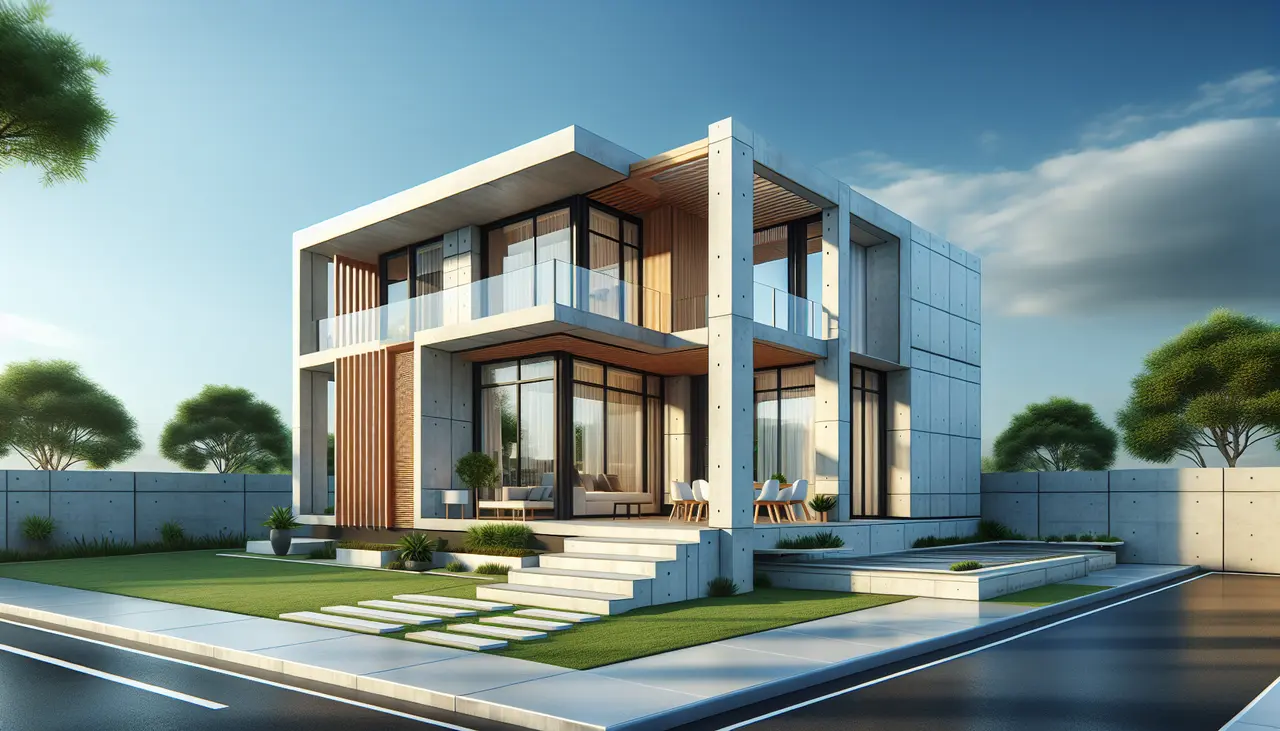
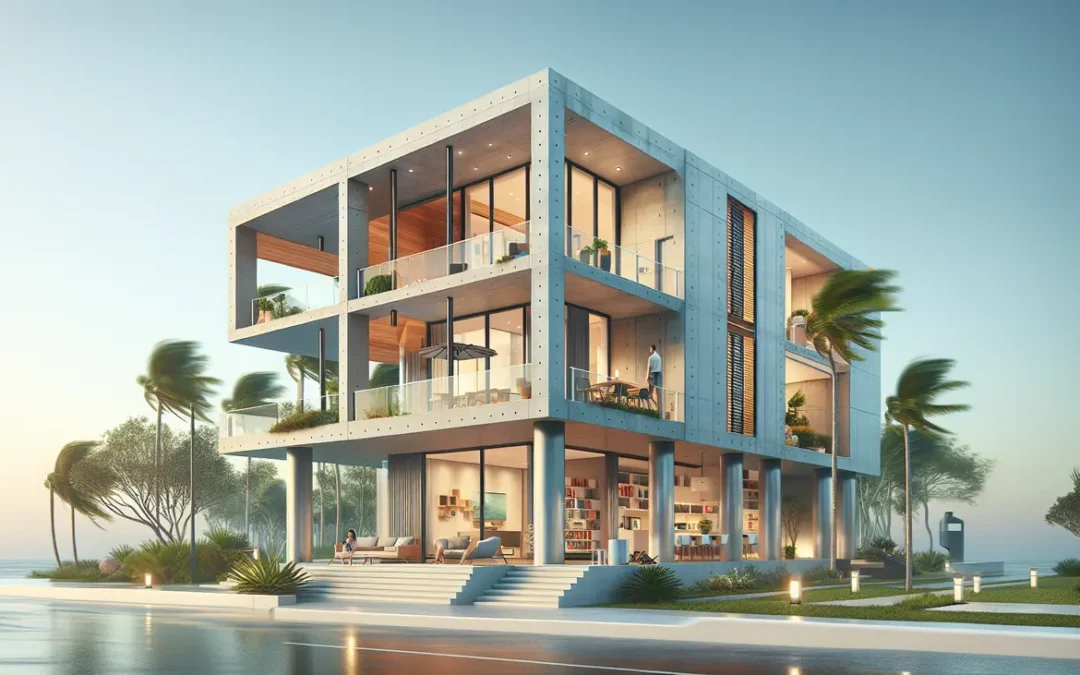
Building hurricane-proof homes involves employing design techniques and utilizing materials that can withstand the destructive forces of hurricanes. These homes are engineered to resist strong winds, heavy rainfall, and flying debris, reducing the risk of damage and increasing the safety of the occupants.

Site Selection and Building Codes

The first step in creating a hurricane-proof home is selecting an appropriate site. Consider the topography, elevation, and proximity to the coast. Avoid areas prone to storm surge and flooding.

Additionally, familiarize yourself with the local building codes and regulations regarding hurricane-resistant construction. These codes outline the minimum requirements and standards for building in hurricane-prone areas.


Foundation and Structural Design

The foundation is the backbone of any structure and plays a crucial role in making a home hurricane-proof. Here are some key considerations for the foundation and structural design:


Proper Site Preparation

Before construction, ensure the site is properly prepared. Clear away vegetation, level the ground, and remove any potential debris that could become projectiles during a hurricane.


Reinforced Concrete Foundation

A reinforced concrete foundation is essential for providing strength and stability to the structure. The foundation should be designed to resist both vertical and lateral forces caused by strong winds and storm surge.


Structural Framing

Use advanced framing techniques and structural elements designed to withstand high wind pressures. Consider using hurricane straps or clips to secure the roof structure to the walls and the walls to the foundation.


Clean Landscaping

Ensure the site doesn’t have coconut trees and dead branches. Use heavy exterior furniture that is difficult to move so you don’t have to pull it in for every storm. Don’t leave out any potential debris that could become projectiles during a hurricane.


Reinforced Concrete Foundation

A reinforced concrete foundation is essential for providing strength and stability to the structure. The foundation should be designed to resist both vertical and lateral forces caused by strong winds and storm surge.


Structural Framing

Use advanced framing techniques and structural elements designed to withstand high wind pressures. Consider using hurricane straps or clips to secure the roof structure to the walls and the walls to the foundation.


Exterior Wall Systems

The exterior walls of a hurricane-proof home should be able to withstand the impact of flying debris and resist the pressure of strong winds. Consider the following factors:

  • Shape and Frame: The architectural shape and structural frame of the building should minimize wind resistance and maximize structural integrity.
  • Insulated Concrete Forms (ICFs): ICF walls consist of solid concrete walls reinforced with steel, providing excellent insulation and resistance to hurricane winds.
  • Impact-resistant Glass and Shutters: Install impact-resistant glass and shutters to prevent debris from penetrating the building. Impact-resistant glass is designed to resist shattering, while shutters provide an additional layer of protection.
  • A reinforced Concrete Foundation and Building that can withstand 250 mph is an ideal to shoot for and won’t be going anywhere.  Alternatively your architect may suggest a building system with metal studs and spray concrete that are strong enough to achieve this as well. Spray rock building systems can withstand 250mph https://sprayrock.com/ https://sprayrock.com/compare/


Roofing Systems

A durable roofing system is essential for a hurricane-proof home. Consider the following factors:

  • Metal Roofing: Metal roofs are highly recommended for their strength and ability to withstand high winds and impact from debris. They are less likely to be torn off or damaged during a hurricane, providing better protection for the entire structure.
  • Sloping Metal Roofs: Incorporate sloping metal roofs to reduce wind resistance and prevent uplift during hurricanes.
  • Hurricane Straps or Clips: Use hurricane straps or clips to secure the roof structure to the walls, enhancing the overall structural integrity.


Doors, Windows and Shutters

Doors and windows are vulnerable areas during a hurricane. Here are some measures to enhance their resistance:

  • Impact-resistant Windows: Install impact-resistant windows made from reinforced glass or with a protective film to minimize the risk of breakage during high winds or flying debris.
  • Storm-rated Garage Doors: Use storm-rated garage doors specifically designed and reinforced to withstand high wind pressures and prevent damage to the garage and the rest of the house.
  • In industrial looking buildings you can add metal shutters that can be pulled over the windows before a storm.


Interior Design and Safe Rooms

To ensure the safety of occupants during a hurricane, consider the following:

  • Secure Loose Items: move outdoor furniture and items indoors to prevent them from becoming dangerous projectiles in high winds.
  • Safe Rooms: Designate a safe room within the house, reinforced to withstand hurricane forces. It should have reinforced walls, doors, and windows.
  • If your home is within storm surge risk make the home higher with stilts or on built up soil if you don’t only use cheaper disposable furnishings on the lower at risk floor. Use subzero fridges that have all the electronics on the top, that way if storm surge happens the fridge will still work. Ensure ac condenser units are installed above flood levels.


Creating hurricane-proof homes requires careful consideration of various factors, including site selection, building codes, foundation and structural design, exterior wall systems, roofing systems, doors and windows, and interior design. By following these guidelines and utilizing appropriate techniques and materials, homeowners can minimize damage and ensure the safety and resilience of their homes in hurricane-prone areas. Stay safe!

2 Hour Interior Design Virtual or In Person Consultation

SOMETHING FOR EVERYONE

THE PIECES RACHEL RETURNS TOAGAIN AND AGAIN

Multigenerational Home: How 3 generations can thrive together

Multigenerational Home: How 3 generations can thrive together

“A home is not simply a structure. It’s a living organism—capable of holding memory, rhythm, and generations of care.”

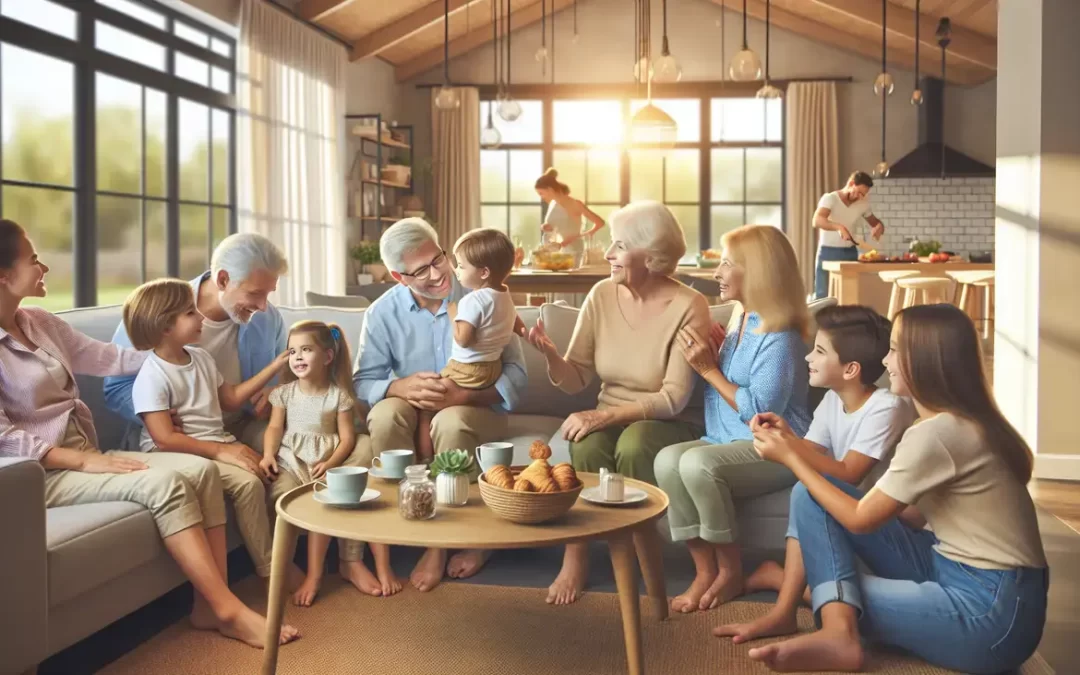
There’s a quiet renaissance happening behind suburban fences and urban brownstones alike. It’s not driven by trend or necessity alone, but by something older and deeper: a return to the long-view of family. The multigenerational home—once common, then rare—is making a graceful comeback.

Three generations under one roof doesn’t mean compromise. It means opportunity. For financial resilience. For cross-generational growth. For building a life where wisdom, wonder, and caretaking are no longer isolated but interwoven. But for this to thrive, design must rise to meet the complexity of modern family life—with grace, foresight, and flexibility.

Rethinking the Family Structure

The nuclear family ideal dominated much of 20th-century design. Yet as families realize the cost of housing increases for the younger generations, read the longevity studies, have a need for shared caregiving responsibilities or just a realization that they have greater potential to thrive together- the idea of multigenerational living has gained popularity. According to Pew Research, 1 in 5 Americans now live in multigenerational households—a figure that has quadrupled since 1971.

Behind this shift are the rising housing costs, longer lifespans, and shifting cultural values. But at the heart of it is a deeper wisdom of living helping each other. Grandparents who once lived hours away are now down the hall. Children can grow up with more help around the house and adults guiding them. Aging is no longer synonymous with isolation.

When designed with intention, these homes don’t just work logistically—they can become emotionally sustainable ecosystems.

The Emotional and Financial Upside

Built-In Support System

Children benefit from the presence of grandparents not just emotionally, but developmentally. Studies show increased empathy, academic performance, and resilience in children who grow up with daily intergenerational contact.
Likewise, elders living with family report longer life spans and improved mental health.

Financial Resilience

Shared living distributes costs: mortgages, utilities, and childcare become collective efforts. In many households, this allows younger adults to save for their own homes while older adults maintain independence longer.

Cultural Continuity

Multigenerational homes are fertile ground for passing down traditions—whether through language, recipes, or family rituals. This cultural continuity can be designed into the home through shared cooking spaces, storytelling nooks, or even altars that reflect heritage.

Design Principles for Multigenerational Living

Privacy Is Not a Luxury—It’s a Non-Negotiable
Start by zoning the home like a boutique hotel. Each generation should have a “suite” or wing—a space to retreat and recharge. Sound insulation, separate entrances, or even ADU (Accessory Dwelling Unit) conversions can turn crowding into comfort.

Create Shared Ritual Spaces
Design spaces that invite connection: a generous dining table, a cozy hearth, a sunlit porch. These areas become neutral ground, places for spontaneous connection that reinforce family rhythm.

Universal Design for All Ages, Accessibility and Aging in Place
Design with tomorrow in mind. Single-level living, no-step entries, grab-bar reinforcement behind tile, and wider doorways ensure that no one will have to move out to age with dignity. Ideally place plates/bowls glasses within range of children and wheelchairs.

Flexible Furniture and Functions if a Small Space and Reinforced Sound Barriers
Built-ins with dual uses, Murphy beds, and sliding doors create adaptable spaces if dealing with a small space. A playroom can become a study, a guest room an elder’s suite. Use the wall insulation, hallway rugs and seals around the doors to prevent sound transmition.

Common Challenges—and How to Design Around Them

1. Lack of Privacy
Solution: Separate bathrooms. Pocket doors. Zoned HVAC systems. Even thoughtful lighting cues—dimmer switches or directional sconces—can subtly mark territory.

2. Lifestyle Conflicts
Solution: Establish ‘quiet hours,’ shared calendars, and a set of ‘house rhythms.’ If possible, provide each generation with a kitchenette or coffee bar—so early risers and night owls can peacefully coexist.

3. Decision-Making Fatigue
Solution: Before move-in, co-create a family values document—covering everything from household chores to boundaries. Design choices should flow from these agreements, not vice versa.

Real Homes, Real Stories

The Greenfield Farmhouse | Columbia, Missouri

When the Greenfields converted their aging barn into a light-filled living space, it allowed Grandma June to live independently—yet within arm’s reach of her grandkids. With its own entry and kitchenette, the space strikes a balance between togetherness and autonomy.

The Yamada Compound | Los Angeles, CA

Three generations, two languages, and one smart layout. The Yamadas opted for a courtyard-style floor plan. Each family unit faces a central garden, where they gather nightly. “It feels like we live in different houses that happen to share a soul,” says Aiko, the family’s matriarch.

The Rivera Bungalow | Sarasota, FL

A Spanish-style home reimagined with universal design principles. Wide hallways, low thresholds, and warm natural materials make aging invisible—but beautifully accommodated. The family eats together in a breezy open-concept kitchen, while the guest casita functions as both an art studio and future caregiver suite.

The Takeaway

Designing for multigenerational living isn’t about fitting more people into a space. It’s about expanding the meaning of home. When done well, the result is not a crowded house—but a layered one. One that holds memory, momentum, and mutual respect.

If we approach this with the right mindset and the right materials, we don’t just make room for our families—we make room for a richer kind of life.

Considering a multigenerational home—or renovating one to better serve your family’s needs? Explore our 2-Hour Design Consultation or browse the RachelBlindauer.com blog for more design-forward strategies on how to live well—together.

2 Hour Interior Design Virtual or In Person Consultation

SOMETHING FOR EVERYONE

THE PIECES RACHEL RETURNS TOAGAIN AND AGAIN
Mastering Texture in Interior Design

Mastering Texture in Interior Design

The Art of Creating Spaces That Speak

Walk into a well-designed room, and you feel it before you even see it — the subtle layering of surfaces, the invitation to reach out and touch, the sense that the space is alive.
This is the unseen language of texture, and in interior design, it’s nothing short of transformative.

Color sets the mood. Furniture defines function.
But it’s texture that tells the story.

The Quiet Power of Texture

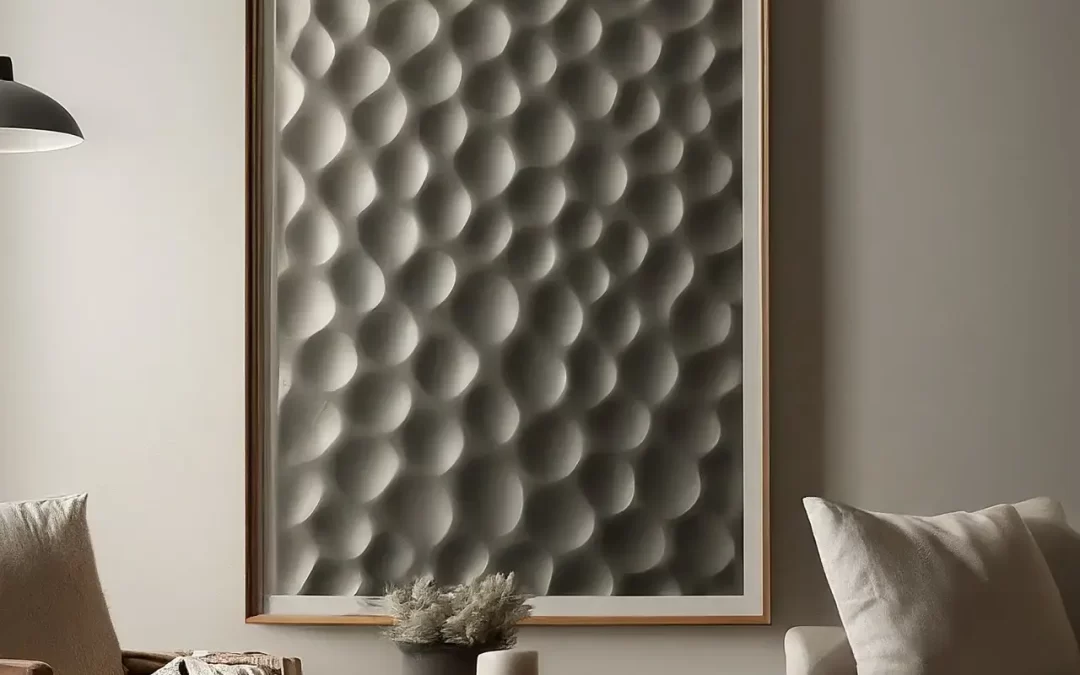
Texture is the element that brings depth, dimension, and soul to a room.
Without it, even the most beautifully styled interiors can fall flat — polished but curiously hollow.

Consider the quiet tension between smooth marble and nubby linen, the comfort of a velvet armchair against the rough honesty of reclaimed wood.
This interplay of contrasts doesn’t just please the eye — it engages the senses, creating an emotional connection to the space.

Great designers understand that texture is not merely a visual tool; it’s an experiential one.
It transforms rooms into environments, and houses into homes.

Curating Texture Room by Room

Each room carries its own emotional rhythm — and the textures you choose should honor that.

In bedrooms, soft, enveloping materials like silk, cashmere, and plush carpeting create an atmosphere of rest and retreat.
Think layered bedding, velvet headboards, and the comforting heft of a woven throw at the foot of the bed.

By contrast, kitchens and bathrooms thrive with clean, durable surfaces: honed stone countertops, ceramic tiles, brushed metals.
Here, texture balances beauty with the daily demands of living.

Living rooms, the gathering spaces of our homes, call for a curated symphony of both.
A tactile mix — supple leather, coarse knits, cool glass, natural wood — invites touch, conversation, and lingering.

The Art of Balancing Texture

True mastery lies not in simply adding textures, but in orchestrating them.

Start by establishing a base texture that grounds the room — perhaps the rich grain of oak flooring or the soft neutrality of a wool rug.
From there, introduce contrasts: a smooth ceramic lamp on a textured console, a linen sofa crowned with velvet cushions.

But remember — balance is delicate.
An overload of rugged materials can make a room feel hard-edged and restless.
Too many soft elements, and it risks becoming saccharine or shapeless.

Natural materials — wood, stone, cotton, greenery — offer a timeless antidote, bridging disparate textures with organic ease.

“Texture isn’t about chaos or excess,” says designer Rachel Blindauer.
“It’s about intentional variety. It’s about creating emotional depth that you can feel the moment you walk in.”

Texture Is Not a Detail — It’s a Foundation

The best-designed homes aren’t perfect — they’re alive.
Their walls carry the patina of real life. Their surfaces invite interaction. Their rooms breathe and evolve with the people who inhabit them.

Texture is what makes this possible.
It’s what transforms spaces from merely seen to truly felt.

Whether it’s the warmth of weathered wood under your fingertips, the crisp coolness of linen brushing your skin, or the unexpected delight of a hand-woven basket catching your eye — texture brings rooms into vivid, vibrant being.

In the end, mastering texture isn’t about following rules.
It’s about understanding how the surfaces around us shape the way we live — and using that knowledge to craft homes that are as richly layered as life itself.

2 Hour Interior Design Virtual or In Person Consultation

SOMETHING FOR EVERYONE

THE PIECES RACHEL RETURNS TOAGAIN AND AGAIN

Designing a Room That Grows with Your Child: Practical Tips and Ideas

Designing a Room That Grows with Your Child: Practical Tips and Ideas

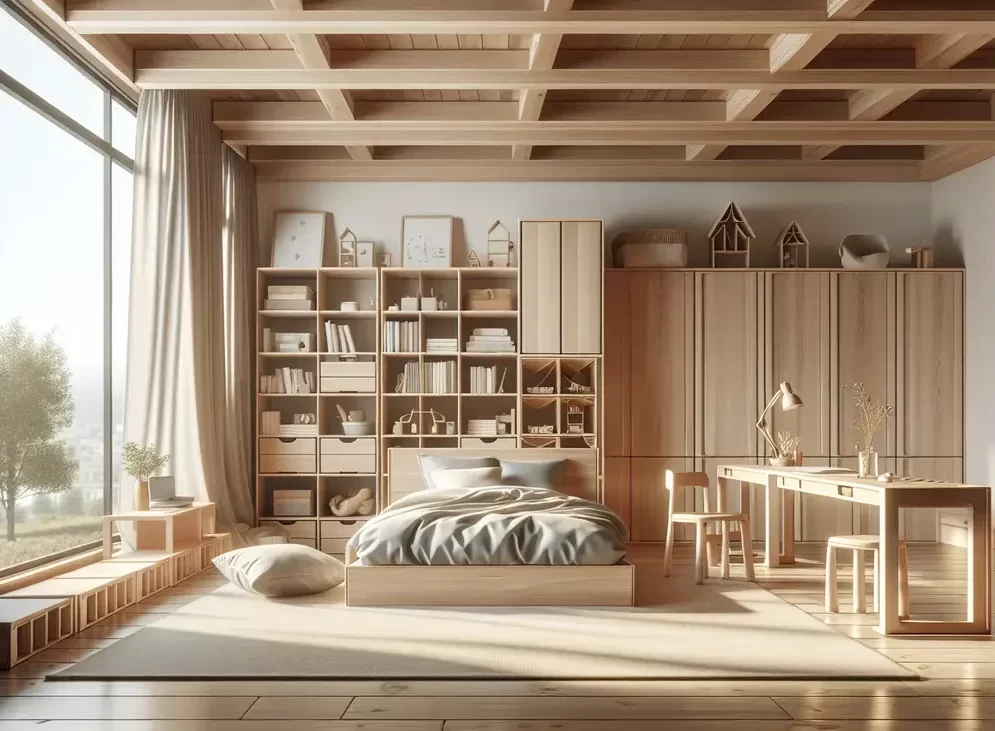
As a parent, you want to provide a nurturing and adaptable space for your new baby, a room that can evolve with them as they reach different milestones in their development. The following are essential considerations, practical tips, and creative ideas to design a room that not only meets your baby’s immediate needs but also adapts seamlessly as they grow into toddlers, children, and beyond. Get ready to create a space that will support your child’s growth, foster their imagination, and provide a sanctuary for them to thrive in.

Choose a Neutral Backdrop for the Bedding and Art

Opt for a neutral color palette as the base for your baby’s room. Soft shades such as light gray, beige, or pastels create a calming environment and can easily transition as your child grows. Neutrals provide a timeless backdrop, allowing you to change the room’s art and bedding in the future without repainting.

Invest in Convertible Furniture

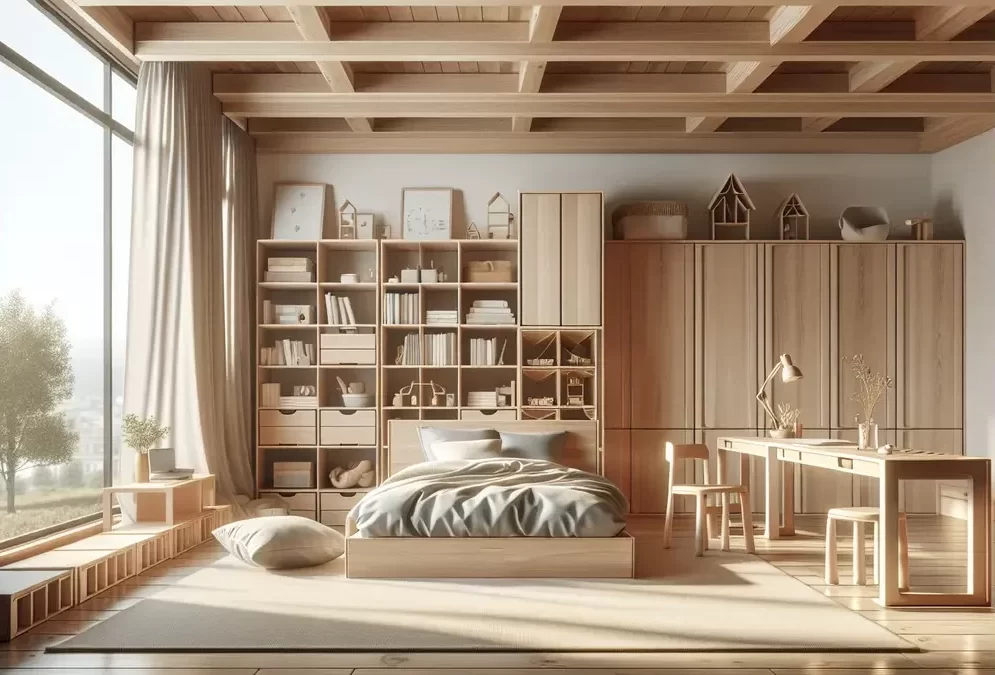
To maximize functionality and adaptability, invest in convertible furniture. A crib that can later transform into a toddler bed and eventually a twin-sized bed is an excellent long-term investment. Similarly, consider a changing table that converts into a dresser, saving both space and money as your child’s needs change.

Create Ample Storage Space

Children accumulate toys, books, and clothes as they grow. Ensure a clutter-free room by incorporating ample storage solutions. Opt for multi-purpose furniture like storage ottomans or benches that provide both seating and hidden storage. Install open shelves to display books and toys, making them easily accessible for your child as they grow older.

Designate Zones for Learning and Play

As your child grows, they’ll require dedicated areas for learning and play. Designate a cozy reading nook with a comfortable chair, bookshelf, and soft lighting to encourage a love for books. Set up a play corner with a playmat, storage bins, and a small table for creative activities. These defined spaces foster independence and allow your child to engage in various activities within their room.

Incorporate Adjustable Lighting

Lighting plays a crucial role in creating a soothing atmosphere. Install adjustable lighting options such as dimmer switches or lamps with varying levels of brightness. This allows you to adapt the lighting to your child’s needs as they transition from a nursery to a toddler or school-age room.

Consider Safety and Accessibility

To ensure your child’s safety, design the room with their needs in mind. Anchor furniture to the wall to prevent tip-overs and select child-proof hardware. Install window guards or cordless blinds for window safety. Keep electrical outlets covered and ensure that any rugs or mats are securely fastened to the floor. Regularly check the room for potential hazards as your child grows.

Designing a room for your new baby that grows with them is a thoughtful and exciting process. By considering their changing needs and preferences at different stages of development, you can create a space that will adapt and evolve with them. From choosing versatile furniture and incorporating ample storage solutions to creating play and learning areas, every element of the room should be carefully planned to support your child’s growth and development. Remember to prioritize safety and involve your child in the design process to make the room feel personal and special to them. With a well-designed and adaptable room, you can create a nurturing environment that will foster your child’s creativity, independence, and overall well-being as they journey through childhood. Enjoy the process of designing a room that will grow alongside your child, and watch as it becomes a cherished space filled with memories and love.


References:

How to Set Up a Beautiful Montessori Bedroom https://montessori-academy.com/blog/montessori-bedroom/

Ages & Stages – Infancy (https://www.choc.org/primary-care/ages-stages/)
Basics of Child Development (https://www.psychologytoday.com/us/basics/child-development)


2 Hour Interior Design Virtual or In Person Consultation

SOMETHING FOR EVERYONE

THE PIECES RACHEL RETURNS TO, AGAIN AND AGAIN

Transform Your Home For Better Mental Health: 10 Tips

Transform Your Home For Better Mental Health: 10 Tips

Having a well-designed home can significantly impact our mental health and overall well-being. Our surroundings and the way they are organized can greatly influence our mood, productivity, and stress levels. In this blog post, we will explore 10 design tips to transform your home into a sanctuary that promotes better mental health.

Declutter and Organize

 
A cluttered and disorganized space can create feelings of anxiety and overwhelm. Start by decluttering your home, getting rid of unnecessary items, and organizing your belongings. Invest in storage solutions like shelves, baskets, and bins to keep things neat and tidy. A clean and organized environment promotes a sense of calm and reduces mental clutter.

Incorporate Natural Light

 
Natural light is essential for our well-being. It regulates our circadian rhythm and boosts our mood. Maximize the amount of natural light in your home by opening curtains and blinds during the day. If natural light is limited, consider using light-colored furniture and reflective surfaces to create a brighter and more spacious feel.

Use a Calming Color Palette

 
Colors have a profound impact on our emotions. Choose a calming color palette for your home to create a soothing atmosphere. Soft blues, greens, and neutrals are known for their calming effects. Avoid using bright and bold colors in spaces meant for relaxation.

Introduce Indoor Plants

 
Indoor plants not only improve air quality but also have a positive impact on our mental health. They add a touch of nature to our living spaces, creating a sense of tranquility and reducing stress. Choose low-maintenance plants like succulents or peace lilies if you’re new to plant care.

Design Comfortable and Cozy Spaces

 
Designing comfortable and cozy spaces in your home is essential for relaxation and stress reduction. Invest in comfortable furniture, soft textiles, and plush rugs to create a welcoming atmosphere. Create cozy nooks or reading corners where you can unwind and rejuvenate.

Enhance Air Quality

 
Clean air is vital for our mental well-being. Improve indoor air quality by using air-purifying plants, proper ventilation, and air filters. Avoid using chemical-based cleaning products that can release harmful pollutants into the air.

Personalize with Meaningful Objects

 
Personal belongings can contribute to a sense of identity and belonging. Display sentimental objects, family photos, or artwork that brings you joy and comfort. However, be mindful of excessive clutter and maintain a balance to avoid overwhelming the space.

Create Zones for Different Activities

 
Designate specific areas in your home for different activities to maintain a sense of order and purpose. Create separate workspaces from living spaces to promote a healthy work-life balance. Design multifunctional spaces that can accommodate various needs and activities.

Focus on Soundscapes

 
Sound can significantly impact our mental state. Consider incorporating elements that create a soothing soundscape in your home, such as soft music though out the home (speaker systems or instruments you play), nature sounds, or water features. 532 Hz and 888 Hz are highly beneficial. Avoid excessive noise and create a peaceful environment that promotes relaxation and concentration.

Seek Professional Guidance

 
If you’re unsure about how to best transform your home for better mental health, consider seeking professional guidance from an interior designer or mental health expert. They can provide personalized advice and recommendations based on your specific needs and preferences.

Creating a home environment that supports better mental health is crucial for our overall well-being. By implementing these 10 design tips, you can transform your home into a haven that promotes joy, reduces stress, and fosters happiness and creativity. Remember to prioritize decluttering, natural light, calming colors, indoor plants, comfort, and personalization. Enhance air quality, create designated activity zones, focus on soundscapes, and seek professional guidance when needed. Your home has the potential to positively influence your mental well-being, so take the time to design it with intention.

2 Hour Interior Design Virtual or In Person Consultation

SOMETHING FOR EVERYONE

THE PIECES RACHEL RETURNS TOAGAIN AND AGAIN