10 Solutions for a Blank Wall

10 Solutions for a Blank Wall

Blank walls are like a blank canvas in your home waiting to be transformed into a captivating work of art. They offer endless possibilities for adding style, personality, and visual interest to any space. However, filling a blank wall can be a daunting task, and consideration of various factors such as size, shape, and the overall aesthetic of the room. Here we will explore 10 innovative solutions to fill those empty spaces, helping you turn your blank walls into stunning focal points that reflect your unique style and elevate the ambiance of your home.
Wallpaper that Makes a Statement

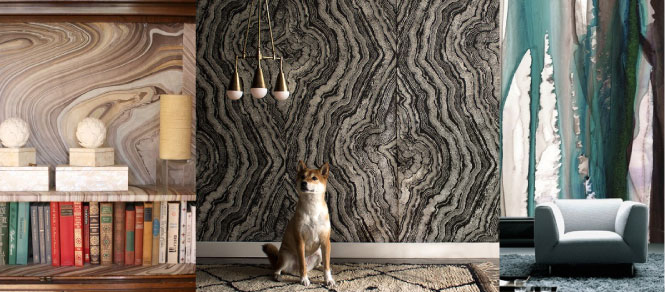
One way to add depth and character to a blank wall is by using wallpaper. Choose a design that reflects your personality and complements your existing decor. When the wall looks this good you don’t need art.

source | source | source

Upholster a Wall

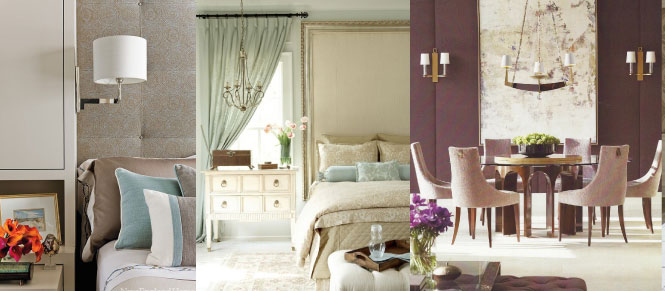
Upholstering a wall not only helps to protect your head from hitting the wall but also reduces sound. So it is a perfect solution behind any bed, day bed, sofa or a dining room where parties are held.

source | source | source

Photo & Map Murals

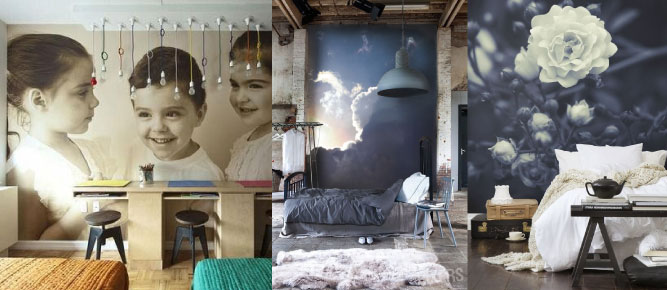
For a unique and personalized touch, consider creating a photo or map mural on your blank wall. Choose meaningful photographs or maps that hold sentimental value and create an eye-catching display. This option allows you to showcase your memories or explore your wanderlust, adding a personal touch to your space.
source | source | source

Chalkboard and/or Pinboard

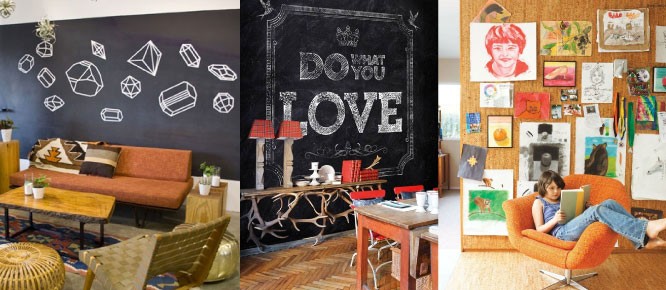
Use chalkboard paint and/or cork to create a statement wall. This is an ideal solution for kitchens and offices. Cover a wall in cork and use it as a brag wall for children’s art or as a inspiration board. By using chalkboard paint on an entire wall your art becomes whatever you can draw. If you worry about not being an amazing artist use a projector or graphite/carbon paper to help you draw the design onto the wall.
source | source | source

Wall of Mirrors

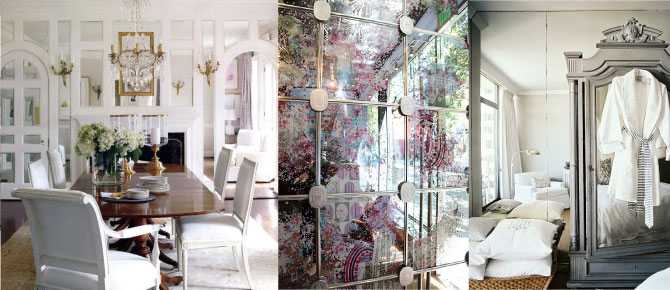
Creating a room twice as big is as easy as installing a wall of mirrors. You can cover the entire wall with large mirror panels to make the wall disappear or use antique mirror tiles to create transparent texture. Framing out mirror panels with wood helps to break up a solid wall allowing some reflection.
source | source | source

Bookshelves

Install custom bookshelves or tile premade bookshelves to create a library-inspired look. This solution not only adds storage space for your book collection but also enhances the overall aesthetic appeal. Ensure the bookshelves are securely fastened to the wall to prevent tipping.

source | source | source

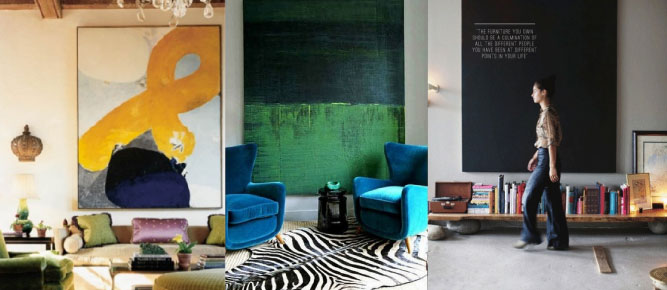
Oversized Art 

Purchase a large scale piece of art or make your own abstract art. If you make your own it doesn’t need to be complicated just select acrylic paint colors that will complement and add depth to the room. Craft stores often have great sales on huge canvases, so you can try to create your own Pollock, Rothko or just paint the canvas in a solid color.
source | source | source

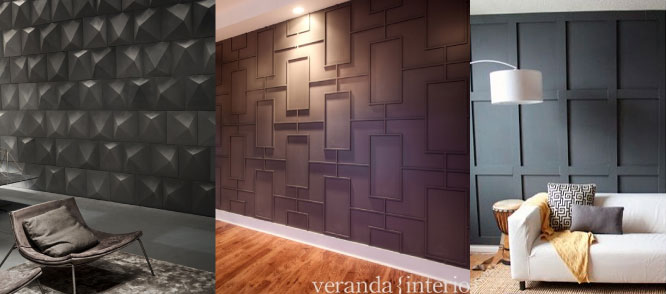
Use MDF to create an architectural feature wall

Create a relief you can paint over to give your room architectural interest. It may even improve the resale of your home.

source | source | source

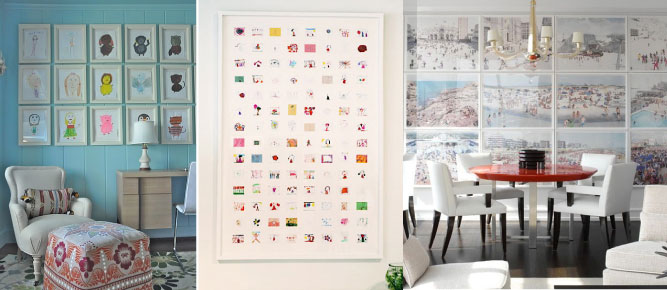
Create an Art Wall

Tile similar looking art into a large wall display. Wheather the images are simple drawings or photographs the repetition and slight differences of the images elevate become enchanting. ? also takes your images and creates one print out with all of the images – so all you need is one frame.
source | source | source

Ledges

Running out of space on the coffee table for the coffee table books? Need a place to put all of your children’s books? Ledges can run the entire length of the wall and used to display anything from coffee table books, art, and record album covers.

source | source | source

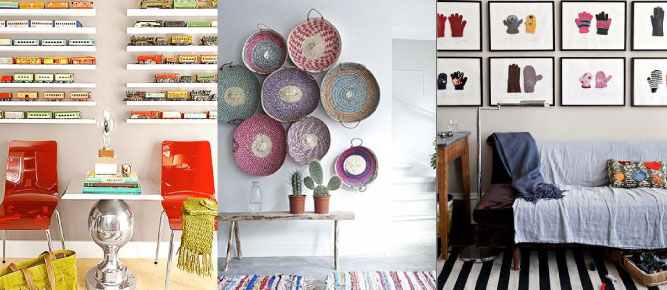
Showcase Your Collections

Take whatever collections you have and put them on the wall. Your children’s lost mittens become art when placed in tiled picture frames. Colorful woven baskets can become a focal point in a hallway and your childhood train set can become art when elevated on small shelves.

source | source | source

Filling a blank wall is not just about placing random decorations or artworks. It is an opportunity to make a bold statement, create a cohesive design, and enhance the overall atmosphere of your living space. By considering the size, shape, and style of your walls, as well as utilizing innovative design ideas, you can transform these empty spaces into captivating features that reflect your personality and elevate the visual appeal of your home. With the 10 solutions we have explored in this blog post, you now have a wealth of inspiration to embark on your journey of transforming your blank walls into stunning showcases of creativity and design.
2 Hour Interior Design Virtual or In Person Consultation

SOMETHING FOR EVERYONE

THE PIECES RACHEL RETURNS TOAGAIN AND AGAIN

Create a Home that Grows with You from Age 1-100

Create a Home that Grows with You from Age 1-100

Aging in Place thru Universal Design Principals

When we talk about a home that lasts a lifetime, we’re not talking about durability—we’re talking about dignity.

Universal design—an approach that blends beauty with inclusivity—offers a blueprint for living well across every season of life. Whether you’re chasing toddlers, recovering from a surgery, or settling into your eighth decade, a well-designed home doesn’t age out of usefulness. It adapts.

“Designing for aging is not about limitation. It’s about liberation—removing friction so that life flows, safely and beautifully.”

The Hidden Crisis in Our Homes

Despite the strong desire to age in place—77% of Americans 50+ say they want to—just 1 in 10 homes is actually ready for that reality. According to the U.S. Census and AARP, the vast majority of American housing stock lacks features like no-step entries, wider hallways, and ground-floor bathrooms.

And yet, the benefits of aging in place are undeniable: improved mental health, deeper social ties, and lower healthcare costs. A study by HUD found that aging in place can reduce Medicaid costs by as much as $48,000 per person per year when paired with home- and community-based support services.

We don’t need new buildings. We need better design.

Universal Design in Action: What It Looks Like at Home

Main Floor Living
Plan for a bedroom, full bathroom, and laundry on the first floor—even if you don’t need it yet. This one choice adds lasting flexibility, whether you’re recovering from an injury or accommodating guests with mobility concerns.

Barrier-Free Showers
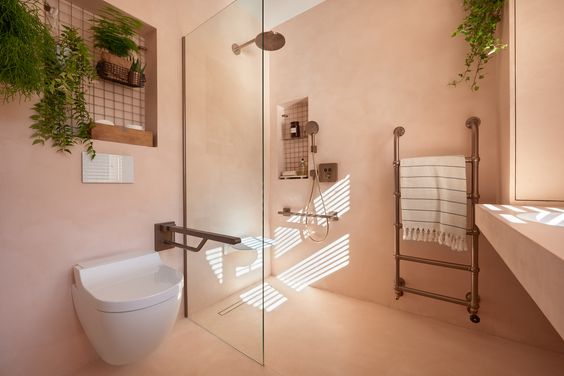
Walk-in showers with linear drains, built-in seating, and handheld sprayers feel spa-like but serve everyone from toddlers to aging adults.

Multigenerational Kitchens
Install drawers instead of upper cabinets so both kids and those in wheelchairs can reach daily items. Lever handles, touchless faucets, and induction cooktops make cooking safer across generations.

Thoughtful Lighting
Layered lighting—including under-cabinet LEDs, motion-sensor night lights, and dimmer switches—prevents falls and eases eyestrain.

“Good design isn’t visible. You feel it in the ease of movement, the silence of safety, the comfort of being considered.”

Technology That Supports Independence

Smart Home Devices

  • Voice assistants can control lights, thermostats, and reminders.

  • Video doorbells offer security without the need to rush to the door.

  • Medication dispensers with alerts ensure health routines are followed.

Telehealth Access
Aging in place becomes easier when you can connect to doctors via Zoom, send blood pressure readings from your phone, or receive remote diagnoses. Medicare now covers many of these services.

Fall Detection & Emergency Response
Smartwatches and home hubs now include built-in fall detection, emergency buttons, and caregiver alerts, all without sacrificing aesthetics.

Emotional Design: Creating a Home That Loves You Back

Homes that support aging are also homes that support belonging.

  • Incorporate biophilic design: natural light, views of nature, indoor plants.

  • Include memory anchors: family photos, heirloom objects, meaningful art.

  • Prioritize communal space for conversation, connection, and caregiving.

  • Choose colors and materials that soothe rather than stimulate—think soft woods, warm whites, tactile upholstery.

“The most future-proof homes don’t feel clinical. They feel like you—just easier to live in.”

Retirement-Ready Services to Layer In

Aging in place isn’t just about walls and windows. It’s also about the ecosystem of support:

Category Examples
Home Services Lawn care, handyman, HVAC maintenance
Health & Wellness Physical & occupational therapy at home, speech therapy
Food & Essentials Grocery delivery (Instacart, Amazon Fresh), meal prep services
Caregiving In-home aides for dressing, bathing, meal prep
Technology Remote health monitoring, call buttons, security cameras
Transportation Uber, Lyft, senior shuttles
Finance Remote banking, automated bill pay, fraud monitoring

Designing for Everyone, from Toddlers to Elders

Universal design also benefits families with young children, those recovering from surgery, and people with temporary or permanent disabilities. A drawer microwave is safer for a child and more convenient for a wheelchair user. A wide hallway accommodates both a walker and a stroller.

The goal? To design spaces that don’t single anyone out—but welcome everyone in.

Final Thoughts

Aging in place isn’t a trend. It’s a truth—and one we’re all moving toward. Whether you’re building new or remodeling, now is the moment to make choices that serve your future self.

Because the best homes aren’t just where life happens. They’re where it keeps happening.

About the Author: Rachel Blindauer is an award-winning interior and product designer known for creating spaces that live as well as they look. With over 15 years of experience in residential, multifamily, and hospitality interiors, she specializes in designs that elevate daily life while anticipating future needs.

Take the first step towards creating your dream space. If you are a couple with multiple homes looking for a decorator near you, a hotelier doing a redesign, or a developer looking for top-notch interior design services near you, Rachel Blindauer and her team are here to bring your vision to life. With our wealth of experience and expertise, we can create stunning and functional spaces that exceed your expectations and bring you to a new height of design and sophistication.

2 Hour Interior Design Virtual or In Person Consultation

SOMETHING FOR EVERYONE

THE PIECES RACHEL RETURNS TOAGAIN AND AGAIN

The Ultimate Lighting Guide: How to Master Lighting Like a Designer

The Ultimate Lighting Guide: How to Master Lighting Like a Designer

Lighting isn’t just a finishing touch—it’s the foundation.
Done well, it shapes mood, defines space, and quietly transforms the way we live in our homes. It’s what turns a house into a haven, a kitchen into a gathering space, a hallway into a gallery. And yet, lighting remains one of the most misunderstood—and underutilized—tools in interior design.

In this guide, we’ll unpack the layered language of light: from the warmth of a well-placed sconce to the precision of task lighting at the kitchen island. You’ll learn how to sculpt your space with intention and how to avoid the most common (and costly) lighting mistakes.

Start With the Temperature for the House & Grounds, NOT Fixtures

Before thinking about style or placement, get clear on kelvin temperature. Light’s color temperature sets the tone—literally.

  • 1800K–2700K: Warm, golden light ideal for bedrooms, dining rooms, and living rooms

  • 3000K+: Cool, sterile light commonly used in hospitals and commercial kitchens—too harsh for residential interiors

I typically do 2700K on everything. Warmer lighting is more flattering to people and spaces.”

Consistency is critical. Mismatched color temperatures from room to room create visual dissonance. Choose one temperature—preferably on the warm end of the spectrum—and carry it throughout the home.

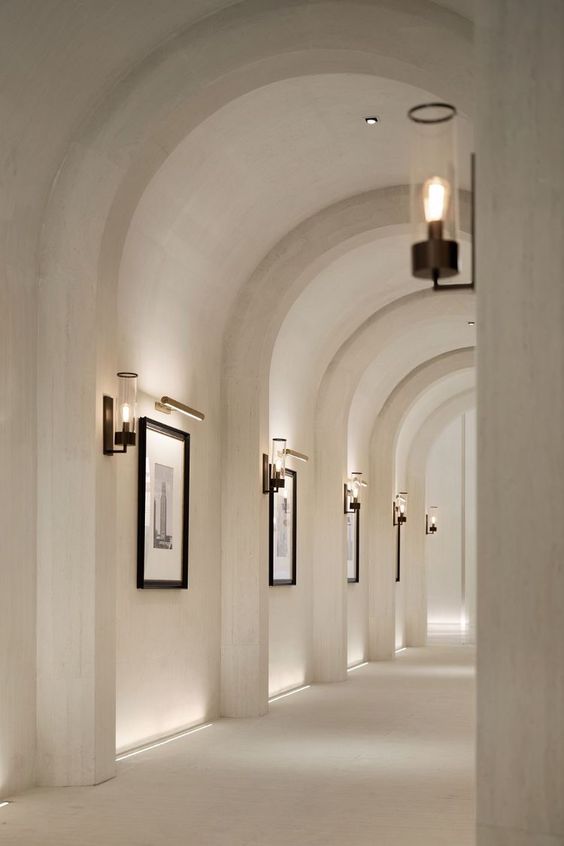
Accent Picture Lights and LED was up Barrel Vault

The Three Layers of Light (And Why You Need All Three)

1. Ambient Lighting: The Room’s Backbone

This is your general illumination—the soft wash of light that makes a room usable. Think recessed ceiling lights, skylights, flush-mount fixtures, or a statement pendant. The goal is even, shadow-free light that feels natural and effortless.

2. Task Lighting: Where Form Meets Function

This layer is all about precision. Reading, cooking, grooming—any activity that requires concentration deserves its own light source. Use gooseneck sconces for bedside reading, LED tape lights under kitchen cabinets, or articulated arms above desks.

Above islands or tables: Hang fixtures 30–36″ above the surface, spaced ~30″ apart for balance and airflow.

In bathrooms, sconces should be mounted at eye level and 5′ apart for even illumination without casting unflattering shadows.

3. Accent Lighting: Design’s Quiet Drama

Accent lighting draws the eye to what matters—art, architectural features, or a stunning fireplace. Picture lights should span half the width of the artwork and be angled at 30 degrees for optimal shadow play. Use uplights in indoor tree pots or recessed cans to highlight sculptures or art.

Don’t forget natural sources like candlelight or firelight, which can anchor a space in warmth and movement in ways no bulb ever could.

Dimmers & Controls: The Unsung Heroes of Great Design

If every space tells a story, dimmers are your narrator. They allow light to shift from day to night, from task to ambiance, with subtle control. For maximum flexibility, install dimmers in every main living area, and consider motion sensors for halls or closets. It’s not just functional—it’s atmospheric.

The Natural Light Equation

No artificial lighting plan is complete without considering sunlight. Where it enters. How it moves. What it touches.
Use windows, skylights, and solar tubes to your advantage—but filter the glare. Sheers, tinted films, or architectural overhangs can help soften light and reduce heat gain.

Avoiding the LED Pitfall

LEDs are energy-efficient—but not all are created equal.
Most LED products—especially strip lights and under-cabinet kits—don’t dim well or flicker under low voltage. Always test your LED products with your dimmers before installing. Look for dimmable, high-CRI (Color Rendering Index) LEDs to maintain color accuracy.

Avoid no-name LED strips or plug-in puck lights. They often create inconsistent light and hum on dimmers.

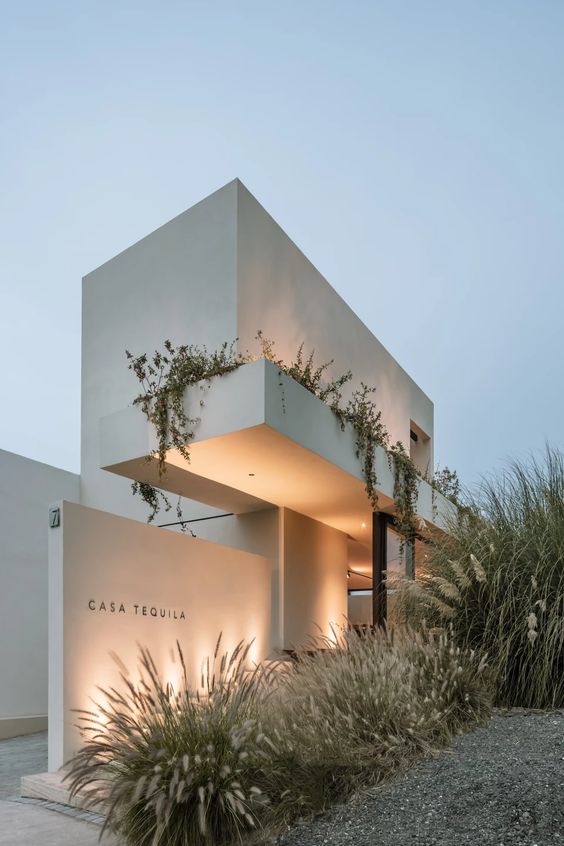
Outdoor Lighting on a Modern House

Outdoor & Landscape Lighting: Extension of the Home

Great lighting doesn’t stop at the threshold. Your exterior should feel as thoughtfully lit as your living room. I have my favorite outdoor lighting brand that is made of brass and patinas beautifully with age.

  • Bullet lights highlight trees and architectural features

  • Well and wash lights add glow to walkways and facades

  • Deck and step lighting prevent tripping while feeling luxurious

  • Motion sensors and security lights just don’t use these. When you do the top three lights well, security lights become obsolete. Just invest in a security camera instead.

A Final Word: Design Is in the Details

Lighting is often treated as an afterthought, but it is truly one of the most transformative elements in any interior. When properly layered, precisely chosen, and thoughtfully integrated, lighting doesn’t just illuminate a space—it tells its story.

If you’re designing a boutique hotel, renovating a coastal retreat, or simply craving a more elevated day-to-day, it helps to have a guide. At Rachel Blindauer Interiors, lighting is never an afterthought—it’s part of the emotional architecture of a space. We craft lighting plans that not only work but live beautifully, all day and all night.

Take the first step towards creating your dream space. If you are a couple with multiple homes looking for a decorator near you, a hotelier doing a redesign, or a developer looking for top-notch interior design services near you, Rachel Blindauer and her team are here to bring your vision to life. With our wealth of experience and expertise, we can create stunning and functional spaces that exceed your expectations and bring you to a new height of design and sophistication.
2 Hour Interior Design Virtual or In Person Consultation

SOMETHING FOR EVERYONE

THE PIECES RACHEL RETURNS TOAGAIN AND AGAIN

Beach Interior Design: A Coastal Home Guide for 2025

Beach Interior Design: A Coastal Home Guide for 2025

Whether you’re waking up to ocean mist in Nantucket or golden light in Sarasota, beach interior design isn’t just a look—it’s a lifestyle. This guide explores how to achieve effortless, collected, and elegant coastal interiors without slipping into cliché.

What Is Coastal Interior Design?

Coastal interior design channels calm, light, and restraint. It’s rooted in natural materials and architectural honesty—not seashells and sailboat motifs. Think: linen drapes that catch the breeze, a palette that mirrors sand and sky, and furniture that invites barefoot living.

“I design for people who want their homes to feel like summer—without looking like a souvenir shop.”
—Rachel Blindauer

Coastal vs. Beachy: What’s the Difference?

“Beachy” interiors tend to be casual, colorful, and sometimes kitschy. “Coastal” is about restraint and refinement. It uses light palettes, soft materials, and sculptural furniture to evoke relaxation with sophistication.

Sarasota Coastal Style: Mediterranean Revival curves, indoor-outdoor flow, sun-bleached wood
Nantucket Coastal Style: Cedar shingles, crisp white trim, historical detail

Your 2025 Coastal Color Palette

Colors are influenced by light and landscape. Here’s how to use them wisely:

Neutrals as Anchors:

  • Misty white

  • Dune beige

  • Warm greige

Soft Coastal Blues:

  • Sea salt

  • Sky blue

  • Dusty teal

Nature-Rooted Accents:

  • Seafoam

  • Clay pink

  • Sunwashed terracotta

Want help choosing the right hues? Read: The Best Paint Colors By Region

Top Materials for a Luxury Coastal Look

Coastal interiors rely on honest, natural materials that wear well with time and use:

  • Linen

  • Rattan

  • White oak

  • Hand-thrown ceramics

  • Jute rugs

  • Cane and slipcovers

If it feels like plastic, it probably looks like it too.

Design Elements That Define Elevated Coastal Homes

Vernacular Architecture

A coastal interior should reflect the rhythm and heritage of its environment:

  • Nantucket: Cedar shingles, white millwork, historic moldings
  • Sarasota: Mediterranean curves, breezy layouts, limestone floors

“The best beach houses don’t imitate their setting. They interpret it.”

Textural Layering

  • Woven lighting
  • Slipcovered sofas
  • Cotton throws

Let pieces breathe—don’t overcrowd.

Curated Accents

  • Artisanal glassware
  • Shell-inspired glazes
  • Antique coastal finds

Edit down to the essentials.

Best Rooms for Coastal Design Features

Indoor-Outdoor Dining Areas

  • Pocket doors or French doors
  • Natural stone flooring that continues outside
  • Woven pendant lighting and white linen drapery

Bedrooms That Breathe

  • Sky-toned walls (hint of blue or gray)
  • Whitewashed wood tones
  • Soft cotton bedding + blackout linen drapes

Living Rooms With Intent

  • Upholstered furniture in chalky neutrals
  • Floor lamps with sculptural bases
  • Art: abstract seascapes or simple linework

Coastal Interior Design Tips by Room

Indoor-Outdoor Dining Spaces

  • French or pocket doors
  • Natural stone flooring
  • Woven pendants + linen drapes

Bedrooms That Breathe

  • Sky-hued walls
  • Soft whitewashed wood
  • Cotton bedding + blackout linen

Living Rooms With Intention

  • Neutrals with layered texture
  • Floor lamps with sculptural lines
  • Coastal-inspired art: abstract seascapes, minimal line drawings

What Coastal Clients Ask For (and What They Really Mean)

“I want it to feel like vacation, every day.”
✓ Translation: Calm, clutter-free, and functional

“I love the beach, but I don’t want it to look theme-y.”
✓ Translation: Tactile materials, no anchor prints

“Can we keep it modern but warm?”
✓ Translation: Natural woods, soft neutrals, clean silhouettes

Rachel’s 3 Rules for Elevated Beach Interior Design

1. Let the architecture lead.

2. Design with light first, then color.

3. Texture is the new pattern.

Design Like a Local: Sarasota vs. Nantucket

No two coasts are alike. Rachel’s interiors reflect the rhythm of each location:

  • Sarasota: Sun-flooded homes with indoor-outdoor fluidity with pool areas, pale stone, and travertine

  • Nantucket: Historic shingles and trims and well appointed intimate living spaces that have a mix of modern with vintage/antiques for provance

Looking for a Coastal Interior Designer?

Whether you’re renovating a Sarasota vacation home or reimagining a Nantucket retreat, Rachel Blindauer offers virtual and in-person interior design consultations. Her interiors layer neutral palettes, natural textures, and a deep sense of place.

FAQ: Coastal Interior Design

What is the difference between coastal and beach house design?
Coastal design is refined and rooted in architectural clarity. Beach house design is often casual, more colorful, and relaxed.

What are the best colors for beach interior design?
Soft blues, warm whites, and muted clay tones work best for an elevated coastal palette.

Is coastal interior design still in style in 2025?
Yes—especially with today’s focus on timeless, nature-connected living.

Can I bring beach interior design into a non-coastal home?
Absolutely. The principles—light, texture, warmth—work anywhere.

Take the Next Step

If you’re ready to bring coastal calm into your home, book a consultation. Rachel will help you translate your favorite coastline into a feeling that lasts all year.

2 Hour Interior Design Virtual or In Person Consultation

SOMETHING FOR EVERYONE

THE PIECES RACHEL RETURNS TOAGAIN AND AGAIN

Yes, Kid Friendly Interiors Can Look This Good.

Yes, Kid Friendly Interiors Can Look This Good.

Importance of Kid-Friendly Interiors

Having kid-friendly interiors is essential for creating a safe and enjoyable space. It involves choosing durable materials and furniture that can withstand the wear and tear from children. Everything has evolved to a point where kid-friendly interiors, really don’t look any much different then a normal great interior, there is just a lot more thought put into creating it. You can create a welcoming environment where your children can play freely without causing too much damage. Childproofing your home and incorporating elements that are both functional and stylish can ensure that your interiors remain aesthetically pleasing while being conducive to a child-friendly environment.

Interior Design By Rachel Blindauer

Design Tips for Kid-Friendly Interiors

Keep in mind that kid-friendly interiors can still look stylish and attractive. Here are some design tips to consider:

  • Opt for durable and easy-to-clean materials such as leather, solution dyed acrylic (aka outdoor fabric) fabric or performance fabrics for furniture and upholstery.
  • Use washable, stain-resistant paint for walls
  • Choose furniture with rounded edges to prevent accidents and injuries.
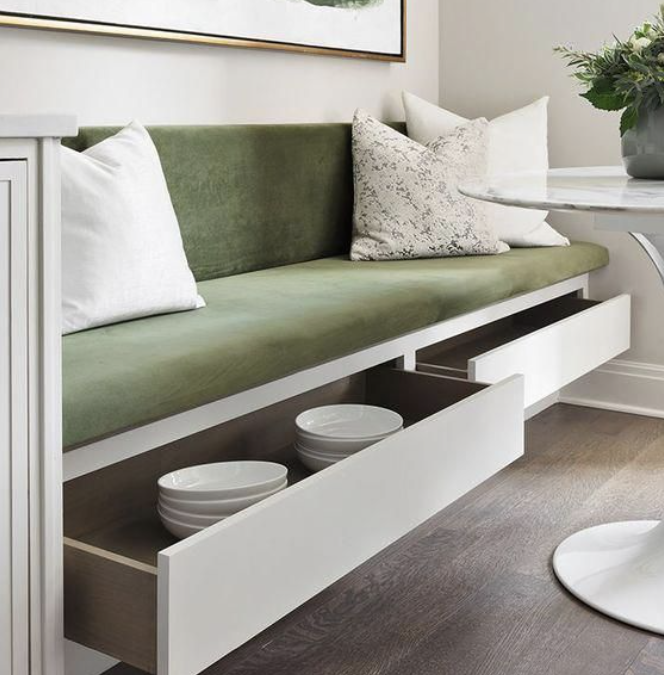
  • Incorporate plenty of storage solutions to keep toys and clutter organized and out of sight.

Take the first step towards creating your dream space. If you are a couple with multiple homes looking for a decorator near you, a hotelier doing a redesign, or a developer looking for top-notch interior design services near you, Rachel Blindauer and her team are here to bring your vision to life. With our wealth of experience and expertise, we can create stunning and functional spaces that exceed your expectations and bring you to a new height of design and sophistication.

Lighting and Color Choices for Kid-Friendly Interiors

When designing kid-friendly interiors, it’s important to choose lighting and colors that are both practical and visually appealing. Opt for bright, vibrant colors that can withstand wear and tear. Consider using washable, stain-resistant paints and durable, easy-to-clean fabrics. Incorporate playful, interactive lighting options, such as colorful pendant lights or fun-shaped lamps, to create an inviting and engaging space for children. Natural light is also essential, so maximize windows and add sheer curtains to let in plenty of daylight. Soft, warm lighting in the evening can create a cozy and calming atmosphere for bedtime stories and relaxation.

Selecting Durable and Stain-Resistant Materials

When choosing materials for kid-friendly interiors, it’s important to opt for durable and stain-resistant options. This can ensure that your home remains stylish and practical, even with little ones around. Look for materials such as performance fabric for sofas and chairs, easy-to-clean flooring like laminate or vinyl, and stain-resistant surfaces for countertops and tables. These materials are designed to withstand the wear and tear of everyday family life, making it easier to maintain a beautiful and functional living space.

Incorporating Playful and Functional Furniture

When designing a kid-friendly space, it’s important to choose furniture that is both fun and practical. Consider investing in items like convertible cribs that grow with your child, storage ottomans that double as seating, and colorful bookshelves with easy-to-reach shelves. Functional furniture is a key component of a child-friendly interior, providing both practicality and style.

Child-Safe Decor Ideas

When decorating for kids, safety comes first. Opt for furniture with rounded edges and avoid sharp corners. Choose non-toxic paints and materials for furniture and toys. Install cordless window treatments to prevent accidents. Consider using washable, stain-resistant fabrics for upholstery and carpets. Use furniture straps to secure heavy items and prevent tipping. Apply soft padding to sharp corners and edges. Always ensure that electrical outlets are covered with childproof caps. Prioritize safety while creating a playful and stylish living space for your little ones.

Creating Safe Play Zones

When creating a safe play zone for kids, it’s important to prioritize their safety without compromising on aesthetics. Consider the following tips to achieve a kid-friendly interior that looks good:

  • Use soft, non-toxic materials for furniture and flooring to minimize the risk of injury.
  • Opt for rounded edges on furniture to prevent any potential accidents.
  • Incorporate ample storage solutions for toys and play items to keep the space tidy and organized.
  • Choose vibrant, playful colors to stimulate creativity and energy in the play zone.
  • Implement childproof locks on cabinets and drawers to ensure hazardous items are out of reach.
  • Consider incorporating a variety of interactive and educational toys to encourage learning and development in the space.

By following these guidelines, you can create a visually appealing and safe play area for kids to enjoy.

Balancing Style and Practicality

When designing kid-friendly interiors, it’s important to find a balance between style and practicality. You can achieve this by choosing furniture and decor that are both aesthetically pleasing and durable. Look for materials that are easy to clean and maintain, such as stain-resistant fabrics and hardwood floors. Consider incorporating storage solutions that are both functional and stylish, such as built-in shelves and multi-purpose furniture. By striking the right balance between style and practicality, you can create a space that is both kid-friendly and visually appealing.

Organizing and Storage Solutions

Kid-friendly interiors can look stylish and organized with smart storage solutions. Here are some ideas to keep your space clutter-free and safe for your little ones:

  1. Utilize multi-functional furniture such as storage ottomans, built-in bookshelves, and toy chests.
  2. Use open shelving for easy access to toys and books, and colorful bins or baskets for quick cleanup.
  3. Consider wall-mounted hooks for backpacks, jackets, and hats, keeping the floor clear of clutter.
  4. Use furniture with rounded edges and soft materials to prevent bumps and injuries.
  5. Create designated play areas with kid-friendly furniture and storage for toys and games.

Conclusion: Achieving Stylish and Safe Interiors for Kids

To sum it up, creating stylish and safe interiors for kids is entirely possible. By focusing on durable and easy-to-clean materials, incorporating playful and colorful elements, and ensuring proper safety measures, you can achieve a space that is both fun and practical for your little ones. Remember to prioritize functionality and safety without compromising style, and you can create a kid-friendly interior that looks good and meets the needs of your family.

2 Hour Interior Design Virtual or In Person Consultation

SOMETHING FOR EVERYONE

THE PIECES RACHEL RETURNS TOAGAIN AND AGAIN

Expert Tips for Successful Kitchen Renovations

Expert Tips for Successful Kitchen Renovations


Transform Your Kitchen into a Stylish and Functional Space

Are you considering a kitchen renovation? The kitchen is the heart of the home, where family and friends gather to create memories and share meals. A well-designed kitchen not only enhances your daily cooking experience but also adds value to your home. In this blog post, we will provide expert tips and insights to help you achieve a successful kitchen renovation. From design considerations to material selection, we’ll guide you through the process of transforming your kitchen into a stylish and functional space.

Planning and Design

Before starting any renovation project, proper planning and design are crucial. Here are some expert tips to consider:

  • Assess your needs: Determine how you use your kitchen and what improvements you would like to make. Consider factors such as storage, workflow, and seating areas.
  • Create a layout: Work with a professional designer to create a functional layout that maximizes space and efficiency.
  • Consider lighting: Proper lighting is essential in the kitchen. Plan for a mix of ambient, task, and accent lighting to create a well-lit and inviting space.
  • Choose durable materials: Opt for high-quality, durable materials that can withstand the demands of a busy kitchen. Consider factors such as scratch resistance, easy maintenance, and longevity.

Cabinetry and Storage Solutions

Cabinetry plays a significant role in both the functionality and aesthetics of your kitchen. Here’s what experts recommend:

  • Custom or semi-custom cabinets: Custom or semi-custom cabinets allow you to maximize storage space and create a cohesive look. Consider features such as soft-close hinges and full-extension drawers.
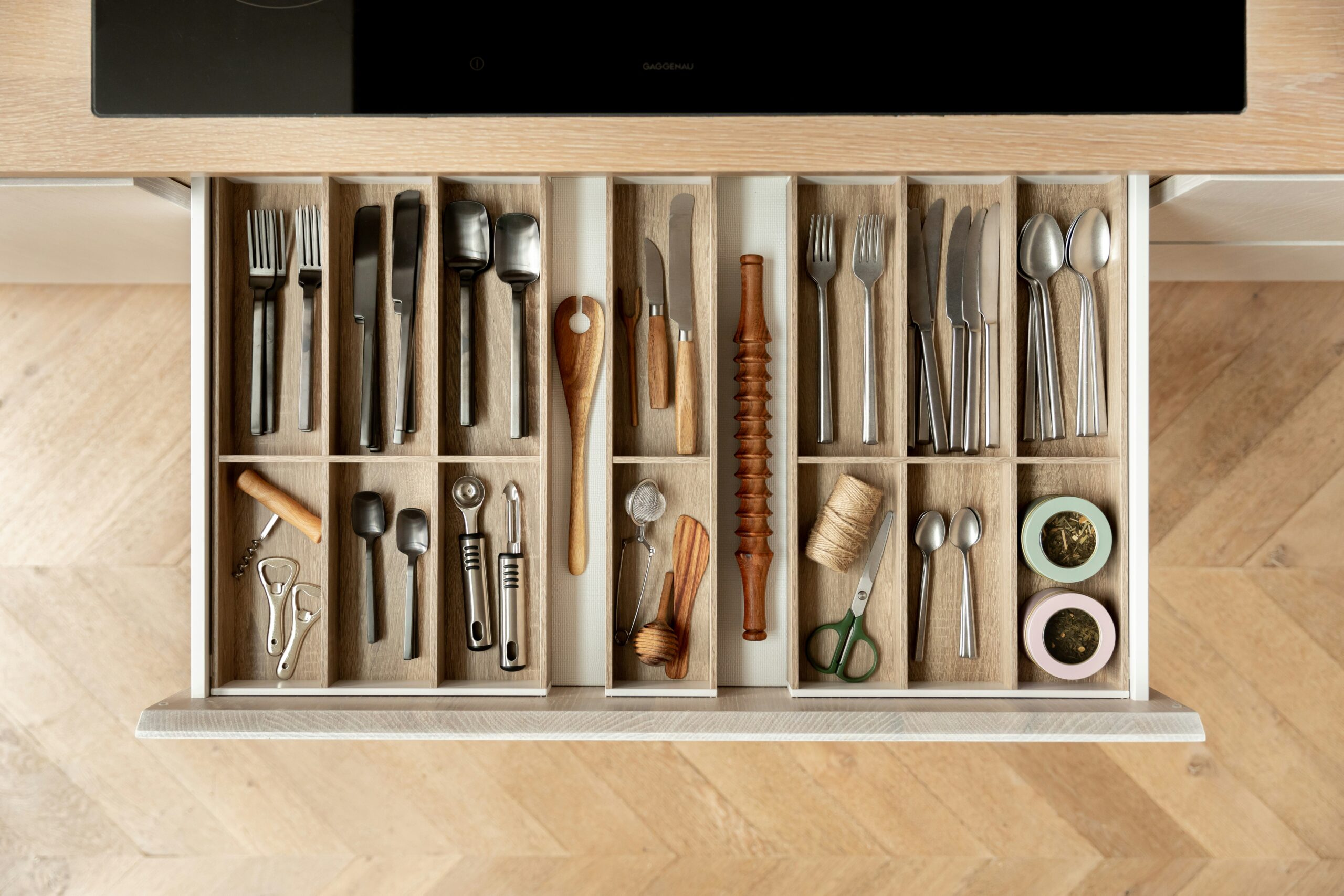
  • Consider organizational solutions: Incorporate clever storage solutions such as pull-out pantry shelves, built-in spice racks, and drawer dividers to keep your kitchen organized and clutter-free.
  • Mix and match finishes: Experiment with mixing different finishes for your cabinets, such as combining painted and stained wood, to create visual interest and depth.

Countertops and Backsplashes

The right countertop and backsplash can elevate the overall look of your kitchen. Consider these expert tips:

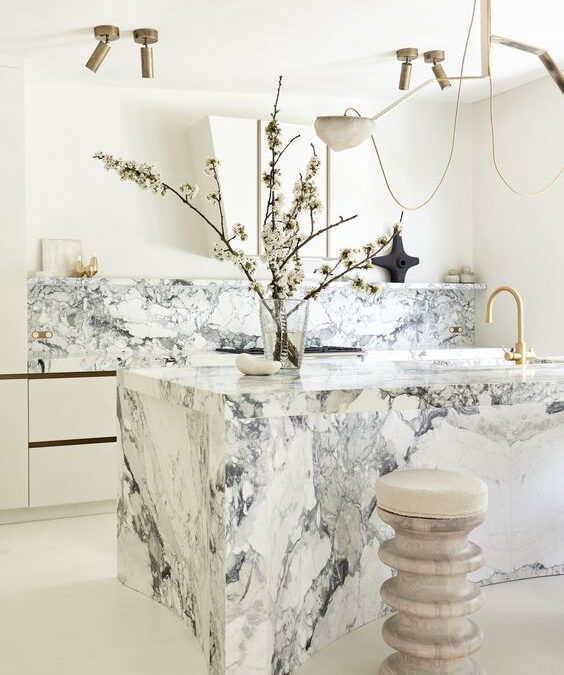
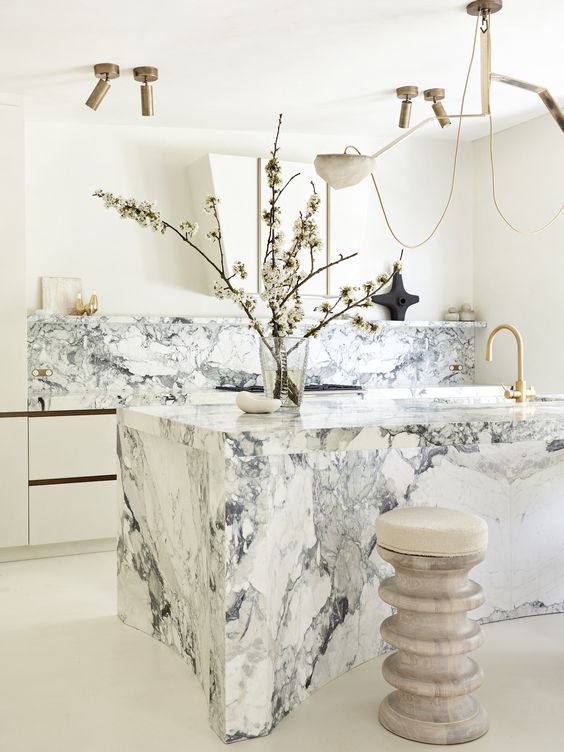
  • Choose durable countertop materials: Quartz, granite, and marble are popular choices for their durability and aesthetic appeal. Select a material that suits your lifestyle and design preferences.
  • Coordinate with backsplash: Your backsplash should match your countertop
  • Determine if you are going to make a backsplash end in a shelf or if you want to run it the full height and slide it away to uncover spices or plates
2 Hour Interior Design Virtual or In Person Consultation

SOMETHING FOR EVERYONE

THE PIECES RACHEL RETURNS TOAGAIN AND AGAIN