How to Design a High-End Walk-In Closet: 7 Luxury Tips from Rachel Blindauer

How to Design a High-End Walk-In Closet: 7 Luxury Tips from Rachel Blindauer

“A high-end walk-in closet doesn’t just store clothes. It dresses your mind for the day ahead.”
— Rachel Blindauer

The most luxurious closets aren’t always the biggest. They’re the ones that anticipate your needs, reflect your lifestyle, and feel as intentional as any other room in the home. In my design practice, I approach walk-in closets the way I approach kitchens or living rooms: with equal parts function, form, and emotion. Below are a few of my go-to design strategies to elevate a closet from utilitarian to quietly exquisite.

Flattering, Layered Lighting—With a Hint of Drama

The trick: Mix warm recessed LED lighting with softly diffused sconces or a small statement pendant. And always—always—backlight the hanging rods or install ribbon lighting within each shelf.

Why it works: Harsh lighting flattens textures and colors, while layered, warm lighting makes everything feel more tailored and inviting. It also lets clients actually see their clothing as it will appear in natural daylight.

Linked inspiration: Discover more designer-approved lighting tips to elevate your everyday.

“Good lighting doesn’t just illuminate a space—it elevates your self-perception.”

Matching Velvet or Linen-Covered Hangers

The trick: Ditch the rainbow of plastic and mismatched hangers for slim, uniform ones in velvet or linen-wrapped wood. I recommend choosing a neutral color that mimics the closet’s palette.

Why it works: This single switch instantly creates visual cohesion and a sense of calm. It’s like replacing folding chairs with built-ins—it refines the entire room without changing the structure.

Glass-Front Drawers or Cabinets for Accessories

The trick: Incorporate shallow, velvet-lined drawers with glass tops for jewelry, watches, or sunglasses. For larger spaces, I’ll build out museum-style accessory towers or handbag displays with glass doors and subtle lighting.

Why it works: These features bring a sense of reverence to the everyday. Seeing your favorite things beautifully displayed encourages more intentional use—and feels personal, not performative.

Integrated Seating or a Vanity Moment

The trick: Add a plush ottoman or a slim built-in bench with hidden storage. In larger closets, I often float a freestanding vanity stool (that has storage in it) or table with an inset mirror and artful stool.

Why it works: Seating slows the rhythm of the space. It invites you to sit down to put on the shoes, listen to music as you get ready and makes the act of dressing feel like a ritual instead of a task. It also signals that the closet is not just storage—it’s a private sanctuary.

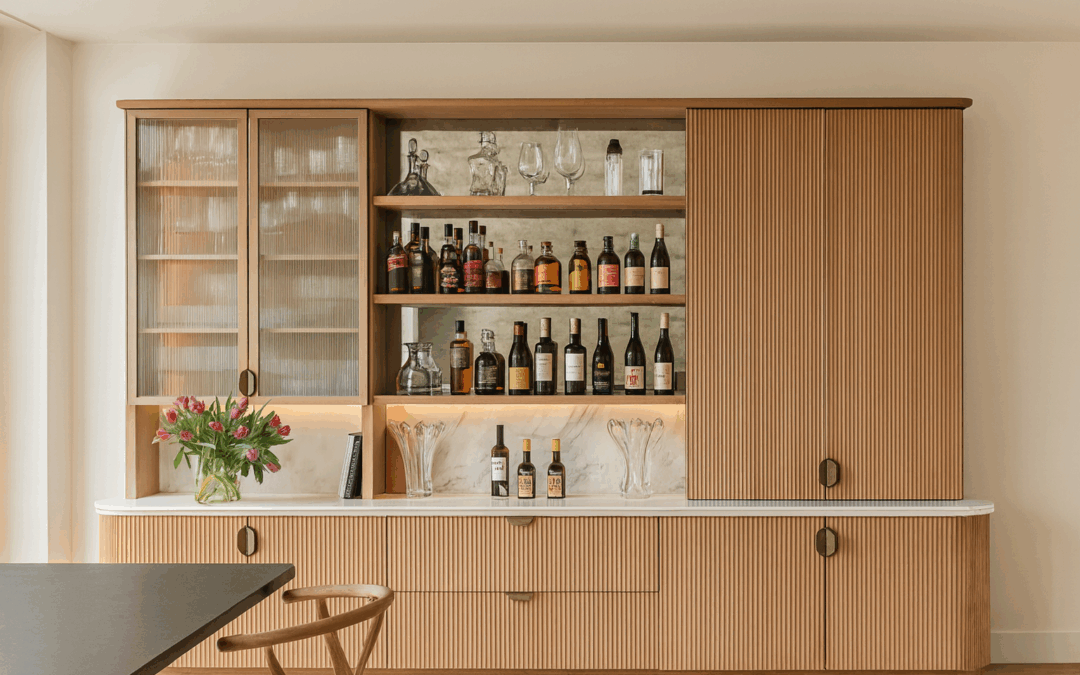
Floor-to-Ceiling Millwork and Molding Details

The trick: Extend cabinetry all the way up and finish it with molding that mirrors the architectural language of the home. Even in small spaces, I’ll use millwork or wall paneling to elevate the closet’s visual weight.

Why it works: Custom finishes bring intention and gravitas. They suggest permanence and purpose, not retrofit or overflow.

A Signature Scent or Diffuser

The trick: Keep a beautiful diffuser tucked into a drawer or open shelf. My personal favorites include sandalwood-cedar blends or light amber fragrances. But you could just use your signature perfume.

Why it works: Scent is a detail clients rarely expect—but always remember. It quietly enhances the luxury experience and reinforces the sense that this is a private, well-considered retreat.

Art & Objects That Start the Day Off Right

The trick: Incorporate one or two small framed photos of your loved ones, a sculptural object, or something emotional that will get your day started off right. It should remind you of your “why.” In one project, I even framed a handwritten note.

Why it works: This turns a closet into a getting-ready ritual that helps you become your best self.

“A high-end closet isn’t about labels. It’s about how well it understands the life unfolding inside it.”

Thinking About a Custom Closet?

If you’re building or renovating a home and want clarity around your storage strategy, layout, or lighting design, consider booking a 2-Hour Design Consultation. It’s one of the highest-impact steps you can take to align your space with your lifestyle. Feel free  to also Download our Free Whole Home Organization Planner below.

For those looking to complement their dream closet with designer decor, storage, or scent, visit shop.rachelblindauer.com for a refined selection of home essentials that elevate the everyday.

About the Author: Rachel Blindauer is an award-winning interior and product designer known for crafting spaces that feel as good as they look. With over 15 years of experience, her work blends elevated form with practical insight—serving private clients and boutique properties from Nantucket to Sarasota. Her thoughtful approach to design honors both aesthetic beauty and emotional resonance, helping families live with more clarity, comfort, and joy.

2 Hour Interior Design Virtual or In Person Consultation

SOMETHING FOR EVERYONE

THE PIECES RACHEL RETURNS TOAGAIN AND AGAIN

What Color Season is Navy Blue? A Guide for Interiors & Style

What Color Season is Navy Blue? A Guide for Interiors & Style

Navy blue is more than a color—it’s a state of mind. A visual exhale. Associated with intelligence, confidence, and calm, it’s no wonder navy remains one of the most used and most loved hues across fashion and interior design.

But here’s the question many still ask:
What color season is navy blue—and how should you use it at home?

From crisp Winter navy to muted Summer chambray, here’s how to find your shade—and your palette.

Color Psychology Meets Color Seasons

Color psychology studies how hues affect mood, behavior, and perception. Navy blue, for instance, is often used in uniforms and branding because it evokes trust and stability.

Color seasons, on the other hand, come from color analysis—a method of identifying the best colors for you based on the undertones in your skin, eyes, and hair. Each person aligns with one of four main palettes: Winter, Summer, Autumn, or Spring.

Layer the psychology of color over seasonal theory, and you get more than a color match—you get emotional resonance. Whether in your wardrobe or your home, the right navy can bring clarity, composure, and cohesion.

Is Navy Blue a Winter Color?

Yes. Rich, deep navy belongs in Winter’s world of high-contrast, cool tones. It pairs beautifully with crisp whites, icy blues, charcoal, and jewel accents like emerald or ruby.

For Winter types, navy is a grounding neutral—it brings out the cool undertones in your features and balances bolder hues.

In interiors, a navy velvet sofa or high-gloss cabinetry evokes quiet sophistication. It reflects light while absorbing mood.

Try this: Anchor your space with the Sorella Woven Mirror to contrast clean white walls and deep navy cabinetry for sculptural balance.

Paint ideas:

  • Sherwin-Williams “Tricorn Black”

  • Farrow & Ball “All White”

  • Portola Paints “In the Navy” (Roman Clay)

Can Summers Wear & Decorate with Navy?

Absolutely. Summers do best with muted, cool tones, and navy—when dusted down—offers a softer alternative to black. Think chambray or washed indigo.

Pair it with blush, sage, lavender, and dove gray. Use tactile materials like stonewashed linen, unfinished ceramics, or antique silver to soften the palette even more.

Pair with: Duskberry Linen Napkin—a soft plum tone that echoes dusty navy with romantic subtlety.

Can Navy Blue Work for Fall?

Surprisingly, yes. While Autumns thrive in earthy tones, certain navies with green or golden undertones blend beautifully into the mix.

Use navy as a neutral backdrop for camel, terracotta, olive, or ochre. The trick is to balance it with texture and warmth—wood, leather, wool, and jute.

Much like a navy dress grounded with suede or leather boots, navy interiors layered with brass and oak feel timeless for fall.

Enhance your palette with: Paloma Scallop Placemat to add a woven organic counterpoint to deep blue cabinetry or walls.

How Springs Can Wear Navy

Traditional navy can feel too heavy for Springs, but lighter, clearer versions like Mediterranean blue or air force blue can work beautifully.

Pair them with Spring’s happy hues—coral, aqua, butter yellow—for a playful contrast that feels alive. Choose breezy fabrics like voile, washed linen, or crisp cotton.

Bring Spring energy home with the Isla Dot Pillow—a dotted accent pillow that gives navy a bright cheery uplift.

Why Navy Works for Nearly Everyone

Navy is one of the few colors that adapts across all four seasons—it just depends on undertone and saturation:

  • Cool & Deep = Winter

  • Cool & Muted = Summer (aka “muted navy blue”)

  • Warm & Muted = Autumn

  • Clear & Light = Spring

Unlike royal blue, which is electric and energizing, navy is more grounded—offering emotional depth and subtle contrast. It’s not just timeless—it’s stabilizing.

3 Ways to Use Navy Blue at Home, Based on Your Season

Winter:
Try a lacquered navy console against a crisp white wall for contrast and control.

Summer:
Add a chambray throw to a pale linen bed for softness and quiet cool.

Autumn:
Contrast navy cabinetry with ochre accessories and warm brass hardware.

Spring:
Use a striped navy runner on a whitewashed table for breezy definition.

Frequently Asked Questions

What season is navy blue in color analysis?
Navy blue is traditionally a Winter color but can suit all four seasons depending on the undertone.

Can Summers wear navy blue?
Yes—especially if it’s softened, like chambray, stonewash, or stormy blue.

Is navy blue warm or cool?
Navy is usually cool, but some versions with green, gray, or gold lean warm—great for Autumns.

What’s the difference between navy and royal blue?
Royal blue is vibrant and assertive. Navy is more stable and sophisticated—easier to layer and live with.

Related Reading to Deepen Your Palette

Looking for more seasonal styling advice? Read our:

Final Thought

Navy blue offers more than visual depth—it offers grounding. In a world of overexposure, it gives us pause. It carries weight without heaviness, style without noise.

Whether you’re designing a space or dressing for the day, the right navy is never out of season.

2 Hour Interior Design Virtual or In Person Consultation

SOMETHING FOR EVERYONE

THE PIECES RACHEL RETURNS TOAGAIN AND AGAIN
How Long Does It Take to Complete a Designer Interior Project?

How Long Does It Take to Complete a Designer Interior Project?

Embarking on a designer interior project is an exciting journey for any homeowner. However, one of the most common questions is how long such a project typically takes. Understanding the timeline can help set realistic expectations and ensure a smooth process.

Understanding the Initial Consultation Phase

The first step in a designer interior project is the initial consultation. This phase typically involves meeting with your chosen interior designer to discuss your ideas, budget, and expectations. Depending on availability, this stage may take a week or two.

During these initial meetings, you and your designer will explore the vision for your space. It’s a time to align on the project’s scope and goals, ensuring both parties are on the same page. This phase is crucial in creating a solid foundation for the rest of the project.

In some cases, clients may have very clear ideas, while others may rely more heavily on the designer’s expertise to shape the vision. Regardless, your designer should take the time to understand your preferences, functional needs, and any specific requests you may have.

Design and Planning: The Heart of the Project

Once the consultation is complete, the design and planning phase begins. This involves creating mood boards, selecting materials, and drafting detailed design plans. This phase can take anywhere from 2 to 6 weeks, depending on the complexity of the project.

At this stage, designers often create several concept designs to present to clients, ensuring that every detail aligns with their vision. The process can be iterative, requiring adjustments and refinements before reaching the final design.

An essential part of this phase is deciding on a color palette. The choice of colors will set the tone for the entire space, impacting its mood and functionality.

Effective communication between the designer and client is key. Regular updates and discussions help to accommodate any changing preferences or new ideas that may arise. The collaborative nature of this phase ensures that the end product is both beautiful and practical.


Securing Permits and Ordering Materials

Before any physical work begins, necessary permits must be obtained, and materials need to be ordered. The time required for permits varies by location, but it could take several weeks. Ordering materials can also range from a few days to a few weeks, depending on the availability.

The availability of materials can often dictate the pace of the project. Items such as custom furniture or unique fixtures may have longer lead times. Therefore, early ordering becomes crucial to prevent any project delays.

Designers work closely with vendors and suppliers to streamline the procurement process. At Rachel Blindauer Interior Design, robust networks with suppliers help mitigate risks associated with delayed materials.

Securing permits can sometimes pose challenges if structural changes are involved. Rachel Blindauer typically works directly with a local architect and ensures that everything proceeds according to plan.

The Construction and Implementation Phase

The hands-on part of the project is construction and implementation. This is where the design comes to life. Depending on the project’s scope, this phase can last from several weeks to several months.

This phase involves detailed coordination among contractors, and designers. A clear timeline and regular site visits are crucial to ensure that everything proceeds as planned. Any unforeseen issues, like delayed deliveries or construction challenges, can extend timelines.

Complex projects that include custom-built elements or significant structural modifications may naturally require a longer timeframe. However, thorough planning and efficient project management can minimize potential delays, making the completion process smoother and more predictable.

For large-scale projects or renovations, patience is key. Each detail, from paint colors to light fixtures, contributes to the overall vision. Designers aim to oversee the process closely, ensuring that the implementation matches the agreed-upon design.

Final Touches and Project Handover

After construction is completed, the final touches are applied. This includes adding furniture, decor, and other elements that were part of the design plan. Usually, this stage takes a couple of weeks. Once everything is perfect, the project is handed over to the homeowner.

These final stages are where the personality of the space really shines through. Decor elements, such as art pieces, rugs, and decorative lighting, are implemented to add depth and warmth.

Your designer will often provide an opportunity for a walk-through, ensuring all aspects have been executed perfectly. Any minor deficiencies are addressed before concluding the project, ensuring the client’s satisfaction.

This culmination of hard work results in a space tailored to the homeowner’s preferences and needs. The transformation is usually accompanied by a sense of fulfillment and excitement, marking the transition from project to living space ready to be enjoyed.

House Warming Party!

The timeline for completing a designer interior project can vary based on several factors, including planning, design, complexity, and project management but after the accessories layer and photoshoot we typically have a house warming party. By understanding these aspects, you’ll be better prepared to manage your time and expectations, ensuring a successful outcome.

2 Hour Interior Design Virtual or In Person Consultation

SOMETHING FOR EVERYONE

THE PIECES RACHEL RETURNS TOAGAIN AND AGAIN
Maximizing Small Spaces: Tips for Creating the Illusion of Space

Maximizing Small Spaces: Tips for Creating the Illusion of Space

Unlock the secrets to making small rooms appear larger through clever design techniques and strategic furniture placement. and maximize small spaces and creating the illusion of a larger, more open area. With clever design techniques and strategic furniture placement, you can transform your compact living spaces into stylish and functional havens. Say goodbye to cluttered rooms and embrace the art of making the most out of limited space to unlock its full potential!

Choose Light Colors

When it comes to maximizing small spaces, color plays a crucial role. Opt for light and neutral colors for your walls, floor, and furniture. Lighter shades reflect natural light, making the room feel more open and airy. Stick to a consistent color palette to create a cohesive and spacious look.

Utilize Mirrors

Mirrors are magical when it comes to creating the illusion of space. Hang a large mirror on a wall opposite a window to reflect natural light and visually expand the room. You can also use mirrored furniture or decorative mirrors to add depth and create a sense of openness.

Embrace Natural Light

Natural light is your best friend when it comes to maximizing small spaces. Keep your windows uncovered or opt for sheer curtains to allow maximum light to enter the room. Avoid heavy drapes or dark shades that can block natural light and make the space feel cramped.

Strategic Furniture Placement

Carefully consider the size and placement of furniture in small rooms. Opt for multifunctional furniture pieces like a storage ottoman or a sofa with built-in drawers. Choose furniture with exposed legs to create a sense of openness. Avoid blocking pathways and ensure there is ample space for movement.

Clever Storage Solutions

Clutter is the enemy of small spaces. To maintain an organized and spacious look, invest in clever storage solutions. Utilize vertical space with floating shelves or tall bookcases. Opt for furniture with hidden storage compartments. Use decorative baskets or bins to store items and keep surfaces clutter-free.

Utilize Wall Space

When floor space is limited, make the most of your walls. Install floating shelves or wall-mounted cabinets to store books, decorative items, or everyday essentials. Hanging plants or artwork can also draw the eye upward and give the illusion of higher ceilings.

Create Visual Interest

Incorporate visual interest and focal points to distract from the small size of the room. Use a statement piece of artwork or a bold rug to draw attention. Incorporate textures and patterns to add depth to the space. By following these tips, you can create the illusion of a larger space and optimize the functionality of your small room.

Remember, maximizing small spaces is all about clever design techniques and strategic furniture placement. With these tips in mind, you can transform your small rooms into stylish and functional spaces that feel larger than they actually are. So go ahead, unlock the secrets to creating the illusion of space and enjoy your newly optimized small spaces!

2 Hour Interior Design Virtual or In Person Consultation

Something for Everyone

THE PIECES RACHEL RETURNS TOAGAIN AND AGAIN

Gift Guide: A Gift for Every Occasion

Gift Guide: A Gift for Every Occasion

Curated home goods from an interior designer’s perspective—timeless, beautiful, and made to be loved for years.

When it comes to gifting, the most memorable presents are the ones that feel personal—pieces chosen with care, that add beauty and purpose to daily life. This is not a mass-market roundup. These are Rachel Blindauer’s own favorite finds: high-end home goods she lives with, gifts she’s given, and pieces she returns to again and again.

Rachel’s philosophy is simple: only own what you love. And because she’s constantly sourcing and shopping from everywhere—showrooms, markets, ateliers, and artisan studios—you can trust these will be keepers.

Low-Toxicity Laundry Powder + Luxury Scented Dryer Sheets

A gift that transforms an everyday ritual into a small luxury. Rachel uses Meliora Laundry Powder in Lavender for its low-toxicity formula (baking soda, vegetable soap, coconut, and lavender oil) on intimate clothing, paired with Laundry Sauce Indonesian Patchouli or Siberian Pine scented dryer sheets for towels and bedding. The combination makes sheets feel indulgent and scent the room with quiet elegance.

Luxurious Throw

A good night’s sleep is essential for everyone, and what better way to enhance the comfort and style of a bedroom than with a luxurious bedding set? Choose a set made from high-quality materials like linen for a soft and breathable feel. Opt for neutral colors and timeless designs to ensure the bedding complements any decor style.

Large Elegant Serving Dishes

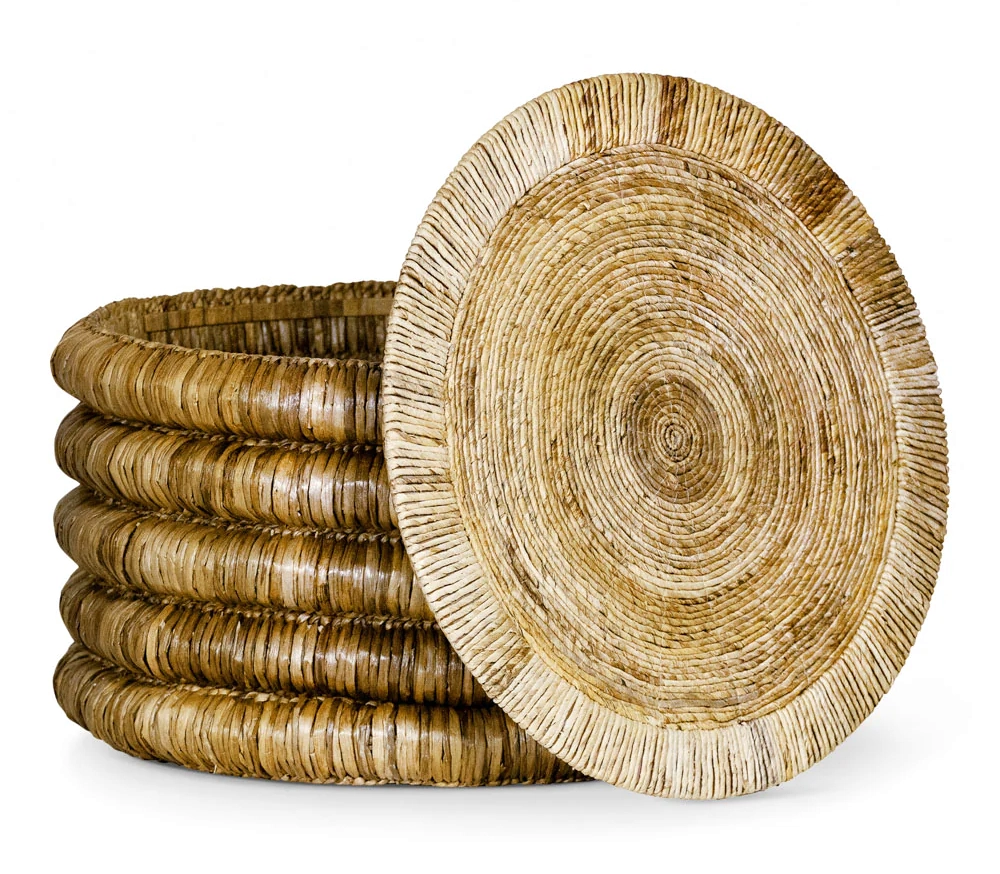
Elevate their dining table with a sculptural fruit bowl that doubles as a salad vessel. Versatility matters—opt for ceramic or wood designs with clean lines that work for casual breakfasts or holiday feasts.

Artisanal Candles

Candles are the quickest way to shift the mood of a room. Choose hand-poured, natural wax candles infused with essential oils for a cleaner burn. Rachel seeks out pieces where the vessel itself is as beautiful as the fragrance—so when the wax is gone, the container becomes a permanent part of the home.

Copper Straws

For the wellness enthusiast, a set of copper straws is a perfect gift. These straws work great for smoothies! Copper is an essential mineral for bone strength, heart health, immune health, and much more. As an essential mineral, your body needs it to function properly and stay healthy. However, since the body can’t make its own copper, you must get it through your diet.

Mayan Bee Honey Shampoo

Forget perfume—this scent does the work. This smells amazing. Made with organic Yucatán Mayan bee honey, which I mostly suggest as a body wash due to the scent nourishes with natural vitamins and minerals. A nourishing, hydrating, and rejuvenating shampoo, made with organic Yucatan Mayan bee honey from local farms. Made in Yucatan, Mexico, Organic Mayan bee honey has both emollient and humectant properties, making it a wonderful hair moisturizer. Contains several naturally occurring vitamins and minerals that help keep hair healthy and shiny.


For the Ones Who Have Everything

Sometimes, the perfect gift is inspiration itself. Explore Rachel Blindauer’s curated home goods collection—a selection of furniture, decor, and kitchen essentials chosen to blend function with beauty. From 2-Hour Interior Design Consultations to artisanal serving pieces, each item is chosen with the same care Rachel brings to her design projects.

Something for Everyone

Rachel’s curated collection of furniture, decor, and kitchen items accessible through Amazon.

2 Hour Interior Design Virtual or In Person Consultation

SOMETHING FOR EVERYONE

THE PIECES RACHEL RETURNS TO, AGAIN AND AGAIN