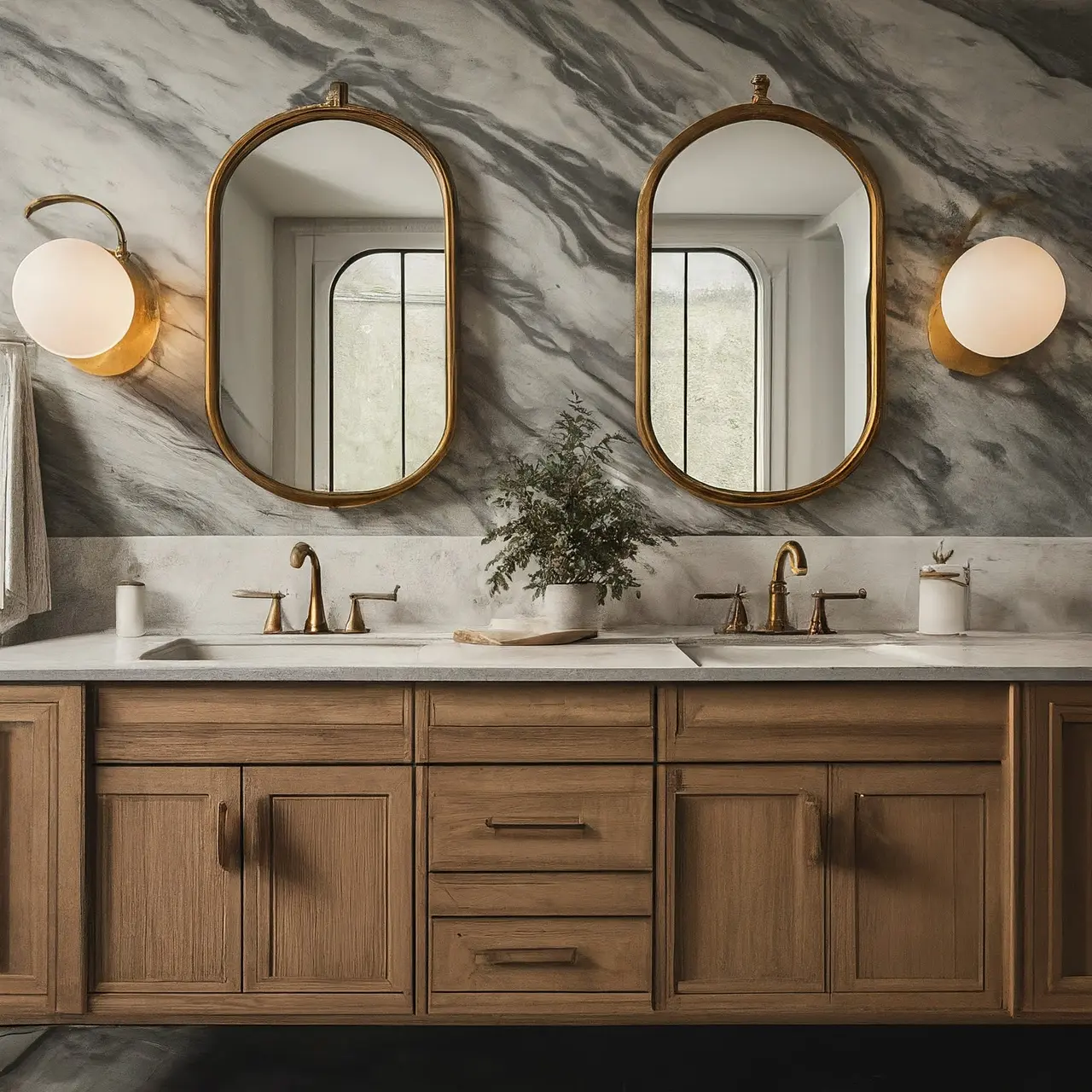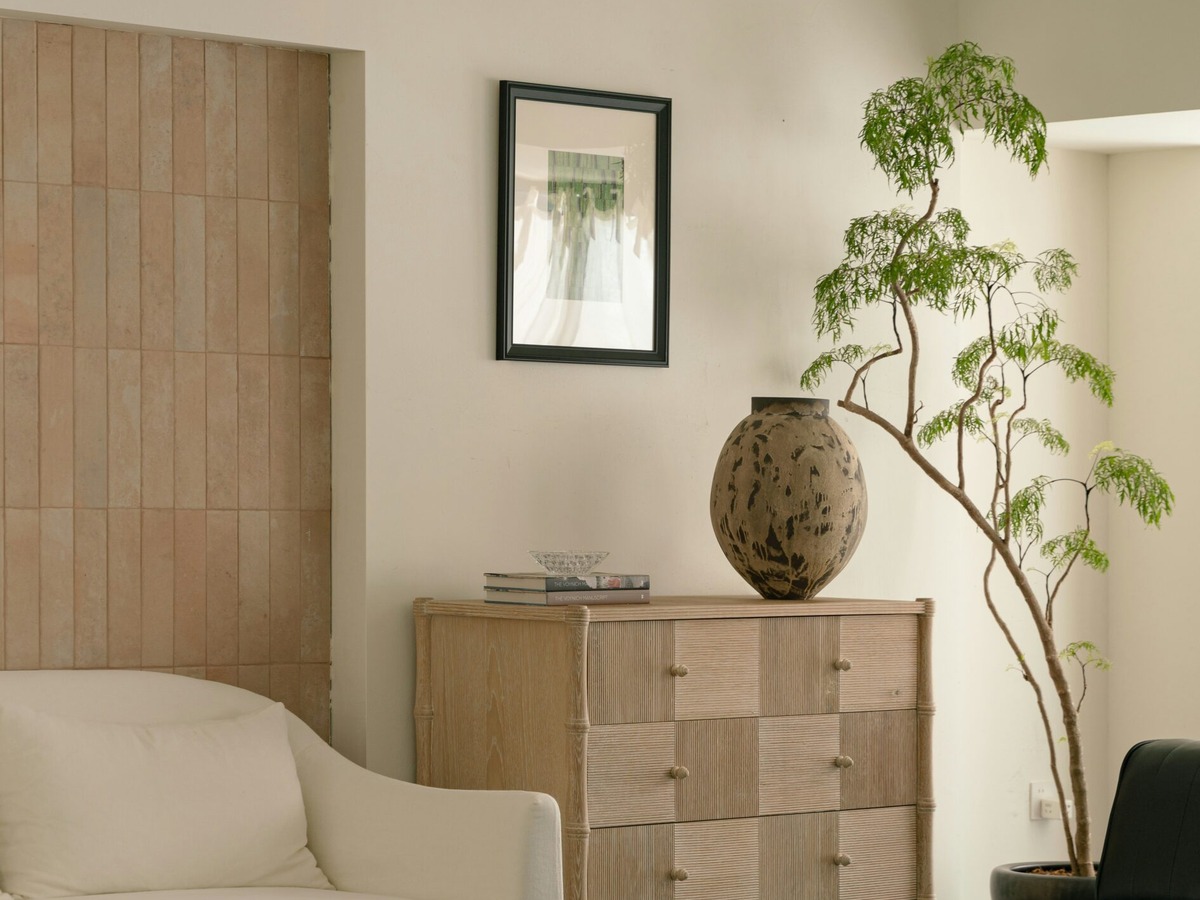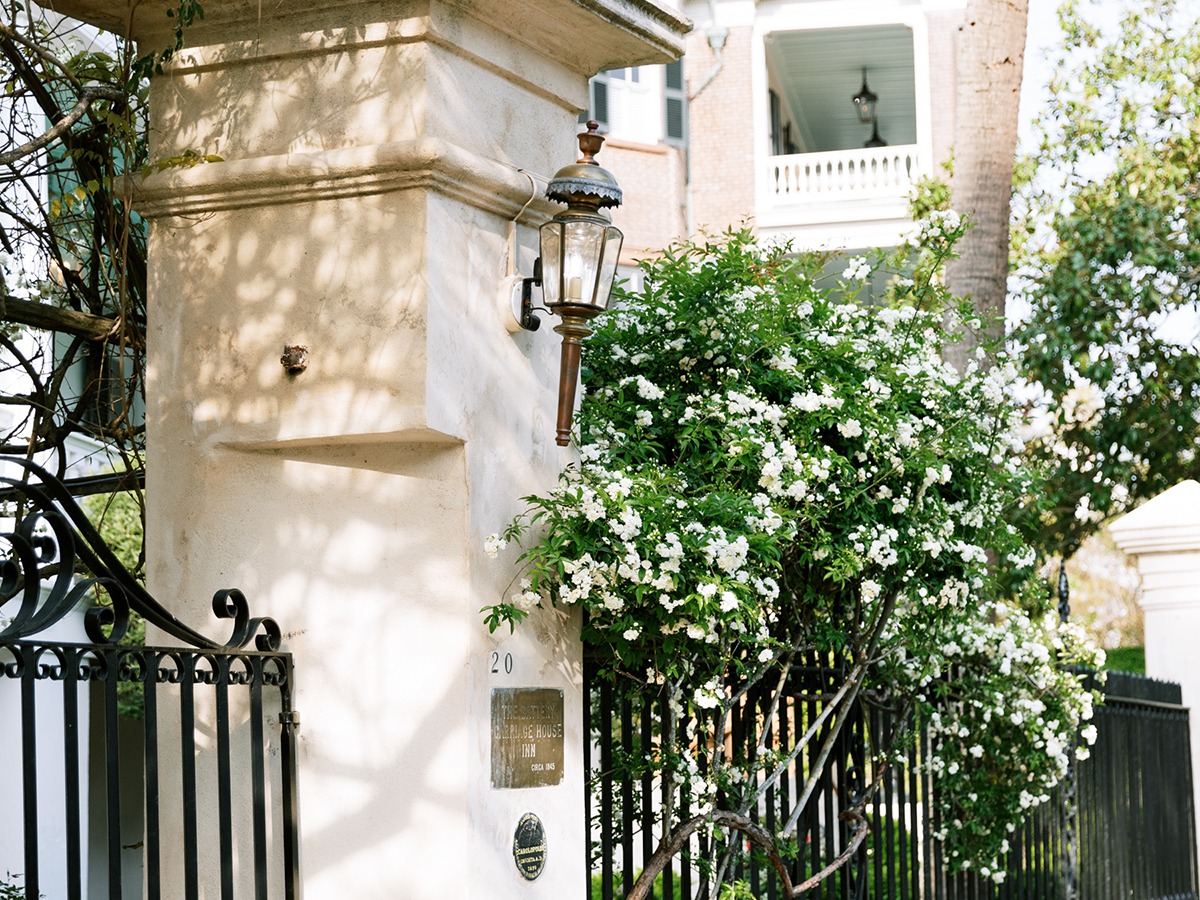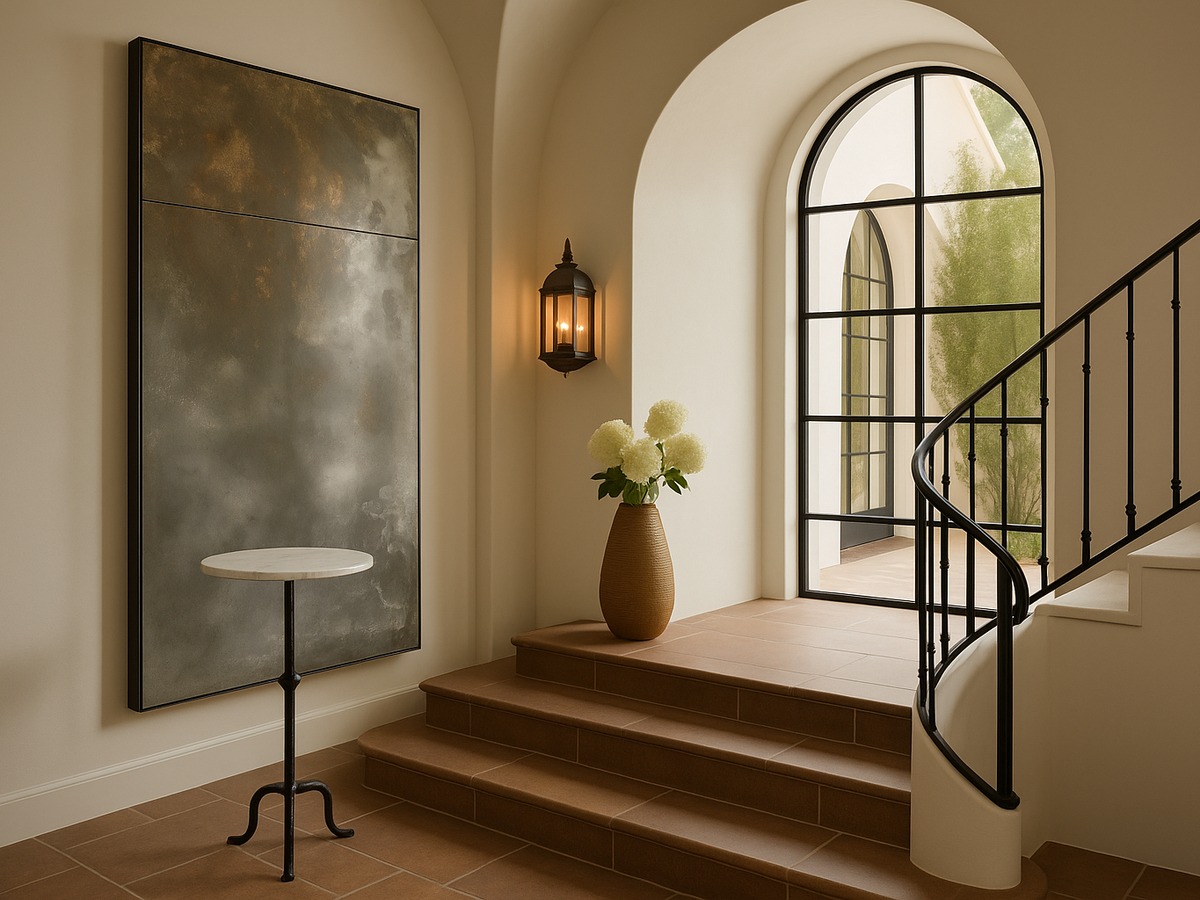
The Best Paint Colors for Sarasota FL, San Francisco CA & Nantucket MA

The Best Paint Colors for Sarasota FL, San Francisco CA & Nantucket MA

Expert Interior Design Guidance by Rachel Blindauer

When it comes to creating a well-styled home, selecting the right paint color goes far beyond following trends—it’s about curating a palette that complements your architecture, decor and natural light. As a nationally recognized interior designer working across coastal markets, I know how regional nuances shape design choices. In this guide, I’m sharing my go-to paint colors for three distinctly styled locales: Sarasota, Florida; San Francisco, California; and Nantucket, Massachusetts.

From sunlit modernism to fog-filtered warmth and heritage-driven charm, these curated paint palettes are designed to elevate your space and feel intuitively “you.”

Not All Paint Is Created Equal

Paint finish, texture, and depth dramatically change the feel of a room. While I work with many high-quality brands, Portola Paints is a current favorite for its stunning lime wash and Roman clay options, which bring organic texture and movement to walls—perfect for spaces seeking dimension and softness. Farrow and Ball is hard to paint with but Benjamin Moore is a dream to paint with and the Aura line is scrubbable!!

A Quick Design Rule: Paint Comes Last

In every project I lead, paint is selected last. Why? Because your palette should support key elements like art, rugs, or upholstery—not compete with them. Once these anchors are chosen, paint becomes the harmonious bridge that ties everything together. And remember: always sample in your actual space, across multiple times of day.

Best Paint Colors for Sarasota, FL

Sarasota’s abundant sunlight and blend of contemporary and tropical architecture call for nuanced, warm neutrals and coastal-inspired whites. These tones ground bright environments without feeling stark.

1. Swiss Coffee by Benjamin Moore
A creamy, yellowed white that reads warm without heaviness. Ideal for interiors with warm wood or smooth cement. Important: no bright white trim—use Swiss Coffee on all millwork for cohesion.

2. Pale Oak by Benjamin Moore
A soft greige with yellow undertones—effortlessly elegant in sunlit rooms.

3. Blondie Lime Wash, Portola Paints
A buttery lime wash that layers beautifully in neutral coastal interiors.

4. Leisure Lime Wash, Portola Paints
Chalky and sun-washed—perfect for creating texture in beach-style homes.

5. Wood Ash by C2 Paint
A rich mid-toned greige with character. Excellent on exteriors or layered interiors with natural textures. Tip: skip bright trim—use this tone on all moldings.

6. Sea Salt by Sherwin-Williams
A fresh, ocean-inspired soft blue-gray—ideal for bedrooms or bathrooms.

7. Summer Shower by Benjamin Moore
Crystal clear and light-as-air, this soft blue is a refreshing pale robins egg blue.

8. Masquerade by Little Greene
Warm and cozy, this is a dream for blackout-curtained bedrooms or media rooms.

9. Salon Drab by Farrow & Ball
A timeless, earthy brown. Use in dens, game rooms, or more traditional masculine spaces.

Best Paint Colors for San Francisco, CA

San Francisco’s architectural variety—Victorians to sleek moderns—and its cool, gray-filtered light call for warmer, moodier neutrals that can soften fog’s blue cast.

1. Gem Lime Wash, Portola Paints
Creates a subtle, moody chalk finish perfect for layered interiors.

2. Half Moon Bay Lime Wash, Portola Paints
Soft and atmospheric—pairs beautifully with oak, linen, and vintage pieces.

3. Wood Ash by C2 Paint
A repeat favorite for a reason—it grounds eclectic San Francisco interiors.

4. Urban Living by Ralph Lauren (discontinued)
Still worth color matching—rich, versatile, and classic.

5. Avocado by Sherwin-Williams
Earthy and bold—beautiful in kitchens or studies paired with warm metals.

6. Darkside Lime Wash, Portola Paints
Adds instant sophistication—ideal for a dramatic powder room or bedroom.

7. Bancha No.298 by Farrow & Ball
A structured olive green with timeless appeal—stunning with walnut and gold.

8. Devonshire Green by Benjamin Moore
Fresh yet grounded—great for trim, built-ins, or exteriors.

9. Dragon’s Breath by Benjamin Moore
A rich, deep brown with charcoal undertones—luxurious and grounding.

10. Oval Room Blue by Farrow & Ball
Elegant and moody—perfect for dining rooms or library-style spaces.

11. Soul Mate by Benjamin Moore
An earthy red softened to a gentle pink hue.

12. In the Navy Roman Clay by Portola Paints
Bold and textured—an artistic take on a classic navy wall.

Best Paint Colors for Nantucket, MA

Nantucket’s historical charm and coastal chic lean into both timeless whites and rich, shadowy tones. Think whitewashed millwork, black windows, and warm navy or olive interiors.

1. White Dove by Benjamin Moore
The go-to white for New England homes with detailed millwork.

2. All White by Farrow & Ball
Clean, classic, and crisp. Especially good when paired with black accents.

3. Pale Oak by Benjamin Moore
A soft transitional neutral—timeless and calming.

Repose Gray by Sherwin-Williams

4. Repose Gray by Sherwin-Williams
Pair with crisp white moldings or use monochromatically for depth.

5. Salon Drab by Farrow & Ball
Elevated and traditional—beautiful in intimate spaces or paneled rooms.

6. Bancha by Farrow & Ball
Green with gravitas. Works wonderfully in libraries or as an unexpected kitchen cabinet color.

7. Avocado by Sherwin-Williams
For a slightly retro but cozy pop of depth.

8. Pewter Green by Sherwin-Williams
Great on exteriors, built-ins, or as contrast trim.

9. Shady Lane by Benjamin Moore
A dark, botanical green for moody spaces.

10. French Gray by Farrow & Ball
A misty, historical tone that suits Nantucket’s heritage charm.

11. Oval Room Blue by Farrow & Ball
Understated and watery—great in rooms with natural fiber rugs and oversized art.

12. Cromarty by Farrow & Ball
A chalky coastal sage—fresh yet sophisticated.

13. In the Navy Roman Clay by Portola Paints
Textured depth for dramatic rooms.

14. Tricorn Black by Sherwin-Williams
Use for trim, windows, or doors to create strong contrast.

15. Coriander Seed by Benjamin Moore
A golden undertone neutral that reads warm in cool Northeast light.

16. Soft Chinchilla by Benjamin Moore
A gentle, misty hue that adds elegance to bedrooms or baths.

Final Thoughts

Every region has a different soul and every home has different architecture—your home should exalt that. Whether you’re soaking up the Sarasota sun, enjoying San Francisco’s eclectic style, or embracing Nantucket’s timeless architecture, your paint palette can tie everything in your space together beautifully.

If you’re not sure which colors are right for your space or style, we can help. Rachel Blindauer Interiors offers expert color consultation services rooted in regional design knowledge and timeless taste.

Ready to Elevate Your Space?

Let’s choose colors that feel like home.
Book a design consultation with Rachel Blindauer Interiors and take the first step toward a space that reflects your lifestyle, taste, and locale.

2 Hour Interior Design Virtual or In Person Consultation

SOMETHING FOR EVERYONE

THE PIECES RACHEL RETURNS TOAGAIN AND AGAIN

Homes That Create High Functioning Adults

Homes That Create High Functioning Adults

Our homes are more than the structures we live in—they are quiet collaborators in who we become. The right environment can make you calmer, sharper, and more capable; the wrong one drains energy you never realize you’re spending. After more than fifteen years designing residences, I’ve come to see interior design less as decoration and more as behavioral architecture: the deliberate shaping of spaces that help the people inside them function at their best.

A high-functioning home doesn’t happen by accident. It’s built through systems—how you organize your belongings, how you let light move through the day, how you design a kitchen that feeds both body and mind, and how you carve out room to recover. Here’s how I think about each one, with practical steps you can put in place this week.

The Architecture of Organization

Minimalism is a starting point, but organization is the operating system. A calm home isn’t about owning less for its own sake—it’s about designing storage and flow so every object has a logical home and every daily ritual has a dedicated stage.

High-functioning adults don’t spend cognitive bandwidth hunting for keys or excavating a closet. They live in homes with intentional zones: an entryway that catches the day’s chaos before it spreads, kitchen drawers that separate prep tools from serving pieces, a closet edited until getting dressed is a five-minute decision. I treat storage as architecture, not an afterthought—built-in millwork, concealed charging drawers, furniture that quietly doubles as filing. Done well, the organization disappears into the design.

Try this: Create a “landing zone” by your main entrance—a small surface for mail, a hook for bags, a drawer for keys and sunglasses. Two minutes resetting it each evening buys you twenty minutes of morning calm.

Light That Follows the Day

Natural light is one of the most powerful—and most overlooked—tools in a home. It lifts mood, sharpens focus, and steadies sleep by anchoring your circadian rhythm. Morning light especially tells your brain the day has begun.

Maximize it: keep windows unobstructed, add a skylight where you can, and place mirrors to bounce daylight deeper into a room. Orient a desk or breakfast table toward eastern exposure, and consider sheer shades that rise with the sun. The goal is a home that feels awake when you need to be, and softens as the day winds down.

Workspaces With Boundaries

In a work-from-anywhere world, a functional home office is no longer a luxury. But the most productive ones share a single trait: boundaries. When the day ends, the space should be able to transform.

Carve out a dedicated zone—even a compact one—with an ergonomic layout and layered lighting that supports the full rhythm of work and rest. A rolling desk that tucks into a cabinet, or a folding screen that visually separates “office” from “living room,” protects both your focus during the day and your recovery in the evening.

The Edible Home: Growing Food for Nutrient Density

A high-functioning home feeds the people in it—literally. Growing even a little of your own food isn’t a rural hobby; it’s a design strategy with a real health dividend. Produce begins losing nutrients the moment it’s picked, and by the time most fruits and vegetables are harvested early, shipped, and stored, much of their vitamin content is gone. Food you grow and pick steps from your kitchen is eaten at its peak—more flavor, and far more of the nutrient density that makes healthy eating worth the effort.

Fruit Trees as Living Sculpture

Dwarf citrus—Meyer lemon, calamondin orange—thrives in a sunny window or on a protected patio, offering glossy green year-round and fragrant blossoms that become breakfast. Outdoors, an espaliered apple or fig trained flat against a wall becomes an architectural focal point that also produces fruit. A potted olive by a south-facing window doesn’t just look Mediterranean; it feels like a small promise of patience and longevity.

The Purple Bok Choy Principle

Not every kitchen garden hides in a backyard plot. Purple bok choy, with its violet stems and ruffled leaves, is as beautiful as any ornamental—and far more useful. Grown in a shallow planter on the counter or a raised bed visible from the dining room, it’s what I call edible design: nourishment that doesn’t sacrifice visual impact. A windowsill of herbs means fresh basil for Tuesday’s pasta without a grocery run. A tray of microgreens adds living texture to a backsplash and nutrients to lunch. When food production is woven into the look of your home, eating well stops being a chore and becomes part of your environment.

Try this: Start with three containers where you’ll see them daily—one for herbs (basil, rosemary, thyme), one for nutrient-dense leafy greens (purple bok choy, kale, arugula), and one for a dwarf tomato or pepper. Visibility is what drives consistency.

Room to Restore

A truly supportive home holds space for rest, movement, connection, and solitude. These aren’t indulgences—they’re what sustain a high-functioning life. A yoga nook with a mat rolled into a beautiful basket, a reading alcove with task lighting calibrated for evening wind-down, an open kitchen that keeps conversation flowing while dinner comes together: each one gives a different part of you somewhere to land.

I often build small daily rituals into a kitchen or dining design—a table scaled for real conversation, where “what did you learn today?” becomes part of the meal. These aren’t decorative choices. They’re behavioral architecture: the habits of a good life made physical.

Calmly Colorful: The Role of Color and Texture

My work is often described as “calmly colorful,” and that balance is deliberate. Color and texture are sensory data points: they shape mood and perception, and used with intention they can invigorate the spirit without overwhelming the mind. The deep violet of a bok choy stem, the warm ochre of a ripe lemon against glossy leaves, the matte grain of an unglazed terra-cotta pot—none of these are random. They keep the eye engaged and the nervous system settled at the same time. Texture adds the depth that makes a room feel considered rather than staged.

A Home That Helps You Become

Put it all together and a home stops being a passive container and becomes an active partner: organization that disappears into the millwork and gives back your mental bandwidth, light that regulates your energy, workspaces that protect your focus, and edible gardens that nourish both the eye and the body. That’s what I mean by a high-functioning home—not a showpiece, but a foundation for a life that’s well-lived and well-loved.

If you’d like help designing yours, I’d love to talk it through. Book a design consultation—virtual or in person—and we’ll build a home that works as beautifully as it looks.

2 Hour Interior Design Virtual or In Person Consultation

SOMETHING FOR EVERYONE

THE PIECES RACHEL RETURNS TOAGAIN AND AGAIN

What’s Next for the U.S. Housing Market? 2025 Edition

What’s Next for the U.S. Housing Market? 2025 Edition

Back in 2024, the housing market was a wild ride: skyrocketing prices, intense bidding wars, and an overwhelming sense that the pace couldn’t sustain. Fast forward to April 2025, and the landscape has evolved. It’s no longer the chaotic free-for-all it once was, but it’s not quite a buyer’s paradise either. So, what’s happening now, and what can we expect in the months ahead?

The Market Today: A Shift in Dynamics

The U.S. housing market is taking a breath after years of rapid growth. While prices remain high in many areas—some even breaking records—they are no longer climbing at breakneck speed. In fact, certain markets are starting to see slight price dips, especially where inventory is beginning to pick up. This shift is giving buyers more room to negotiate than in recent years.

Demand, however, is still there, but with less urgency. The desire for new homes persists—families are growing, remote work continues to influence location preferences—but the sense of urgency has faded somewhat. Affordability remains a significant concern, with mortgage rates easing but still not low enough to entice everyone into the market. This financial reality is causing many potential buyers to hold off, either renting or waiting for more favorable conditions.

What’s Driving the Shift?

A few significant factors are behind these changes:

  • Increased Homebuilding: After years of underbuilding, builders are finally bringing new homes to market. While it’s not enough to flood the market, regions like Texas and Florida are seeing a surge in new construction, helping meet demand from an influx of new residents.

  • The “Lock-In Effect” Fading: Homeowners who locked in ultra-low mortgage rates a few years ago were reluctant to sell, fearing higher rates on their next purchase. But as rates stabilize and life circumstances change, more of these homes are hitting the market, offering buyers a bit more choice.

  • Policy Changes on the Horizon: With new federal policies being discussed—such as opening up federal land for development—there could be significant shifts ahead in how housing is developed. While nothing is set in stone, it’s something to watch closely as it may impact supply.

Regional Trends: Hotspots and Cool-Offs

The U.S. is never a one-size-fits-all market, and 2025 is no exception:

  • The Sun Belt: States like Arizona, Texas, and the Carolinas remain popular, with relatively affordable prices and ample new construction. These areas continue to attract people looking for a warmer climate and lower cost of living.

  • Coastal Cities: Markets in places like San Francisco and New York are cooling off. While prices remain high, homes are sitting on the market longer, and sellers are getting creative with incentives.

  • Midwest Surge: The Midwest is quietly becoming a hot spot. Cities like Ohio and Indiana are seeing steady interest due to affordability and strong job markets, making them appealing for practical buyers.

What’s Ahead for 2025?

Looking to the rest of the year, we’re not expecting a drastic boom or bust. The market is settling into a more balanced pace—not the chaotic highs of previous years, but certainly not stagnant. Experts predict home prices could rise modestly by around 3% nationally, though this will vary by region. Mortgage rates are likely to hover in a stable, “not terrible, not amazing” range, providing a bit of predictability for buyers and sellers alike.

For buyers, this could be an ideal time to enter the market. With more options and less competition, you might not have to waive every contingency or overbid to secure your dream home. Sellers, however, may need to adjust their expectations. Pricing a home right and offering perks—like covering closing costs—could make all the difference.

The Big Picture

When I wrote about the housing market in 2024, I questioned whether the rapid pace could continue. It turns out, it couldn’t—not forever. What we’re seeing now is a market recalibrating, with supply gradually catching up, demand easing, and affordability still a major challenge for many. While it’s not a perfect storm, it’s also not smooth sailing. For anyone buying, selling, or just watching, 2025 presents a year of cautious opportunity—less chaos, more choices, and the potential for making smart, strategic moves.

2 Hour Interior Design Virtual or In Person Consultation

SOMETHING FOR EVERYONE

THE PIECES RACHEL RETURNS TOAGAIN AND AGAIN

St. Louis Boutique Hotel Design & Branding | Rachel Blindauer

St. Louis Boutique Hotel Design & Branding | Rachel Blindauer

Looking for a luxury boutique hotel interior designer in St. Louis or beyond? At Rachel Blindauer, we specialize in creating immersive, brand-aligned hotel interiors that captivate guests and elevate ROI. From full-service hotel renovations to branded signature suites and sensory guest experiences, we help boutique properties stand apart with design that feels effortless, curated, and unforgettable.

When a Hotel Becomes the Destination

A boutique hotel succeeds not by scale—but by soul.

In a world of templated luxury and indistinguishable lobbies, the true boutique experience stands apart: it evokes, it surprises, it lingers. And increasingly, it is the interior—the light against the wall, the materials that tell a story, the quiet choreography of arrival—that defines whether a property is simply visited… or remembered.

At Rachel Blindauer, we transform spaces into fully realized sensory experiences. From spatial design to visual identity, we craft immersive environments where beauty is not just seen—it’s felt.

Why Boutique Hotels Choose Rachel Blindauer

Designing for the hospitality industry requires more than good taste. It demands strategic clarity, narrative thinking, and an obsessive attention to emotional resonance.

Luxury Interior Expertise

With a background in high-end residential, commercial, and yacht interiors, our studio brings a level of refinement that translates seamlessly to boutique hospitality.

Brand-Centric Design

Every space begins with the story. We align interiors with the hotel’s distinct personality—ensuring that each touchpoint reinforces a singular, unforgettable brand.

Elevated Guest Experience

From the texture of the linens to the lighting in the spa, we design with the guest’s senses in mind—enhancing comfort, encouraging connection, and deepening loyalty.

Market Positioning that Performs

Design is your first impression—and your strongest differentiator. Hotels with compelling environments command higher nightly rates, increased press visibility, and greater direct bookings.

Our Signature Services for Boutique Hotels in St. Louis and Beyond

1. Full-Service Interior Design & Renovation

We oversee comprehensive transformations—reimagining lobbies, suites, restaurants, spas, and rooftop lounges.
From initial concept to final installation, our design process includes:

  • Space planning with flow and function at the core
  • Curated selections of furniture, textiles, lighting, and custom decor
  • FF&E procurement tailored to your property’s needs and narrative
  • Bespoke statement pieces that distinguish your hotel in a competitive market

Explore our full-service interior design process to see how we guide hospitality transformations from blueprint to final flourish.

2. Branded Partnerships & Signature Suites

Design becomes aspirational when it becomes personal.

    • Launch a “Rachel Blindauer Signature Suite” that guests seek out by name
    • Collaborate on limited-edition furniture and décor collections exclusive to your hotel
    • Co-branded partnerships that drive press, influencers, and word-of-mouth buzz

3. Graphic Rebranding & Visual Identity

Luxury is in the details—especially the visual ones.

  • Logo refreshes, refined typography, and color palettes that mirror the interior tone
  • Custom design for signage, menus, in-room touchpoints, and digital branding
  • Website design that converts browsers into booked guests

4. Guest Experience Enhancements

From scent to sculpture, we design moments that become memories:

  • Signature fragrance development to create emotional recall
  • Curated art and sculpture programs featuring local or notable artists
  • High-touch in-room amenities that feel deeply personal—not mass produced

“The best hotel experiences don’t shout luxury. They whisper presence.”
— Rachel Blindauer

Design That Performs: Maximizing ROI in Boutique Hospitality

An investment in great design is not aesthetic—it’s strategic.

  • Higher ADR (Average Daily Rate): Well-designed rooms command premium pricing
  • Brand Awareness: Beautiful spaces generate press, influencer content, and social buzz
  • Guest Retention: A coherent, curated experience builds loyalty and drives repeat visits
  • Differentiation in a Saturated Market: Guests remember how your hotel felt—not just how it looked

From the Designer

“In my work across the U.S., I’ve found that design becomes most magnetic when it reflects both place and intention. Whether I’m developing a project in Sarasota or a rooftop spa in St. Louis, the goal is always to design not just for luxury, but for loyalty.”

Let’s Elevate Hospitality—Together

Looking for a luxury boutique hotel interior designer in St. Louis or beyond? At Rachel Blindauer, we specialize in creating immersive, brand-aligned hotel interiors that captivate guests and elevate ROI. From full-service hotel renovations to branded signature suites and sensory guest experiences, we help boutique properties stand apart with design that feels effortless, curated, and unforgettable.

Whether you’re launching a new concept, rebranding a hidden gem, or ready to elevate your guest experience, we bring clarity, creativity, and quiet authority to every space we design.

To learn more about how strategic design and branding can transform your property, download our complimentary PDF: Designing Iconic Hospitality

Start with a conversation. Let’s explore what your space could become.

About Rachel Blindauer

Rachel Blindauer is an award-winning interior and product designer known for crafting spaces that feel as good as they look. With over 15 years of experience, she has designed more than 1,000 products for national retailers like Williams-Sonoma and led acclaimed residential and commercial design projects across the U.S.—from Nantucket to Sarasota. Based in St. Louis, her studio brings elevated interiors, branding fluency, and sensory storytelling to a growing portfolio of hospitality, residential, and development clients.

Designing Iconic Hospitality

SOMETHING FOR EVERYONE

THE PIECES RACHEL RETURNS TO, AGAIN AND AGAIN
Small Space Interior Design: Best Tips to Make Any Room Look Bigger

Small Space Interior Design: Best Tips to Make Any Room Look Bigger

Decorating a small space can be both challenging and rewarding. With the right strategies, you can create an inviting and functional environment without feeling cramped. Here, we’re sharing some of the best interior design tips to maximize your limited space effectively and beautifully.

Use Mirrors to Create the Illusion of Space

Mirrors not only add decorative elements but also reflect light and give the illusion of more depth. Strategically placing mirrors can make a narrow room appear wider or a short space feel longer.

A large wall mirror at the end of a narrow hallway or a mirrored backsplash in a small kitchen can trick the eye into perceiving more space than there actually is. By reflecting both light and scenery, mirrors expand the horizons of the home, enhancing the illusion of roominess even in the most modest of apartments.

Embrace Multi-Functional Furniture

Choosing furniture that can double as storage or serve multiple purposes is key in small spaces. Think of ottomans with hidden storage or sofa beds that provide extra sleeping quarters for guests.

A well-chosen piece of multi-functional furniture can be a game changer. Consider Murphy beds which fold away to free up floor space or a dining table that can be extended when needed but remains compact when not in use. These pieces help maintain a sense of spaciousness without compromising on utility.

Optimize Vertical Space

Utilizing wall-mounted shelves and cabinets can free up floor space and make your room feel larger. This approach also opens opportunities for displaying art or keeping essentials within reach.

Don’t underestimate the power of vertical space. By installing floating shelves or high-reaching bookcases, you not only get extra storage but also draw the eye upward, making the room appear taller. This could be especially effective in compact kitchens where small space design ideas make the most of wall areas for storage.

Choose a Cohesive Color Palette

Light colors can make a space feel larger and more open. Opt for a cohesive color scheme to create a fluid look throughout the space, minimizing visual clutter and enhancing the sense of spaciousness.

A monochromatic scheme in a small room can stretch space visually. Incorporating different tones of a single color, like soft whites or gentle blues, can unify the area’s look and contribute to a serene environment. Ashley Childers suggests using muted tones with pops of color to avoid overwhelming tight areas.

Prioritize Lighting

Effective lighting can transform a small area, making it feel inviting and airy. Layered lighting setups with bright overhead lights and softer accent lights will add warmth and dimension to your space.

Consider using a mix of lighting sources such as floor lamps, ceiling fixtures, and task lights to achieve a balanced and adaptable ambiance. Installing sconces or pendants can also save space, as they don’t consume floor area yet provide targeted lighting where necessary. Nick Olsen used clever lighting in tight spaces to create delightful and lively rooms.

Finding the Perfect Balance in Small Space Design

Successfully designing a small space is all about smart planning and creative thinking. By focusing on multipurpose furniture, clever storage solutions, and a cohesive color palette, you can transform your compact area into a stylish and practical haven.

2 Hour Interior Design Virtual or In Person Consultation

Something for Everyone

THE PIECES RACHEL RETURNS TOAGAIN AND AGAIN
Related Reading