What’s Next for the Housing Market?

What’s Next for the Housing Market?

The housing market is undergoing significant changes, with various factors impacting prices, interest rates, and selling practices. In this blog post, we will examine the current state of the housing market and explore its potential future trajectory. By analyzing the influence of the Federal Reserve’s rate cuts, a major settlement affecting real estate agents’ commissions, and President Biden’s efforts to alleviate high housing costs, we aim to provide valuable insights for buyers, sellers, and renters.
Interest rates are expected to fall

Over the past years, mortgage rates have risen due to the Federal Reserve’s decision to increase interest rates. However, there is an anticipation that the Fed will lower borrowing costs, potentially resulting in a decrease in mortgage rates. This reduction could be significant if investors expect further rate cuts beyond current predictions, offering favorable conditions for homebuyers.

Changing dynamics in real estate practices

A landmark legal settlement may disrupt the longstanding practice of home sellers paying a standard 6% sales commission to real estate agents. This change could have implications for first-time homebuyers, potentially alleviating some of the financial burden associated with selling a property. However, it remains to be seen how this shift will impact the overall real estate market.

Affordability challenges persist

Despite the potential relief from lower interest rates and changes in selling practices, the housing market continues to face affordability challenges. The combination of high home prices and rising interest rates has made it increasingly difficult for individuals to enter the market. Additionally, closing costs, including loan origination fees and appraisal expenses, further contribute to the affordability barrier.

Limited inventory and strong demand

One of the primary factors driving the housing market is the persistent shortage of available homes for sale. Demographic trends, such as population growth and changing preferences, continue to fuel demand for housing. Cheaper mortgages resulting from lower interest rates may entice buyers, but the constrained inventory remains a significant challenge to address, potentially keeping prices elevated.

Future uncertainties and the importance of staying informed

As the housing market evolves, it is crucial for individuals to stay informed about emerging trends and their potential implications for housing decisions. While economists anticipate relatively moderate cost increases, it is unlikely that prices will decrease significantly, especially for home purchases. The evolving nature of the market necessitates constant monitoring and adaptation to make informed housing choices.

The housing market is currently undergoing significant changes that will shape its future trajectory. One key factor is the Federal Reserve’s plan to cut interest rates this year. This move could potentially have significant implications for the housing market, as lower interest rates tend to make borrowing cheaper and stimulate home buying activity. Alongside this, a change in selling practices is expected to bring about further transformations. Real estate agents are likely to reduce their commissions following a major settlement, potentially impacting the dynamics of home shopping and making it more accessible and affordable for buyers.

President Biden has also recognized the issue of high housing costs and has taken initiatives to address it. The White House has announced plans to build and preserve over 2 million new homes, with the aim of lowering rents and the cost of buying a home. These efforts are directed towards making housing more affordable for working families, as President Biden firmly believes that everyone deserves to live in a safe and affordable home.

The current state of the housing market reflects both challenges and opportunities. While sales have slowed due to higher interest rates, home prices and rents remain significantly higher than pre-pandemic levels. Economists predict relatively moderate cost increases in the housing market over the next year, but they do not anticipate prices to decrease significantly, especially for home purchases. This is due to the strong demand fueled by demographic trends and the limited inventory of available homes.

Overall, the housing market is in a state of flux. The expected decrease in interest rates and the potential shift in selling practices could have significant impacts on buyers, sellers, and renters. It is crucial for individuals to stay informed about these changes and their potential implications when making housing decisions. While there are challenges to overcome, there are also opportunities for those looking to enter the market or invest in real estate. By staying informed and adapting to the evolving market conditions, individuals can navigate the housing market successfully.”

Take the first step towards creating your dream space. If you are a couple with multiple homes looking for a decorator near you, a hotelier doing a redesign, or a developer looking for top-notch interior design services near you, Rachel Blindauer and her team are here to bring your vision to life. With our wealth of experience and expertise, we can create stunning and functional spaces that exceed your expectations and bring you to a new height of design and sophistication.

2 Hour Interior Design Virtual or In Person Consultation

SOMETHING FOR EVERYONE

THE PIECES RACHEL RETURNS TOAGAIN AND AGAIN

Create a Home that Grows with You from Age 1-100

Create a Home that Grows with You from Age 1-100

Aging in Place thru Universal Design Principals

When we talk about a home that lasts a lifetime, we’re not talking about durability—we’re talking about dignity.

Universal design—an approach that blends beauty with inclusivity—offers a blueprint for living well across every season of life. Whether you’re chasing toddlers, recovering from a surgery, or settling into your eighth decade, a well-designed home doesn’t age out of usefulness. It adapts.

“Designing for aging is not about limitation. It’s about liberation—removing friction so that life flows, safely and beautifully.”

The Hidden Crisis in Our Homes

Despite the strong desire to age in place—77% of Americans 50+ say they want to—just 1 in 10 homes is actually ready for that reality. According to the U.S. Census and AARP, the vast majority of American housing stock lacks features like no-step entries, wider hallways, and ground-floor bathrooms.

And yet, the benefits of aging in place are undeniable: improved mental health, deeper social ties, and lower healthcare costs. A study by HUD found that aging in place can reduce Medicaid costs by as much as $48,000 per person per year when paired with home- and community-based support services.

We don’t need new buildings. We need better design.

Universal Design in Action: What It Looks Like at Home

Main Floor Living
Plan for a bedroom, full bathroom, and laundry on the first floor—even if you don’t need it yet. This one choice adds lasting flexibility, whether you’re recovering from an injury or accommodating guests with mobility concerns.

Barrier-Free Showers
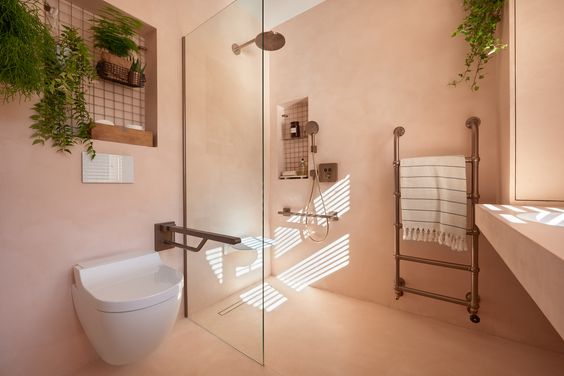
Walk-in showers with linear drains, built-in seating, and handheld sprayers feel spa-like but serve everyone from toddlers to aging adults.

Multigenerational Kitchens
Install drawers instead of upper cabinets so both kids and those in wheelchairs can reach daily items. Lever handles, touchless faucets, and induction cooktops make cooking safer across generations.

Thoughtful Lighting
Layered lighting—including under-cabinet LEDs, motion-sensor night lights, and dimmer switches—prevents falls and eases eyestrain.

“Good design isn’t visible. You feel it in the ease of movement, the silence of safety, the comfort of being considered.”

Technology That Supports Independence

Smart Home Devices

  • Voice assistants can control lights, thermostats, and reminders.

  • Video doorbells offer security without the need to rush to the door.

  • Medication dispensers with alerts ensure health routines are followed.

Telehealth Access
Aging in place becomes easier when you can connect to doctors via Zoom, send blood pressure readings from your phone, or receive remote diagnoses. Medicare now covers many of these services.

Fall Detection & Emergency Response
Smartwatches and home hubs now include built-in fall detection, emergency buttons, and caregiver alerts, all without sacrificing aesthetics.

Emotional Design: Creating a Home That Loves You Back

Homes that support aging are also homes that support belonging.

  • Incorporate biophilic design: natural light, views of nature, indoor plants.

  • Include memory anchors: family photos, heirloom objects, meaningful art.

  • Prioritize communal space for conversation, connection, and caregiving.

  • Choose colors and materials that soothe rather than stimulate—think soft woods, warm whites, tactile upholstery.

“The most future-proof homes don’t feel clinical. They feel like you—just easier to live in.”

Retirement-Ready Services to Layer In

Aging in place isn’t just about walls and windows. It’s also about the ecosystem of support:

Category Examples
Home Services Lawn care, handyman, HVAC maintenance
Health & Wellness Physical & occupational therapy at home, speech therapy
Food & Essentials Grocery delivery (Instacart, Amazon Fresh), meal prep services
Caregiving In-home aides for dressing, bathing, meal prep
Technology Remote health monitoring, call buttons, security cameras
Transportation Uber, Lyft, senior shuttles
Finance Remote banking, automated bill pay, fraud monitoring

Designing for Everyone, from Toddlers to Elders

Universal design also benefits families with young children, those recovering from surgery, and people with temporary or permanent disabilities. A drawer microwave is safer for a child and more convenient for a wheelchair user. A wide hallway accommodates both a walker and a stroller.

The goal? To design spaces that don’t single anyone out—but welcome everyone in.

Final Thoughts

Aging in place isn’t a trend. It’s a truth—and one we’re all moving toward. Whether you’re building new or remodeling, now is the moment to make choices that serve your future self.

Because the best homes aren’t just where life happens. They’re where it keeps happening.

About the Author: Rachel Blindauer is an award-winning interior and product designer known for creating spaces that live as well as they look. With over 15 years of experience in residential, multifamily, and hospitality interiors, she specializes in designs that elevate daily life while anticipating future needs.

Take the first step towards creating your dream space. If you are a couple with multiple homes looking for a decorator near you, a hotelier doing a redesign, or a developer looking for top-notch interior design services near you, Rachel Blindauer and her team are here to bring your vision to life. With our wealth of experience and expertise, we can create stunning and functional spaces that exceed your expectations and bring you to a new height of design and sophistication.

2 Hour Interior Design Virtual or In Person Consultation

SOMETHING FOR EVERYONE

THE PIECES RACHEL RETURNS TOAGAIN AND AGAIN

The Ultimate Lighting Guide: How to Master Lighting Like a Designer

The Ultimate Lighting Guide: How to Master Lighting Like a Designer

Lighting isn’t just a finishing touch—it’s the foundation.
Done well, it shapes mood, defines space, and quietly transforms the way we live in our homes. It’s what turns a house into a haven, a kitchen into a gathering space, a hallway into a gallery. And yet, lighting remains one of the most misunderstood—and underutilized—tools in interior design.

In this guide, we’ll unpack the layered language of light: from the warmth of a well-placed sconce to the precision of task lighting at the kitchen island. You’ll learn how to sculpt your space with intention and how to avoid the most common (and costly) lighting mistakes.

Start With the Temperature for the House & Grounds, NOT Fixtures

Before thinking about style or placement, get clear on kelvin temperature. Light’s color temperature sets the tone—literally.

  • 1800K–2700K: Warm, golden light ideal for bedrooms, dining rooms, and living rooms

  • 3000K+: Cool, sterile light commonly used in hospitals and commercial kitchens—too harsh for residential interiors

I typically do 2700K on everything. Warmer lighting is more flattering to people and spaces.”

Consistency is critical. Mismatched color temperatures from room to room create visual dissonance. Choose one temperature—preferably on the warm end of the spectrum—and carry it throughout the home.

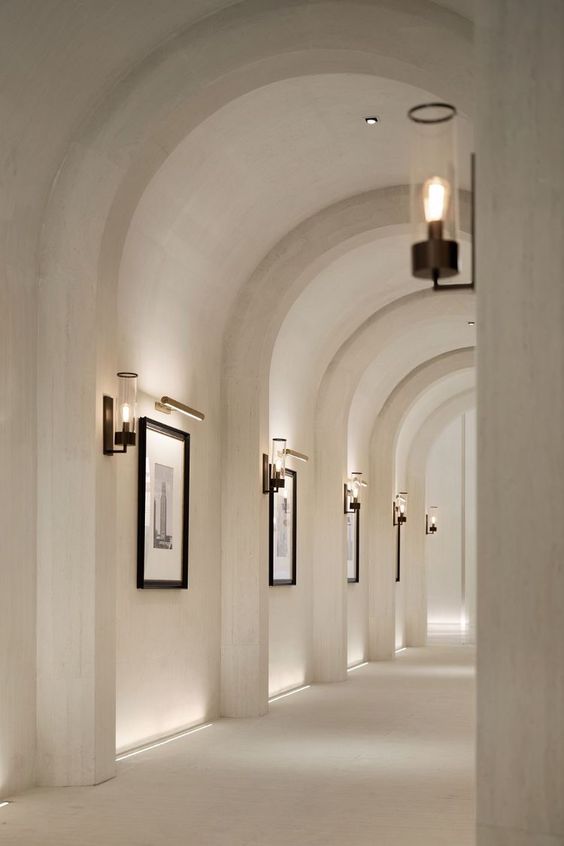
Accent Picture Lights and LED was up Barrel Vault

The Three Layers of Light (And Why You Need All Three)

1. Ambient Lighting: The Room’s Backbone

This is your general illumination—the soft wash of light that makes a room usable. Think recessed ceiling lights, skylights, flush-mount fixtures, or a statement pendant. The goal is even, shadow-free light that feels natural and effortless.

2. Task Lighting: Where Form Meets Function

This layer is all about precision. Reading, cooking, grooming—any activity that requires concentration deserves its own light source. Use gooseneck sconces for bedside reading, LED tape lights under kitchen cabinets, or articulated arms above desks.

Above islands or tables: Hang fixtures 30–36″ above the surface, spaced ~30″ apart for balance and airflow.

In bathrooms, sconces should be mounted at eye level and 5′ apart for even illumination without casting unflattering shadows.

3. Accent Lighting: Design’s Quiet Drama

Accent lighting draws the eye to what matters—art, architectural features, or a stunning fireplace. Picture lights should span half the width of the artwork and be angled at 30 degrees for optimal shadow play. Use uplights in indoor tree pots or recessed cans to highlight sculptures or art.

Don’t forget natural sources like candlelight or firelight, which can anchor a space in warmth and movement in ways no bulb ever could.

Dimmers & Controls: The Unsung Heroes of Great Design

If every space tells a story, dimmers are your narrator. They allow light to shift from day to night, from task to ambiance, with subtle control. For maximum flexibility, install dimmers in every main living area, and consider motion sensors for halls or closets. It’s not just functional—it’s atmospheric.

The Natural Light Equation

No artificial lighting plan is complete without considering sunlight. Where it enters. How it moves. What it touches.
Use windows, skylights, and solar tubes to your advantage—but filter the glare. Sheers, tinted films, or architectural overhangs can help soften light and reduce heat gain.

Avoiding the LED Pitfall

LEDs are energy-efficient—but not all are created equal.
Most LED products—especially strip lights and under-cabinet kits—don’t dim well or flicker under low voltage. Always test your LED products with your dimmers before installing. Look for dimmable, high-CRI (Color Rendering Index) LEDs to maintain color accuracy.

Avoid no-name LED strips or plug-in puck lights. They often create inconsistent light and hum on dimmers.

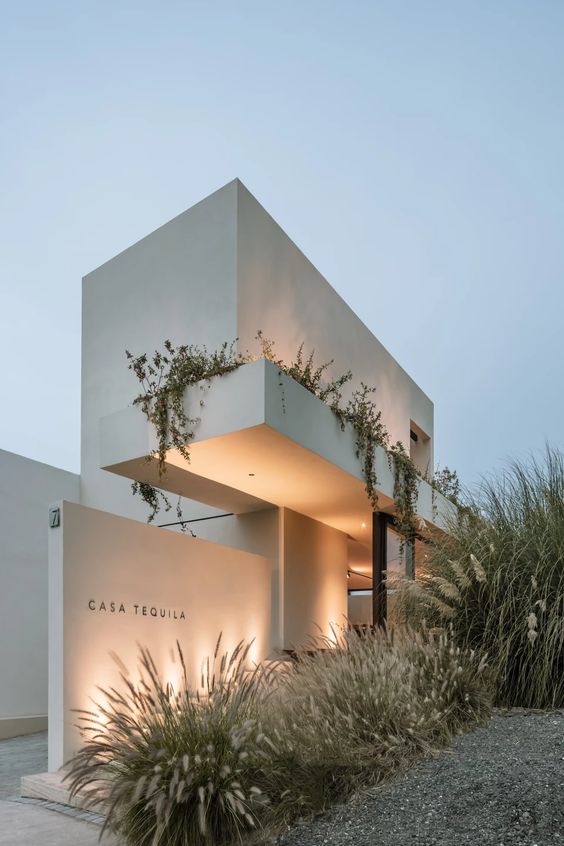
Outdoor Lighting on a Modern House

Outdoor & Landscape Lighting: Extension of the Home

Great lighting doesn’t stop at the threshold. Your exterior should feel as thoughtfully lit as your living room. I have my favorite outdoor lighting brand that is made of brass and patinas beautifully with age.

  • Bullet lights highlight trees and architectural features

  • Well and wash lights add glow to walkways and facades

  • Deck and step lighting prevent tripping while feeling luxurious

  • Motion sensors and security lights just don’t use these. When you do the top three lights well, security lights become obsolete. Just invest in a security camera instead.

A Final Word: Design Is in the Details

Lighting is often treated as an afterthought, but it is truly one of the most transformative elements in any interior. When properly layered, precisely chosen, and thoughtfully integrated, lighting doesn’t just illuminate a space—it tells its story.

If you’re designing a boutique hotel, renovating a coastal retreat, or simply craving a more elevated day-to-day, it helps to have a guide. At Rachel Blindauer Interiors, lighting is never an afterthought—it’s part of the emotional architecture of a space. We craft lighting plans that not only work but live beautifully, all day and all night.

Take the first step towards creating your dream space. If you are a couple with multiple homes looking for a decorator near you, a hotelier doing a redesign, or a developer looking for top-notch interior design services near you, Rachel Blindauer and her team are here to bring your vision to life. With our wealth of experience and expertise, we can create stunning and functional spaces that exceed your expectations and bring you to a new height of design and sophistication.
2 Hour Interior Design Virtual or In Person Consultation

SOMETHING FOR EVERYONE

THE PIECES RACHEL RETURNS TOAGAIN AND AGAIN

Beach Interior Design: A Coastal Home Guide for 2025

Beach Interior Design: A Coastal Home Guide for 2025

Whether you’re waking up to ocean mist in Nantucket or golden light in Sarasota, beach interior design isn’t just a look—it’s a lifestyle. This guide explores how to achieve effortless, collected, and elegant coastal interiors without slipping into cliché.

What Is Coastal Interior Design?

Coastal interior design channels calm, light, and restraint. It’s rooted in natural materials and architectural honesty—not seashells and sailboat motifs. Think: linen drapes that catch the breeze, a palette that mirrors sand and sky, and furniture that invites barefoot living.

“I design for people who want their homes to feel like summer—without looking like a souvenir shop.”
—Rachel Blindauer

Coastal vs. Beachy: What’s the Difference?

“Beachy” interiors tend to be casual, colorful, and sometimes kitschy. “Coastal” is about restraint and refinement. It uses light palettes, soft materials, and sculptural furniture to evoke relaxation with sophistication.

Sarasota Coastal Style: Mediterranean Revival curves, indoor-outdoor flow, sun-bleached wood
Nantucket Coastal Style: Cedar shingles, crisp white trim, historical detail

Your 2025 Coastal Color Palette

Colors are influenced by light and landscape. Here’s how to use them wisely:

Neutrals as Anchors:

  • Misty white

  • Dune beige

  • Warm greige

Soft Coastal Blues:

  • Sea salt

  • Sky blue

  • Dusty teal

Nature-Rooted Accents:

  • Seafoam

  • Clay pink

  • Sunwashed terracotta

Want help choosing the right hues? Read: The Best Paint Colors By Region

Top Materials for a Luxury Coastal Look

Coastal interiors rely on honest, natural materials that wear well with time and use:

  • Linen

  • Rattan

  • White oak

  • Hand-thrown ceramics

  • Jute rugs

  • Cane and slipcovers

If it feels like plastic, it probably looks like it too.

Design Elements That Define Elevated Coastal Homes

Vernacular Architecture

A coastal interior should reflect the rhythm and heritage of its environment:

  • Nantucket: Cedar shingles, white millwork, historic moldings
  • Sarasota: Mediterranean curves, breezy layouts, limestone floors

“The best beach houses don’t imitate their setting. They interpret it.”

Textural Layering

  • Woven lighting
  • Slipcovered sofas
  • Cotton throws

Let pieces breathe—don’t overcrowd.

Curated Accents

  • Artisanal glassware
  • Shell-inspired glazes
  • Antique coastal finds

Edit down to the essentials.

Best Rooms for Coastal Design Features

Indoor-Outdoor Dining Areas

  • Pocket doors or French doors
  • Natural stone flooring that continues outside
  • Woven pendant lighting and white linen drapery

Bedrooms That Breathe

  • Sky-toned walls (hint of blue or gray)
  • Whitewashed wood tones
  • Soft cotton bedding + blackout linen drapes

Living Rooms With Intent

  • Upholstered furniture in chalky neutrals
  • Floor lamps with sculptural bases
  • Art: abstract seascapes or simple linework

Coastal Interior Design Tips by Room

Indoor-Outdoor Dining Spaces

  • French or pocket doors
  • Natural stone flooring
  • Woven pendants + linen drapes

Bedrooms That Breathe

  • Sky-hued walls
  • Soft whitewashed wood
  • Cotton bedding + blackout linen

Living Rooms With Intention

  • Neutrals with layered texture
  • Floor lamps with sculptural lines
  • Coastal-inspired art: abstract seascapes, minimal line drawings

What Coastal Clients Ask For (and What They Really Mean)

“I want it to feel like vacation, every day.”
✓ Translation: Calm, clutter-free, and functional

“I love the beach, but I don’t want it to look theme-y.”
✓ Translation: Tactile materials, no anchor prints

“Can we keep it modern but warm?”
✓ Translation: Natural woods, soft neutrals, clean silhouettes

Rachel’s 3 Rules for Elevated Beach Interior Design

1. Let the architecture lead.

2. Design with light first, then color.

3. Texture is the new pattern.

Design Like a Local: Sarasota vs. Nantucket

No two coasts are alike. Rachel’s interiors reflect the rhythm of each location:

  • Sarasota: Sun-flooded homes with indoor-outdoor fluidity with pool areas, pale stone, and travertine

  • Nantucket: Historic shingles and trims and well appointed intimate living spaces that have a mix of modern with vintage/antiques for provance

Looking for a Coastal Interior Designer?

Whether you’re renovating a Sarasota vacation home or reimagining a Nantucket retreat, Rachel Blindauer offers virtual and in-person interior design consultations. Her interiors layer neutral palettes, natural textures, and a deep sense of place.

FAQ: Coastal Interior Design

What is the difference between coastal and beach house design?
Coastal design is refined and rooted in architectural clarity. Beach house design is often casual, more colorful, and relaxed.

What are the best colors for beach interior design?
Soft blues, warm whites, and muted clay tones work best for an elevated coastal palette.

Is coastal interior design still in style in 2025?
Yes—especially with today’s focus on timeless, nature-connected living.

Can I bring beach interior design into a non-coastal home?
Absolutely. The principles—light, texture, warmth—work anywhere.

Take the Next Step

If you’re ready to bring coastal calm into your home, book a consultation. Rachel will help you translate your favorite coastline into a feeling that lasts all year.

2 Hour Interior Design Virtual or In Person Consultation

SOMETHING FOR EVERYONE

THE PIECES RACHEL RETURNS TOAGAIN AND AGAIN

2024 Interior Design Trends

2024 Interior Design Trends

As we look ahead to 2024, let’s explore the new trends in interior design from furniture to color schemes. Based on my research of trending searches and design knowledge, here are the top 9 trends in interior design for 2024:

Embracing the Warmth of Brown

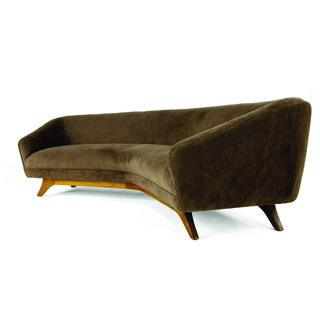
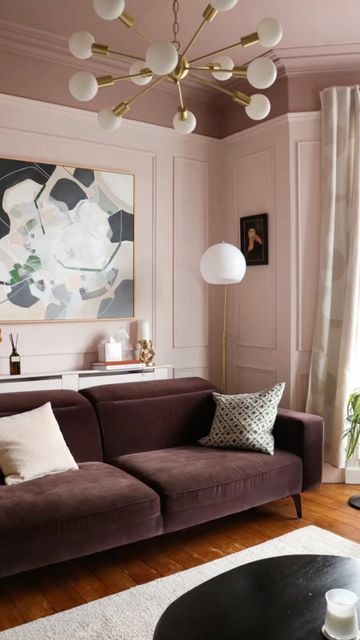
Brown couches are set to be popular in 2024 as they bring earthen warmth, hide spills/dirt and function as a warm dark neutral in room. They create a cozy and inviting atmosphere and function as a neutral that grounds the popular cream texture looks. Sofa shown by Vladimir Kegan


Curved Couches and Chairs

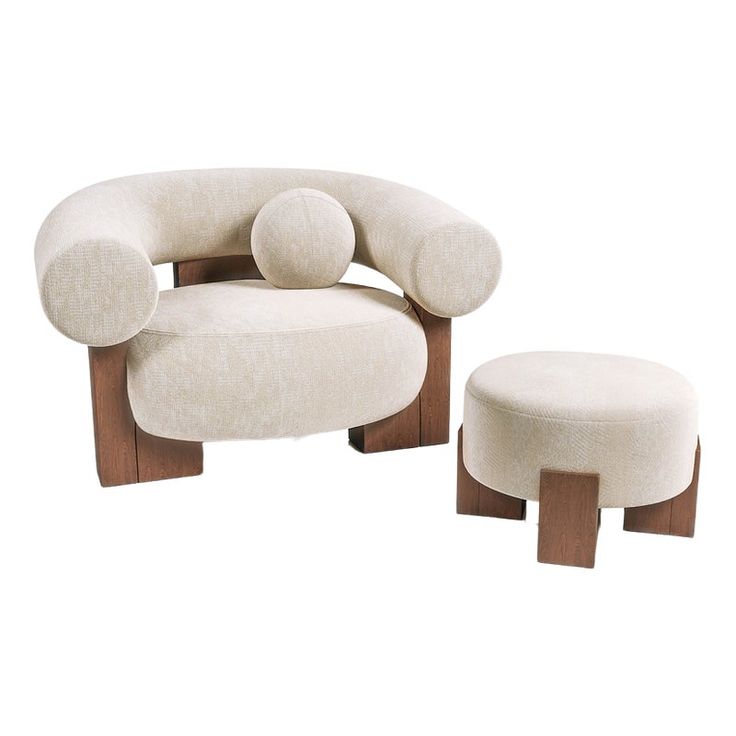
Embracing flowing lines and organic shapes, curved couches and chairs are becoming increasingly popular. They add a touch of modernity and sophistication to your living space while also promoting a sense of comfort and relaxation. Chair and ottoman by Rachel Blindauer’s vendor Collector Group

Stacked Tile and Brick

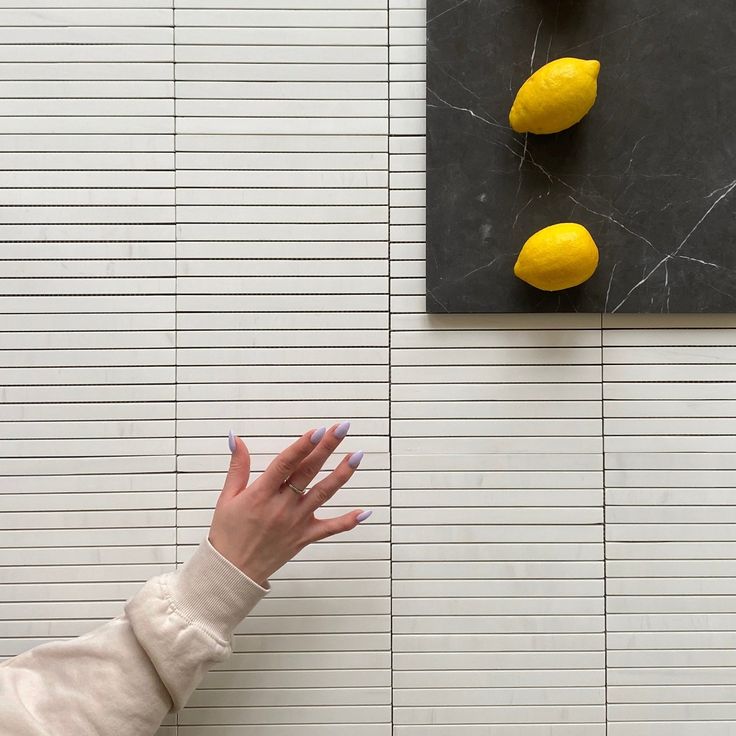
This trend puts a twist on the classic tile and brick pattern by stacking tiles so they are aligned horizontally and vertically creating an unexpected layout. Stacked-tile backsplashes create visual interest and add a unique touch to your kitchen or bathroom. Domomite stacked tile pictured.

Industrial Charm Gets Sophisticated

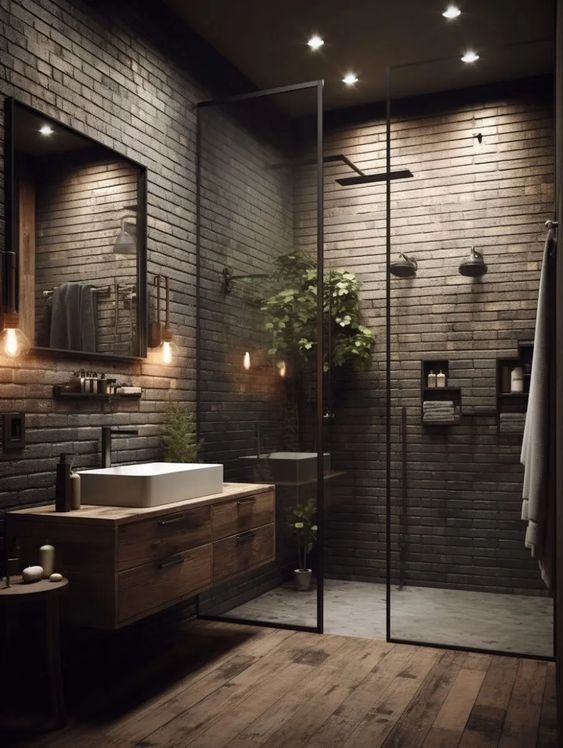
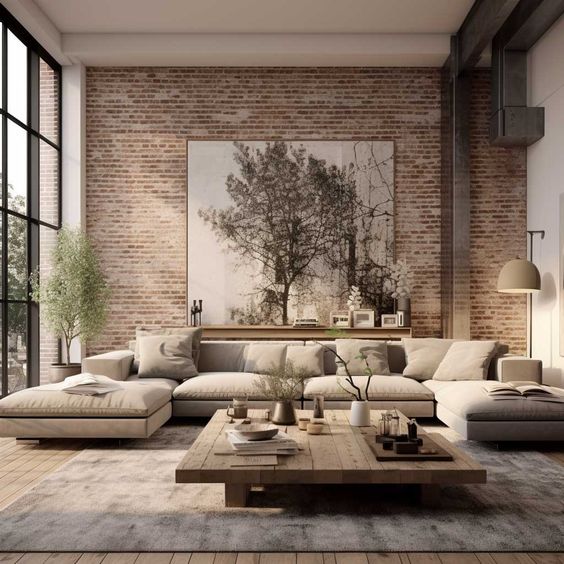
Industrial-style decor continues to be popular in 2024, but gets more sophisticated with hand hewn stone, hand hewn wood, brick and metal accents. These features add a rustic yet modern charm to your home, creating a earthen and relaxed atmosphere.

Sculptural Art + Statement Pieces

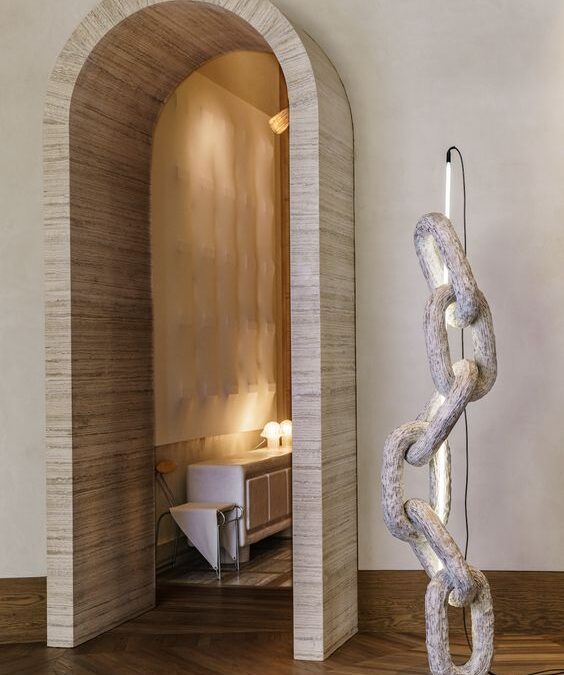
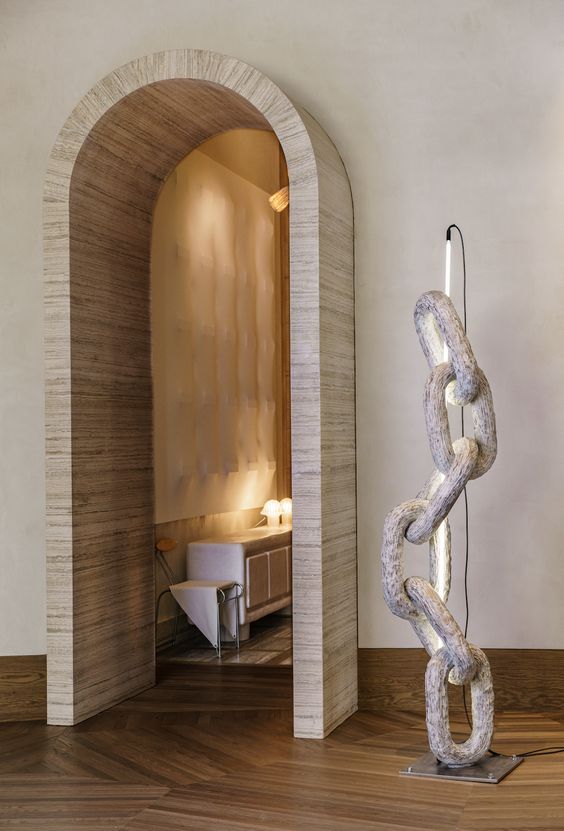
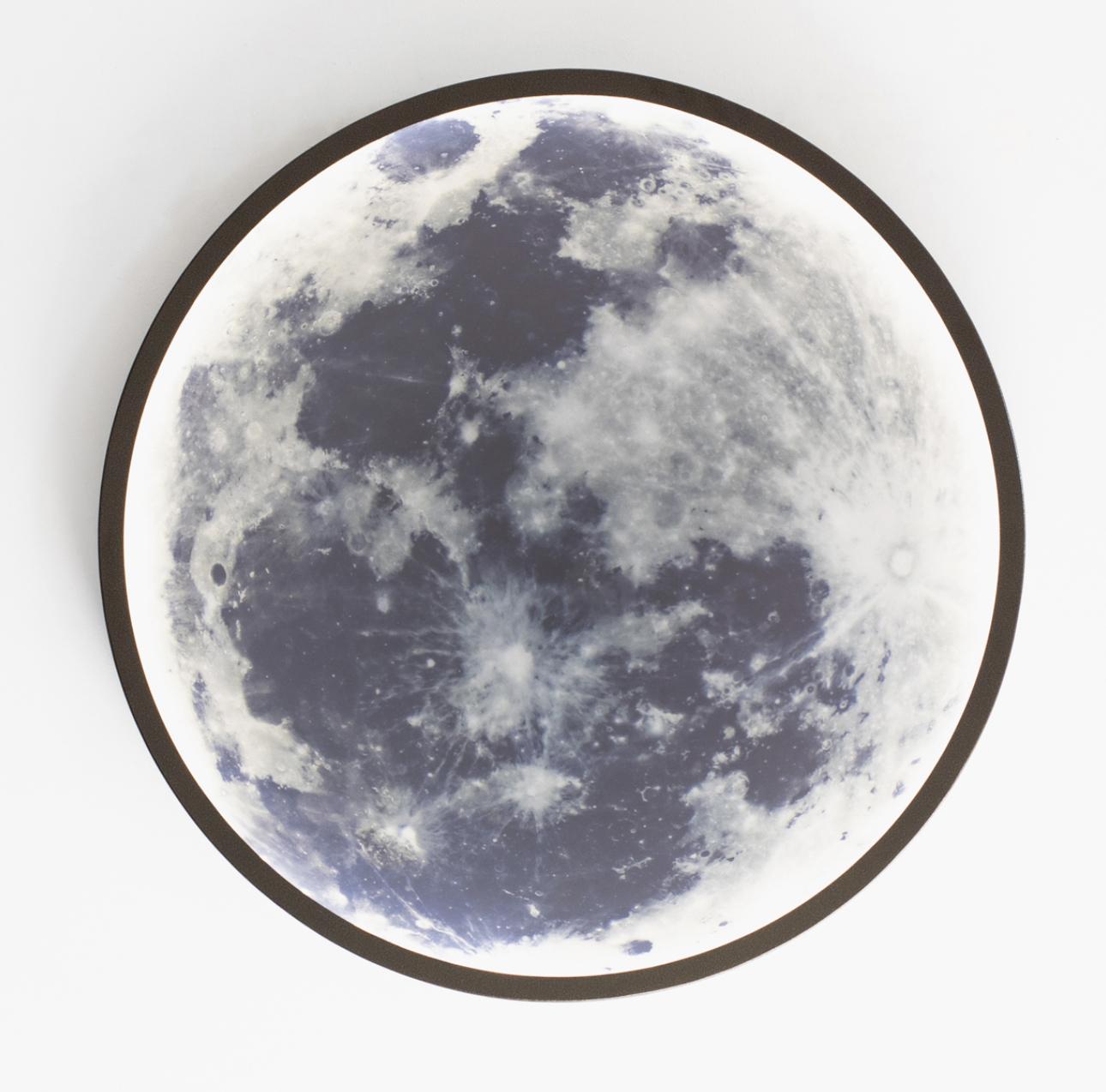
Wall-mounted sculptures offer depth and dimension, adding a unique touch to your space. Mixing artworks in a variety of finishes, textures, and shapes can create a bold statement. Statement pieces add personality and create a wow factor. Moon Light by Rachel Blindauer vendor Ben & Aja Blanc at Future Perfect.

Dynamic Range Hoods

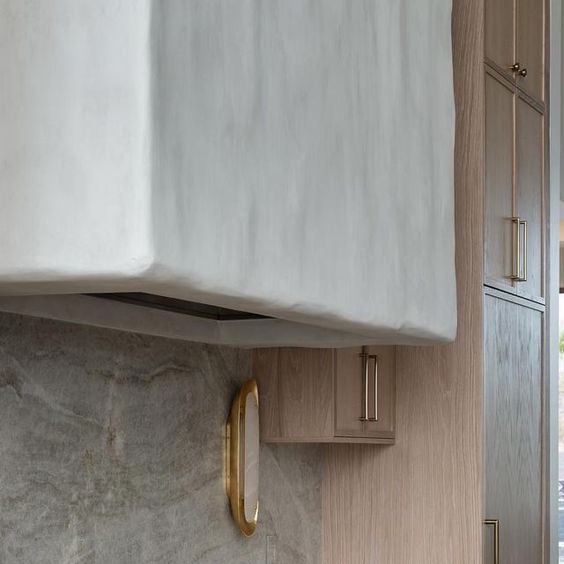
I anticipate a greater focus on hood vent covers in 2024. Bolder designs incorporating distinct textures such as plaster or wood fluting will be popular. Pairing a dramatic hood vent with an eye-catching range can elevate the overall aesthetic of your kitchen. Custom plaster range hood pictured.

Two or Tri-Tone Color Schemes

Creating depth and complexity, two or tri-tone color schemes are among the top interior design color trends for 2024. These combinations of colors add visual interest and allow you to play with different shades and tones in your home.

A Pause From Technology

In 2024, there is a shift towards “dumb homes” where clients are seeking a break from technology. Harsh blue daylight lights, flashing led lights, tech listening in and bright touchscreens are giving way to a love of mechanical controls: old-school buttons, switches that toggle up and down, and simpler toilet washlets.

Inviting Living Rooms

So long to cold, white living rooms! Embrace a living room you can actually enjoy without worrying about accidental wine stains. Minimalism has evolved into a look that is less rigid for a more organic and inviting feel. Warm, textural spaces with natural materials in moodier, earthy color palettes. We’re moving away from bright whites and grays toward more creams, browns, rusts.

Take the first step towards creating your dream space. If you are a couple with multiple homes looking for a decorator near you, a hotelier doing a redesign, or a developer looking for top-notch interior design services near you, Rachel Blindauer and her team are here to bring your vision to life. With our wealth of experience and expertise, we can create stunning and functional spaces that exceed your expectations and bring you to a new height of design and sophistication.

2 Hour Interior Design Virtual or In Person Consultation

SOMETHING FOR EVERYONE

THE PIECES RACHEL RETURNS TO, AGAIN AND AGAIN