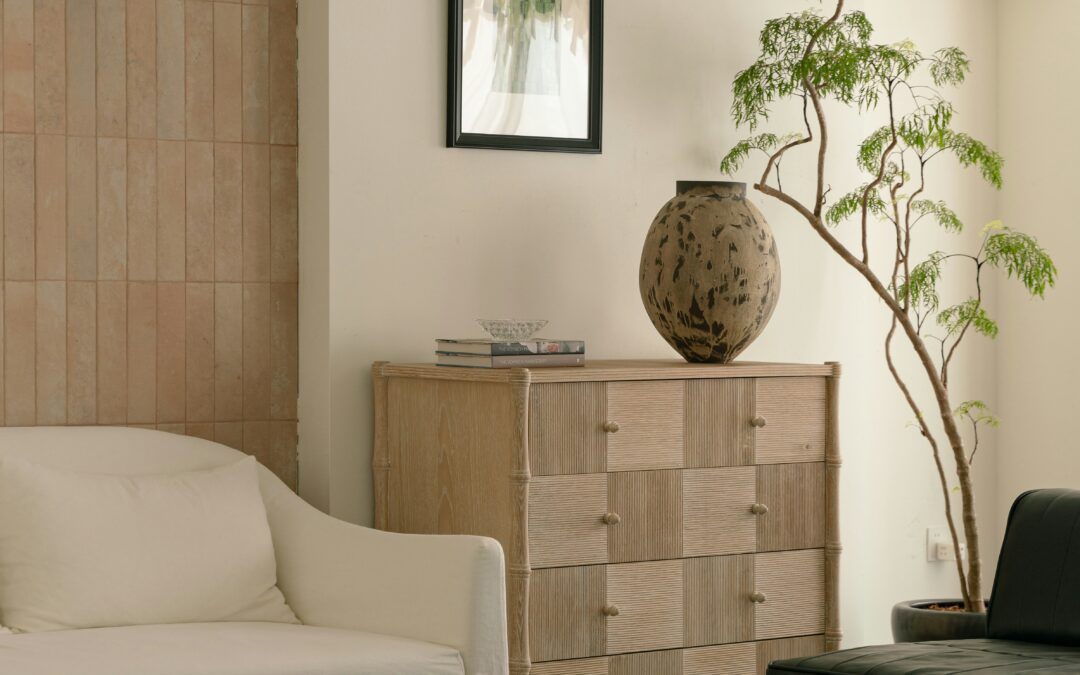
Quiet Luxury Interiors: A Designer’s Guide to Minimalist Luxury

Quiet Luxury Interiors: A Designer’s Guide to Minimalist Luxury

Some rooms whisper—and somehow, they stay with you longer.

They don’t beg for attention. They don’t follow trends. But they have a way of getting under your skin, softening your breath, reminding you of what truly matters. That is the essence of quiet luxury.

In a design world increasingly dominated by bold gestures and algorithm-chasing aesthetics, quiet luxury offers something else: a return to intentionality. It’s not about how much you show—it’s about how much you don’t have to.
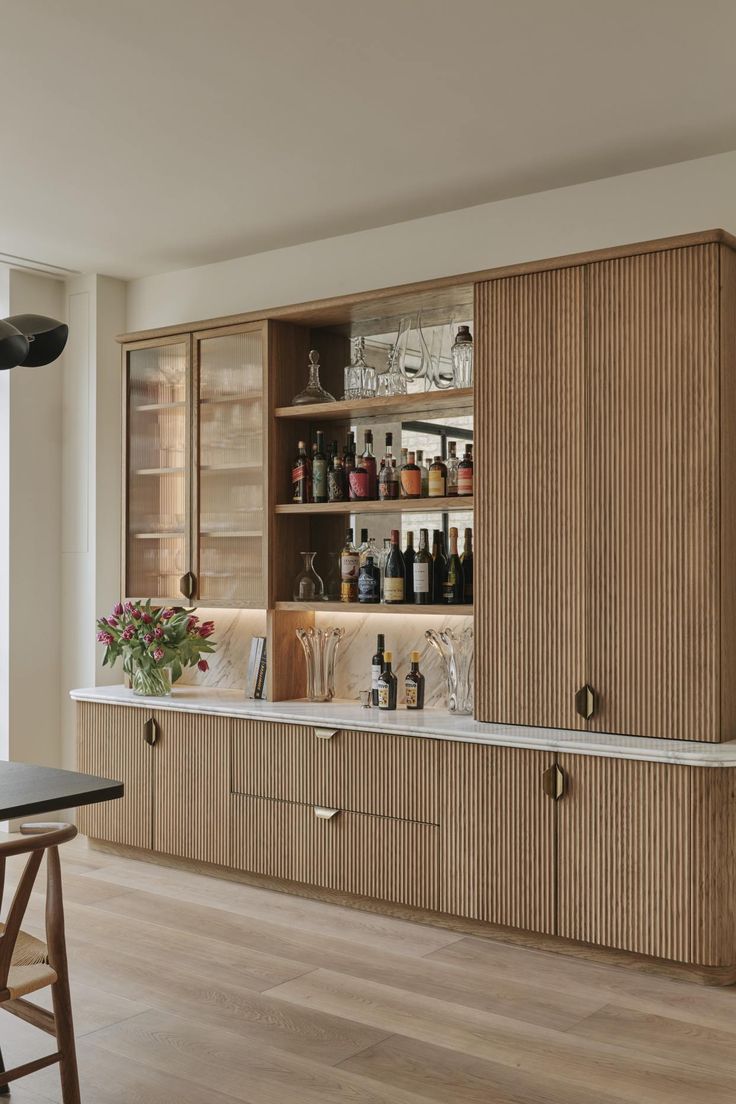
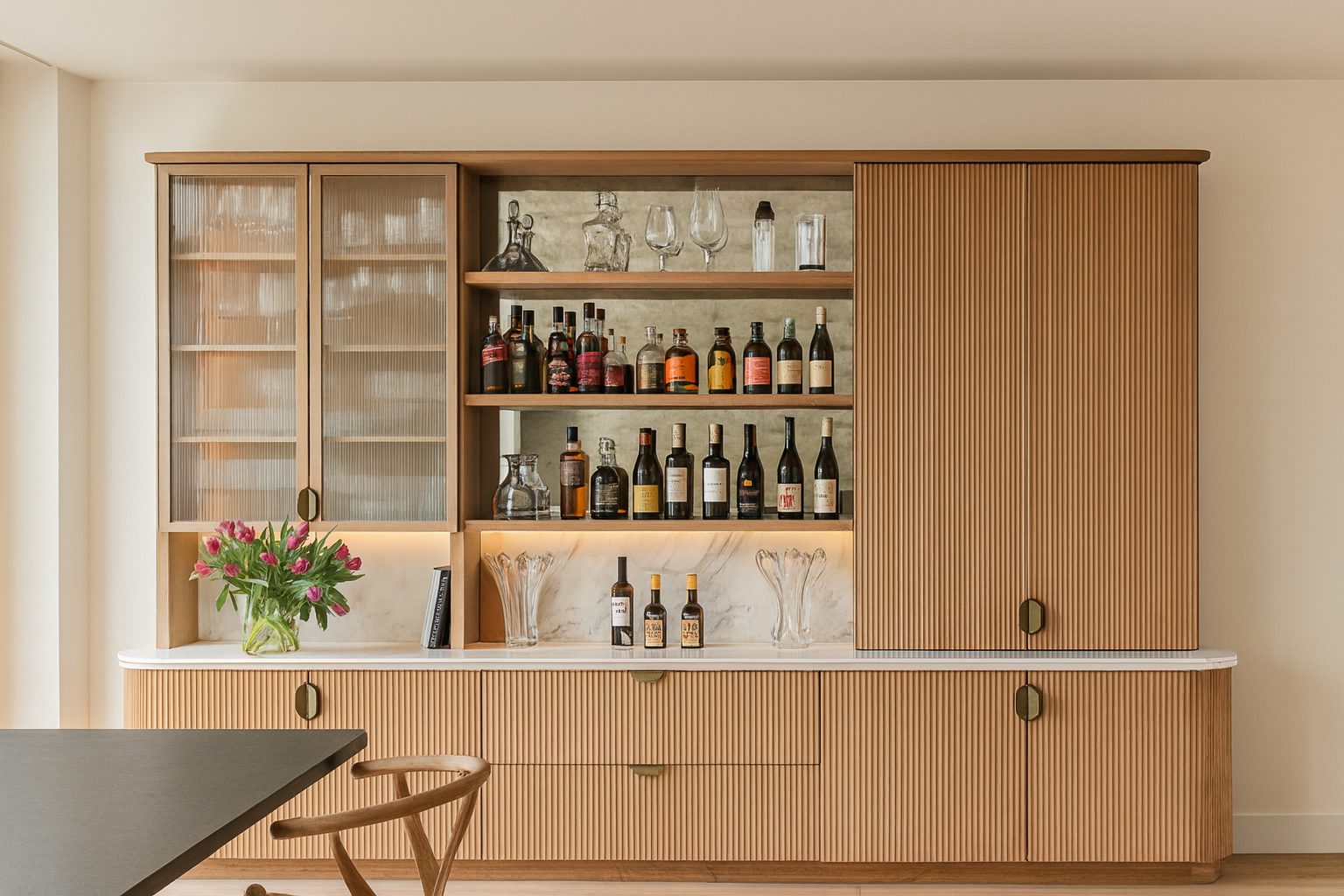
Kitchen Cocktail Bar & Sideboard

What Is Quiet Luxury in Design?

Let’s clarify what quiet luxury interiors are not: they’re not sterile, boring, or beige on beige. And they’re not simply minimalist.

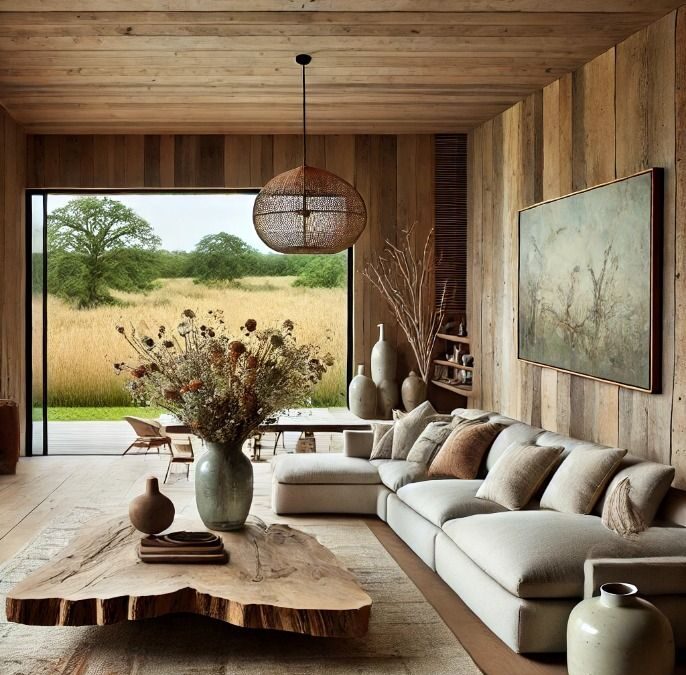
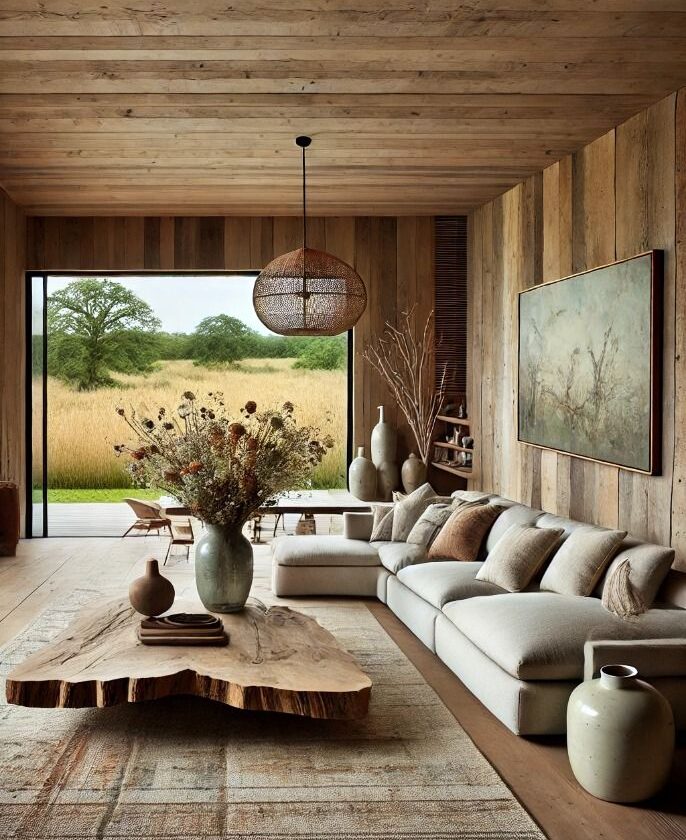
Quiet luxury in design is richer and more grounded. It’s the thoughtful layering of texture, patina, and material that creates a space you feel before you fully see.

Think:

  • A linen that wrinkles just so

  • A hand-thrown vessel tucked on a shelf

  • A sconce that glows like candlelight in the late afternoon

These aren’t design flexes. They’re quiet choices that build emotional depth. The best minimalist luxury interiors don’t strip everything away—they leave only what serves.
Why Quiet Luxury Matters More Than Ever

As a designer working in boutique hospitality and residential interiors, I’ve noticed a shift.

People are no longer decorating to impress. They’re designing to exhale.

They want homes that hold them, not perform for an audience. They want objects that feel like heirlooms, even when they’re new. That’s the promise of quiet luxury—it welcomes you back to yourself.

“Quiet luxury is where restraint meets resonance. It’s the design equivalent of a deep breath.”

And in a noisy world? That breath becomes everything.

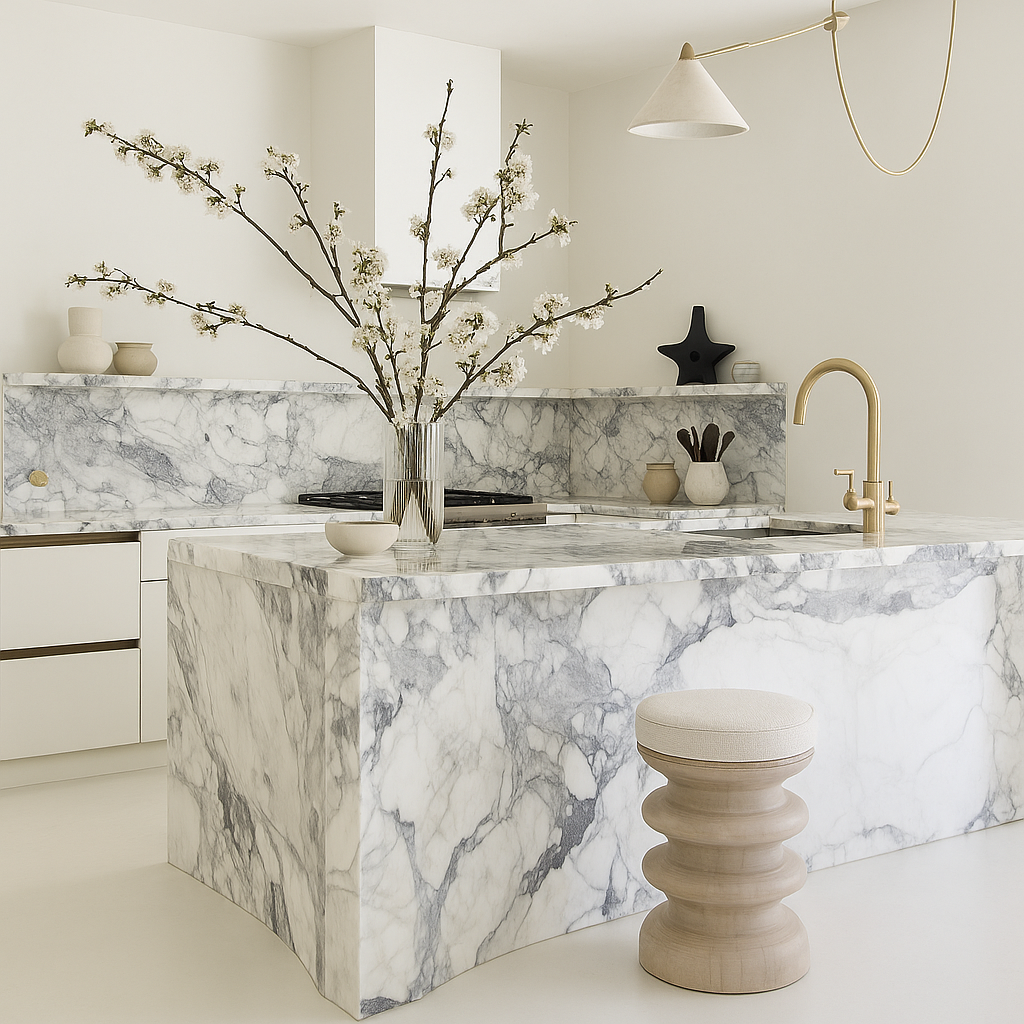
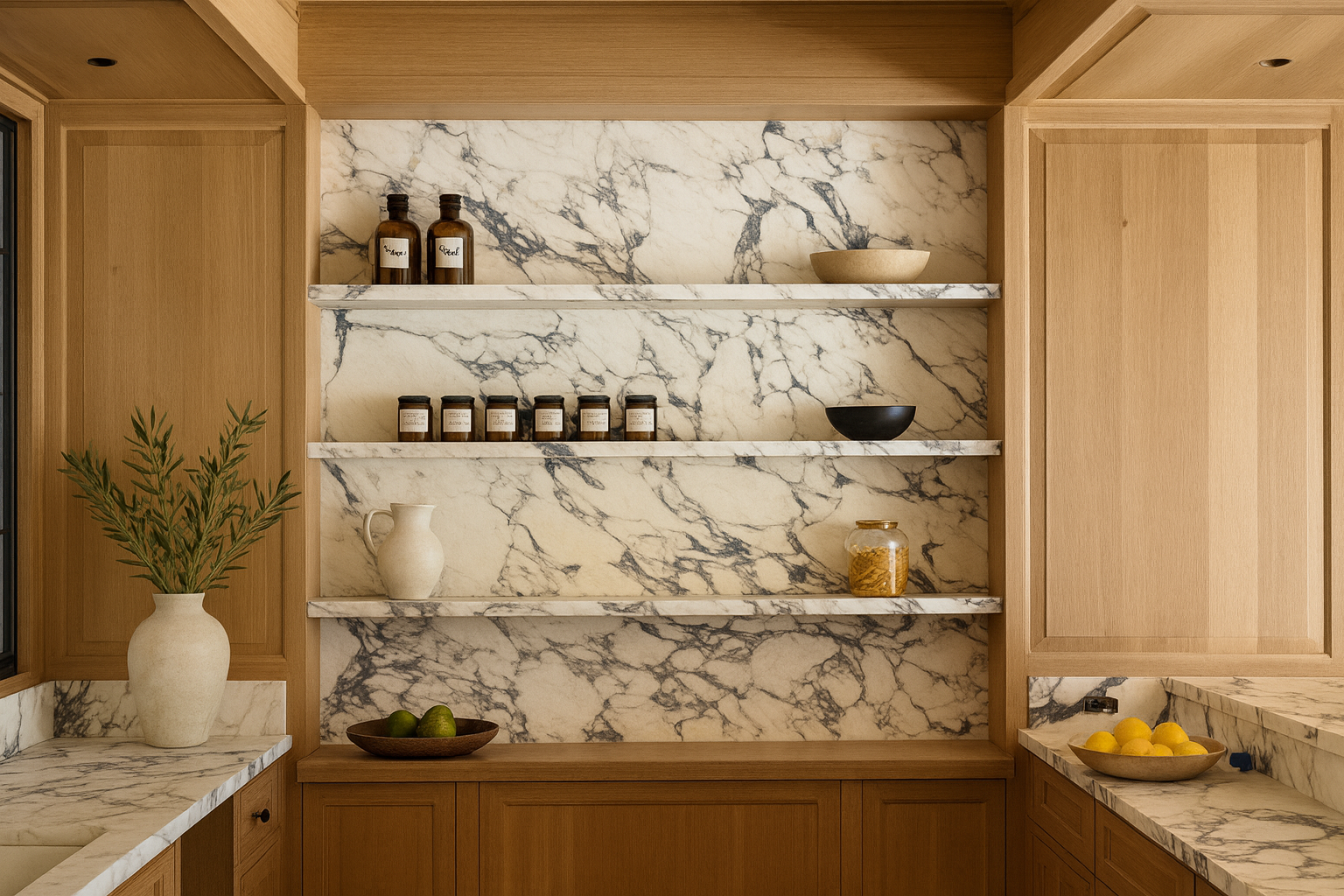
Scrap Marble as Backsplash

The DNA of Quiet Luxury Interiors

If you’re wondering how to decorate quiet luxury, start here:

1. Timeless, Honest Materials

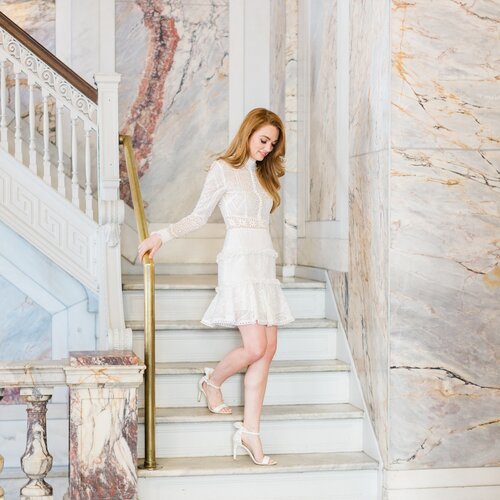
Marble with movement. Unfilled travertine. Solid oak. Unlacquered brass. Textiles with tactile soul. These materials ground the space and age with grace.

2. Masterful Restraint

Negative space is part of the design. Every object earns its place. Scale and balance carry more weight than accessories ever could.

3. Sculptural Silhouettes

Quiet luxury favors curved sofas, folded vases, and organically shaped lighting. Shape becomes art. Rhythm matters.

4. Subdued, Story-Led Color

The palette leans neutral but never flat—clay, sand, and chalk with grounding depth. Color supports the story; it never dominates.
(See our Color Psychology Guide for deeper examples.)

5. Quiet Luxury Designer Picks

Forget matching sets. The best interiors are collected.
Shop Rachel’s Curated Picks for sculptural lighting, refined vessels, and artful accents that reflect this philosophy.
RachelBlindauerHotel&HospitalityDesign

Where to Use Quiet Luxury at Home

Bedrooms:
Layer nubby linen, moody taupes, and sculptural nightstands. Choose lighting that dims, warms, and flatters. Prioritize silence and softness.

Living Rooms:
Opt for low, deep seating. Mix vintage and custom. Layer tactile rugs. Skip the brand names. Let character win.

Kitchens:
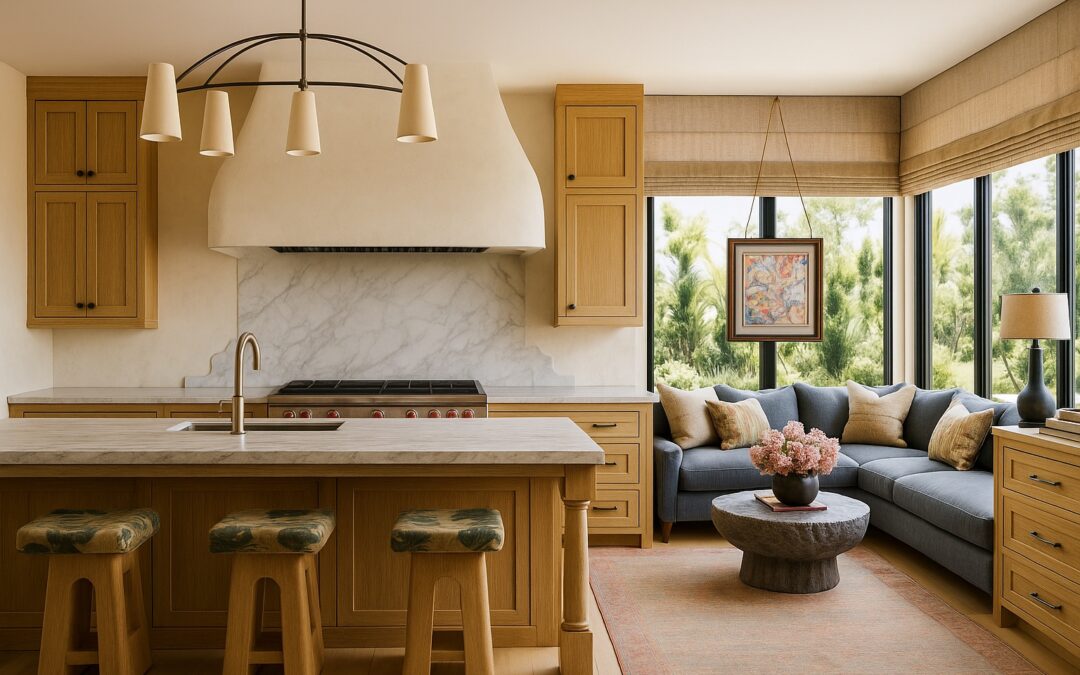
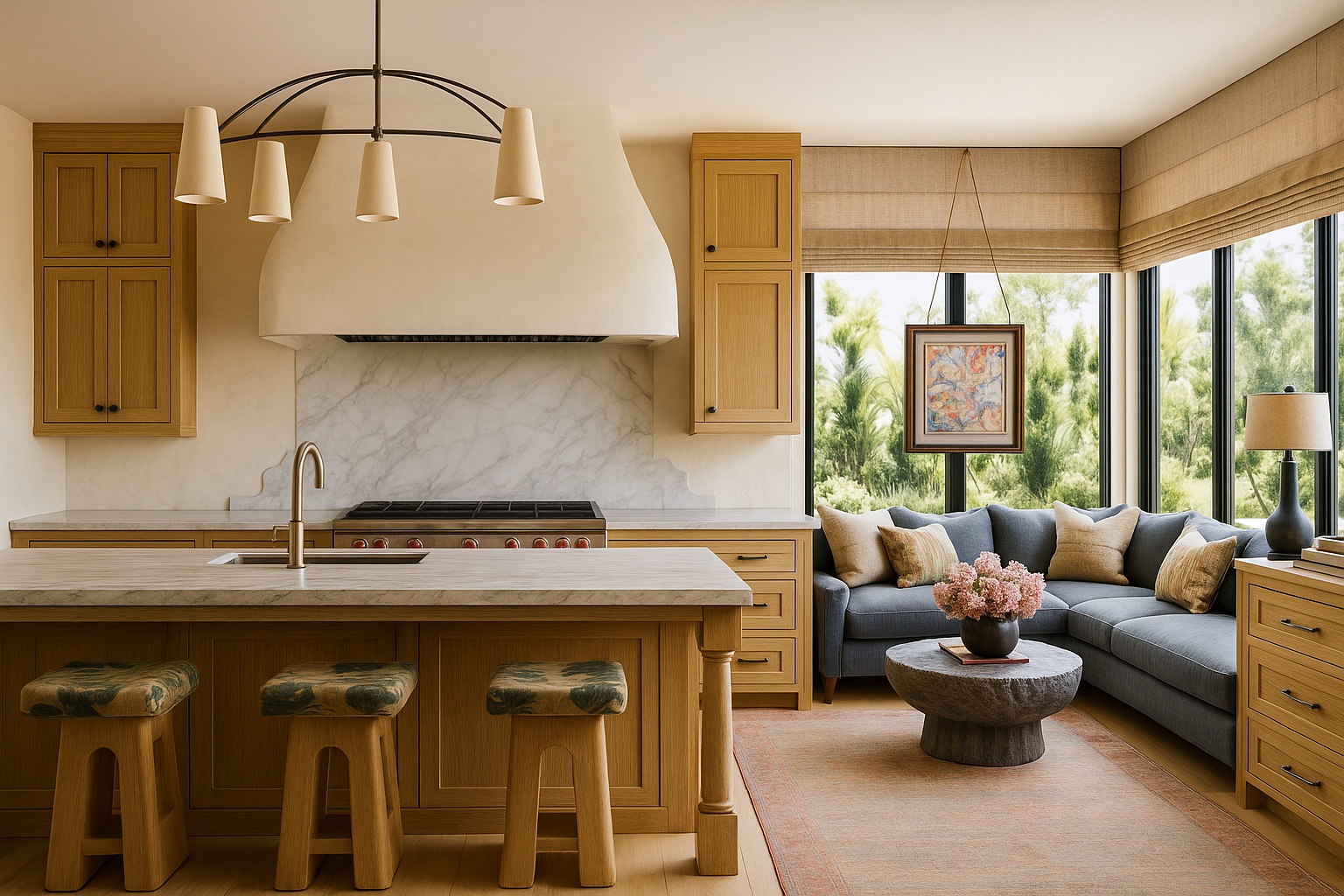
Textured stone countertops. Hand-thrown backsplash tile. One sculptural pendant instead of three. Let the bones of the space shine.

Bathrooms:
Edit. Then edit again. A stone basin, brass fixtures, and a natural stool create more impact than trend-driven tile. Choose materials that calm.

Need help bringing this to life? Book a 2-Hour Design Consultation—in person or virtual. Consultation fee is credited toward full-service design.

The Psychology of Quiet Luxury

What makes quiet luxury interiors so magnetic? It’s physiological.

Research shows that subdued palettes, natural materials, and organic shapes reduce cortisol and promote nervous system regulation. In other words:
This isn’t just style. It’s sanctuary.

It’s design that breathes with you.

Why Quiet Luxury Converts Better (for Developers + Hoteliers)

For commercial spaces, quiet luxury isn’t just beautiful—it’s smart business. It:

  • Photographs exceptionally for branding

  • Requires fewer costly updates over time

  • Boosts emotional recall, which increases repeat bookings

In boutique hotels, branded residences, and wellness properties, minimalist luxury interiors create long-term ROI by building emotional memory and timeless visual identity.

Final Thought: Elegance Without Effort

Quiet luxury is what remains when the noise is gone.

It’s the rug with the right footfall. The basin that ages beautifully. The light that flatters your skin.

It doesn’t shout. It doesn’t sell. It serves.

“Quiet luxury is not a trend. It’s a standard. And the more chaotic the world becomes, the more people will seek it out.”

Ready to bring this philosophy home?
Start with Rachel’s curated shop of quiet luxury, or book your consultation here.
2 Hour Interior Design Consultation

SOMETHING FOR EVERYONE

THE PIECES RACHEL RETURNS TO, AGAIN AND AGAIN
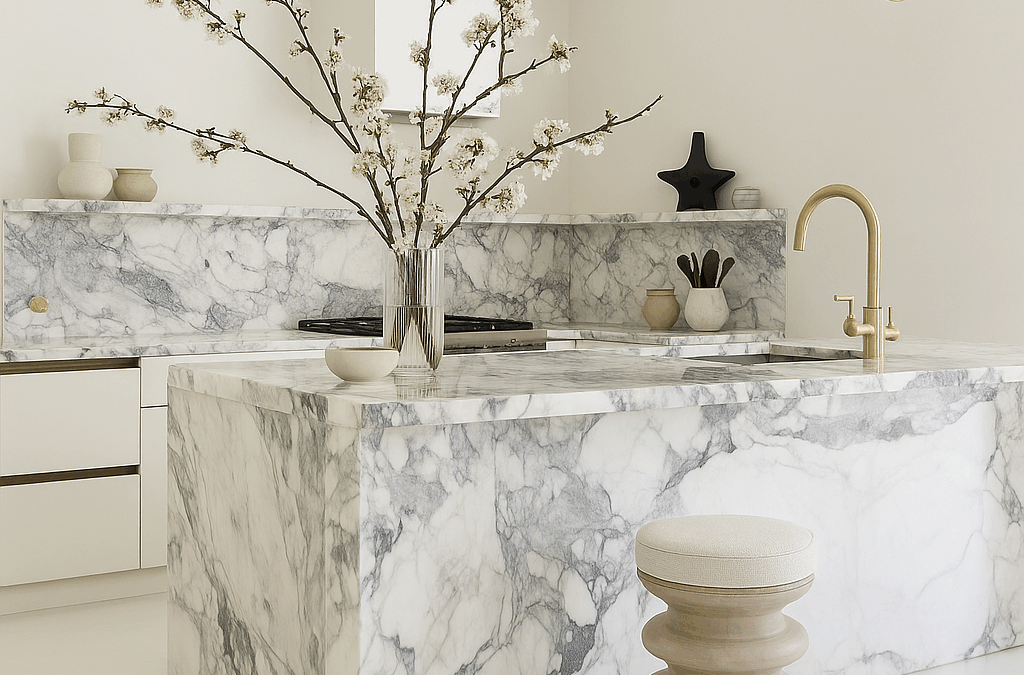
The Ultimate Kitchen Design Guide 2025: From Renovation Costs to Upgrades That Actually Pay Off

The Ultimate Kitchen Design Guide 2025: From Renovation Costs to Upgrades That Actually Pay Off

From Kitchen Elegance to Upgrades That Actually Pay Off

Because a well-designed home doesn’t just look better—it lives better.
By Rachel Blindauer, Interior Designer, Furniture Designer & Purveyor of Beautiful Things

A Renovation Isn’t Just a Project—It’s a Recalibration

When done well, renovating your home isn’t about chasing trends or adding square footage. It’s about solving the friction points in your everyday life. A cluttered kitchen. A dark hallway. A layout that worked ten years ago but doesn’t anymore.

As a designer who’s worked on homes from Sarasota to San Francisco, I’ve seen that the best renovations are refined. They return your home to what it was always meant to be—a place that supports you.

Below, I’m breaking down what to upgrade in 2025, how to budget wisely, and why the kitchen still deserves its own rulebook.

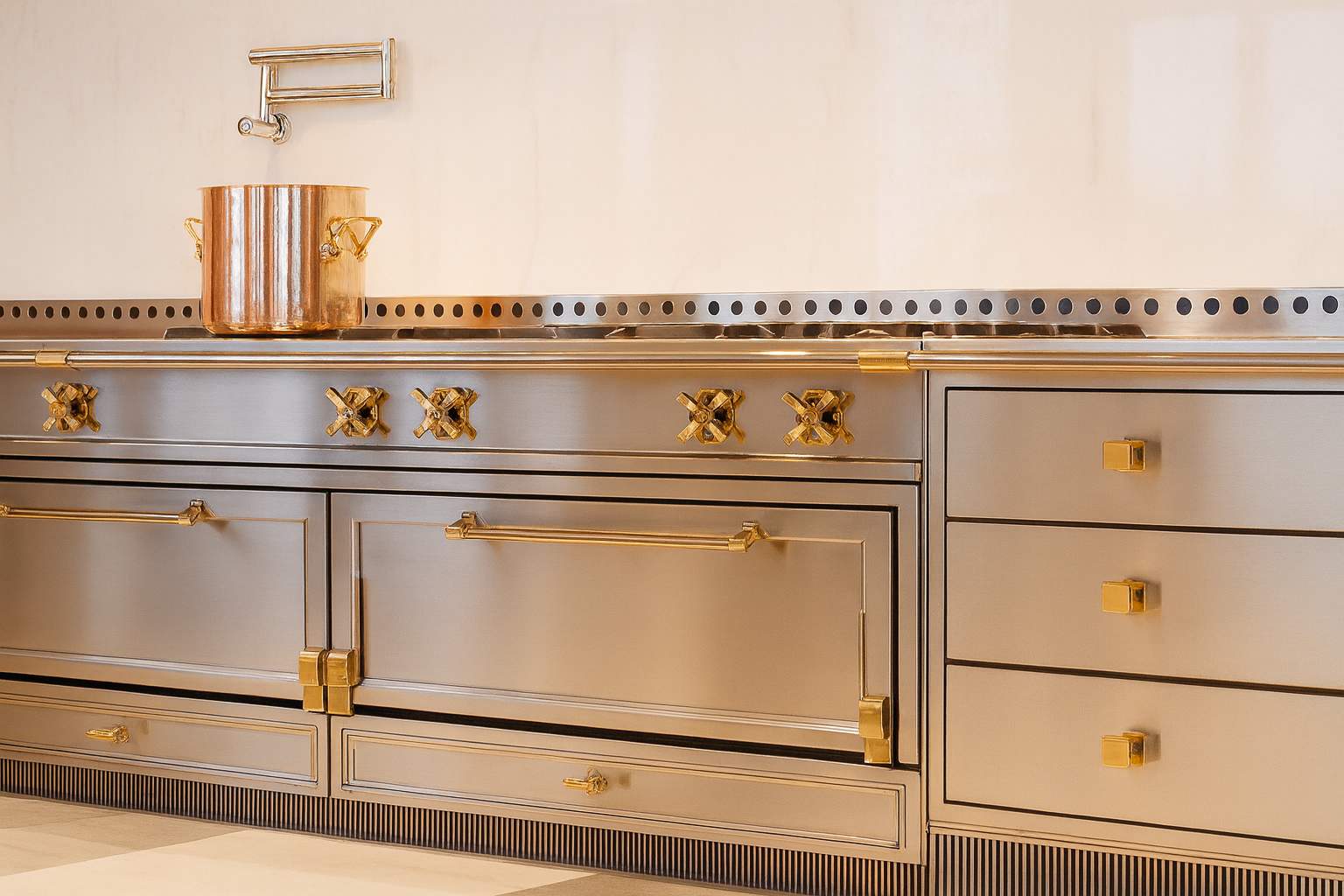
Silver Gold Stove

Renovation Trends with Staying Power (Not Shelf Life)

Yet these 2025 trends aren’t just stylish—they’re intentional.

  • Outdoor Living Rooms
    Pergola-shaded dining spaces. Modular outdoor kitchens. Fireplaces beneath the stars. Exteriors are being reimagined as year-round sanctuaries, not seasonal bonuses.

  • Warm, Layered Kitchens
    Sterile white kitchens are fading. In their place? Natural wood cabinetry, unlacquered brass, and artisan stone. Try Farrow & Ball’s Scallop for cabinetry—soft, grounded, and quietly elegant.

  • Flexible Built-Ins That Disappear
    Storage is trending—but only if it doesn’t scream utility. From window-seat drawers to millwork that mimics furniture, smart storage is getting prettier and more personal.

  • Sustainable Finishes with Soul
    Think reclaimed wood, handmade tile, and honed natural stone that ages with grace. These aren’t just material choices—they’re lifestyle statements.

The Kitchen Still Has Its Own Rulebook

“Your kitchen is your home’s engine. Every finish, fixture, and layout choice carries weight.”
—Rachel Blindauer

I’ve designed kitchens for over 15 years, and here’s what I’ve learned: the best ones aren’t the biggest—they’re the most considered. Below are the decisions that matter most.

What Really Drives Kitchen Renovation Costs

Not square footage. Scope.

Factor What It Impacts
Materials Countertops, backsplash, flooring
Permits & Location Labor rates, timelines
Extent of Work Cosmetic vs. full gut remodel

Pro tip: Choose one hero finish—like a bookmatched marble slab—and scale back elsewhere to balance the budget.

The Backsplash Isn’t Background—It’s Architecture

A full-height slab behind the range. Zelige Tiles. Antique Mirror in a pantry. These details quietly elevate the whole room.

Hide the Microwave—Beautifully

Modern solutions include drawer microwaves, appliance garages, and recessed pantry installs. Because design should never be compromised by convenience.

Marble: Myth, Maintenance & Magic

Yes, it etches. Yes, it chips. And yes, it’s worth it. Honed or leathered finishes can hide wear, while bookmatched slabs create showstopping continuity. Marble isn’t just a surface—it’s a story. Calacatta Viola Marble is my current favorite for all bathrooms and kitchens. Gorgeous statement and hides stains.

can you improve the attached change the image into a horizontal photo that is a jpg? Focus should be the cabinet finish only and improve the accessories. Remove red

Where to Spend, Where to Save: Your 2025 ROI Cheat Sheet

Not all upgrades are created equal. Some soothe your senses. Others quietly build long-term value. The best do both. Improvements with tangible impact (like curb appeal, kitchens and bathrooms) consistently perform well at resale.

Need help choosing paint? Explore my curated color palette blog.

Budgeting

Every project I take on begins the same way: What do you want this space to feel like?
From there, we build a roadmap.

Your 3-Tier Budget Strategy:

Must-Dos: Structural issues, outdated HVAC, poor lighting

Nice-to-Haves: Cabinet upgrades, reconfigured layouts

Eventuallys: Custom details, sculptural lighting, statement stone

Reserve 10–20% for surprises. They always come.

Need a personalized roadmap? You can book your 2-hour design consultation here.

Kitchen Marble

Rachel’s Picks: Small Changes, Big Impact

Interior upgrades that punch above their price tag.

Unfinished Brass or Matte Black Hinges & Knobs
Update builder-grade hardware for instant elevation.

Scented Candle as Your Signature Fragrance
Especially in entries and powder rooms.

Calacatta Viola Marble
Is my current favorite for all bathrooms and kitchens. Gorgeous and hides stains. Then bookmatch the countertop onto the backsplash. Not cheap but big impact.

Stainless & Brass Mixed Finish Stoves
Stainless stoves with brass knobs stoves is my current favorite. It makes sense of the mix of gold lighting and silver faucets.

LED Lighting
Place under floating cabinets. Motion censored bathroom toe kicks can be helpful.

Panel Ready Appliances
Just always. It’s much better looking.

Oversized Mirror
Use across from windows to bounce natural light and enlarge the feel of a room.

Zellige Tile
Hand-cut with imperfect texture. Luxurious without trying.

Elevate the Light Switches
Match the architecture in the design of the light switches. Nowadays you can schedule your lights from a phone or when your out of town and have multi-use switches by your bedside to close back out curtains.

Find more of Rachel’s Favorites in our curated shop.

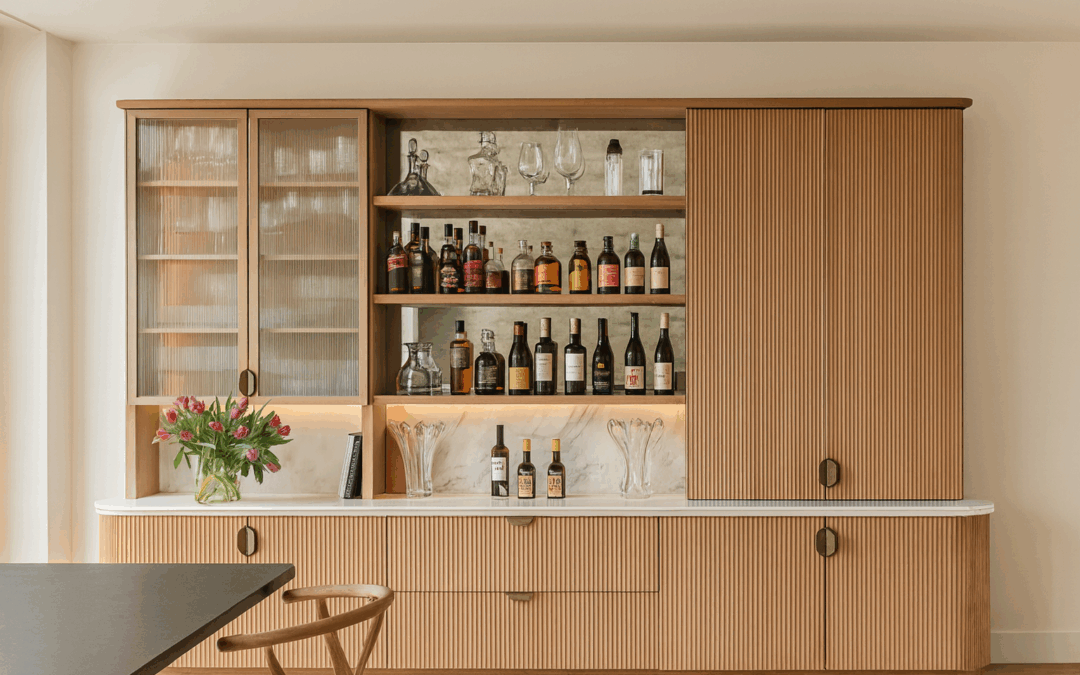
Drink Station Cabinet

Your 2025 Renovation Questions Answered

Q: What renovations increase home value the most?

Kitchens, HVAC systems, and outdoor living areas top the list for both buyer appeal and emotional ROI.

Q: Is 2025 a good year to renovate?

Yes. Interest rates are fluctuating, but material prices are stabilizing. Now is a sweet spot for value + flexibility.

Q: What’s the biggest kitchen design mistake?

Undervaluing lighting. A well-lit kitchen feels larger, cleaner, and more functional—even before the backsplash is installed.

Q: What should I upgrade if I’m not ready for a full reno?

Paint, lighting, and cabinet hardware. Small moves. Big returns.

Design How You Want to Live

Your kitchen isn’t just where meals happen. It’s where time is marked, guests gather, and the days begin and end. It’s a mirror of your rhythms, your rituals, your relationships.

Renovation is never just about resale—it’s about resonance.

So whether you’re planning a full kitchen redesign or just updating fixtures this spring, remember: the best renovations don’t just add value. They improve efficiency.

If you’re ready to create a kitchen that feels effortless—but lives beautifully—book a consultation here.

2 Hour Design Consultation

SOMETHING FOR EVERYONE

THE PIECES RACHEL RETURNS TOAGAIN AND AGAIN

The Art of the Kitchen Island: Styling Tips from an Interior Designer

The Art of the Kitchen Island: Styling Tips from an Interior Designer

“The kitchen island is the hearth of the modern home—an altar of daily ritual, family choreography, and quiet beauty.”—Rachel Blindauer

A well-styled kitchen island doesn’t just enhance your kitchen’s visual harmony—it communicates how you live. Whether it’s citrus slices for evening cocktails or a cascade of school papers during homework hour, the island becomes an intimate stage for daily life. At RachelBlindauer.com, we believe great design tells the truth of a home while elevating it. Here’s how to do just that with your kitchen island—with intention, rhythm, and restraint.

Create a Centerpiece That Breathes

The island shouldn’t be crowded. One grounded element—a hand-thrown ceramic bowl, a sculptural branch, or a low vase of fresh-cut fruit—goes much further than a clutter of objects. In summer, I lean toward early peaches and garden stems. Come fall, gourds or moody greenery in smoked glass takes their place.

“Let the centerpiece feel alive—seasonal, sculptural, and never too polished.”

Think in Trios—But Break the Rules Deliberately

Yes, threes tend to work. A tall candle, a medium floral, a small bowl—all varied in texture and height. But sometimes, the negative space is the statement. Two striking objects can make more of an impact when the room calls for quiet.

“Balance is not the same as symmetry.”

Living by Candlelight is Just Better

Even in the kitchen, candlelight belongs. I love massing out candle holders in groups—either on the counter or low ones sprinkled on the island. It softens the utilitarian quality of the space and invites a slower pace.

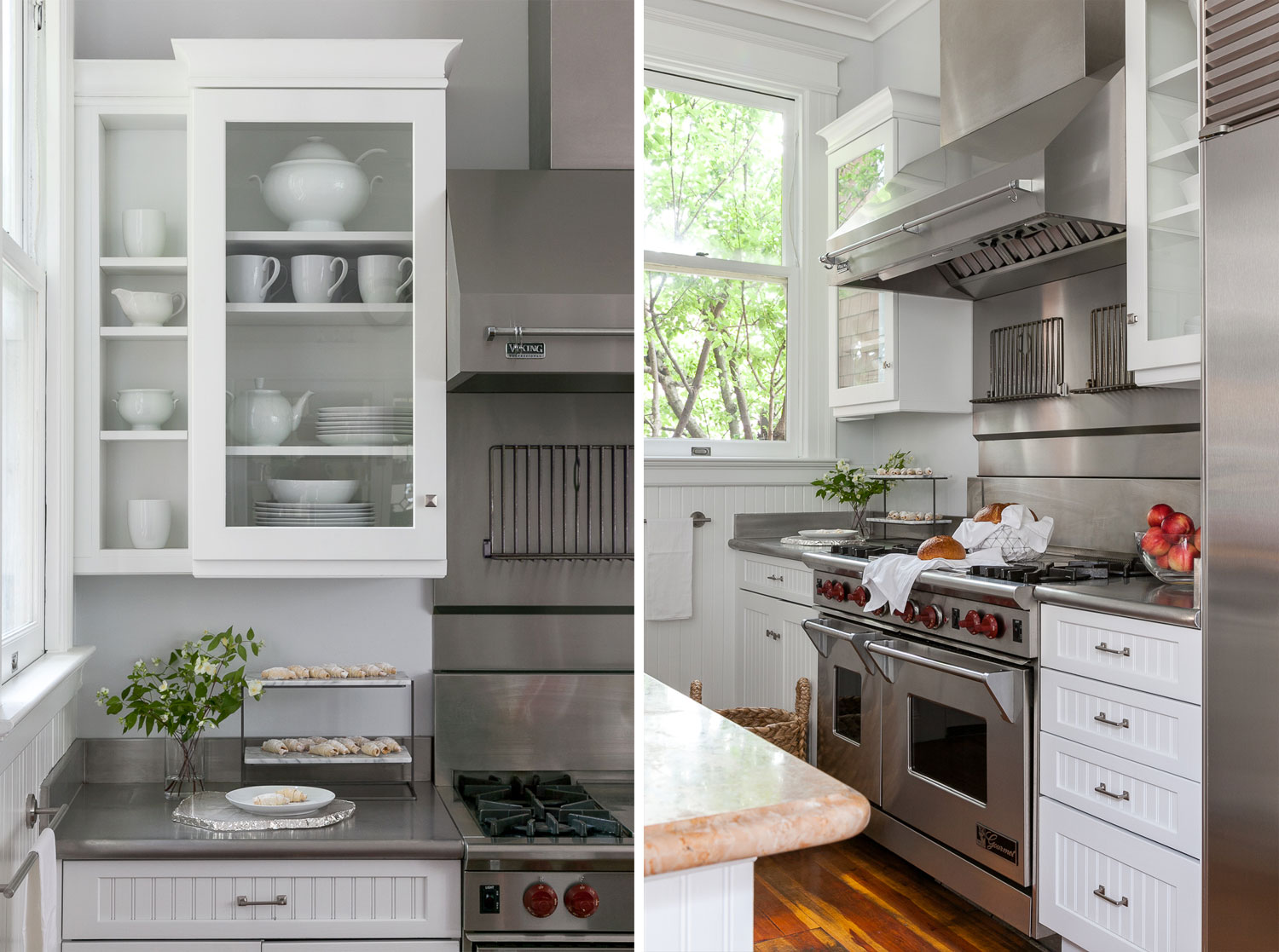
San-FranciscoEdwardianKitchen

Style for the Way You Actually Live

Your kitchen island is a surface in motion. If it’s your breakfast bar and inbox, treat it as such. Try a chic pen holder, a set of coasters, and a beautiful bowl that collects incoming keys and letters. If you entertain? Make space for a drinks zone—perhaps a vintage ice bucket, bar spoon, and a marble bowl for cocktail napkins. Practical doesn’t have to mean plain.

“Your island isn’t just a surface—it’s a story in motion. Decor should support that, not interrupt it.”

Use Texture to Quiet the Space

In open-concept homes, your eye needs places to rest. I often introduce texture through boucle stools, ceramic vessels with matte glazes, or linen runners. These organic materials counterbalance glossy stone counters and reduce visual noise.

Explore more tips on whole-home texture layering here.

Avoid Décor That Feels Static

Design should evolve with the season and the rhythm of your life. Use seasonal floral and branch cuttings from the yard, a rotating fruit bowl, or a board that moves between service and display. This living approach communicates ease—not effort.

For more seasonal styling ideas, visit our Rachel About Town blog.

Let One Piece Steal the Show

In highly edited spaces, sometimes one dramatic object is all you need: an antique urn, a wild branch, or a sculptural form. When styled with restraint, the island becomes the statement.

Explore heirloom-worthy accents in our Decor & Gifts Collection.

Final Thought

Styling your kitchen island should reflect your pace of life and your personal rhythm. At RachelBlindauer.com, we design spaces that feel deeply considered but never fussy. If you’re ready to elevate your space—or begin again with purpose—explore our interior design services or browse curated accents in the Rachel Blindauer Shop.

Because beauty lives in the details—especially the ones you touch every day.

2 Hour Interior Design Virtual or In Person Consultation

SOMETHING FOR EVERYONE

THE PIECES RACHEL RETURNS TOAGAIN AND AGAIN

The Psychology of Color, the Poetry of Place: Feng Shui, Vastu, and the Art of Directional Design

The Psychology of Color, the Poetry of Place: Feng Shui, Vastu, and the Art of Directional Design

Color isn’t just an aesthetic decision—it’s a conversation between space, self, and spirit.

Designing with intention means tuning into more than what looks good. It means listening to the energy of a room, the orientation of a home, and the lived rhythms of those inside it. Both Feng Shui and Vastu Shastra offer centuries-old frameworks for understanding how spatial direction influences mood, behavior, and flow. But neither system is prescriptive. They are maps, not mandates.

And when it comes to color? They whisper in different dialects, but their wisdom converges on one truth: the most powerful colors are those that honor both the home and the human who inhabits it.

East-Facing Rooms: Growth, Healing, Beginnings

In Feng Shui, east corresponds to the wood element: energy that supports health, new ventures, and vitality. In Vastu, it connects to air or ether — clarity, expansion, and the rising sun. These rooms come alive in the morning light and are ideal for spaces like home offices, meditation corners, or breakfast nooks.

Color Cues: Soft greens, sage, eucalyptus, and warm neutrals bring harmony here. If the occupant is already wood-dominant (creative, fast-moving, growth-focused), balance the energy with more grounding hues and structured furnishings.

“East rooms are sunrise spaces—green lets them breathe, but don’t overpower them with heavy tones.”

West-Facing Rooms: Reflection, Closure, Legacy

West-facing rooms absorb the end-of-day sun and are best used for winding down. Feng Shui associates this direction with the metal element; in Vastu, it is tied to stability, legacy, and endings. These rooms support evening rituals, deep conversations, and finishing things well.

Color Cues: Whites, brushed metals, pale gray, and muted ochres create a clean, calming energy. Accent with soft, rounded decor to avoid rigidity.

“Use color here to quiet the energy, not to impress it.”

North-Facing Rooms: Depth, Wisdom, Introspection

The north is where water reigns in Feng Shui—linked to career, flow, and emotional intelligence. In Vastu, it governs wealth and clarity. North-facing rooms receive cooler, indirect light, and they reward introspection.

Color Cues: Charcoal, navy, slate, and misty gray work well here. These tones invite slowness and contemplation, making them ideal for reading rooms, bedrooms, or private offices.

“North-facing rooms crave quiet. Water tones don’t shout—they settle.”

South-Facing Rooms: Fame, Fire, Visibility

South-facing rooms brim with light and potential. In both systems, this direction corresponds to fire energy: passion, expression, and recognition. These are your statement rooms—living rooms, dining spaces, and creative studios.

Color Cues: Red, coral, saffron, terracotta, and burnt sienna light the space from within. Use these colors strategically—as an accent wall, a velvet pillow, or a bold ceramic—to energize without overwhelming.

“In south-facing rooms, color becomes a flame—fuel the space, but don’t scorch it.”

brim with light and potential. In both systems, this direction corresponds to fire energy: passion, expression, and recognition. These are your statement rooms—living rooms, dining spaces, and creative studios.

Color Cues: Red, coral, saffron, terracotta, and burnt sienna light the space from within. Use these colors strategically—as an accent wall, a velvet pillow, or a bold ceramic—to energize without overwhelming.

“In south-facing rooms, color becomes a flame—fuel the space, but don’t scorch it.”

But Here’s the Nuance: The Room is Not the Whole Story

While orientation tells us which energies dominate a room, it’s the person who defines what the room truly needs. In classical Feng Shui, that means consulting your BaZi chart or Ming Gua number. In Vastu, it’s aligning the space with your dharma, doshas, and destiny.

  • A fire-dominant personality may find south-facing reds overstimulating.
  • A water-heavy birth chart might need earth tones in a north room to stay grounded.
  • Even the season of life you’re in changes the equation.

“Both Feng Shui and Vastu agree: a harmonious space reflects not just direction, but identity.”

Final Thoughts: Designing with Soul

At Rachel Blindauer, we believe a well-designed space is one that remembers you—your light, your rhythm, your season. Whether you’re renovating a pre-war home in the Northeast or refreshing a sunlit bungalow in California, directional color can be your quiet guide.

Because color isn’t just something you choose. It’s something that chooses you back.

Want help decoding your home’s directional energy? Rachel offers private consultations to design spaces that feel as good as they look. Learn more about the 2-Hour Design Consultation.

2 Hour Interior Design Virtual or In Person Consultation

SOMETHING FOR EVERYONE

THE PIECES RACHEL RETURNS TOAGAIN AND AGAIN

The Art of the Kitchen Island: Ideas, Trends, and Styling Tips from an Interior Designer

The Art of the Kitchen Island: Ideas, Trends, and Styling Tips from an Interior Designer

There’s a quiet power to a well-designed kitchen island. It anchors the heart of the home, serving as prep space, dinner table, workstation, and social hub. In my years of designing high-end kitchens, from breezy coastal retreats to city lofts, I’ve learned that a beautiful island isn’t just about looks—it’s about living well.

Whether you’re building from scratch, renovating, or refreshing your current layout, this guide offers the most comprehensive look at today’s kitchen island ideas—what works, what wows, and what mistakes to avoid.

Island Ideas That Inspire

Let’s start with the part that sparks the most excitement: the visuals. Think sculptural waterfall edges in marble, fluted wood bases that echo architectural molding, or two-tone cabinetry that adds drama without overwhelm. The best islands feel intentional and tailored—as much furniture as fixture.

[Explore signature kitchen styling pieces at shop.rachelblindauer.com]

Trending Design Types:

  • Waterfall Edges: Sleek, statement-making, especially in natural stone.
  • Curved or Asymmetrical Shapes: Softer edges that invite conversation.
  • Freestanding Tables as Islands: A designer favorite for a more collected, less built-in look.
  • Two-Tone Finishes: Think wood base with a marble top, or painted cabinetry with brass detailing.

“An island isn’t just about the footprint—it’s about flow,” says designer Rachel Blindauer. “If people can’t pass behind a stool without turning sideways, you’ve missed the mark.”

Planning Like a Pro

Beautiful doesn’t mean impractical. A well-functioning island considers scale, clearance, and your household’s actual flow.

Key Planning Guidelines:

  • Walkway Clearance: Aim for 36″ to 42″ on all sides.
  • Depth: 24″ is minimum; 36″ to 42″ is generous and functional.
  • Seating Overhang: 12″ to 15″ works well for stools.
  • Zones: Ideally include prep, storage, and serving spaces within reach.

“Form follows function, but the best design makes function feel beautiful,” Rachel adds. “Think beyond the triangle and look at how you actually live in your space.”

Client Story: In a recent kitchen renovation for a creative couple in Sarasota, we designed an island that served as both workspace and sanctuary. By day, it doubled as a laptop station for remote work; by night, a wine and cheese gathering spot. A fluted white oak base with a travertine waterfall top offered subtle drama, while soft under-counter lighting turned it into a quiet showpiece.

Read more about designing for real life in our post: Designing for Couples

Tip: If your kitchen is smaller or more galley-style, don’t force an island. Consider a sleek peninsula or mobile butcher block instead.

High-Impact Trends for 2025

Interior design is always evolving, and kitchen islands are no exception. This year, luxury meets utility in unexpected ways:

  • Sculptural Wood Detailing: Fluting, tambour, and slatted designs are replacing plain panels.
  • Smart Features: Built-in charging drawers, under-counter wine fridges, and appliance garages are must-haves for multi-functional living.
  • Mixed Materials: Marble paired with matte lacquer. Brushed brass with rift-cut oak.
  • Moodier Palettes: Rich walnut, midnight blue, and black soapstone are edging out all-white.

Looking for your palette? Try the Seasonal Color Guide Quiz to match cabinetry and paint tones.

“Contrast is everything. A dark island in a pale kitchen can ground the space and make it feel more bespoke,” says Rachel.

Kitchen Living Seating Area

Styling Your Kitchen Island

Once the structure is in place, the styling begins. This is where I see people overdo it or play it too safe.

My Go-To Styling Formula:

  • One sculptural object (like a ceramic bowl or art piece)
  • One living thing (think potted herbs or a bowl of fruit)
  • One functional piece (a beautiful cutting board or set of linen napkins)

Layer materials: mix wood with ceramic, metal with stone. Keep things tactile and edited. A good rule? Style it like a coffee table, not a buffet line.

What to Style With: My Favorite Accents for a Refined Island

Mistakes to Avoid

Designing an island is about restraint as much as flair. Here are the top three missteps I often see:

  1. Oversized Islands: Just because the space allows it doesn’t mean you should max it out.
  2. Cluttered Surfaces: Appliances, paperwork, and too many vases create visual noise.
  3. Cheap Materials: Laminates and overly glossy finishes can cheapen the entire kitchen. Invest where you touch.

“Design that photographs well but lives poorly isn’t design. It’s theater,” Rachel notes. “A kitchen island should be both centerpiece and workhorse.”

Drink Station Cabinet

Solutions for Small Spaces

Not every home has room for a grand central island, but that doesn’t mean you can’t have a stylish centerpiece.

  • Rolling Islands: Portable and perfect for urban kitchens.
  • Work Tables: Bring a rustic or European vibe.
  • Slim Islands: Just 18″ to 24″ wide can still be useful and elegant.

Explore more small space tips in our Whole Home Organization Planner

Final Thought: Islands That Live Well

A kitchen island is more than just cabinetry with a countertop. It’s a gathering point. A quiet moment with coffee. A homework station. A party perch. And when designed thoughtfully, it carries that mix of beauty and function that defines every well-styled life.

Whether you’re designing new or refreshing what you have, start with how you want it to feel first.

Looking for one-on-one help? Click on the link below to book a 2 Hour Design Consultation to discuss your space and receive a customized plan.

Or shop sculptural bowls, linen accents, and artful decor to bring your island to life at shop.rachelblindauer.com.

2 Hour Interior Design Virtual or In Person Consultation

SOMETHING FOR EVERYONE

THE PIECES RACHEL RETURNS TOAGAIN AND AGAIN

Interior Design Trends 2025: What Quiet Luxury Looks Like Now

Interior Design Trends 2025: What Quiet Luxury Looks Like Now

In a world that often shouts for attention, 2025 is the year design chooses to whisper.

Quiet luxury—the design world’s answer to overexposure and overconsumption—continues to shape the way we live, furnish, and feel within our spaces. It’s not a trend; it’s a mindset. And it has never looked more intentional than it does now.

The End of Statement Pieces for Statement’s Sake

For years, interiors were about making bold declarations: jewel-toned velvet sofas, clashing patterns, gold-on-gold accents. But now, we’re seeing a retreat into pieces that don’t need to announce themselves. In 2025, elegance lives in understatement. Think: a hand-coiled sculptural vase that feels found, not flaunted. A boucle-upholstered armchair with perfect proportions and no visible label. The luxury is not in the look but in the feel.

Drink Station Cabinet

Earth-Toned Minimalism with Depth

Warmth is replacing starkness. Instead of stark white minimalism, the palette has evolved into what can best be described as “earth-washed neutrals”: clay, sand, chalk, flax, and peat. These aren’t trendy tones—they’re grounding agents. Color serves the atmosphere, not the algorithm.

Rachel Recommends: Explore our Color Palettes by Region to see how light, landscape, and lifestyle shape neutrals that feel local, not generic.

Layered Texture Is the New Ornament

In quiet luxury interiors, texture becomes the statement. Linen meets hand-rubbed oak, stone meets leather, raffia meets antique brass. The interplay of natural finishes creates dimension without relying on color or clutter. A room feels rich, even if it’s visually quiet.

Shop the Look: Our Sculptural Lighting and Natural Accessories collections bring this layered restraint to life.

Art That Doesn’t Explain Itself

A shift is happening in what we hang on the walls. Instead of slogans, quotes, or hyper-detailed realism, 2025 brings in abstract forms, organic silhouettes, and subtle compositions. The art doesn’t tell a story—it leaves space for yours.

Sink

Function-Led Design for Real Life

Quiet luxury is never performative. Design in 2025 is being led by questions like: Does this make daily life easier? Does this honor the natural flow of my home? Multi-functional furniture, concealed storage, and kitchen design that considers how you move through a morning routine are all central to this ethos.

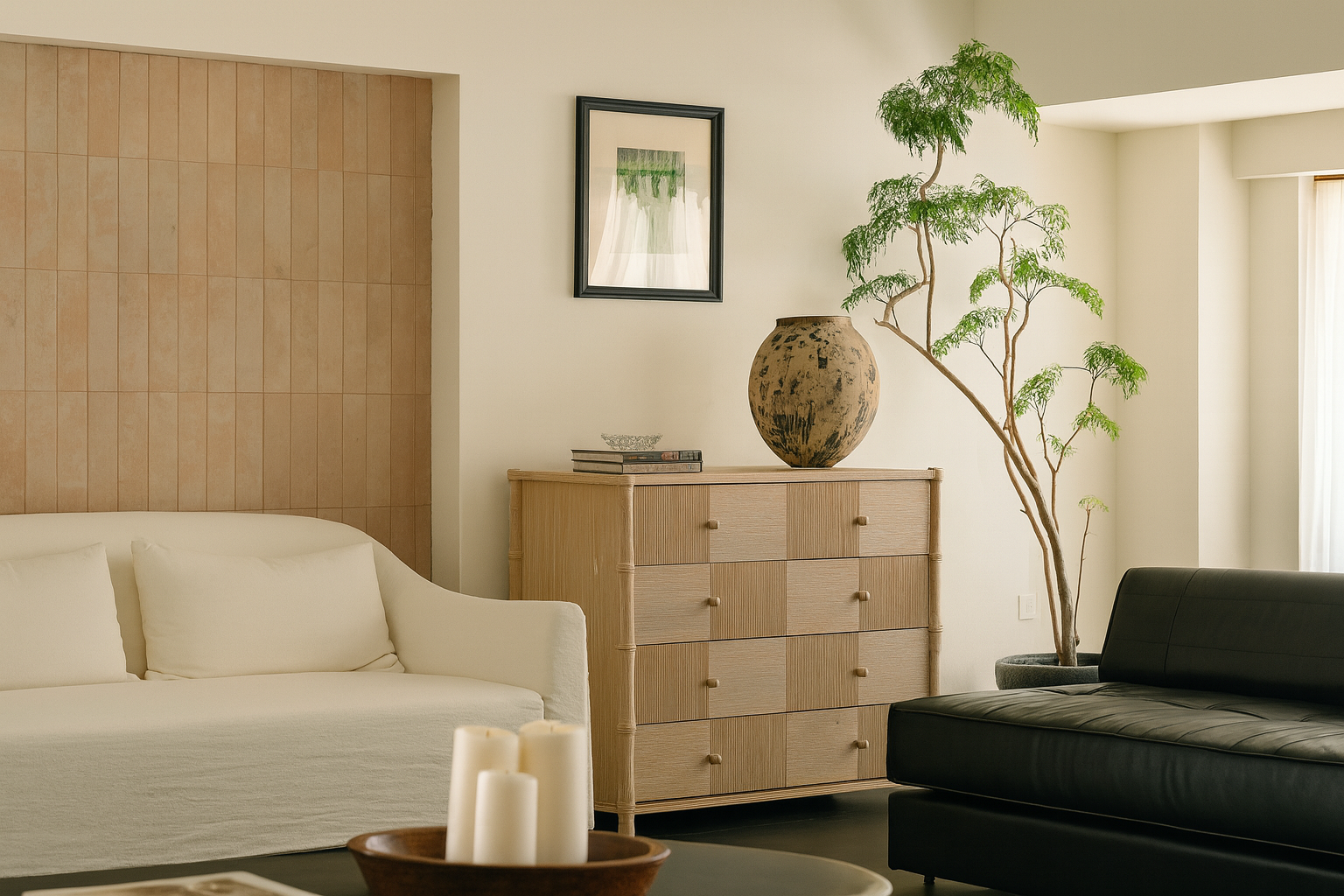
Styled Interior

The Return of the Curated Home

Perhaps the most defining feature of quiet luxury is curation over accumulation. Your home should feel edited, not filled. Objects have provenance. Materials tell a story. Rooms evolve over time, not trend cycles.

“Luxury is not about more. It’s about better.”

For a one-on-one consultation to translate this design philosophy into your space, book a 2-hour interior design session.

2 Hour Interior Design Virtual or In Person Consultation

SOMETHING FOR EVERYONE

THE PIECES RACHEL RETURNS TOAGAIN AND AGAIN