How Long Does It Take to Complete a Designer Interior Project?

How Long Does It Take to Complete a Designer Interior Project?

Embarking on a designer interior project is an exciting journey for any homeowner. However, one of the most common questions is how long such a project typically takes. Understanding the timeline can help set realistic expectations and ensure a smooth process.
Understanding the Initial Consultation Phase

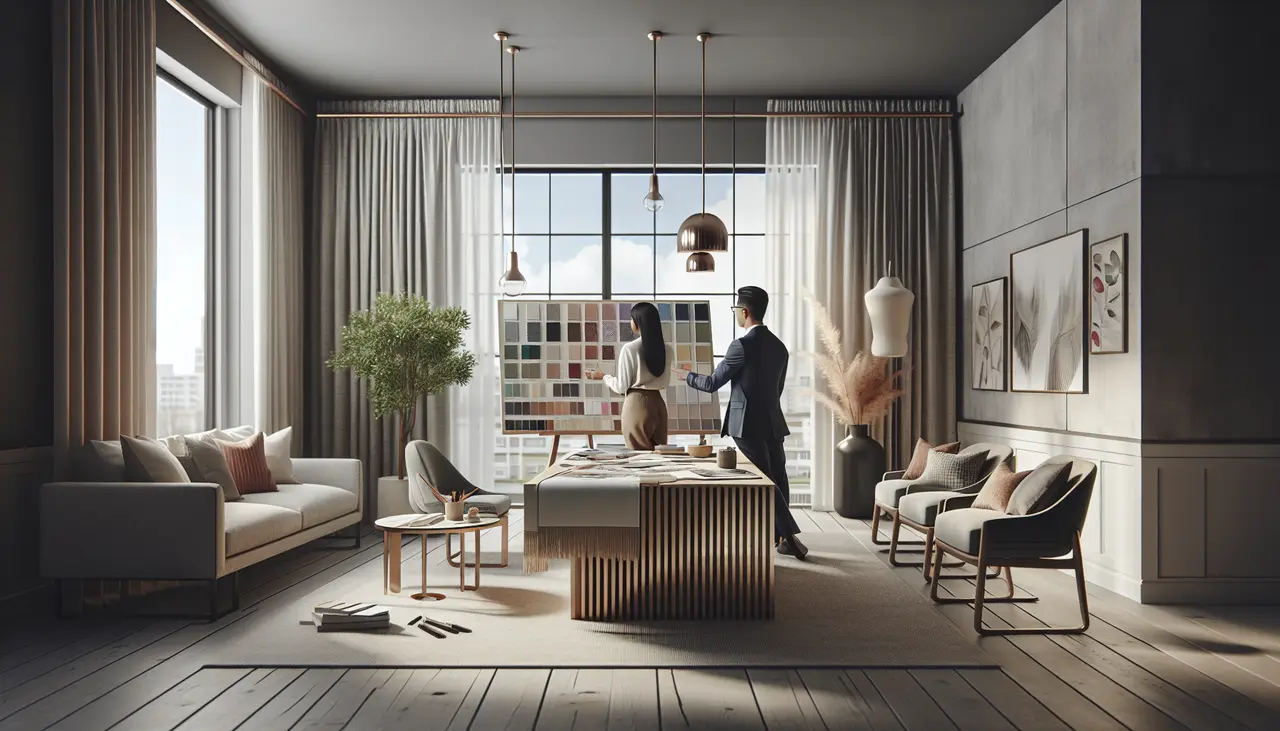
The first step in a designer interior project is the initial consultation. This phase typically involves meeting with your chosen interior designer to discuss your ideas, budget, and expectations. Depending on availability, this stage may take a week or two.

During these initial meetings, you and your designer will explore the vision for your space. It’s a time to align on the project’s scope and goals, ensuring both parties are on the same page. This phase is crucial in creating a solid foundation for the rest of the project.

In some cases, clients may have very clear ideas, while others may rely more heavily on the designer’s expertise to shape the vision. Regardless, your designer should take the time to understand your preferences, functional needs, and any specific requests you may have.
Design and Planning: The Heart of the Project

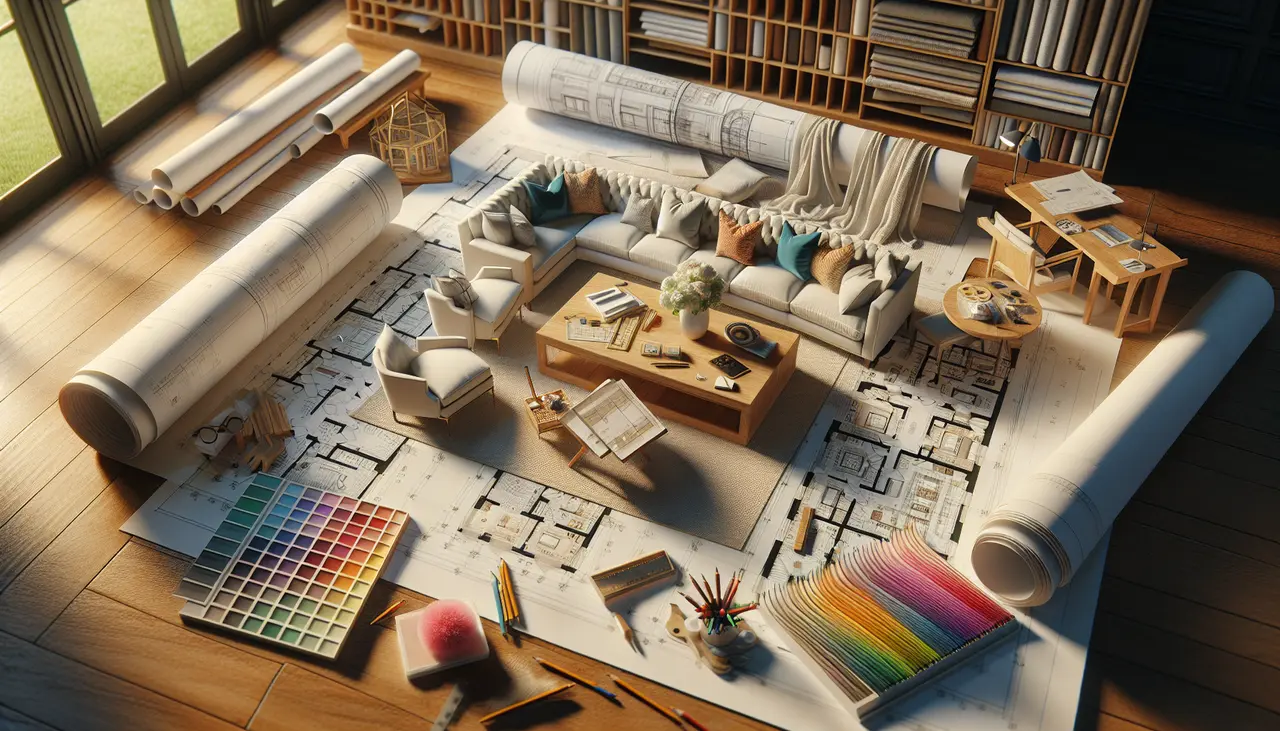
Once the consultation is complete, the design and planning phase begins. This involves creating mood boards, selecting materials, and drafting detailed design plans. This phase can take anywhere from 2 to 6 weeks, depending on the complexity of the project.

At this stage, designers often create several concept designs to present to clients, ensuring that every detail aligns with their vision. The process can be iterative, requiring adjustments and refinements before reaching the final design.

An essential part of this phase is deciding on a color palette. The choice of colors will set the tone for the entire space, impacting its mood and functionality.

Effective communication between the designer and client is key. Regular updates and discussions help to accommodate any changing preferences or new ideas that may arise. The collaborative nature of this phase ensures that the end product is both beautiful and practical.

 

Securing Permits and Ordering Materials

Before any physical work begins, necessary permits must be obtained, and materials need to be ordered. The time required for permits varies by location, but it could take several weeks. Ordering materials can also range from a few days to a few weeks, depending on the availability.

The availability of materials can often dictate the pace of the project. Items such as custom furniture or unique fixtures may have longer lead times. Therefore, early ordering becomes crucial to prevent any project delays.

Designers work closely with vendors and suppliers to streamline the procurement process. At Rachel Blindauer Interior Design, robust networks with suppliers help mitigate risks associated with delayed materials.

Securing permits can sometimes pose challenges if structural changes are involved. Rachel Blindauer typically works directly with a local architect and ensures that everything proceeds according to plan.
The Construction and Implementation Phase

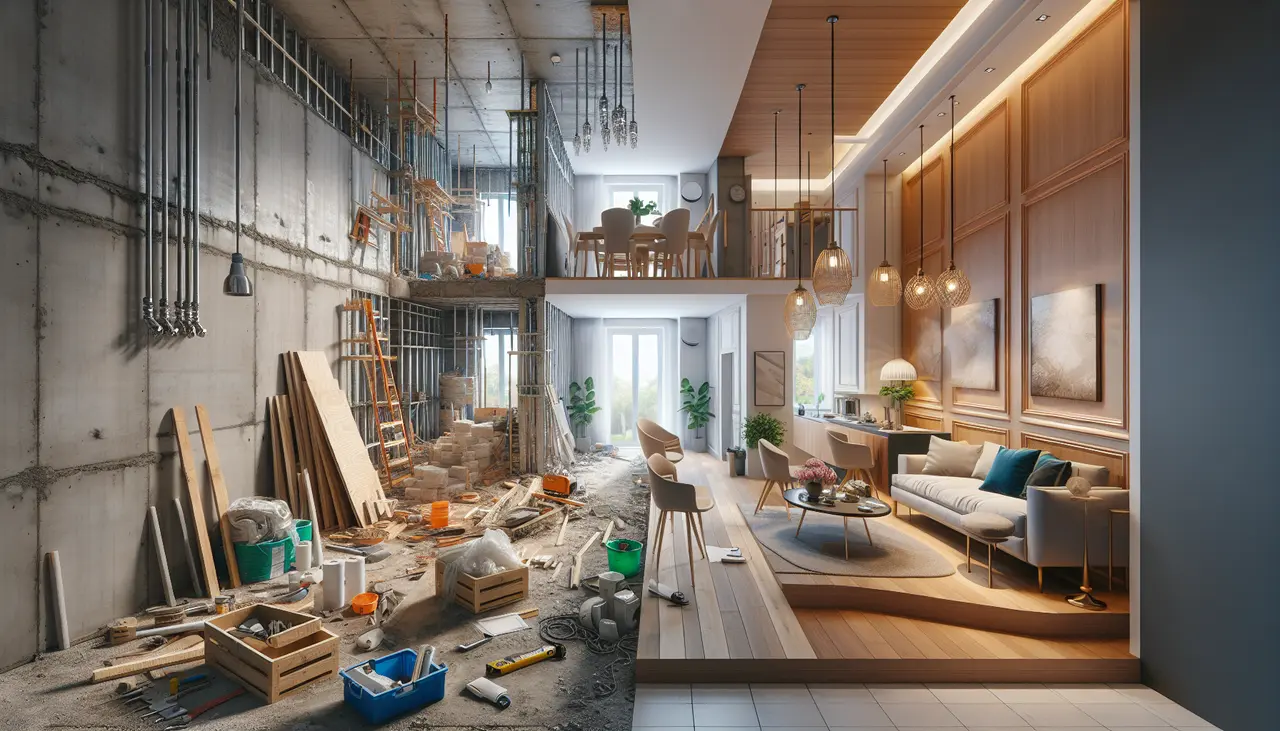
The hands-on part of the project is construction and implementation. This is where the design comes to life. Depending on the project’s scope, this phase can last from several weeks to several months.

This phase involves detailed coordination among contractors, and designers. A clear timeline and regular site visits are crucial to ensure that everything proceeds as planned. Any unforeseen issues, like delayed deliveries or construction challenges, can extend timelines.

Complex projects that include custom-built elements or significant structural modifications may naturally require a longer timeframe. However, thorough planning and efficient project management can minimize potential delays, making the completion process smoother and more predictable.

For large-scale projects or renovations, patience is key. Each detail, from paint colors to light fixtures, contributes to the overall vision. Designers aim to oversee the process closely, ensuring that the implementation matches the agreed-upon design.
Final Touches and Project Handover

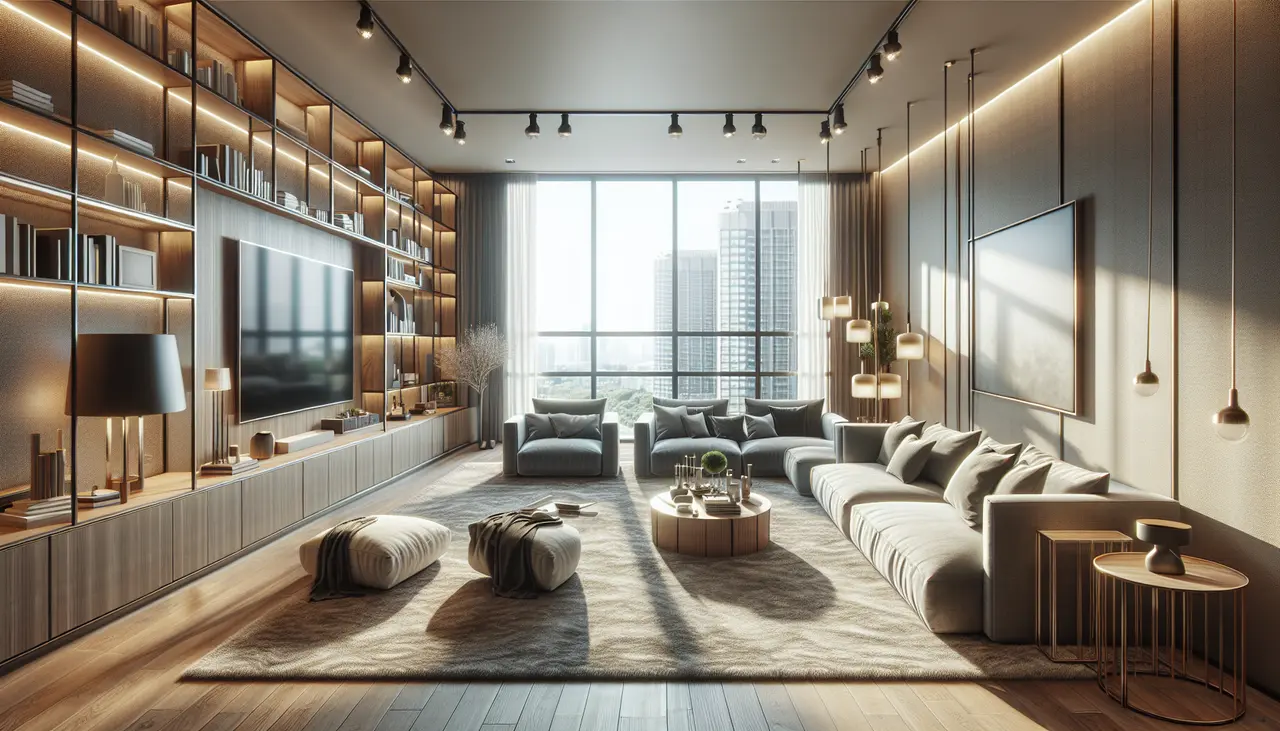
After construction is completed, the final touches are applied. This includes adding furniture, decor, and other elements that were part of the design plan. Usually, this stage takes a couple of weeks. Once everything is perfect, the project is handed over to the homeowner.

These final stages are where the personality of the space really shines through. Decor elements, such as art pieces, rugs, and decorative lighting, are implemented to add depth and warmth.

Your designer will often provide an opportunity for a walk-through, ensuring all aspects have been executed perfectly. Any minor deficiencies are addressed before concluding the project, ensuring the client’s satisfaction.

This culmination of hard work results in a space tailored to the homeowner’s preferences and needs. The transformation is usually accompanied by a sense of fulfillment and excitement, marking the transition from project to living space ready to be enjoyed.

House Warming Party!

The timeline for completing a designer interior project can vary based on several factors, including planning, design, complexity, and project management but after the accessories layer and photoshoot we typically have a house warming party. By understanding these aspects, you’ll be better prepared to manage your time and expectations, ensuring a successful outcome.
2 Hour Interior Design Virtual or In Person Consultation

SOMETHING FOR EVERYONE

THE PIECES RACHEL RETURNS TOAGAIN AND AGAIN
How to Create Hurricane Proof Homes

How to Create Hurricane Proof Homes

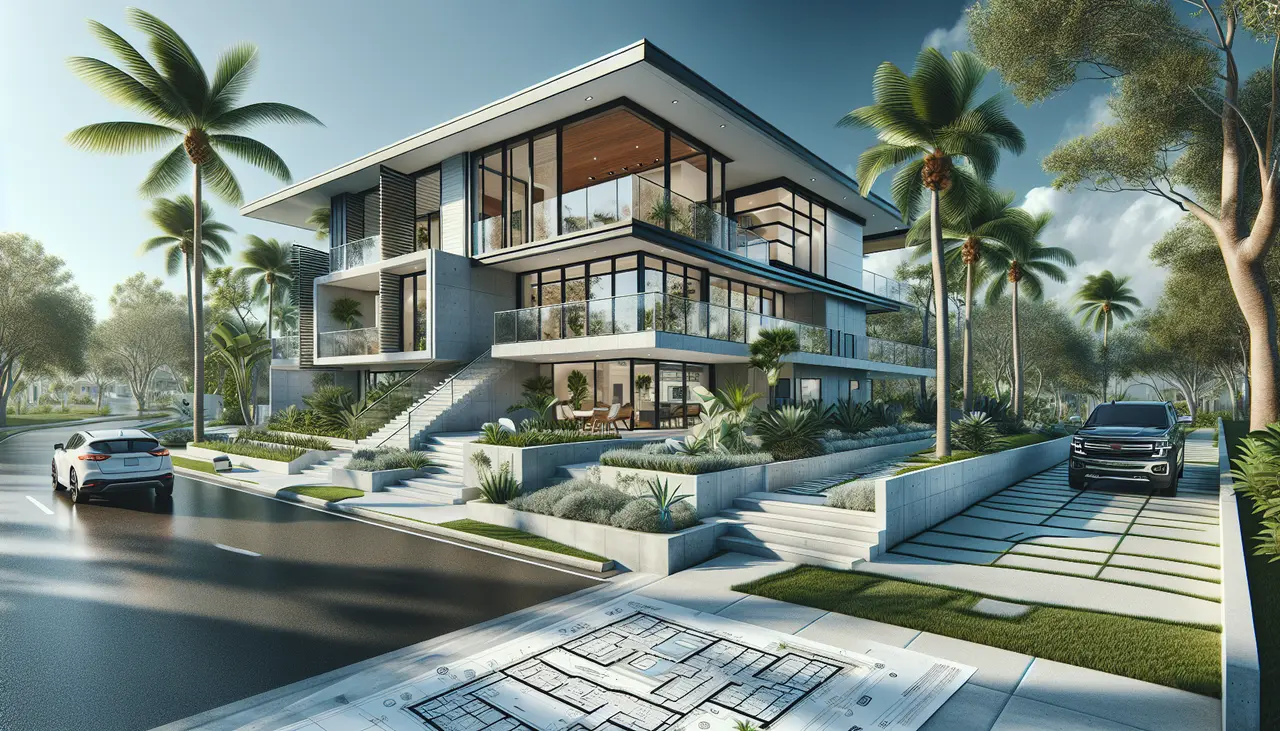
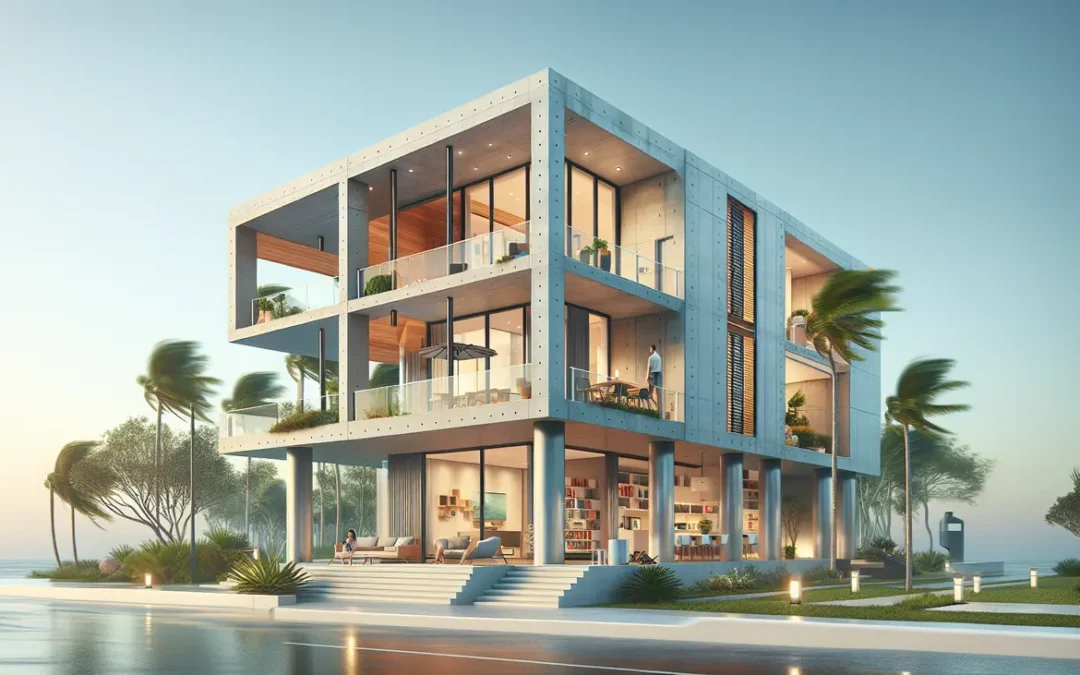
Building hurricane-proof homes involves employing design techniques and utilizing materials that can withstand the destructive forces of hurricanes. These homes are engineered to resist strong winds, heavy rainfall, and flying debris, reducing the risk of damage and increasing the safety of the occupants.

Site Selection and Building Codes

The first step in creating a hurricane-proof home is selecting an appropriate site. Consider the topography, elevation, and proximity to the coast. Avoid areas prone to storm surge and flooding.

Additionally, familiarize yourself with the local building codes and regulations regarding hurricane-resistant construction. These codes outline the minimum requirements and standards for building in hurricane-prone areas.


Foundation and Structural Design

The foundation is the backbone of any structure and plays a crucial role in making a home hurricane-proof. Here are some key considerations for the foundation and structural design:


Proper Site Preparation

Before construction, ensure the site is properly prepared. Clear away vegetation, level the ground, and remove any potential debris that could become projectiles during a hurricane.


Reinforced Concrete Foundation

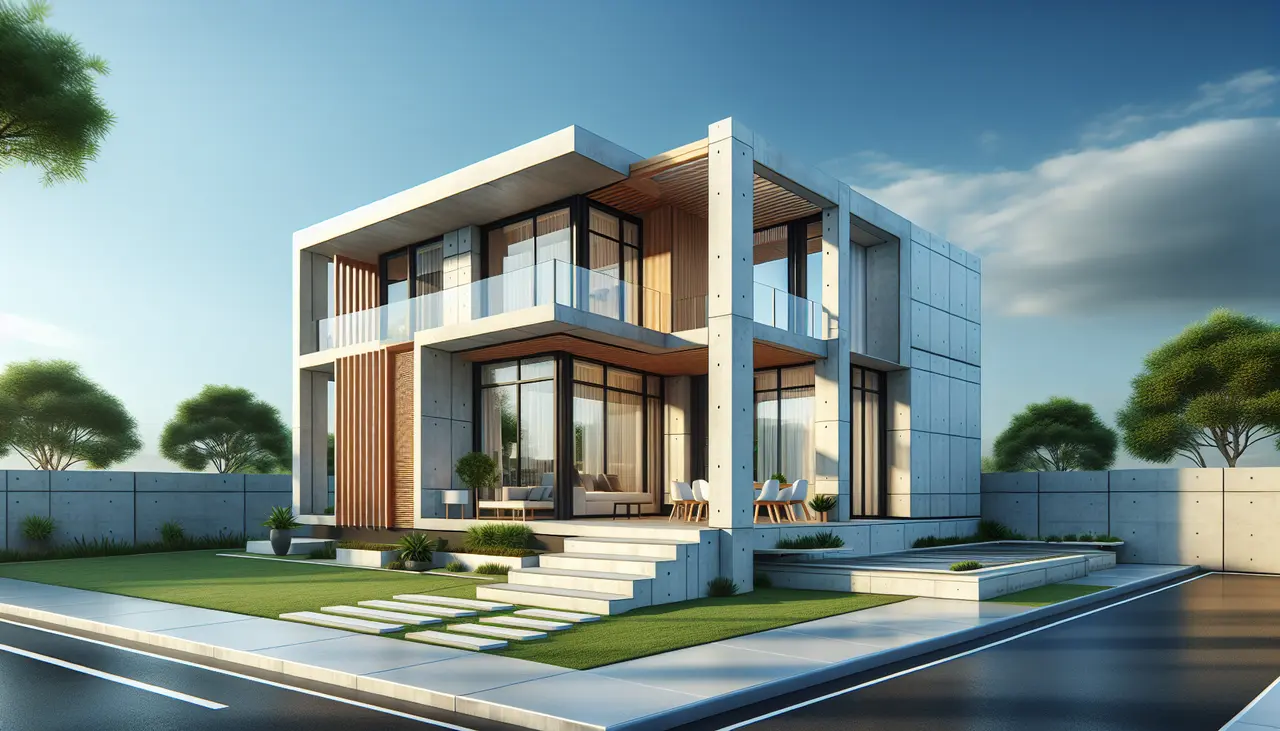
A reinforced concrete foundation is essential for providing strength and stability to the structure. The foundation should be designed to resist both vertical and lateral forces caused by strong winds and storm surge.


Structural Framing

Use advanced framing techniques and structural elements designed to withstand high wind pressures. Consider using hurricane straps or clips to secure the roof structure to the walls and the walls to the foundation.


Clean Landscaping

Ensure the site doesn’t have coconut trees and dead branches. Use heavy exterior furniture that is difficult to move so you don’t have to pull it in for every storm. Don’t leave out any potential debris that could become projectiles during a hurricane.


Reinforced Concrete Foundation

A reinforced concrete foundation is essential for providing strength and stability to the structure. The foundation should be designed to resist both vertical and lateral forces caused by strong winds and storm surge.


Structural Framing

Use advanced framing techniques and structural elements designed to withstand high wind pressures. Consider using hurricane straps or clips to secure the roof structure to the walls and the walls to the foundation.


Exterior Wall Systems

The exterior walls of a hurricane-proof home should be able to withstand the impact of flying debris and resist the pressure of strong winds. Consider the following factors:

  • Shape and Frame: The architectural shape and structural frame of the building should minimize wind resistance and maximize structural integrity.
  • Insulated Concrete Forms (ICFs): ICF walls consist of solid concrete walls reinforced with steel, providing excellent insulation and resistance to hurricane winds.
  • Impact-resistant Glass and Shutters: Install impact-resistant glass and shutters to prevent debris from penetrating the building. Impact-resistant glass is designed to resist shattering, while shutters provide an additional layer of protection.
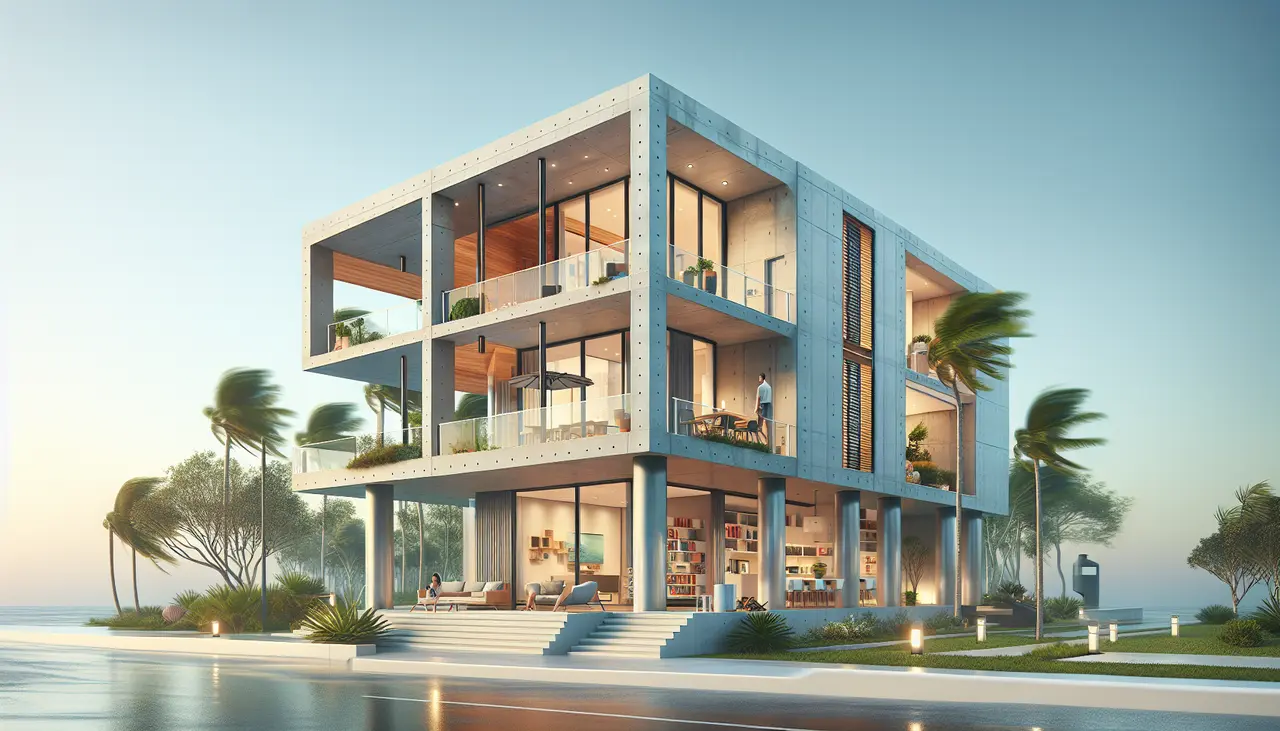
  • A reinforced Concrete Foundation and Building that can withstand 250 mph is an ideal to shoot for and won’t be going anywhere.  Alternatively your architect may suggest a building system with metal studs and spray concrete that are strong enough to achieve this as well. Spray rock building systems can withstand 250mph https://sprayrock.com/ https://sprayrock.com/compare/


Roofing Systems

A durable roofing system is essential for a hurricane-proof home. Consider the following factors:

  • Metal Roofing: Metal roofs are highly recommended for their strength and ability to withstand high winds and impact from debris. They are less likely to be torn off or damaged during a hurricane, providing better protection for the entire structure.
  • Sloping Metal Roofs: Incorporate sloping metal roofs to reduce wind resistance and prevent uplift during hurricanes.
  • Hurricane Straps or Clips: Use hurricane straps or clips to secure the roof structure to the walls, enhancing the overall structural integrity.


Doors, Windows and Shutters

Doors and windows are vulnerable areas during a hurricane. Here are some measures to enhance their resistance:

  • Impact-resistant Windows: Install impact-resistant windows made from reinforced glass or with a protective film to minimize the risk of breakage during high winds or flying debris.
  • Storm-rated Garage Doors: Use storm-rated garage doors specifically designed and reinforced to withstand high wind pressures and prevent damage to the garage and the rest of the house.
  • In industrial looking buildings you can add metal shutters that can be pulled over the windows before a storm.


Interior Design and Safe Rooms

To ensure the safety of occupants during a hurricane, consider the following:

  • Secure Loose Items: move outdoor furniture and items indoors to prevent them from becoming dangerous projectiles in high winds.
  • Safe Rooms: Designate a safe room within the house, reinforced to withstand hurricane forces. It should have reinforced walls, doors, and windows.
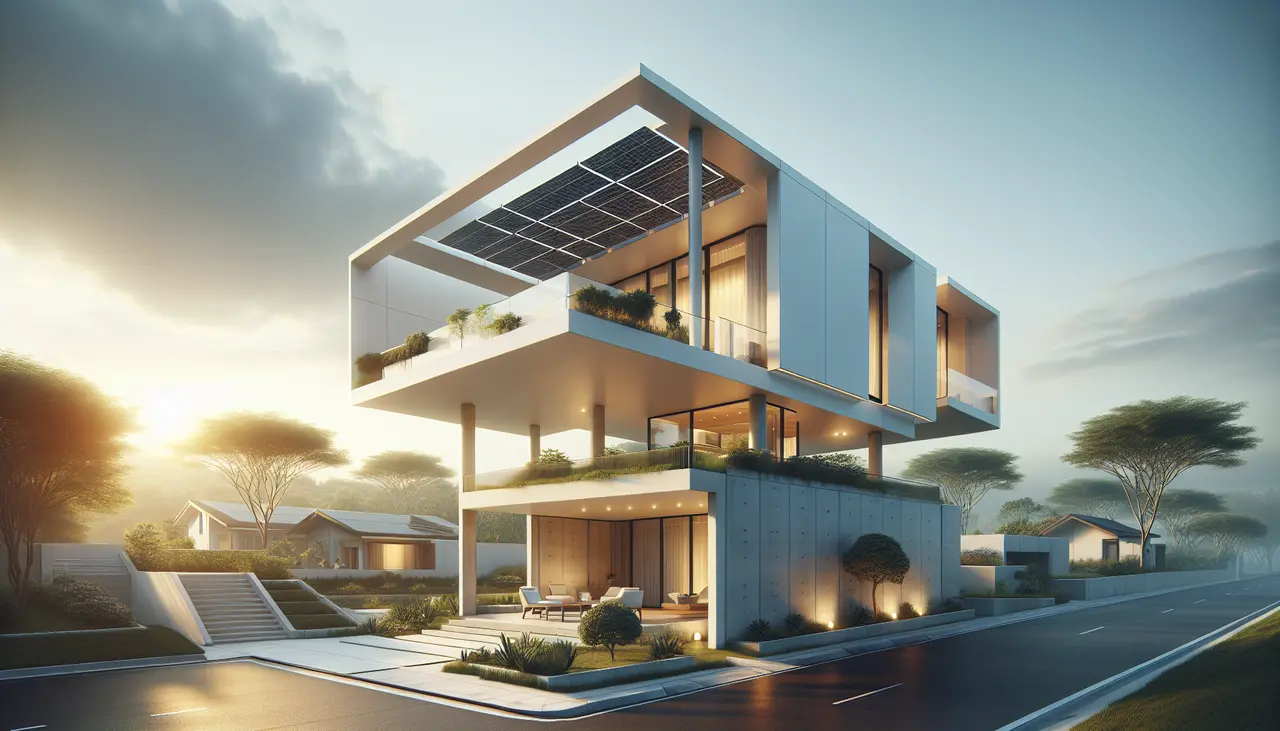
  • If your home is within storm surge risk make the home higher with stilts or on built up soil if you don’t only use cheaper disposable furnishings on the lower at risk floor. Use subzero fridges that have all the electronics on the top, that way if storm surge happens the fridge will still work. Ensure ac condenser units are installed above flood levels.


Creating hurricane-proof homes requires careful consideration of various factors, including site selection, building codes, foundation and structural design, exterior wall systems, roofing systems, doors and windows, and interior design. By following these guidelines and utilizing appropriate techniques and materials, homeowners can minimize damage and ensure the safety and resilience of their homes in hurricane-prone areas. Stay safe!

2 Hour Interior Design Virtual or In Person Consultation

SOMETHING FOR EVERYONE

THE PIECES RACHEL RETURNS TOAGAIN AND AGAIN

Multigenerational Home: How 3 generations can thrive together

Multigenerational Home: How 3 generations can thrive together

“A home is not simply a structure. It’s a living organism—capable of holding memory, rhythm, and generations of care.”

There’s a quiet renaissance happening behind suburban fences and urban brownstones alike. It’s not driven by trend or necessity alone, but by something older and deeper: a return to the long-view of family. The multigenerational home—once common, then rare—is making a graceful comeback.

Three generations under one roof doesn’t mean compromise. It means opportunity. For financial resilience. For cross-generational growth. For building a life where wisdom, wonder, and caretaking are no longer isolated but interwoven. But for this to thrive, design must rise to meet the complexity of modern family life—with grace, foresight, and flexibility.

Rethinking the Family Structure

The nuclear family ideal dominated much of 20th-century design. Yet as families realize the cost of housing increases for the younger generations, read the longevity studies, have a need for shared caregiving responsibilities or just a realization that they have greater potential to thrive together- the idea of multigenerational living has gained popularity. According to Pew Research, 1 in 5 Americans now live in multigenerational households—a figure that has quadrupled since 1971.

Behind this shift are the rising housing costs, longer lifespans, and shifting cultural values. But at the heart of it is a deeper wisdom of living helping each other. Grandparents who once lived hours away are now down the hall. Children can grow up with more help around the house and adults guiding them. Aging is no longer synonymous with isolation.

When designed with intention, these homes don’t just work logistically—they can become emotionally sustainable ecosystems.

The Emotional and Financial Upside

Built-In Support System

Children benefit from the presence of grandparents not just emotionally, but developmentally. Studies show increased empathy, academic performance, and resilience in children who grow up with daily intergenerational contact.
Likewise, elders living with family report longer life spans and improved mental health.

Financial Resilience

Shared living distributes costs: mortgages, utilities, and childcare become collective efforts. In many households, this allows younger adults to save for their own homes while older adults maintain independence longer.

Cultural Continuity

Multigenerational homes are fertile ground for passing down traditions—whether through language, recipes, or family rituals. This cultural continuity can be designed into the home through shared cooking spaces, storytelling nooks, or even altars that reflect heritage.

Design Principles for Multigenerational Living

Privacy Is Not a Luxury—It’s a Non-Negotiable
Start by zoning the home like a boutique hotel. Each generation should have a “suite” or wing—a space to retreat and recharge. Sound insulation, separate entrances, or even ADU (Accessory Dwelling Unit) conversions can turn crowding into comfort.

Create Shared Ritual Spaces
Design spaces that invite connection: a generous dining table, a cozy hearth, a sunlit porch. These areas become neutral ground, places for spontaneous connection that reinforce family rhythm.

Universal Design for All Ages, Accessibility and Aging in Place
Design with tomorrow in mind. Single-level living, no-step entries, grab-bar reinforcement behind tile, and wider doorways ensure that no one will have to move out to age with dignity. Ideally place plates/bowls glasses within range of children and wheelchairs.

Flexible Furniture and Functions if a Small Space and Reinforced Sound Barriers
Built-ins with dual uses, Murphy beds, and sliding doors create adaptable spaces if dealing with a small space. A playroom can become a study, a guest room an elder’s suite. Use the wall insulation, hallway rugs and seals around the doors to prevent sound transmition.

Common Challenges—and How to Design Around Them

1. Lack of Privacy
Solution: Separate bathrooms. Pocket doors. Zoned HVAC systems. Even thoughtful lighting cues—dimmer switches or directional sconces—can subtly mark territory.

2. Lifestyle Conflicts
Solution: Establish ‘quiet hours,’ shared calendars, and a set of ‘house rhythms.’ If possible, provide each generation with a kitchenette or coffee bar—so early risers and night owls can peacefully coexist.

3. Decision-Making Fatigue
Solution: Before move-in, co-create a family values document—covering everything from household chores to boundaries. Design choices should flow from these agreements, not vice versa.

Real Homes, Real Stories

The Greenfield Farmhouse | Columbia, Missouri

When the Greenfields converted their aging barn into a light-filled living space, it allowed Grandma June to live independently—yet within arm’s reach of her grandkids. With its own entry and kitchenette, the space strikes a balance between togetherness and autonomy.

The Yamada Compound | Los Angeles, CA

Three generations, two languages, and one smart layout. The Yamadas opted for a courtyard-style floor plan. Each family unit faces a central garden, where they gather nightly. “It feels like we live in different houses that happen to share a soul,” says Aiko, the family’s matriarch.

The Rivera Bungalow | Sarasota, FL

A Spanish-style home reimagined with universal design principles. Wide hallways, low thresholds, and warm natural materials make aging invisible—but beautifully accommodated. The family eats together in a breezy open-concept kitchen, while the guest casita functions as both an art studio and future caregiver suite.

The Takeaway

Designing for multigenerational living isn’t about fitting more people into a space. It’s about expanding the meaning of home. When done well, the result is not a crowded house—but a layered one. One that holds memory, momentum, and mutual respect.

If we approach this with the right mindset and the right materials, we don’t just make room for our families—we make room for a richer kind of life.

Considering a multigenerational home—or renovating one to better serve your family’s needs? Explore our 2-Hour Design Consultation or browse the RachelBlindauer.com blog for more design-forward strategies on how to live well—together.

2 Hour Interior Design Virtual or In Person Consultation

SOMETHING FOR EVERYONE

THE PIECES RACHEL RETURNS TOAGAIN AND AGAIN
My Sarasota Neighborhood: Long Boat Key Interior Designer

My Sarasota Neighborhood: Long Boat Key Interior Designer

Nestled on the breathtaking Gulf coast, Long Boat Key offers a slice of paradise with its serene beaches, luxurious lifestyle, and enchanting sunsets. This charming Sarasota neighborhood is a haven for those seeking tranquility amidst Florida’s natural beauty.

Photo from St Regis Long Boat Key

Long Boat Key

Long Boat Key, a barrier island stretching between the Gulf of Mexico and Sarasota Bay, is more than just a destination—it’s a lifestyle. Here, the pulse of Sarasota’s rich cultural tapestry beats in harmony with the serene rhythms of coastal living. Historical charm blends with modern elegance, making it a sought-after locale for both residents and visitors alike. The community’s history, deeply rooted in the art of leisure and luxury, paints a vivid tableau of the area’s evolution from a secluded island to a premier destination.

The architectural landscape of Long Boat Key, characterized by its stunning waterfront homes and meticulously planned neighborhoods, serves as a canvas for interior designers in Sarasota, FL. Their influence is evident in the harmonious balance between structure and serenity, crafting spaces that reflect both the island’s natural beauty and the refined tastes of its inhabitants.

The Best Beaches in Long Boat Key for Sun Seekers

Imagine your feet sinking into soft, warm sand as the sun kisses the horizon – this is the daily reality at Long Boat Key’s beaches. Each shoreline offers its own unique charm, from the secluded stretches of Beer Can Island to the gentle waves at Coquina Beach. Here, sun seekers and solitude lovers alike find their slice of paradise, basking in Florida’s year-round sunshine amid a backdrop of dazzling blue waters.

Local Eateries: Where to Dine in Long Boat Key

Long Boat Key’s dining scene is as diverse as its landscape, offering palatable adventures from cozy beachside cafes to luxurious waterfront dining experiences. Mar Vista Dockside Restaurant & Pub encapsulates the island’s laid-back charm, serving fresh seafood with a side of history, while Euphemia Haye offers an upscale dining experience, enchanting guests with its eclectic menu and romantic ambiance.

For those with a penchant for the culinary arts, a visit to Harry’s Continental Kitchens is a must. This establishment not only delights the palate with inventive dishes but also offers a glimpse into the local flavor that makes Long Boat Key a hidden culinary gem.

Why Interior Designers Love Long Boat Key

Interior designers in Sarasota, FL, are drawn to Long Boat Key for its unique blend of natural beauty and architectural elegance. The island’s homes, with their panoramic vistas and open-plan living spaces, serve as a canvas for designers to infuse elements of the coastal setting into their work, creating serene, inviting spaces that blur the lines between indoor and outdoor living.

Outdoor Activities: Exploring the Natural Beauty of Long Boat Key

Beyond its sandy shores, Long Boat Key is a treasure trove of outdoor activities that showcase the natural beauty of the Gulf Coast. Kayaking through the mangrove tunnels of Quick Point Nature Preserve offers a serene escape into the island’s lush landscapes, while a day spent on the emerald greens of the Longboat Key Club promises both challenge and charm for golf enthusiasts.

Cyclists and walkers will find their haven on the island’s extensive trails, offering breathtaking views and a peaceful retreat into nature. Whether it’s exploring the rich biodiversity of the Durante Park or simply enjoying a sunset stroll along the beach, Long Boat Key provides an unmatched backdrop for outdoor adventure.

Long Boat Key’s Best Kept Secrets

Tucked away from the usual tourist trails, Long Boat Key is home to hidden gems waiting to be discovered. Joan M. Durante Community Park, a pristine example of restoration and conservation, offers a quiet oasis of native Florida flora and fauna. Here, one can easily spend hours meandering through the trails, immersed in the tranquility of nature.

Another well-kept secret is the vibrant local arts scene. The Longboat Key Center for the Arts, a division of Ringling College of Art and Design, hosts a variety of exhibitions, workshops, and events that celebrate local and national artists, reflecting the island’s rich cultural heritage and its community’s appreciation for the arts.

2 Hour Interior Design Virtual or In Person Consultation

SOMETHING FOR EVERYONE

THE PIECES RACHEL RETURNS TOAGAIN AND AGAIN

Mastering Texture in Interior Design

Mastering Texture in Interior Design

The Art of Creating Spaces That Speak

Walk into a well-designed room, and you feel it before you even see it — the subtle layering of surfaces, the invitation to reach out and touch, the sense that the space is alive.
This is the unseen language of texture, and in interior design, it’s nothing short of transformative.

Color sets the mood. Furniture defines function.
But it’s texture that tells the story.

The Quiet Power of Texture

Texture is the element that brings depth, dimension, and soul to a room.
Without it, even the most beautifully styled interiors can fall flat — polished but curiously hollow.

Consider the quiet tension between smooth marble and nubby linen, the comfort of a velvet armchair against the rough honesty of reclaimed wood.
This interplay of contrasts doesn’t just please the eye — it engages the senses, creating an emotional connection to the space.

Great designers understand that texture is not merely a visual tool; it’s an experiential one.
It transforms rooms into environments, and houses into homes.

Curating Texture Room by Room

Each room carries its own emotional rhythm — and the textures you choose should honor that.

In bedrooms, soft, enveloping materials like silk, cashmere, and plush carpeting create an atmosphere of rest and retreat.
Think layered bedding, velvet headboards, and the comforting heft of a woven throw at the foot of the bed.

By contrast, kitchens and bathrooms thrive with clean, durable surfaces: honed stone countertops, ceramic tiles, brushed metals.
Here, texture balances beauty with the daily demands of living.

Living rooms, the gathering spaces of our homes, call for a curated symphony of both.
A tactile mix — supple leather, coarse knits, cool glass, natural wood — invites touch, conversation, and lingering.

The Art of Balancing Texture

True mastery lies not in simply adding textures, but in orchestrating them.

Start by establishing a base texture that grounds the room — perhaps the rich grain of oak flooring or the soft neutrality of a wool rug.
From there, introduce contrasts: a smooth ceramic lamp on a textured console, a linen sofa crowned with velvet cushions.

But remember — balance is delicate.
An overload of rugged materials can make a room feel hard-edged and restless.
Too many soft elements, and it risks becoming saccharine or shapeless.

Natural materials — wood, stone, cotton, greenery — offer a timeless antidote, bridging disparate textures with organic ease.

“Texture isn’t about chaos or excess,” says designer Rachel Blindauer.
“It’s about intentional variety. It’s about creating emotional depth that you can feel the moment you walk in.”

Texture Is Not a Detail — It’s a Foundation

The best-designed homes aren’t perfect — they’re alive.
Their walls carry the patina of real life. Their surfaces invite interaction. Their rooms breathe and evolve with the people who inhabit them.

Texture is what makes this possible.
It’s what transforms spaces from merely seen to truly felt.

Whether it’s the warmth of weathered wood under your fingertips, the crisp coolness of linen brushing your skin, or the unexpected delight of a hand-woven basket catching your eye — texture brings rooms into vivid, vibrant being.

In the end, mastering texture isn’t about following rules.
It’s about understanding how the surfaces around us shape the way we live — and using that knowledge to craft homes that are as richly layered as life itself.

2 Hour Interior Design Virtual or In Person Consultation

SOMETHING FOR EVERYONE

THE PIECES RACHEL RETURNS TOAGAIN AND AGAIN