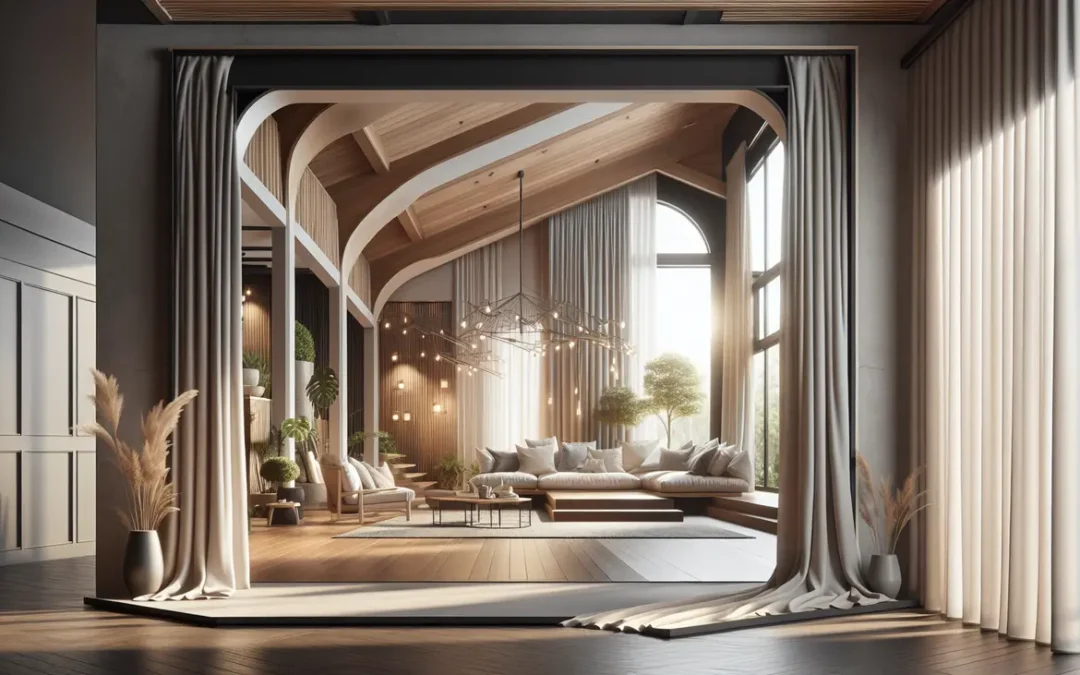
The Heart of the Home: Interior Design St Louis Edition

The Heart of the Home: Interior Design St Louis Edition

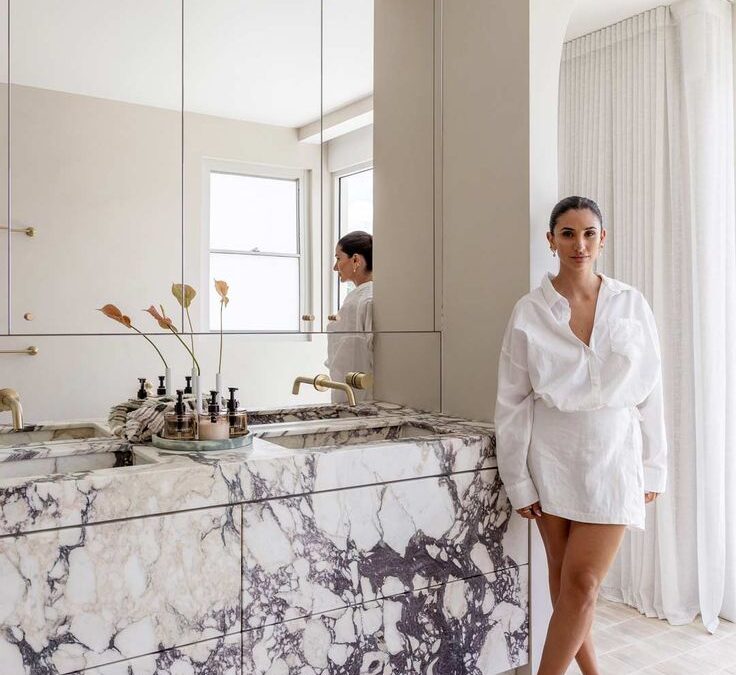
Your home is more than just a place to live; it’s a reflection of your personality, lifestyle, and aspirations. At Rachel Blindauer, we believe in creating spaces that are not only aesthetically stunning but also deeply personal and functional. As an expert in interior design in St. Louis, we are here to help homeowners transform their spaces into something truly extraordinary.
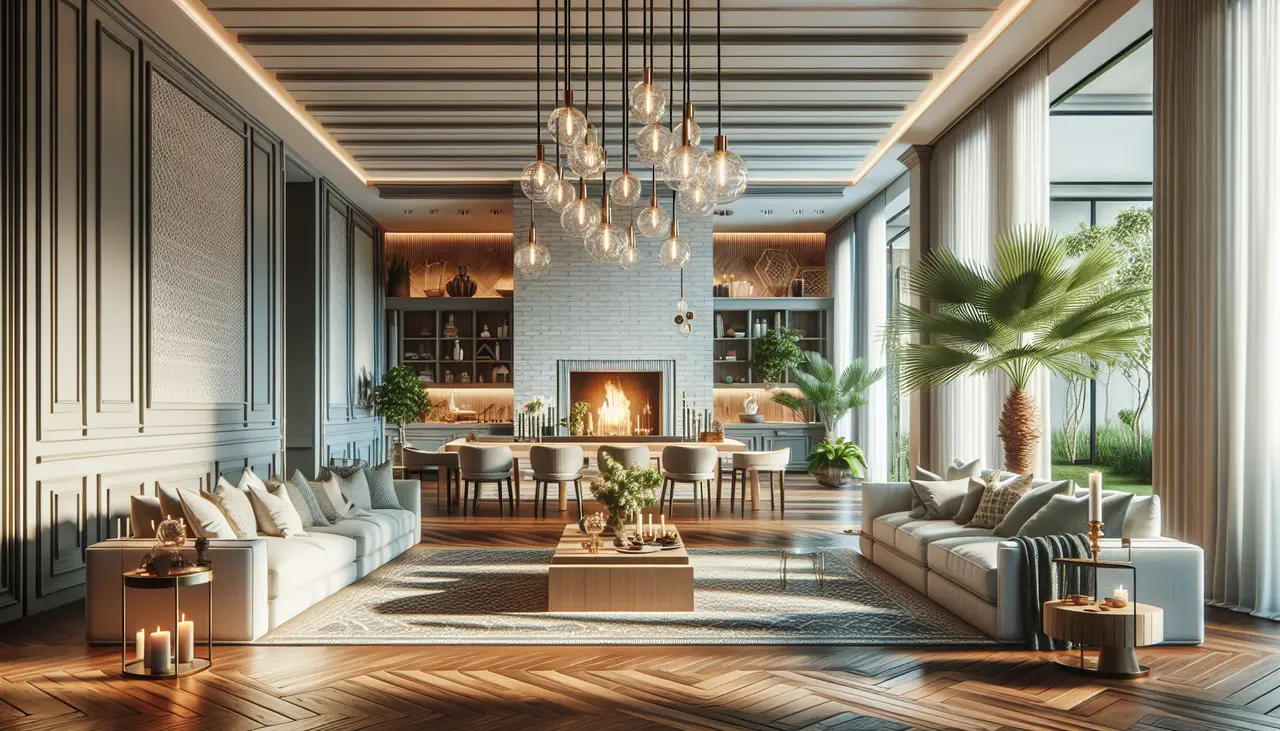
The Art of Interior Design in St. Louis

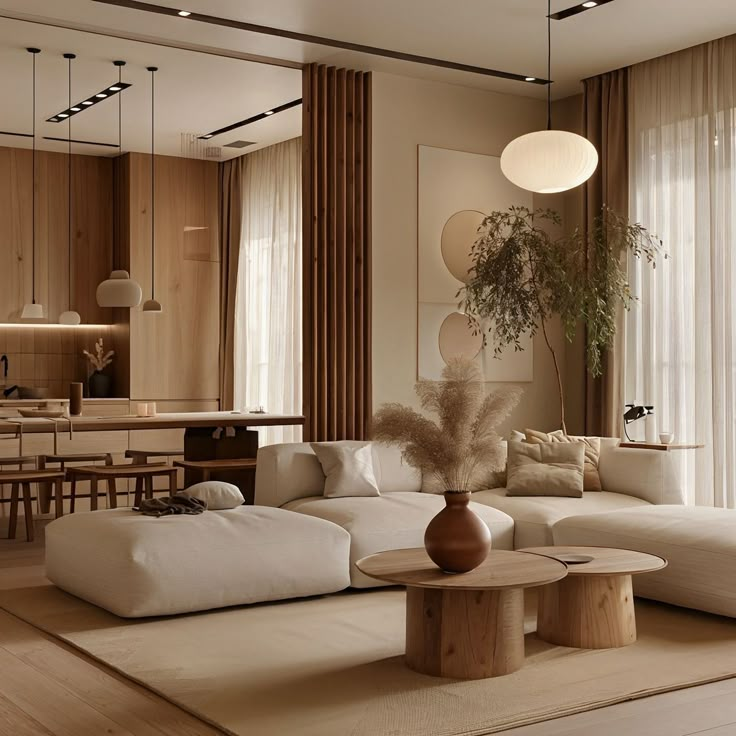
As a born and raised STL suburban that has worked all over the USA and internationally, I am happy and proud to be back to bring the chic back to this beautiful area. St. Louis is a city rich in history, culture, and architectural beauty. From charming historic homes in Lafayette Square to modern lofts in the Central West End, each space offers a unique opportunity for design innovation. Whether you’re looking for a timeless and elegant look or a fresh and contemporary aesthetic, our expertise as one of the top interior design companies in STL ensures that your home reflects both your style and the spirit of the city.
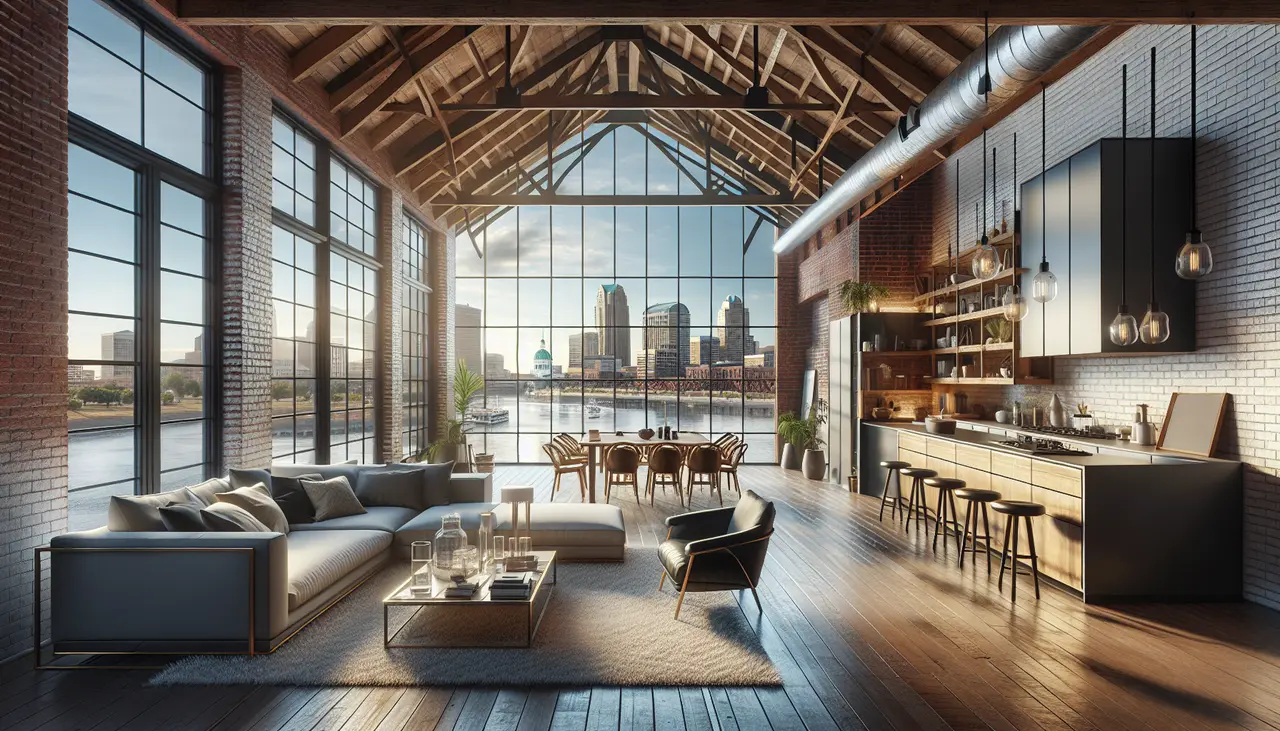
Understanding Your Space: The Foundation of Great Design

Every home has its own story, and great interior design starts with understanding that story. As premier interior designers in St. Louis, MO, we take a holistic approach, considering factors like natural light, spatial flow, and architectural elements to craft a design that enhances your daily living experience. Our goal is to create interiors that are not only beautiful but also practical and harmonious.
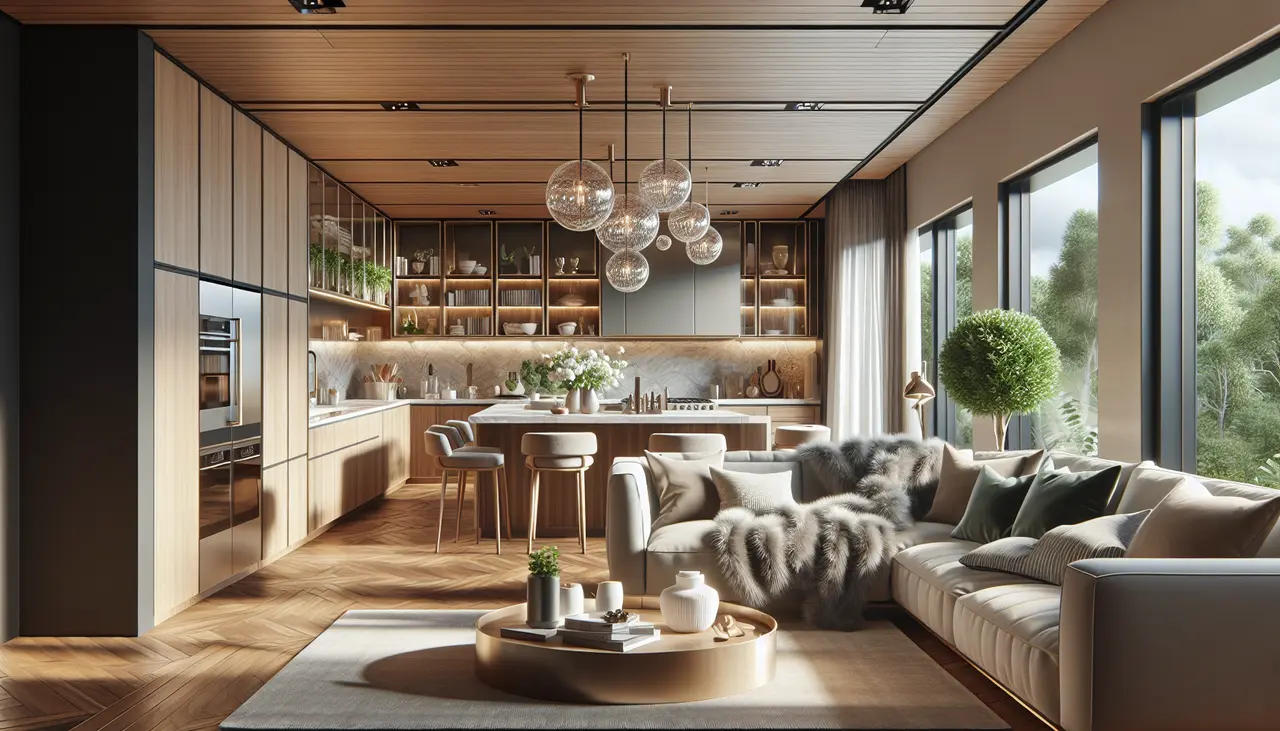
The Role of Functionality in Luxury Interiors

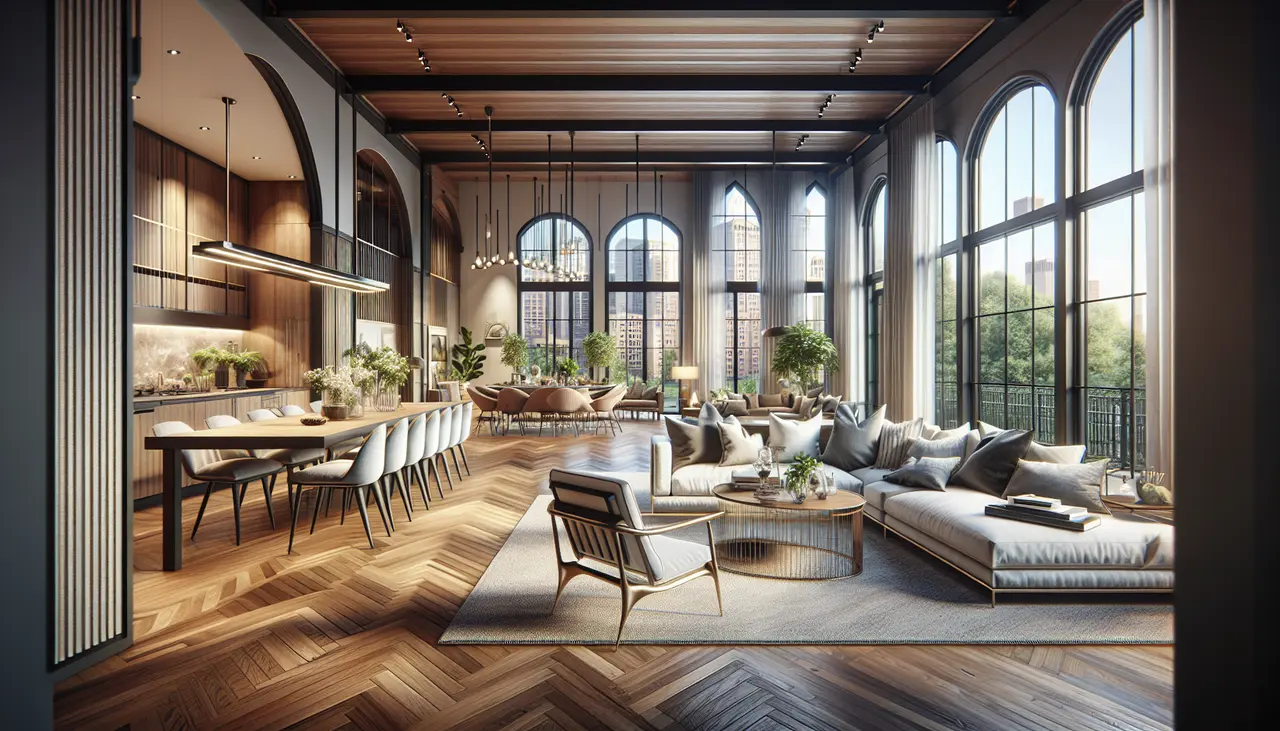
High-end design isn’t just about aesthetics; it’s about intelligent functionality. Whether redesigning a kitchen to maximize efficiency, curating a cozy yet sophisticated living room, or crafting a spa-like bathroom retreat, every detail matters. As leading St. Louis interior designers, we ensure that every design decision contributes to both the beauty and usability of your home.
Personalization: Making a House a Home

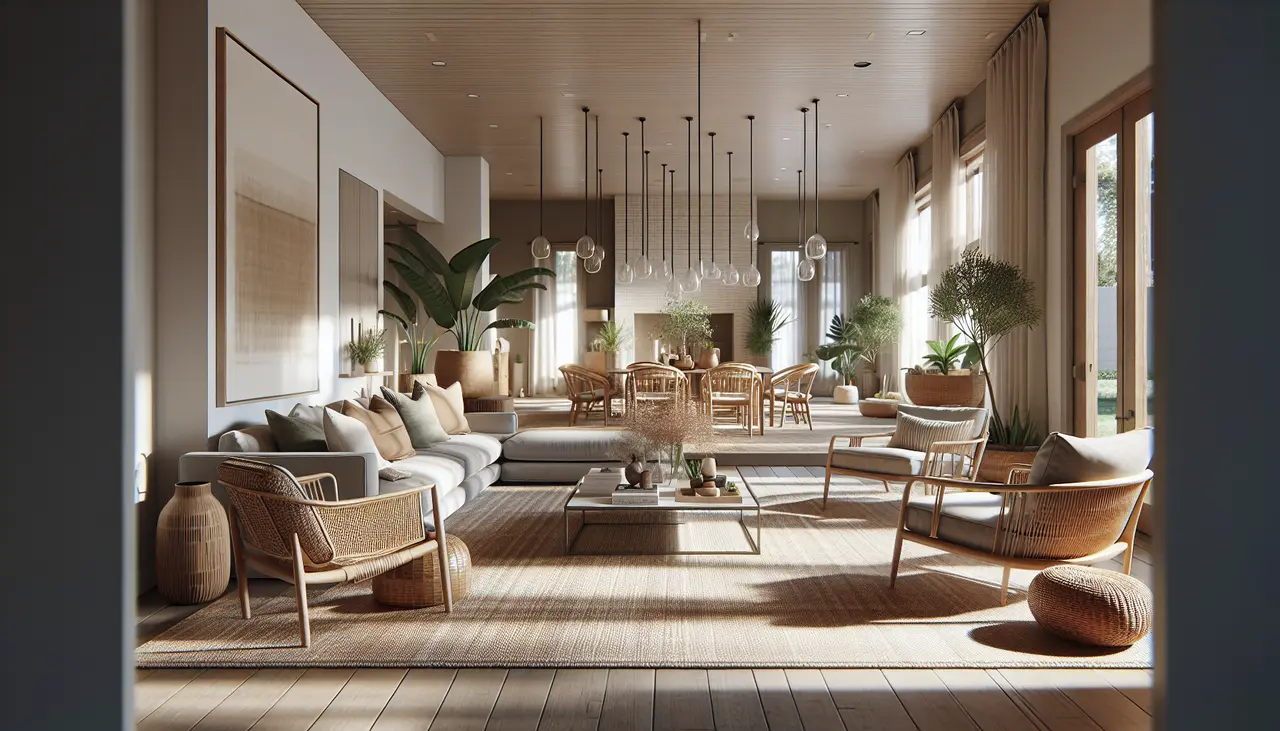
No two clients are the same, and no two designs should be either. That’s why we prioritize personalization in every project. From custom-built furniture to unique color palettes and material selections, we ensure that each element speaks to your individual tastes and needs. As a sought-after interior decorator in St. Louis, MO, Rachel Blindauer specializes in bringing a client’s vision to life with an artistic and strategic approach.
Why Work With a Professional Interior Designer?

While the thought of DIY design “appears” fun, nothing wastes more money then that… in comparison to the expertise and refined eye of a professional that knows all of the mistakes you would make before you make them (like buying an uncomfortable couch that you don’t want to sit on, buying something that won’t fit in the door or buying cheap looking things that aren’t even cleanable). Here’s why working with an experienced interior designer in STL can elevate your space:

  • Expertise in Spatial Planning: Avoid costly mistakes and ensure optimal use of space.
  • Access to Exclusive Resources: From high-end furnishings, art to rare textiles, professionals have access to resources not available to the general public and often better pricing.
  • A Cohesive Vision: A designer ensures that every element in a house and room works together harmoniously (and not just filled with a hodge podge).
  • Stress-Free Process: With a professional guiding you, the design process becomes enjoyable rather than overwhelming.
Elevate Your Home with Rachel Blindauer

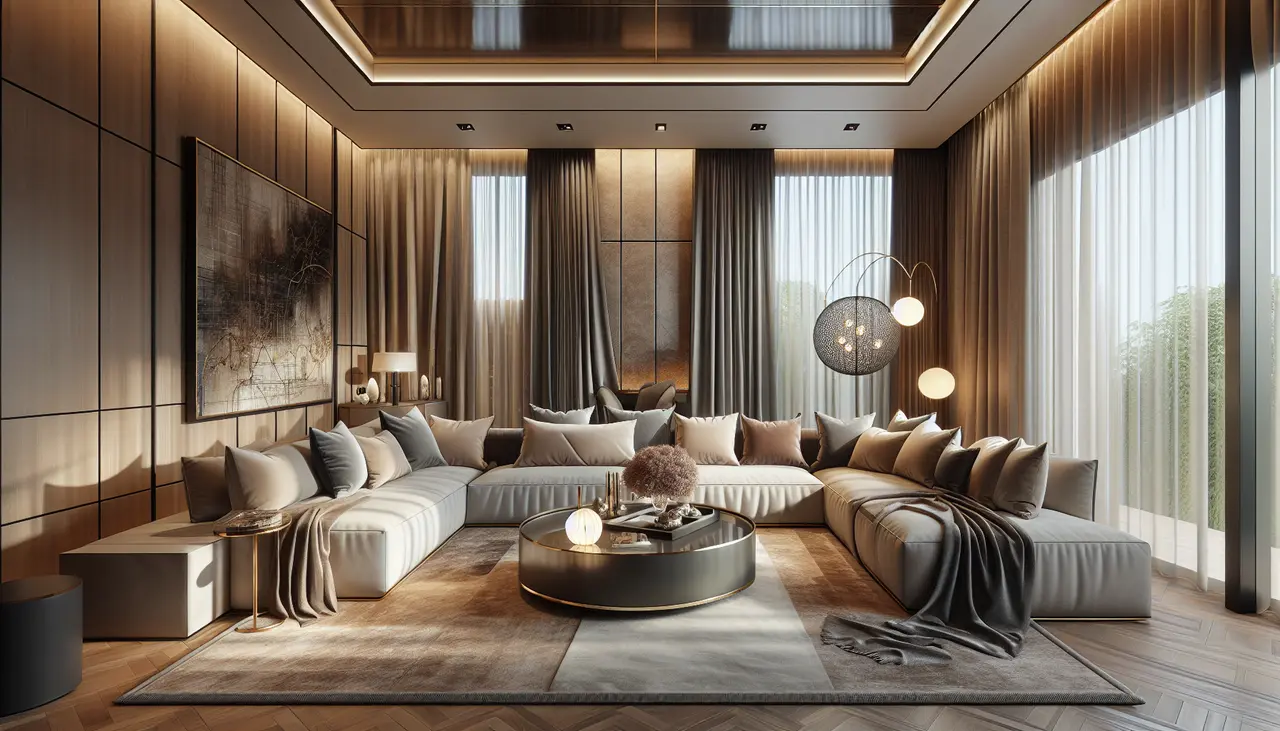
If you’re ready to transform your home into a masterpiece of comfort and style, Rachel Blindauer is here to help. As one of the top St. Louis interior decorators, we take pride in designing spaces that inspire, rejuvenate, and reflect the people who live in them.

Whether you’re considering a full home redesign or just want to refresh a single space, we’d love to hear from you. Contact us today to schedule a consultation and let’s create something truly spectacular together.

By incorporating expert insights and a deep understanding of interior design in St. Louis, this blog serves as a valuable resource while also driving potential clients to Rachel Blindauer’s services. Let’s create a space that’s not just beautiful—but truly yours.
2 Hour Interior Design Virtual or In Person Consultation

Something for Everyone

THE PIECES RACHEL RETURNS TOAGAIN AND AGAIN
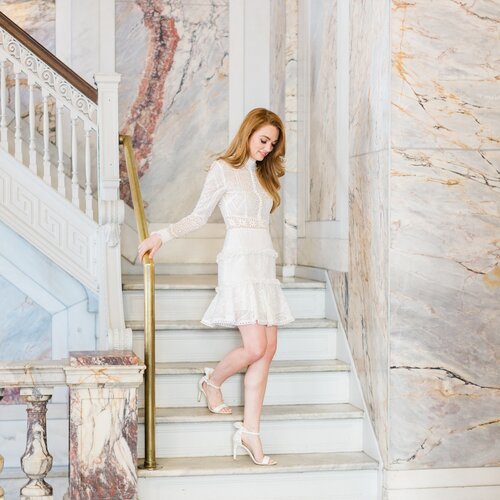
Exploring Trends with Top International Interior Design Firms

Exploring Trends with Top International Interior Design Firms

In the ever-evolving world of interior design, staying abreast of current trends is crucial for both professionals and enthusiasts. This blog explores the cutting-edge styles and concepts being pioneered by leading international interior design firms. We’ll delve into the latest design ideas, innovative approaches, and the influence of global perspectives on contemporary interiors.

The Rise of Sustainable Design

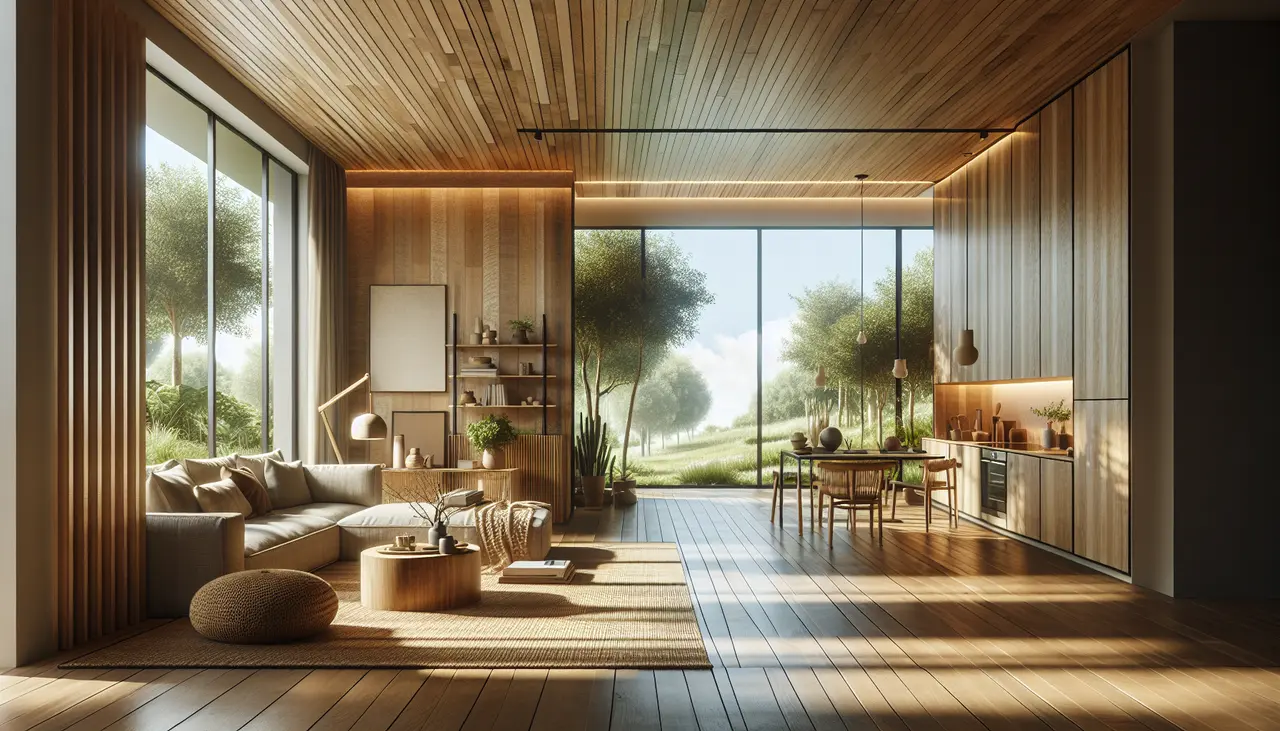
Sustainability has become a critical consideration in modern interior design. Top international firms are increasingly focusing on eco-friendly materials, energy-efficient technologies, and sustainable practices to create not only beautiful but also environmentally responsible spaces. This shift towards green design is not merely a trend but a necessary evolution in response to global environmental challenges. Interior design leaders are harnessing innovative methods such as recycled and natural materials, promoting energy conservation, and fostering improved indoor air quality, all while maintaining aesthetic appeal. For instance, incorporating natural elements into interiors not only aids in reducing the carbon footprint but also enhances the well-being of the occupants.

Eco-friendly practices in interior design now go beyond just choosing sustainable materials. Firms are committed to holistic approaches that consider the entire lifecycle of a product, from its manufacturing to its eventual disposal. This perspective is pivotal for ensuring that designs contribute positively to both the environment and society. According to the latest industry standards, the inclusion of energy-efficient systems and smart lighting solutions—such as those that automatically adjust based on the time of day—is becoming increasingly common. Additionally, the restoration and repurposing of old furnishings offer sustainable alternatives to replacing them altogether, breathing new life into existing materials.

Incorporating Technology into Interiors

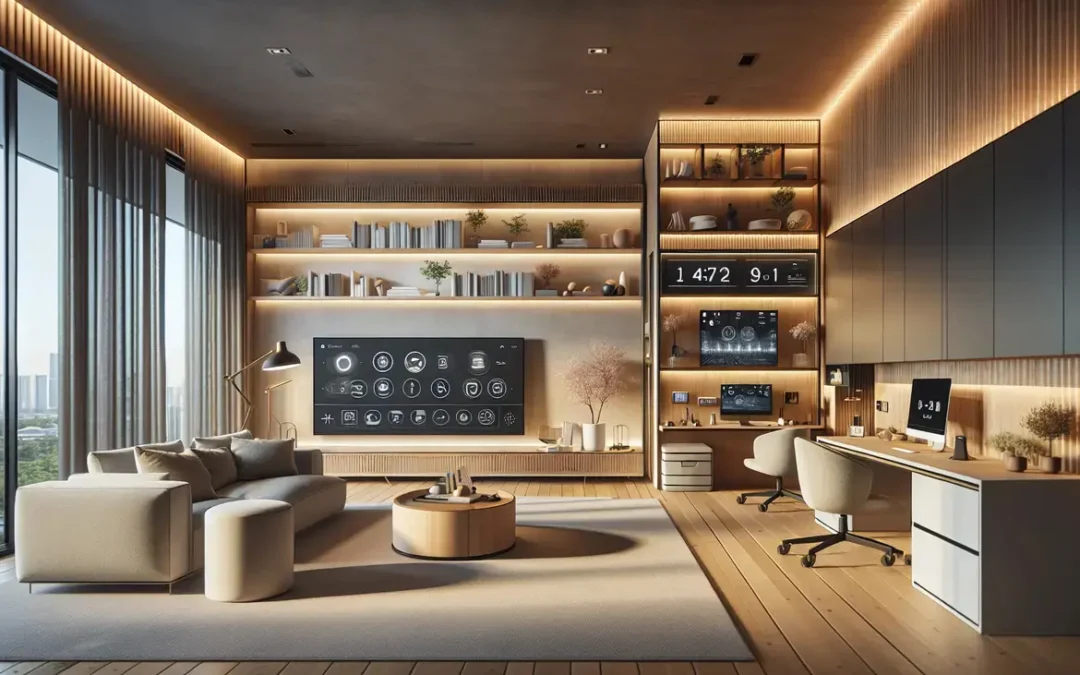
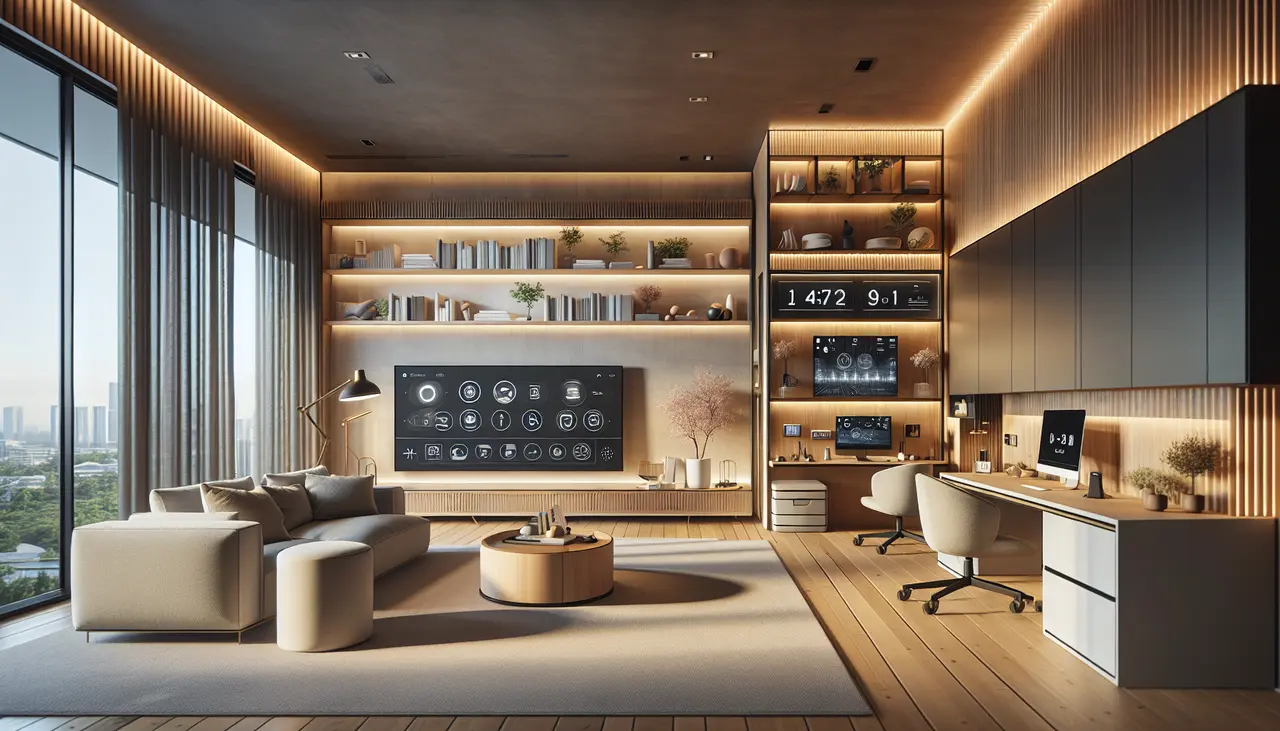
Technology is reshaping how we interact with our living spaces. From smart home systems to virtual reality, leading design firms are integrating advanced tech solutions to enhance functionality, convenience, and personalization in interiors. The integration of smart technology allows for seamless control over lighting, temperature, and security, providing homeowners with both comfort and efficiency. In commercial spaces, technology fosters collaboration and innovation, with interactive rooms and virtual meeting setups. Designers are using tools like augmented reality to visualize projects before executions, streamlining the design process and bringing ideas to life in a virtual environment. This approach not only aids in precise planning but also ensures that every aspect aligns with client visions and requirements.

The role of technology in interior design is also paving the way for enhanced customization, tailoring environments to individual preferences with a level of precision previously unseen. AI-driven systems analyze usage patterns to suggest layout optimizations, while digital interfaces allow for real-time adjustments in decor. As observed, the fusion of technology with interior design is a testament to how ancient concepts of space and functionality can be revolutionized through modern techniques, creating spaces that are not only visually appealing but also smart and intuitive. This cutting-edge amalgamation ensures that interiors remain relevant in a fast-paced, technologically advancing world.

The Influence of Global Cultures

Globalization has made it easier for designers to draw inspiration from various cultures worldwide. This exchange of ideas has resulted in unique and innovative designs that celebrate diversity, reflecting a blend of traditional and contemporary styles. The infusion of cultural motifs within modern interiors creates spaces that are rich in texture and story. Designers meticulously weave elements like intricate patterns, artisan crafts, and ethnic decorations into their creations, resulting in aesthetically profound spaces. The use of textiles, artworks, and colors that symbolize different cultures not only ensures a rich visual experience but also nurtures a multicultural appreciation in an otherwise homogenized world.

The influence of global cultures in interior design also extends to the functional use of space. Concepts such as the minimalism found in Japanese design, or the vibrant, eclectic mix seen in Moroccan interiors, are being adapted and translated to meet the needs of diverse global audiences. This cultural fusion challenges conventional design norms, welcoming experiments that harmonize the old with the new, the west with the east. As the world grows more interconnected, the appreciation for cultural nuances in design heightens, offering rich, colorful backdrops to daily life and encouraging a celebration of global diversity in every space crafted.

Minimalism Versus Maximalism

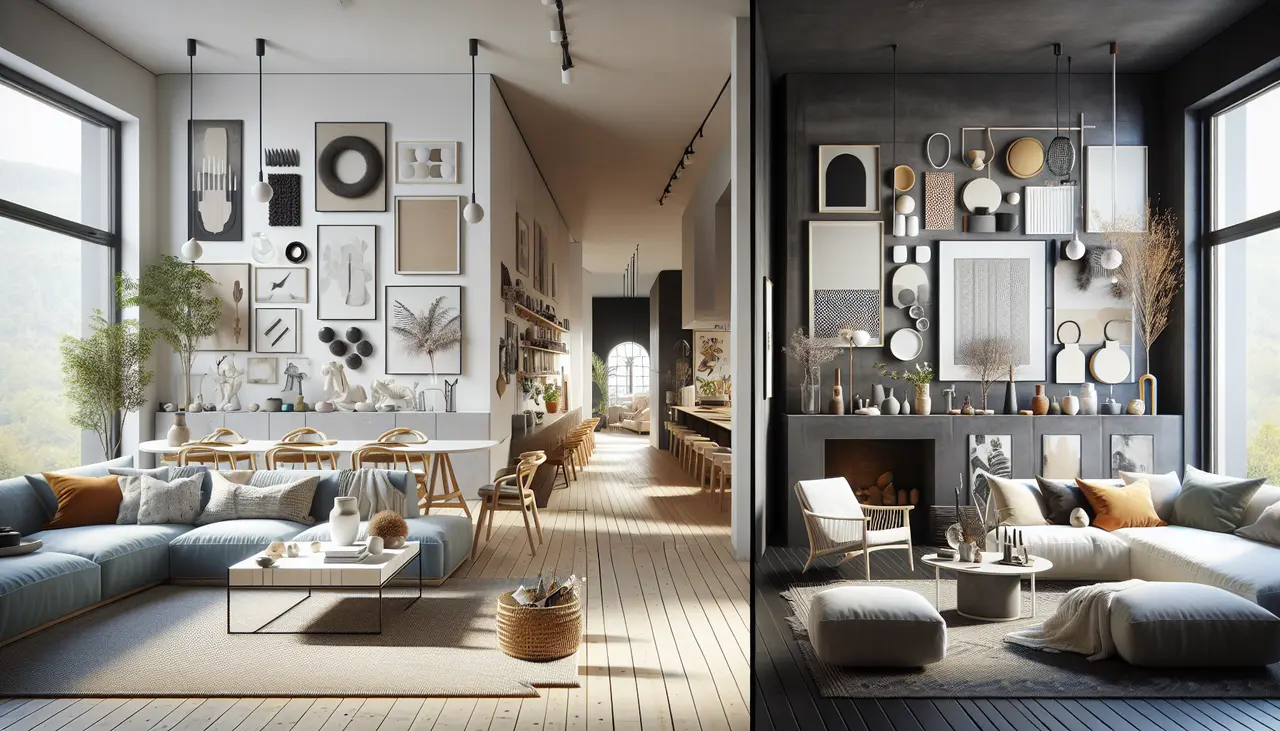
The debate between minimalism and maximalism continues to influence interior design trends. While some firms advocate for simplicity and clean lines, others embrace vibrant colors and eclectic mixes. Each approach offers distinct aesthetic and functional benefits. Minimalism champions the “less is more” philosophy, focusing on stripping away excess to create serene, clutter-free environments that highlight architectural elements and natural light. It often employs a neutral color palette and functional furniture, fostering a sense of calm and order.

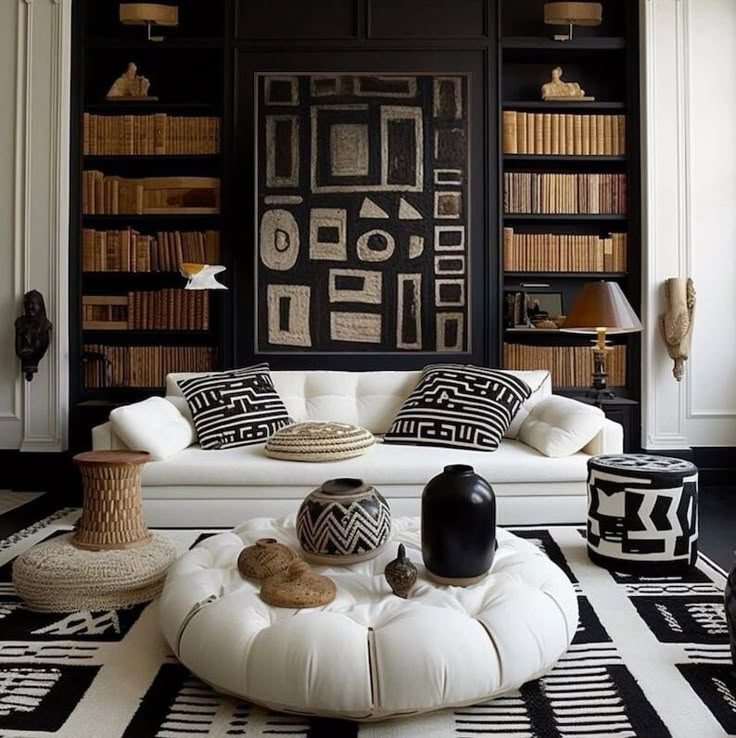
Meanwhile, maximalism, on the other hand, is all about abundance—vivid patterns, bold colors, and diverse textures coexist together to create spaces that express individuality and exuberance. Designers advocating for maximalist interiors often emphasize personalization, portraying spaces as canvases of human expression. The juxtaposition of various styles and eras allows maximalist spaces to surprise and intrigue, engaging occupants and visitors alike. Deciding between these contrasting styles largely depends on personal preference and how one wishes to interact with their environment—whether through tranquil minimalism or dynamic maximalism.

The Future of Workspace Design

As remote work becomes more prevalent, design firms are reimagining the concept of workspaces. The focus is on creating flexible and adaptive environments that foster productivity and well-being, whether in home offices or corporate settings. Designing for future work includes incorporating elements of biophilia with greenery and natural light, which have been shown to improve concentration and morale. Offices are transforming into hybrid spaces that seamlessly blend areas for focused work with communal zones that encourage interaction and collaboration.

Incorporating user-centric designs and furniture that can easily be rearranged ensures that offices remain adaptable to changing working styles and demands. Moreover, workplace designs now prioritize inclusivity, ensuring spaces are accessible and comfortable for individuals with diverse needs. As technology continues to play a pivotal role in shaping how spaces are utilized, the future of workspace design will likely see an increased use of virtual and augmented reality elements, offering immersive experiences tailored to specific tasks or meetings. The evolution of workspace design underscores the importance of creating environments that are not only functional but also responsive to the emotional and psychological needs of their users.

Embracing Change in Interior Design

Trends in interior design are not just about what’s in vogue; they reflect a deeper understanding of lifestyle, culture, and technology. By observing the practices of top international firms, we gain insights into where the world of design is headed. Whether you’re seeking inspiration for your next project or simply wish to stay informed, appreciating these trends offers a valuable perspective on how spaces can transform and enhance our living experiences.

2 Hour Interior Design Virtual or In Person Consultation

SOMETHING FOR EVERYONE

THE PIECES RACHEL RETURNS TOAGAIN AND AGAIN

Chesterfield MO Real Estate Values and ROI on Renovations

Chesterfield MO Real Estate Values and ROI on Renovations

Thinking about investing in Chesterfield, MO’s real estate and wondering where to start with your renovations? Understanding the potential value increase and return on investment for various renovation projects is crucial. Let’s dive into the real estate landscape and explore how to make the most out of your property.

Understanding the Chesterfield Real Estate Market

Chesterfield, MO, has experienced a fluctuating real estate market, yet it consistently remains an attractive area for families and investors alike. With rising median home sale prices reaching $623K in the past month, the locality is witnessing a substantial appreciation compared to last year. The growth in home values is indicative of Chesterfield’s thriving market, scoring 75 out of 100 on the competitive scale. The city offers a mix of economic stability, excellent schools, and community amenities, which are pivotal drivers for this growth, making it a prime location for real estate investments. Moreover, with a significant percentage of the population boasting higher education degrees, the property demands are high source. This enviable combination of factors paints a vibrant picture for potential homeowners and investors looking for sustainable growth and a solid community foundation.

In Chesterfield, the real estate boom is also supported by its strategic location and the high per capita income relative to the state and national averages. Such a thriving economy not only influences the residential market but also supports the commercial real estate sector. The presence of educated professionals, particularly those working from home, adds to the area’s appeal as a livable, work-friendly environment. For families, Chesterfield offers a perfect blend of suburban tranquility with the perks of an educated neighborhood and access to quality education. This dynamic environment enhances property values, providing investors a promising outlook for their investments.

What Renovations Add the Most Value

When considering renovations in Chesterfield, it’s key to prioritize projects that yield the highest returns. Kitchen and bathroom remodels often top the list, as these spaces significantly impact a home’s value. A minor kitchen remodel, for instance, can offer an ROI of nearly 98.5%, especially when modern appliances and high-quality materials are involved source. Similarly, upgrading outdated bathrooms with mid to upscale renovations yields impressive returns. Potential buyers tend to prioritize these areas, making them focal points for enhancements aimed at boosting property value.

Furthermore, considering HVAC electrification is vital, especially as energy efficiency becomes indispensable for today’s homebuyers. Replacing a traditional furnace with an electrified heat pump not only increases energy efficiency but also offers a remarkable ROI of 103%. This approach not only lessens utility costs but also positions your home as an attractive option for eco-conscious buyers. Roofing, plumbing, and electrical upgrades also play crucial roles in maintaining and increasing home value, making them worthy investments for those intending to sell or enhance their living environment.

Curb Appeal: The First Impression

First impressions count, and when it comes to real estate, curb appeal is indispensable. A well-maintained exterior not only adds immediate charm but can significantly increase the potential market value of a property. For homes in Chesterfield, projects like garage door replacements, with a 103% ROI, are both simple and effective source. Additionally, a fresh coat of paint or new siding can breathe life into your property, making it more enticing for prospective buyers.

Landscaping is another pivotal factor in enhancing curb appeal. A thoughtfully designed and maintained garden can increase a home’s overall value by up to 28%. Incorporating native plants and sustainable landscaping solutions not only boosts appeal but can also reduce water and maintenance costs, further increasing the desirability of your home. Remember, these exterior enhancements can be achieved with creative design and planning that amplifies your home’s unique attributes while ensuring it stands out in the competitive Chesterfield market.

Energy Efficiency Matters

Today’s homebuyers are acutely aware of energy efficiency, and rightly so. Upgrading your home’s energy efficiency is not only environmentally responsible but also economically wise. Enhancing insulation, replacing old windows with energy-efficient ones, and investing in modern appliances can significantly reduce energy consumption and attract eco-conscious buyers. These improvements not only lessen monthly utility bills but also enhance the overall comfort of your home.

It’s important to consider the long-term benefits of such upgrades. Not only do they appeal to potential buyers, but they also contribute to the longevity and sustainability of the home, potentially saving thousands of dollars over time. For instance, installing smart thermostats and energy-efficient lighting not only supports sustainability but also adds a modern touch that resonates with contemporary buyers. A focus on energy efficiency can effectively position your home as forward-thinking and desirable in the real estate market.

Smart Technology Upgrades

Incorporating smart technology into your home opens doors to enhancing not only its value but also its liveability. Home automation systems, smart thermostats, and advanced security features are increasingly in demand among Chesterfield homebuyers. These technologies provide convenience, security, and efficiency, which are valuable selling points. Buyers are inclined to pay a premium for homes equipped with these smart features.

Smart technology integration isn’t just a trend; it’s a shift towards the future of living. As consumers become more tech-savvy, they seek homes that accommodate their digital lifestyles. Thus, upgrading your home’s technology equates to both immediate value and future readiness. These updates not only offer peace of mind but enhance the overall appeal of your home, making it stand out in a competitive market crowded with traditional options.

Budgeting for Renovations

Embarking on renovation projects necessitates careful financial planning to ensure cost-effectiveness. Begin by establishing a clear budget and sticking to it. It’s also critical to prioritize projects based on potential ROI and personal need. Kitchen and bathroom remodels, essential maintenance, and energy upgrades should top your list to ensure maximum returns.

Unexpected costs can derail any renovation project, so it’s advisable to set aside a contingency fund to cover unforeseen expenses. Researching and selecting the right contractors can save money and time, and ensure high-quality work that adds value. To aid planning, use design software to visualize changes and anticipate potential challenges, providing a roadmap for a smoother renovation experience. These steps will not only streamline your project but also maximize your potential returns, ensuring that every dollar spent contributes to a significant improvement in your home’s value.

2 Hour Interior Design Virtual or In Person Consultation

Something for Everyone

THE PIECES RACHEL RETURNS TOAGAIN AND AGAIN
Color and Mood: How to Design Spaces That Feel as Good as They Look

Color and Mood: How to Design Spaces That Feel as Good as They Look

Before color becomes design, it begins as feeling.
In a Florida guest room, I once painted the walls a chalky blue-gray. The room had become a relief and mirror of calm the client didn’t know she needed.

This is what good color does: not just decorate, but restore, energize, clarify. And while design trends may come and go, the emotional impact of color remains quietly powerful. Whether you’re designing a restful bedroom or an invigorating kitchen, understanding the psychology of color is one of the most potent tools in your interiors toolkit.

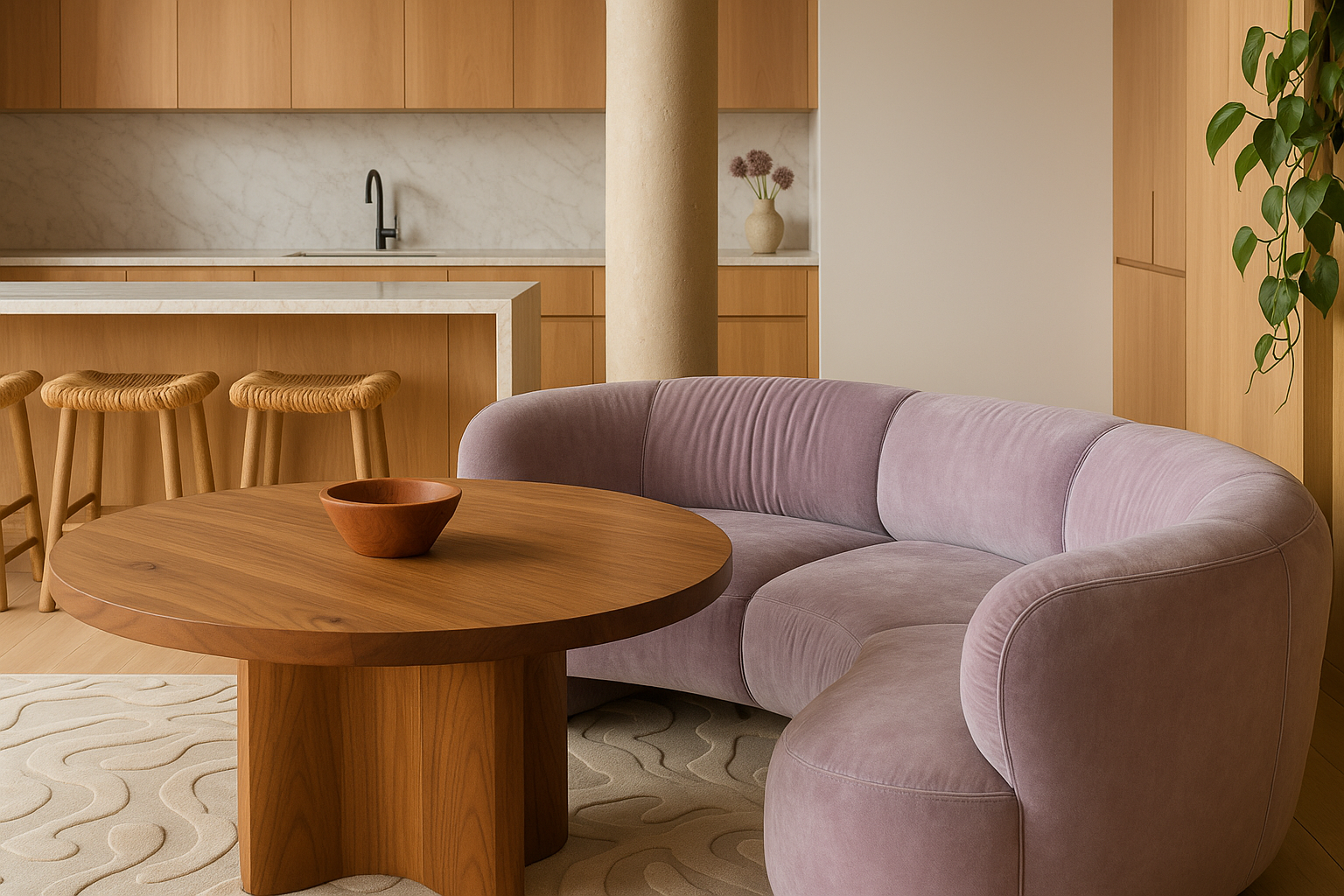
Lavender Kitchen

The Psychology of Color: What Science—and Experience—Reveal

Color doesn’t just live in the eye; it lives in the body. Cool blues can slow your heart rate. Vibrant reds can raise it. This isn’t just design dogma—it’s backed by research in cognitive science and psychology.

  • Blue: Linked to trust, calm, and lowered blood pressure. Think open sky, still water.

  • Red: Stimulates alertness, passion, appetite. Useful in spaces where energy is welcome—like kitchens or dining rooms.

  • Green: Associated with growth and balance. Just as nature restores us, so do its tones indoors.

But it’s not universal. Cultural context matters. In many Western cultures, white symbolizes purity. In parts of Asia, it’s the color of mourning. Purple, once reserved for royalty due to its rarity and cost, now signifies spirituality and depth. Good design doesn’t impose—it listens. And your color story should reflect the layers of who you are.

Warm Colors: Energy, Comfort, and Connection

There’s a reason so many kitchens glow with hints of terracotta or marigold—warm colors gather people. They create intimacy, spark conversation, and infuse rooms with a lived-in kind of joy.

  • Red: Bold, passionate, best used intentionally. In small doses—an accent wall, a piece of art—it adds confidence and heat.

  • Orange: The happy medium. Inviting like a late-summer sunset, orange works well in creative spaces or casual dining areas.

  • Yellow: Light itself. Uplifting and optimistic, ideal for rooms that benefit from a mental boost—like breakfast nooks or small home offices.

Style note: Balance the exuberance of warm hues with organic textures—think handwoven placemats, linen curtains, or matte ceramic vases.

desk

Cool Colors: Calm, Clarity, and Reflection

Cool tones are the interior world’s exhale. They offer reprieve from visual noise and support the kind of deep rest modern life rarely makes room for.

  • Blue: From pale sky to deep indigo, it’s the most psychologically calming hue. Best for bedrooms, bathrooms, or focus zones.

  • Green: Evokes nature, renewal, and growth. Use it in offices, kitchens, or anywhere you need grounded energy.

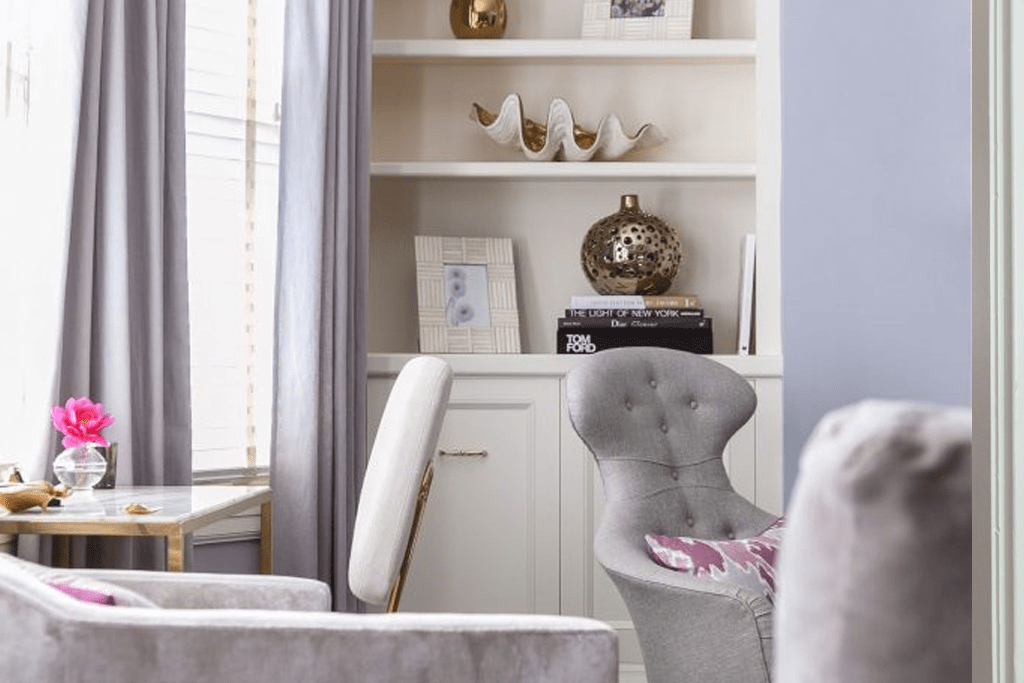
  • Purple: A fusion of fire and water. Soft lavenders feel meditative; deeper plums add intellectual depth.

Tip from Rachel: Pair cool hues with tactile contrast. Try a navy blue linen napkin beside raw oak. Or a sage green pillow atop crisp white bedding.

Neutrals: Balance Without Boredom

Neutrals are often underestimated. Done right, they’re not bland—they’re grounding. They allow other elements—light, form, material—to shine.

  • White: Pure, expansive, quietly modern. Use it to create visual breathing room.

  • Gray: Sophisticated and endlessly adaptable. Warmer grays feel cozy; cooler tones read clean and minimal.

  • Beige: The unsung hero of timeless interiors. Its warmth plays beautifully with wood, metal, and woven materials.

Beige is trending again—not as a default, but as a choice. Its softness feels like permission to rest.

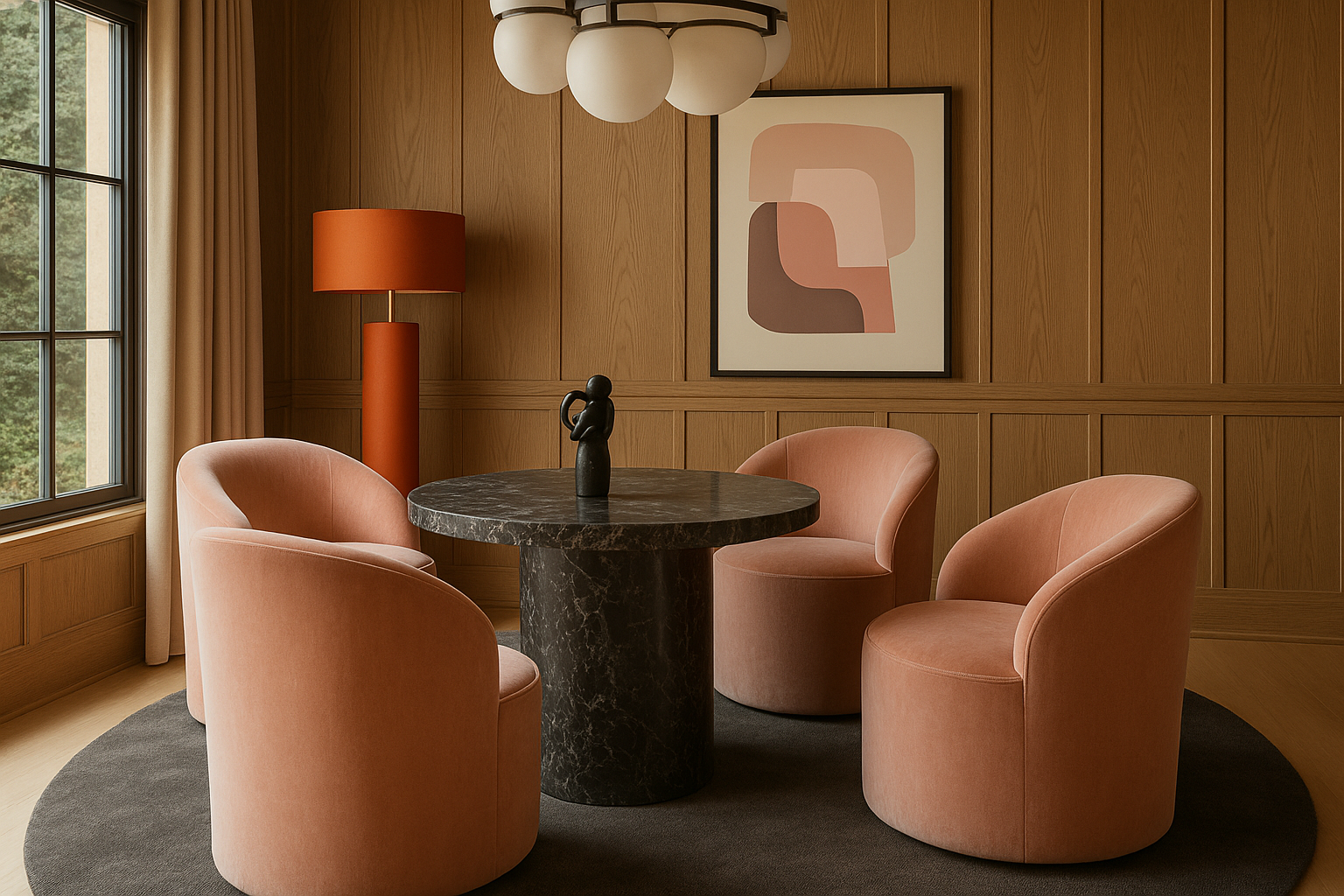
Pink Dining Room

Color Combinations That Work—and Why

Designing with color is rarely about a single hue. It’s about relationship and rhythm.

  • Complementary colors: Opposites on the color wheel (e.g., blue and orange). High contrast, high impact—perfect for dynamic, statement-making spaces.

  • Analogous colors: Neighbors on the wheel (e.g., blue, blue-green, green). Naturally harmonious and serene.

  • Monochromatic: Variations of a single hue. Elegant and controlled—ideal for minimalist or tonal interiors.

  • Triadic: Three evenly spaced colors (e.g., red, yellow, blue). Vibrant and balanced, great for playful or creative rooms.

Design tip: Limit your palette to 3 main tones. Then layer in texture, form, and material to keep things interesting.

Final Thought: Color is a Language. What Are You Saying?

The colors that surround you don’t just affect your space—they affect your state. Choose with intention. Use what calms you, what energizes you, what feels like you.

Whether you’re repainting a single wall or reimagining an entire home, color is your quietest—and most powerful—design collaborator.

2 Hour Interior Design Virtual or In Person Consultation

SOMETHING FOR EVERYONE

THE PIECES RACHEL RETURNS TOAGAIN AND AGAIN

What Color Season is Navy Blue? A Guide for Interiors & Style

What Color Season is Navy Blue? A Guide for Interiors & Style

Navy blue is more than a color—it’s a state of mind. A visual exhale. Associated with intelligence, confidence, and calm, it’s no wonder navy remains one of the most used and most loved hues across fashion and interior design.

But here’s the question many still ask:
What color season is navy blue—and how should you use it at home?

From crisp Winter navy to muted Summer chambray, here’s how to find your shade—and your palette.

Color Psychology Meets Color Seasons

Color psychology studies how hues affect mood, behavior, and perception. Navy blue, for instance, is often used in uniforms and branding because it evokes trust and stability.

Color seasons, on the other hand, come from color analysis—a method of identifying the best colors for you based on the undertones in your skin, eyes, and hair. Each person aligns with one of four main palettes: Winter, Summer, Autumn, or Spring.

Layer the psychology of color over seasonal theory, and you get more than a color match—you get emotional resonance. Whether in your wardrobe or your home, the right navy can bring clarity, composure, and cohesion.

Is Navy Blue a Winter Color?

Yes. Rich, deep navy belongs in Winter’s world of high-contrast, cool tones. It pairs beautifully with crisp whites, icy blues, charcoal, and jewel accents like emerald or ruby.

For Winter types, navy is a grounding neutral—it brings out the cool undertones in your features and balances bolder hues.

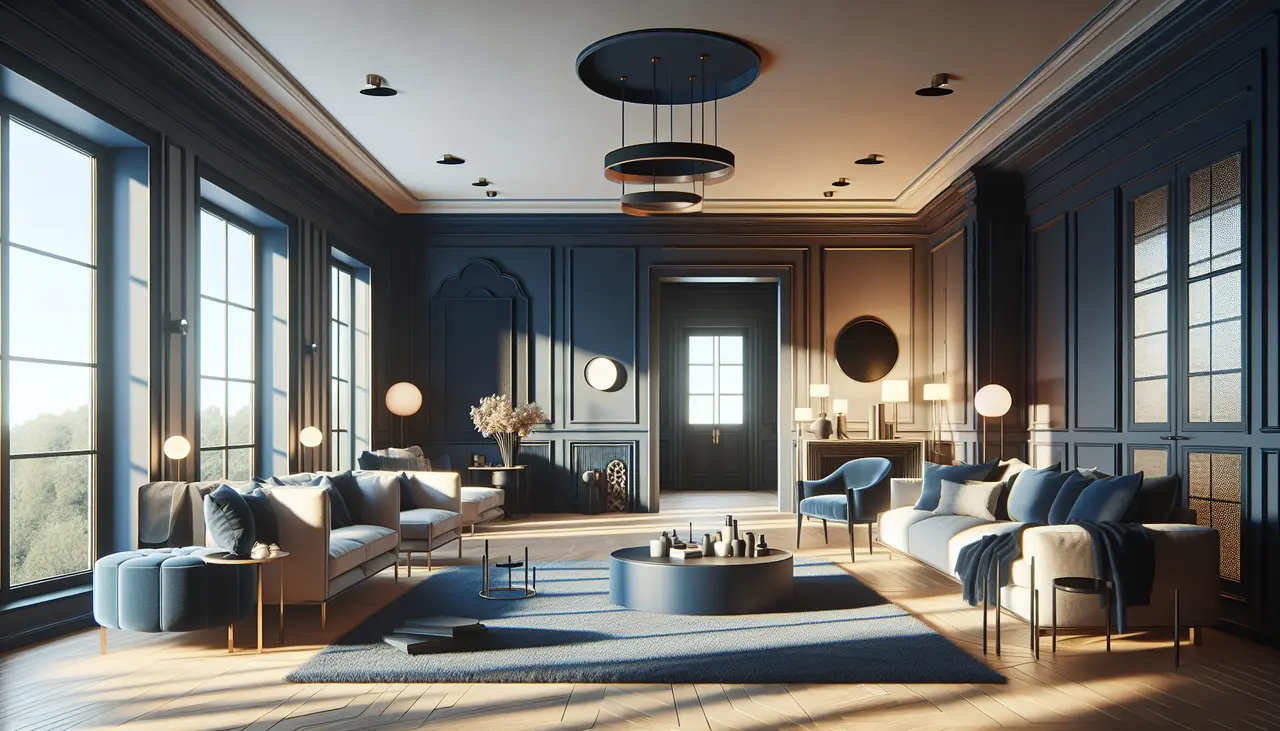
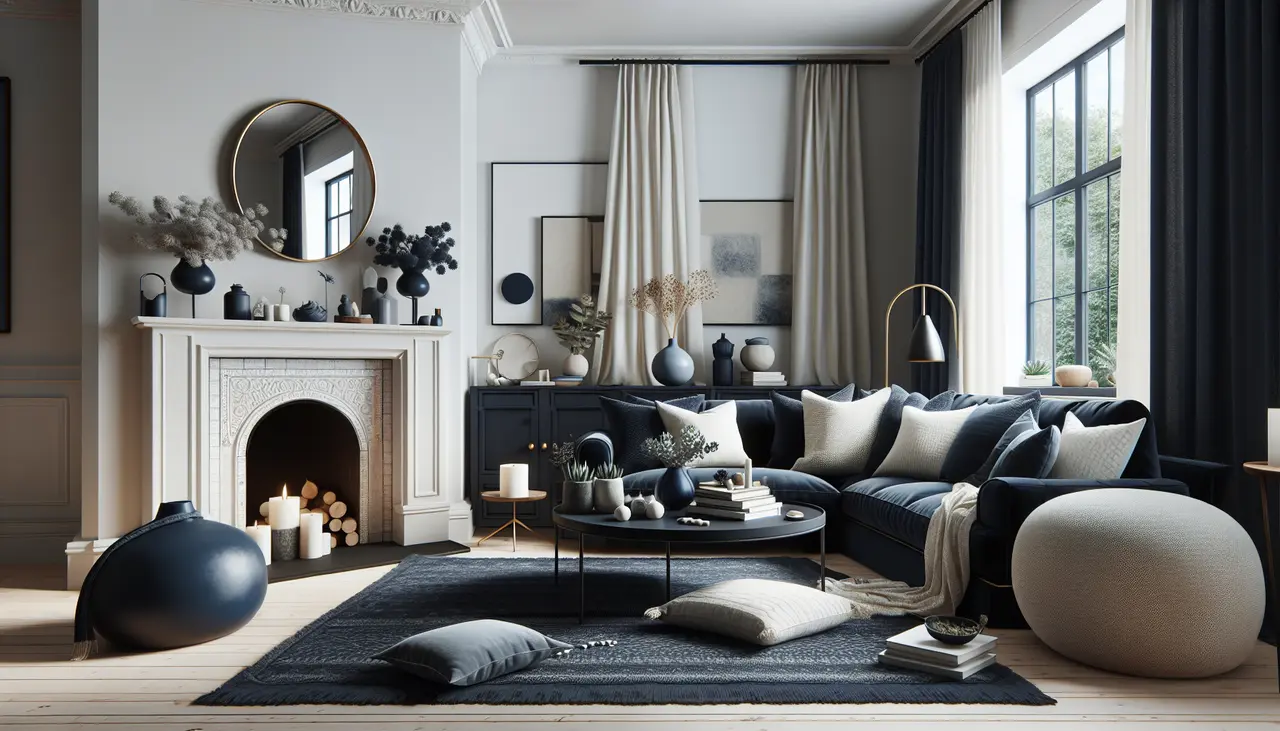
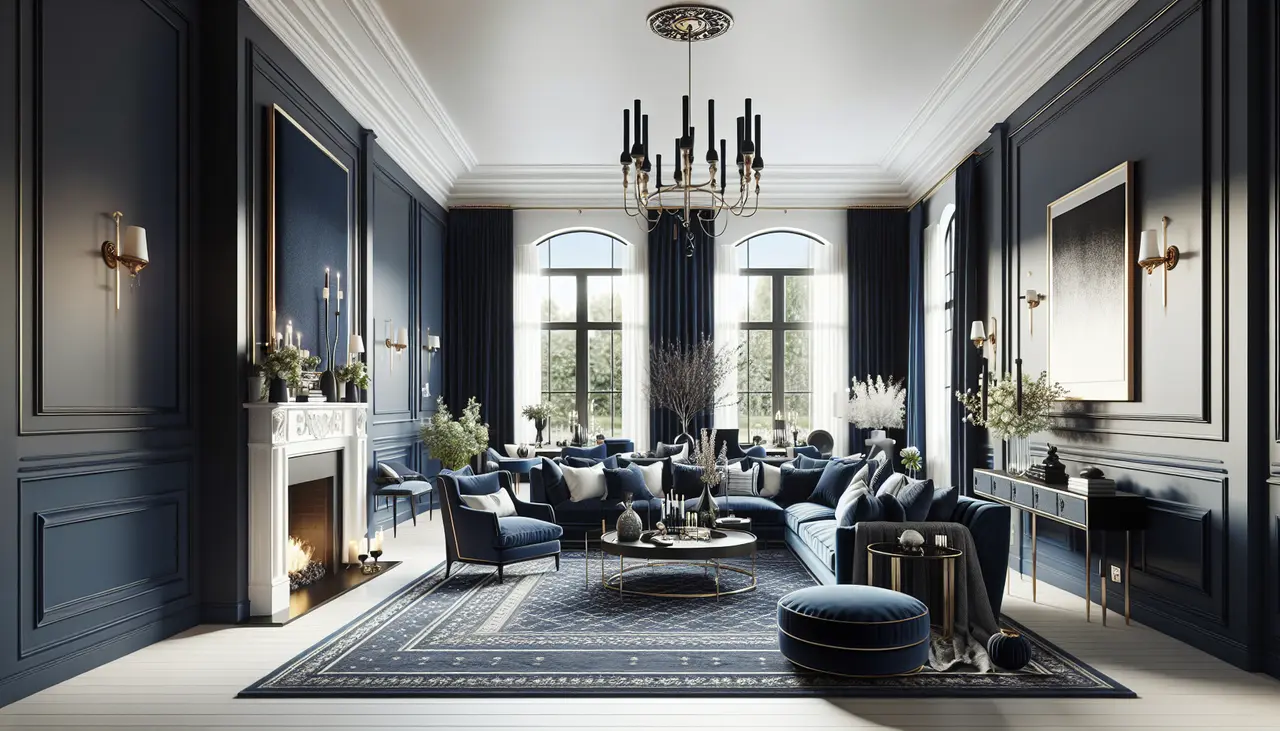
In interiors, a navy velvet sofa or high-gloss cabinetry evokes quiet sophistication. It reflects light while absorbing mood.

Try this: Anchor your space with the Sorella Woven Mirror to contrast clean white walls and deep navy cabinetry for sculptural balance.

Paint ideas:

  • Sherwin-Williams “Tricorn Black”

  • Farrow & Ball “All White”

  • Portola Paints “In the Navy” (Roman Clay)

Can Summers Wear & Decorate with Navy?

Absolutely. Summers do best with muted, cool tones, and navy—when dusted down—offers a softer alternative to black. Think chambray or washed indigo.

Pair it with blush, sage, lavender, and dove gray. Use tactile materials like stonewashed linen, unfinished ceramics, or antique silver to soften the palette even more.

Pair with: Duskberry Linen Napkin—a soft plum tone that echoes dusty navy with romantic subtlety.

Can Navy Blue Work for Fall?

Surprisingly, yes. While Autumns thrive in earthy tones, certain navies with green or golden undertones blend beautifully into the mix.

Use navy as a neutral backdrop for camel, terracotta, olive, or ochre. The trick is to balance it with texture and warmth—wood, leather, wool, and jute.

Much like a navy dress grounded with suede or leather boots, navy interiors layered with brass and oak feel timeless for fall.

Enhance your palette with: Paloma Scallop Placemat to add a woven organic counterpoint to deep blue cabinetry or walls.

How Springs Can Wear Navy

Traditional navy can feel too heavy for Springs, but lighter, clearer versions like Mediterranean blue or air force blue can work beautifully.

Pair them with Spring’s happy hues—coral, aqua, butter yellow—for a playful contrast that feels alive. Choose breezy fabrics like voile, washed linen, or crisp cotton.

Bring Spring energy home with the Isla Dot Pillow—a dotted accent pillow that gives navy a bright cheery uplift.

Why Navy Works for Nearly Everyone

Navy is one of the few colors that adapts across all four seasons—it just depends on undertone and saturation:

  • Cool & Deep = Winter

  • Cool & Muted = Summer (aka “muted navy blue”)

  • Warm & Muted = Autumn

  • Clear & Light = Spring

Unlike royal blue, which is electric and energizing, navy is more grounded—offering emotional depth and subtle contrast. It’s not just timeless—it’s stabilizing.

3 Ways to Use Navy Blue at Home, Based on Your Season

Winter:
Try a lacquered navy console against a crisp white wall for contrast and control.

Summer:
Add a chambray throw to a pale linen bed for softness and quiet cool.

Autumn:
Contrast navy cabinetry with ochre accessories and warm brass hardware.

Spring:
Use a striped navy runner on a whitewashed table for breezy definition.

Frequently Asked Questions

What season is navy blue in color analysis?
Navy blue is traditionally a Winter color but can suit all four seasons depending on the undertone.

Can Summers wear navy blue?
Yes—especially if it’s softened, like chambray, stonewash, or stormy blue.

Is navy blue warm or cool?
Navy is usually cool, but some versions with green, gray, or gold lean warm—great for Autumns.

What’s the difference between navy and royal blue?
Royal blue is vibrant and assertive. Navy is more stable and sophisticated—easier to layer and live with.

Related Reading to Deepen Your Palette

Looking for more seasonal styling advice? Read our:

Final Thought

Navy blue offers more than visual depth—it offers grounding. In a world of overexposure, it gives us pause. It carries weight without heaviness, style without noise.

Whether you’re designing a space or dressing for the day, the right navy is never out of season.

2 Hour Interior Design Virtual or In Person Consultation

SOMETHING FOR EVERYONE

THE PIECES RACHEL RETURNS TOAGAIN AND AGAIN