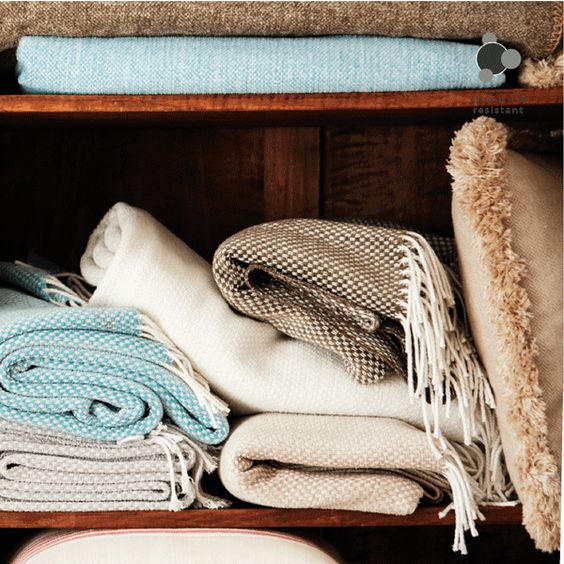
Photo from Maria Flora
When it comes to furnishing the spaces we actually live in—inside and out—the material matters more than almost any other decision. After fifteen-plus years specifying textiles for residences, model homes, and hospitality projects, I’ve watched performance fabrics go from a compromise to a first choice. They resist stains, shrug off water and UV, and hold their beauty under real, daily use. This is the guide I wish every client had before we sat down with samples: what performance fabric actually is, the technical specs that separate the good from the marketing, how I choose it, and—just as important—when I don’t.
What Are Performance Fabrics?
Performance fabric is shorthand for any textile engineered to resist the things that ruin ordinary upholstery: stains, abrasion, moisture, fading, and microbial growth. What makes a fabric “performance” isn’t a single feature but a combination of fiber, construction, and finish. The category now spans everything from rugged outdoor acrylics to bouclés and velvets soft enough for a formal living room. The point is that durability no longer requires giving up the hand, color, or texture you actually want.
The Science Behind Performance Fabrics
Here’s where most guides hand-wave, so let me get specific.
Solution-dyed vs. piece-dyed. The single biggest predictor of how a fabric holds color is how it’s dyed. In solution-dyed fibers, pigment is added to the liquid polymer before the fiber is spun—color runs all the way through, like a carrot rather than a radish. That’s why solution-dyed acrylics can be cleaned aggressively and sit in full sun for years without fading. Piece-dyed (surface-dyed) fabrics are cheaper but fade and bleed.
Abrasion (double rubs). Durability is measured in “double rubs” on the Wyzenbeek test. Roughly: 15,000+ double rubs is solid for residential use; 30,000+ is heavy-duty/contract grade. For a family sofa I want to see at least 30,000; for a formal chair that’s rarely used, the number matters far less than the hand.
Lightfastness. Fade resistance is rated by hours of UV exposure (AATCC Test Method 16). True outdoor fabrics are tested to 500–1,500+ hours. If a fabric doesn’t publish a lightfastness number, assume it isn’t meant for sun.
PFAS-free finishes. This is the question I get most now. Older stain treatments relied on PFAS (“forever chemicals”). Many mills have reformulated to PFAS-free finishes—worth asking about directly, especially in homes with kids, pets, or anyone health-conscious. Solution-dyed fibers are inherently stain-resistant without heavy topical treatment, which is part of why I favor them.
Key Features of Performance Fabrics
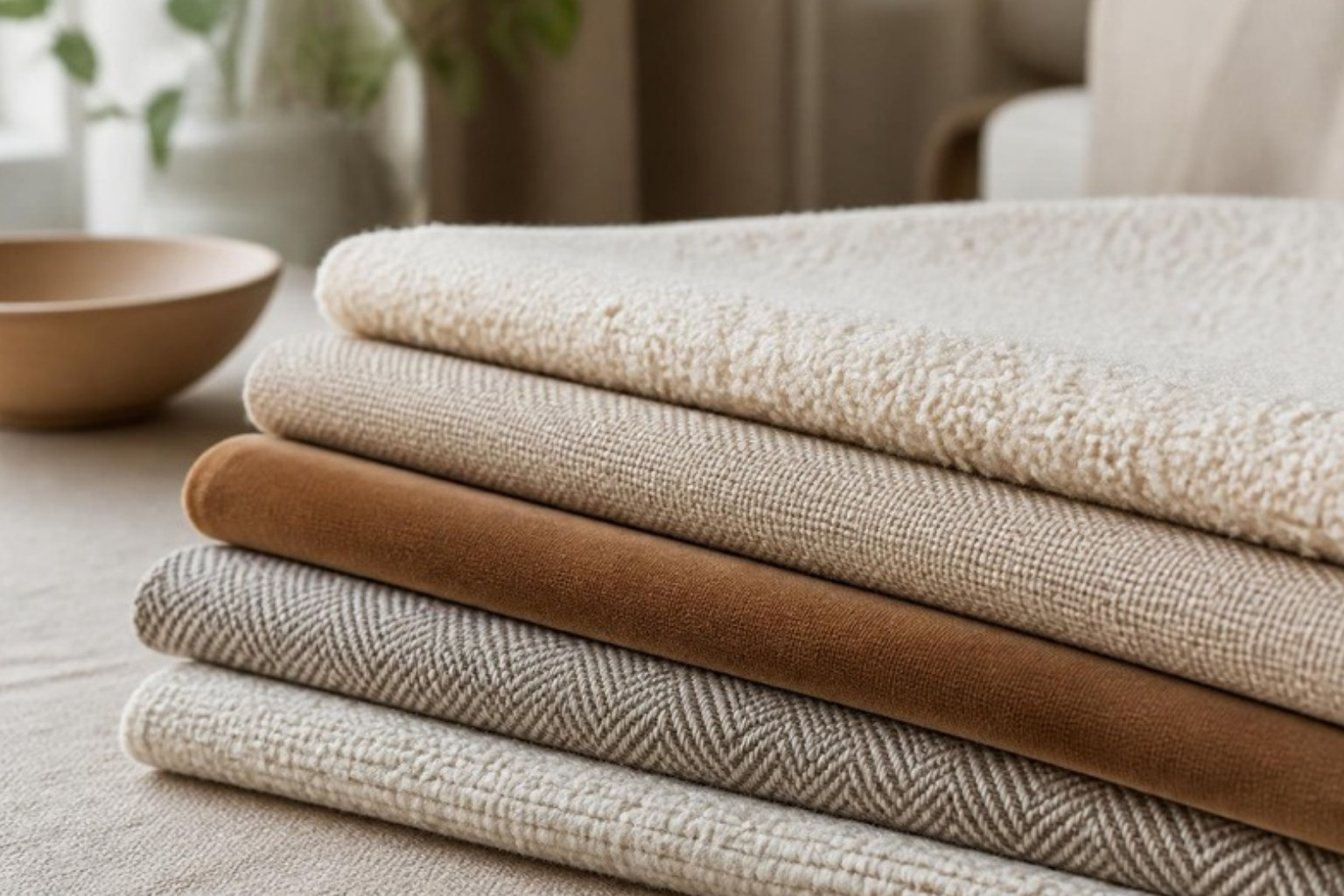
The best performance fabrics deliver four things at once: stain and spill resistance you can actually test (red wine, coffee, and ink that blot away rather than set), abrasion resistance that survives daily life, fade resistance that keeps color true in sunlight, and easy—often bleach-cleanable—care. What separates a great performance fabric from a merely durable one is that it delivers all four without ever announcing itself as “outdoor” fabric.
How I Choose: Matching the Fabric to How You Live
The right fabric is the one matched to how the space is actually used:
- High-traffic rooms with kids or pets: prioritize a high double-rub count (30,000+) and a solution-dyed or easy-clean construction.
- Coastal or full-sun outdoor: solution-dyed acrylic with a published lightfastness rating (500+ hours). For sun, this is non-negotiable.
- Poolside or high-moisture: mildew-resistant, quick-drying constructions; avoid anything that traps water.
- Formal, low-use rooms: here you can prioritize hand and beauty over durability—this is where a delicate weave or natural fiber earns its place.
The mistake I see most often is mis-speccing—putting contract-grade fabric on a chair no one sits in, or under-speccing a family sectional because a fabric “felt nice” in the showroom.
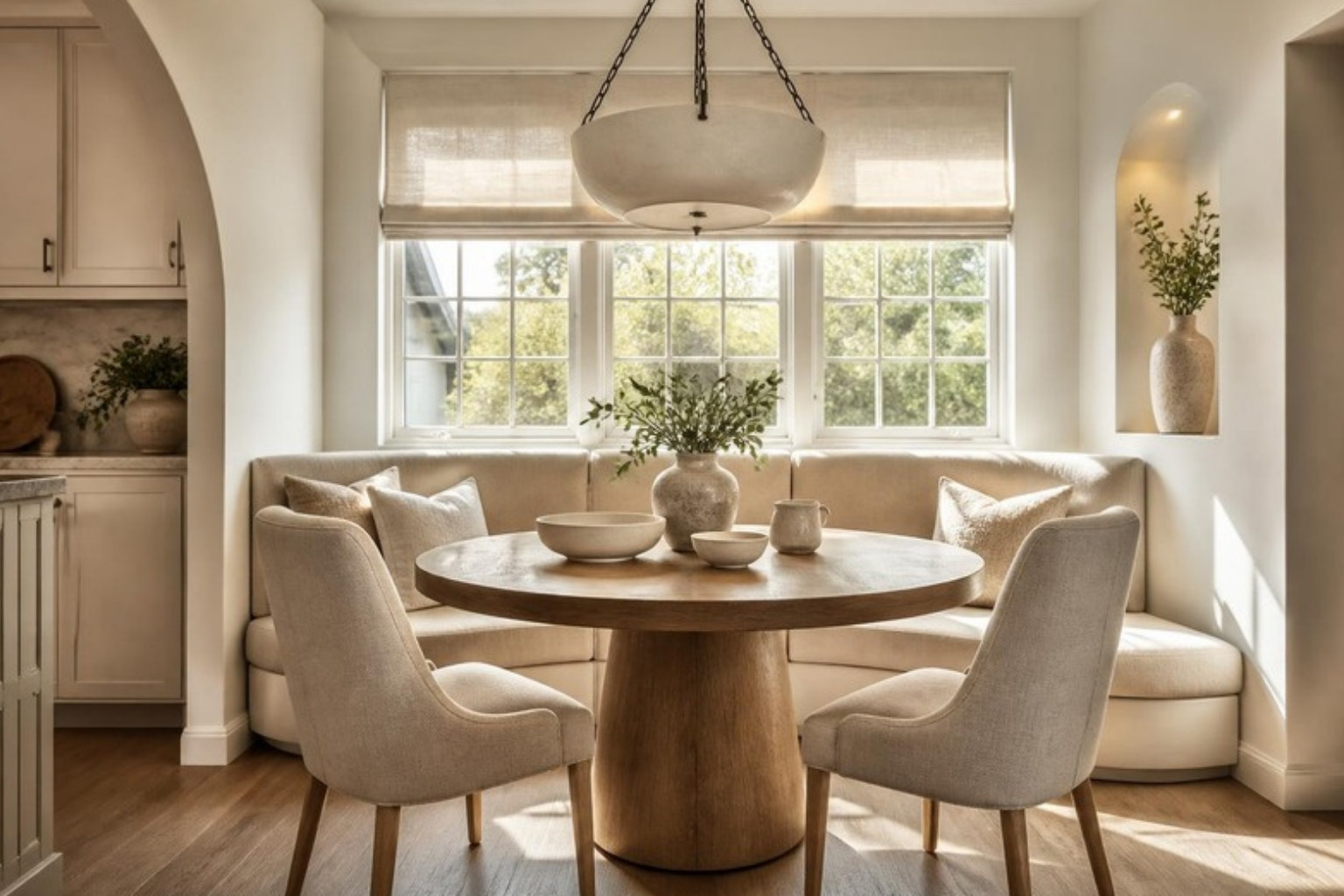
Performance Fabrics for Indoor Use
Indoors, performance fabrics have quietly taken over the pieces that take the most abuse—sofas, dining chairs, ottomans, and increasingly drapery and rugs. In homes with children or pets, they’re often the only thing standing between a beautiful room and a stressful one—it’s how I keep kid-friendly interiors looking genuinely elevated. The range is now wide enough that I can put a performance fabric into a project and never have to explain a tradeoff, because there isn’t one anymore.
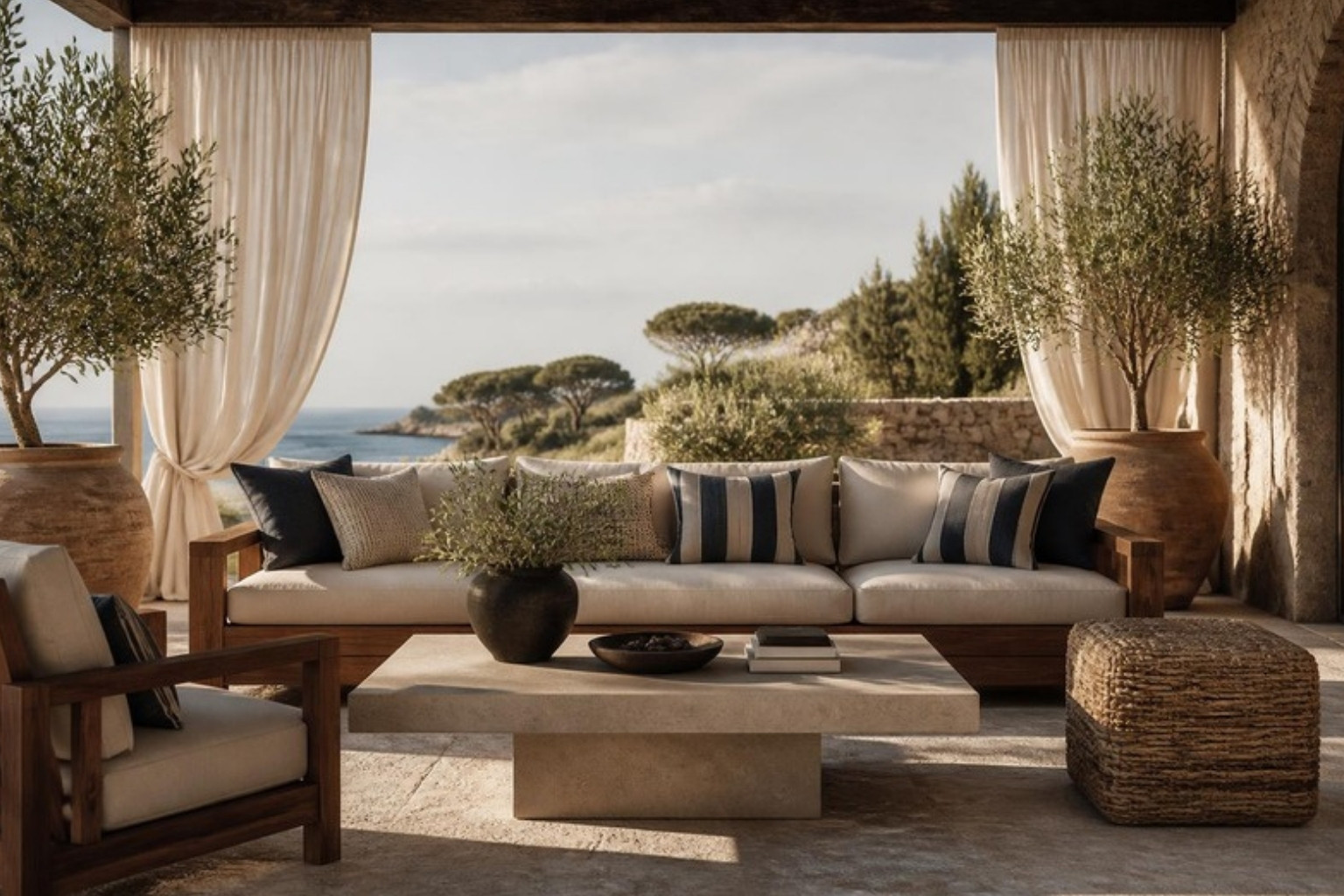
Outdoor Spaces and Performance Fabrics
Outdoors is where performance fabric earns its name. Sun, rain, pollen, and temperature swings destroy ordinary textiles in a single season. A properly specified outdoor fabric—solution-dyed, high lightfastness—comes through summer after summer looking essentially new. That’s what lets an outdoor room feel like a true extension of the house rather than an afterthought.
Care and Maintenance—Done Right
Performance fabrics are forgiving, but forgiving isn’t indestructible. My rules:
- Spot cleaning: Blot, don’t rub—rubbing drives the stain into the weave. A little mild soap in lukewarm water handles most spills.
- Diluted bleach—only when rated for it: Solution-dyed acrylics (like Sunbrella) tolerate a diluted bleach solution; many other fibers, wools, and blends do not and will be damaged by it. Always check the manufacturer’s cleaning code first.
- Never: machine heat-dry, use harsh solvents, or power-wash upholstery—high heat and pressure break down finishes and stitching.
- Routine: vacuum upholstery so grit doesn’t act like sandpaper, and rinse outdoor pieces occasionally.
When in doubt, the cleaning code on the manufacturer’s tag wins over any general advice—including mine.
What’s Changing in Performance Fabrics
A few shifts I’m watching. Sustainability has moved from marketing to spec sheet: more lines made from recycled inputs, and certifications like GREENGUARD (low emissions) and Cradle to Cradle worth looking for if that matters to your household. One honest caveat—”made from recycled materials” and “recyclable at end of life” are different claims, so ask which one you’re actually getting. And the hand keeps improving: performance bouclés, velvets, and linen-look weaves that would have been impossible a decade ago now feel genuinely luxurious.
The Fabrics I Actually Specify
I’m not going to hand you a generic brand list—curated expertise is the whole point of working with a designer. After years of testing, my outdoor go-to is one line, and I’m deliberate about the rest.
Maria Flora—my outdoor favorite. For outdoor and indoor/outdoor work, Maria Flora is the fabric I reach for first. The hand is more refined than typical outdoor goods, the color and weave feel designed rather than utilitarian, and it genuinely performs. When a client wants outdoor upholstery that doesn’t look like “patio fabric,” this is where I start. (The photo at the top of this guide is Maria Flora.)
Sunbrella—for commercial awnings. I specify Sunbrella selectively, mostly for commercial awnings, where its solution-dyed acrylic and proven lightfastness are exactly right for large, sun-exposed expanses.
Direct to the mill. For manufacturing I source direct to the mill rather than through layers of markup. That means better goods, better pricing, and access to constructions and colorways that don’t always reach the retail floor—one of the real advantages of working with a designer who specifies at this level.
When I Don’t Use Performance Fabric
A good advisor tells you where a category stops. I don’t default to performance fabric when a formal, low-use room calls for the irreplaceable hand of a fine silk, mohair, or a vintage textile and the client understands the care tradeoff; when a piece is decorative rather than functional (a pillow, a headboard) and beauty should lead; or when a specific antique or heirloom textile is simply the right emotional and design choice. Performance fabric is a tool, not a religion—the skill is knowing when the situation calls for it and when it doesn’t.
The Bottom Line
Choosing the right performance fabric is a technical decision that shapes how a space looks and how you live in it for years—not a guess to make in a showroom under fluorescent light. The fiber, the double-rub count, the lightfastness rating, and the finish all matter, and they should be matched to how each room is actually used.
If you’re furnishing a home and want this decided correctly the first time, fabric sourcing and specification are part of how I work with clients. I offer virtual design consultations anywhere, and in-person by appointment in St. Louis. Book a consultation →
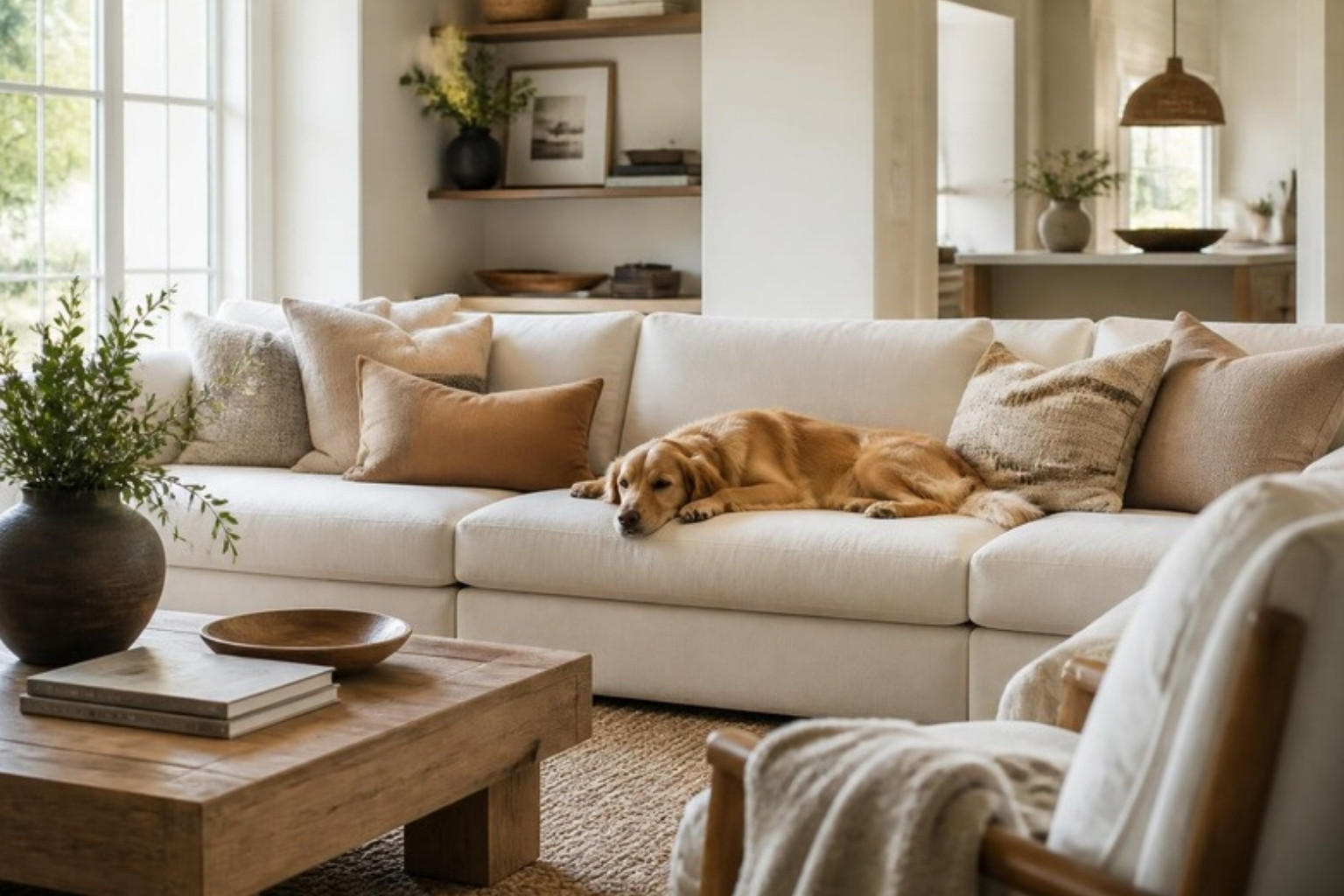
Performance Fabric for Kids and Pets
This is the question I get asked more than any other: “Will it survive my life?” For households with young kids, dogs, or both, the answer isn’t just “choose a performance fabric” — it’s choosing the right one for the specific kind of damage you’re actually defending against.
For pets: claws and shedding are a texture problem before they’re a stain problem. Tight, flat weaves (not bouclé or loop) resist snagging, and a slightly heavier hand — 30,000+ double rubs on the Wyzenbeek scale — holds up to daily jumping on and off furniture. Crypton and Sunbrella upholstery both perform well here; I steer clients away from chenille and velvet in a house with claws, no matter how the fabric is treated.
For kids: the real enemy is pigment, not liquid — marker, crayon, and food dye stain more than water ever will. Solution-dyed acrylic (the same category used outdoors) cleans up with diluted bleach and won’t fade or ghost where you scrubbed. I also lean toward a printed or textured pattern over a solid in family rooms — it’s not about hiding mess, it’s about a fabric that still looks intentional between cleanings.
My actual picks: Sunbrella’s indoor performance line for anything in direct kid or pet traffic, Crypton for upholstered pieces that need a softer hand, and Perennials for anything that also needs to survive a pool day. All three are in my Amazon storefront if you want to see swatches before you commit.
Easy-Living Pieces

Saguaro Coffee Table, Indoor/Outdoor
$3,069

Sanctuary Candle
$45

Umber Marble Buffet Lamp
$1,107


Isla Dot Pillow
$297

Tavira Outdoor Citronella Candle
$93

Anchor Coffee Table
$3,464
Something for Everyone
THE PIECES RACHEL RETURNS TO, AGAIN AND AGAIN
Before you go
Not sure what your style is? Take the two-minute Style Quiz and I’ll send you your look.