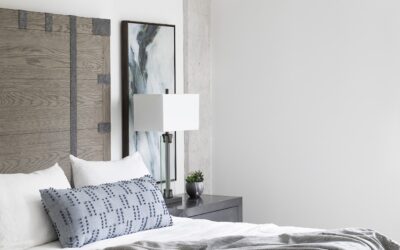
One of the most persistent myths in interior design is that taste is personal and context is irrelevant—that a well-designed home looks the same wherever it sits. In my experience designing across St. Louis for fifteen years, this is wrong. The best interiors are in conversation with their location: with the architecture, the light, the history, the community character of the place they inhabit. St. Louis is a city of distinct neighborhoods, each with a design personality worth understanding before you begin.

Clayton: confident elegance
Clayton is St. Louis’s most urbane residential neighborhood—walkable, with a residential stock that ranges from early-twentieth-century apartment buildings to postwar colonials to contemporary new construction. The design personality here is confident and slightly formal: quality materials, restrained palette, furniture with real weight and presence. Clayton homes wear their elegance without apologizing for it. What works: Farrow & Ball colors, warm wood floors in classic species, traditional furniture forms in contemporary fabrics, art that has been chosen rather than purchased for a space.


Webster Groves and Lafayette Square: layered and historically aware
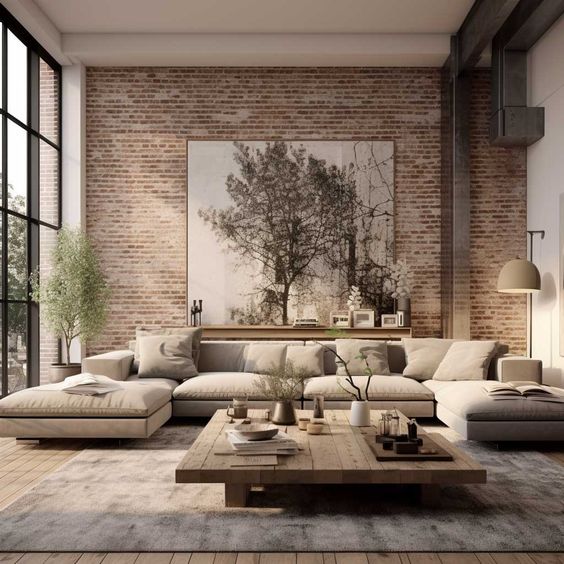
Webster Groves has a specific charm—tree-lined streets, a genuine small-town commercial district, and residential architecture that is mostly pre-war and proud of it. The design personality is warm, layered, and slightly literary: homes that feel accumulated over time, where the vintage French armchair and the contemporary sofa coexist without friction. What works: original millwork honored rather than replaced, paint colors with warmth and body, a mix of inherited and purchased pieces. Lafayette Square is one of St. Louis’s most architecturally significant neighborhoods—Victorian homes of extraordinary quality. The design personality here is romantic and historically aware. Deep, rich colors respond beautifully to the architecture’s Victorian scale; wallpaper used with confidence; lighting that honors the period without being a costume.


Ladue: quiet luxury
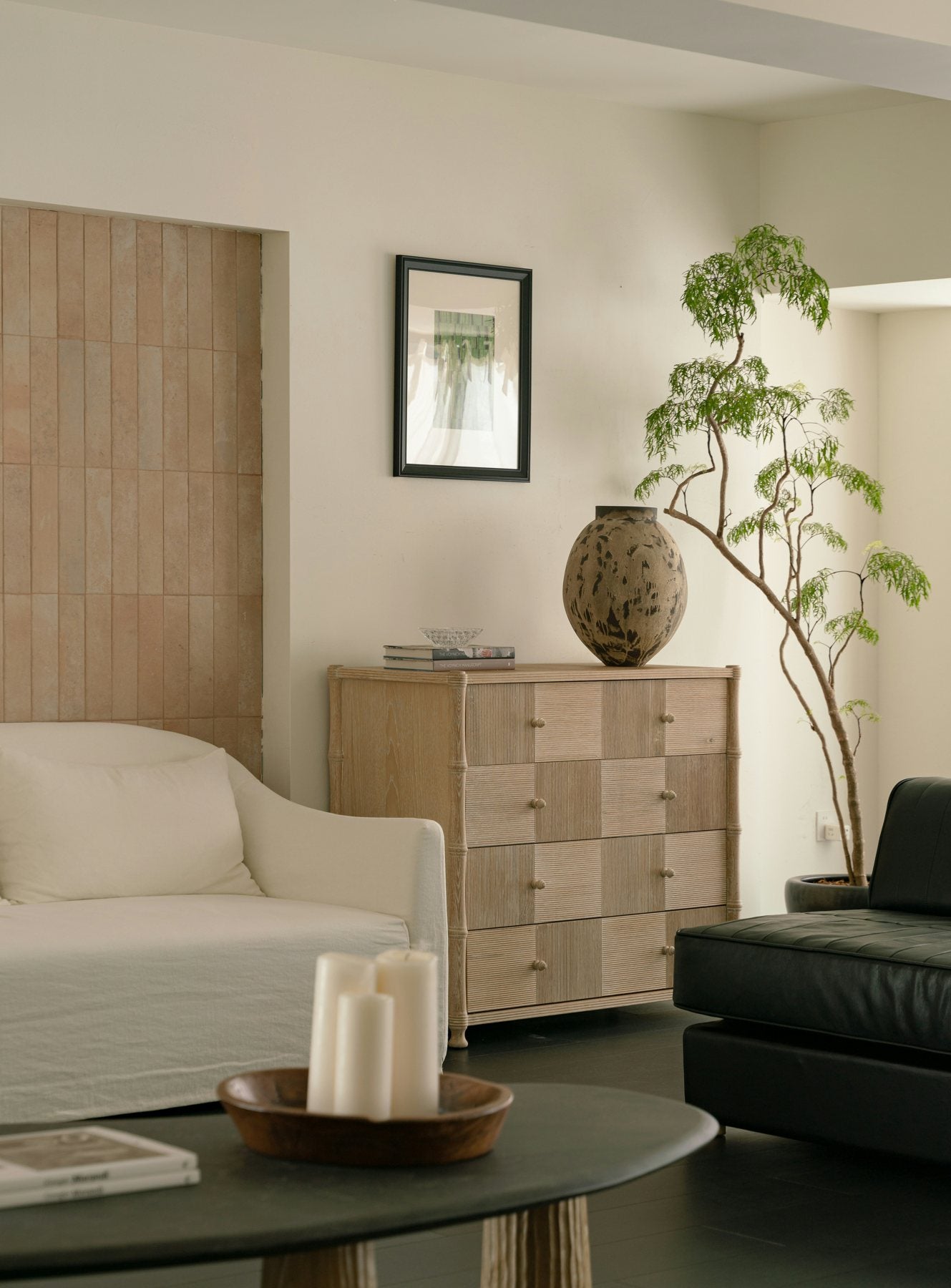
Ladue is St. Louis at its most quietly assured. The houses are generous, the lots are deep, the architecture is mostly traditional—brick colonials, French provincials, ranch estates—and the design register is understated in the way that genuine confidence always is. What works: the highest quality materials used without ostentation, furniture with exceptional construction that doesn’t announce it, art of real merit acquired over time, a palette that whispers rather than announces. What doesn’t: anything that reads as new money trying to look like old—the oversized chandelier that announces expense rather than taste.


Kirkwood and the Hill: cheerful livability and warmth
Kirkwood has a cheerfulness that is its own kind of design character—a genuine, unpretentious warmth. The design register is welcoming and honest: rooms that are clearly lived in and loved, that prioritize comfort and hospitality over formal impression. What works: color used generously, patterns mixed with confidence, furniture that looks like it’s been sat on, a kitchen that is clearly cooked in. The Hill is St. Louis’s Italian-American neighborhood, and its design character is exactly what that history suggests: warm, generous, family-centered, and proud of its traditions. The kitchen is the heart of the house, the dining room is used for real meals, and the living room is for gathering.
The best interior design always begins with the question of context: where is this home, who lives in it, what does the neighborhood ask of it? St. Louis is a city that rewards this question with extraordinarily rich answers—each neighborhood a distinct invitation to a particular kind of beautiful life.
Rachel Blindauer is an award-winning interior designer based in St. Louis with projects across the United States and internationally. Book a consultation at rachelblindauer.com.



SOMETHING FOR EVERYONE
THE PIECES RACHEL RETURNS TO, AGAIN AND AGAIN
Before you go
Not sure what your style is? Take the two-minute Style Quiz and I’ll send you your look.