THE LAMP THAT CHANGED EVERYTHING
It was a single lamp that changed the entire feeling of the room. A client in Sarasota had spent months perfecting her living room—the right sofa, the right rug, the perfect shade of warm white on the walls. And yet, something felt hollow. The space photographed well enough, but at dusk, when the overhead recessed lights clicked on, the room went flat. Shadows disappeared. Depth vanished. Every carefully chosen texture lost its dimension.
I brought in one sculptural brass lamp, set it on the console behind the sofa, and turned off the ceiling lights. The room exhaled. Suddenly the linen on the cushions had grain. The travertine on the coffee table caught a warm glow. The painting above the fireplace seemed to lean forward, as if it had been waiting to be properly seen.
“Lighting is not about brightness. It’s about mood, depth, and the way a room makes you feel at 7 p.m.”
WHY MOST ROOMS ARE LIT WRONG
The most common mistake in residential lighting is also the most pervasive: relying on a single source. Whether it’s a central chandelier, a bank of recessed cans, or a lone floor lamp in the corner, one-note lighting flattens a space the way a camera flash flattens a face. It erases the very qualities—shadow, warmth, dimension—that make a room feel alive.
Professional lighting design works in layers, each serving a distinct purpose but blending into a cohesive atmosphere. Think of it the way a painter thinks about value: you need darks, mid-tones, and highlights to create depth. A room needs the same.
THE THREE LAYERS EVERY ROOM NEEDS
Layer One: Ambient Light — The Foundation
Ambient light is the baseline—the soft, general illumination that lets you move through a space comfortably. In high-end residential design, this rarely comes from recessed cans alone. A flush mount like the Aurelia or a statement chandelier like the Marais provides ambient light with character. The goal is warmth without glare, presence without dominance.
I often recommend dimmer switches on every ambient source. The light you need at noon is not the light you want at dinner. A room that cannot modulate its mood is a room that only works at one time of day.
Layer Two: Task Light — The Workhorse
Task lighting is purposeful. It’s the reading lamp beside the armchair, the desk lamp in the study, the pendant over the kitchen island. It should be bright enough to serve its function without competing with the room’s atmosphere. The Atelier Table Lamp, for instance, delivers focused illumination with a sculptural silhouette that earns its place even when it’s off. That dual purpose—functional and beautiful—is the hallmark of a well-chosen task light.
Layer Three: Accent Light — The Storyteller
This is where rooms become extraordinary. Accent lighting creates drama: a picture light washing a painting in warm gold, a table lamp casting an intimate pool on a vignette, a lantern in an entryway establishing mood before you’ve taken three steps inside. The Monolith Table Lamp in travertine and brass does this beautifully—its material catches and diffuses light differently depending on the hour, creating a living quality that overhead lighting simply cannot replicate.
MATERIAL MATTERS: WHAT YOUR LAMP IS MADE OF CHANGES HOW IT LIGHTS

One of the most overlooked aspects of lighting design is material. A lamp’s shade, base, and structure all interact with light in ways that ripple through the entire room. Rattan, for example, creates a woven pattern of light and shadow that can make a coastal bedroom feel as though sunlight is filtering through palm fronds. The Marigot Rattan Table Lamp does exactly this—it doesn’t just illuminate; it animates.
Brass and marble, on the other hand, absorb and reflect. The Axis Table Lamp in marble and brass anchors a surface with material weight while bouncing warm light upward. Travertine adds an earthiness that pairs with everything from moody dark walls to crisp white plaster.
When I select lighting for a project, I’m not just thinking about wattage or scale. I’m thinking about what happens when light meets that specific material in that specific room at that specific hour. It’s one of the most intimate decisions in the entire design process.
A ROOM-BY-ROOM GUIDE
The Living Room
Start with a chandelier or flush mount for ambient light, add table lamps on consoles or side tables for accent warmth, and finish with a floor lamp beside the primary seating area for task lighting. Aim for at least four to five light sources in a standard living room.
The Bedroom
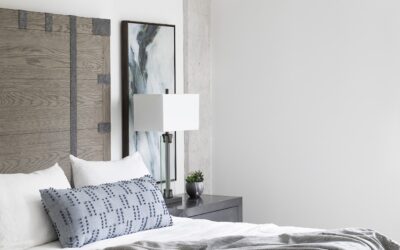
Ambient light should be soft—a pair of sconces or a flush mount on a dimmer. Bedside table lamps serve double duty as task and accent lighting. The Marais Table Lamp, with its elegant woven silhouette, is one I return to again and again for bedside placement: it’s tall enough to read by, sculptural enough to anchor a nightstand, and warm enough to wind down with.
The Entryway
This is where first impressions live. A lantern or pendant sets the tone the moment someone crosses the threshold. The Harrington Brass Lantern, with its architectural lines and warm finish, creates the kind of welcome that makes guests slow down and notice.
FREQUENTLY ASKED QUESTIONS
Q: How many light sources does a room need?
A: A well-lit room typically needs three to five sources across the three layers: ambient, task, and accent. The key is variety—different heights, different directions, different intensities.
Q: Are LED bulbs warm enough for luxury interiors?
A: Yes, when you choose the right color temperature. I recommend 2700K for living spaces—it produces a warm, candlelit quality. Avoid anything above 3000K in residential settings unless it’s a dedicated task area.
Q: Should table lamps match in a room?
A: Not necessarily. Coordinated is better than matched. Choose lamps that share a material palette or scale but differ in silhouette. This creates visual interest while maintaining cohesion.
Q: What’s the biggest lighting mistake homeowners make?
A: Over-relying on recessed ceiling lights. They’re useful for general visibility, but they flatten a room. The solution is always to add lower, warmer sources—table lamps, floor lamps, sconces—that create depth and shadow.

SOMETHING FOR EVERYONE
THE PIECES RACHEL RETURNS TO, AGAIN AND AGAIN
Before you go
Not sure what your style is? Take the two-minute Style Quiz and I’ll send you your look.