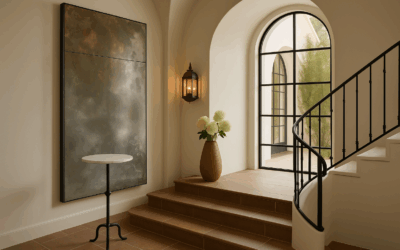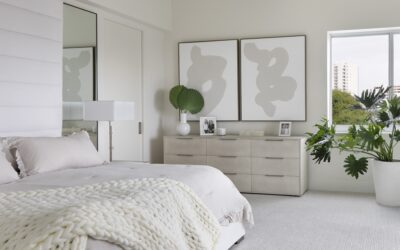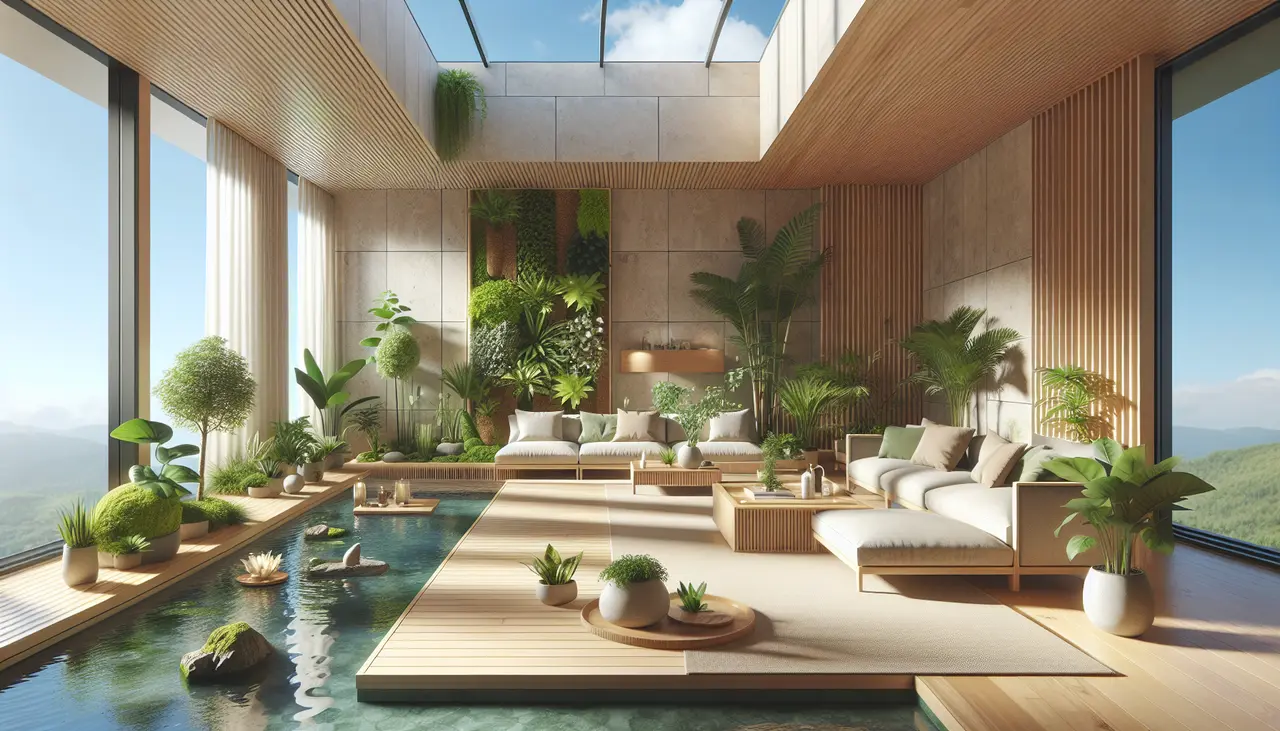
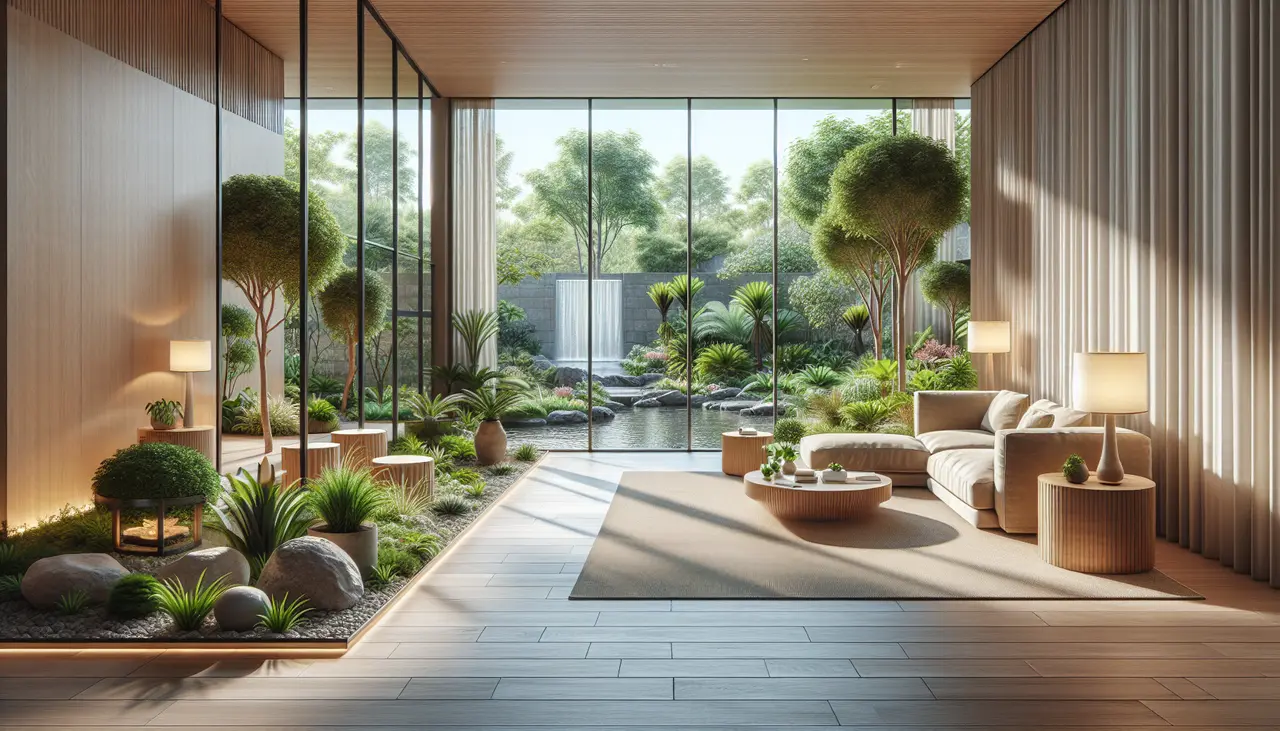
Optimizing natural light is another important aspect of interior design for wellness. Natural light has been shown to enhance mood and increase productivity, making it essential for creating a healthy and inviting environment. To maximize the amount of natural light in a space, consider using light and airy window treatments, such as sheer curtains or blinds, that allow sunlight to filter through. Additionally, strategically placing mirrors can help reflect and amplify natural light, making the space feel brighter and more open.
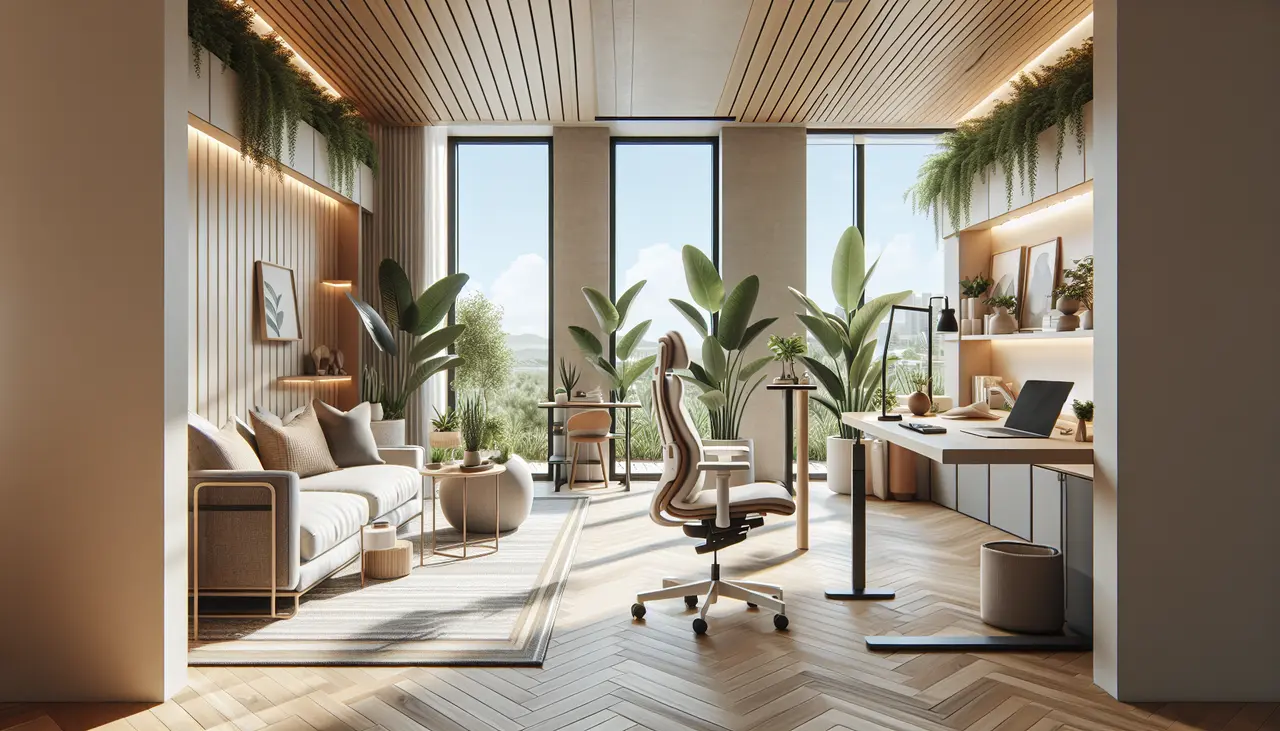
Color psychology plays a significant role in interior design for wellness. Different colors can evoke various emotions and affect our mood and well-being. Warm colors like yellow and orange can create a sense of energy and positivity, while cool colors like blue and green evoke a feeling of tranquility and relaxation. By using appropriate color schemes in different areas of a built environment, we can evoke specific emotions and enhance the well-being of its occupants.
The choice of materials is also crucial in creating a wellness-focused built environment. Using eco-friendly and sustainable materials not only promotes a healthier environment but also contributes to the overall well-being of individuals. Materials free from harmful chemicals and volatile organic compounds (VOCs) can improve indoor air quality, reducing the risk of respiratory issues and allergies. Furthermore, incorporating natural elements such as wood and plants can create a connection with nature, known to have a calming effect on mental well-being.
The layout and configuration of a space can also influence wellness. Creating open and flexible floor plans that allow for movement and flow can enhance physical well-being by encouraging physical activity and reducing sedentary behavior. Additionally, incorporating green spaces, such as gardens or outdoor seating areas, can provide opportunities for relaxation and stress reduction.
In conclusion, incorporating natural elements in interior design has a profound impact on our mental and physical well-being. By considering design elements such as color, lighting, materials, and layout, we can create spaces that promote a sense of comfort, tranquility, and connection with nature. As an expert interior design writer, I am confident that this wellness blog post effectively explores the importance of incorporating natural elements in interior design for a wellness-focused built environment.
Get Started Today
Something for Everyone


SOMETHING FOR EVERYONE
THE PIECES RACHEL RETURNS TO, AGAIN AND AGAIN