Moss lawns are a beautiful and eco-friendly alternative to traditional grass lawns, especially in yards with limited sunlight like in Lincoln Ma. Whether you have a shady yard or simply want to try something new, this guide will provide you with all the information you need to successfully grow and maintain a moss lawn.

The Advantages of Moss Lawns
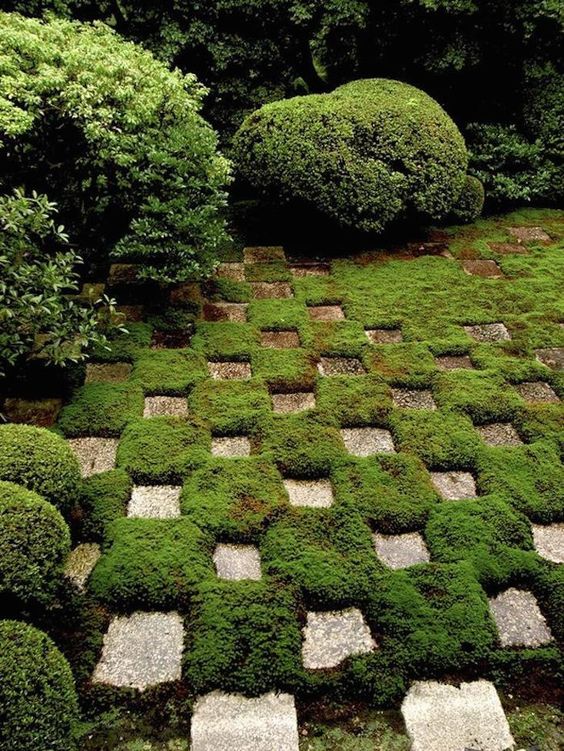
Moss lawns offer numerous advantages over traditional grass lawns. First and foremost, moss is incredibly low-maintenance. Unlike grass, moss does not require mowing, watering, or fertilizing. This makes it an ideal choice for busy homeowners who want a beautiful lawn without spending hours on maintenance. Additionally, moss lawns require very little sunlight to thrive, making them perfect for shady yards or areas with limited sun exposure. Furthermore, moss lawns are drought-tolerant and can survive dry spells without the need for irrigation. This not only conserves water but also reduces your water bill. Lastly, moss lawns are visually appealing and add a unique touch to your landscape. The lush green carpet of moss creates a tranquil and soothing atmosphere, perfect for relaxation or hosting outdoor gatherings.
Choosing the Right Moss
Selecting the right type of moss is crucial for the success of your moss lawn. While there are many species of moss, not all of them are suitable for lawn purposes. Opt for low-growing moss varieties that can withstand foot traffic and are adaptable to different soil conditions. Some popular moss species for lawns include Haircap moss (Polytrichum commune), Cushion moss (Leucobryum glaucum), and Sheet moss (Hypnum curvifolium). These mosses are hardy, vibrant, and relatively easy to establish. Consider consulting a local nursery or moss expert to determine the best moss variety for your specific climate and yard conditions.
Preparing the Soil
Before establishing a moss lawn, it is essential to prepare the soil properly. Moss thrives in acidic soil with a pH level between 5.0 and 6.0. Conduct a soil test to determine the pH level of your yard. If the soil is too alkaline, you can lower it by adding elemental sulfur or aluminum sulfate. Follow the instructions on the product for the appropriate amount to use based on your soil test results.
Next, prepare the soil by removing any existing grass, weeds, or debris from the area where you plan to establish your moss lawn. Use a garden rake to level the surface and create a smooth base for the moss to grow. Avoid compacting the soil, as moss prefers loose and well-draining conditions.
Planting Moss Seeds
Once the soil is prepared, you can start planting moss seeds to establish your moss lawn. Here’s how:
Create a Moss Milkshake
To help the moss seeds establish and adhere to the soil, create a moss milkshake. In a blender, combine a handful of fresh moss, buttermilk, water, and a pinch of sugar. Blend until the mixture reaches a smooth consistency. The buttermilk acts as a natural adhesive and helps the moss adhere to the soil.
Apply the Moss Milkshake
Using a paintbrush or a sprayer, apply the moss milkshake evenly over the prepared soil. Make sure to cover all the desired areas where you want the moss to grow. The thickness of the moss milkshake layer will depend on the specific moss species you are using, so refer to the instructions provided with the moss seeds.
Provide Adequate Moisture
Moss requires consistent moisture to establish and thrive. After applying the moss milkshake, mist the area with water to provide moisture. Avoid overwatering, as excessive moisture can promote the growth of algae or other unwanted plants.
Patience and Maintenance
Growing a moss lawn requires patience, as it takes time for the moss to establish and spread. Be patient and avoid walking on the newly planted moss to allow it to take root. Once the moss starts to grow, it will require minimal maintenance. Moss lawns generally require watering only during periods of drought and occasional removal of debris or leaves that may accumulate on the surface.
By following the steps outlined in this guide, you can create a lush and vibrant moss lawn that adds natural beauty to your outdoor space. Remember, moss lawns are not only visually appealing but also environmentally friendly. So, go ahead and give it a try. Embrace the beauty of moss and enjoy a low-maintenance lawn that thrives in the shade!

SOMETHING FOR EVERYONE
THE PIECES RACHEL RETURNS TO, AGAIN AND AGAIN
Before you go
Not sure what your style is? Take the two-minute Style Quiz and I’ll send you your look.