The Art of Creating Spaces That Speak
Walk into a well-designed room, and you feel it before you even see it — the subtle layering of surfaces, the invitation to reach out and touch, the sense that the space is alive.
This is the unseen language of texture, and in interior design, it’s nothing short of transformative.
Color sets the mood. Furniture defines function.
But it’s texture that tells the story.

The Quiet Power of Texture
Texture is the element that brings depth, dimension, and soul to a room.
Without it, even the most beautifully styled interiors can fall flat — polished but curiously hollow.
Consider the quiet tension between smooth marble and nubby linen, the comfort of a velvet armchair against the rough honesty of reclaimed wood.
This interplay of contrasts doesn’t just please the eye — it engages the senses, creating an emotional connection to the space.
Great designers understand that texture is not merely a visual tool; it’s an experiential one.
It transforms rooms into environments, and houses into homes.
Curating Texture Room by Room
Each room carries its own emotional rhythm — and the textures you choose should honor that.
In bedrooms, soft, enveloping materials like silk, cashmere, and plush carpeting create an atmosphere of rest and retreat.
Think layered bedding, velvet headboards, and the comforting heft of a woven throw at the foot of the bed.
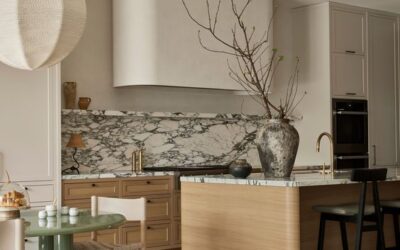
By contrast, kitchens and bathrooms thrive with clean, durable surfaces: honed stone countertops, ceramic tiles, brushed metals.
Here, texture balances beauty with the daily demands of living.
Living rooms, the gathering spaces of our homes, call for a curated symphony of both.
A tactile mix — supple leather, coarse knits, cool glass, natural wood — invites touch, conversation, and lingering.
The Art of Balancing Texture
True mastery lies not in simply adding textures, but in orchestrating them.
Start by establishing a base texture that grounds the room — perhaps the rich grain of oak flooring or the soft neutrality of a wool rug.
From there, introduce contrasts: a smooth ceramic lamp on a textured console, a linen sofa crowned with velvet cushions.
But remember — balance is delicate.
An overload of rugged materials can make a room feel hard-edged and restless.
Too many soft elements, and it risks becoming saccharine or shapeless.
Natural materials — wood, stone, cotton, greenery — offer a timeless antidote, bridging disparate textures with organic ease.
“Texture isn’t about chaos or excess,” says designer Rachel Blindauer.
“It’s about intentional variety. It’s about creating emotional depth that you can feel the moment you walk in.”
Texture Is Not a Detail — It’s a Foundation
The best-designed homes aren’t perfect — they’re alive.
Their walls carry the patina of real life. Their surfaces invite interaction. Their rooms breathe and evolve with the people who inhabit them.
Texture is what makes this possible.
It’s what transforms spaces from merely seen to truly felt.
Whether it’s the warmth of weathered wood under your fingertips, the crisp coolness of linen brushing your skin, or the unexpected delight of a hand-woven basket catching your eye — texture brings rooms into vivid, vibrant being.
In the end, mastering texture isn’t about following rules.
It’s about understanding how the surfaces around us shape the way we live — and using that knowledge to craft homes that are as richly layered as life itself.

SOMETHING FOR EVERYONE
THE PIECES RACHEL RETURNS TO, AGAIN AND AGAIN