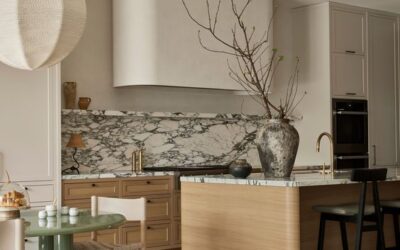
Art is the final layer in a room — the element that reveals whether the person living there has a genuine point of view or has simply assembled things that look right together. Over fifteen years of placing art in clients’ homes across Sarasota, Nantucket, and St. Louis, the artists I return to are not necessarily the ones with the most recognizable names. They are the ones whose work rewards sustained attention, holds its emotional power across years of daily living, and has an inherent quality that no amount of trend can replicate or erode.
These are the artists I love — and think about, and recommend — right now.
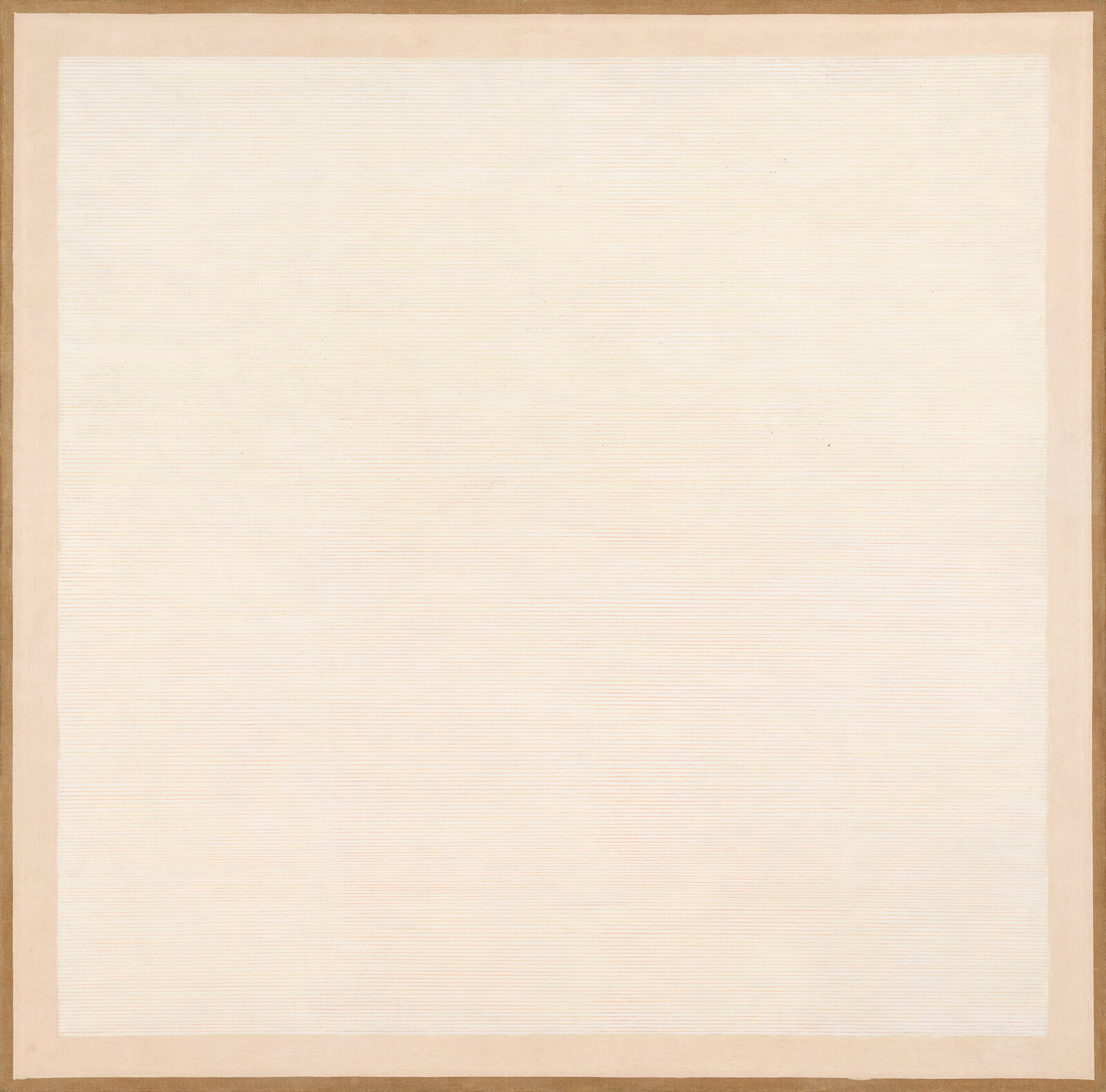
Agnes Martin
Martin’s paintings — grids and lines rendered in graphite and pale wash on linen, at large scale — are the visual equivalent of a long, quiet breath. They ask almost nothing of you at first glance and reveal everything over time. In a room that is already refined and still, a Martin is not decoration. It is atmosphere. Her work is at the permanent collections of MoMA, the Tate, and the Guggenheim, and it commands serious secondary market prices — but reproductions and prints also exist for clients who want to live with that particular quality of silence on a wall.

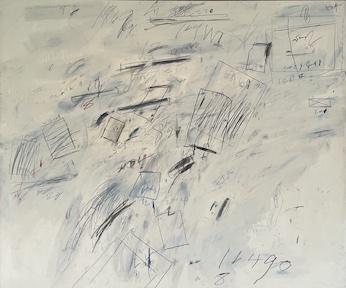
Cy Twombly
Twombly’s scrawled, mythological canvases — chalk-white fields crossed with graffiti-like marks, classical references embedded in layers of paint — are among the most intellectually alive works in twentieth-century art. They are also, paradoxically, among the most domestic: they work beautifully in rooms with books, with stone, with the kind of collected interiors that feel lived-in and layered. His later petal paintings, in blazing rose and red, have an almost shocking beauty that can transform a quiet room into something unforgettable.


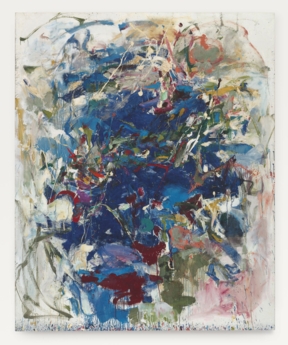
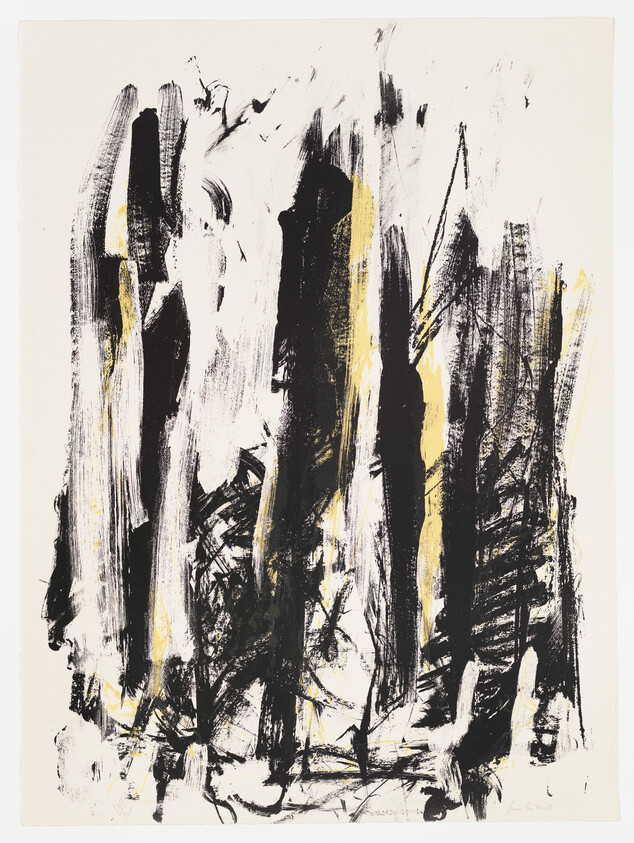
Joan Mitchell
Mitchell painted as if she was trying to capture the feeling of a landscape rather than its appearance — great sweeps of color, stormy and luminous at once, that seem to contain weather and light and emotional temperature simultaneously. Her canvases are best experienced large, and they are best placed where natural light can move across them throughout the day. She is the abstract expressionist I find myself recommending most often for clients who want something genuinely powerful without the institutional gravity of a Rothko or a de Kooning.

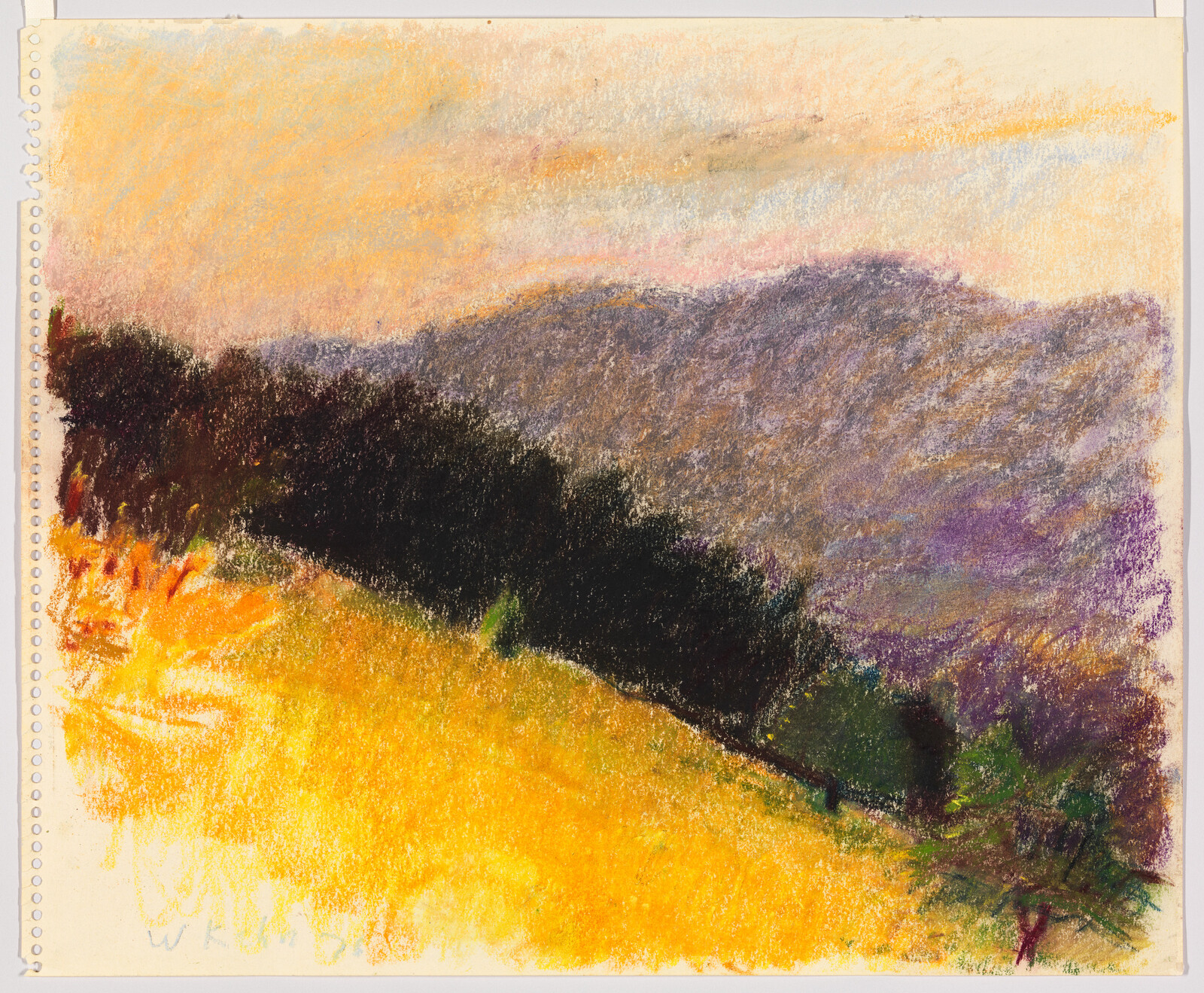
Wolf Kahn
Kahn painted the American landscape — barns, fields, tree lines at dusk — in pastels of almost hallucinatory softness: lavender meadows, violet shadows, fields that hover between gold and green. His work is figurative enough to be immediately accessible and abstract enough to be inexhaustible. In a coastal or country house, a Kahn feels inevitable rather than chosen. His estate continues to offer works, and prints are widely available for clients beginning to collect.

Slim Aarons
Aarons photographed “attractive people doing attractive things in attractive places” — his own description — from the 1950s through the 1990s, producing an archive of poolside glamour, Mediterranean ease, and effortless aristocratic leisure that has become the defining visual language of aspirational living. His photographs are not nostalgia. They are a specific and still-unsurpassed vision of what a beautiful life looks like. In a bedroom, a dressing room, or a sunlit sitting room, an Aarons print is never wrong.


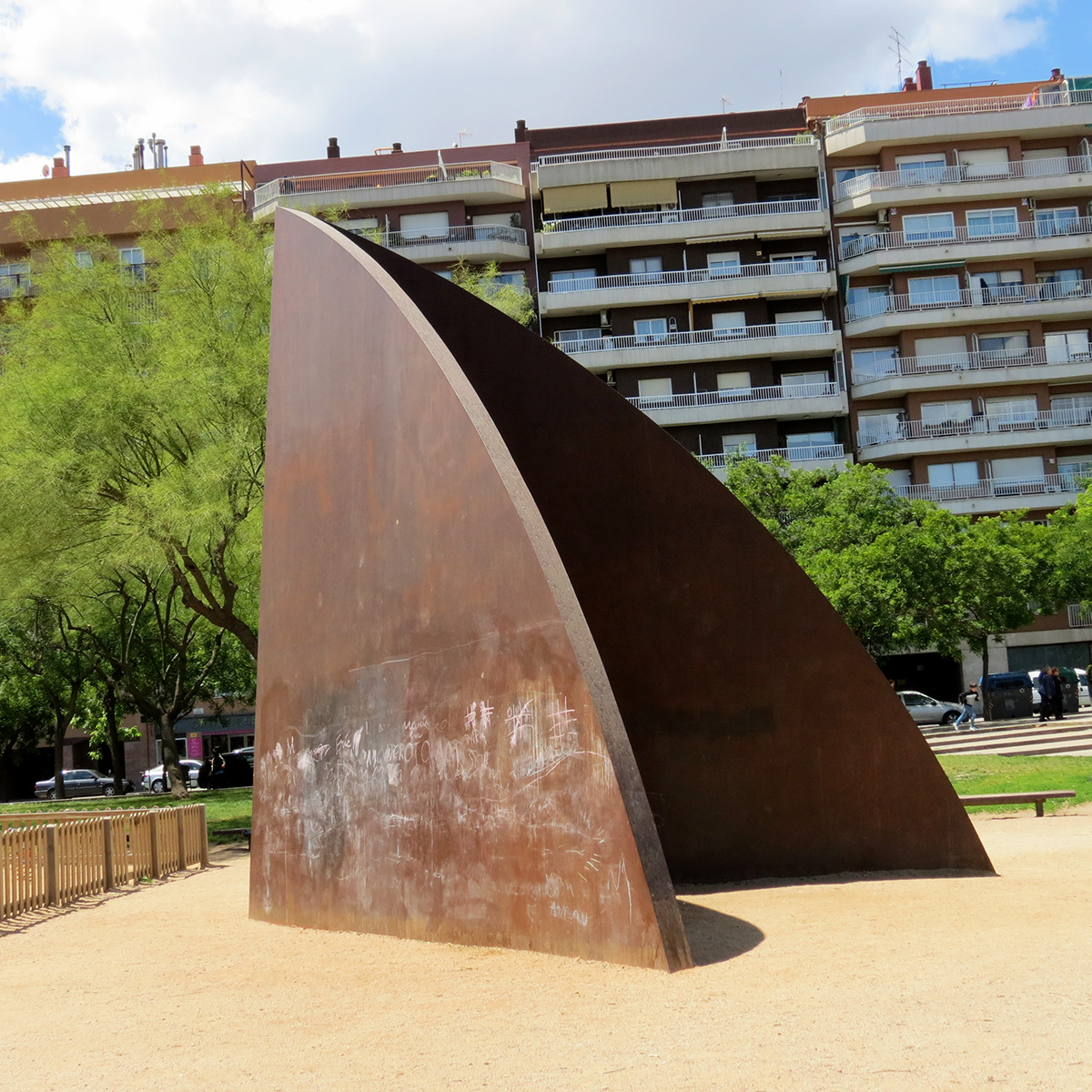
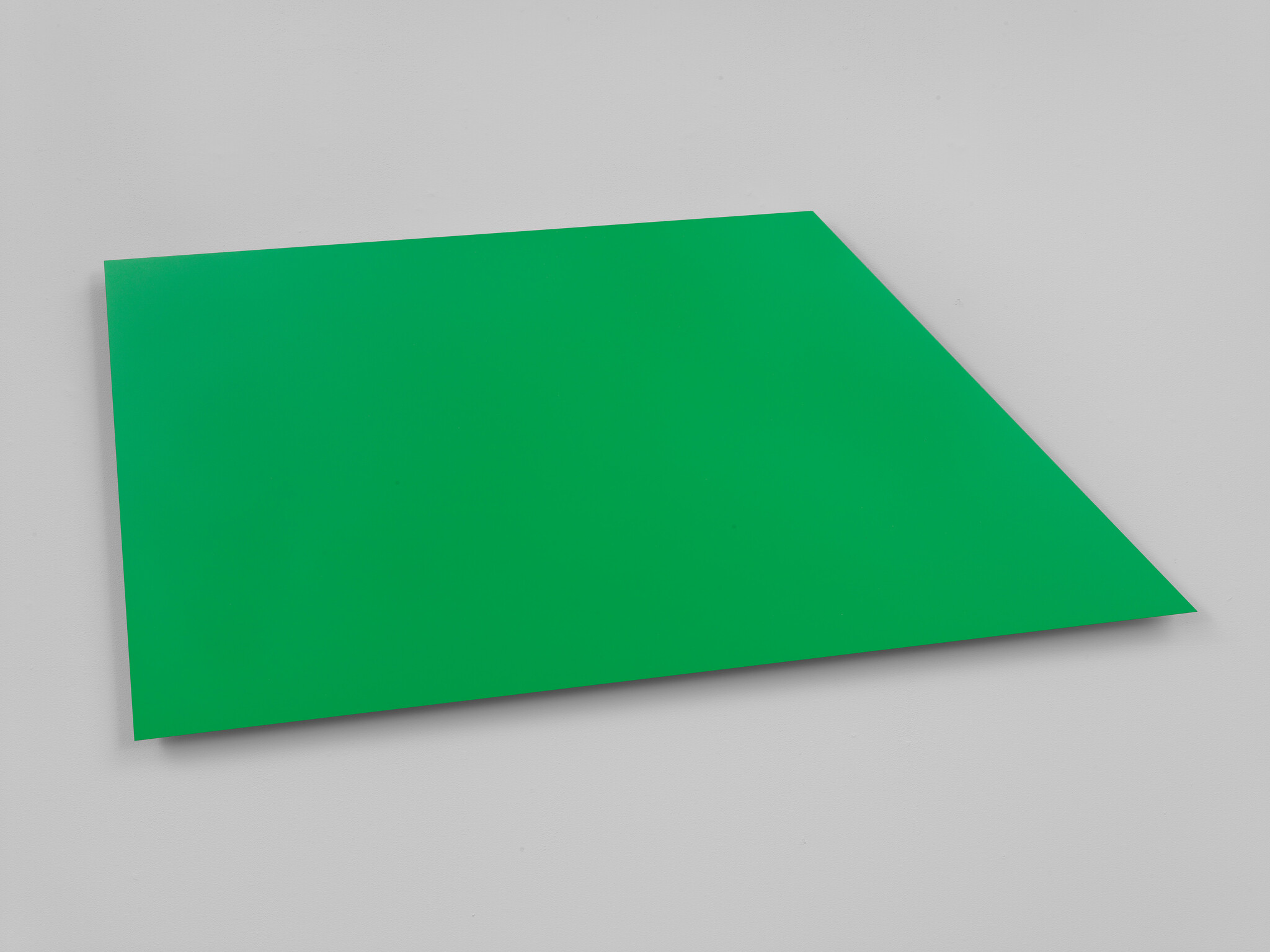
Ellsworth Kelly
Kelly reduced painting to its most essential elements — color, edge, shape — and in doing so created works of extraordinary architectural authority. A Kelly panel in a room with strong geometry and restrained palette is not a decoration; it is a structural decision. His shaped canvases, his plant drawings, and his prints are among the most reliable ways I know to give a contemporary room a backbone of genuine art historical seriousness without heaviness or pretension.

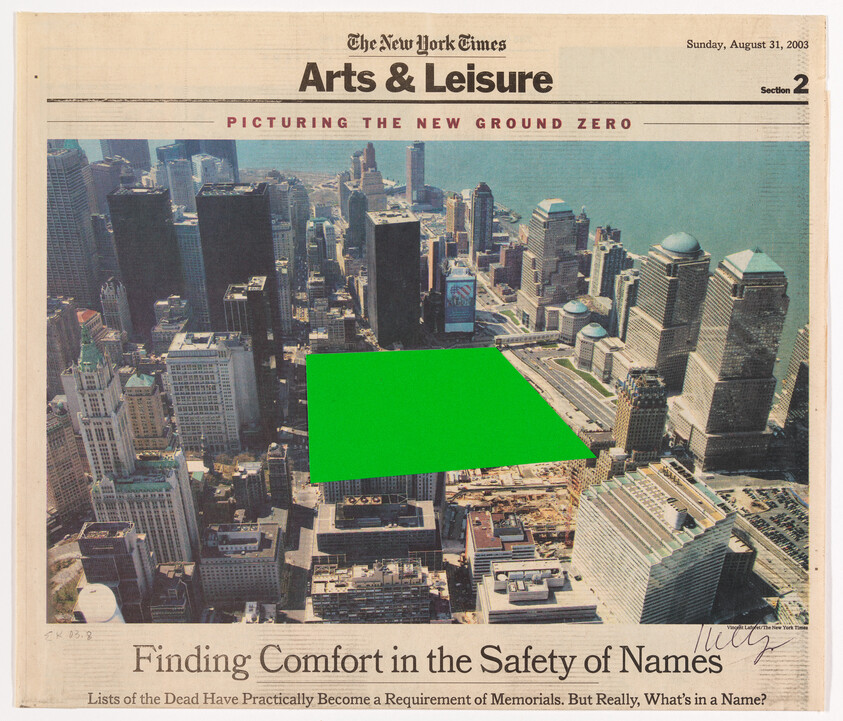
Lucie Rie
The Austrian-British ceramist Lucie Rie produced vessels of such refined simplicity that they register as sculpture regardless of context. Her bowls and bottles — thin-walled, precisely thrown, in matte and sgraffito surfaces in white, bronze, and muted earth tones — have an authority in a room that few contemporary objects match. They are collected by museums and serious private collectors alike, and a single genuine Rie piece on a shelf can anchor an entire room’s aesthetic conversation. For clients who cannot access her originals, the studio ceramists who have emerged in her tradition — Rupert Spira, Gabrielle Koch — offer a similar quality of attention at more accessible price points.


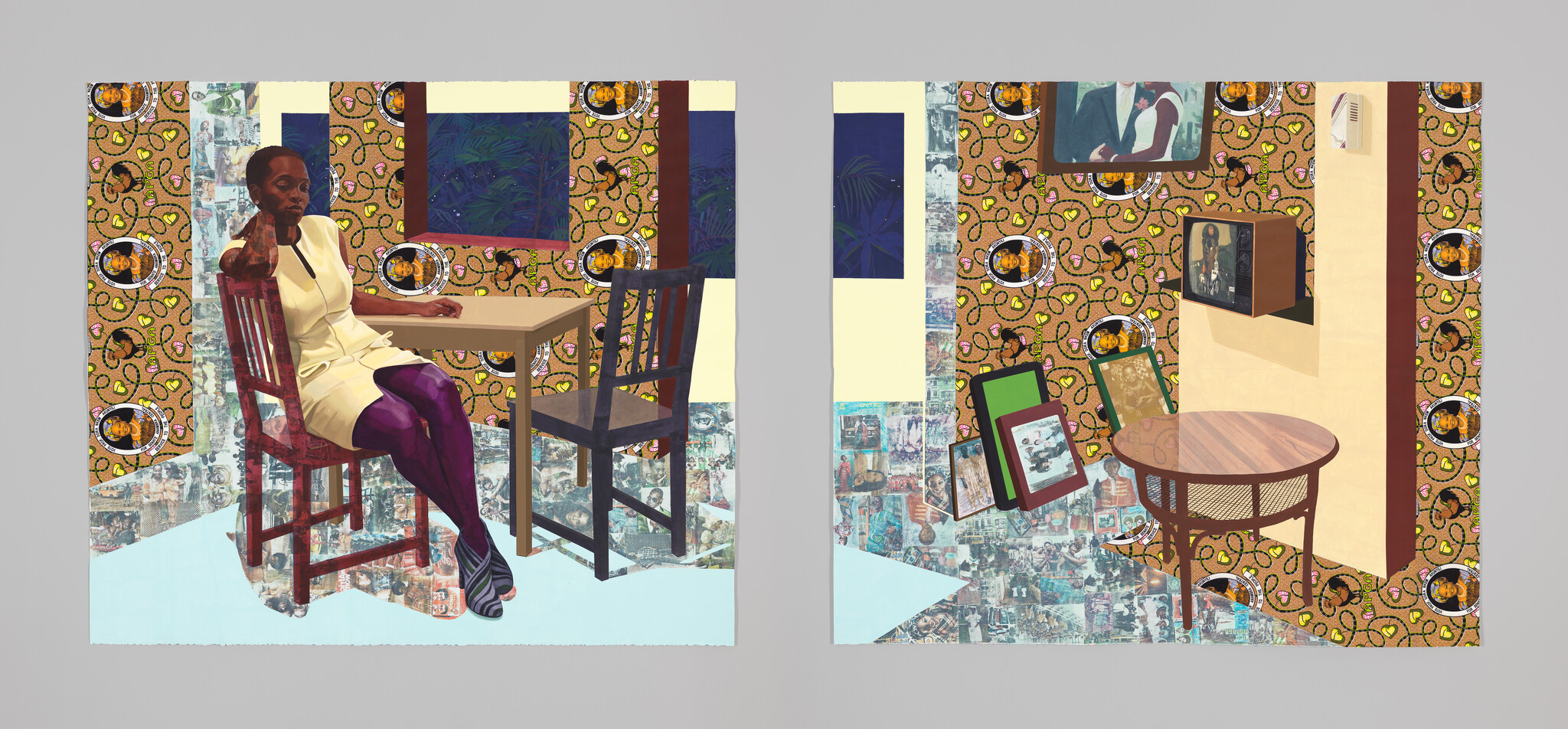
Njideka Akunyili Crosby
The most compelling figurative painter working today, in my view. Akunyili Crosby layers photo-transfer images of Nigerian domesticity with painted surfaces in a technique that makes her canvases feel simultaneously intimate and monumental. Her work is about identity, memory, belonging, and the complexity of living between cultures — and it is executed with a technical sophistication that rewards close, slow looking. She is in every major museum collection and on the secondary market at prices that reflect her standing. To own one is to own one of the defining artworks of this era.


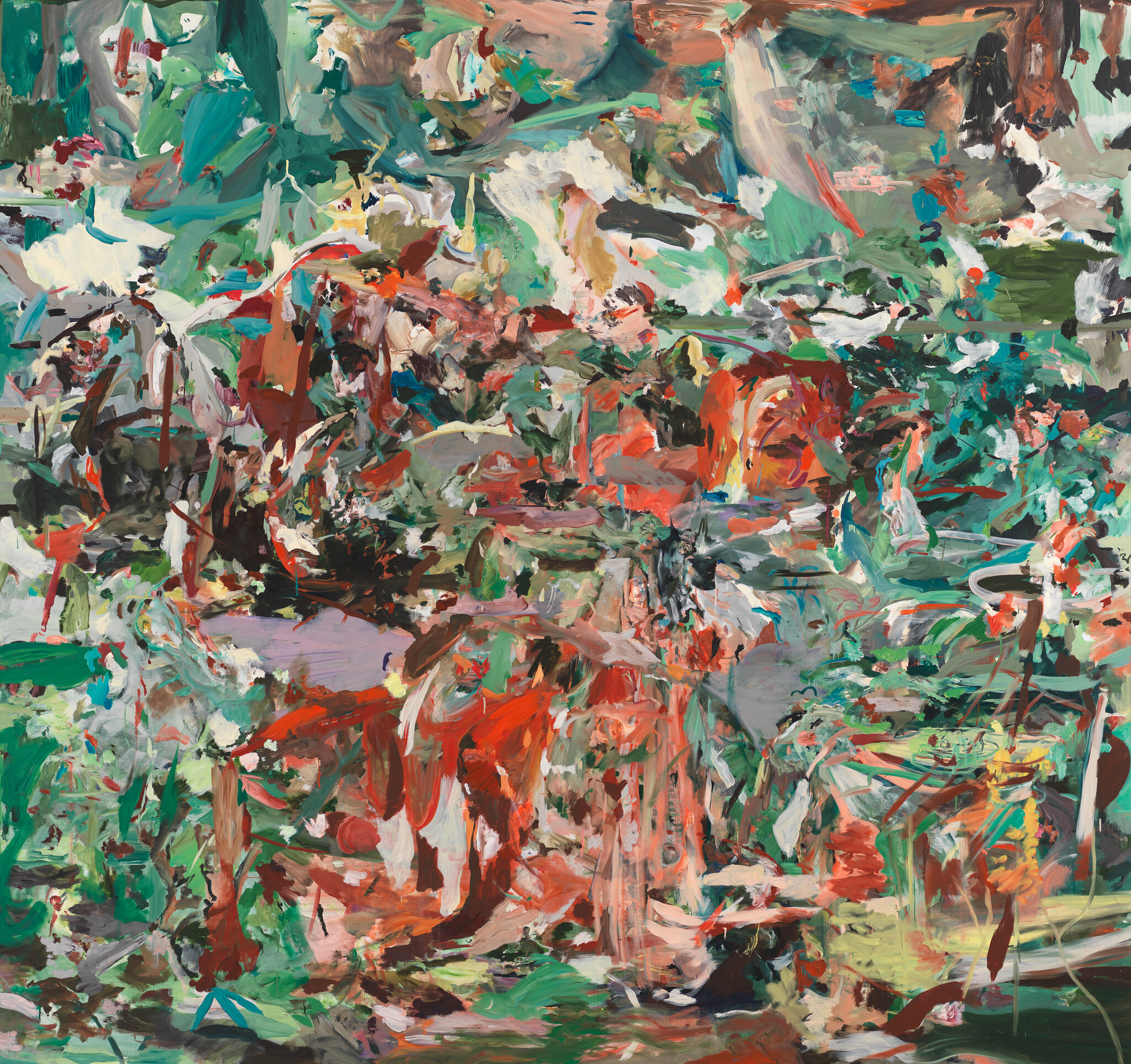
Cecily Brown
Brown’s neo-expressionist canvases — dense, sensuous, wildly energetic — operate somewhere between figuration and abstraction, with art historical references (Rubens, Fragonard, de Kooning) visible beneath surfaces of extraordinary painterly intelligence. Her work is explicitly physical: you feel it before you understand it. In a room with strong bones and restrained furnishings, a Brown painting provides everything the room needs by way of vitality and passion. She is among the most important painters of her generation.

Peter Beard
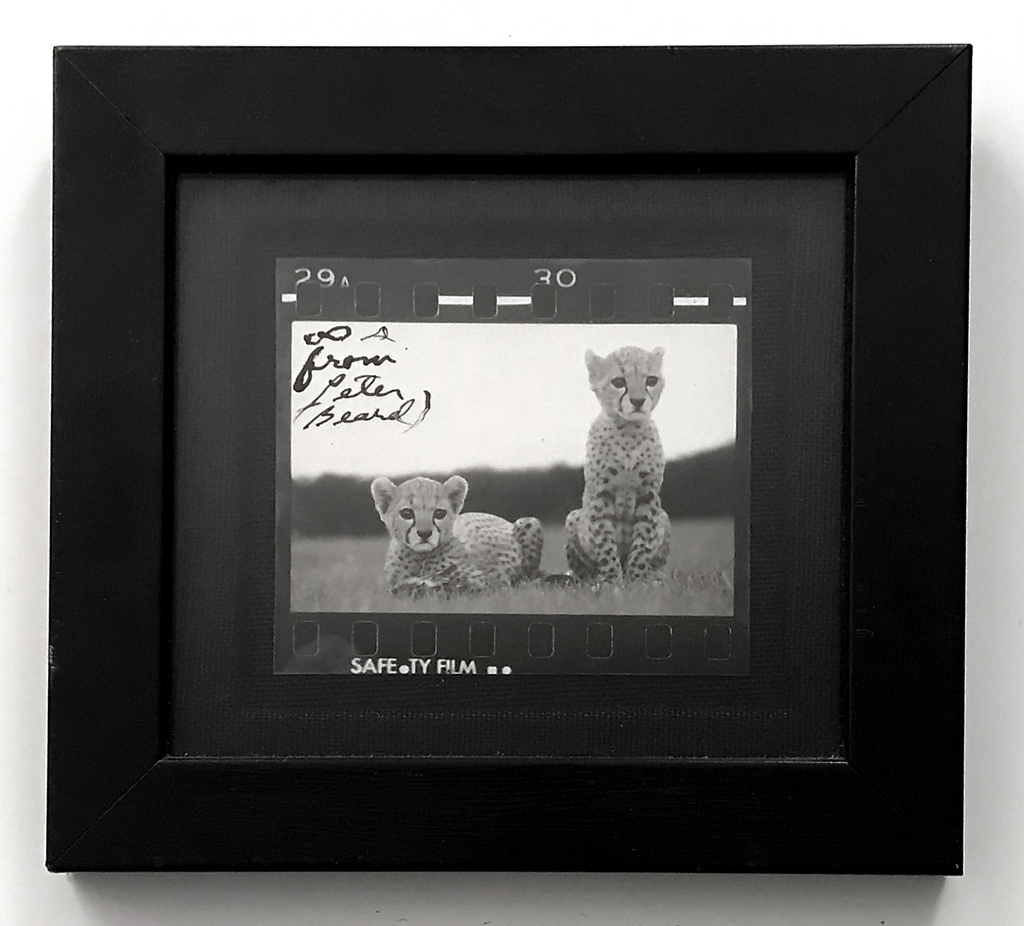
Beard spent decades in Africa photographing wildlife and landscapes in a style that was part documentary, part diary, part obsession — overlaying his photographs with drawings, pressed plants, and handwritten text in a way that made each print a personal artifact rather than simply a photograph. His work is wild and beautiful and deeply particular. In a library, a study, or a room designed around a strong personality, a Beard is an immediate statement of serious, original collecting taste.


Donald Judd
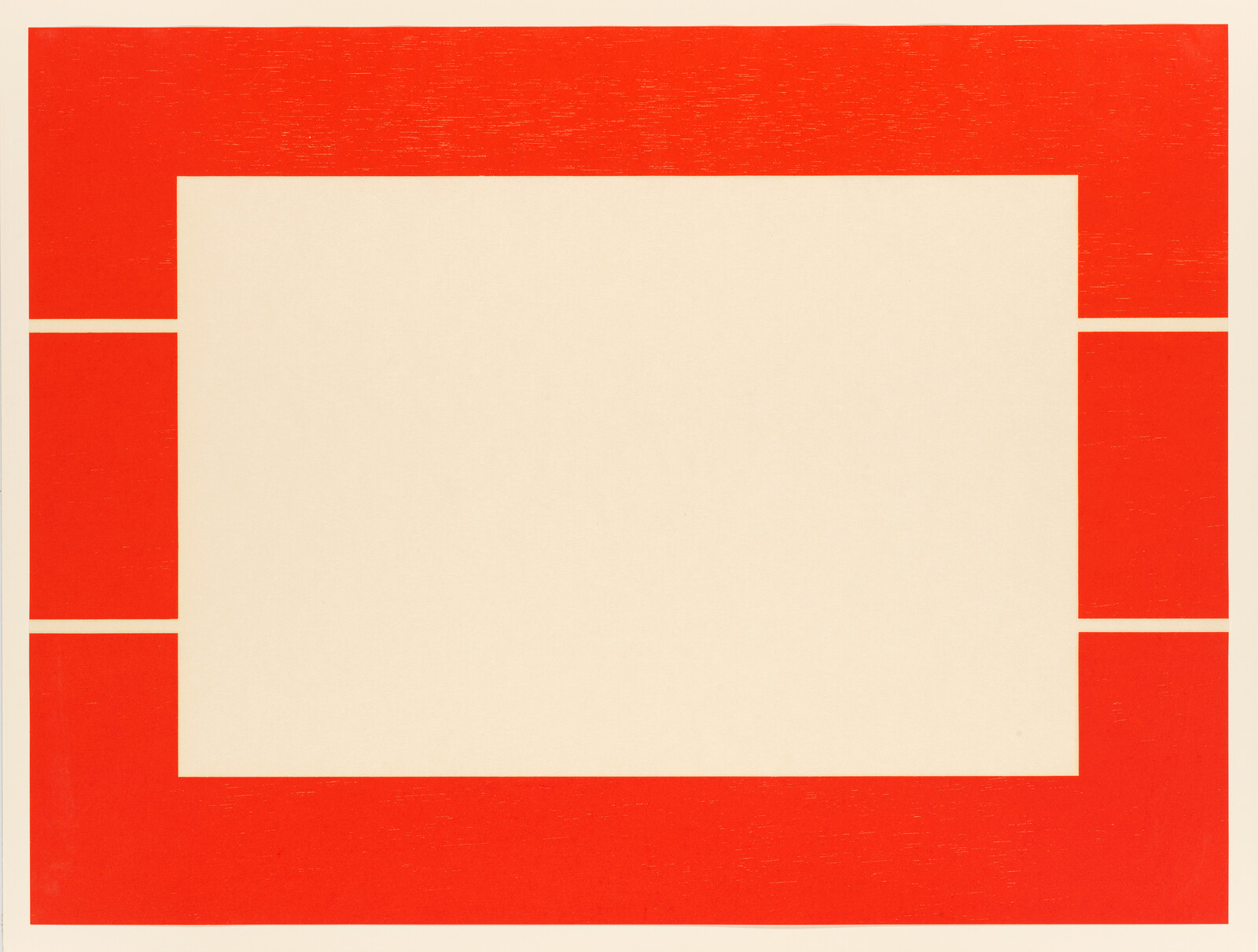
Judd is most famous as a sculptor — his stacked steel boxes, his colored aluminum progressions — but he was also, crucially, a furniture designer who believed that the objects we live with should be as rigorously considered as the art we hang on walls. His furniture, produced in Marfa, Texas, and now available through the Judd Foundation, bridges the art world and the domestic world in a way that is still almost unique. Even if you never own a Judd work, understanding his thinking about objects, space, and the relationship between them will make you a better collector.


How I Think About Art in a Room
The most important thing I’ve learned about placing art is that the room must be ready for it. Art placed too early, before the bones of the space are established, becomes decoration — one element among many competing for attention. Art placed into a room that has been carefully resolved becomes the room’s reason for existing. I always advise clients to live with their walls a little longer than feels comfortable before committing — because when the right piece arrives, you will know it immediately. And when it does, give it the wall it deserves.
If you’re building a collection, navigating the art market, or simply trying to find the right piece for a specific space, a design consultation is a natural place to start that conversation.


Marais Chandelier
$2,300

Marais Woven Rattan Chest
$2,796

Sculptural Serenity Vase
$452
SOMETHING FOR EVERYONE
THE PIECES RACHEL RETURNS TO, AGAIN AND AGAIN