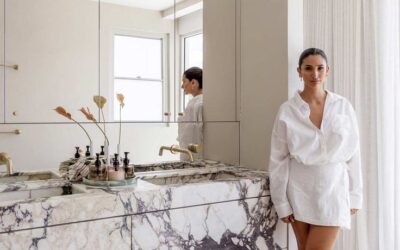
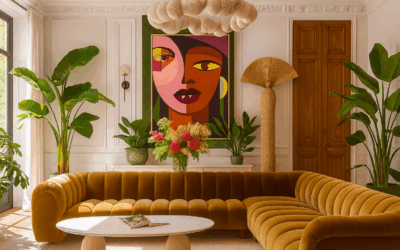
A few years back, on a breezy afternoon in Sarasota, I watched a client unpack boxes in her newly renovated coastal home. The space wasn’t screaming for attention—no dramatic marble veining or oversized pendants—but every piece felt deliberate: a low-slung linen sofa that had softened over time in a previous life, a reclaimed teak side table with faint water rings from decades of use, and sheer curtains that caught the Gulf light like breath. She turned to me and said, “This doesn’t feel new. It feels right.” That single sentence has stayed with me. In an era of constant reinvention, the most compelling luxury now isn’t about acquiring the latest; it’s about curating what endures, what supports daily life, and what quietly elevates it. As we move into 2026, livable luxury—timeless, practical, deeply personal—is emerging as the defining ethos for discerning homes and boutique hospitality spaces alike.
From Fleeting Trends to Enduring Foundations
Interior design has always reflected the cultural moment. The mid-2010s gave us the relentless pursuit of Instagram-perfect minimalism; the early 2020s brought maximalist excess as a counterpoint. But post-pandemic shifts toward wellbeing, sustainability, and authenticity have reshaped priorities. High-end clients no longer want spaces that look “done”—they want environments that age gracefully, adapt to real living, and tell a story over time.
This isn’t anti-trend; it’s a refinement. Think of the enduring appeal of mid-century pieces that have been reupholstered rather than replaced, or the patina on antique brass that only deepens with touch. In my projects—from Nantucket summer retreats to St. Louis family legacies—I’ve seen how prioritizing longevity creates richer narratives. A hand-carved walnut console might cost more upfront, but its craftsmanship ensures it becomes a heirloom, not landfill fodder. Similarly, performance fabrics that mimic the softness of velvet yet withstand spills and sun fading allow families to live fully without compromise.
Historical echoes abound here too. The great estates of the early 20th century—think Edith Wharton’s The Mount or the villas of the Côte d’Azur—were built for generations, with materials chosen for their resilience and beauty over decades. Today’s livable luxury revives that sensibility, but with modern innovations: ethically sourced woods that sequester carbon, low-VOC paints that support indoor air quality, and modular systems that evolve as needs change.
Materials and Details That Age Beautifully
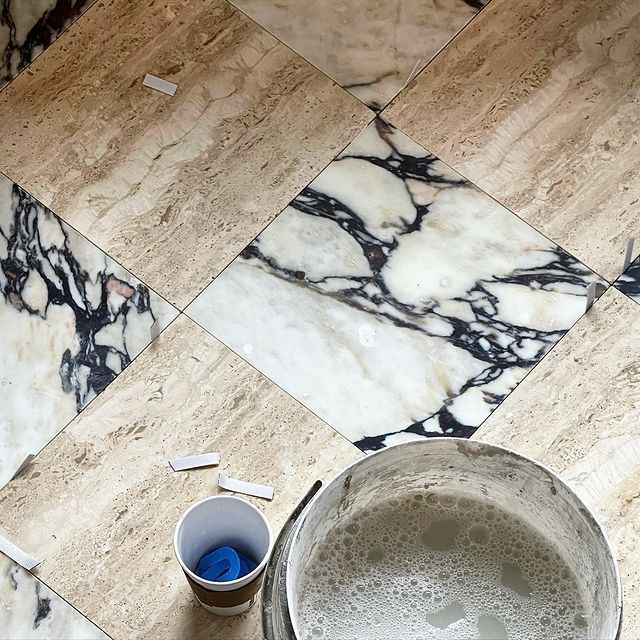
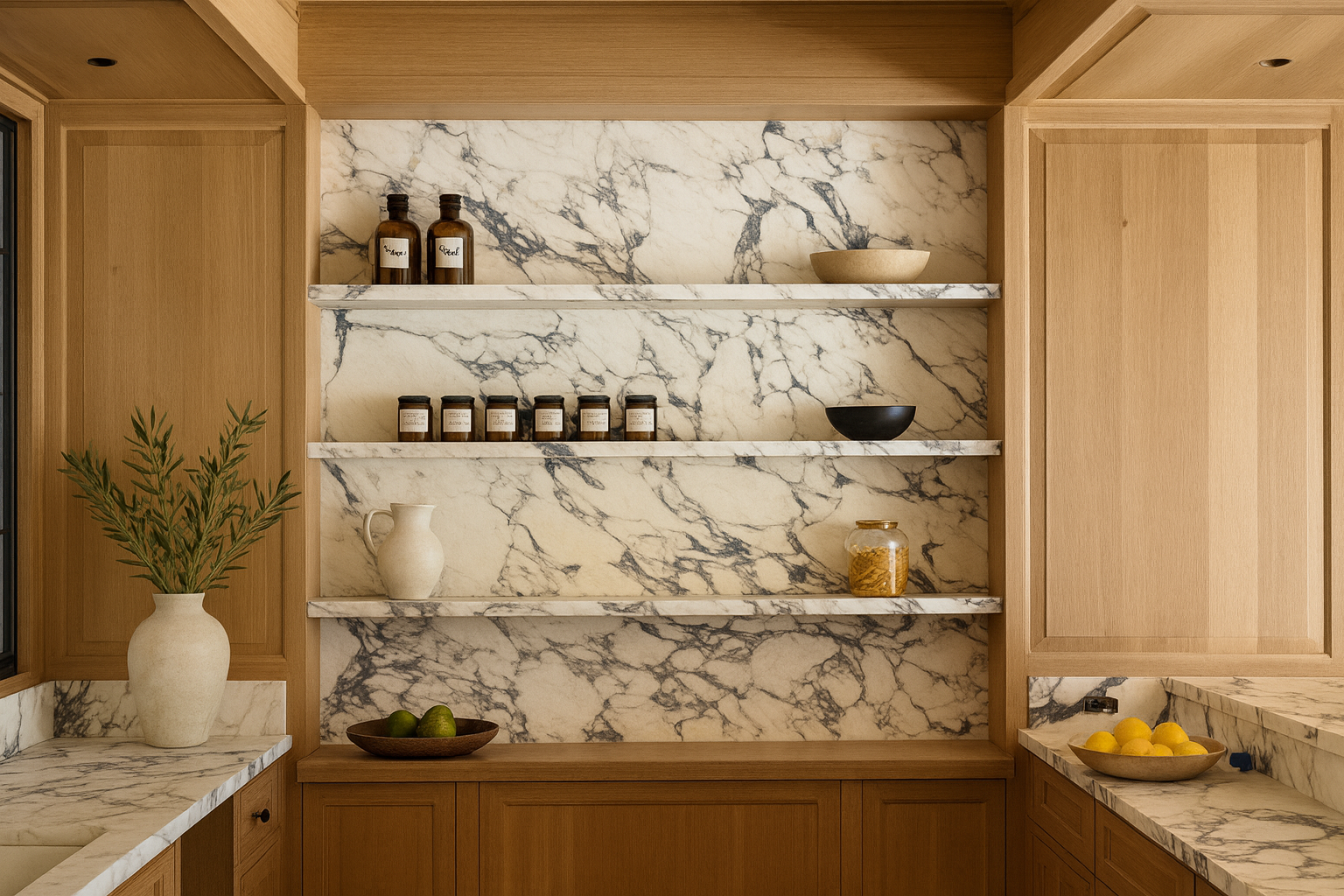
The tactile heart of livable luxury lies in materials that invite interaction and reward time. Natural stones like honed limestone or aged travertine develop subtle character rather than pristine perfection—cool underfoot in Sarasota summers, grounding in Nantucket winters. Organic textiles—linen blends, washed cottons, and vegetable-dyed wools—soften with wear, gaining depth instead of fading.
Lighting plays a starring role: sculptural fixtures in unlacquered brass or hand-blown glass that patina softly, casting warm, forgiving glows. In one recent boutique hotel project in Lincoln, Massachusetts, we layered vintage-inspired sconces with modern dimmable LEDs, creating ambiance that feels intimate and enduring. Furniture follows suit: curved, enveloping silhouettes in solid hardwoods, upholstered in durable yet luxurious fabrics that feel like a second skin.
Sustainability isn’t an add-on; it’s foundational. I seek out pieces with traceable provenance—reclaimed timber from responsibly managed forests, artisanal ceramics fired with low-impact kilns. These choices reduce environmental footprint while adding soul: a vessel thrown by a local potter carries the maker’s hand in every imperfection.
Aspirational prompt: Picture your entryway not as a pass-through, but as a quiet welcome— a vintage bench with a softly worn leather seat, a mirror framed in aged wood that reflects the day’s light. How does surrounding yourself with pieces that improve with age change the way you step into your home each evening?
Shop The Look


Practical Steps Toward Livable Luxury in Your Space
Start small but intentionally. Audit your current pieces: What has lasted? What brings genuine comfort? Build around those anchors. Invest in foundational items— a well-made sofa, timeless rugs, quality bedding—that form the backbone of daily life.
For coastal or humid climates like Florida, prioritize breathable, mold-resistant materials; in urban pied-à-terres, focus on multifunctional pieces that maximize light and flow. Layer thoughtfully: mix eras (a modern lamp beside an antique chair) to create collected depth without chaos.
If a full refresh feels daunting, a 2-hour design consultation can map your priorities—often crediting toward larger projects. And for those finishing touches that ground a room in quiet elegance, browse curated selections at the shop—sculptural vessels, refined textiles, and lighting designed to last.
The True Measure of Luxury in 2026
Ultimately, livable luxury isn’t about restraint for its own sake; it’s about freedom—the freedom to live messily, joyfully, authentically, without fear of “ruining” something precious. In a world of constant noise, these spaces offer sanctuary: calm, composed, and confidently understated.
As we’ve traced this shift from trend-chasing to timeless intention, one truth stands clear: the most powerful interiors don’t demand attention—they earn it through lived experience. If you’re ready to create a home that supports your life rather than staging it, let’s talk. Explore more on quiet luxury interiors or seasonal color palettes that endure.
Here’s to spaces that feel as timeless as they do welcoming.