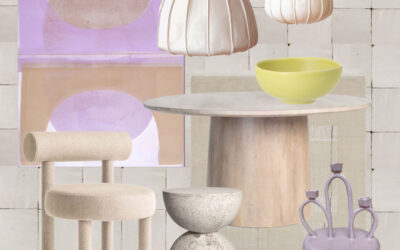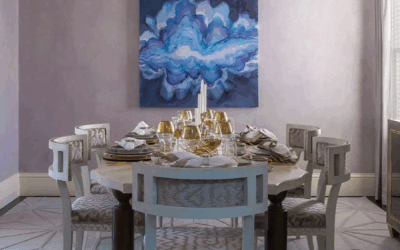
Understanding Feminine and Masculine Design Elements
In the realm of interior design, masculine elements often evoke a sense of strength and sharpness, marked by dark colors, angular lines, and minimalist aesthetics. Contrastingly, feminine design whispers softness, using curves, lighter shades, and intricate details. Rachel Blindauer illustrates the splendid dance between these opposites, fostering spaces that resonate with comfort and style.
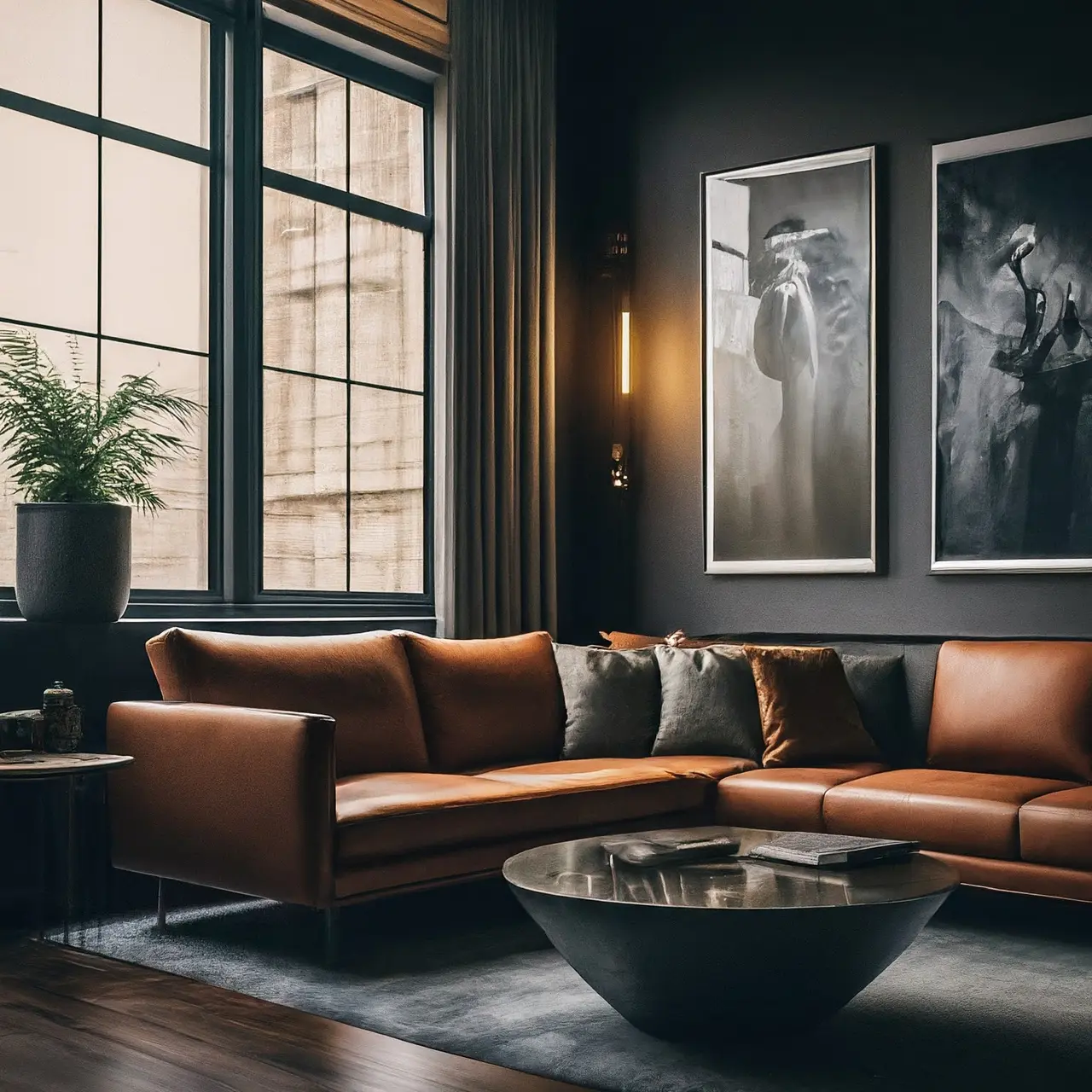
Texture plays a crucial role, weaving together the tactile experiences of both masculine and feminine worlds. Think of the luxurious feel of a leather sofa against the gentle caress of satin cushions. It’s about creating a composite picture that appeals to the senses and emotions equally.
Lighting, an often-overlooked element, becomes the silent narrator of a space’s story. Rachel advises on balancing the sharpness of modern fixtures with the warm glow of soft, layered lighting to nurture a setting that accommodates the vigor of masculinity and the grace of femininity.
Creating Harmony in Spaces with Balanced Design
Harmony in design is achieved not by favoring one element over another, but by finding the sweet spot where both masculine and feminine characteristics coexist and complement each other. Rachel emphasizes the importance of symmetry, proportion, and a cohesive theme to achieve this balance.
Furniture selection becomes a dialog between strength and delicacy. By aligning robust furniture pieces with more delicately framed ones, a balanced aesthetic flow is established, inviting movement and interaction within the space.
Ultimately, the art of balancing masculine and feminine design elements lies in storytelling. Each space narrates its own tale, a reflection of the inhabitants’ identities, desires, and experiences. Through expert guidance and a touch of creativity, any space can embody the essence of balance, becoming a sanctuary for all who enter.
Mastering the balance between masculine and feminine interior design elements crafts a dialogue within spaces that is both versatile and harmonious. Rachel Blindauer’s insights illuminate the importance of this equilibrium in Florida’s luxury interior design landscape, making any space not just a sight to behold but a sensory experience to relish.
In today’s modern age, interior design has evolved to reflect diverse personalities and lifestyles. Gone are the days of rigid gender stereotypes dictating the aesthetic choices we make in our homes. Instead, a harmonious blend of masculine and feminine elements has become the trend, creating spaces that are both stylish and inviting. In this blog post, we will delve into the intricacies of balancing masculine and feminine interior design, offering valuable insights and ideas for creating a space that resonates with your unique taste.
Understanding Masculine and Feminine Design
To begin, let’s explore what defines masculine and feminine interior design. Traditionally, masculine design elements are associated with strength, boldness, and simplicity. This can be represented through darker color palettes, clean lines, and minimalist furniture choices. On the other hand, feminine design embraces softer colors, curves, and intricate detailing, often incorporating floral patterns, pastel hues, and decorative accents.
Striking the Perfect Balance
When it comes to incorporating both masculine and feminine features in your interior design, balance is key. By carefully blending these contrasting elements, you can create a space that appeals to both genders and exudes harmony. Rather than choosing one over the other, consider how you can combine them to form a cohesive design scheme. For example, pairing a sleek leather couch (masculine) with floral-printed cushions (feminine) can result in a visually striking and well-balanced living room.
Color Palette
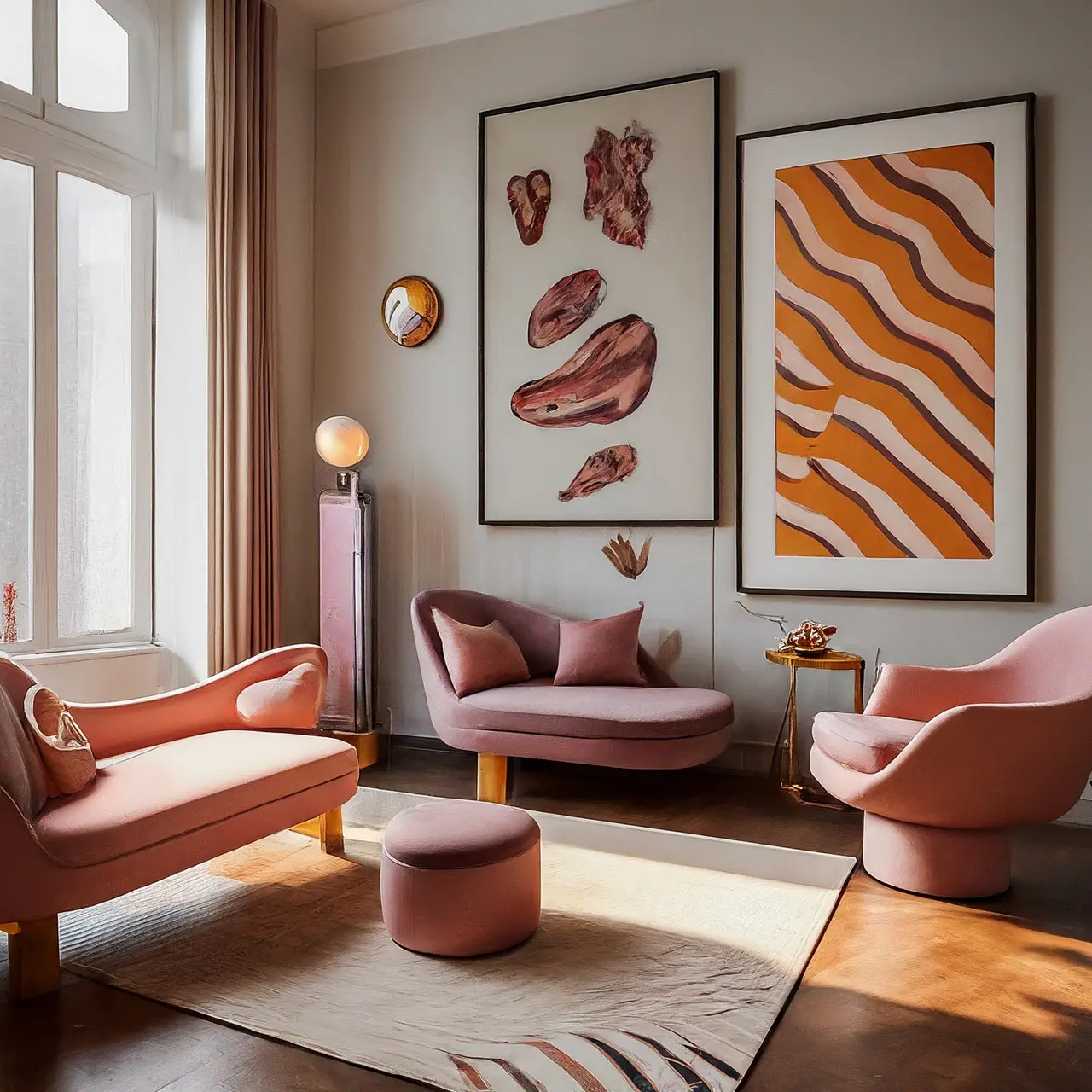
Colors play a crucial role in setting the tone of a space. For a balanced interior design, consider using a neutral color palette as a foundation. Shades of gray, beige, or cream can act as a blank canvas on which you can add pops of masculine and feminine colors. For instance, introduce navy blue accents through artwork or decorative items to add a touch of masculinity, while incorporating blush pink or lavender hues in accessories or textiles to bring in feminine charm.
Furniture and Accessories
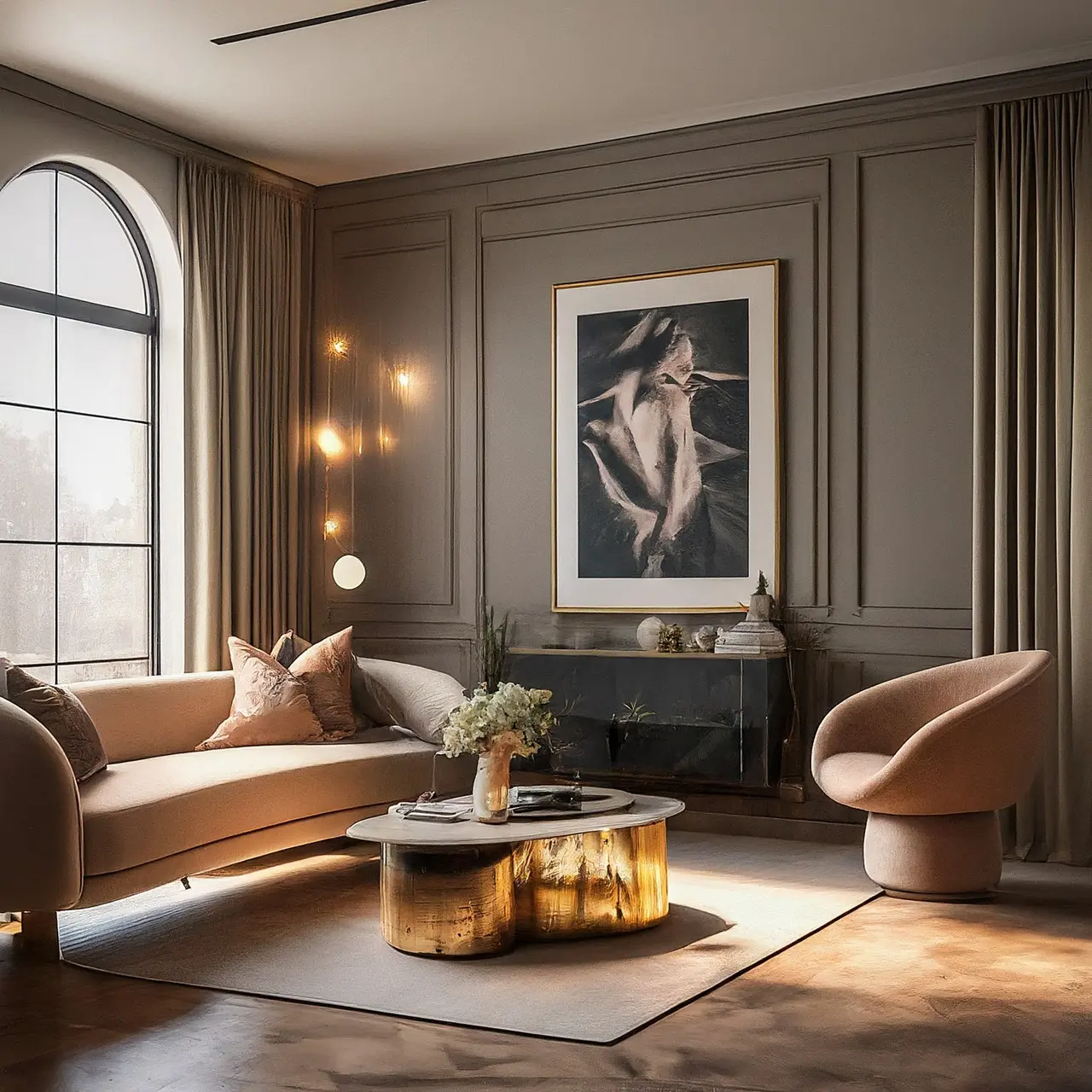
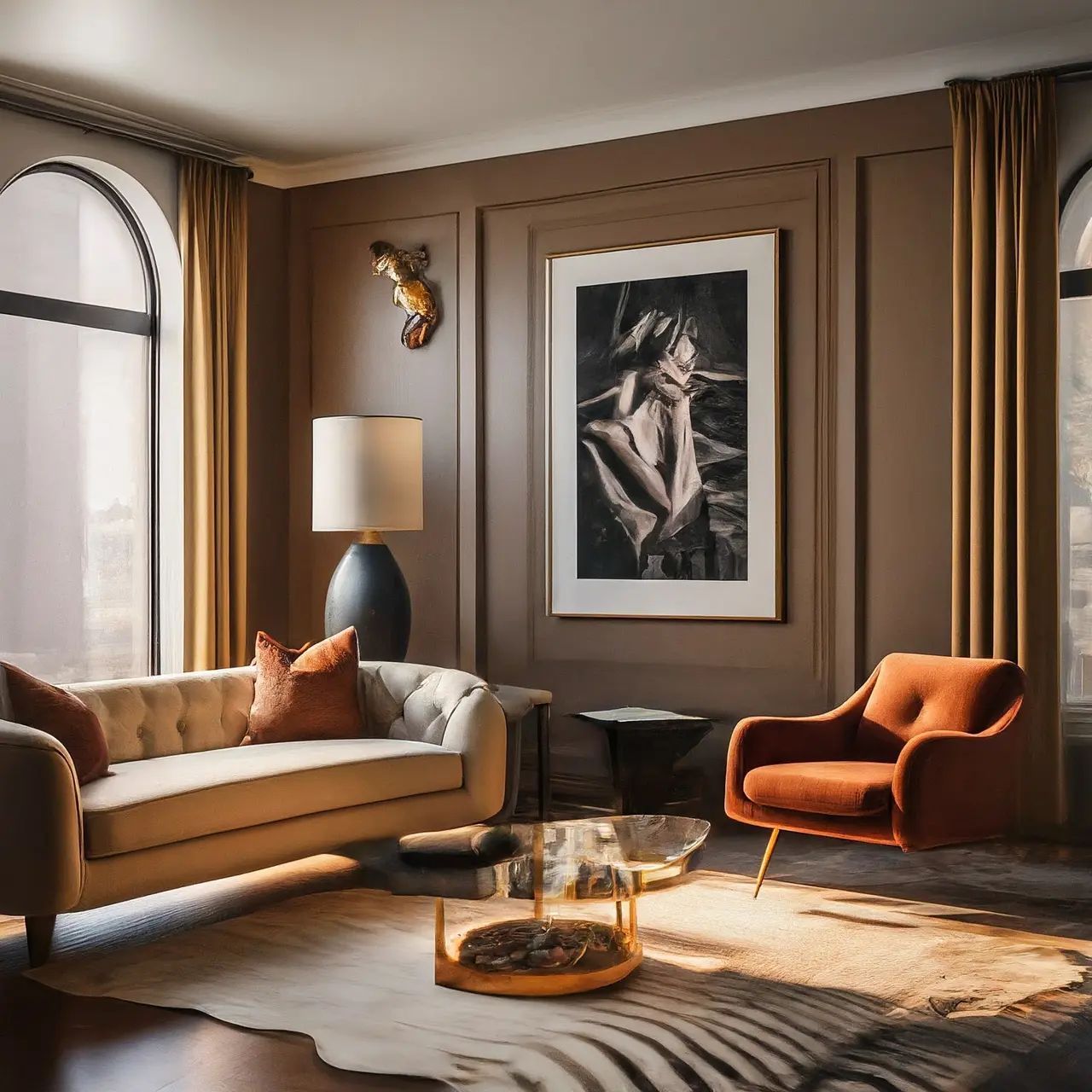
When selecting furniture pieces, opt for designs that blend masculine and feminine characteristics. For instance, a sofa with clean lines and a structured silhouette can be complemented with plush, floral-printed cushions or a soft throw for added femininity. Similarly, a rustic wooden coffee table can be paired with delicate, ornate vases or candles for a touch of femininity. By mixing and matching furniture and accessories, you can create a space that seamlessly combines both styles.
Creating a Balanced Foundation
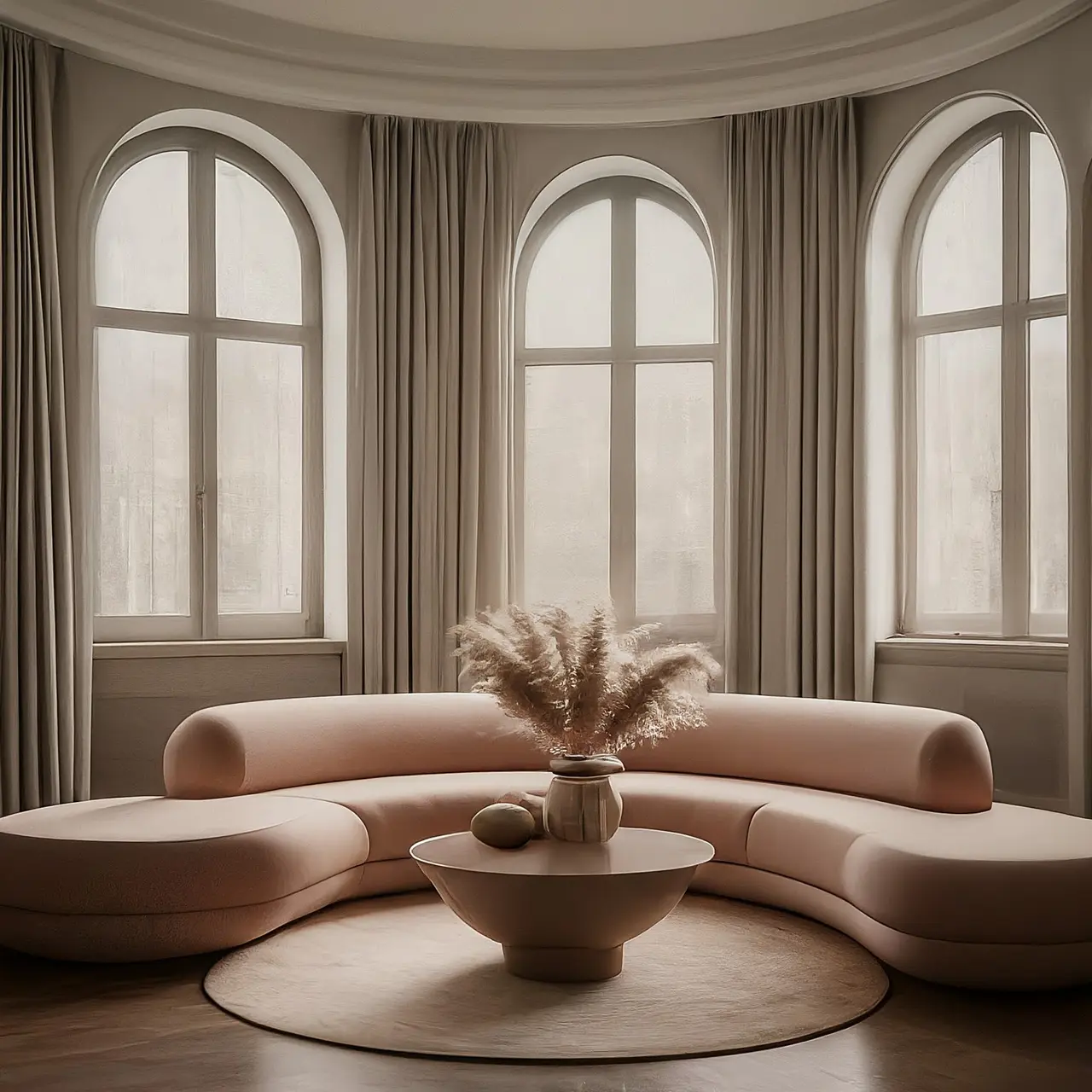
To create a harmonious space, start by establishing a neutral foundation that accommodates both masculine and feminine elements. Opt for neutral colors like beige, grey, or white for walls, floors, and larger furniture pieces. This neutral base will serve as a canvas for incorporating contrasting elements.

The Power of Color
Color plays a pivotal role in interior design, and when it comes to merging masculine and feminine styles, it becomes even more crucial. Consider incorporating a mix of bold and soft colors to strike the perfect balance. For instance, pair a deep navy blue sofa with pastel pink accent pillows, or combine a bold red rug with a light lavender chair. By bringing together contrasting colors, you can create a visually captivating and gender-inclusive space.
Merging Materials and Textures
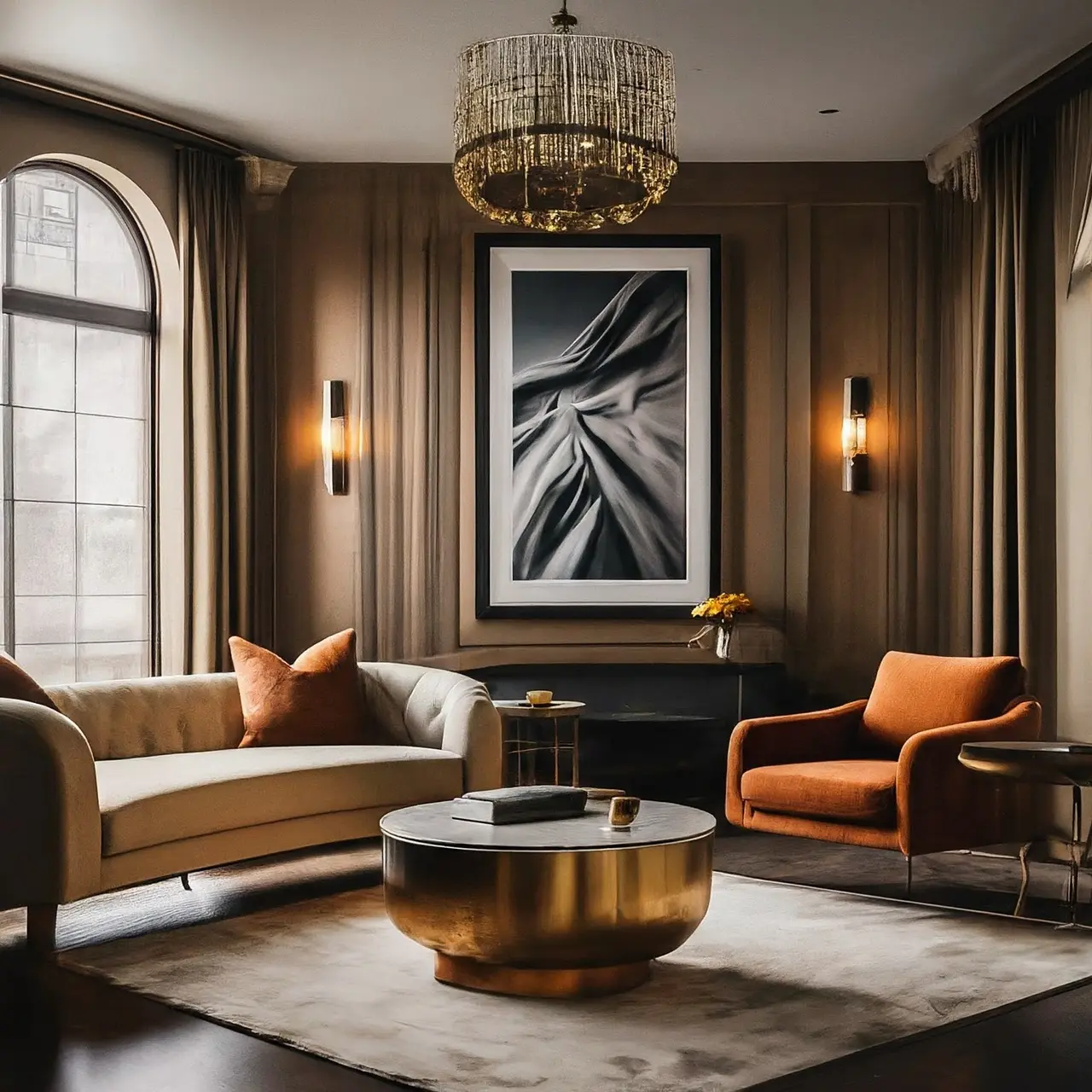
Another way to merge masculine and feminine interior design is through the clever combination of materials and textures. For example, blend sleek, metallic accents with plush, velvet upholstery. Incorporate a mix of rough and smooth textures, such as pairing a reclaimed wooden coffee table with a soft faux fur rug. This fusion adds depth and character to the space, catering to both masculine and feminine sensibilities.
Balancing Functional and Decorative Elements
A successful interior design should not only be visually pleasing but also functional. Balancing functional and decorative elements is key when merging masculine and feminine styles. For instance, incorporate multifunctional furniture pieces like a sleek desk that can double as a makeup vanity. Combine practical storage solutions with elegant decorative pieces to create a space that is both practical and aesthetically pleasing.
Blending masculine and feminine interior design elements can create a truly harmonious and personalized space. By understanding the characteristics of both styles and using clever design techniques, you can achieve a balance that reflects your unique taste and creates an inviting atmosphere. So, don’t be afraid to mix and match, experiment with colors and textures, and create a space that truly embodies your style and personality.

SOMETHING FOR EVERYONE
THE PIECES RACHEL RETURNS TO, AGAIN AND AGAIN